








Introduction:The washed processing method is one of the most common green bean processing techniques in the specialty coffee world. It not only helps stabilize quality but also imparts a clean and bright profile to the beans. This article takes an in-depth look at the production process of washed coffee, its unique flavor profile, and offers practical pour over parameters and techniques to help you fully showcase the layers and citrus, floral notes of washed beans.
Recently, a coffee enthusiast shared that although they have collected many washed processed coffee beans, they often feel unable to bring out the clear layers and flavor details that cafés achieve when brewing at home. So, how should washed coffee be brewed to bring out its essence? This article will break it down step by step—from the principles and characteristics of washed processing to practical brewing solutions.
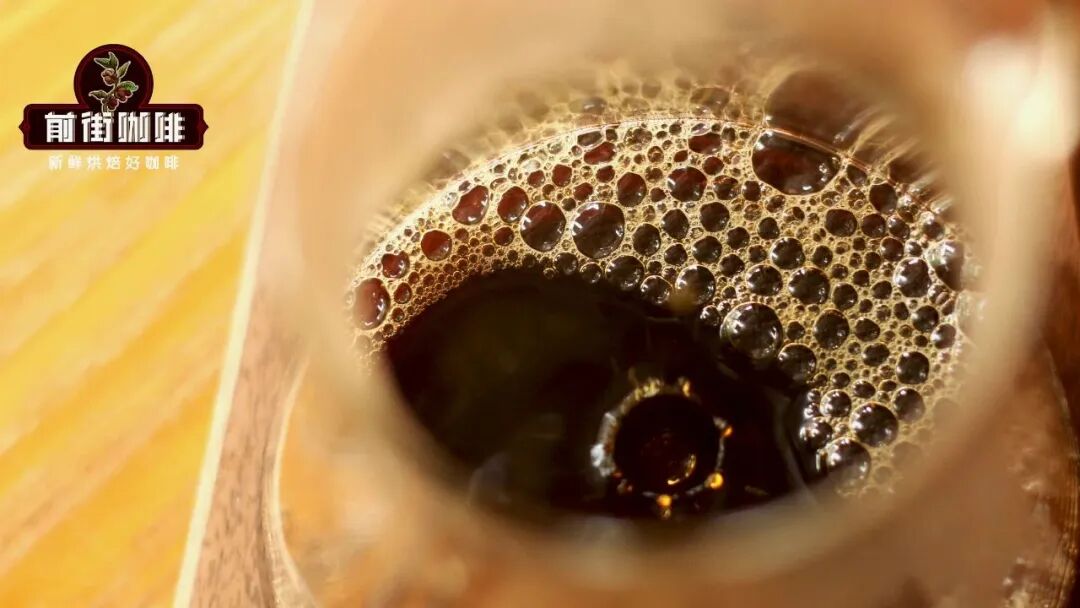
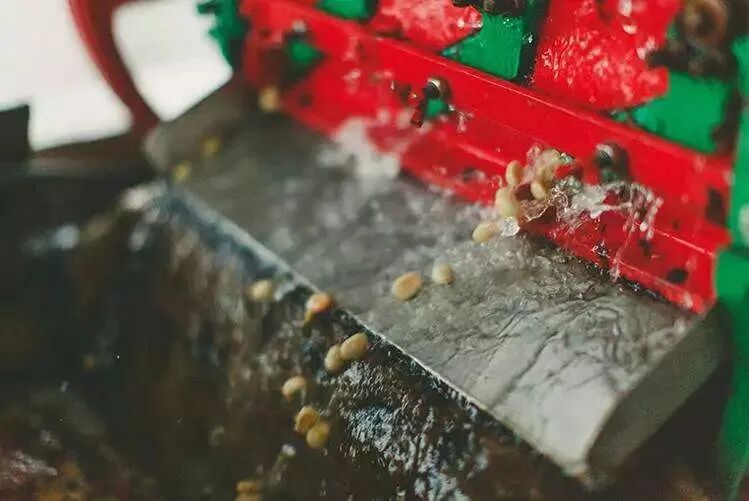
The so-called "washed processing method," known in English as the "Washed process" and in producing regions as the "Wet process," is a traditional technique that uses water and fermentation to treat coffee cherries. A whole coffee cherry, from the outside in, consists of the skin, pulp, mucilage layer, parchment, and seed (the coffee bean we drink). The general washed process includes: removing defective beans → mechanically removing the outer skin and pulp → placing in a water tank for fermentation to remove the mucilage → rinsing with clean water → drying → removing the parchment → packaging. In some regions, such as Kenya, multiple rounds of fermentation and washing are used, referred to as "double washed," to ensure even more thorough removal of the mucilage.
The birth of the washed processing method was originally aimed at improving the stability and consistency of coffee flavors, facilitating mass processing and export. To this day, it remains the preferred technique in many well-known producing regions such as Central and South America, Africa, and some Asian countries. In many specialty coffee labels—like the common Gu Ding Ding, Cherry Tomato, Jade Green Label, or Kilimanjaro coffee beans—there is the touch of washed processing behind them.
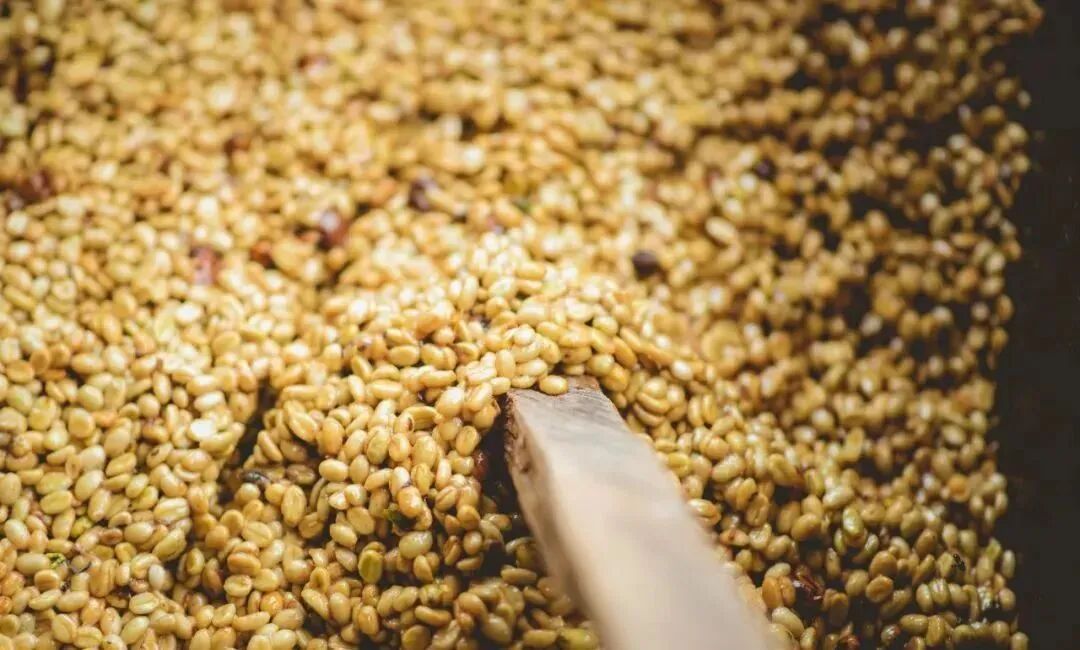
Compared to the natural (sun-dried) method, the biggest characteristic of the washed process is its “cleanliness.” Since during fermentation, the seeds are completely stripped of mucilage and pulp, leaving only the parchment for protection, it effectively reduces unnecessary fermentation off-flavors and highlights the unique intrinsic flavors of the coffee beans. This is why many washed beans, when tasted, often display clear citrus acidity, floral notes, or bright fruity aromas, without being overly sweet or boozy.

Many beginners often have a misconception that washed coffee is necessarily more acidic than natural coffee, but in reality, the strength of acidity is more related to the roast level. For example, a naturally full-bodied Golden Mandheling processed at an extremely light roast may also exhibit sharp fruit acidity. The advantage of the washed process lies in its ability to make the acidity more “clean” and “linear,” rather than derived from the complex layers of pulp fermentation. There has been an experiment comparing washed and natural Geisha extracted under the same conditions, which found that the natural version had sweeter and more intense aromas, but the acidity was actually more pronounced upon tasting, while the washed version showed higher clarity and balance.

To brew a great cup of washed coffee, you first need to understand its inherent flavor profile. Generally speaking, medium to light roasted washed beans can highlight bright notes such as citrus, white flowers, and honey, making them ideal for drinkers who seek layers and clarity. When brewing, it is recommended to use a 1:16 coffee-to-water ratio, which helps control concentration and avoid over-extraction that could bring out unwanted off-flavors.
Additionally, the acidity expression of washed beans varies slightly depending on the producing region. For instance, washed beans from East African regions like Kenya and Rwanda often carry rich, deep berry acidity and layered complexity; whereas beans from places like Ethiopia, Panama, Peru, and Colombia tend to show traits of white flowers, citrus, and elegant fruity aromas. Understanding these characteristics helps in adjusting grind size, water temperature, and brewing techniques.

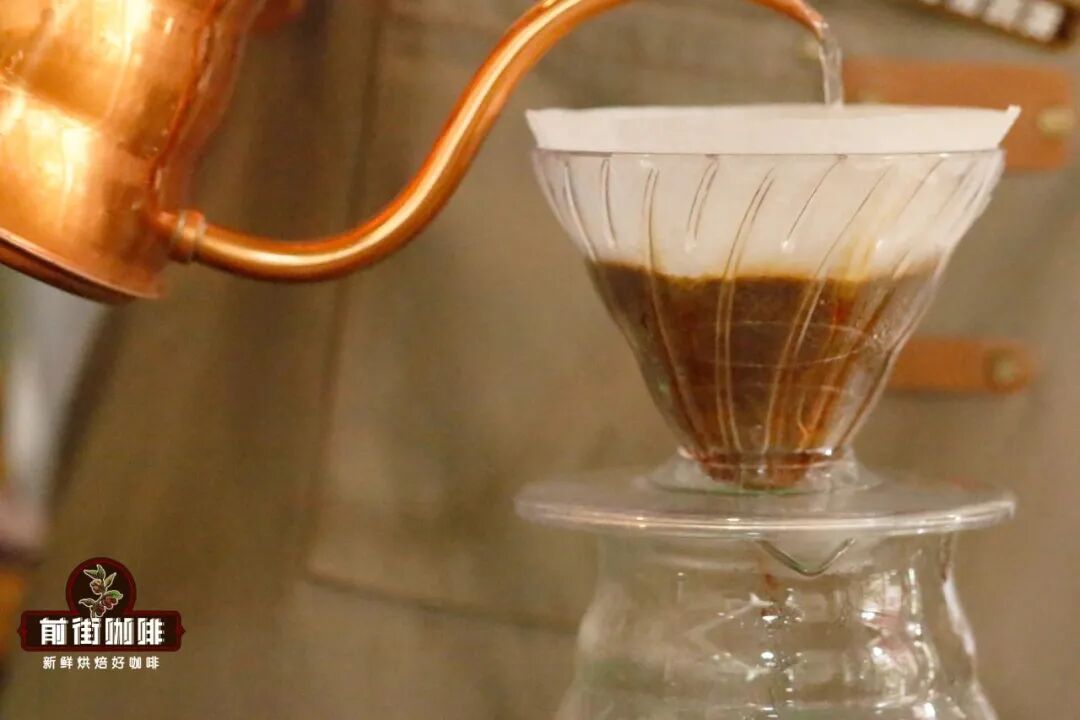
Below is a practical and effective pour over example using Kenya’s "Cherry Tomato" double washed beans: it is recommended to use a V60 filter cone, whose spiral channel design promotes even water flow through the coffee bed, helping improve extraction efficiency and flavor expression.
Coffee Bean: Kenya · Cherry Tomato
Dose: 15 grams
Coffee-to-Water Ratio: 1:16 (total water 240 grams, poured in four stages: 40g + 70g + 70g + 60g)
Grind Size: EK43 Scale 10 (approximately 80% through a 20-mesh sieve or C40 grinder setting 25)
Water Temperature: 93°C
Filter Cone: Hario V60 #01
Brewing Technique: Four-Pour Method
Steps as follows: First, place 15 grams of coffee grounds into the V60 and gently shake to level. The first pour is 40 grams of water (room temperature to 93°C), using a small stream and circling from the inside out to bloom for about 30 seconds, ensuring all coffee grounds evenly absorb water and degas. Then, for the second pour, increase the water stream height and circle vertically, pouring 70 grams of water to lift the coffee bed to the middle of the filter cone, aiding flavor development. At around 1 minute and 09 seconds, proceed to the third pour, again using 70 grams of water with steady flow, maintaining bed stability—this stage mainly extracts fruit acids and caramel aromas. Finally, around 1 minute and 41 seconds, pour the last 60 grams, switching to a slow center circle to help bring out sweetness and a rich aftertaste.
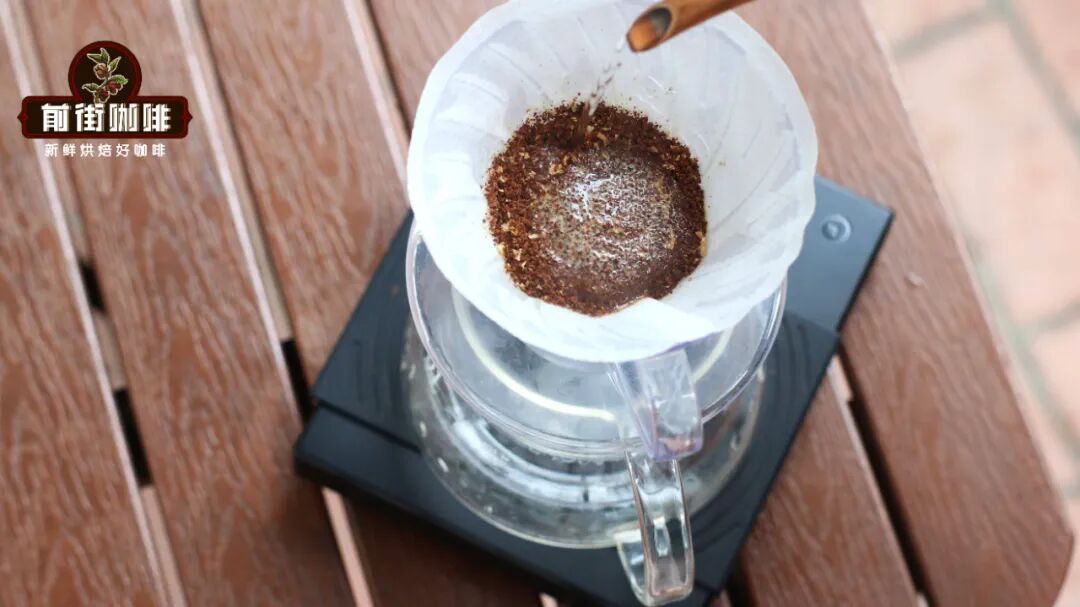

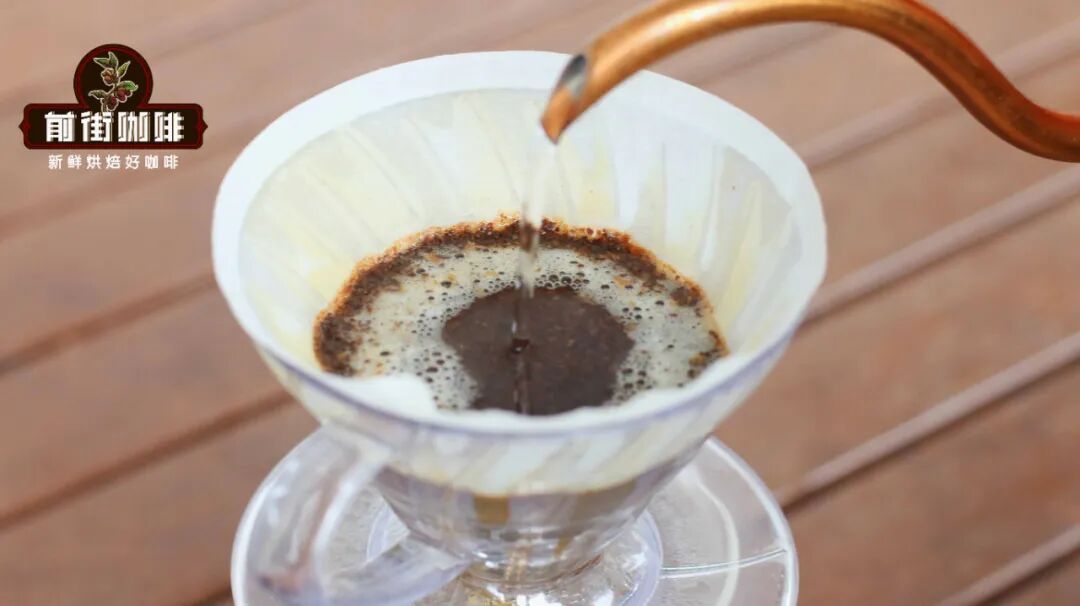
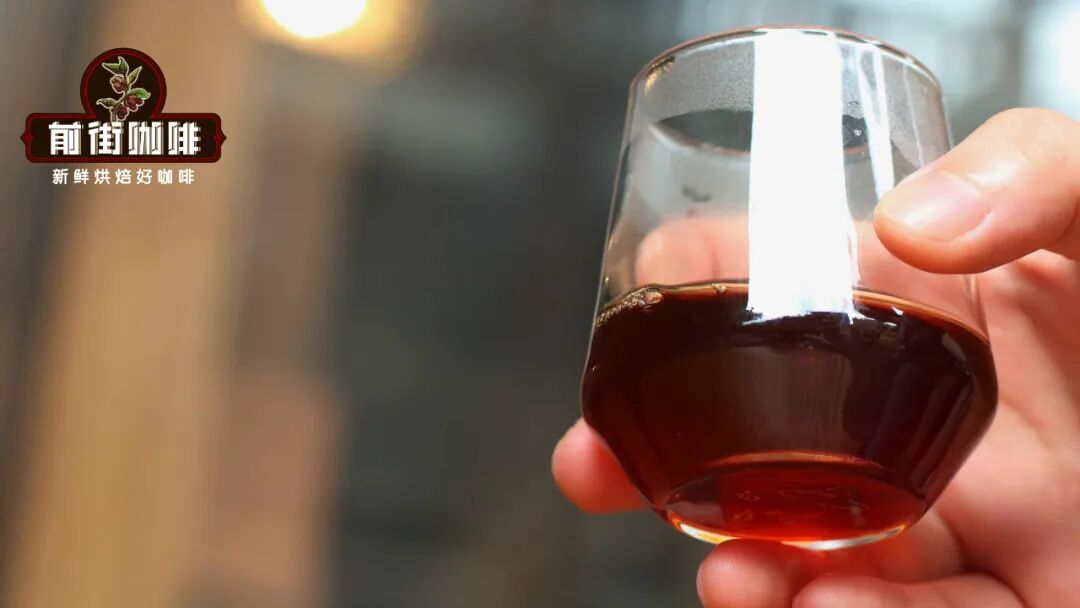
Brewed with this method, the Cherry Tomato exhibits distinct flavor layers: the cup opens with bright berry acidity reminiscent of blueberries and black grapes, with a hint of caramel sweetness. As it cools, pear and delicate floral notes gradually emerge, resulting in an overall juicy mouthfeel and long-lasting finish. It is a classic example that fully showcases the charm of the washed processing method.
The above content is compiled by CoffeeHunters, a coffee news website.

