







Introduction:Colombia is the world's second-largest producer of Arabica coffee and is renowned for its chocolatey, full-bodied flavors. Beyond the commercial-grade MAM regions, its southern part boasts numerous specialty coffee regions such as Huila and Nariño. This article delves into the characteristics of Colombia’s major coffee-growing areas, uncovers the three core regions behind the MAM label, and details the unique flavor profile of washed beans from the Huila region along with optimal brewing parameters—taking you on a comprehensive journey from origin to cup to understand Colombian coffee.
Colombia is a major global producer of Arabica coffee beans, ranking second only to Brazil, and its coffee is widely loved for its pronounced chocolate notes. Many may not know that although coffee originated in Ethiopia, it was not introduced to Colombia until around 1723 by Jesuit missionaries. From there, it gradually spread across the country, becoming an important cash crop. By the 19th century, Colombian coffee had entered the commercialization phase and by the end of that century, it had become one of the government’s main sources of income. Entering the 20th century, an improved logistics system enabled even smallholder farmers in remote areas to export coffee smoothly, with smallholders accounting for about 50% of total exports at the time.
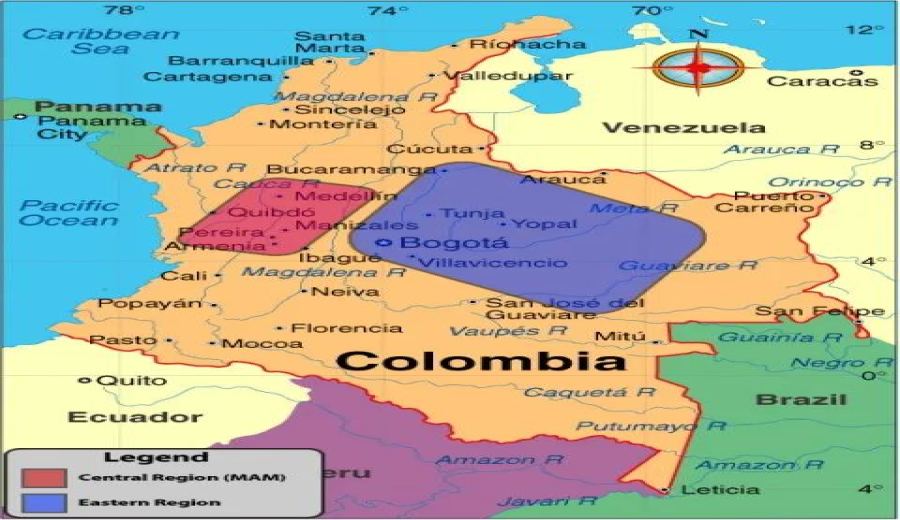
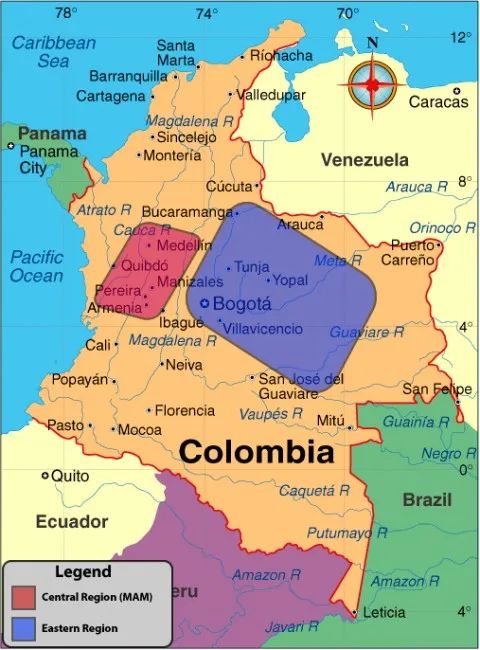
If you see Colombian coffee beans labeled 'MAM' at supermarkets or coffee shops, you might assume it comes from a specific region. But actually,MAM is not a single region—it is an acronym formed from the initials of three major commercial coffee-growing regions: Medellín, Armenia, and Manizales. These three areas have a long history and are traditional, stable sources of commercial beans in Colombia.
If you’re looking to explore higher-quality Colombian coffee, you can’t miss the specialty coffee regions located in the southern part of the country. Below are some representative specialty coffee-growing areas:
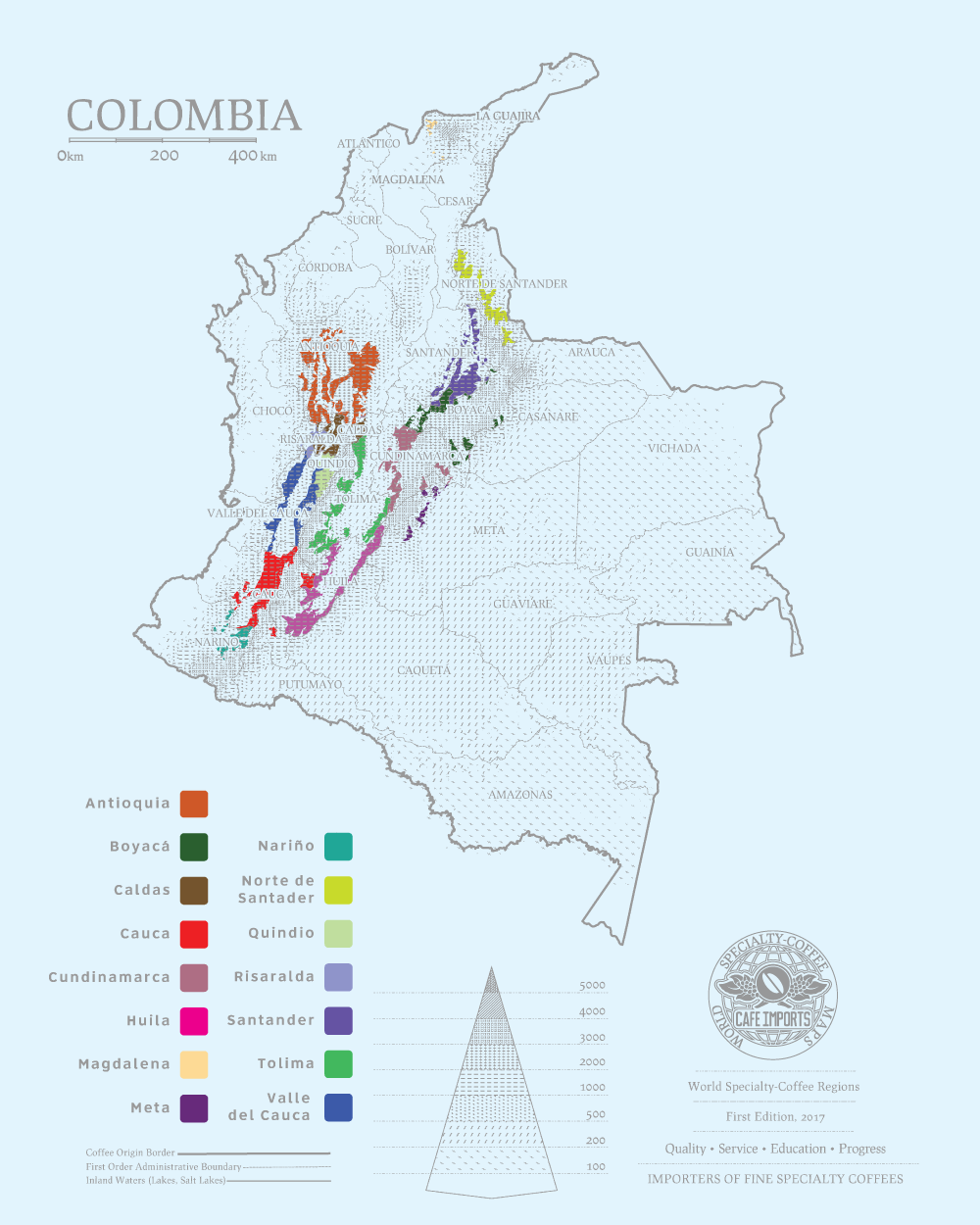
Antioquiais one of the earliest regions in Colombia where coffee was planted. It lies in the high-altitude areas of the Andes Mountains and has a natural environment well-suited for coffee cultivation.Boyacáis also an early coffee-growing area. It currently has over 10,000 smallholder farmers, each managing their own processing stations to meticulously process every batch of coffee cherries. The region has a long-term cooperative relationship with the Colombian National Federation of Coffee Growers (FNC).Caucaneighbors Tolima and Huila and is a Colombian coffee origin-certified region. With an average altitude of about 1,700 meters, it features a mountainous terrain and is located near two volcanoes, Sotara and Petacas, benefiting from fertile volcanic soil.
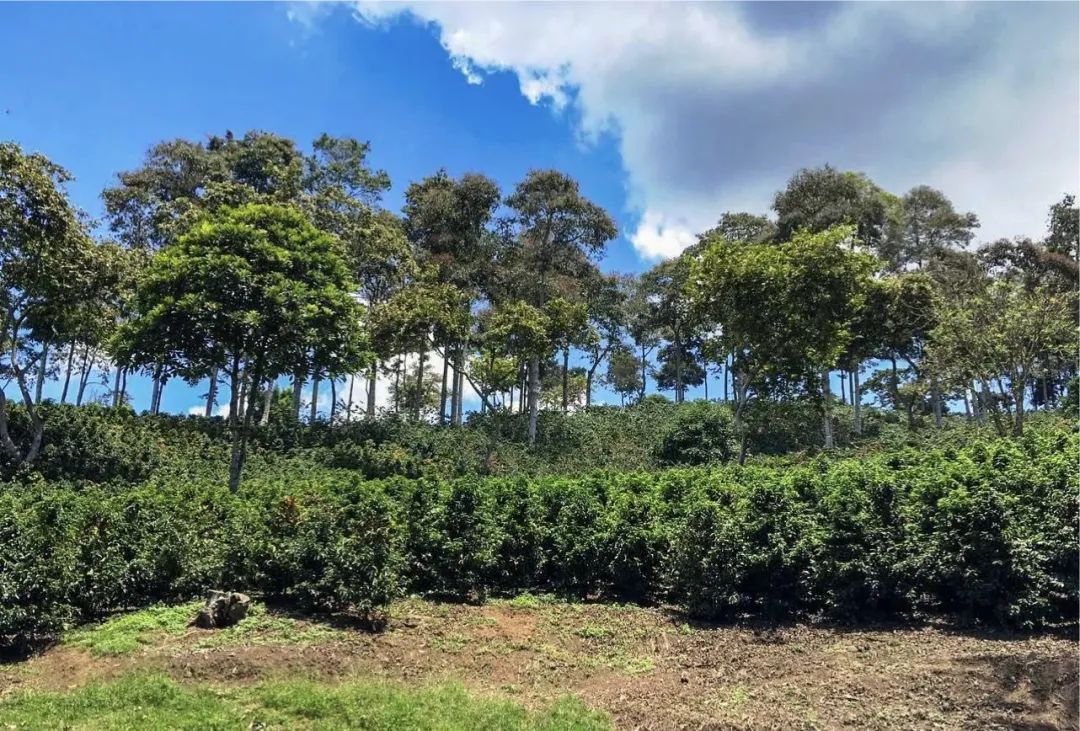
Huilais Colombia’s most iconic specialty coffee region, situated on the side of the Andes Mountains and near the country’s second-highest peak, Nevado del Huila volcano. This area not only has fertile soil and dense forests but also enjoys a humid climate and an intersection of several major rivers, providing abundant moisture—ideal conditions for coffee cultivation. AndNariñois Colombia’s first region to receive origin certification. With steep terrain and the active Galeras volcano, its volcanic soil is highly fertile, adding unique flavors to the coffee.
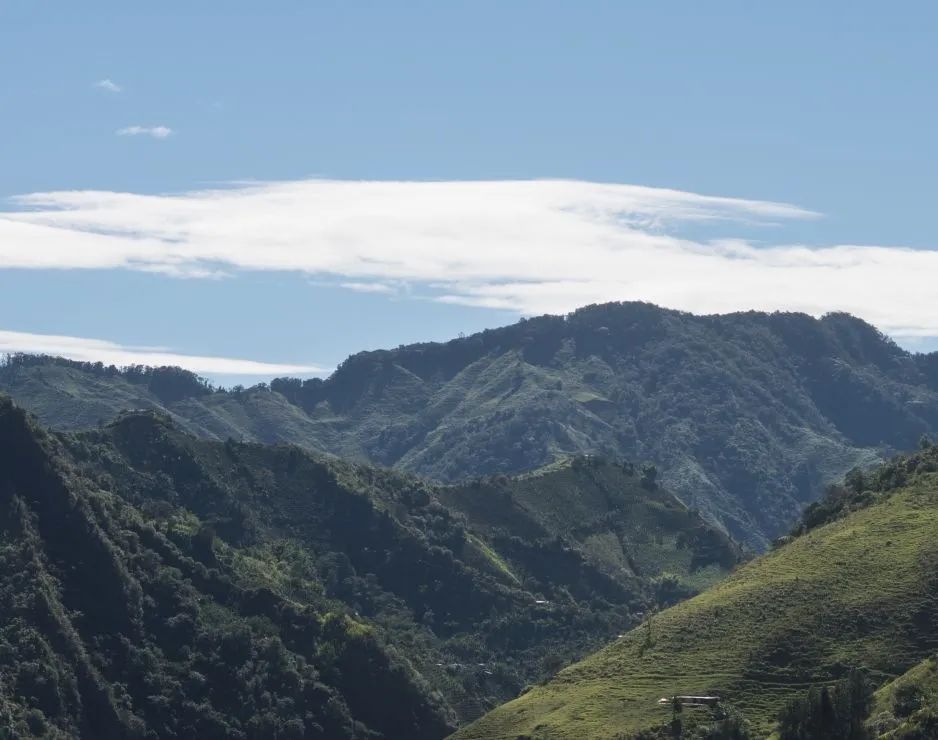
Additionally,Santanderis a well-known specialty coffee region in northern Colombia. Due to its lower altitude and higher temperatures, the coffee produced here often has intense flavors and a round mouthfeel. According to 2020 data, the region has over 32,000 coffee growers and 37,000 farms. Cupping tests of this region’s coffee have revealed bold flavors, long aftertastes, and distinctive herbal aromas.Tolimais Colombia’s third-largest coffee-producing region, contributing about 12% of the national output. It is surrounded by the Andes Mountains and the Magdalena River basin, with a relatively remote location that preserves its pristine ecosystem.
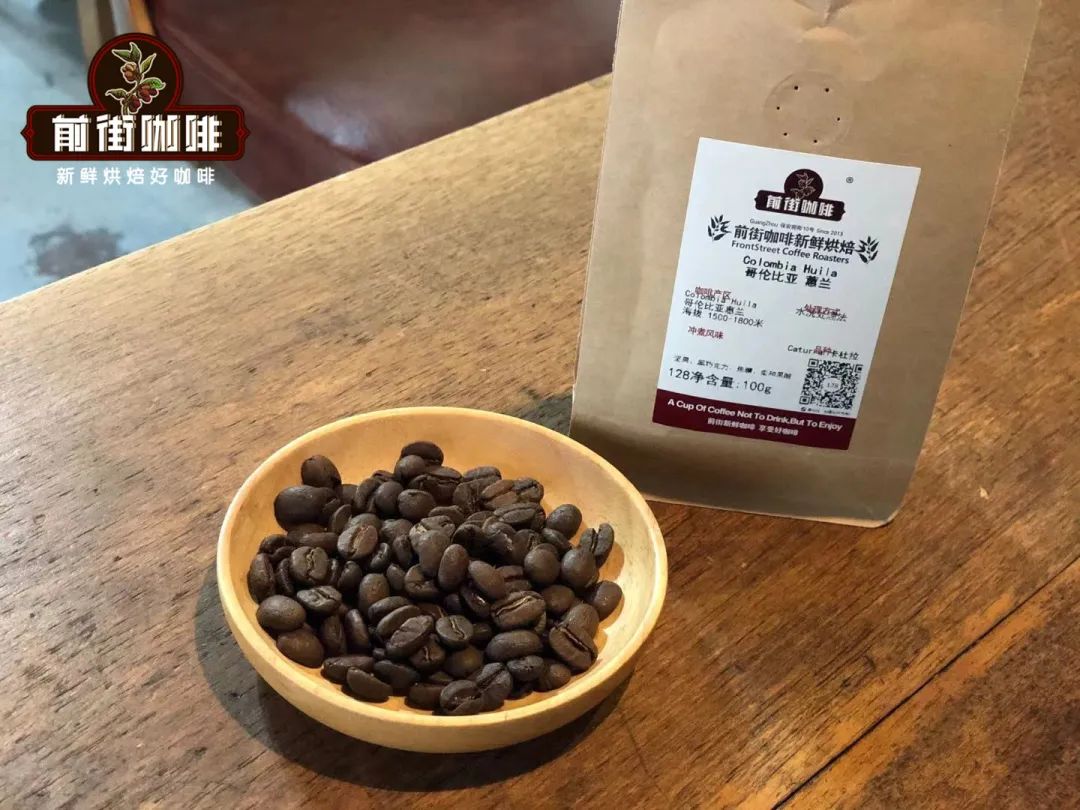
Among them,the Huila region is not only Colombia’s largest specialty coffee-producing area but also a representative of both high yield and quality. In 2013, the region received Colombian coffee origin certification. Many baristas believe that if one region were to represent Colombian coffee, Huila would undoubtedly be the top choice. Its washed coffee typically exhibits mild fruit acidity, rich nutty and chocolatey tones, and a balanced flavor. It’s worth noting thatwashed processing highlights the region’s fundamental flavors, resulting in a clean and bright taste; whereas natural (sun-dried) processing yields more intense aroma, stronger sweetness, and a thicker mouthfeel.

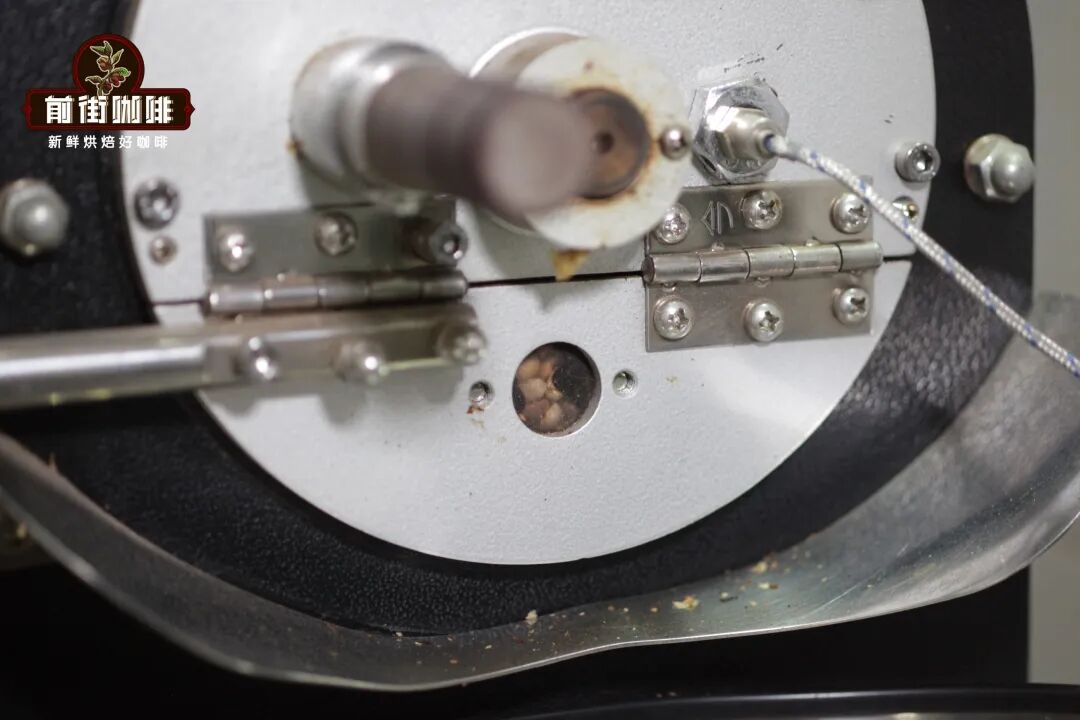
Taking the classic washed beans from Colombia’s Huila region as an example, they aregrown at altitudes between 1,500 and 1,800 meters, with Caturra being the main variety, processed using the washed method. Typically, American beans are medium roasted to enhance aroma, but for this coffee, to emphasize the nutty and chocolatey profile while boosting a caramel-like sweetness, roasters opt formedium roast, carefully controlling temperature and duration to achieve a more distinct flavor layering.
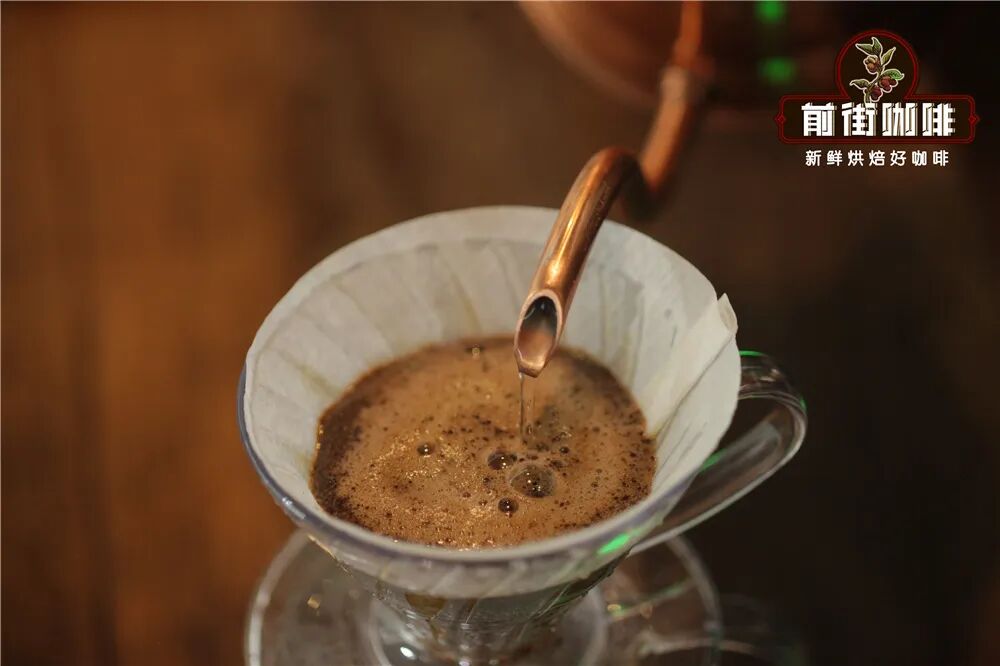
For brewing, to fully showcase the aroma and intricate details of Huila washed beans, it is recommended to use90°C hot waterfor extraction and choose a Hario V60 dripper with a faster flow rate to avoid over-extraction and bitterness caused by high temperature. Additionally, it is recommended to usethe three-pour methodto enhance the overall flavor complexity.
Suggested parameters are as follows: Use a Hario V60 dripper, set water temperature to 90°C, use 15 grams of coffee grounds, with a coffee-to-water ratio of 1:15, and grind size recommended to be 80% passing through a #20 sieve. Brewing steps: First, pour 30 grams of hot water for a 30-second bloom, then slowly pour the second pour in small circles up to 125 grams. When the dripper water level drops halfway, pour the third pour up to 225 grams. Finally, wait for all the drip to finish, with a total extraction time of about 2 minutes, to enjoy a balanced and layered Huila washed coffee.
The above content is compiled by CoffeeHunters, a coffee news website.

