








Introduction:Blending coffee beans is not just a simple mix—it’s a fusion of science and art that creates unique flavor profiles unattainable from single-origin beans alone. This article dives deep into why coffee blends are necessary, the differences between pre-roast (生拼) and post-roast (熟拼) blending techniques, and the key factors to consider when blending. It will help you master professional-level blending skills and elevate the overall performance of your coffee.
Many coffee enthusiasts are curious about the logic behind crafting blended coffee beans. Why mix beans from different regions? Blending isn’t just a commercial strategy—it’s also an important technique for enhancing flavor complexity. In some cases, single-origin Arabica beans can already deliver impressive flavor characteristics, such as bright aromas, smooth mouthfeel, and sweet aftertastes—seemingly eliminating the need for blending.
However, from a market perspective, blending can effectively reduce costs and, through clever combinations of different bean varieties, create a composite flavor that surpasses that of any single-origin bean. Moreover, blending can craft a unique taste signature that fosters customer loyalty to a particular brand. Even if raw material costs fluctuate year by year, the final flavor can still remain consistent.
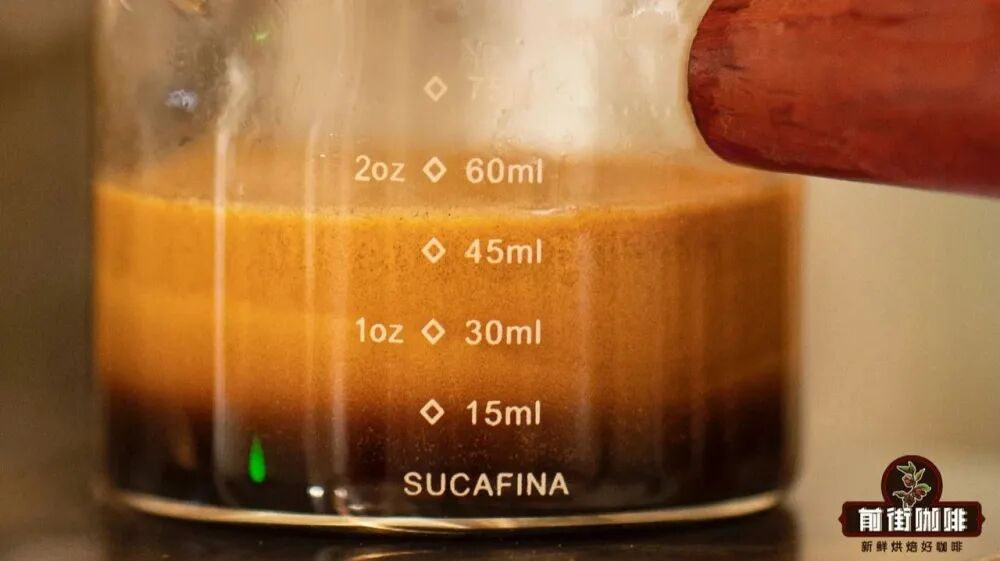
Before designing a blend recipe, the primary task is to familiarize yourself with the basic characteristics of beans from various regions and clearly define the desired flavor profile. If the end result is less impressive than what a single-origin bean can offer, then the purpose of blending is lost. Ideally, a blend should compensate for the shortcomings of single-origin beans—such as lack of concentrated flavor, thin layers of taste, or overly dominant notes. By combining beans from different regions and processing methods, you can create a more balanced and nuanced cup.
Some coffee enthusiasts consider roasting and blending to be among the most challenging and rewarding stages of the coffee production process—rivalling the final drinking experience itself. Blending is by no means random mixing; it requires the precision of an artist mixing colors. Sometimes, blending two beans with strong individual flavors can actually suppress their unique traits, so careful evaluation of proportion and roast style is essential.
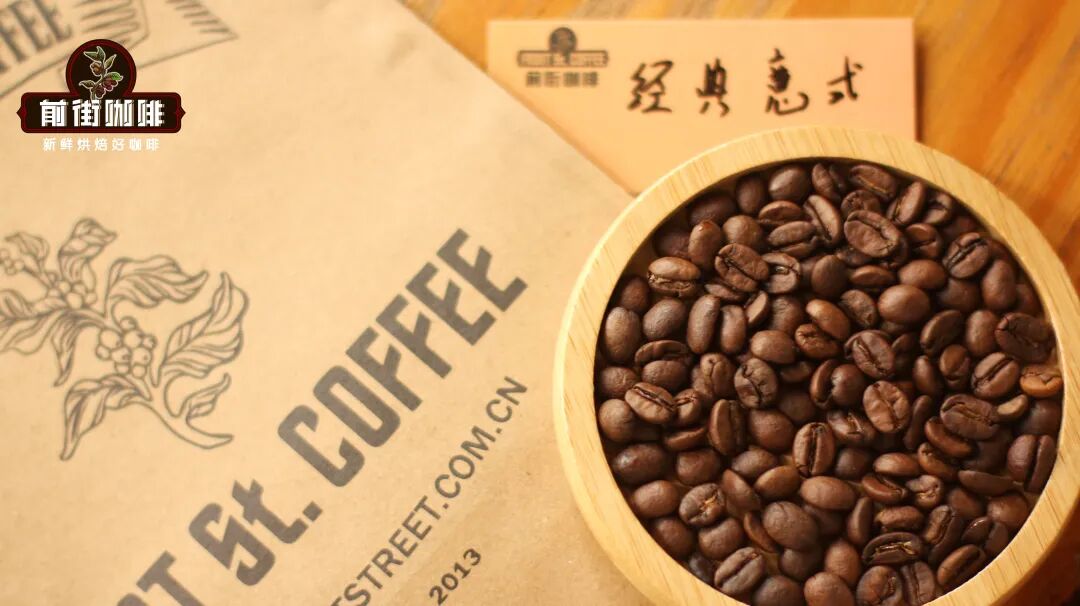
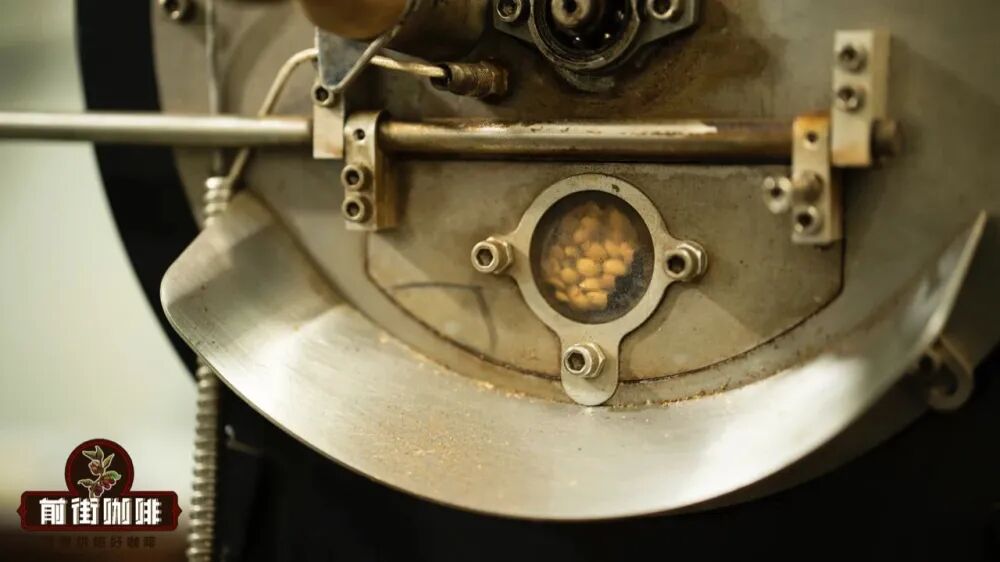
In the blending process, “pre-roast blending” (生拼) and “post-roast blending” (熟拼) are two common techniques. Pre-roast blending involves mixing green, unroasted beans first, then roasting them together. The advantage of this method is that it ensures uniform roast levels across the batch and stable flavors, but it requires the beans to be similar in hardness, density, and bean size—otherwise, uneven roasting may occur. In contrast, post-roast blending means roasting each type of bean individually according to its optimal roast curve, and then blending them afterward. This approach allows each bean’s characteristics to shine fully, with subsequent adjustments made to balance strengths and weaknesses.
Generally speaking, unless specific flavor adjustments are needed, both methods can achieve desirable results. For scenarios using drum roasters, adjusting to a moderate roast level often yields the best-balanced outcome.
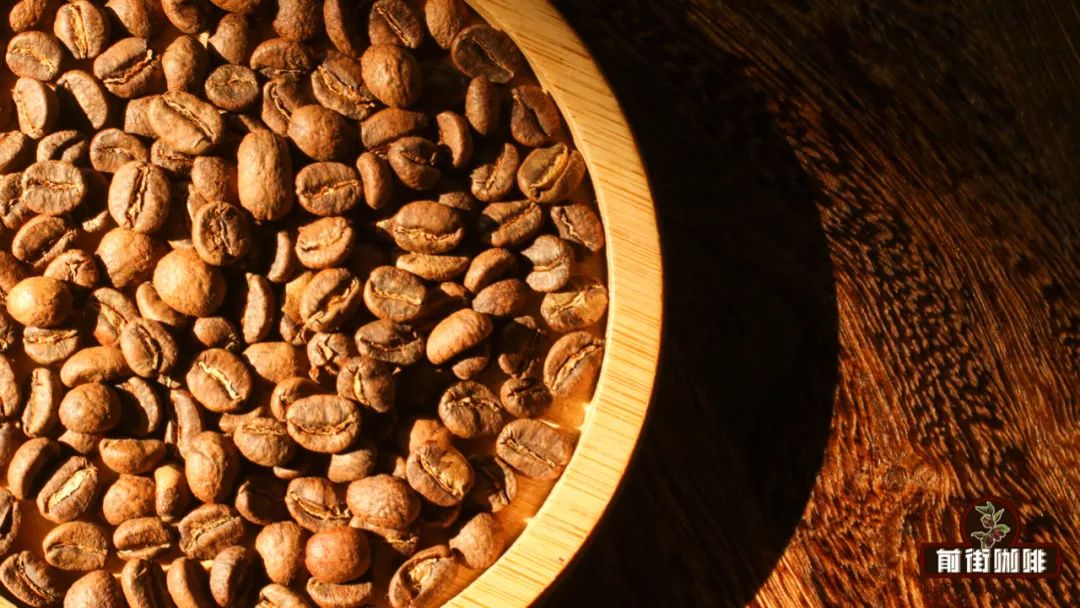
When planning a coffee blend, it is recommended to start with the following aspects: First, define the target flavor profile—do you want something rich and bold, fruity and vibrant, or balanced and neutral? Second, gain a deep understanding of the characteristics of each single-origin bean, including origin, altitude, processing method, and roast response. These require hands-on cupping experience. Lastly, clarify the role each bean plays in the blend—whether it provides a base body, highlights bright acidity, or adds sweetness and aftertaste.
When blending, follow several basic principles: choose beans with distinctly different characteristics to avoid flavor overlap and blurring. It’s advisable to select based on green bean processing methods (e.g., washed or natural), origin (e.g., Central/South America, Southeast Asia, Africa), etc. Common base beans include Brazil and Colombia. In terms of variety and ratio, usually 2 to 6 types of coffee beans are used—too many can dilute the individual traits. Proportions should have a clear hierarchy—avoid equal 1:1 mixing that might cause flavor clashes. If you desire a complex flavor layering, you can reduce the proportion of the main beans; conversely, you can strengthen the dominant flavor.
During the actual blending process, it’s recommended to make systematic combinations and conduct multiple cuppings to gradually adjust to the optimal flavor balance. This requires the blender to possess a keen palate, creative flexibility, and the patience to keep experimenting.

Below are four practical application examples of common blending flavor profiles: The first is “Sunflower Warmth,” which uses a 7:3 ratio of Honduran Sherry and Yirgacheffe Natural Red Cherry, processed via the post-roast (熟拼) method to bring out intense winey notes and chocolate tones, suitable for specialty coffee shops seeking distinctive flavors. Its flavor characteristics include pronounced fruit acidity, berry aromas, and a rich aftertaste.
The second is a certain specialty blend, using a 3:7 post-roast blend of Colombian and Brazilian beans, delivering a smooth mouthfeel and grassy aroma, suitable for daily use in most specialty cafés. The third is a commercial blend combining Colombian, Brazilian, and a small amount of Robusta in a 3:6:1 ratio, using post-roast blending to produce caramel sweetness and intense cocoa flavors, fitting the needs of commercial-scale cafés.
Lastly, there is a dark cocoa blend, using a 3:7 post-roast blend of Yunnan AA and Brazilian beans, with a flavor leaning toward soft fruit acidity and dark chocolate notes, suitable for small coffee shops or pairings with bread-based drinks. Each blend has its own applicable scenario and flavor positioning, allowing flexible selection based on operational needs.


The above content is compiled by CoffeeHunters, a coffee news website.

