







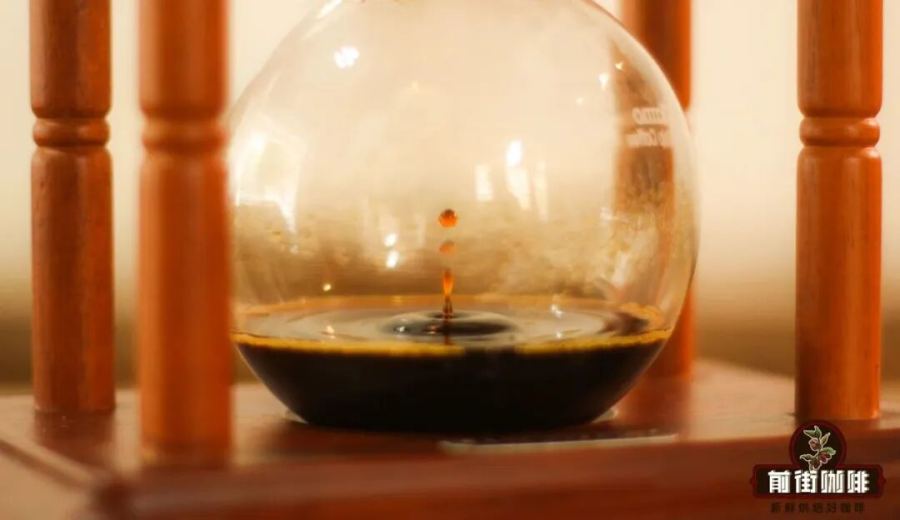
Introduction:Cold drip coffee is renowned for its low-temperature slow extraction, but its long preparation time and complex steps leave many wondering just how long it takes to complete. This article takes an in-depth look at the cold drip brewing process — from equipment selection, grind size, dripping speed, to maturation time — explaining key factors that influence extraction efficiency and flavor, along with practical parameter suggestions to help you master this low-temperature extraction technique.
“Do you have cold drip coffee?” is a common question in coffee shops, and what often surprises customers the most isn’t the price, but the time it takes to make. In fact, to maintain quality, most cafes prepare and refrigerate their cold drip coffee in advance rather than making it to order.
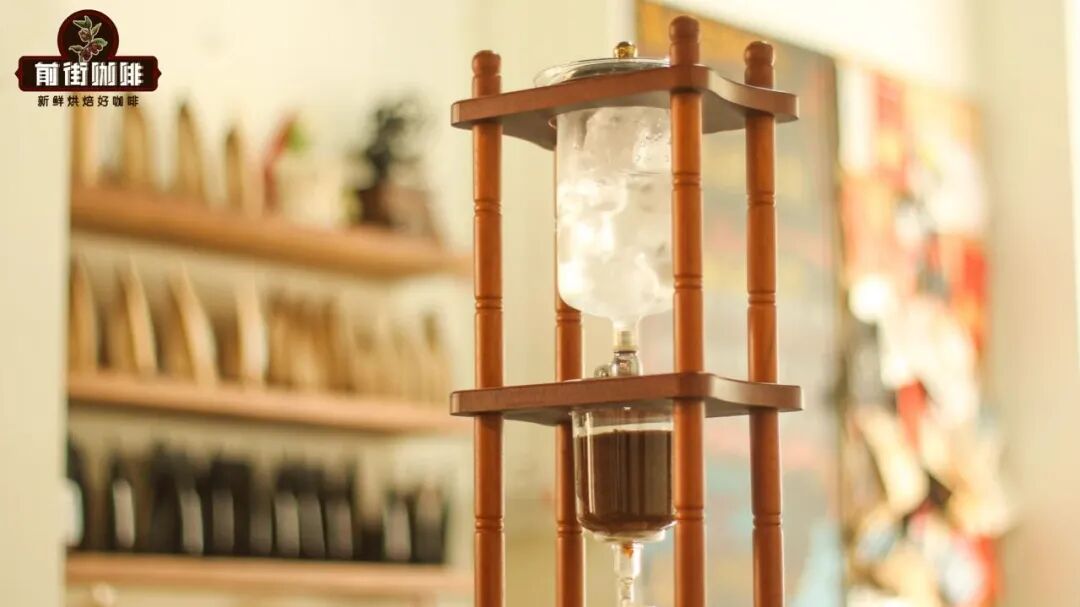
Although both cold drip and cold brew belong to the category of low-temperature extraction, their brewing principles are vastly different. Cold brew simply involves mixing coffee grounds with cold water and refrigerating the mixture, whereas cold drip requires a specialized cold drip tower, where ice water slowly drips through layers of coffee grounds in a continuous, multi-layered extraction process. This method not only requires specialized equipment but also precise control over dripping speed and extraction parameters, making the overall process much longer than cold brew.
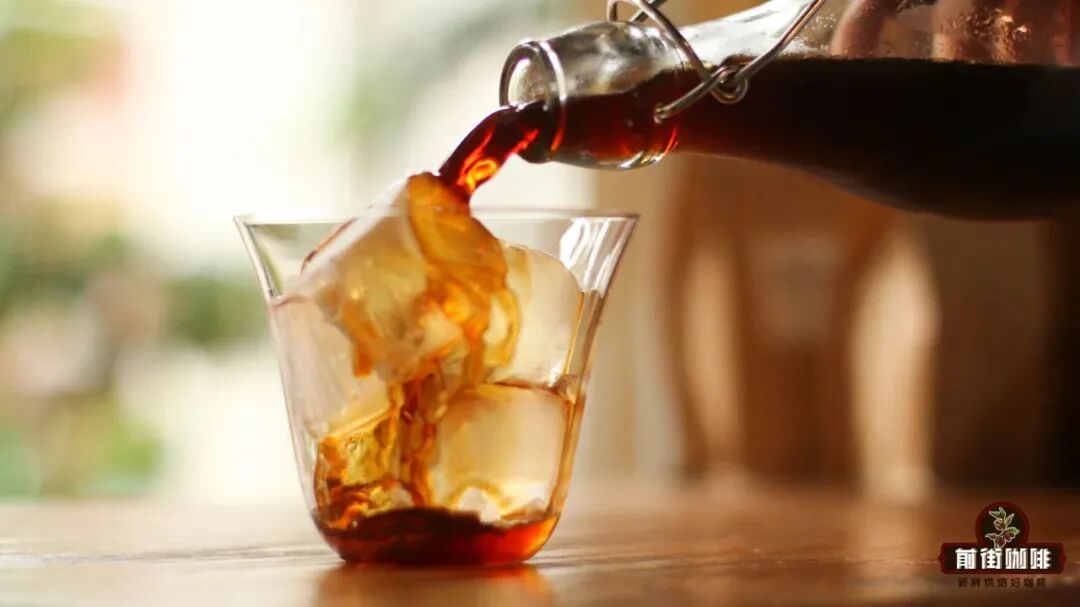
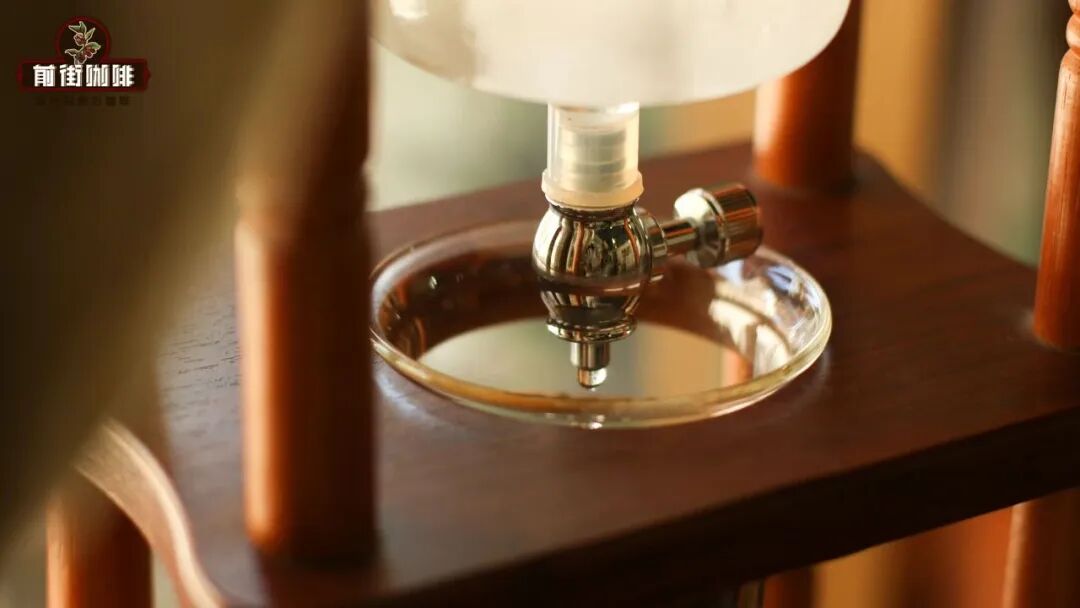
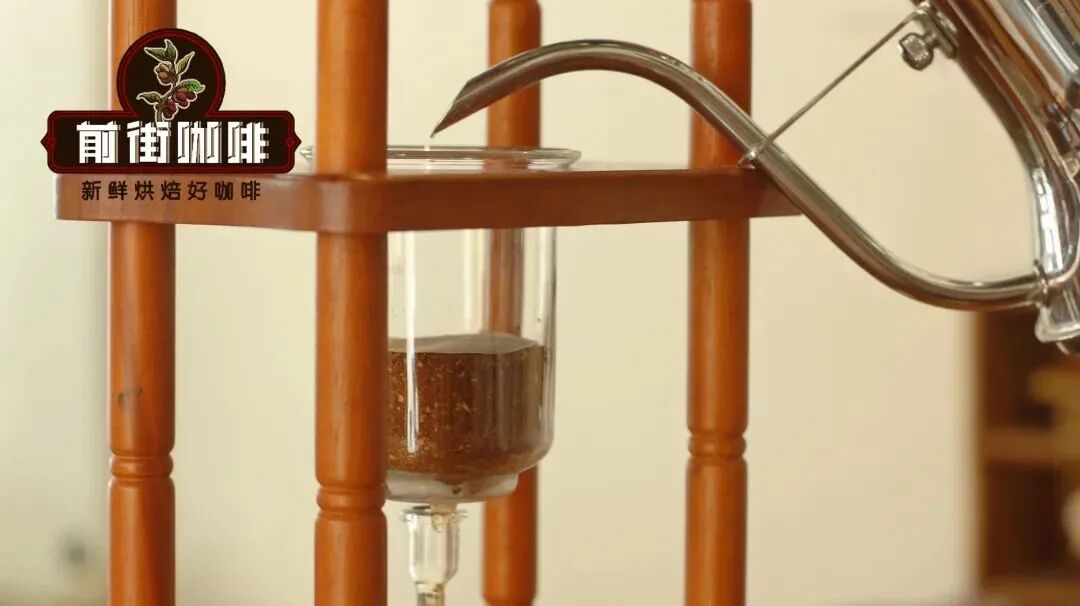
A typical cold drip setup is divided into three layers: the top chamber holds the ice water, the middle layer contains the coffee grounds, and the bottom chamber collects the filtered coffee. The key lies in the valve at the bottom of the top chamber, which regulates the flow rate to ensure the coffee grounds are continuously and evenly extracted. The entire process must wait until all the ice water has dripped through and undergone a period of refrigerated maturation to achieve optimal flavor.
There are four main factors that affect the production time of cold drip coffee:Coffee grind size,Dripping speed,Extraction ratio, andMaturation time. Each of these elements directly impacts the final taste and extraction efficiency.
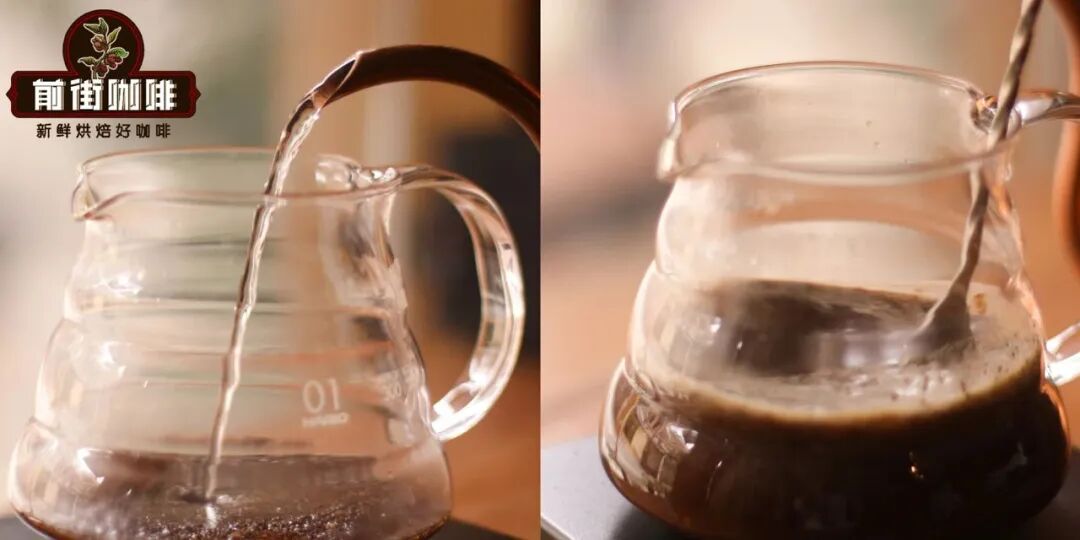
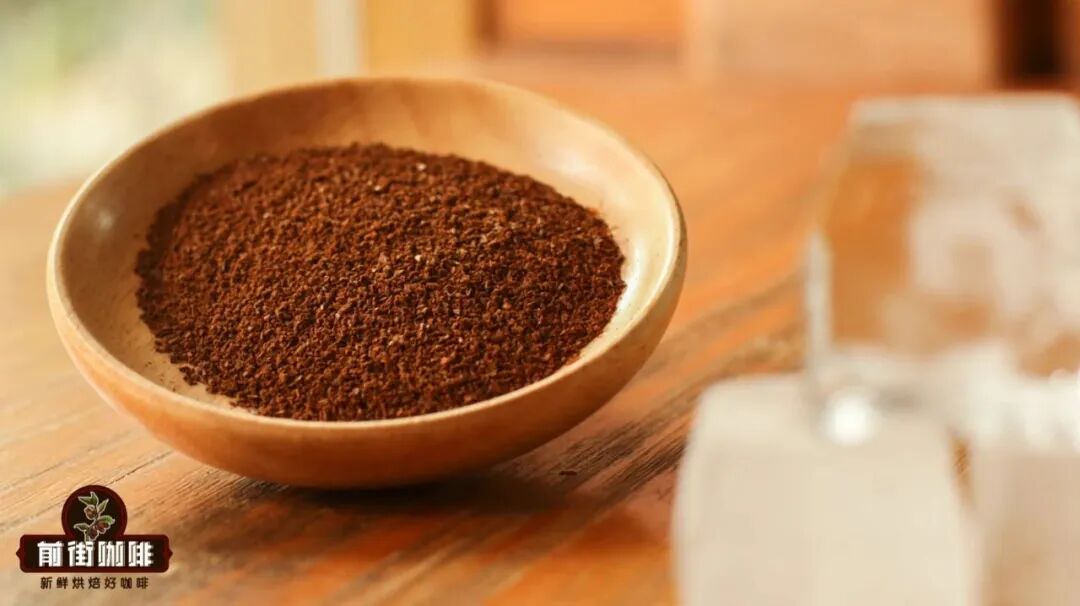
Coffee grind sizeis fundamental to determining extraction efficiency. The grind for cold drip should be between that of pour over and French press. It is recommended to calibrate using a #20 sieve (0.85mm), with a pass-through rate of about 83–85%. If the grind is too coarse, water will pass through too quickly, resulting in under-extraction and a thin flavor; if it’s too fine, water flow may be obstructed, leading to pooling and unwanted bitter or astringent notes. Generally, the grind for cold drip is slightly finer than pour over but coarser than French press, falling within a medium-fine range.
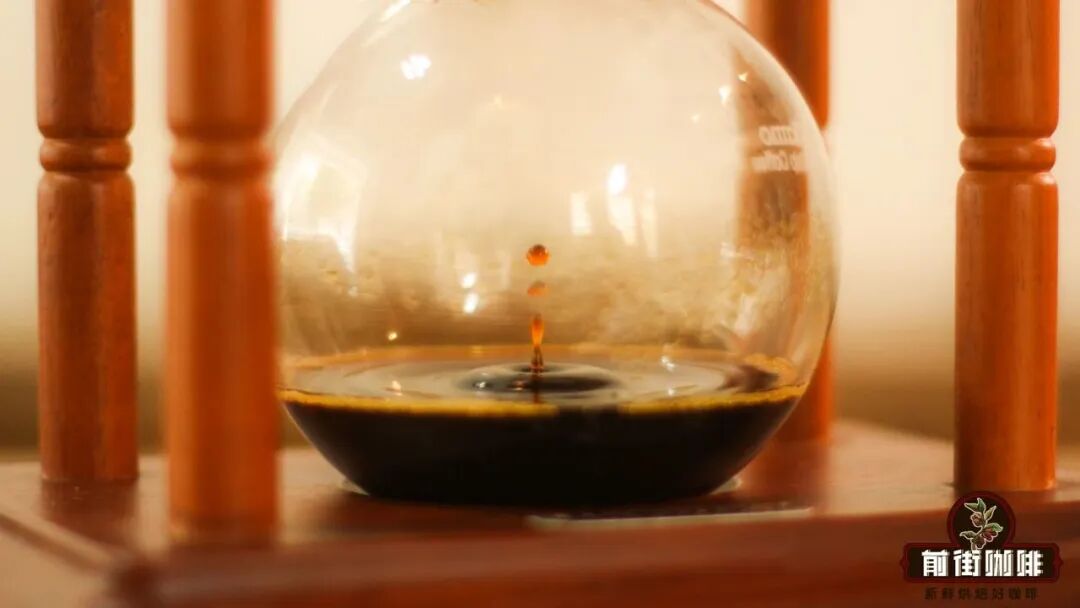
Dripping speedis equally crucial. Cold drip is a dynamic extraction process that requires a consistent and even drip rate to avoid uneven extraction. Experimental data shows that for light roast beans, a speed of 7 drops per 10 seconds is recommended to highlight floral and fruity notes; for medium roast beans, a slower rate of 5 drops per 10 seconds is better, yielding a rounder body and moderate fermentation character. Too fast a speed leads to under-extraction, while too slow may cause undesirable acidity.
Extraction ratio(coffee-to-water ratio) not only affects production time but also determines the strength and flavor profile of the coffee. A common ratio is 1:10, ideal for those seeking a bold cup; for a lighter, more refreshing flavor, adjust to 1:12 to 1:14, making the coffee more suitable for direct drinking. This ratio can be fine-tuned based on the roast level of the beans and personal taste preferences.
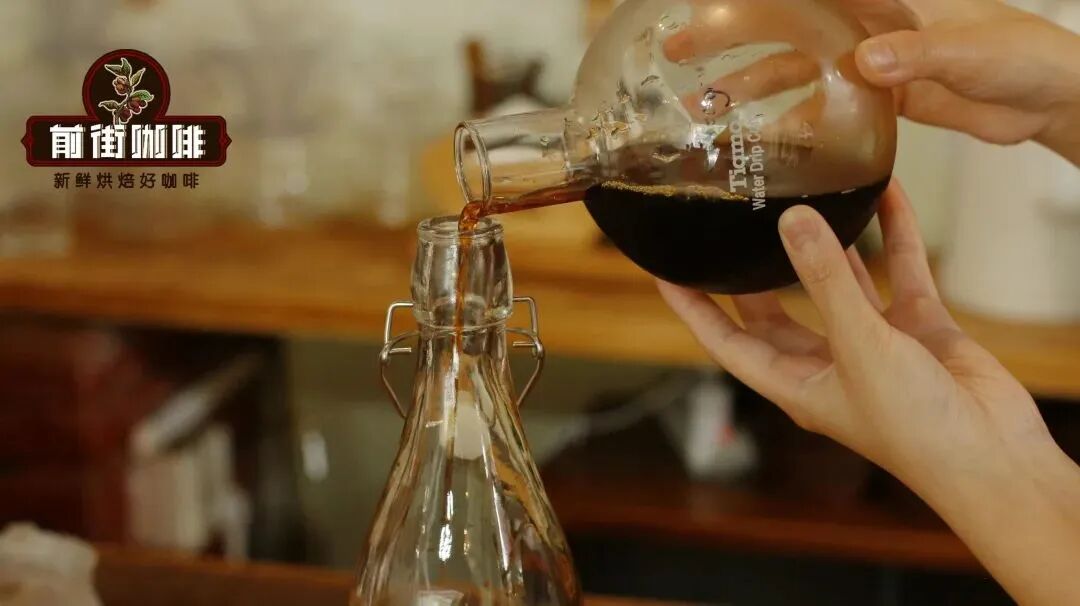
Maturation timeis a critical stage in the flavor development of cold drip coffee. Freshly brewed cold drip needs to be refrigerated and left to rest, allowing the internal compounds to slowly ferment and integrate. Experience shows that the third to fifth day of refrigeration tends to bring out the most noticeable fermentation notes; after the sixth day, some aromas begin to fade and acidity weakens. Therefore, it is recommended to consume the coffee within five days of brewing to enjoy the best flavor balance.
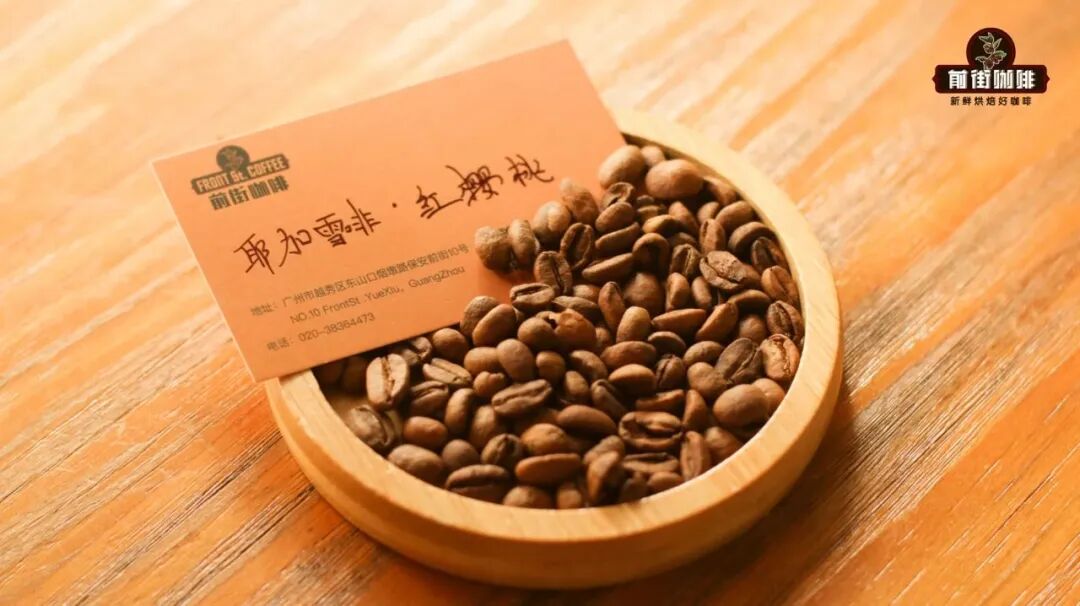
So, how long does it actually take to make a cup of cold drip coffee? Taking a 200ml “Red Cherry” cold drip as an example — using 20g of coffee and 240g of ice water (a 1:12 ratio) with a dripping speed of 7 drops per 10 seconds — it takes approximately 2.5 hours to complete the drip. However, in practice, most cafes prepare larger batches, such as 650ml, using 60g of coffee and 600g of ice water. At the same dripping speed, it takes about 7 hours to complete the drip, followed by an overnight refrigeration maturation period, making it ready for sale the next day.
In summary, if you’re asked, “How long does it take to make a cup of cold drip coffee?” the answer might be “a day and a night.” From preparation and dripping to maturation, each step must be precisely controlled to bring out the unique layered complexity and rich flavor of cold drip coffee.
The above content is compiled by CoffeeHunters, a coffee news website.


