








Introduction:Want to understand how coffee bean roasting affects flavor? This article explains in detail how different roast levels influence the taste of coffee, and provides three home roasting methods—including drum roasting, pan roasting, and electric oven techniques—along with key operational tips. Whether you're a beginner or an advanced enthusiast, you can master the essential skills and craft your own coffee flavors starting from green beans.
With the rise of specialty coffee culture, more and more coffee lovers are no longer satisfied with simply brewing coffee but are delving deeper into the transformation process from green beans to roasted beans. Understanding how different roast levels shape unique flavor profiles is a crucial step in improving coffee tasting ability. This article will guide you from the basics and gradually help you master practical home roasting techniques.
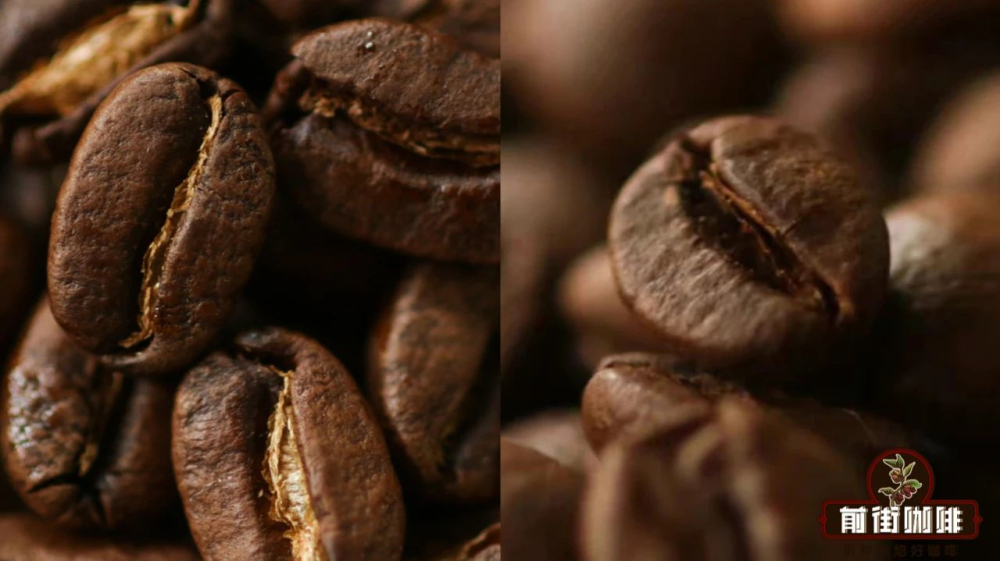
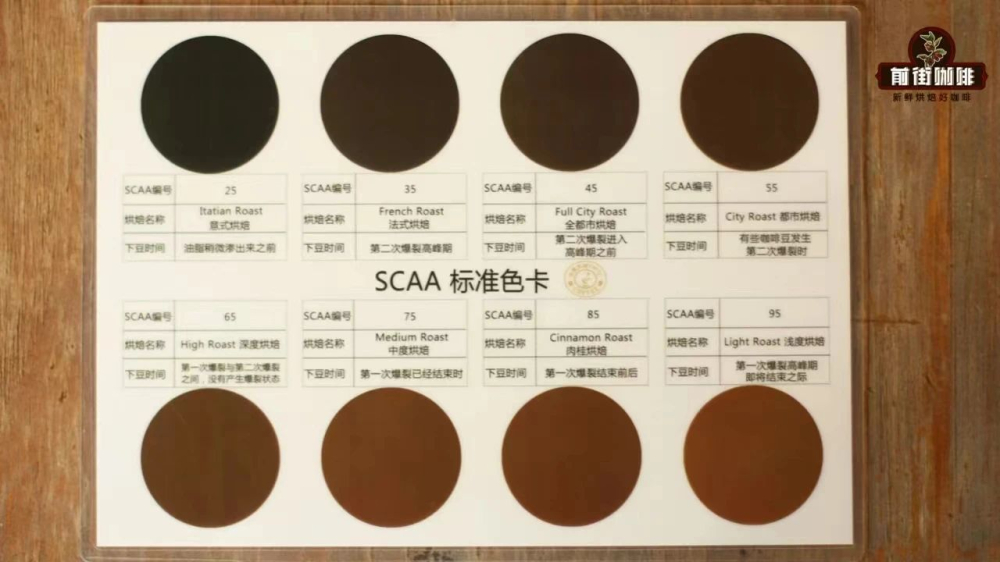
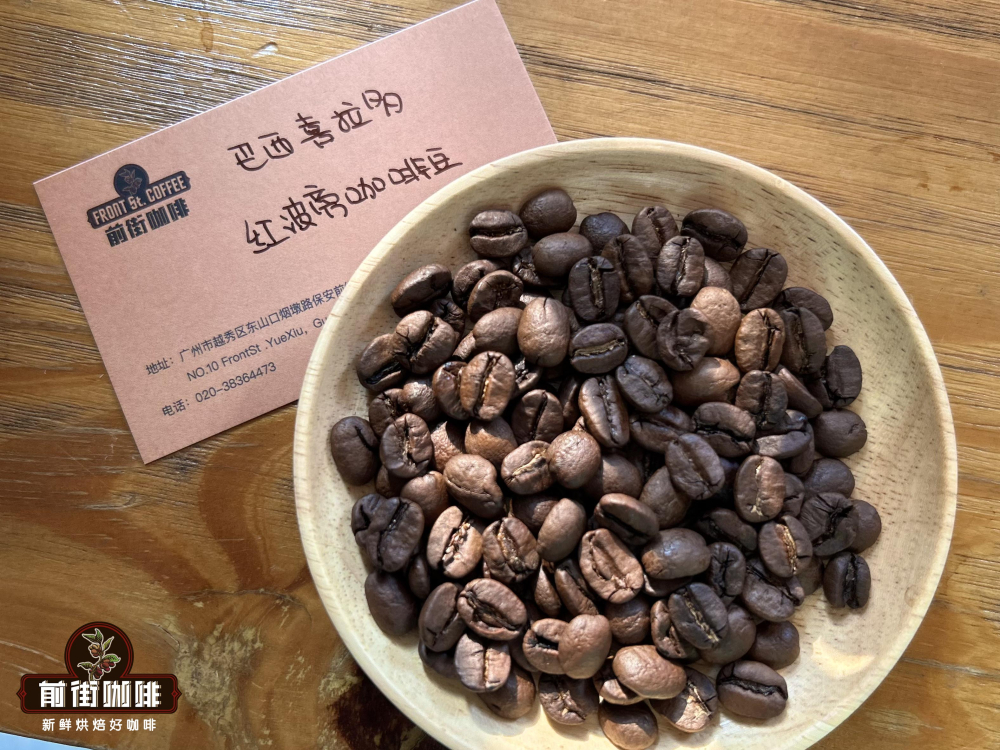
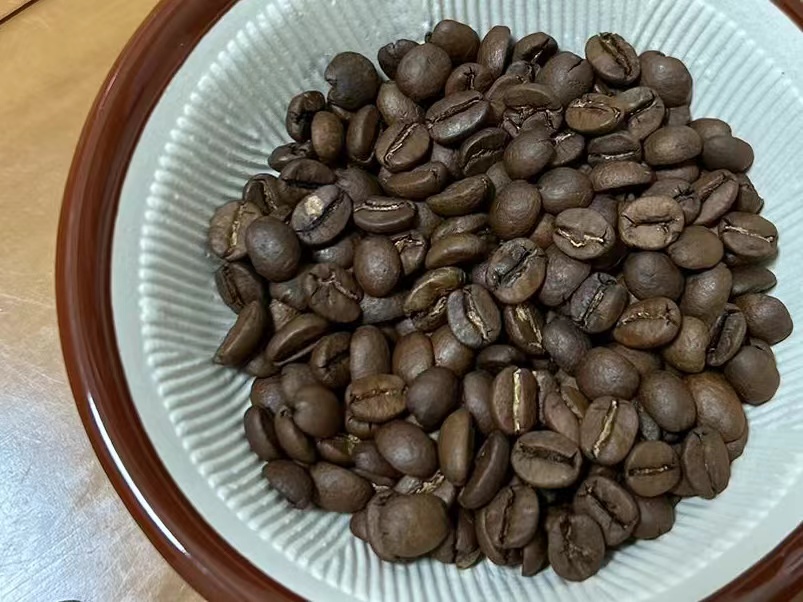
Coffee roast levels can generally be divided into light roast, medium roast, and dark roast, each bringing a distinctly different taste experience.Light Roast(just after the first crack) usually retains more acidity and floral-fruity notes, making it suitable for pour over or filter brewing;Medium Roast(from the middle of the first crack to the beginning of the second crack) balances acidity and bitterness, with caramel and nutty aromas, and is the common choice for most blends;Dark Roast(after the dense second crack) presents intense chocolate and smoky flavors, but over-roasting can lead to monotonous flavors and nutrient loss.
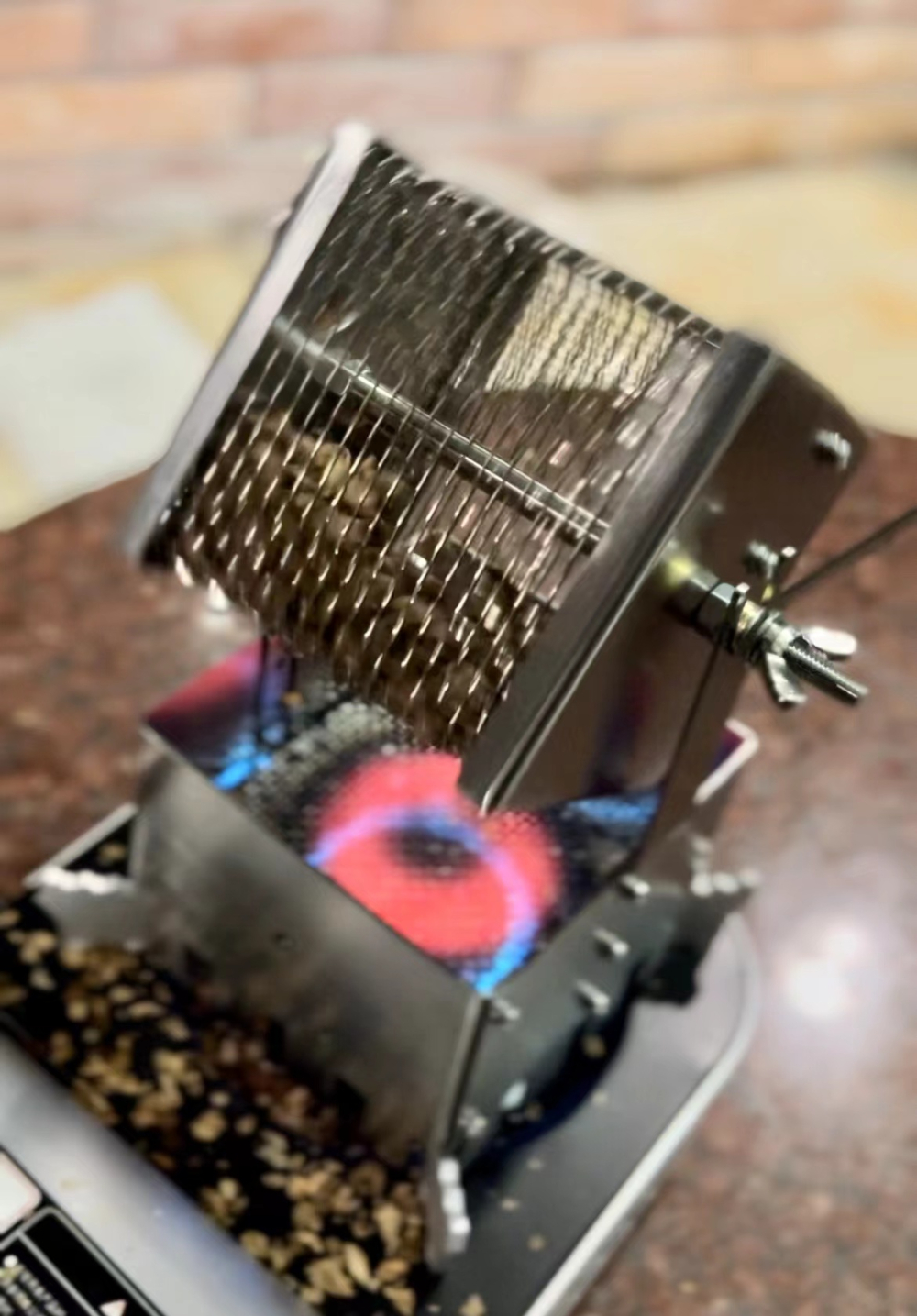
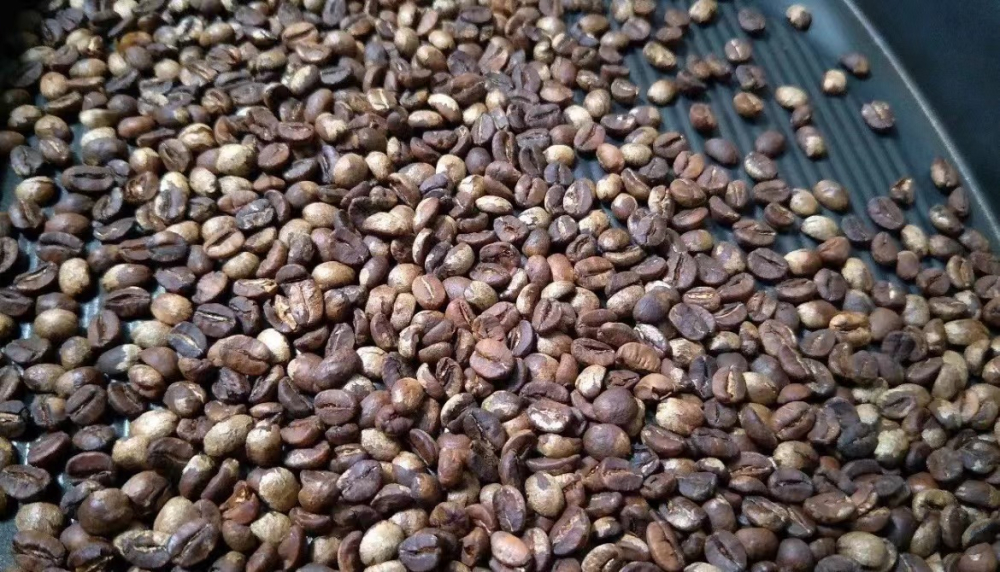
Home roasting prioritizes heat control and even stirring. No matter which tool you use, you mustcontinuously observe the color changes of the beansandlisten to the cracking sounds. It is recommended to start with a low flame, then gradually adjust the heat as the bean temperature rises. If you notice that some beans are getting darker while others are not uniformly colored, it usually means the heat is too strong or the stirring is insufficient; conversely, if there is no obvious color change for a long time, you may need to increase the temperature appropriately. Special note: when the beans turn yellow, they will go through the "first crack" (about 3–5 short bursts), which is a key stage where moisture evaporates and the internal structure changes; then comes the more intense "second crack" (lasting 2–3 minutes of continuous popping), at which point oils begin to emerge. It is recommended to stop roasting at the beginning of the second crack (around 10 pops) to achieve a medium roast flavor.
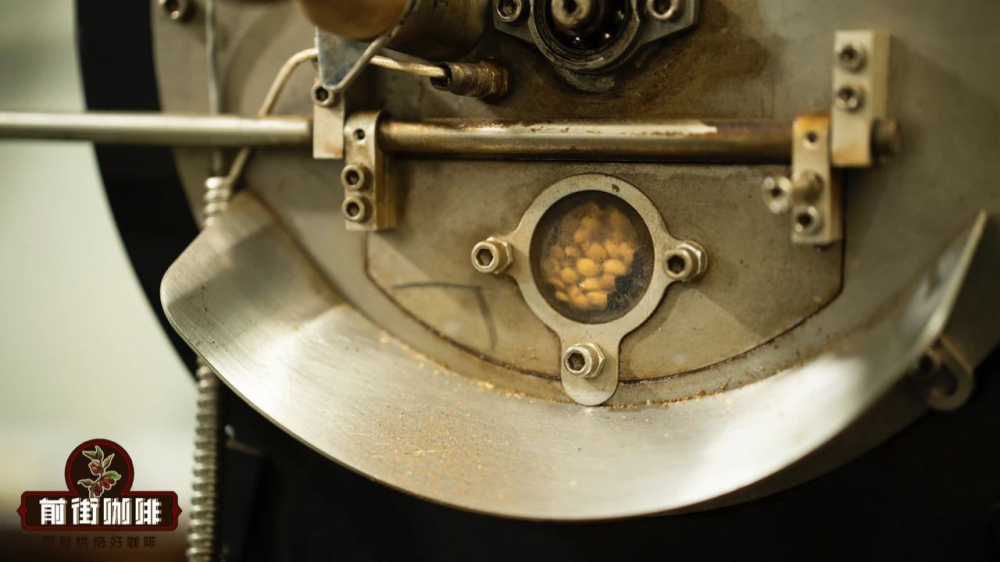
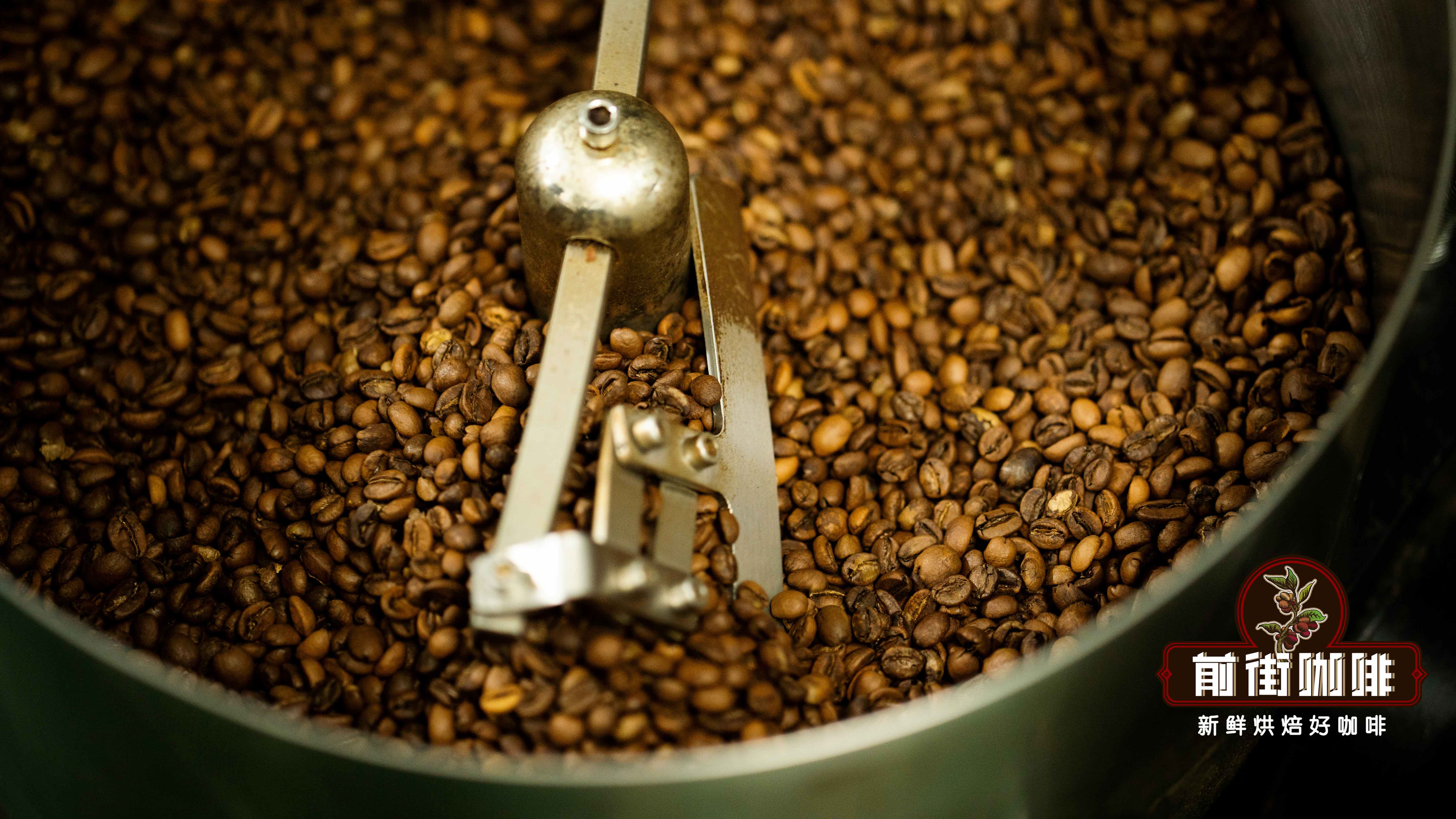
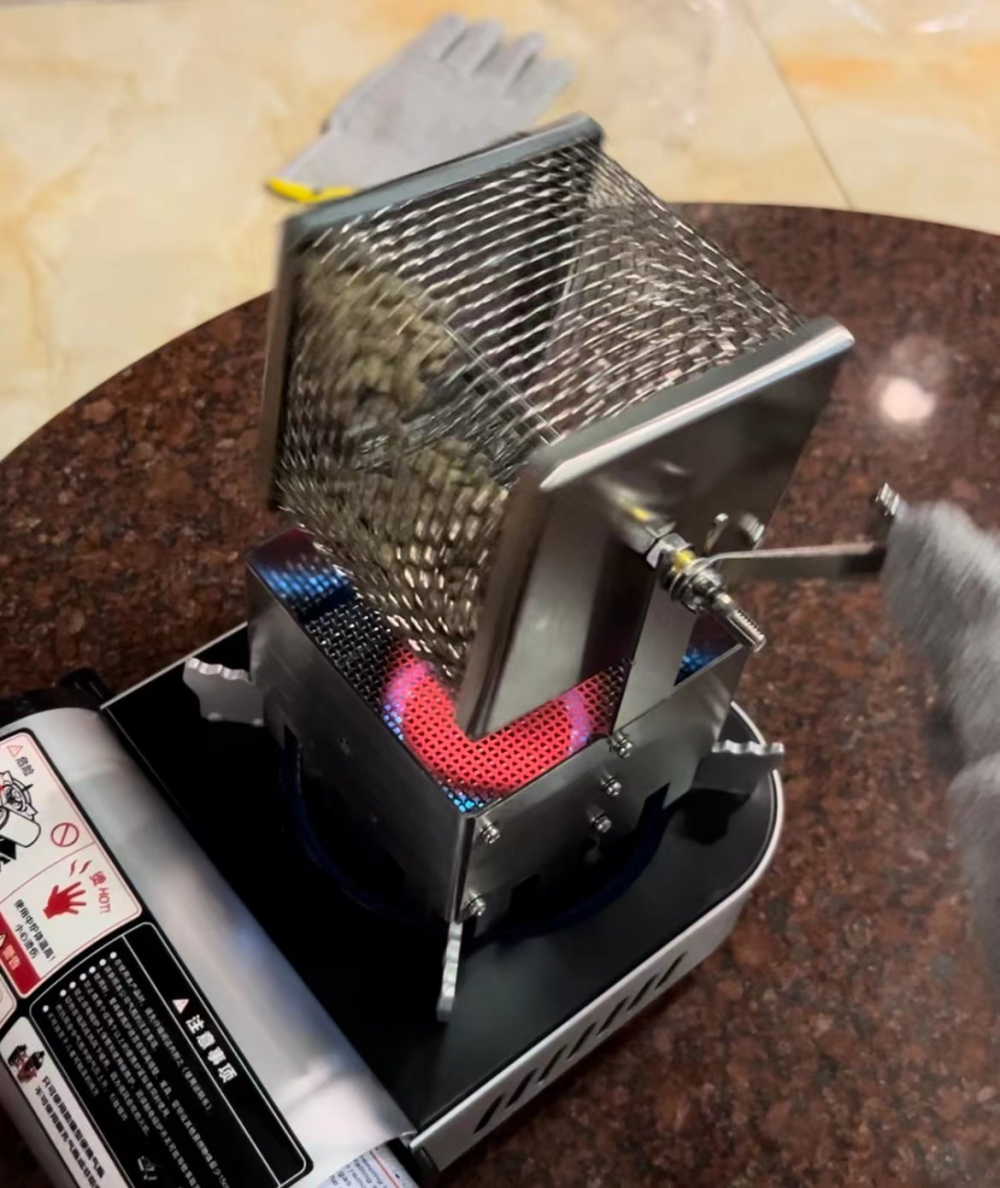
The professional-grade home option is highly recommended to bedrum-style roasting, which simulates the drum principle of commercial roasting machines, achieving better hot air circulation and even temperature distribution.Operational Tips: In the initial stage, maintain a low flame (about 150–180°C), and immediately start rotating at a steady speed of 60–65 rpm after starting. Continuously observe the color transition of the beans from green → light yellow → amber. Compared to professional equipment, this method takes longer (similar roast levels may take over 30 minutes), but you can clearly perceive the layering evolution from corn sweetness → caramel flavors → nutty tones. Be careful to avoid burning the outside while the inside remains raw; it is recommended to process 100–150 grams of green beans per batch.
Traditional pan roasting, while not precise, is the most accessible entry method. Before operating, be sure to thoroughly clean any residual oil in the pan (you can preheat it empty and rinse with water 1–2 times), and control the amount of beans to no more than 200 grams. It is recommended to continuously stir over medium or low heat. When the beans turn cinnamon-colored, a distinct caramel aroma will be released, followed by the first crack stage, which requires close monitoring—at this point, tiny oil spots begin to appear on the bean surface, soon followed by the dense popping sounds of the second crack. Special attention should be paid to:the interval between each stir should not exceed 30 seconds, otherwise localized charring may occur.
The electric oven method is only recommended for experimental use, as its static heating nature can easily lead to uneven heating. If you decide to use it, spread the green beans evenly on a baking tray (thickness no more than 2 cm), preheat to 200°C, and take them out to stir every 5 minutes. Key observations: the initial stage where beans turn from green to yellow takes about 8–10 minutes, and the first crack will be accompanied by noticeable expansion. When about 30% of the beans show cracks, it is recommended to immediately switch to a lower temperature zone (about 160°C) and continue observing signs of the second crack. Be sure to leave a gap in the oven door to allow heat dissipation and avoid smoky off-flavors due to suffocation.
Deep roasting (latter part of the second crack) can create a unique smoky texture, but it greatly reduces the content of active caffeine substances and can easily mask the origin's native flavor characteristics.Professional Recommendation: Most specialty coffees are best roasted in the medium to medium-dark range (from dense first crack to early second crack), which can preserve both bright acidity and rich sweetness. Recording the heat parameters, crack timing, and shutdown moments of each roast, and gradually developing your own roast profile, is a key step in enhancing flavor control.
The above content is compiled by CoffeeHunters, a coffee news website.

