







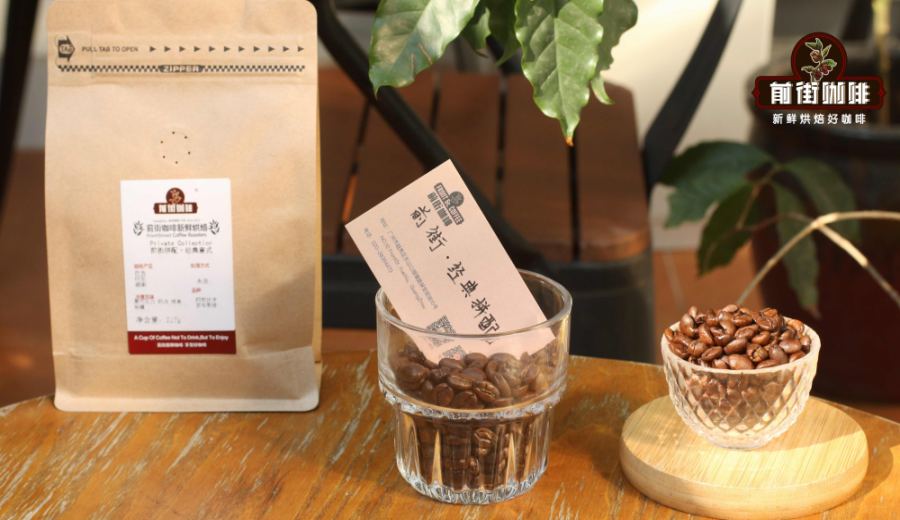
Introduction:To brew balanced and consistent espresso or Americano at home, choosing the right blend is key. This article focuses on medium-to-dark roasted blends and introduces several practical options suitable for home use — from classic combinations with rich crema and full-bodied flavor to special profiles with floral and fruity notes. It also provides bean selection tips and common myth-busting advice to help you find the coffee beans that best suit your taste and budget.
When making espresso at home, selecting a suitable blended coffee bean is often one of the most influential factors in the final flavor profile. Blended beans are crafted by combining beans from different regions with distinct flavor characteristics in specific proportions, aiming to create a more balanced, stable, and targeted flavor direction. Especially for beginners new to using espresso machines, medium-to-dark roasted blends are highly recommended due to their clear flavor layers and higher extraction tolerance.
Generally speaking, medium-to-dark roasted blends can bring out richer coffee aromas while also helping to form a thick and rich crema. Whether enjoyed as straight espresso, diluted with hot water as an Americano, or paired with milk in drinks like lattes or cappuccinos, they can deliver impressive flavor performance.Additionally, blends are typically better able to overcome the inconsistency in flavor caused by climate or harvest variations in single-origin beans, ensuring each batch maintains a relatively consistent taste.
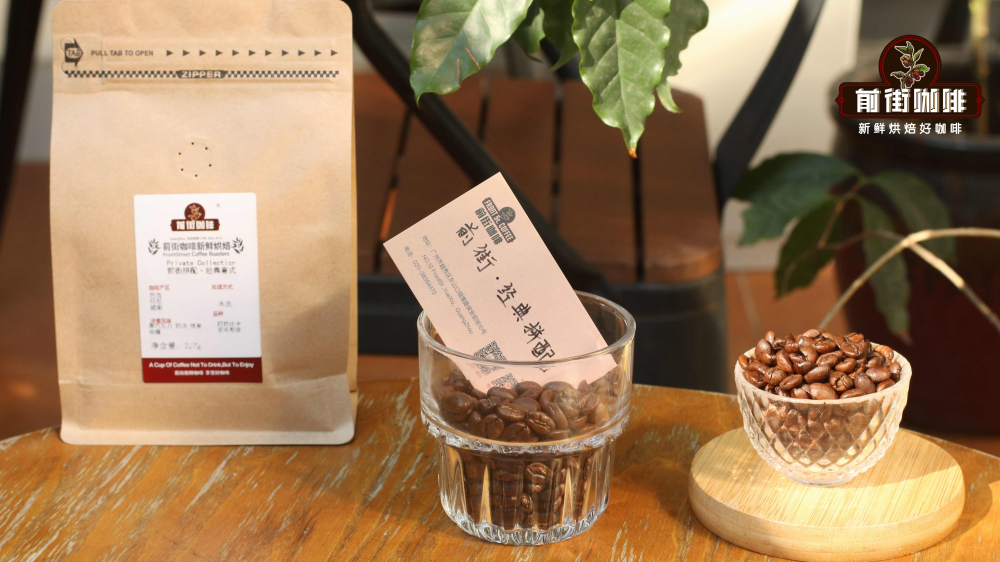
If you prefer a bold, full-bodied, and deep-flavored coffee, a blend composed of Brazilian Red Bourbon, Indonesian Mandheling, and Vietnamese Robusta is a classic choice. These beans are usually medium-to-dark roasted to dark roasted, fully showcasing caramel, chocolate, and robust woody tones, and are also easy to produce a fine and dense crema during extraction. They’re ideal for users who enjoy strong coffee flavors. Whether making an espresso-based Americano or a milk-based drink, they perform exceptionally well.
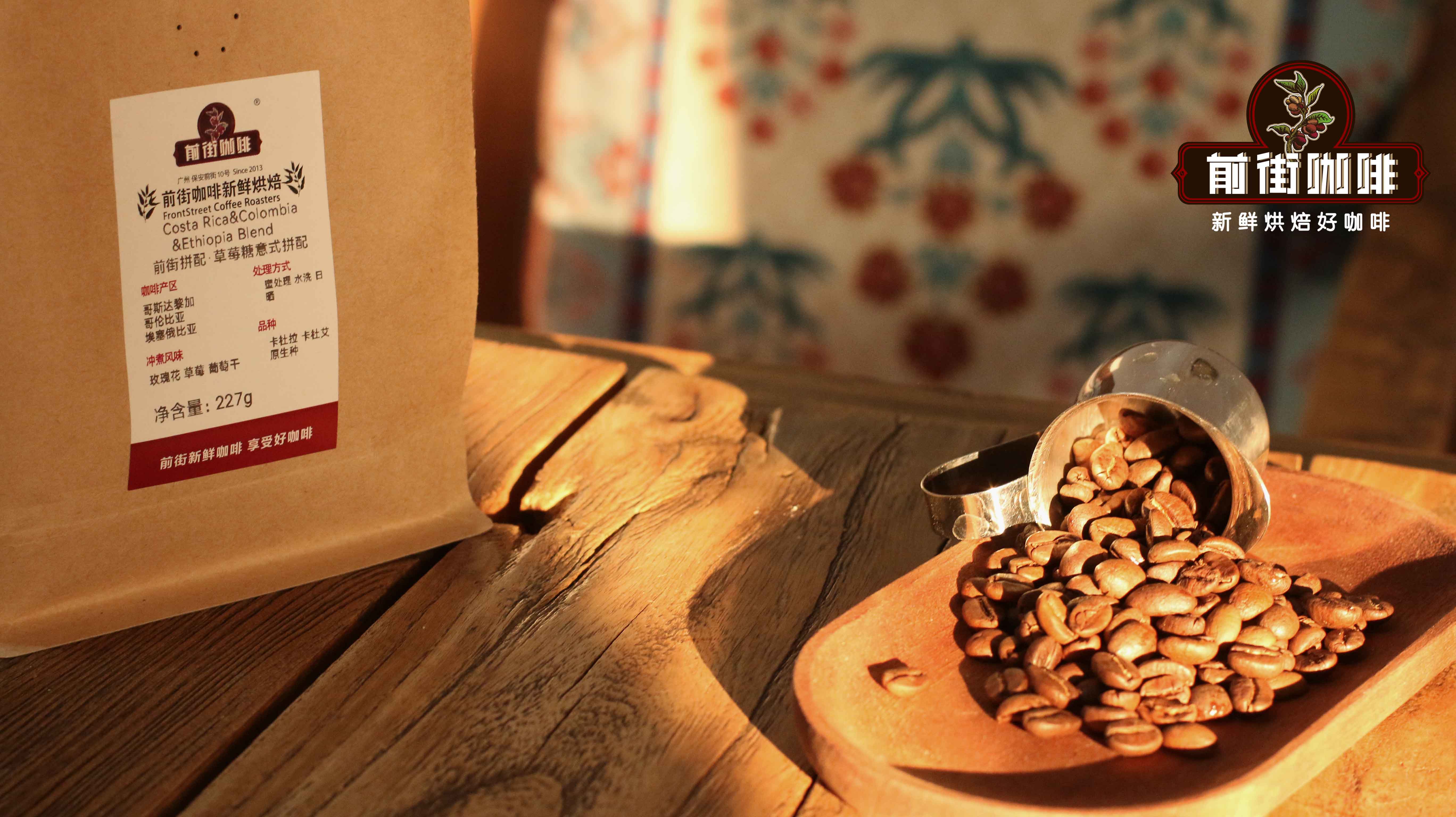
If you lean more toward a clean and slightly acidic coffee with fruity and floral notes, consider a medium-roast-based blend. For example, blends that combine Costa Rican honey-processed beans with Ethiopian coffee often deliver light sweet fruit aromas like berries and honey, paired with moderate acidity, making the espresso less heavy. When extracting such beans, pay attention to the balance between water temperature and grind size. A medium-fine grind and a water temperature around 90–93°C are recommended to fully release their flavor characteristics.Though such blends are less commonly used in commercial mass production, they can bring delightful surprises when brewed at home.
Additionally, blends centered around nuts and chocolate are also excellent for everyday drinking. For instance, combinations of Brazilian and Colombian beans are frequently found on the lists of many home coffee enthusiasts. These beans, during medium-to-dark roasting, can develop nutty, caramel, and cocoa aromas. The resulting brew typically offers a creamy cookie-like smooth mouthfeel with a moderate level of sweetness, making them perfect for making Americanos with water or as a base for lattes.
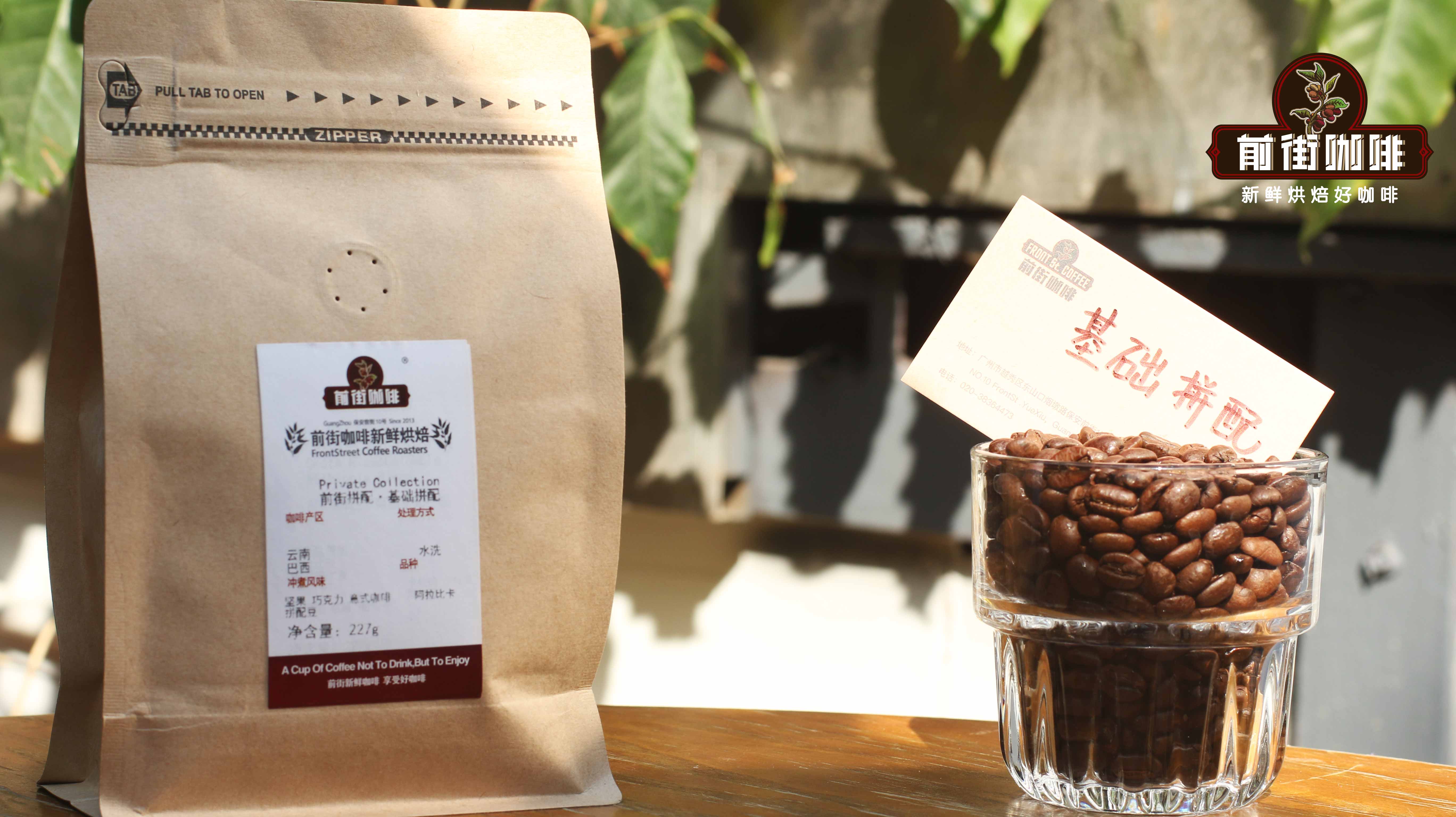
For users who want to recreate café-grade beverage flavors, there are also many commercially formulated blends available on the market. These beans are typically a mix of coffees from Brazil, Colombia, Vietnam, and other origins, using medium-to-dark roasting techniques to bring out intense baked aromas and rich textures. Whether for making Americanos or lattes, they present smooth and layered flavors. More importantly, these products are usually affordably priced, making them great “everyday beans” for home consumption.

For users with limited budgets but still seeking decent flavor performance, there are plenty of cost-effective blends on the market. These products usually feature soft fruit acidity, caramel sweetness, and moderate nutty and chocolate notes. Although they may not match the complexity of high-end specialty beans, their overall performance is stable, with low extraction barriers, making them very suitable for beginners or small coffee shops. It’s recommended to choose freshly roasted beans within five days of the roast date to retain maximum flavor freshness and avoid aroma loss due to prolonged storage.
In summary, choosing a suitable medium-to-dark roasted espresso blend should be based on your personal taste preferences, budget, and brewing method. Whether you favor bold, classic flavors or want to try unique blends with floral and fruity profiles, as long as you understand the basic extraction parameters and bean characteristics, you can enjoy a professional-level coffee experience at home.
The above content is compiled by CoffeeHunters, a coffee news website.

