







Introduction:Choosing the right coffee roast level is the first step for beginners entering the world of pour over brewing. This article provides an in-depth analysis of the characteristics of light, medium, and dark roasts, with a focus on the balanced flavors and versatile compatibility of medium-roast coffee beans. We recommend six practical entry-level medium-roast single-origin beans, complete with key flavor profiles and brewing tips to help you easily find your own starting point in coffee flavor exploration.
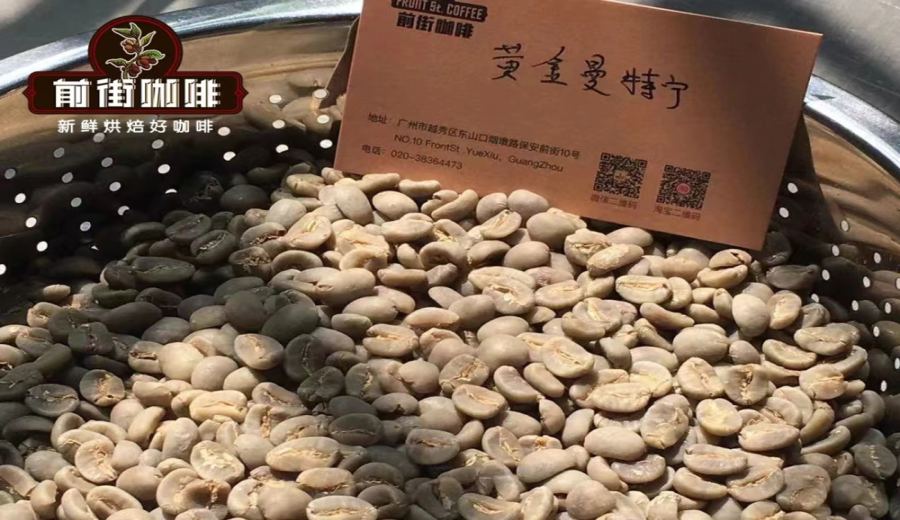
A significant part of coffee’s charm comes from roasting. Raw beans themselves have muted flavors, often resembling grassy or grainy notes. Through the heating process of roasting, internal components gradually transform, releasing aromatic layers born from Maillard and caramelization reactions. This crucial step of converting raw beans into a drinkable product determines the final balance of acidity, sweetness, bitterness, and body on the palate.
Roast levels are generally divided into seven categories, but the most common and suitable for most brewing methods on the market are light, medium, and dark roasts. Each roast style not only affects the color and oiliness of the coffee, but also directly influences flavor expression and the choice of brewing equipment.
Light roast is usually dropped just after the first crack ends. The beans are lighter in color, retaining pronounced fruit acidity and fresh fruity tones, with lower sweetness and bitterness, and a weaker body. It suits drinkers who prefer a clean and bright taste. Commonly used in pour over, clever dripper, and drip bag brewing, it allows for careful appreciation of the subtle differences in the inherent flavors of different bean varieties.
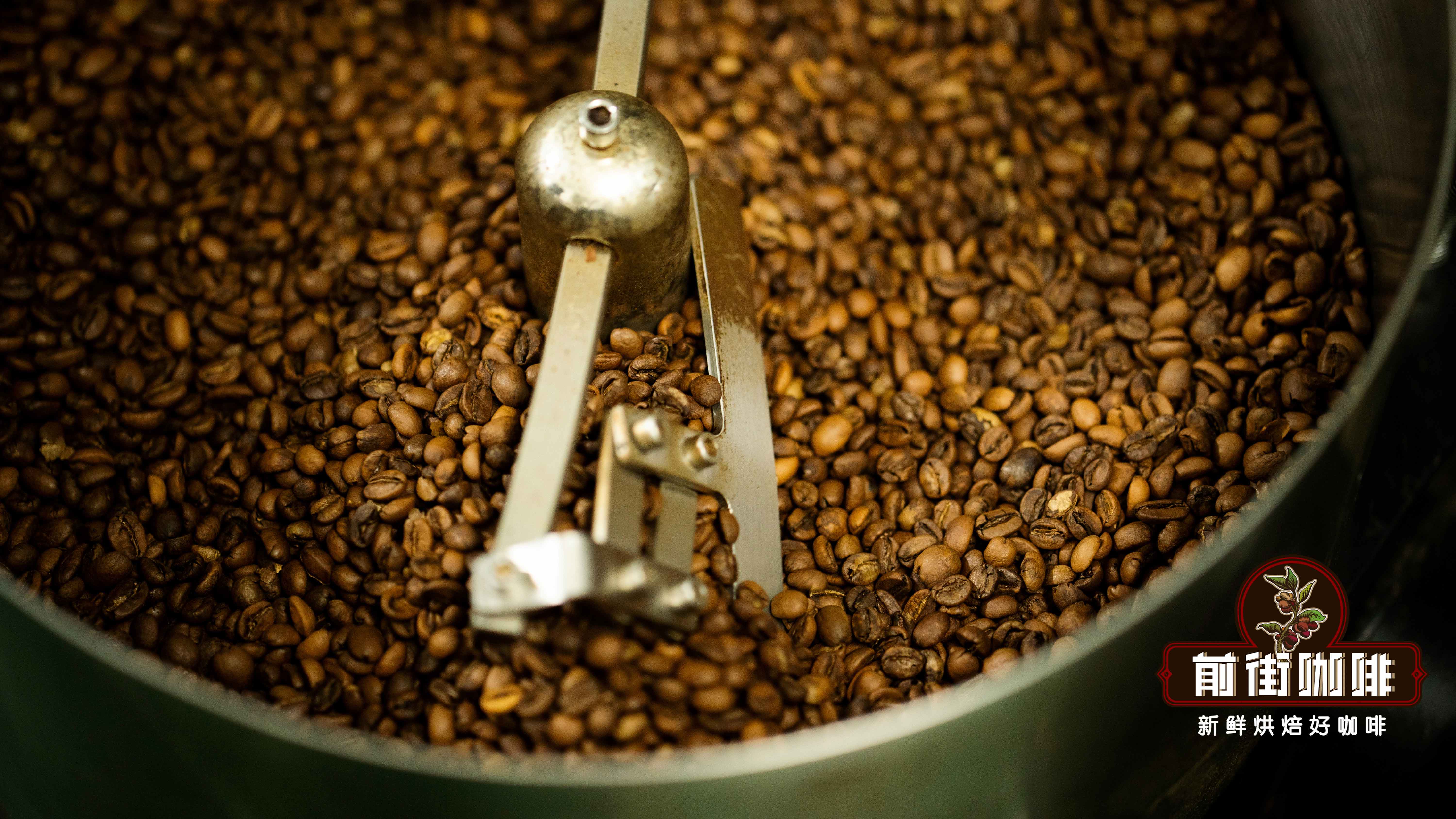
Dark roast is at the other extreme. The beans have a shiny, deep brown surface, with more thorough caramelization reactions. Fruit acidity is almost invisible, replaced by intense roasted and smoky notes, with high body, suitable for use with espresso machines or moka pots, emphasizing bold flavors and concentrated taste profiles.
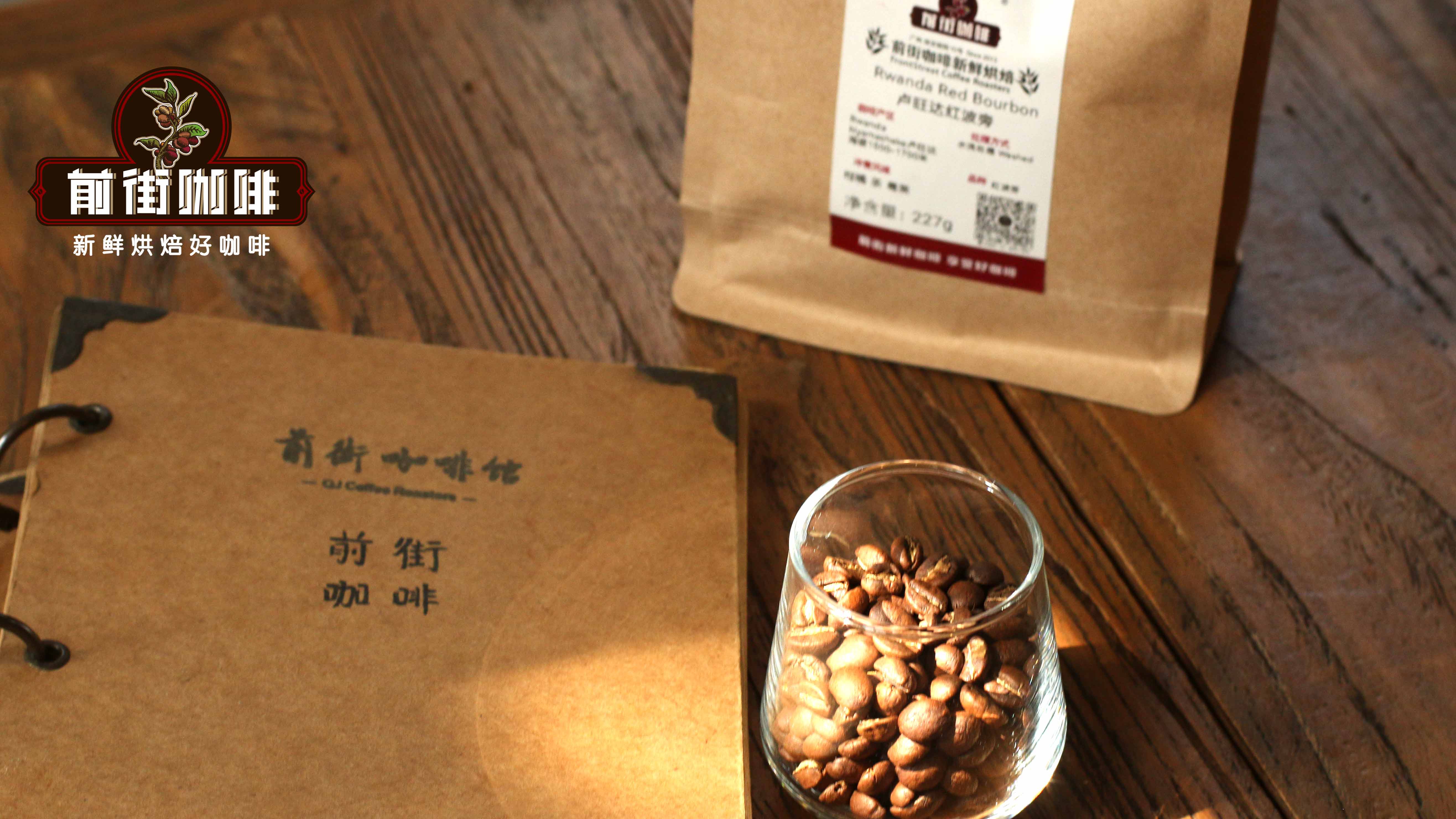
Andmedium roast, dropped slightly after the end of the first crack, results in beans with a uniform medium brown color and minimal surface oil. It has moderate acidity, noticeable sweetness, mild bitterness, and an overall smooth and balanced mouthfeel. It is the most beginner-friendly roast level. Suitable for a variety of brewing devices—including pour over, French press, moka pot, clever dripper, espresso machine, and drip coffee maker—it also highlights the bean’s own well-balanced flavors.
Below are six outstanding medium-roast coffee beans recommended for home pour over or everyday brewing exploration:
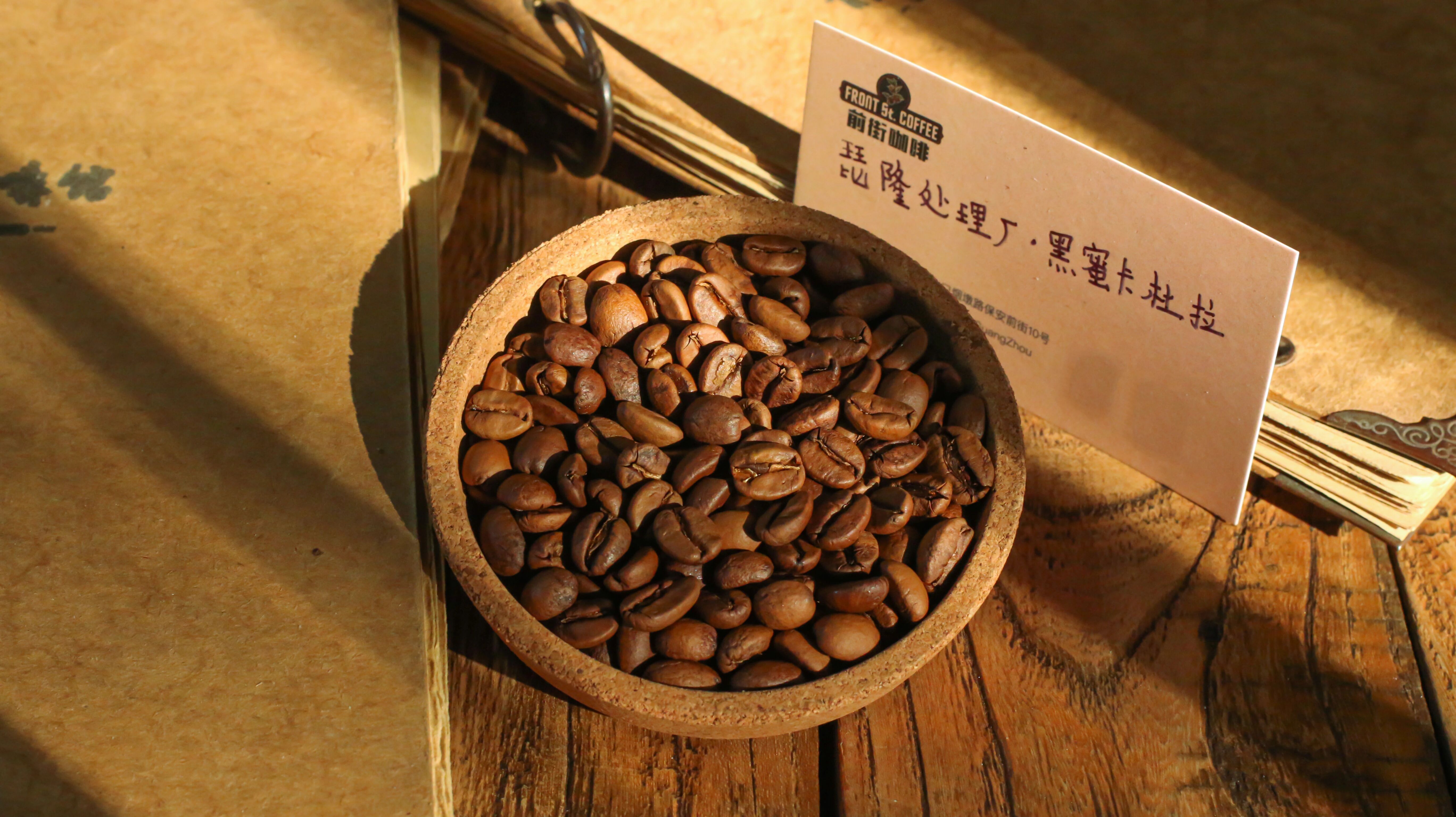
1. Costa Rica Blackberry (Black Honey Process)
Key flavors: Grapes, berries, floral notes, with a hint of slight fermentation.
This bean is processed using the black honey method, where nearly all the mucilage is retained and undergoes shaded drying for over 14 days to allow full sugar conversion. The result is a rich and sweet cup with prominent fruitiness, ideal for those who enjoy fruity and sweet profiles.
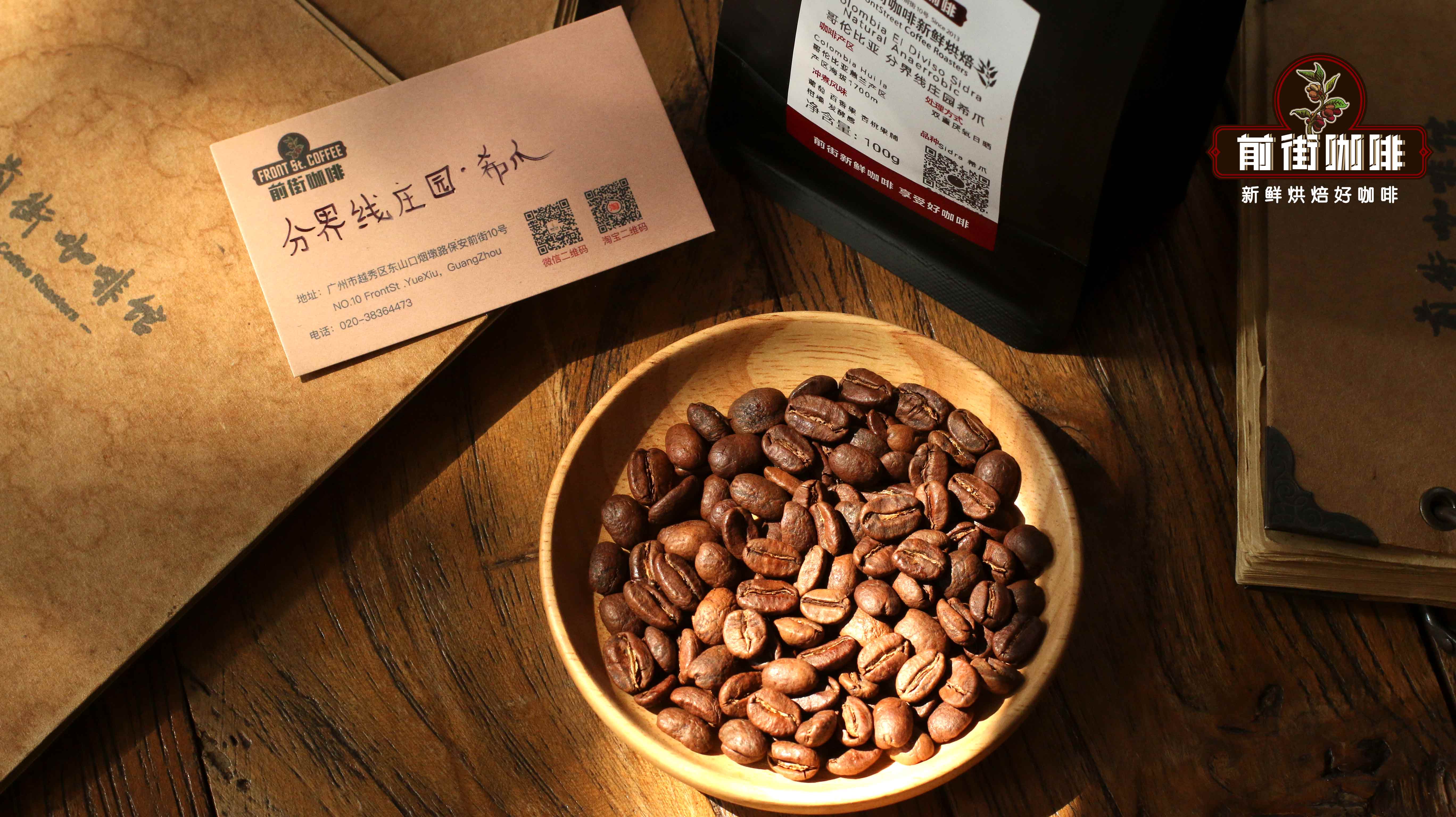
2. Colombia Geisha (Double Anaerobic Natural)
Key flavors: Grapes, passionfruit, citrus, apricot, dried fruit.
Sourced from the Huila region at an altitude of 1700 meters, the double anaerobic natural process gives it bold fruitiness and rich layers, with an almond-like finish. It is highly favored by fruit flavor enthusiasts.
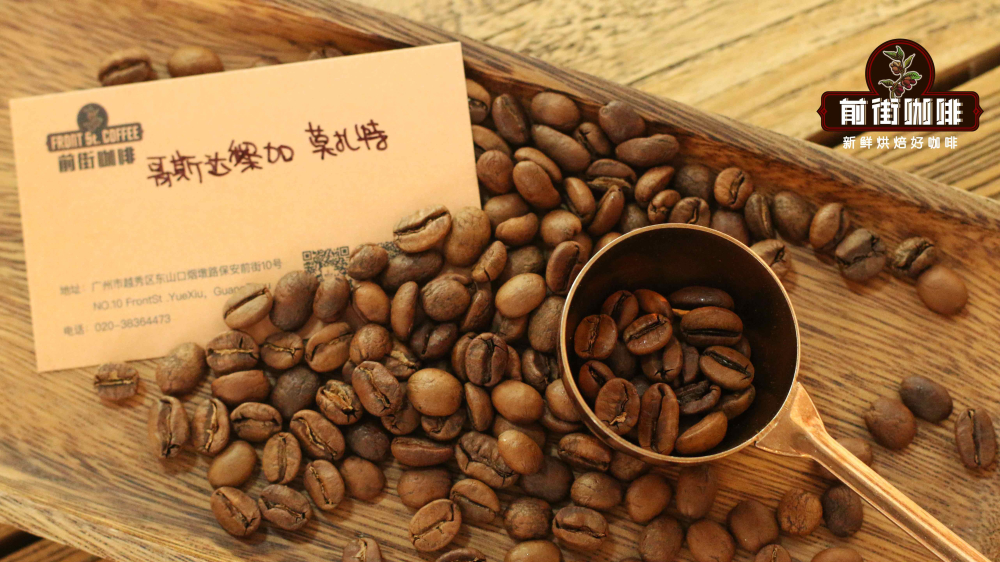
3. Costa Rica Mozart (Musician Series)
Key flavors: Osmanthus, red grapes, pineapple, raisins, fruit wine.
This bean exhibits distinct berry and fruit wine fermentation aromas during brewing. As temperature changes, the osmanthus and sweet fruit notes become even clearer, making it great for experiencing how temperature affects flavor.
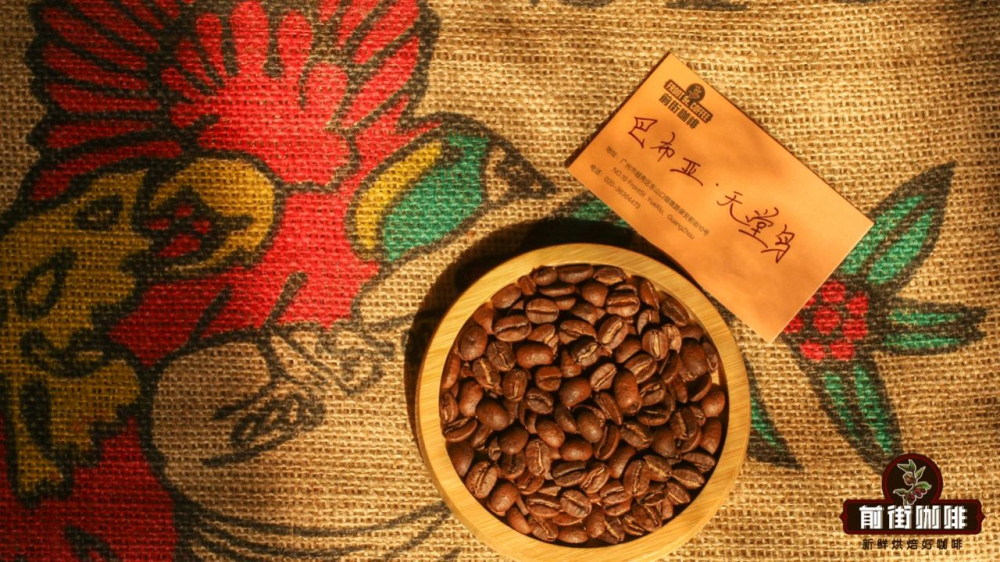
4. Papua New Guinea Bird of Paradise
Key flavors: Toasted bread, nuts, sugarcane, butter, chocolate.
Made from the local dominant Typica variety, its flavor is clean and clear. Though it is relatively delicate in constitution, it has an elegant profile. Medium roast highlights its nutty and buttery sweet tones.
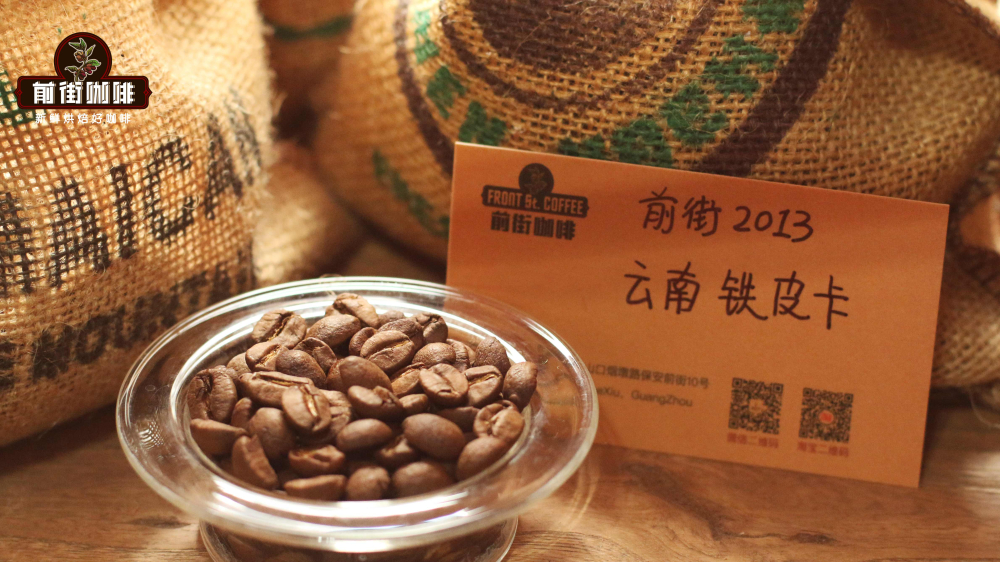
5. Yunnan Typica (2013 vintage)
Key flavors: Chocolate, apricot, brown sugar, tea-like notes.
The three-dimensional climate and long sunlight hours in Lincang, Yunnan, provide an ideal growing environment for Typica. Medium roast showcases the roasty notes of chocolate and nuts, while preserving gentle acidity and a unique tea-like character.
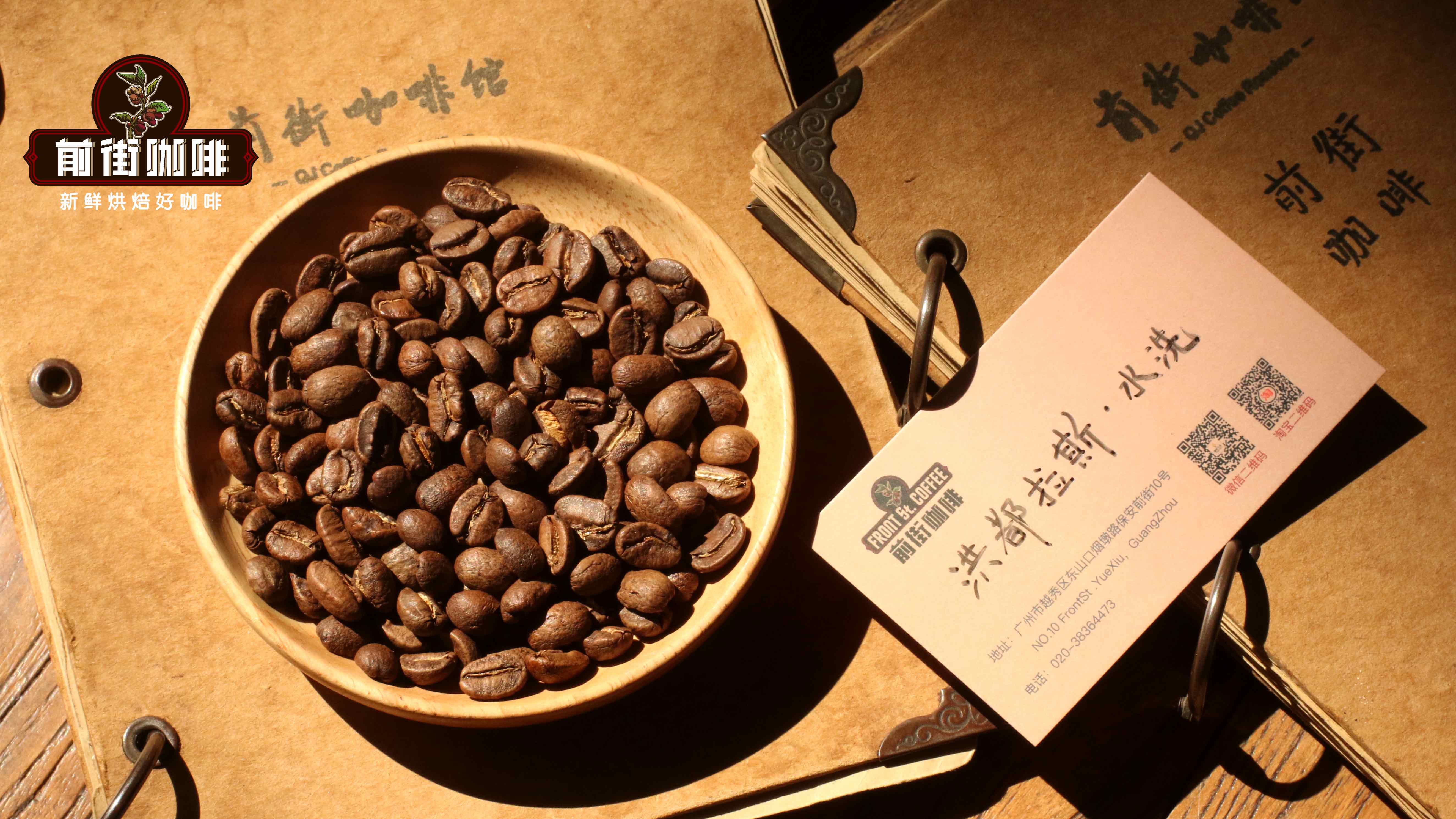
6. Honduras Washed Catuai
Key flavors: Chocolate, nuts, cocoa.
The washed process gives it a clean and clear taste. Medium roast enhances the flavors of dark chocolate and nuts, with a balanced bitterness and sweetness, and a long-lasting aftertaste. It’s perfect for daily, stable drinking.
Whether you’ve just started with pour over equipment or are exploring your own flavor preferences, medium-roast coffee beans are a worthwhile starting point for deeper exploration. By understanding the interplay between roast level and bean characteristics, you can more precisely adjust grind size, water temperature, and brew time, gradually building your own coffee flavor map.
The above content is compiled by CoffeeHunters, a coffee news website.

