







Introduction:Want to roast coffee beans at home but worried about lacking the skills or ending up with uneven results? This article details the fundamental operations and key techniques of coffee bean roasting — from home drum roasting methods to the color values, flavor profiles, and recommended brewing styles of eight international standard roast levels. It helps you master the transition from light to dark roasts, understand how each roast level affects flavor layers, and improve both the success rate and drinking experience of home roasting.
In recent years, more and more coffee enthusiasts have developed an interest in the roasting process. On social platforms, it’s common to see people sharing their self-roasted coffee beans. However, many find after their first attempt that the roasted beans come out uneven in color — some parts overly burnt on the outside while still raw inside. In reality, the roast level and evenness of heat application are the key factors that directly determine the final flavor. A deeper understanding of these details allows you to more precisely control the direction of the coffee’s taste profile.
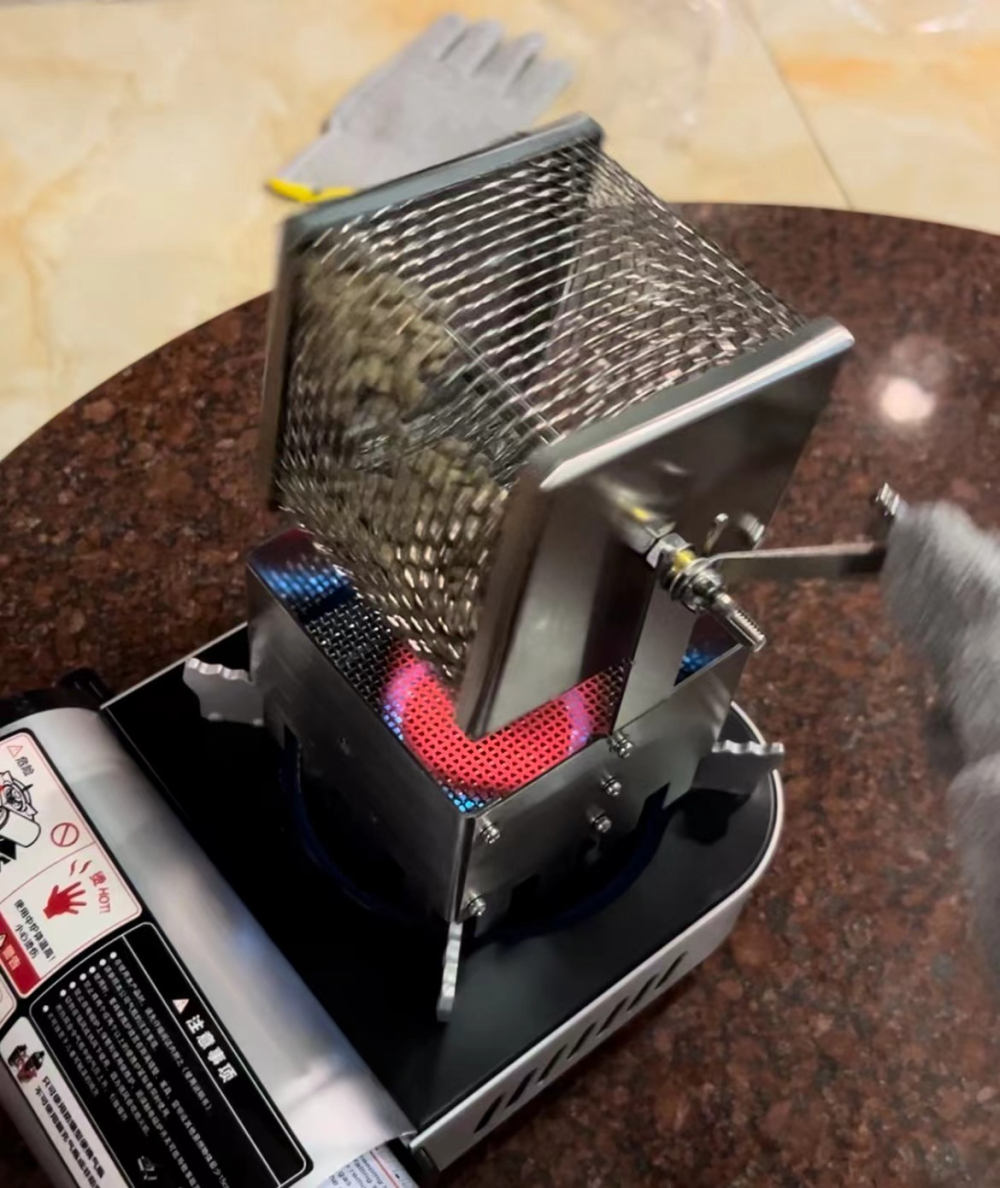
Before diving into roast levels, let’s first look at how to roast coffee beans at home. Although various roasting methods circulate online — such as pan-frying, using an oven, or even employing an air fryer — these tools struggle to ensure even heating and sufficient agitation of the beans. Therefore, it is recommended to choose a dedicated drum-type home coffee roaster, which better simulates a professional roasting environment.
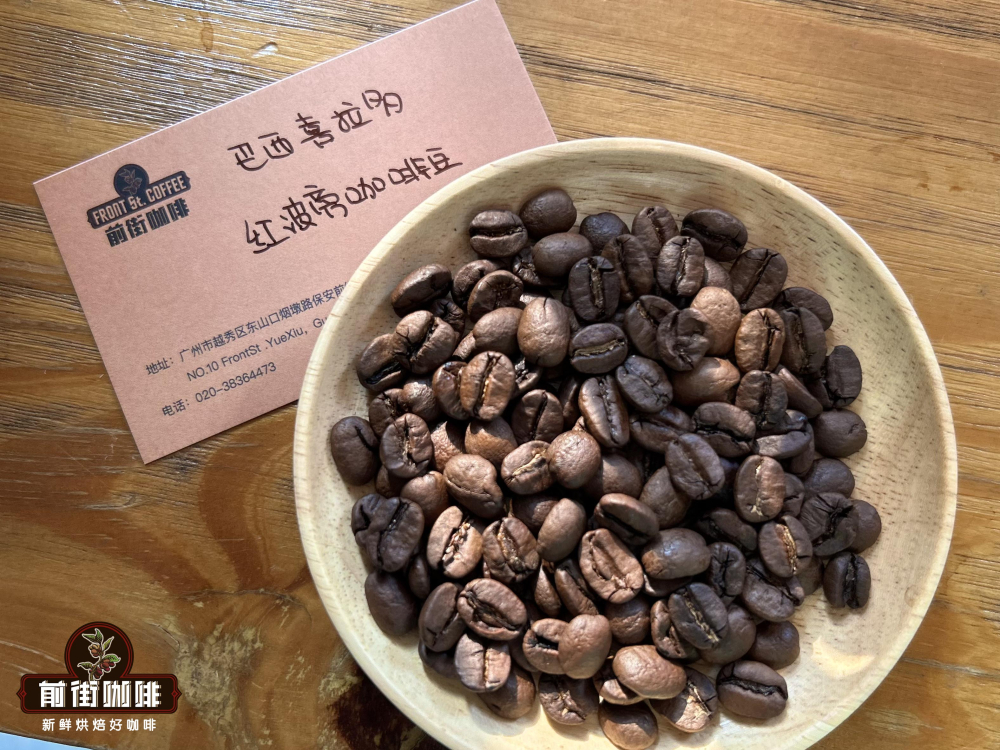
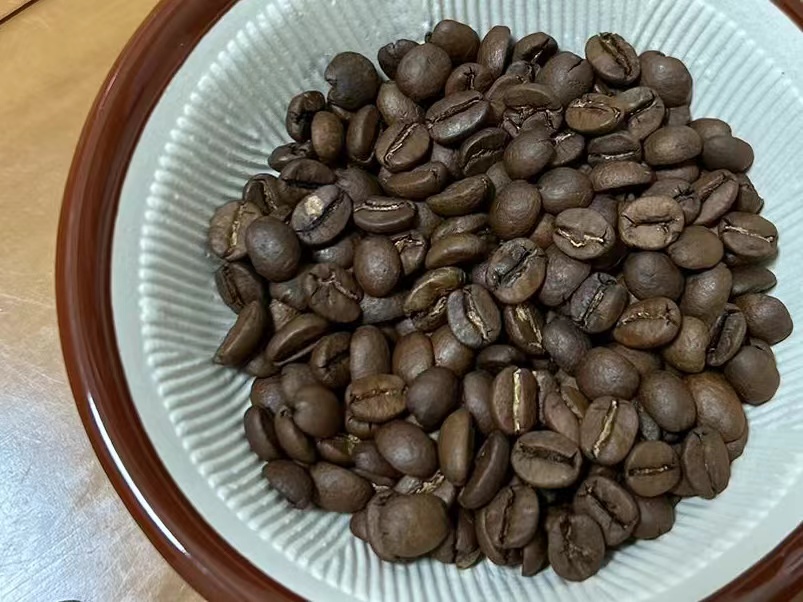
When actually using a drum roaster, two key points deserve special attention: first, always use low heat throughout the process — high temperatures can easily cause the bean surface to over-color while the interior remains under-roasted; second, adjust the flame properly before placing the drum and immediately start rotation, with a recommended speed of 60 to 65 rotations per minute. For example, when testing with equipment similar to the Yangjia 800N to roast Brazilian Cerrado region Red Bourbon beans, it takes about 3.5 minutes from first crack to drop time — classified as a medium-dark roast, with a total roasting time of around 13 minutes. But if using a drum roaster to achieve a similar result, it may take as long as 31 minutes, during which you must consistently maintain a stable rotation of 60 rpm. Any pause or slowdown can easily lead to localized burning, which is quite challenging in terms of manual skill.
Although the manual roasting process is more labor-intensive, you get to witness firsthand the transformation of green coffee beans: initially turning pale yellow with a sweet, corn-like aroma; then progressing to the cinnamon stage, exuding caramel sweetness; and finally deepening into a dark chocolate hue, releasing intense roasted nut and spice notes. This visual and olfactory transformation journey is not only therapeutic but also helps you gain a deeper understanding of how roasting influences flavor — thereby making you appreciate every cup of coffee brewed with care even more.
Looking at the common classifications of commercially available coffee beans, they can generally be grouped as follows: those with pronounced acidity are typically lightly roasted, those with prominent bitterness tend toward dark roasts, and those balancing acidity and bitterness fall into the medium roast category. The globally authoritative Specialty Coffee Association (SCAA) has established eight standard roast levels with corresponding Agtron color values, providing a clear reference basis:
The lightest Agtron value is 95, representing a Light Roast, usually dropped at the end of the first crack (during the continuous cracking sounds), characterized by bright fruit acidity and a lively mouthfeel.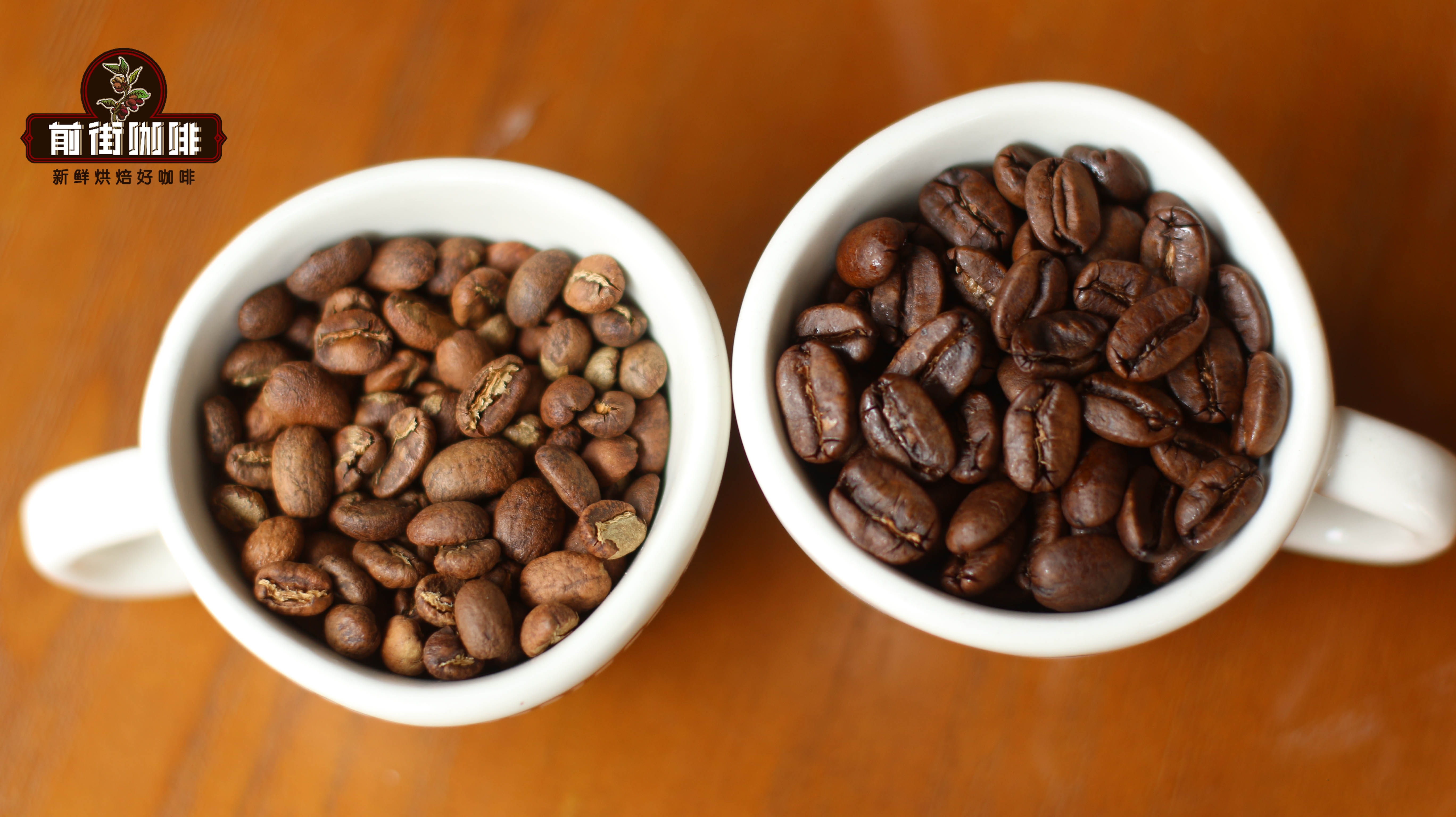
An Agtron value of 85 is a Cinnamon Roast, dropped just as the first crack is ending or during sporadic crackling, featuring primarily acidic tones paired with gentle sweetness.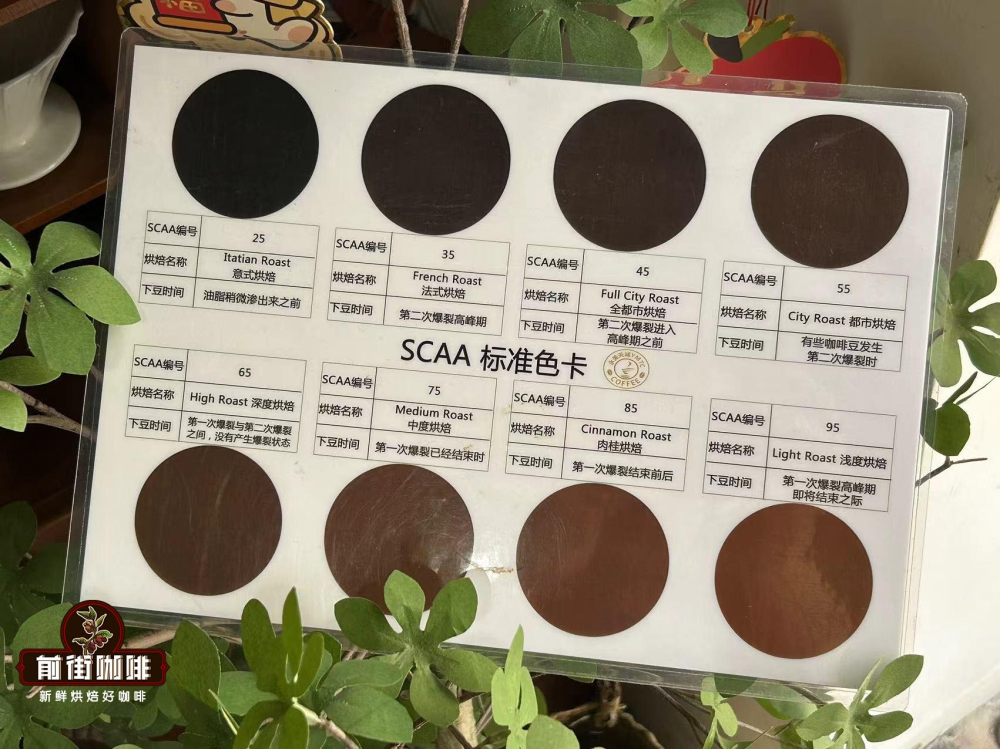
An Agtron value of 75 is a Medium Roast, dropped around the completion of the first crack, where the coffee’s flavor emphasizes sweetness while retaining slight fruity acidity.
An Agtron value of 65 falls under High Roast, dropped approximately 1–2 minutes after the first crack during the quiet period before the second crack begins, offering a balanced profile of nuts and caramel with almost no acidity.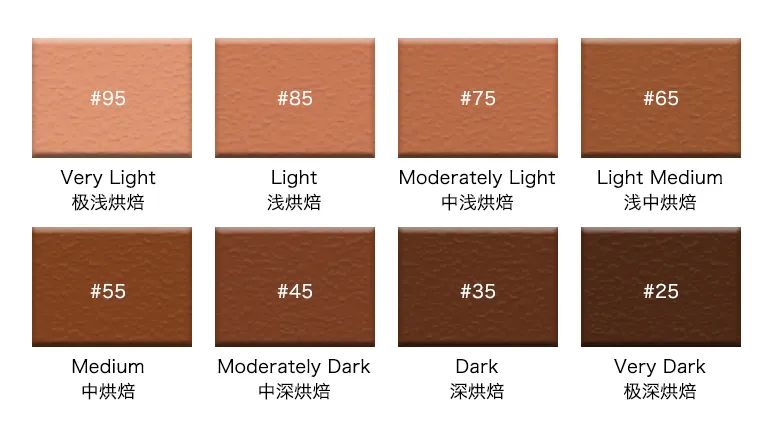
An Agtron value of 55 is a City Roast, dropped just as the second crack begins (with faint cracking sounds), where bitterness and caramel aromas become more distinct.
An Agtron value of 45 is a Full City Roast, dropped just before the dense sounds of the second crack emerge, resulting in a richer, more intense bitter and roasted flavor — a darker roast level overall.
An Agtron value of 35 is a French Roast, dropped around the dense phase of the second crack (with lower-pitched cracking sounds compared to the first), at which point the bean surface begins to show oil sheen.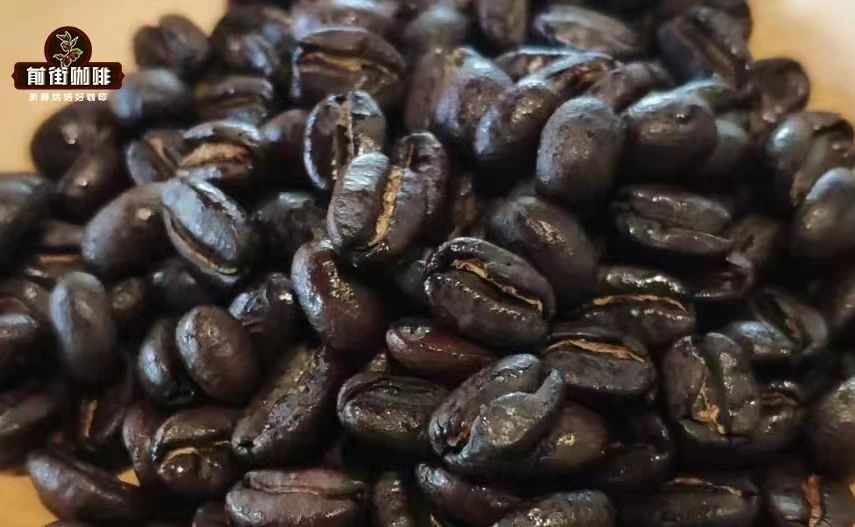
An Agtron value of 25 is an Italian Roast, dropped at the completion of the second crack, with the beans appearing pitch-black and glossy, and surface oils clearly visible.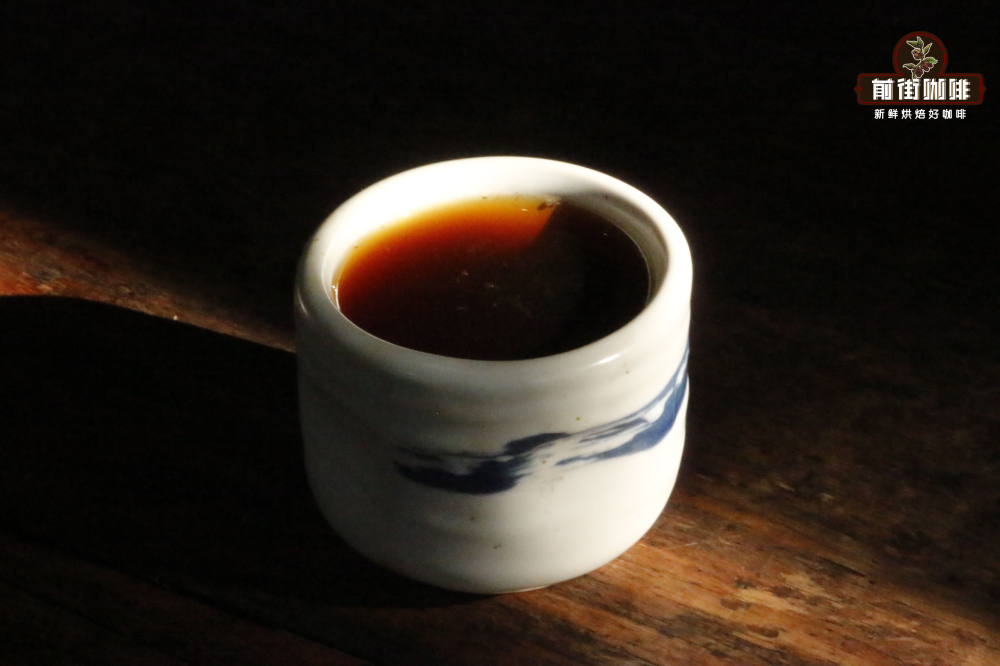
Observations suggest that whether using professional machines or hand-roasting, most do not roast coffee beans beyond an Agtron value of 65, as the flavor becomes extremely intense at this stage, with diminished complexity. Additionally, if you’re not yet familiar with drum roasting, it’s advised to avoid attempting very light roast levels, as slight miscontrol of heat can easily lead to beans that appear properly roasted on the surface but remain raw inside — resulting in grassy or astringent off-flavors that detract from the overall drinking experience.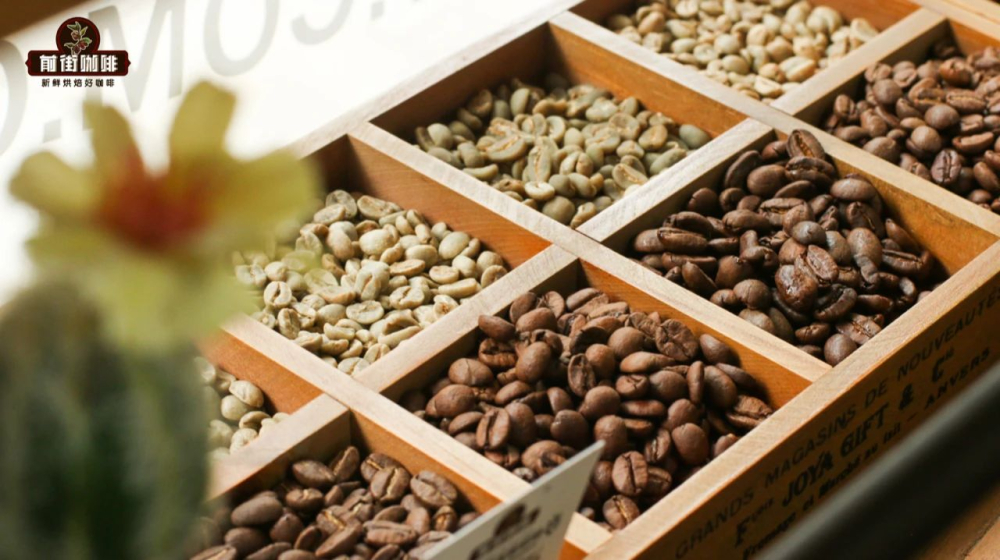
The above content is compiled by CoffeeHunters, a coffee news website.

