







Introduction:Many people mistakenly assume that Yunnan coffee is only used for instant products, but in reality, this land is also capable of producing high-quality pour over beans. This article breaks down Yunnan coffee’s journey from a bulk commodity to specialty-grade, analyzes the characteristics of the mainstream Catimor variety, and introduces two pour over recommendations that balance flavor and value, along with suitable brewing parameters and flavor profiles.
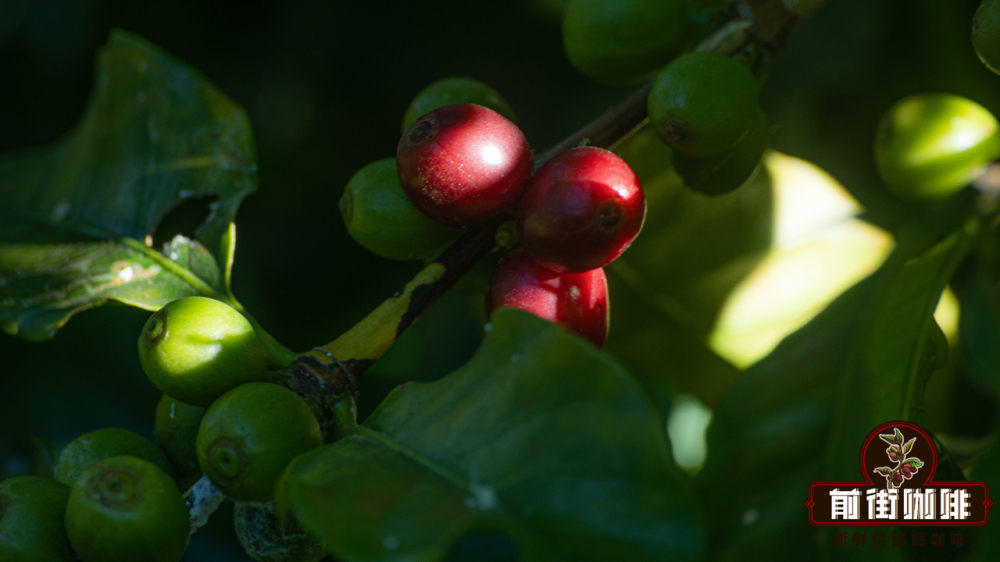
Yunnan’s ability to become a coffee-growing region hinges on its geographical conditions—spanning the Tropic of Cancer, with some producing areas exceeding 1,300 meters in altitude, meeting the temperature and sunlight requirements of Arabica beans. The early introduction of the Typica variety was largely cut down due to historical factors, until international brands recognized the local potential and drove industrial upgrading.
After Nestlé established its Agricultural Department in 1992, it introduced the disease-resistant Catimor variety, combining the advantages of the Timor hybrid (with 25% Robusta genes) and Caturra, solving the issues of previous varieties being prone to leaf rust and low yield. Although its Robusta lineage gives it a more straightforward flavor, its stable output has elevated the region to one of China’s major coffee-producing areas.
Today, about 90% of the coffee grown here is Catimor or its improved variants, commonly referred to as "small-grain coffee." These beans, well-adapted to the local environment, yield about 30% more per unit area than traditional Arabica and exhibit excellent disease resistance, making them the farmers’ top choice. However, their unique nutty notes and subtle bitter undertones have instead become a foundation for some roasters’ blends.
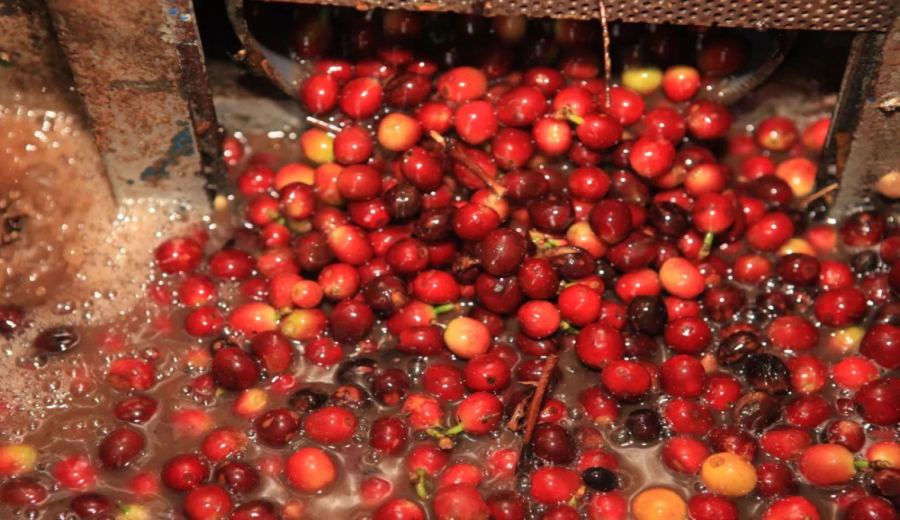
With the rise of the specialty coffee trend, producing areas in the region have begun to focus on post-harvest processing techniques, expanding from traditional washed processing to diverse methods such as natural sun-dried and honey processing. The following two market-proven beans respectively showcase two modern expressions of Yunnan coffee:
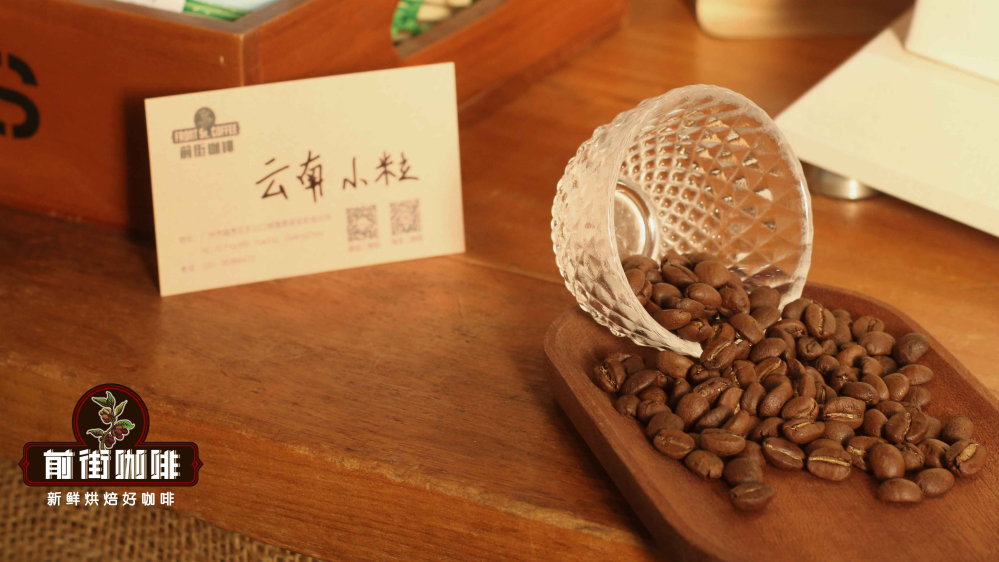
Yunnan Baoshan Washed Catimor
Grown at an altitude of 1,200 meters, this bean undergoes washed processing to remove the pulp layer, reducing impurity interference. Recommended pour over parameters: medium-fine grind (Chinese standard 8–10 sieve), water temperature 88–90°C, brew ratio 1:15. The flavor profile centers around roasted nuts, accompanied by faint herbal aromas and a caramel finish, suitable for those trying Yunnan beans for the first time.
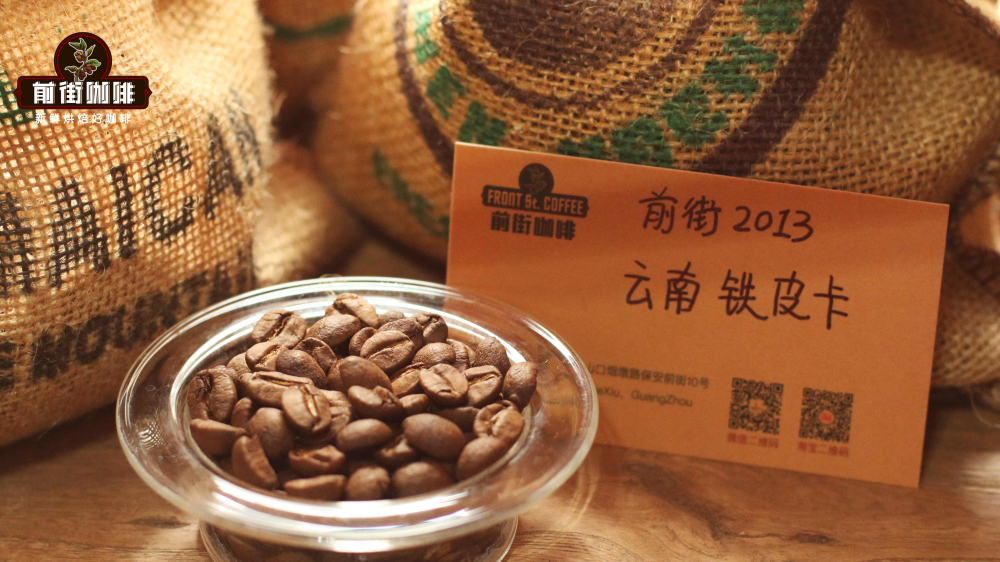
Lincang Natural Sun-Dried Typica
This bean traces back to the early-introduced Typica variety. Processed via natural sun-drying at an altitude of 1,300 meters, the extended fermentation time of the fruit pulp enhances berry and brown sugar notes. Brewing notes: preheat equipment to above 45°C, and maintain a steady flow rate during pulse pouring. Its pronounced berry acidity and tea-like aftertaste pair well with cold brew or American drip, showcasing the unique charm of this heritage variety.
The above content is compiled by CoffeeHunters, a coffee news website.

