







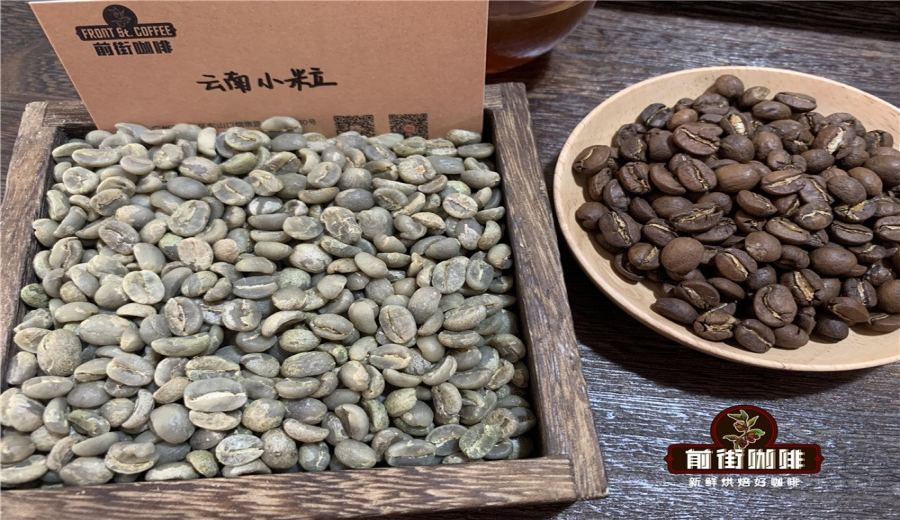
Introduction:Explore the two mainstream varieties of Yunnan small-bean coffee—Typica and Catimor—from growing regions, processing methods to flavor profiles, and take an in-depth look at the differences between them. This article provides professional-level pour over recommendations to help you find a Yunnan specialty coffee bean that suits your taste and offers great value.
The history of Yunnan small-bean coffee dates back to 1904, when French missionary Térence Desflèches introduced the Typica variety from Vietnam and successfully planted it in Zhugula Village, Binchuan County, laying the foundation for the local coffee industry. These beans, with relatively small beans, are classified as a small fruit variety within Arabica, commonly referred to as "small-bean coffee."
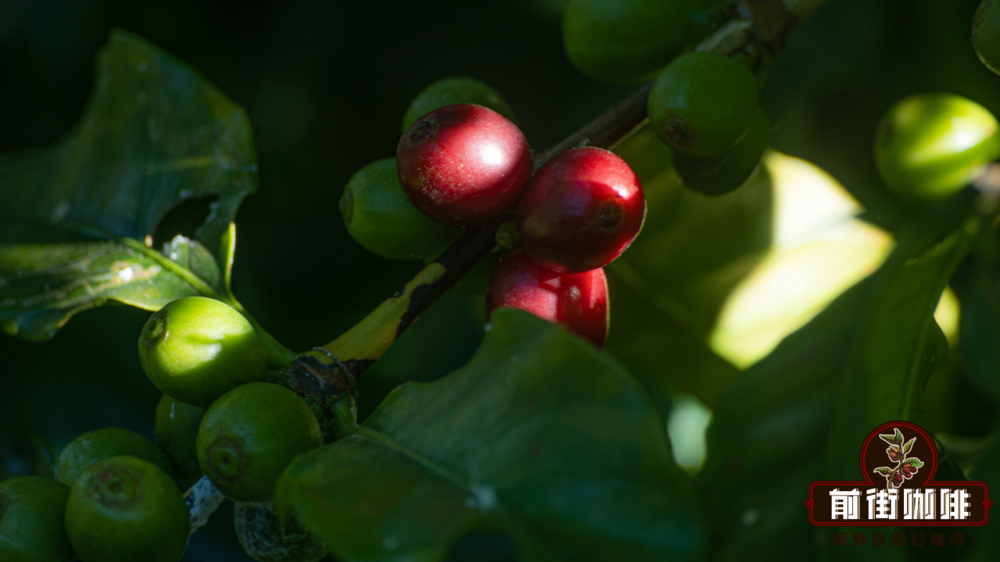
The so-called small-bean coffee mainly refers to Arabica, which typically has more delicate flavors and brighter acidity compared to the medium-sized Robusta and the large-sized Liberica. What is grown in Yunnan is this representative small-bean variety, among which Typica and Catimor are the most notable.
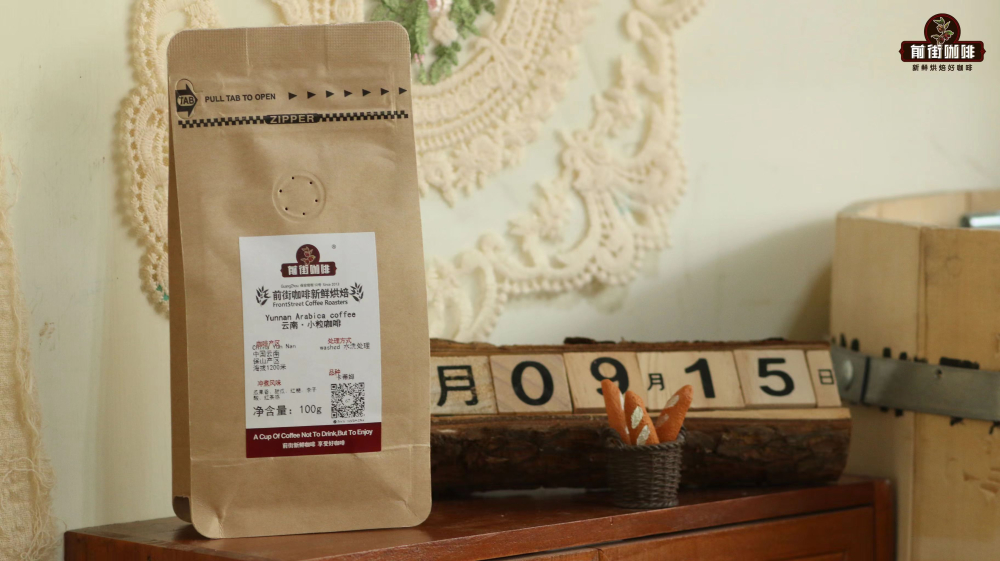
Among the many Yunnan growing regions, places like Baoshan and Lincang boast uniquely favorable climatic conditions. In particular, Baoshan, with an average annual temperature of about 21.5°C and very little frost, is highly suitable for the growth of small-bean coffee. The coffee produced here is known for its pronounced fruity aroma, rich body, and lack of excessive bitterness, and is even honored as a National Geographic Indication product.
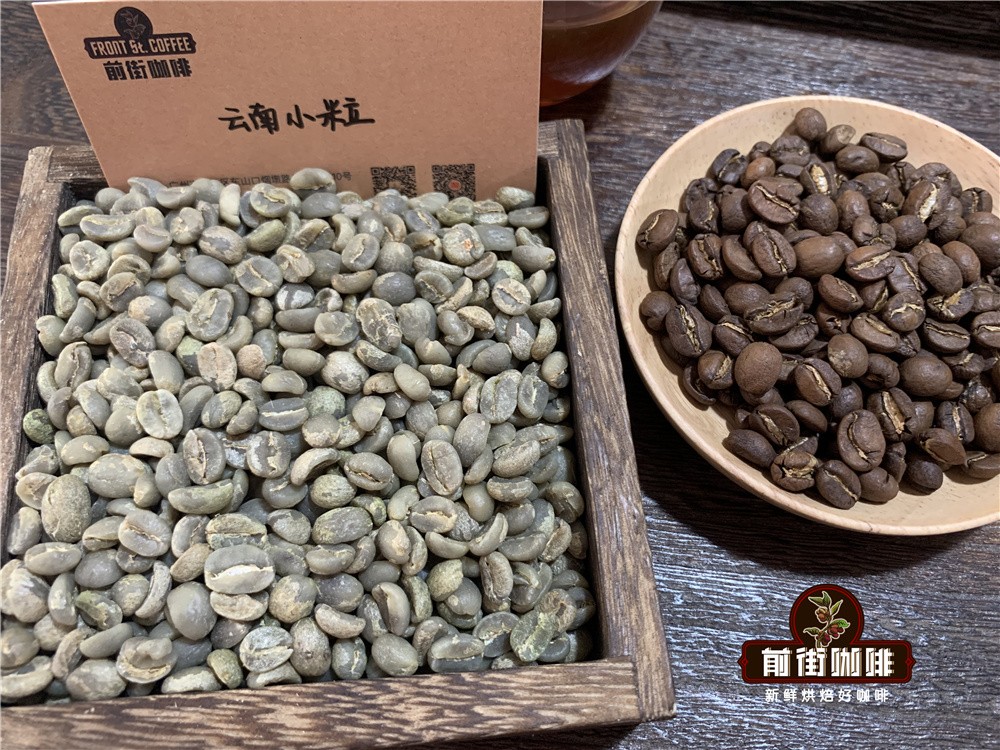
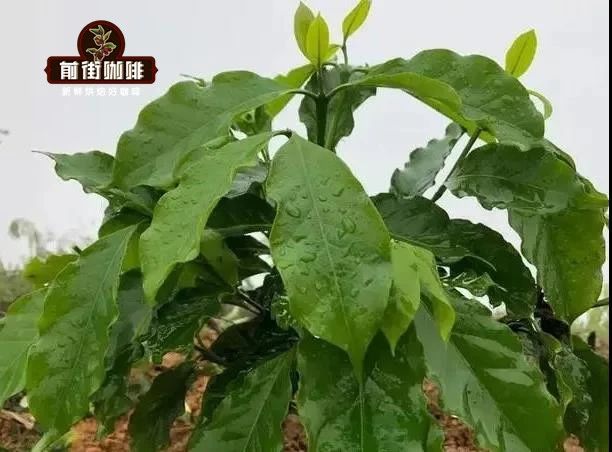
Currently, the main variety planted is Catimor, a hybrid of Arabica Typica and Robusta, carrying approximately 25% Robusta genes. As a result, it has stronger disease resistance and high-yield characteristics while retaining some of the original flavor complexity of Typica. For this reason, many estates choose to cultivate Catimor on a large scale.
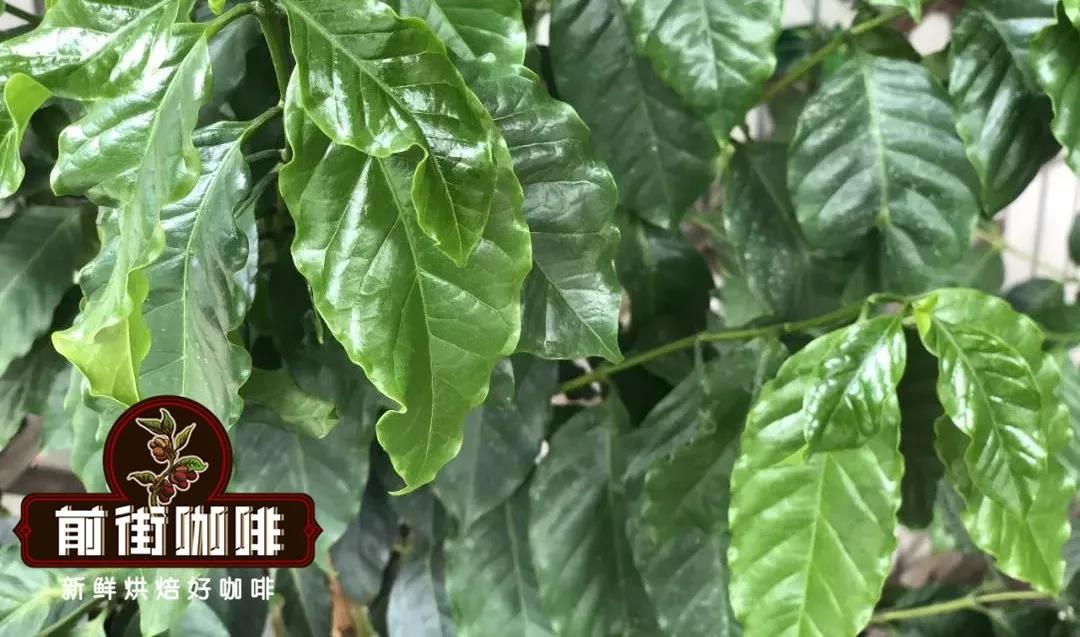
In contrast, the Typica variety is more delicate, with weaker resistance to leaf rust and requiring more care and attention. Some in the industry jokingly call it the “Lin Daiyu” of coffee—needing meticulous nurturing. But precisely because of refined management, Typica often exhibits a clearer and cleaner flavor profile.
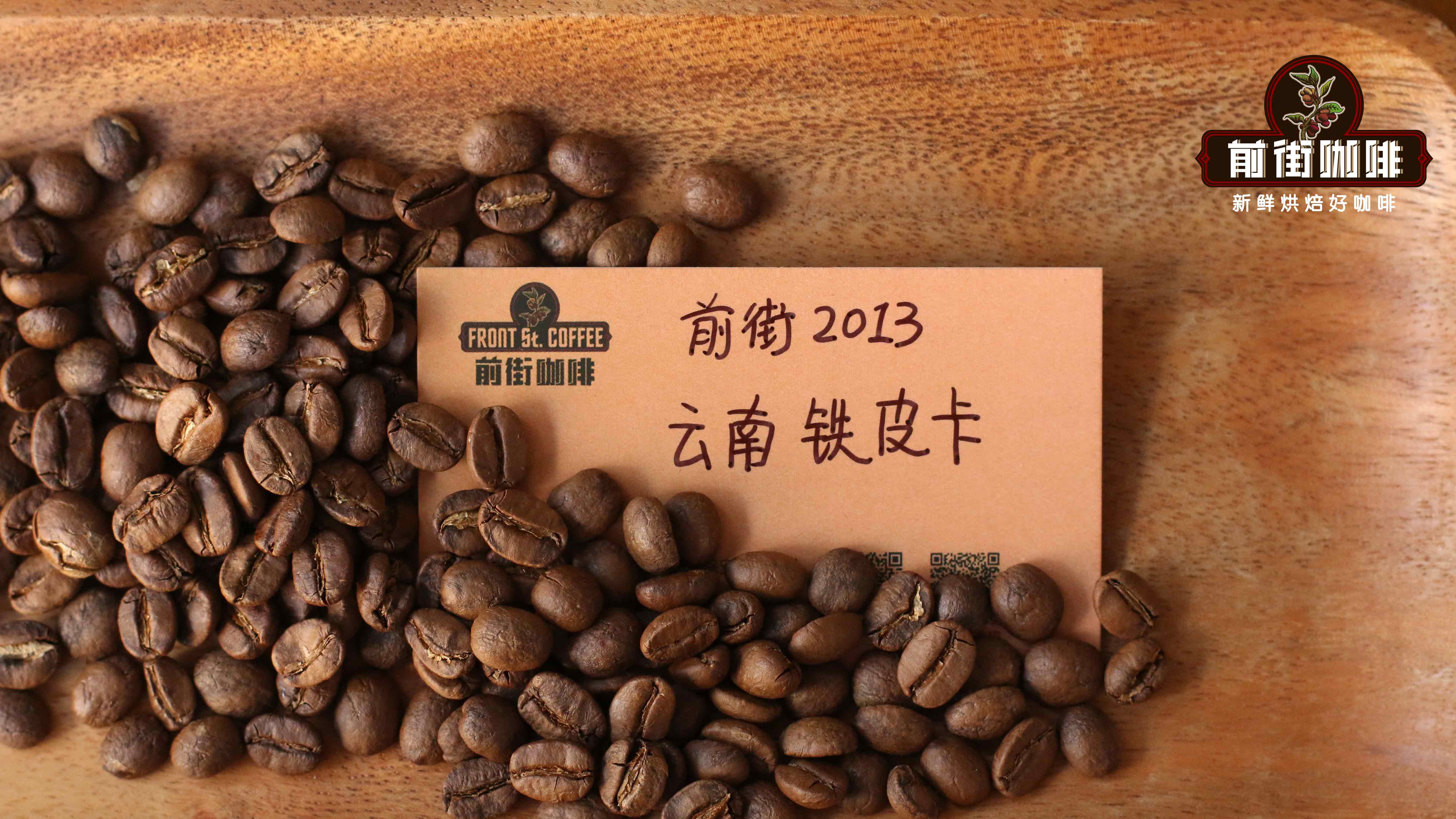
In actual tasting, the provided Yunnan Catimor sample (region: Baoshan, altitude: 1200m, washed process) presents flavors of melon, cantaloupe, brown sugar, plum acidity, and a hint of black tea, with an overall mouthfeel that is round and full-bodied; whereas the Typica version (region: Lincang, altitude: 1300m, natural process) showcases distinct roasted nut tones, soft acidity, paired with black chocolate aroma and a mild brown sugar sweetness, resulting in a more balanced and restrained flavor.
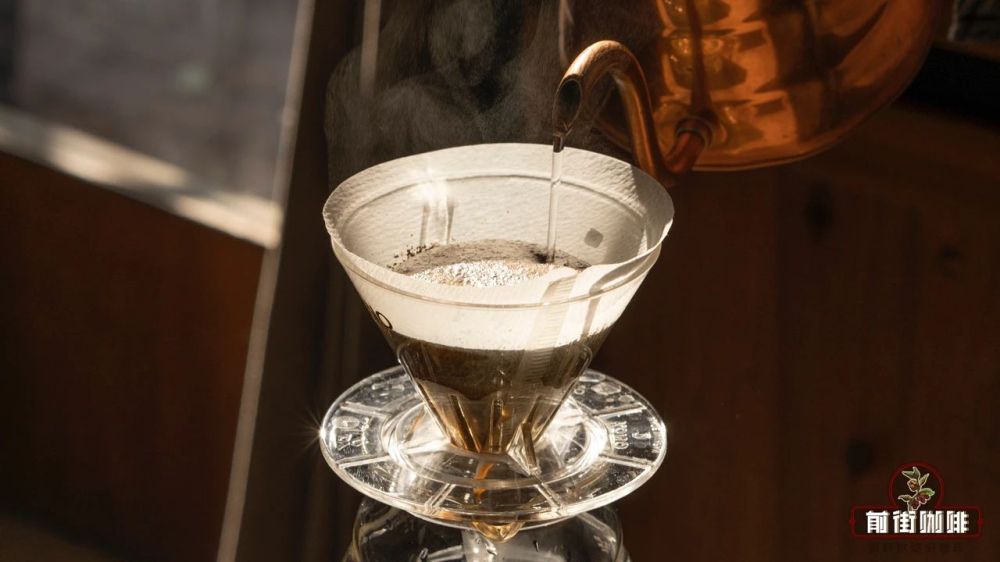
For brewing these two beans using pour over, it is recommended to use a Kono dripper, with a coffee dosage of about 15 grams, water temperature controlled at 88°C, grind size at 80% passing through a 20-mesh sieve, and a coffee-to-water ratio of about 1:15. Specifically, a two-stage extraction can be used: start with a 30-second bloom using 30 grams of water, then pour in a circular motion with a slow stream until reaching 125 grams for the first pour. When the water level drops and is about to expose the coffee bed, continue pouring to 225 grams before stopping, with a total extraction time of about 2 minutes. These parameters help fully highlight the unique characteristics of each bean—whether it’s the rich fruitiness of Catimor or the mellow chocolate notes of Typica—allowing both to be fully expressed during the pour over process.
The above content is compiled by CoffeeHunters, a coffee news website.

