







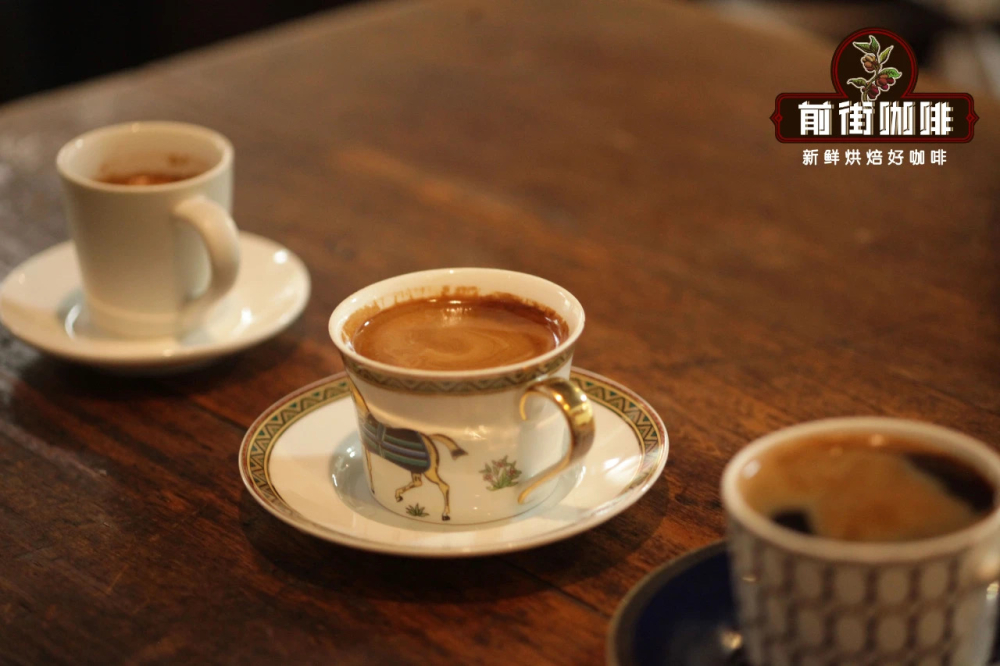
Introduction:Dive deep into the core secrets of espresso coffee beans!This article analyzes the fundamental differences between blends and single origins, reveals the golden ratio logic of medium-dark roasts, and details the craftsmanship differences between green blending and roasted blending. From the pairing principles of Arabica and Robusta to annual flavor stabilization techniques, it guides you to master professional-level blending thinking—beneficial whether for personal use or shop operations.
Many coffee enthusiasts are familiar with classic espresso drinks like lattes and cappuccinos, yet know little about the foundation that supports these beverages’ flavors—espresso coffee beans. So-called espresso beans specifically refer to beans specially blended for making espresso, delivering a rich and bold core taste through high-pressure extraction. These beans are typically composed of Arabica from multiple producing regions or a mix with Robusta, precisely calculated in roast level and proportion to achieve a balanced espresso base.
The art of blending lies in balancing various flavor elements. Roasters need an in-depth understanding of the characteristics of beans from different regions: Ethiopian beans may bring bright citrus acidity and floral notes, Brazilian beans contribute chocolate-like richness and low acidity, while Colombian beans often exhibit caramel sweetness and nutty tones. The two blending methods—green blending (mixing green beans before roasting) and roasted blending (roasting separately then blending)—each have their pros and cons—the former better integrates flavor characteristics, while the latter allows finer proportion adjustments, but both rely on the roaster’s precise control over bean behavior and heat.
From the perspective of roast level,medium-dark roast (around Agtron 45-55)is the golden range for espresso blends. This range fully develops the coffee’s glycerol content, creating a rich crema while avoiding excessive burnt bitterness that masks delicate flavors. It’s worth noting that even beans from the same region can experience up to 30% flavor variation annually due to climate differences, so professional blends often use a combination of 3–5 bean sources to ensure yearly flavor stability. This is also why beans from major producing countries (like Brazil and Vietnam) play a significant role in commercial blends—their yield and quality consistency are easier to control.
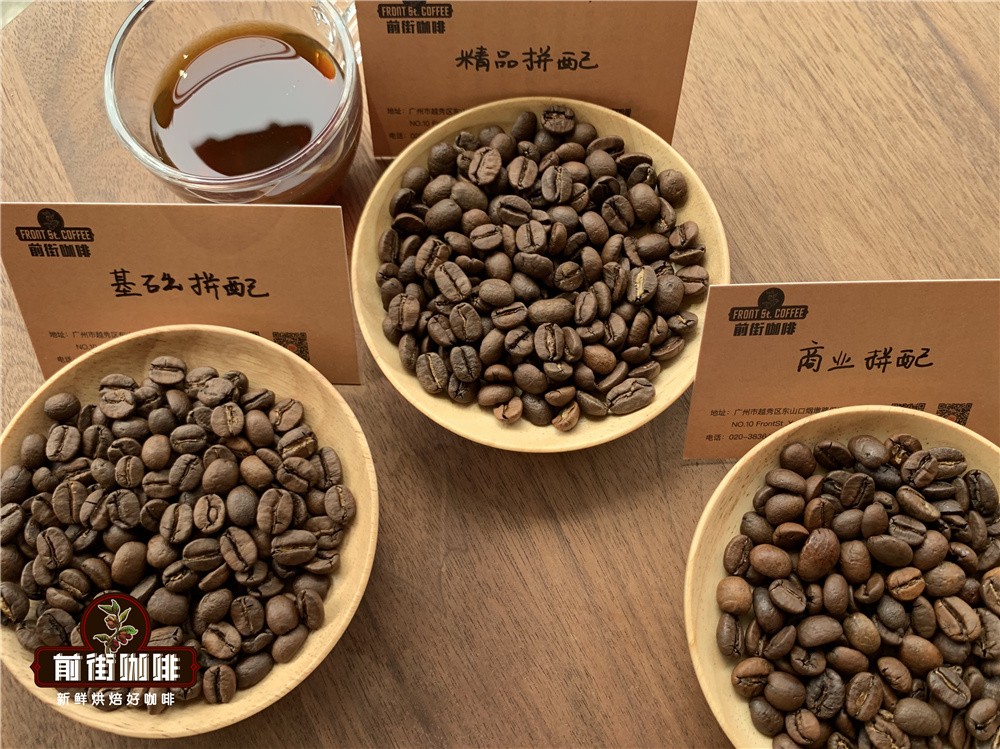
Commonly available espresso blends on the market can be divided into three main types:Arabica + Robusta blends,pure Arabica blends, and the recently rising single-origin SOE (Single Origin Espresso). Recipes with 10%–30% Robusta can significantly enhance body and crema thickness, suitable for Americanos or lattes requiring a strong mouthfeel; meanwhile, 100% Arabica blends showcase more complex fruit acidity and aroma layers but demand higher roasting skills. Single-origin SOEs can highlight specific regional characteristics, but require carefully selected premium beans—otherwise, flavor imbalance may occur.
In practice, professional blends adjust parameters based on the intended use: for example, blends designed specifically for milk coffee will emphasizesweetness (Brix value 18–22) and body (8–10),while pure espresso focuses on acid-sweet balance and aftertaste length. A classic commercial ratio example: Brazilian beans (40% for body), Salvadoran beans (30% for sweet aroma), Ethiopian beans (20% for acidity), and Yemeni beans (10% for spice notes). This combination ensures stable performance under varying extraction conditions (9 bar pressure / 30 seconds / 30 ml).
Notably, though Robusta is often seen as a lower-grade bean, its high caffeine content (2.7 times that of Arabica) and strong disease resistance make it irreplaceable in commercial blends. High-quality Robusta (such as from Indonesia’s Java region) can even deliver unique smoky aromas and a heavy mouthfeel. The key lies in strict selection—choosing well-processed batches with a defect rate below 3% and controlling its proportion in the blend to no more than 40%, to avoid suppressing the elegant traits of Arabica.
For home users, when selecting an espresso blend, focus on two key points: first,the roast date (it’s recommended to choose beans roasted 7–21 days prior),and second, the packaging’s oxygen barrier design (a one-way degassing valve is essential). Grind size should be adjusted to resemble superfine sugar (about 1.5–2 mm particles), and ensure the pre-wetting stage (about 3–5 seconds) fully saturates the coffee bed. If blending your own, start with a basic ‘Brazilian + Ethiopian’ combination for experimentation, then gradually add other regional beans to find your ideal balance.
The above content is compiled by CoffeeHunters, a coffee news website.

