







Introduction:Want to understand the essential differences between SOE coffee and pour over single-origin beans? This article delves into the distinctions between the two in terms of brewing methods, flavor profiles, and roasting strategies, and recommends several specialty coffee beans suitable for use in espresso machines, ranging from light to medium-dark roasts, helping you find the most suitable SOE coffee bean—whether for making espresso or milk-based drinks, each can showcase unique flavors.
In the world of specialty coffee, SOE (Single Origin Espresso) refers to espresso made using single-origin coffee beans. Compared to traditional blends, SOE better highlights the unique terroir and flavor characteristics of a specific origin. In recent years, this type of espresso that emphasizes regional characteristics has gradually gained popularity in the market—not only becoming a flagship offering in cafés but also attracting many coffee enthusiasts to try it at home. This article will take you on an in-depth exploration of the differences between SOE and pour over single-origin beans, and recommend several high-quality coffee beans suitable for use in espresso machines.

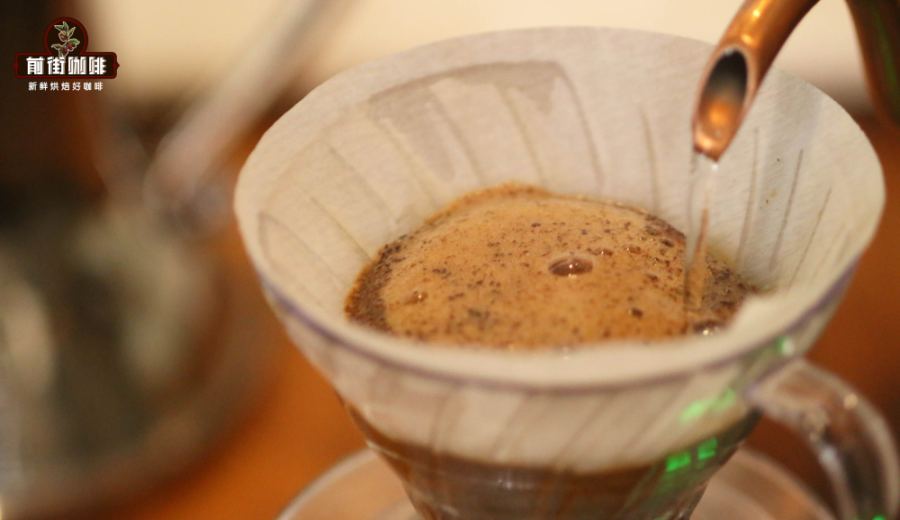
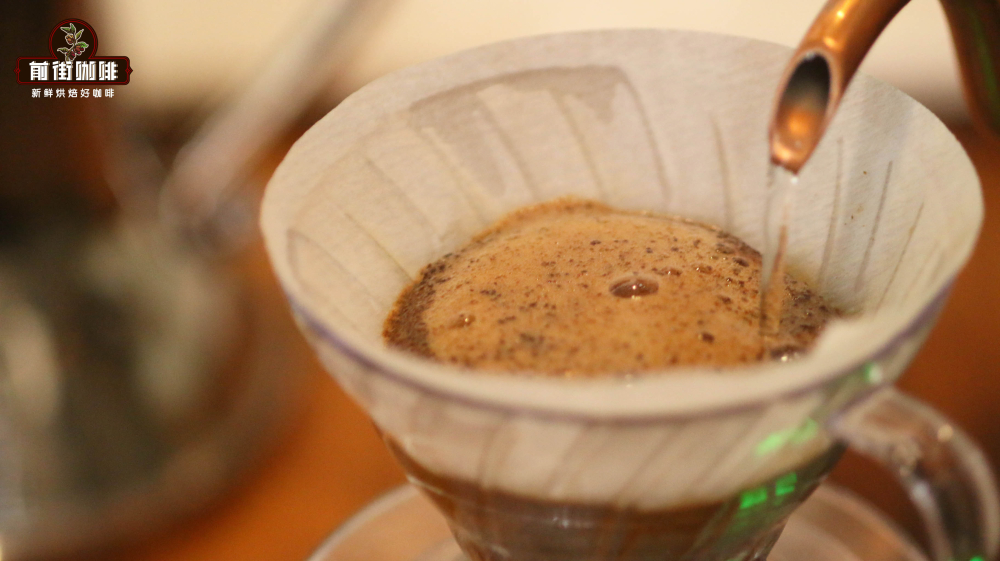
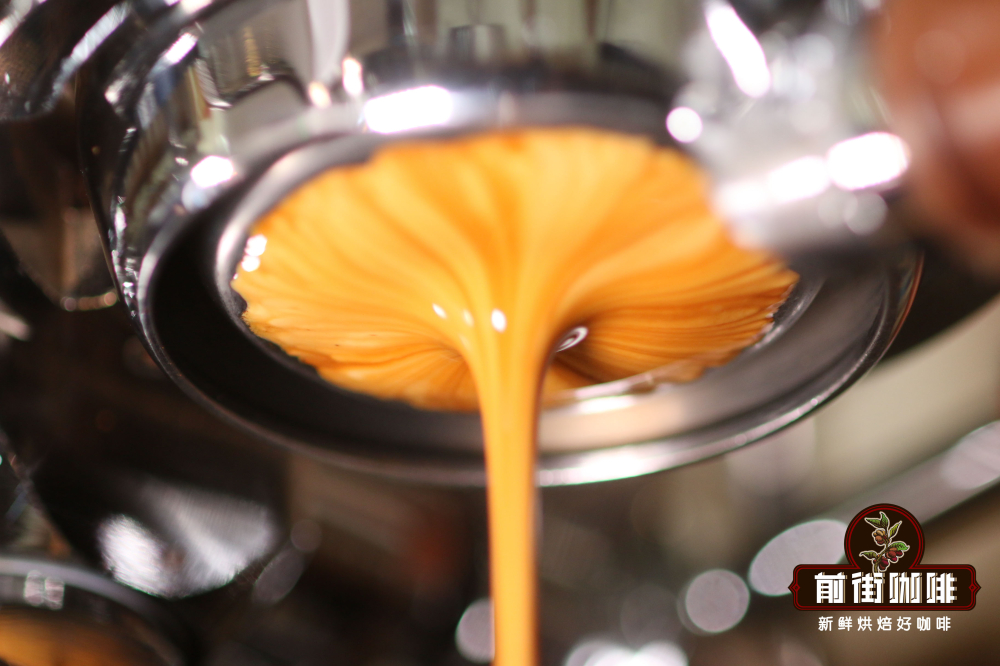
First, let’s look at the fundamental differences in brewing methods between SOE coffee and pour over coffee.SOE is extracted using a high-temperature, high-pressure espresso machine, which is a pressure extraction method—typically at around 9Bar pressure, with hot water at approximately 90–96°C rapidly passing through a tightly packed coffee puck, with the entire process taking only 20–30 seconds. In contrast,pour over coffee is brewed under normal atmospheric pressure, with hot water slowly dripping through coffee grounds via a filter, usually taking about 2–4 minutes, and is considered a drip filtration extraction method. These two methods have completely different requirements for coffee grind size, water temperature, brew ratio, and extraction time.

Because SOE is extracted under high pressure in a short time,if you directly apply pour over parameters to a light-roast single-origin coffee bean, it often leads to under-extracted flavors,resulting in sharp, thin-tasting coffee. Therefore,when roasting SOE coffee beans, roasters typically adjust the roast level appropriately,so that the beans can fully release their flavor compounds under high-pressure conditions. However, this does not mean that SOE can only be made with dark-roasted beans—the key is to find a roast degree that balances the origin’s characteristics with the demands of espresso extraction.
When we discuss the roasting strategy for SOE, we must consider both flavor expression and extraction efficiency.An ideal SOE roast should highlight the unique flavor features of the origin,such as the bright acidity of African beans, the nutty and chocolatey tones of Central and South American beans, or the full body of Asian beans. But at the same time, these flavors must also be fully presented under high-pressure extraction, without being overshadowed by overly developed caramelization reactions or smoky notes. Therefore, roasters often need to strike a delicate balance between “showcasing regional character” and “being suitable for espresso extraction.”
When selecting coffee beans suitable for making SOE, quality is the top priority.Freshly roasted single-origin coffee beans can showcase the richest aroma and layered flavors,and it’s recommended to choose beans roasted within 5–14 days, as this period is considered the golden window for espresso performance. Additionally, the processing method of the beans can significantly affect the final extraction results—for example, honey processing or anaerobic fermentation can enhance sweetness and complexity, making them particularly suitable for SOE production.
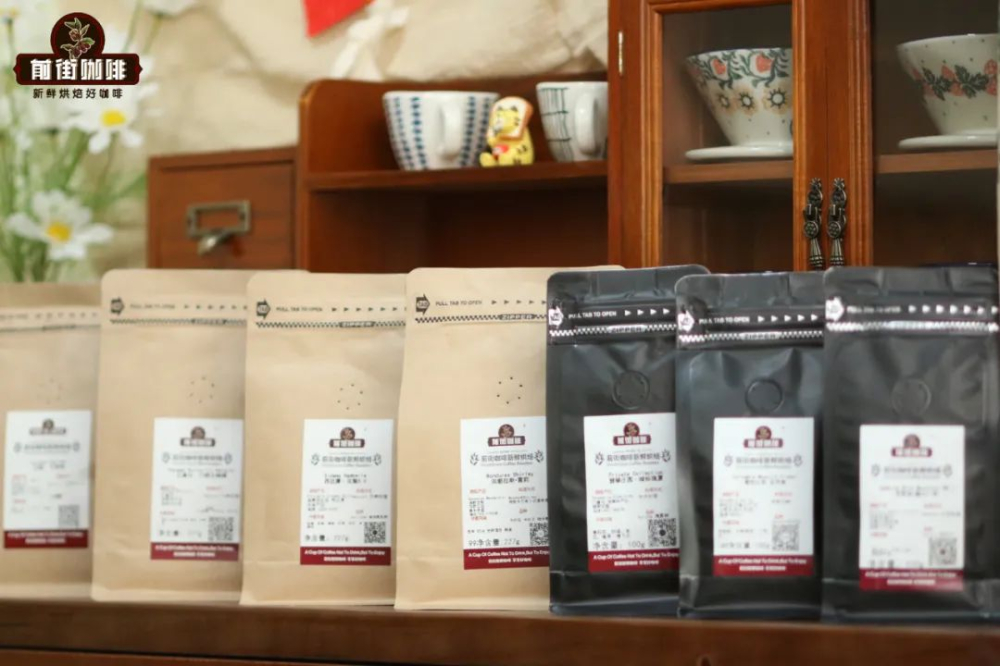
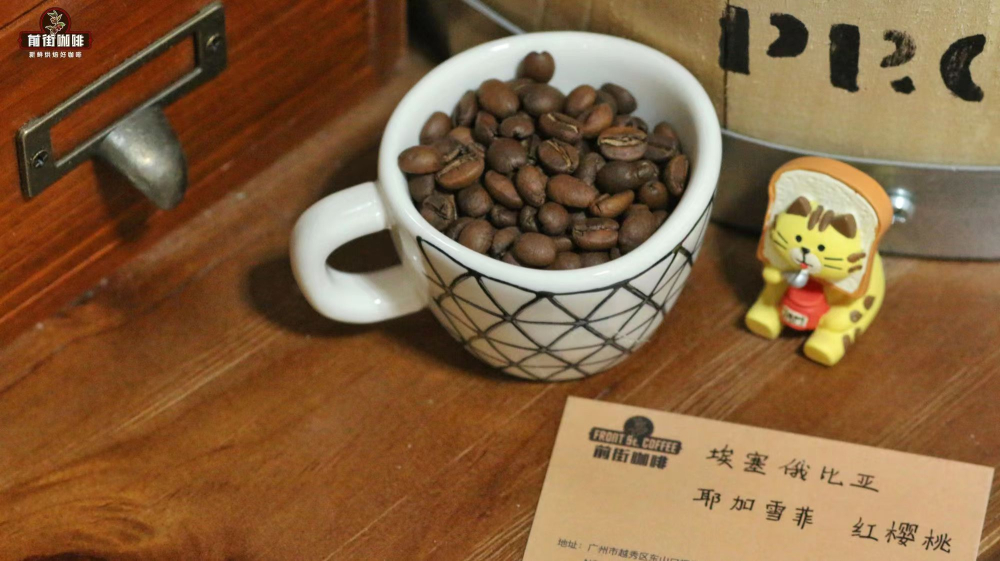
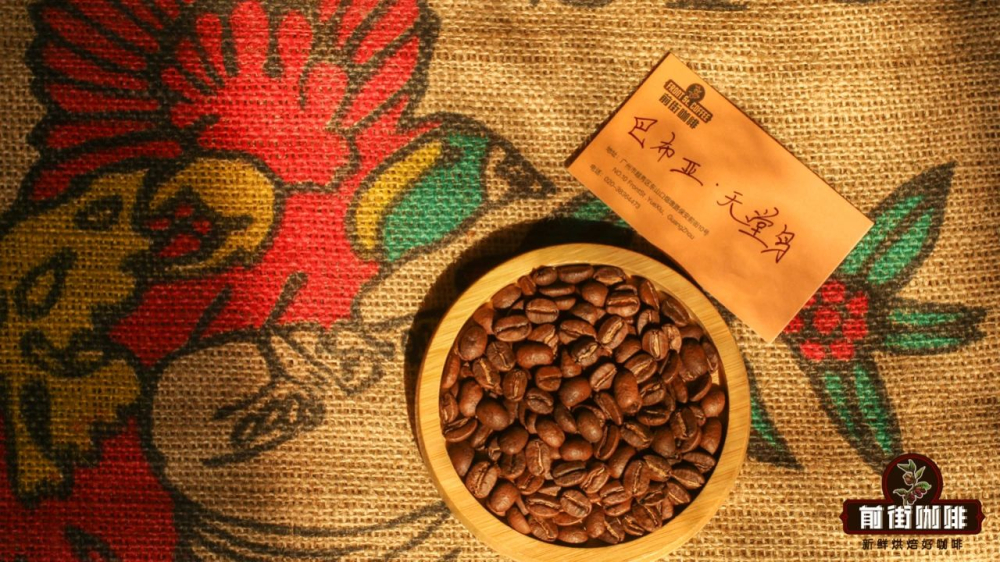
Below are several recommended SOE coffee beans that excel under different flavor profiles:A well-known shop’s Yirgacheffe Red CherryAlthough originally designed as a pour over bean, with appropriate grind adjustment, it can produce an espresso with bright berry notes and caramel sweetness, featuring a delicate crema and balanced sweet-tart profile;Papua New Guinea Bird of Paradiseat a medium roast level showcases nutty and creamy aromas, and when milk is added, it delivers a smooth chocolatey-creamy mouthfeel, suitable for drinkers who prefer milder flavors.
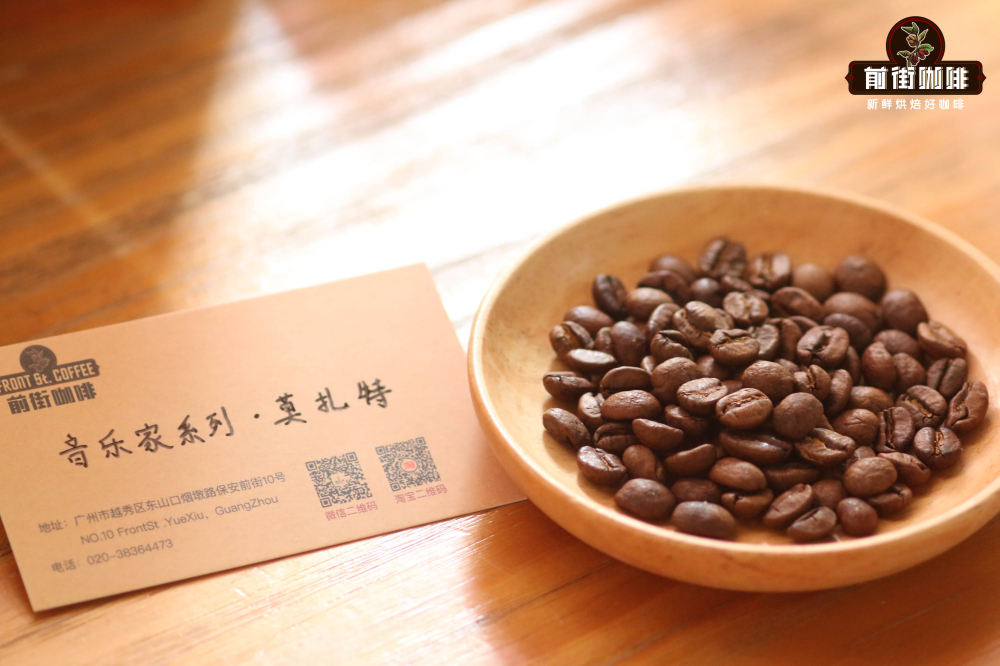
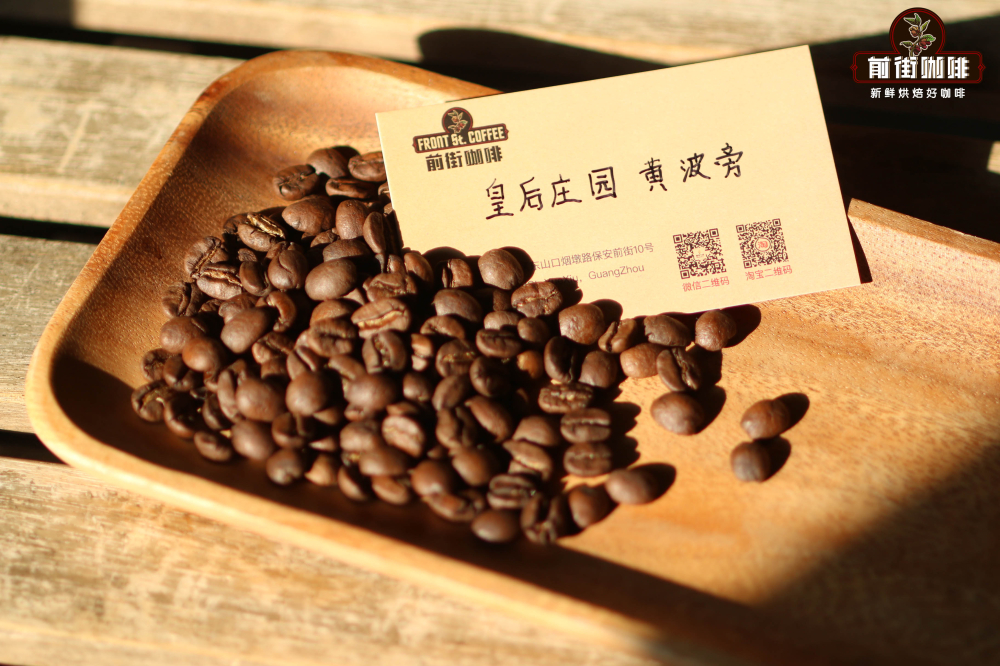
A well-known shop’s Mozart Coffee Beanuses Costa Rica’s unique anaerobic honey processing, retaining a large amount of mucilage during fermentation, and when made into an SOE, it can release intense tropical fruit and fermented aromas;Queen Estate Yellow Bourbonfeatures a medium-dark roast that presents a harmonious combination of nuts, cream, and chocolate, making it an excellent choice for milk-based coffee—with rich crema and a long-lasting aftertaste.
Finally, the recommendedA well-known shop’s Huakui SOEis a variety specifically designed for espresso. This Ethiopian natural-processed bean in its new season displays tropical fruit aromas such as strawberry and guava, and after a medium roast, transforms into a light fruity acidity of ripe blueberry and lemon. When brewed as an Americano, it can also bring out an elegant floral note—making it an unmissable choice for coffee lovers seeking a unique flavor experience.
The above content is compiled by CoffeeHunters, a coffee news website.

