








Introduction:To brew an espresso with rich crema and layered flavors, grind size is key. This article delves into the optimal grind fineness, coffee-to-water ratio, and extraction time for Italian espresso blends. It guides you through adjusting grind size to avoid common issues like watery or burnt-bitter tastes, and provides professional parameters to help you easily elevate your espresso quality.
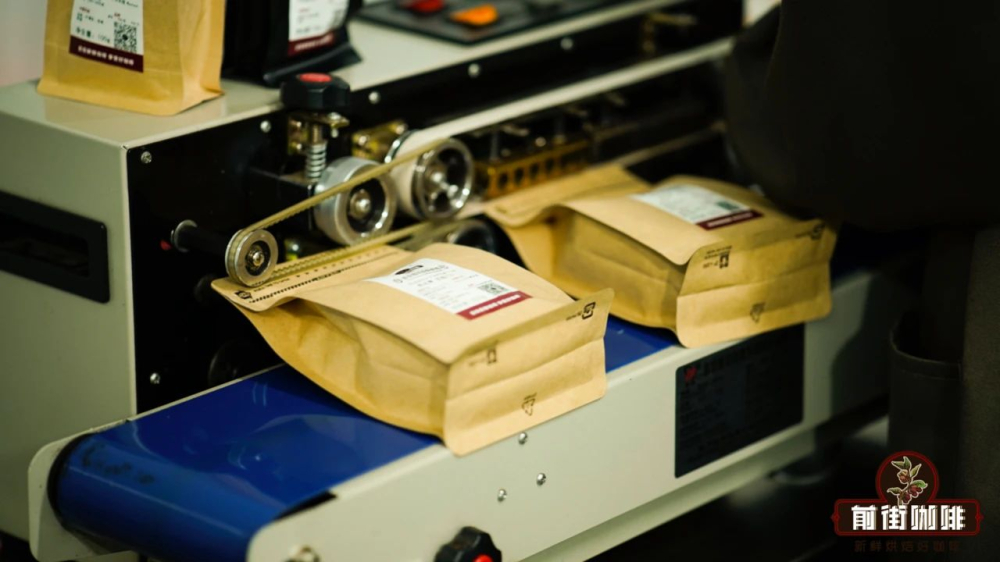
The first step to brewing your ideal espresso is choosing the right coffee beans.It’s recommended to select freshly roasted beans with a clearly marked roast date (not expiration date) and a one-way valve design. Fresh coffee beans have intense aroma—gently squeeze the bag and if it releases a rich coffee scent, it indicates good quality; conversely, if there’s a rancid or off smell, the beans may have gone bad. The one-way valve allows carbon dioxide released by the beans to escape while preventing air from entering, helping maintain freshness.
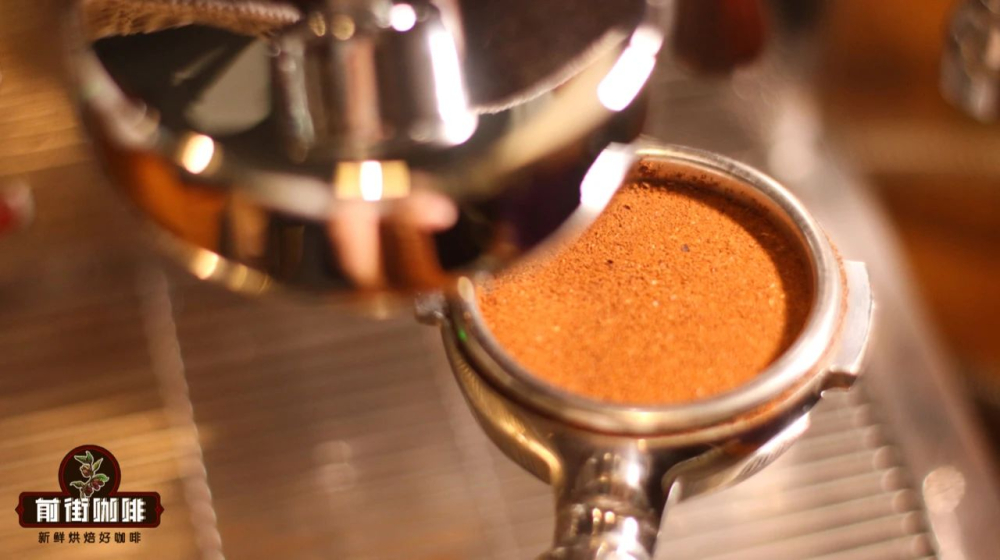
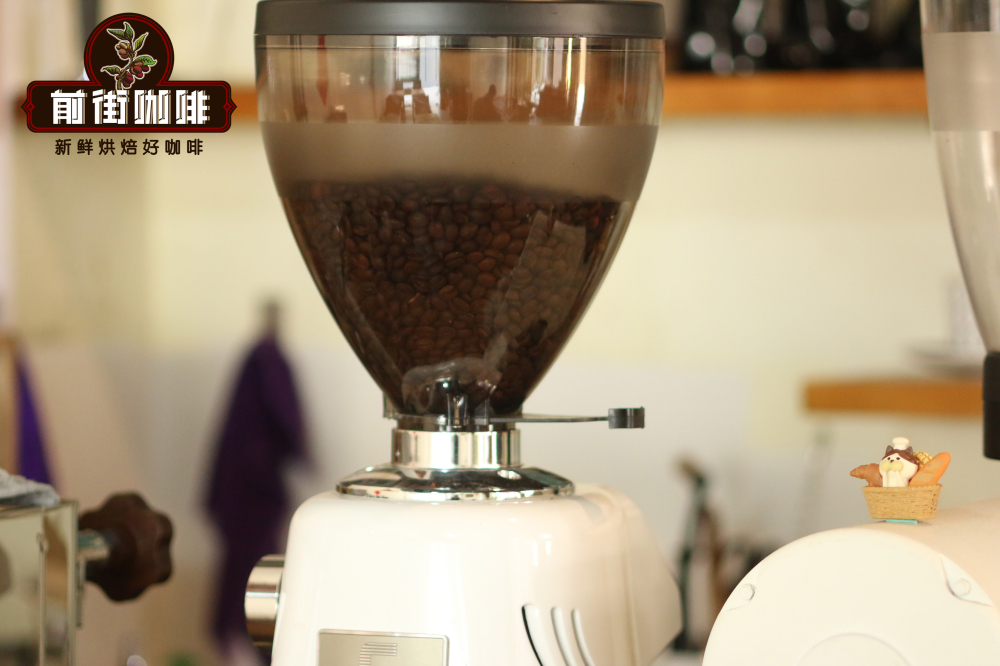
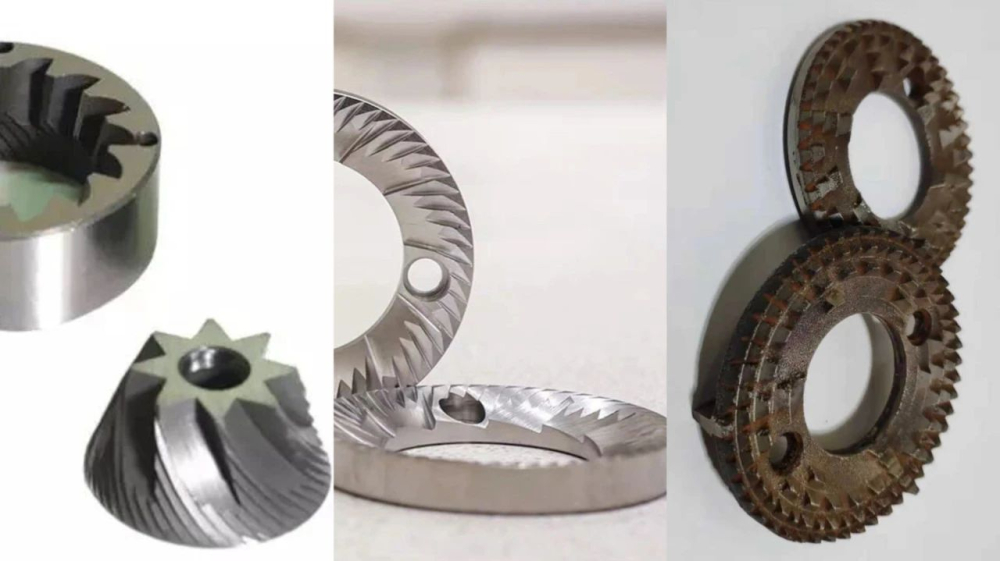
Next, choosing a grinder capable of handling extremely fine grinds is also crucial.For commercial settings, it’s recommended to use espresso-specific grinders.These machines feature large burr discs and high rotation speeds, enabling even grinding of very fine particles. For home use, flat burr grinders are a more economical and practical choice. Although their particle uniformity is slightly inferior to that of conical burr grinders, their cutting method offers higher extraction efficiency, making them suitable for crafting espresso with a rich flavor profile.
The working principle of a flat burr grinder consists of two parallel flat burrs. Coffee beans are pushed into the grinding zone by the rotating burrs.Since coffee beans rely on the rotational force of the burrs to enter the grinding area, both the amount of beans fed and their distribution will affect the final particle distribution.A common issue with flat burr grinders is the production of more fine particles. While this helps enhance the concentration and aroma of the coffee in a short time, it can also lead to uneven extraction, requiring adjustments in grind size and tamping technique to optimize.
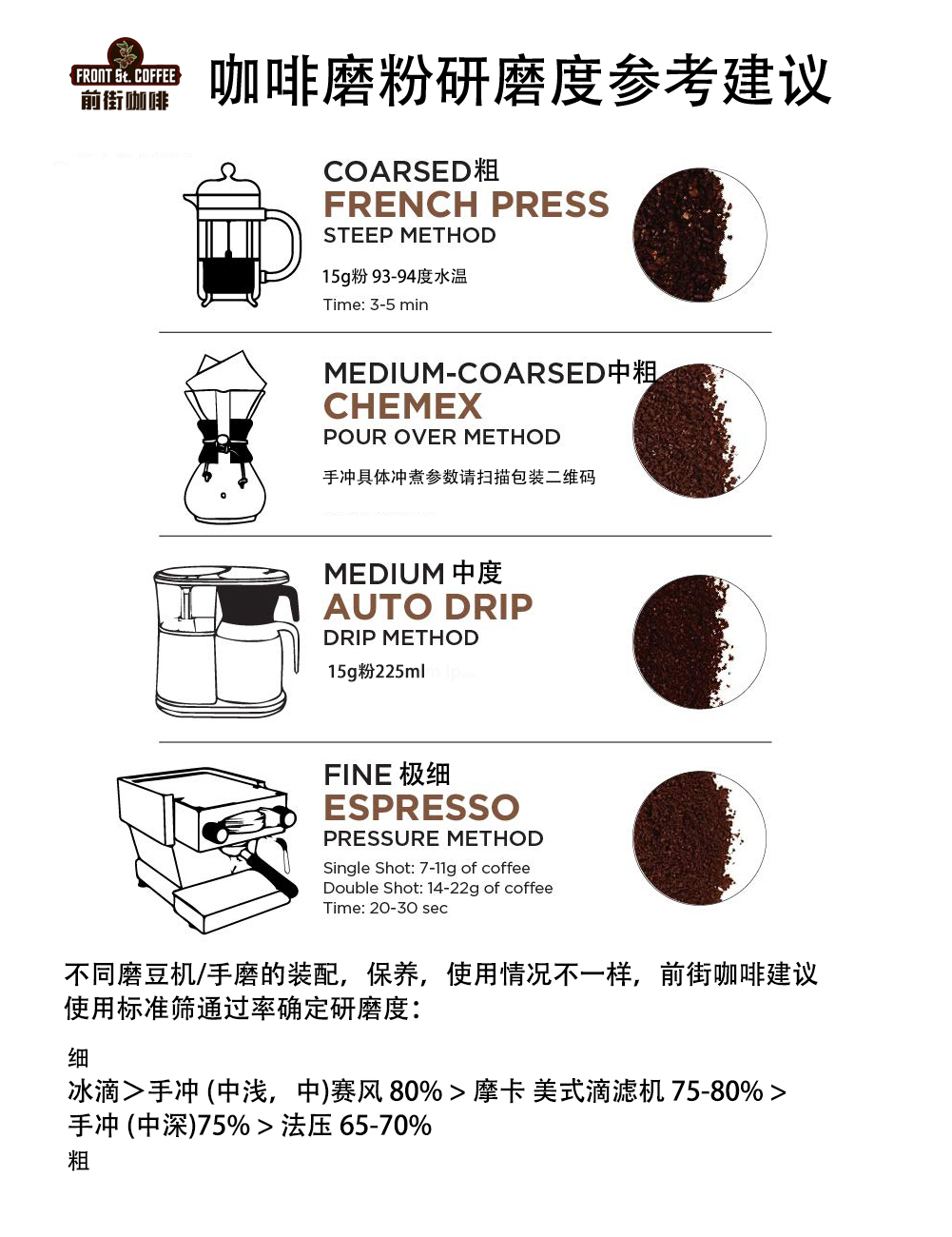
After understanding how the grinder works, we further explore how to determine the ideal espresso grind size.The golden extraction ratio for espresso is 1:2 (e.g., 20 grams of coffee grounds yield 40 milliliters of coffee liquid), with an ideal extraction time of 25 to 28 seconds.This range ensures a balance of acidity, sweetness, and bitterness while bringing out rich crema and aroma. If the grind is too coarse, water passes through too quickly, leading to under-extraction, resulting in a thin, sour taste and lack of crema. Conversely, if the grind is too fine, water flow is restricted, not only prolonging extraction time but also causing over-extraction, leading to burnt bitterness and off-flavors.
To more precisely judge whether the grind size is appropriate, a concentration meter can be used to assist in measurement.Most high-quality espresso has a concentration between 7% and 12%.During operation, first zero the instrument, stir the brewed coffee evenly, take an appropriate sample and place it in a titration tube for testing. Multiple measurements yield stable values. Combining observations of crema color (should be dark brown and glossy), flow rate (steady and uninterrupted), and final flavor profile can effectively diagnose grind and extraction issues.
Here are practical espresso extraction parameter references: Use dark-roasted Italian espresso blends (common combinations include Brazilian, Indonesian, and Vietnamese bean varieties), which bring caramel, nutty, and subtle chocolate notes.It’s recommended to use the Galileo Q18 grinder, set to grind size 2.0, paired with 94°C water temperature and 10 bar extraction pressure.The suggested coffee dose is 20 grams (for a double shot), with a target yield of 40 milliliters, and time controlled between 25 to 30 seconds. This parameter combination fully showcases the coffee’s rich body and layered complexity.
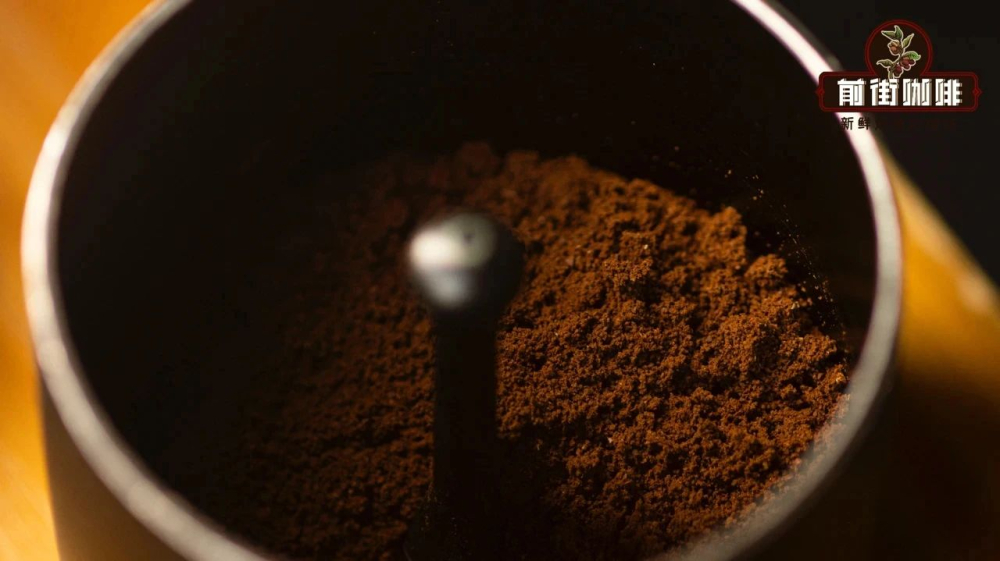
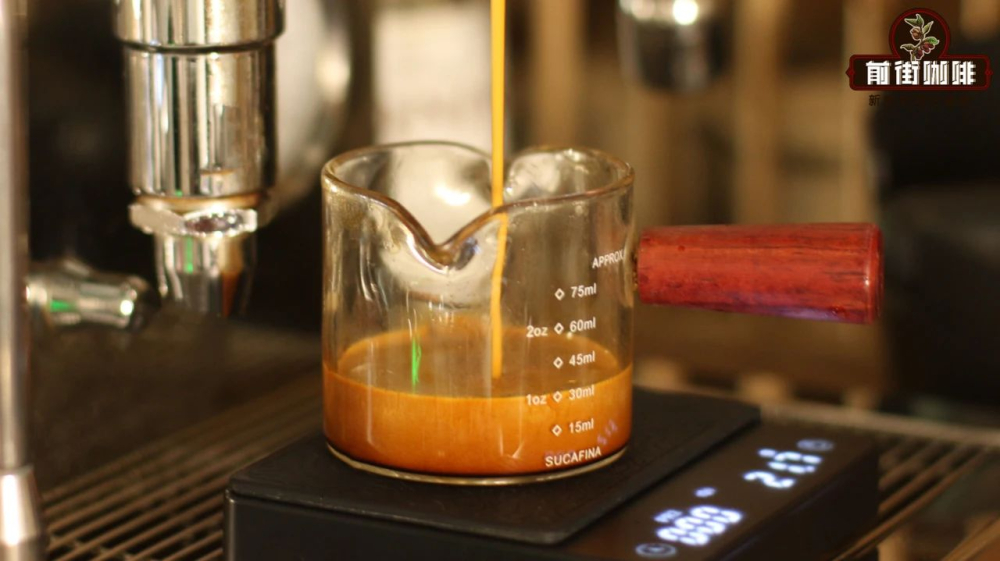
In actual operation,observing the flow rate and crema condition during extraction are key indicators.Ideal crema should be dense, dark in color, and glossy. If the crema is thin or pale, it may indicate a grind that’s too coarse or under-extraction. If the crema appears burnt black or has a scorched taste, it may mean the grind is too fine or over-extracted. When adjusting grind size, it’s advised to fine-tune gradually and record each change to find the optimal setting for your equipment and beans.
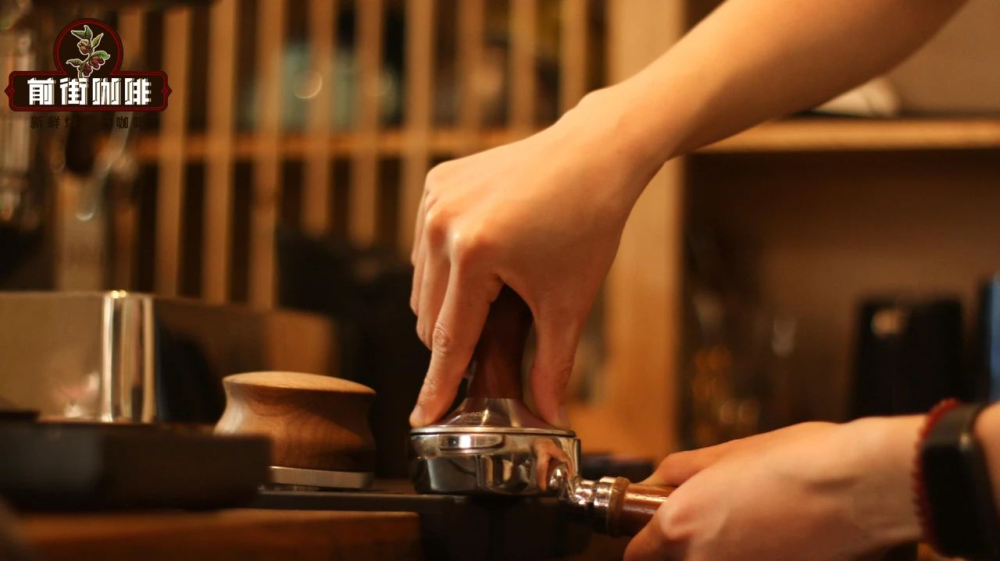
In summary, to brew the perfect espresso, every step—from selecting freshly roasted beans, using the right grinder, to precisely controlling grind size, coffee-to-water ratio, and extraction time—is indispensable.Through continuous experimentation and adjustment, you can not only improve the overall performance of your coffee but also gain a deeper understanding of the art of espresso extraction.Remember, coffee flavors vary widely. Finding your optimal parameters lets you enjoy a unique espresso experience with every cup.
The above content is compiled by CoffeeHunters, a coffee news website.

