








Introduction:Want to understand the essential differences between single-origin beans and blended beans? This article delves into the blending logic, flavor characteristics, and practical blending methods of espresso blends. From maintaining consistent flavors and balanced mouthfeel to common blending ratios, it helps you grasp the professional barista’s approach to blending, and explores the differences between pre-roast and post-roast blending. Whether for home use or café applications, you can find an ideal espresso bean solution.
In the world of specialty coffee, single-origin beans and blended beans are two of the most frequently discussed types. Single-origin beans refer to coffee beans from a single origin and a single variety, typically showcasing the unique terroir and processing characteristics of that region. Blended beans, commonly known simply as blends, are made by mixing beans from different origins and varieties in specific proportions. By leveraging the complementary strengths of each bean, they achieve a more balanced and layered flavor profile.

The original purpose of coffee blends is to create a more stable and distinctive flavor profile than that of beans from a single origin. For example, if a certain coffee bean has a smooth mouthfeel but lacks aroma, adding a bean variety with prominent aromatics can enhance the overall experience, resulting in a richer and more complete cup. There are two main blending methods: “pre-roast blending” (生拼) and “post-roast blending” (熟拼). Pre-roast blending involves mixing different beans in set proportions before roasting them together. Post-roast blending, on the other hand, means roasting each bean variety individually to its optimal level and then combining them as needed. Each method has its suitable scenarios and flavor expressions.
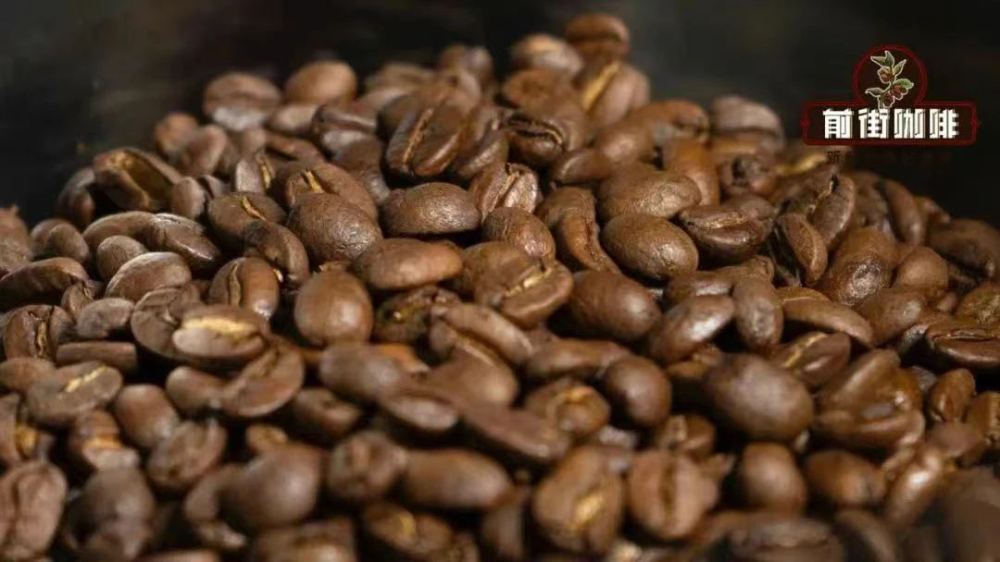
When making popular coffee drinks such as espresso, Americano, latte, or cappuccino, blended beans are often the first choice due to their balanced flavor, smooth mouthfeel, and high stability. In contrast, single-origin beans emphasize showcasing the unique personality of a specific region or variety. Their acidity, sweetness, body, and aroma tend to be more pronounced, but may also be too intense to blend well with milk or other ingredients.
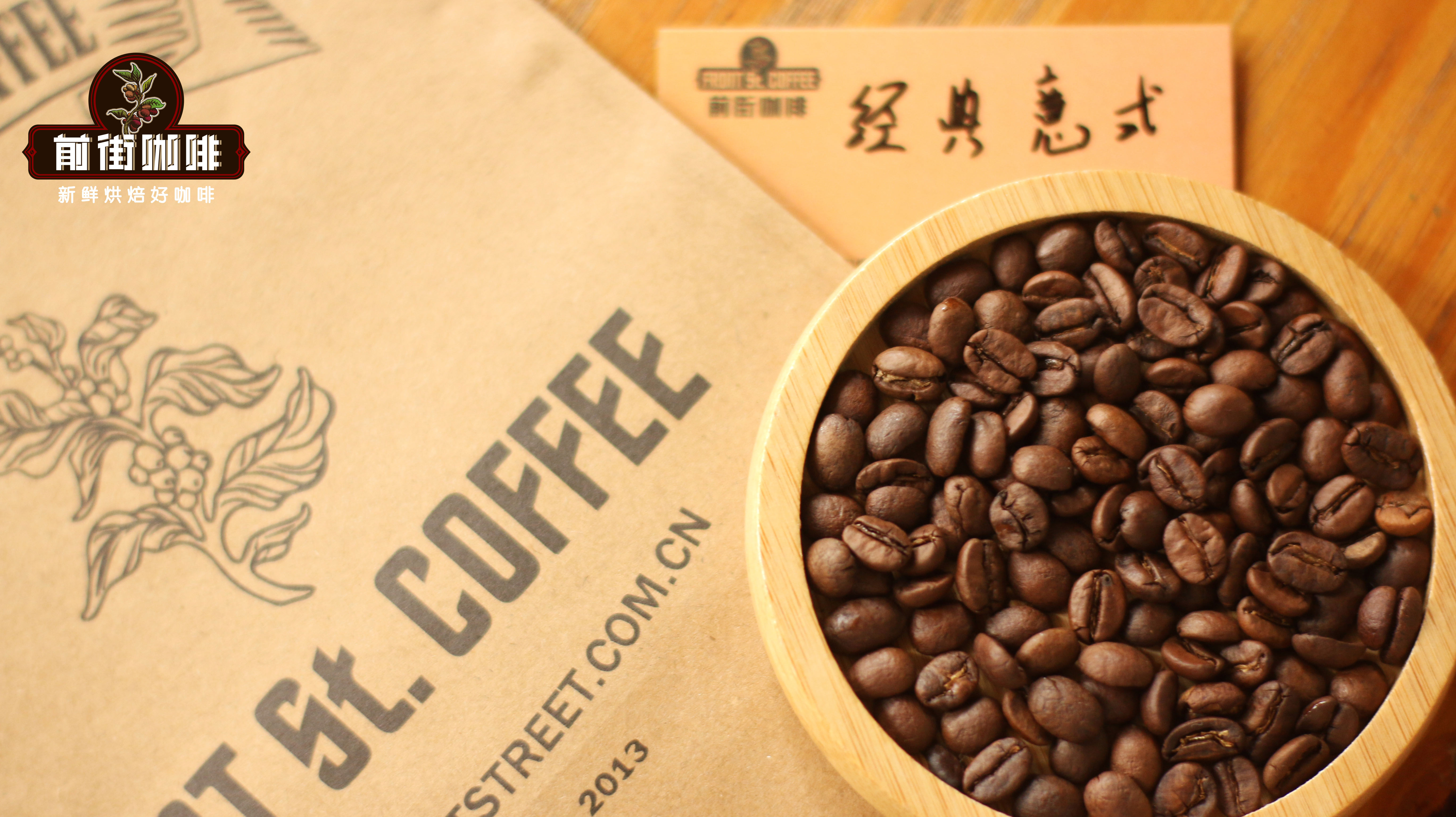
The motivations behind creating espresso blends can be summarized into three main purposes: The first is to ensure flavor stability. Since coffee beans are agricultural products, even those from the same origin or batch can exhibit slight variations in flavor from year to year due to factors like climate and soil. Strategic blending of multiple beans can effectively buffer these natural changes and maintain consistent flavor profiles across different vintages. The second is to balance mouthfeel. The high-pressure extraction of espresso machines amplifies the most prominent flavor characteristics of the beans. If a single variety is used and that bean is overly bitter or acidic, the overall extraction can easily become unbalanced. Therefore, careful consideration of the acidity, sweetness, and bitterness balance of each bean is required during blending to create a rich yet non-irritating mouthfeel. Lastly, blending is also an art. Professional blenders, based on their understanding of each bean’s flavor, combine different beans skillfully so their strengths complement each other, rather than merely layering flavors.

In recent years, single-origin espresso (SOE) has gained popularity for highlighting the unique flavor characteristics of specific regions—for instance, the citrus notes of Yirgacheffe or the pronounced fruit acidity of Kenyan beans. However, under high-pressure extraction, these traits can be intensified, and any flaws may also become more obvious. As a result, while SOE is favored by some coffee enthusiasts, its flavor stability and versatility still don’t match those of carefully crafted blended beans.

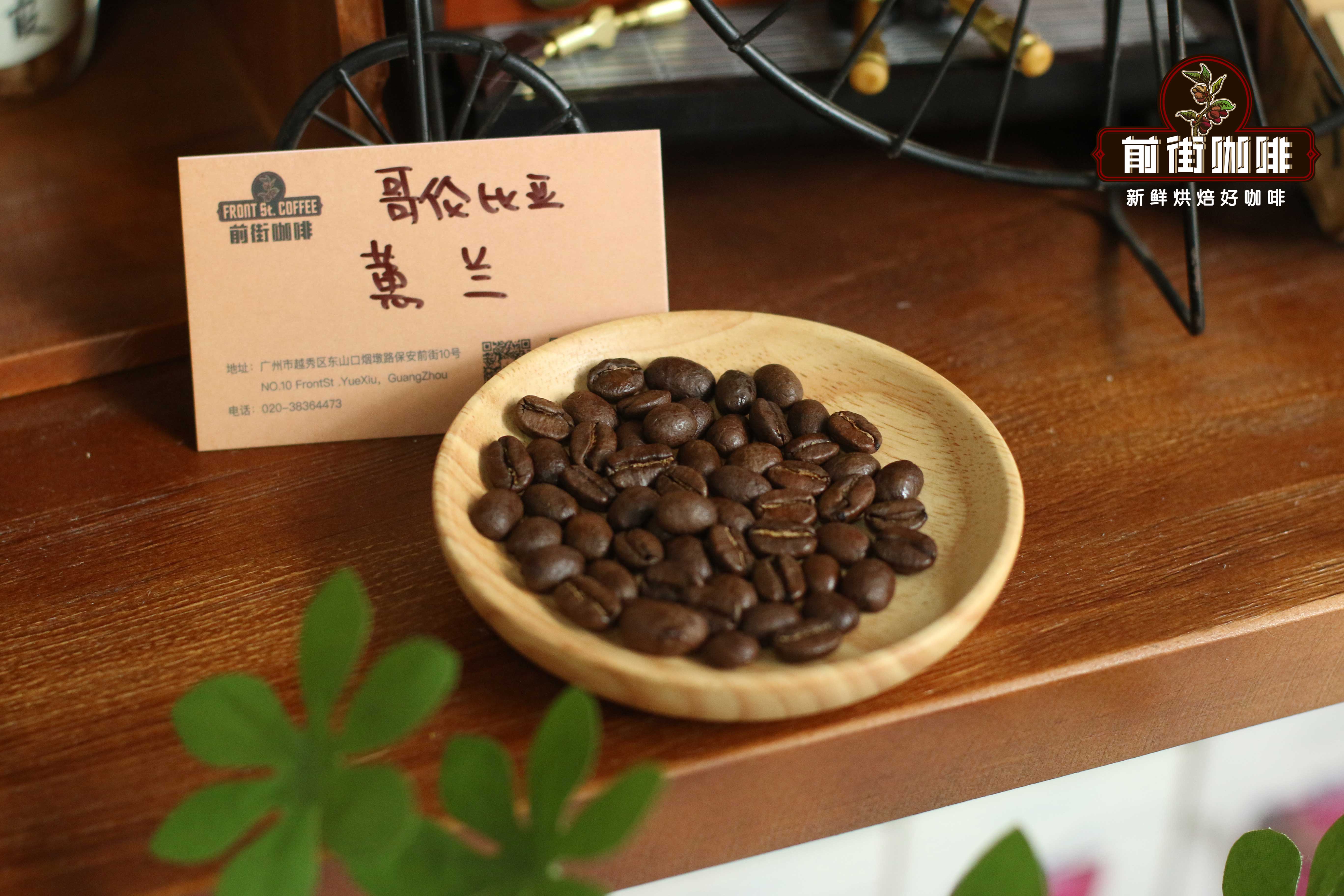
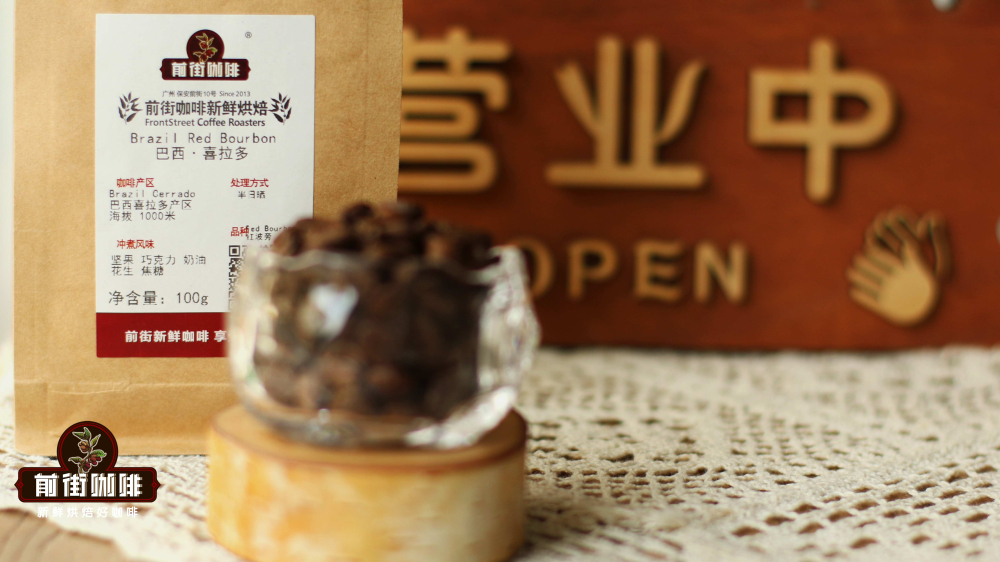
Looking at real-world blending examples, common espresso blending ratios and origin combinations can provide concrete references. For instance, a classic 3:7 blend (Colombia:Brazil), where the Colombian beans are mostly sourced from the Huila region—grown at around 1500–1800 meters altitude, primarily of the Bourbon and Caturra varieties, processed via washed method. These beans are usually dense with full shapes, often featuring aromas of nuts, chocolate, and caramel, along with moderate acidity, making them suitable as a base for blends. The Brazilian beans are typically from the Cerrado region, grown at 1000–1300 meters altitude, mainly of the Bourbon variety, processed via semi-washed (pulped natural) method. They have softer bean texture and lower density, requiring careful control of roast levels to avoid burnt or bitter notes. Their flavor profile is smooth and mellow, with subtle grassy notes and a hint of milk chocolate. When combined and roasted to a medium-dark level, this blend offers a balanced expression of soft mild acidity, sweet aftertaste, and moderate crema, meeting the needs of most espresso preparations.
Commercial blends might incorporate Robusta beans to improve cost efficiency and crema performance. For example, a 3:6:1 blend (Colombia:Brazil:Robusta, pre-roast). Although Robusta has low acidity, strong bitterness, and higher caffeine content (about 2.2%, compared to Arabica’s 1.2%), it is highly resistant to disease and yields more beans. When added in moderation, it can enhance the crema concentration and flavor complexity during extraction, resulting in a final product with classic caramel sweetness, nutty and dark chocolate notes, a balanced acidity-sweetness, and a long-lasting aftertaste.
Another common combination is a 3:7 blend (Yunnan AA:Brazil, post-roast), where Yunnan AA is of the Typica variety, grown in the high-altitude regions of Yunnan, China, offering an elegant flavor with fruity notes. However, due to weaker disease resistance and limited production, it is often paired with Brazilian beans to ensure stability. This blend tends toward soft fruity acidity, caramel sweetness, and dark chocolate tones. It delivers a smooth and creamy mouthfeel but remains relatively mild overall, suiting consumers who prefer subtler flavors.

No matter which blending method you choose, the key lies in defining your target flavor and application scenario, and achieving the best ratio through continuous cupping and adjustments. Every step—from green bean selection and roast level to blending sequence—affects the final extraction outcome. Beginners are advised to start with classic ratios, gradually experiment with different origins and processing methods, develop sensitivity to flavor layers, and eventually craft a signature espresso bean blend for yourself or your café.
The above content is compiled by CoffeeHunters, a coffee news website.

