







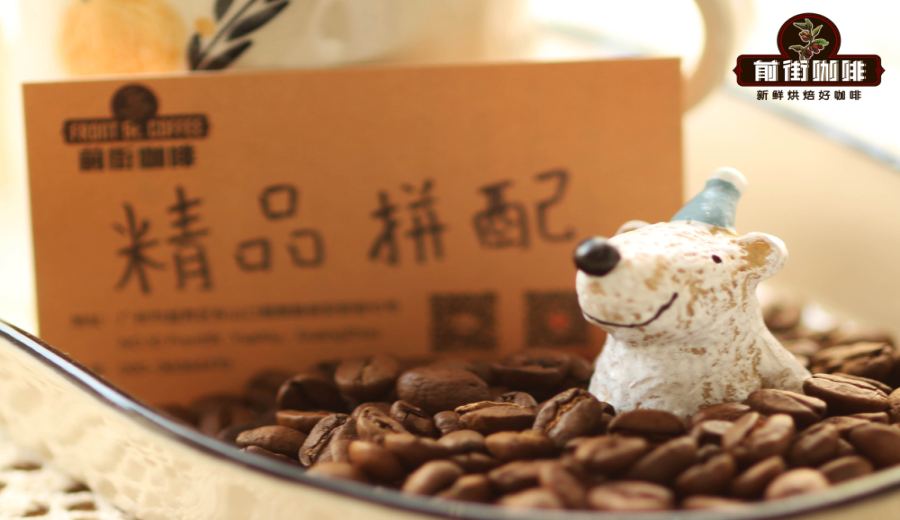
Introduction:To brew high-quality espresso, selecting the right coffee beans is key. This article delves into the differences between blends and single-origin (SOE) beans, offering a practical guide on roast level, flavor characteristics, and freshness management. Whether you’re choosing beans for your café or home brewing, you’ll find direction in finding the right beans.
Espresso beans generally refer to beans suitable for high-pressure extraction by espresso machines. In the past, blends were predominantly used, but in recent years, the use of single-origin beans (SOE) has become increasingly common. Blends consist of two to three types of coffee beans from different origins mixed in specific proportions. Roasters adjust the blend—for example, balancing the nuttiness of Brazilian beans with the cocoa notes of Colombian beans—to achieve a more harmonious and layered final flavor.
The advantage of blends lies in their ability to consistently present a particular flavor profile, such as the commonly seen medium body with soft mild acidity, which suits consumers seeking balanced taste. A typical example is a blend combining the nutty aroma of Brazil with the chocolatey notes of Colombia. The resulting espresso has a smooth mouthfeel with a slight sweetness in the aftertaste, and the crema level is moderate.
Single-origin espresso (SOE), on the other hand, is a rising choice in recent years. As the name suggests, it uses coffee beans from a single origin to make espresso.Although single-origin beans are usually better suited for pour over, adjustments to the roast level are needed when switching to espresso extraction. —It is recommended to use a medium-dark roast. At this stage, the beans retain more carbon dioxide, which helps form a rich crema. Dark roasting can also enhance the unique characteristics of a single origin, such as certain regions’ berry or spice notes.
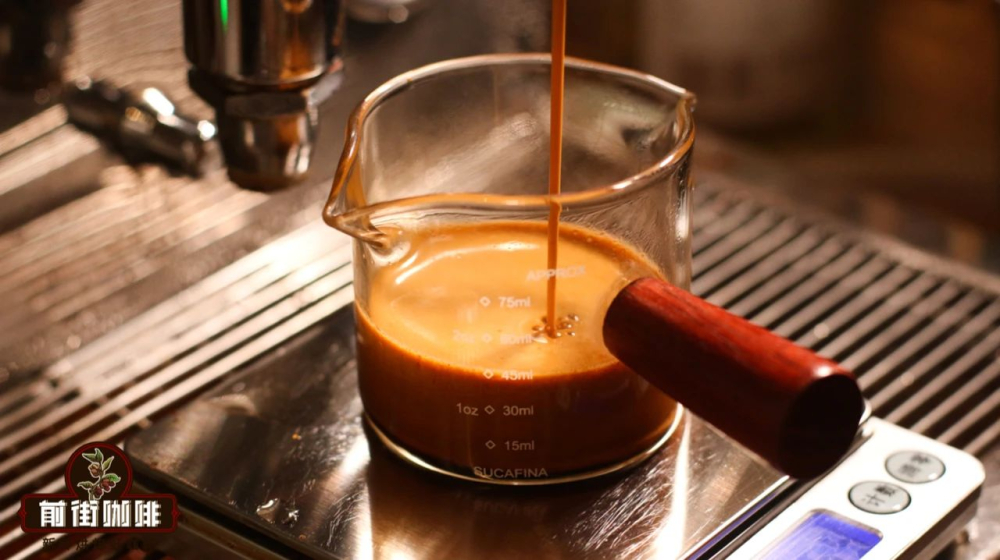
In practice, medium-dark roasted SOEs often show a well-balanced combination of roasted aromas and citrus acidity. For example, a medium-roasted SOE may present pronounced nutty and buttery notes when brewed, transforming into a chocolatey, creamy texture when milk is added, with a mild and pleasant balance of acidity and sweetness.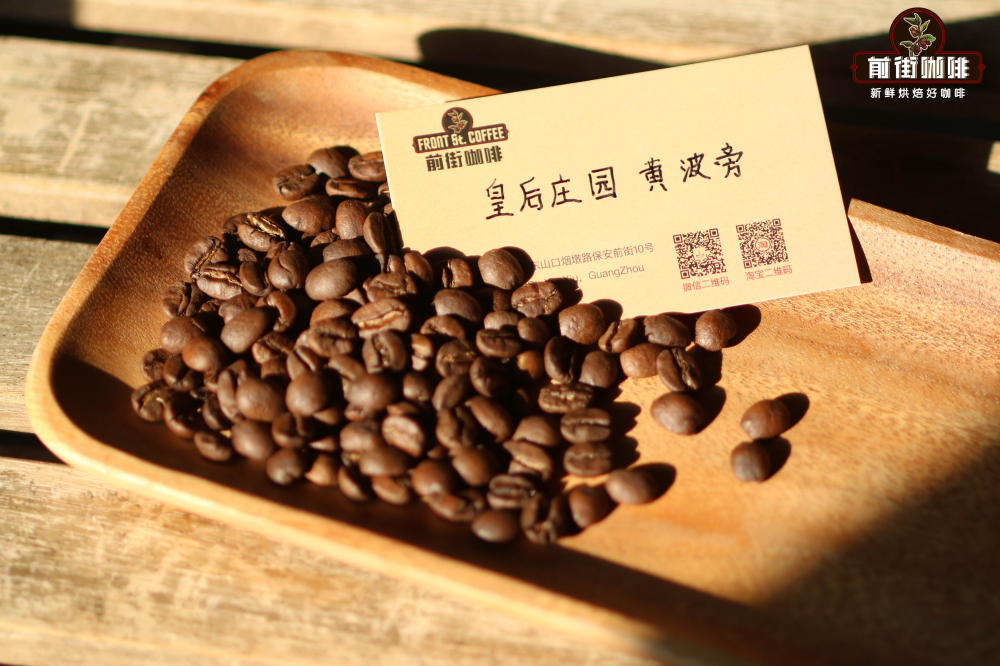 This bean variety leaves a delicate cocoa aftertaste, and when used to make Americano, it still maintains a refreshing taste.
Another SOE that undergoes anaerobic honey processing retains a full layer of mucilage due to the fermentation process, significantly enhancing its sweetness.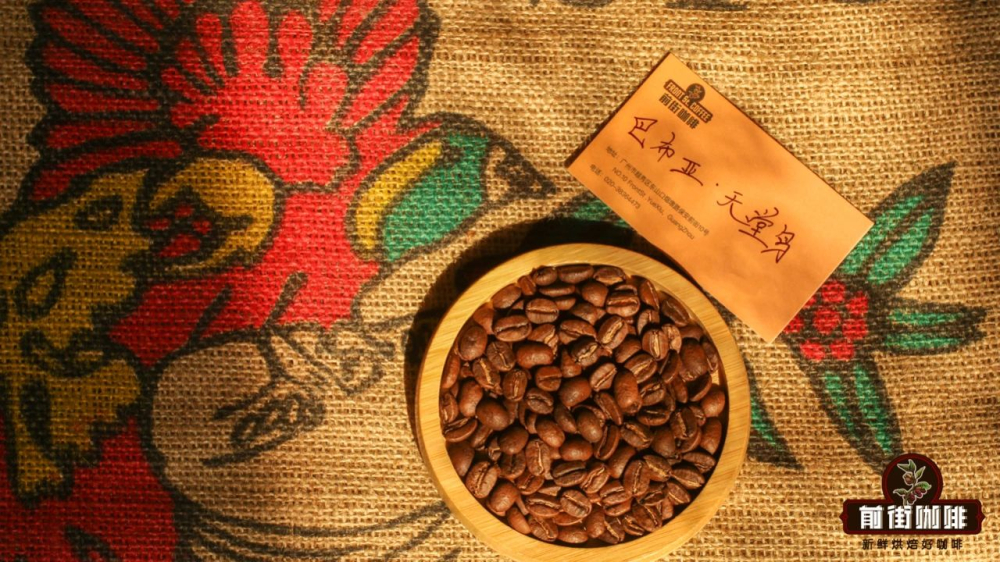 When brewed using pour over, it exhibits rose floral notes and raisin-like sweetness, while switching to espresso extraction highlights tropical fruit and fermentation flavors, making it ideal for users who enjoy bold taste profiles. Such special processing methods require attention to development time during roasting, and it is advised to slightly extend it to avoid overly sharp acidity.
Whether you choose a blend or an SOE,the freshness of the coffee beans directly affects the extraction result.It is recommended to choose beans roasted within 5 days, as this is when aromatic compounds are most abundant. Store the beans in a light-proof, airtight container in a cool, dry place, and it’s best to use them within two weeks after opening. Grind size should be adjusted according to the extraction equipment; espresso machines typically use very fine grinds, but specific parameters should still be fine-tuned based on water temperature and pressure.
The above content is compiled by CoffeeHunters, a coffee news website.

