








Introduction:Want to uncover the secrets of espresso blends? This article delves into the definition of blended coffee, the principles of blending, and introduces suitable regional bean varieties for blending — including Colombia, Brazil, and Robusta. From flavor profiles to roasting techniques, and through practical blending examples, it helps you master professional blending methods to enhance the balance and complexity of your coffee, whether for home use or commercial settings.
Blended coffee, also known as mixed coffee, is created by combining single-origin coffee beans from different regions in specific proportions, allowing the strengths of each bean variety to complement one another and produce a more balanced and layered taste. This type of blend not only enhances aroma and adjusts the balance between acidity, sweetness, and bitterness, but also ensures the stability of the coffee’s flavor profile — making it particularly suitable for preparing espresso, Americano, latte, or cappuccino and other espresso-based drinks.
There are two main methods of blending: pre-roast blending (生拼) and post-roast blending (熟拼). The former involves mixing green beans from different regions before roasting, while the latter involves blending them after each has been roasted individually. Both methods have their pros and cons, and the choice mainly depends on the characteristics of the beans in the recipe and the desired final flavor outcome. Post-roast blending better preserves the unique traits of each bean type and allows for differentiated roasting to bring out each bean’s optimal flavor potential.

Before starting to blend, understanding the flavor profiles of coffee beans from various regions is crucial. Due to differences in altitude, variety, and processing methods, beans from different regions exhibit varying levels of acidity, sweetness, body, and aroma. Single-origin coffees often emphasize a particular characteristic — such as bright fruity acidity or rich chocolate notes — while blended beans focus on overall harmony and a well-rounded mouthfeel, which is key to creating a coffee that appeals to a broad audience.
Below are three common and practical blend combinations along with detailed analyses:
(1) Classic Espresso Blend: Colombia + Brazil
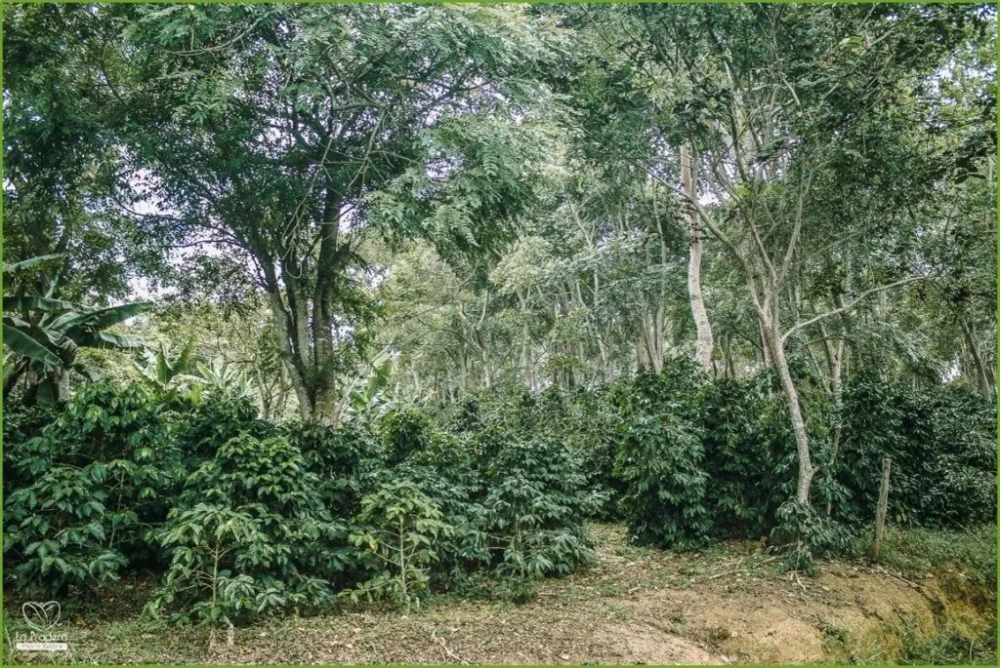
Coffee from the Huila region of Colombia is grown at an altitude of about 1500–1800 meters, primarily featuring Bourbón and Caturra varieties, and is mostly processed using the washed method. These beans typically have a plump shape, high density, and offer aromas of nuts, chocolate, and caramel, with moderate acidity and a solid mouthfeel. They are commonly used as single-origin offerings or as base beans in blends. Though small in size, they offer great value and are suitable for use in large quantities within blends.
Brazilian coffee from the Cerrado region is grown at lower altitudes, around 1000–1300 meters, and mostly consists of the Bourbón variety, usually processed via semi-washed (pulped natural) methods. These beans tend to be softer in texture with thinner cores, making them unsuitable for high-temperature roasting. It’s recommended to roast them with medium heat and carefully control the drying phase and first crack stages to fully develop caramelization. Roasted Brazilian beans yield a comfortably bittersweet taste, smooth on the palate, with grassy notes and the soft tones of milk chocolate — making them an excellent stable base for blends.
Mixing these two types of beans in appropriate proportions and applying a medium-dark roast can produce an espresso blend with gentle acidity, noticeable sweetness, medium body, and a balanced flavor — ideal for daily use in coffee shops and suited to meet the tastes of a general audience.
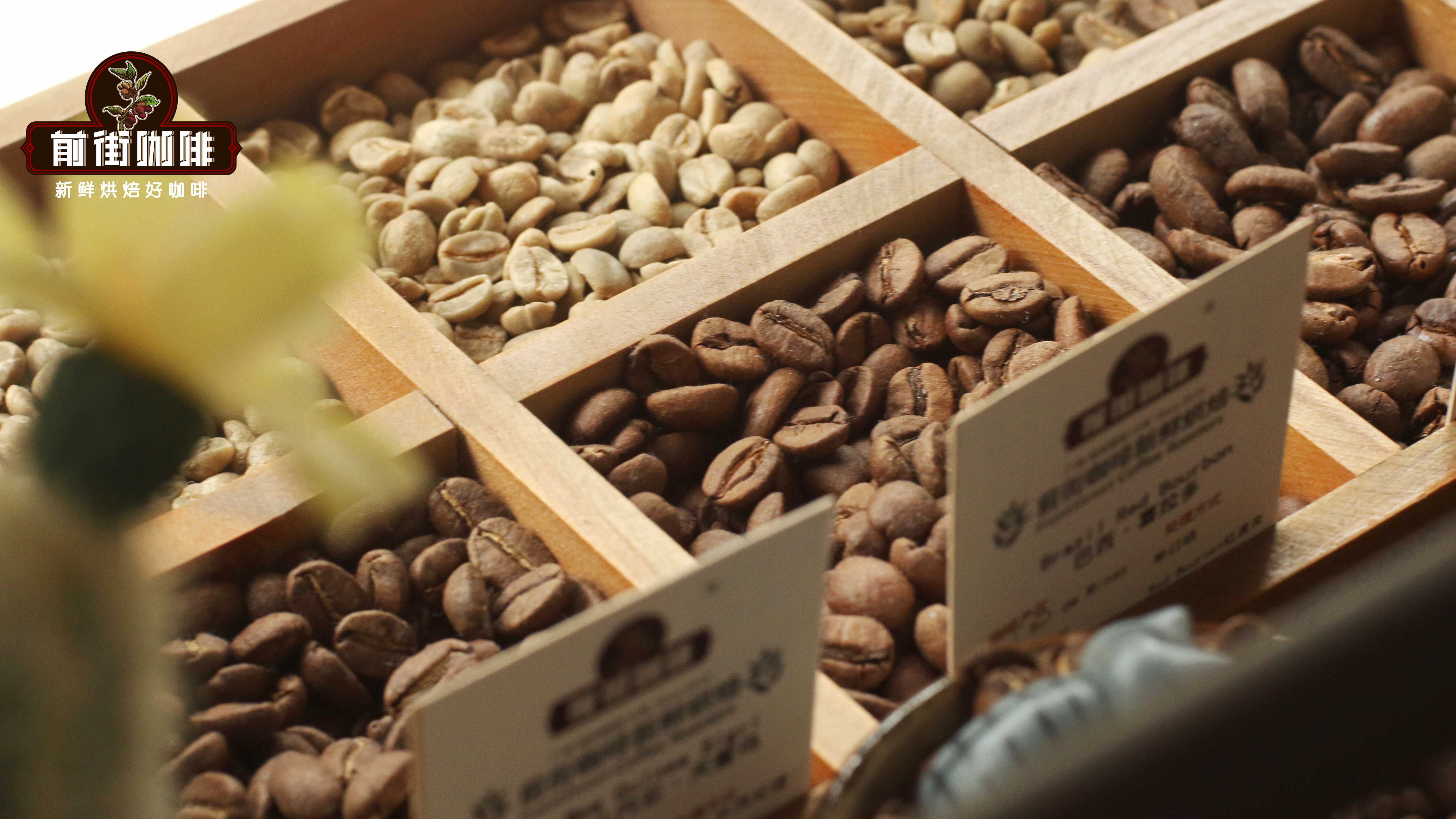
(2) Commercial-Grade Espresso Blend: Colombia + Brazil + Robusta
Robusta coffee is known for its high yield and strong disease resistance, with caffeine content as high as 2.2% — far exceeding Arabica’s 1.2% — resulting in a distinctly bitter taste and lower cost. Its flavor is usually more one-dimensional, with woody notes and a strong bitter edge. However, when used skillfully, it can add intensity and a rich crema to blends.
Blending Robusta with Colombian and Brazilian beans can significantly enhance the richness and crema performance of espresso, delivering flavors of caramel sweetness, nuts, and dark chocolate, with balanced acidity and sweetness and a long-lasting finish. This kind of blend is commonly found in commercial coffee shops and is well-suited to meet the demands of stable, high-volume daily production.

(3) High-Value Blend: Yunnan AA + Brazil
Yunnan AA is a premium local Typica variety. Although its yield is not high and it has weaker disease resistance, when cultivated in suitable high-altitude areas (such as Lincang, Baoshan, and Xishuangbanna), it can exhibit body characteristics similar to those of Colombian beans. These beans feature fruity notes, moderate acidity, a rich and smooth mouthfeel, and uniform particle size, offering exceptional value for money.
When Yunnan AA is blended with Brazilian beans, it results in a cup with gentle fruity acidity, caramel sweetness, and notes of nuts and dark chocolate. The overall mouthfeel is smooth and creamy. While its flavor complexity may not match that of high-end blends, it is a highly practical option for cost-conscious users or beginners, suitable for home or small shop use.
When designing a blend ratio, it’s advisable to first clarify the target flavor profile — for example, whether you want to emphasize sweetness, body, or acidity balance — and then combine beans according to the characteristics of each origin. At the same time, maintain a clear primary and secondary structure to avoid one bean variety dominating or weakening the overall profile. Additionally, the choice of roast level is key: medium-dark roasts typically bring out caramel and nutty notes, while medium roasts better preserve acidity and fruity aromas.
In summary, blending is an art that emphasizes balance and complexity. By understanding the characteristics of beans from various origins and mastering roasting and proportioning techniques, you can create espresso beans with stable flavor, rich layers, and versatile applications. Whether you’re a coffee enthusiast, a home user, or a professional shop, you can benefit and elevate the overall quality and drinking experience of your coffee.



The above content is compiled by CoffeeHunters, a coffee news website.

