







Introduction:Indonesian Mandheling coffee is renowned for its full body and low acidity, but the differences between Golden Mandheling and Lintong Mandheling often leave people puzzled. This article provides an in-depth comparison of their varieties, processing methods, flavor profiles, and roasting characteristics, along with pour over parameters and tasting notes to help you find the Mandheling beans that best suit your taste preferences.
When it comes to Indonesian coffee, Mandheling is undoubtedly the most representative variety. Its low-acid, full-bodied character, combined with unique spicy and earthy notes, has earned it a solid place in the global specialty coffee market. However, even within the Mandheling category,the difference between Golden Mandheling and Lintong Mandhelingoften confuses coffee enthusiasts. What exactly sets these two beans apart in terms of variety, processing, and flavor expression? This article will take you through a comprehensive analysis of these two classic Sumatran Mandhelings — from origin and selection criteria to brewing recommendations.
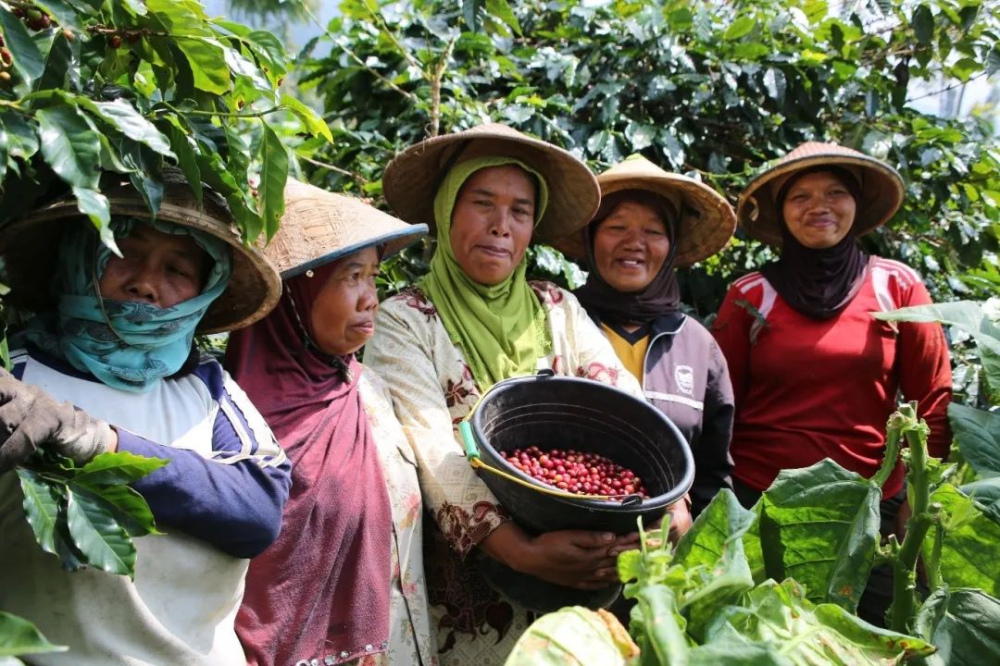
As the core coffee-growing region in Indonesia, Sumatra’s Mandheling history dates back to the 17th century. Initially introduced by the Dutch, it was the Japanese market’s appreciation for its distinctive flavors that truly established its reputation. Interestingly,the term “Mandheling” originally did not refer to coffee, but to a tribe in Indonesia. It became synonymous with this coffee due to a misunderstanding. Today, Lintong in north-central Sumatra and Gayo Mountains in Aceh are the primary producing areas for Lintong Mandheling and Golden Mandheling, respectively, with altitudes ranging between 1100–1600 meters — ideal for Arabica cultivation.
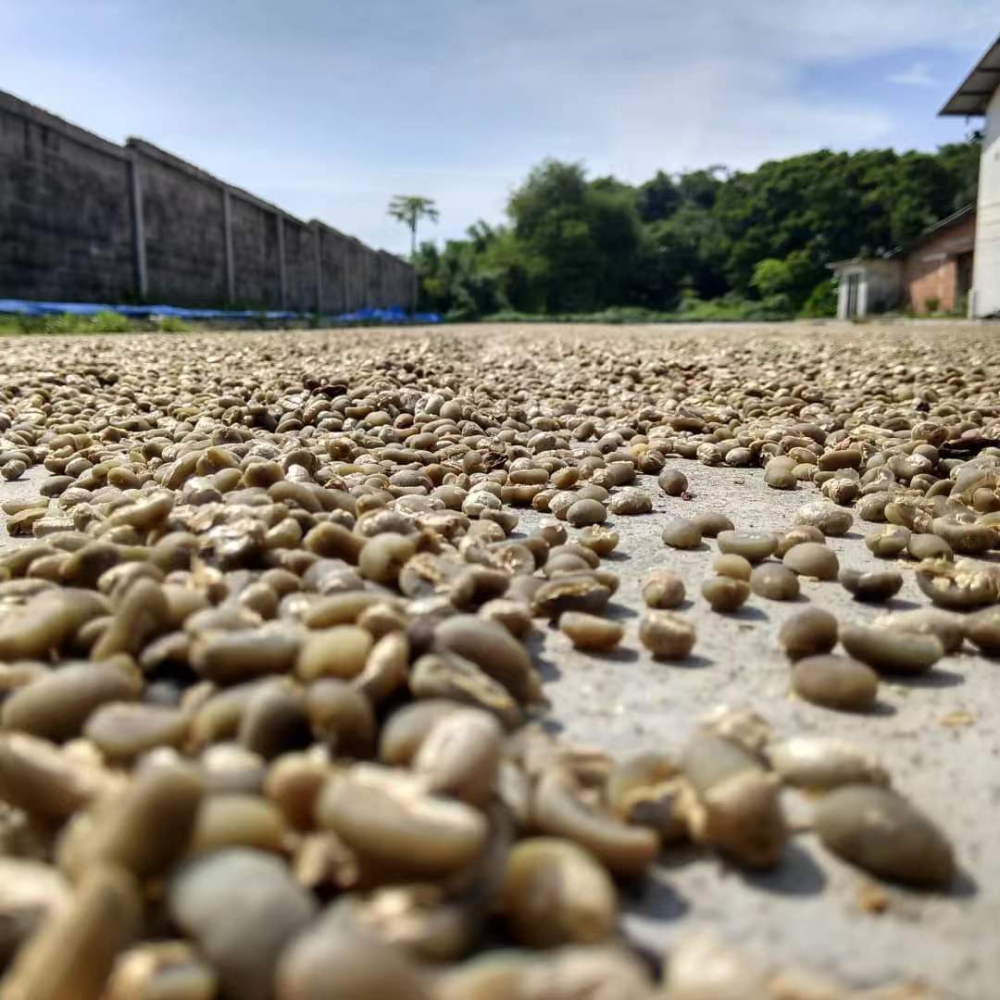
The most famous processing method for Mandheling is undoubtedlyWet Hulling (also known as Giling Basah). Due to Sumatra’s rainy and humid climate, traditional sun drying or costly washed processing is difficult, so farmers developed this unique technique: first removing the skin and pulp and fermenting for 3 hours, then hulling the outer layer when the moisture content drops to 30–50%, followed by further drying to 12–13%. This method gives Mandheling its intense herbal, earthy, and spicy notes, but also results in the characteristic “elephant ear” bean shape — a common feature caused by slight damage during semi-dry hulling, not a defect.
For those wishing to explore further flavor variations, look for Mandheling processed with “aged wet hulling.” These beans are stored and aged for 2–3 years, during which acidity gradually transforms into deeper sweetness, the color turns yellowish-brown or dark brown, and the mouthfeel becomes smoother. However, the mainstream market still favors conventional wet hulling for its ability to highlight Mandheling’s signature full body and balanced low acidity.
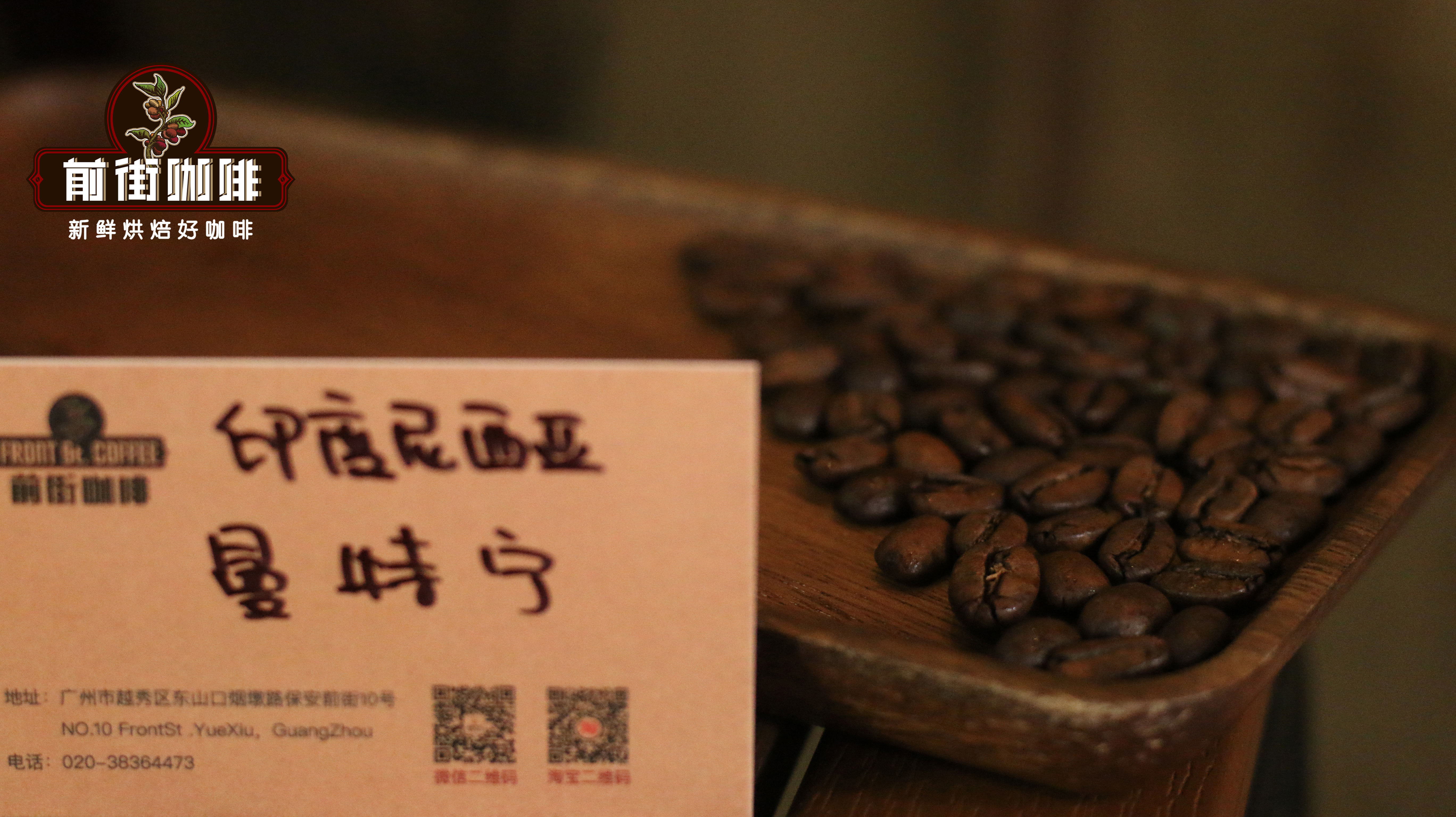
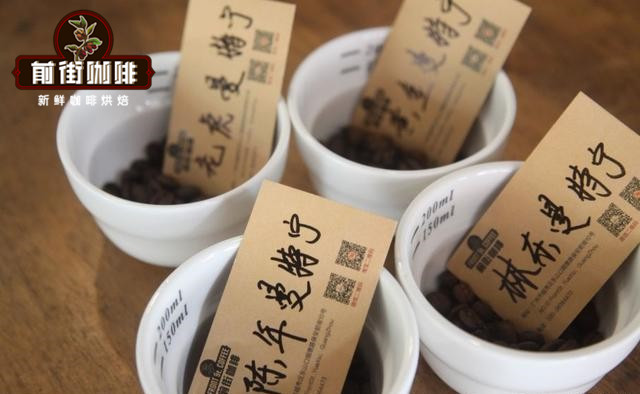
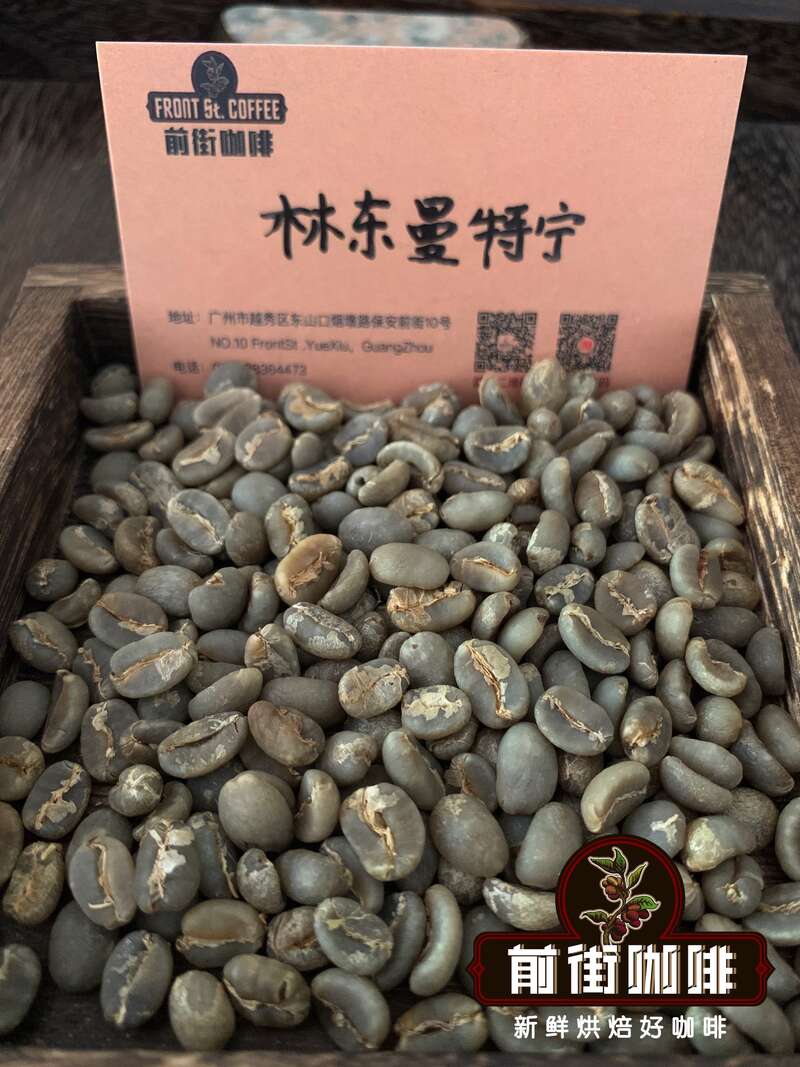
Focusing on specific offerings,Lintong Mandhelingis the representative of the classic style, grown in the Lintong mountainous region of north-central Sumatra, near Lake Toba. Common varieties include Tim Tim (a natural cross between Typica and Robusta) and Ateng (a branch of Catimor). Processing follows standard wet hulling, but due to more lenient screening, the beans can sometimes appear inconsistent or have a higher proportion of “elephant ear” beans. The flavor profile is grounded in roasted toast, nuts, and caramel, accompanied by distinct pine and herbal notes, making it suitable for drinkers who enjoy strong earthy tones.
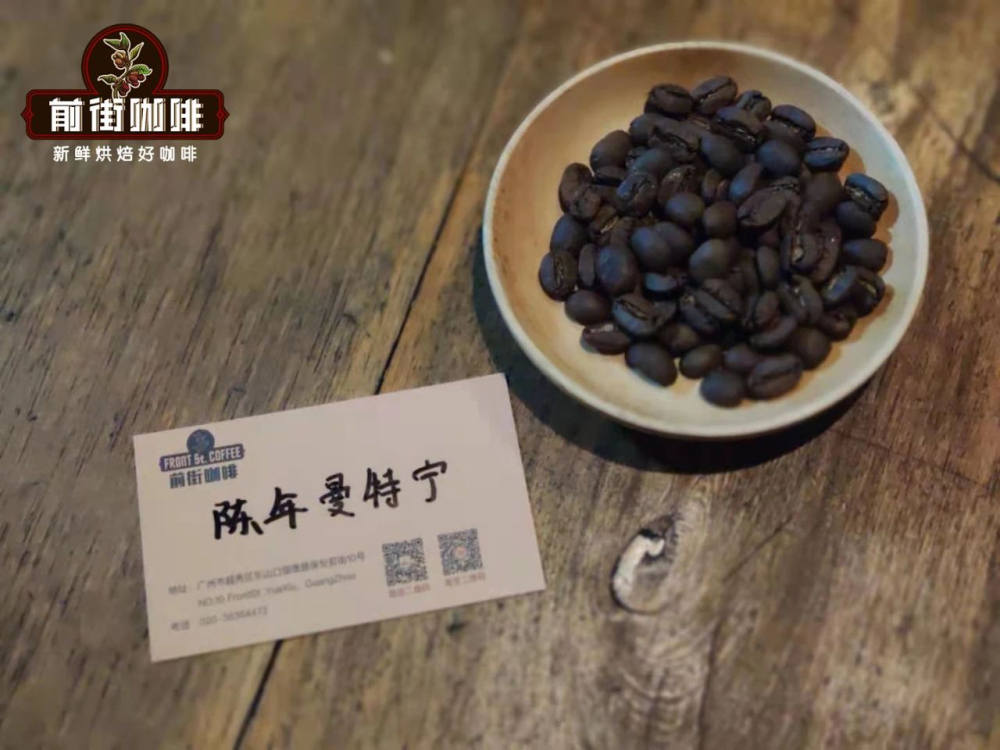
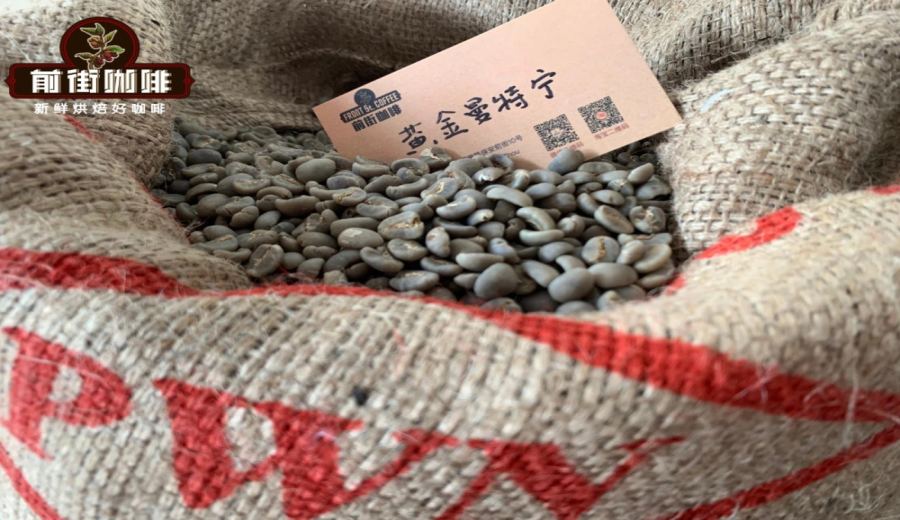
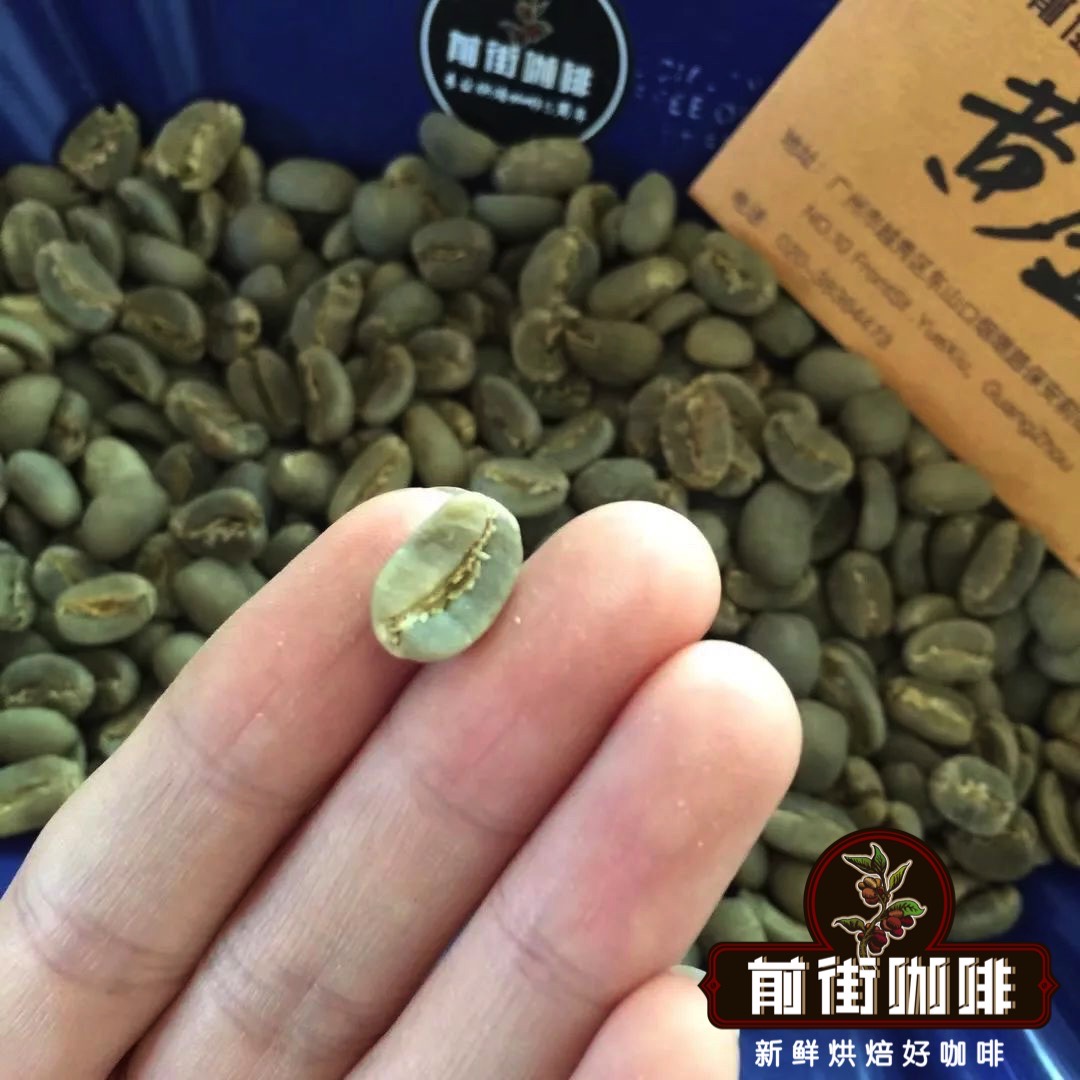
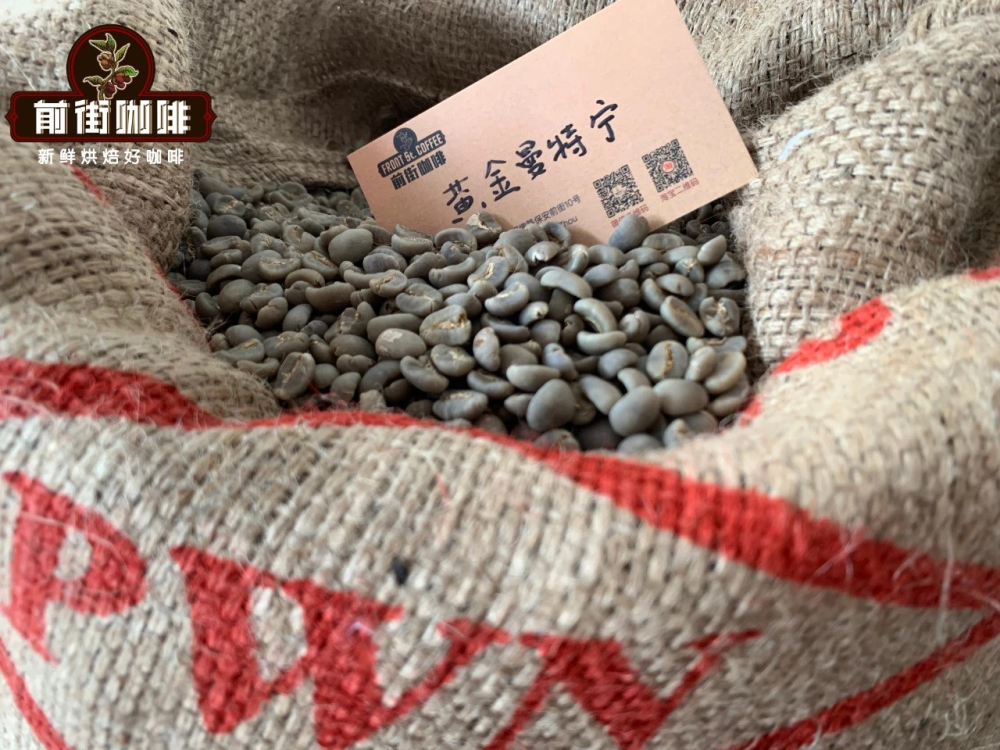
In contrast,Golden Mandhelingboasts stricter quality control. Grown in the Gayo Mountains of Aceh, also within the same altitude range, it uses only Ateng beans that are 18 mesh size or larger, and undergoes at least three rounds of manual sorting, with fewer than 3 defects per 300g sample (falling under the highest grade G1). This rigorous selection process ensures uniform bean shape and deep green color, and results in a cleaner flavor profile upon brewing — with better balance among spices, herbs, caramel, and chocolate, and a long-lasting nutty sweetness in the aftertaste. Legend says it earned its name because the beans glisten golden in the sunlight, though in reality it reflects its premium, carefully selected quality.
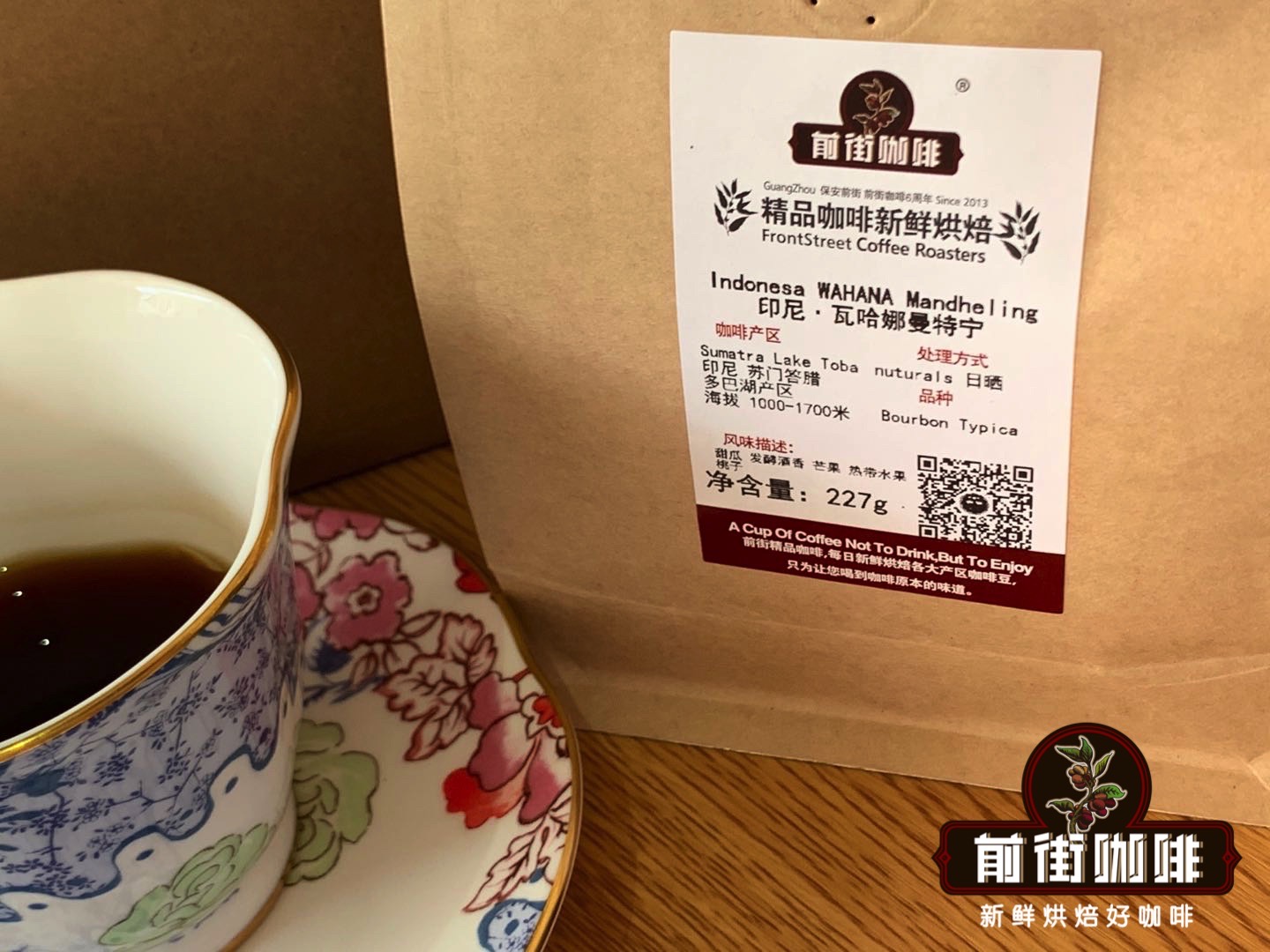
It’s worth noting that the trademark for Golden Mandheling belongs to Indonesia’s PWN company (Pwani Coffee Company), not the often-mentioned Japanese “Gold Top Mandheling.” While the two share similar flavor essence, the PWN version is generally considered superior in purity and sweetness due to more consistent selection standards. For those seeking high consistency and refined taste, Golden Mandheling is the more conservative and worthwhile choice.
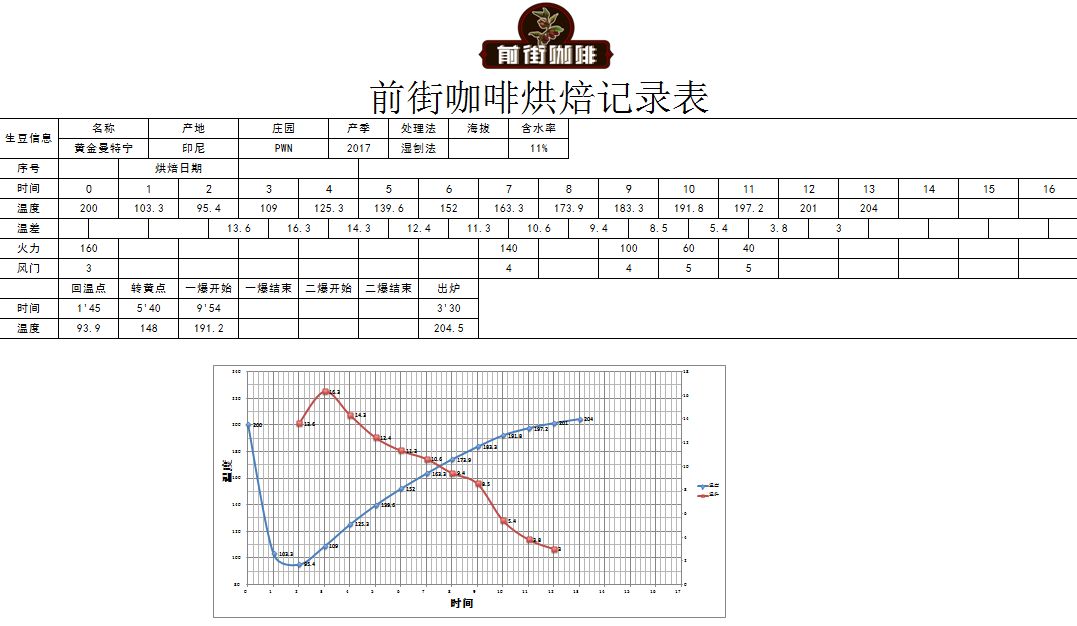
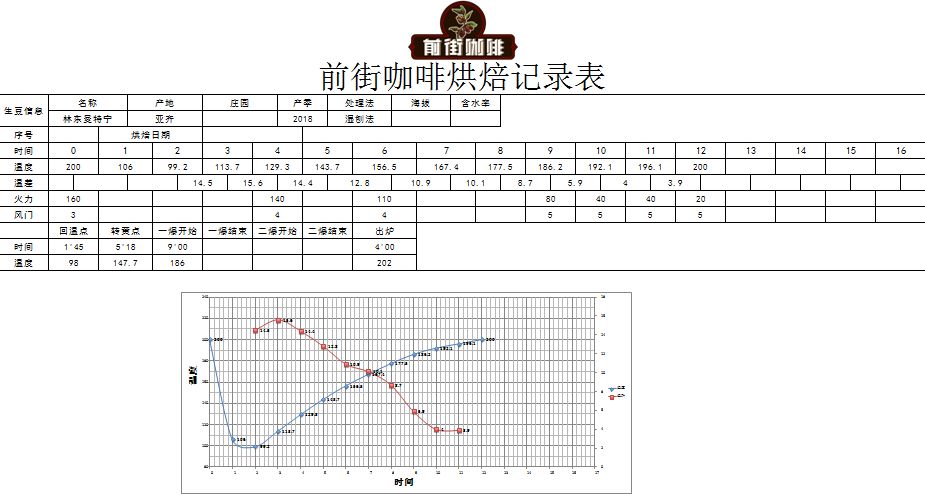
In terms of roasting strategy, most professional roasters opt formedium to dark roaststo enhance Mandheling’s rich base while suppressing excessive acidity. Using the Yangjia 800N roaster as an example, the charge temperature is set at 200°C, the turning point (yellowing stage) occurs around 148°C (5 minutes 40 seconds), first crack happens at 191.2°C (approximately 9 minutes), and the final discharge temperature is controlled between 202–204.5°C to ensure full bean development without over-carbonization. This roast curve highlights the spicy and caramel notes imparted by wet hulling, while balancing the potentially rough texture inherent to the Ateng variety.
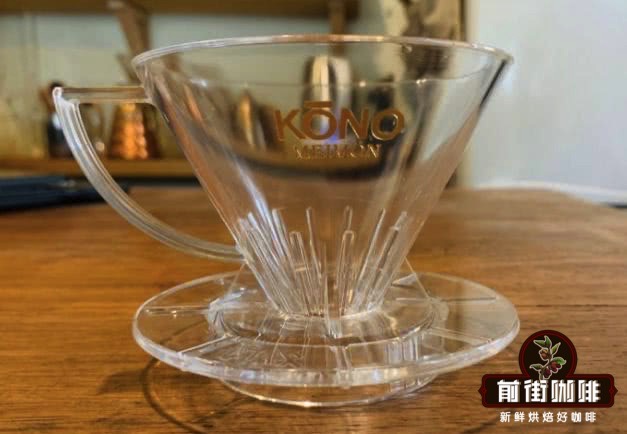
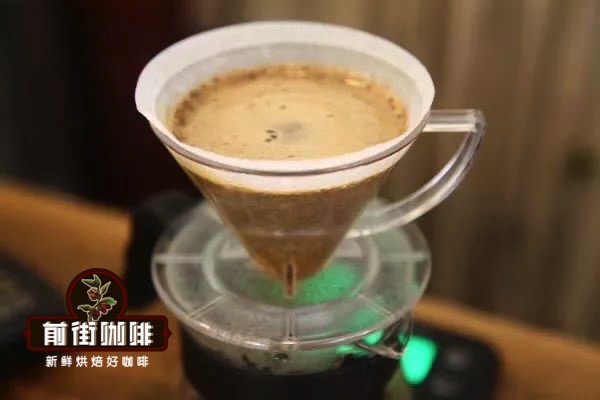
For home brewers who prefer pour over, it is recommended to use a Kono dripper with the following parameters: water temperature 88°C, coffee dosage 15g, brew ratio 1:15, grind size passing 20-mesh sieve at 70–75%. The Kono dripper’s low rib design extends contact time between water and coffee grounds, aiding in extracting fuller body. The recommended brewing steps are: 30g bloom for 30 seconds, then gentle circular pouring up to 125g for the first pour; when the water level is about to expose the coffee bed, continue pouring to 225g. Total brew time is approximately 2 minutes. This method fully brings out the layered flavors of Mandheling — whether it’s the chocolatey finish of Golden Mandheling or the molasses-like aftertaste of Lintong Mandheling — allowing each to shine through more clearly.
In summary, Lintong Mandheling is known for its classic intense herbal notes and affordable price, making it great for everyday drinking or for those trying Sumatran flavors for the first time; whereas Golden Mandheling, with its strict selection and higher consistency in quality, is the ideal choice for those pursuing refined flavors and collectible value. With an understanding of the differences between these two, you’ll be able to make a more confident choice based on your personal taste the next time you face a Mandheling offering.

The above content is compiled by CoffeeHunters, a coffee news website.

