








Introduction:Struggling to recreate the same Ethiopian Yirgacheffe SOE latte at home as you get in cafés? This article dives deep into the characteristics of light-roast single-origin (SOE) coffee beans, breaks down the flavor profile of Yirgacheffe and the key elements of extraction, and explains everything from equipment pressure and grind size to coffee-to-water ratios. It also provides tested and effective espresso and latte recipes to help you avoid common issues like splattering or excessive acidity, so you can easily brew a professional-grade coffee with bright, fruity notes.
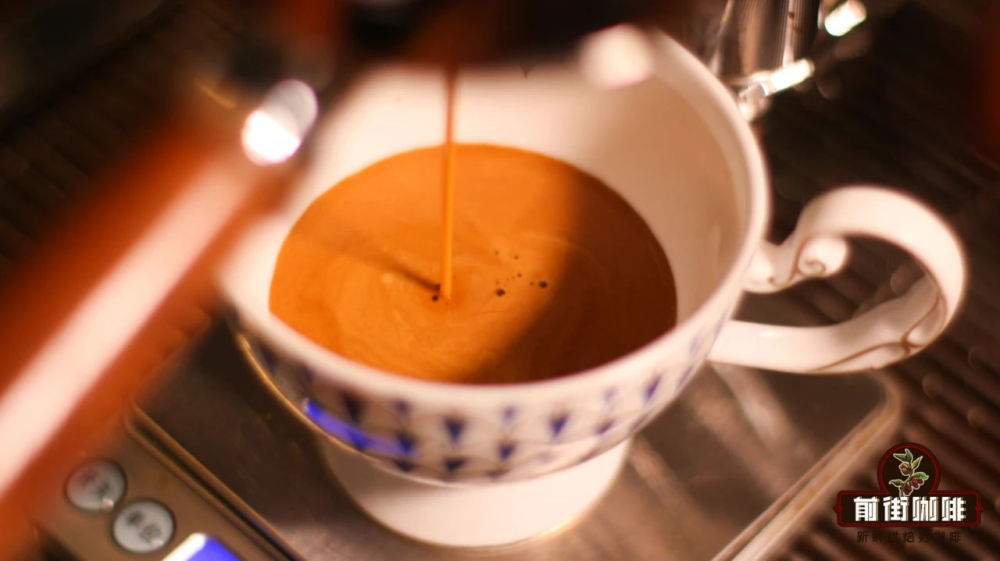
Many coffee enthusiasts, when first attempting to make espresso with SOE (Single Origin Espresso, i.e., single-origin coffee beans for espresso), often encounter abnormal extraction issues: either violent splattering occurs, or the espresso is so intensely acidic it’s hard to swallow. This is often not due to inadequate equipment or technique, but rather the use of a roast level unsuitable for espresso extraction. In fact, single-origin beans that are lightly roasted—if used without adjustment—can perform poorly under high-pressure extraction due to uneven release of flavor compounds.
To successfully brew a balanced and flavorful SOE coffee, the first priority is selecting a roast level suitable for espresso machines. Take the commonly available Yirgacheffe as an example. This well-known coffee from Ethiopia’s renowned growing region, if lightly roasted and not properly adjusted, may result in excessive sourness and astringency when directly extracted. It's worth noting that Yirgacheffe is not only the name of a producing region, but has also become synonymous with a light, citrusy flavor profile. Its distinctive floral and fruity aromas, along with its bright acidity, make it one of the popular choices for SOE.
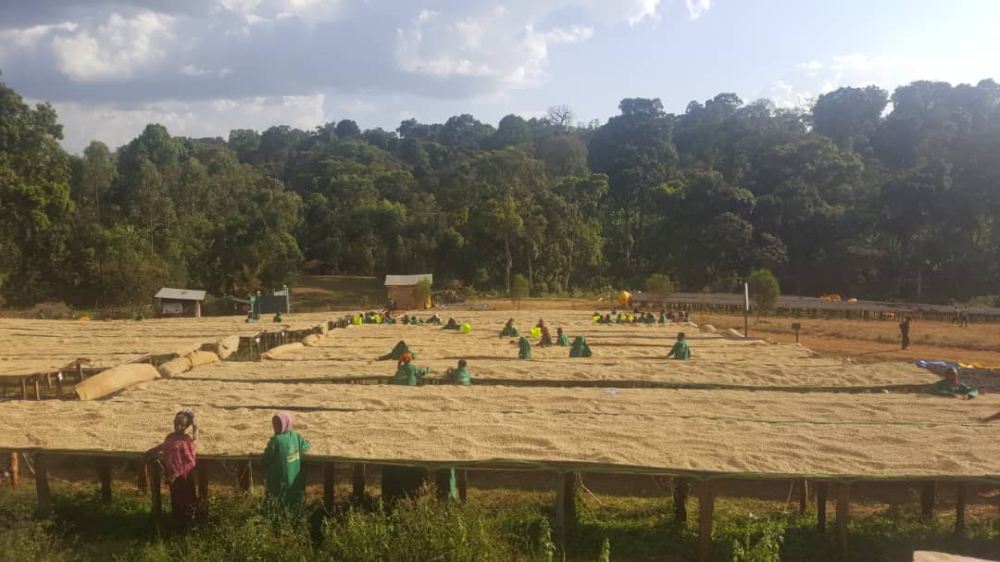
The Yirgacheffe region is located in Ethiopia’s high-altitude areas, with an average elevation of about 2,000 meters, and is made up of more than 40 cooperatives that are primarily family-run. The region also includes several well-known micro-regions such as Kochere, Guji, and Gedeb, each producing coffee beans with unique flavor characteristics. Yirgacheffe coffee is known for its bright, translucent citrus and lemon acidity, as well as its delicate floral and fruity aromas. These features not only represent the region itself but have also become symbolic of a classic coffee flavor. Depending on the processing method, it can be divided into two main types: natural (sun-dried) and washed. The former usually has a more pronounced fermentation note and sweet aroma, while the latter showcases the most typical fresh flavor profile of Yirgacheffe.
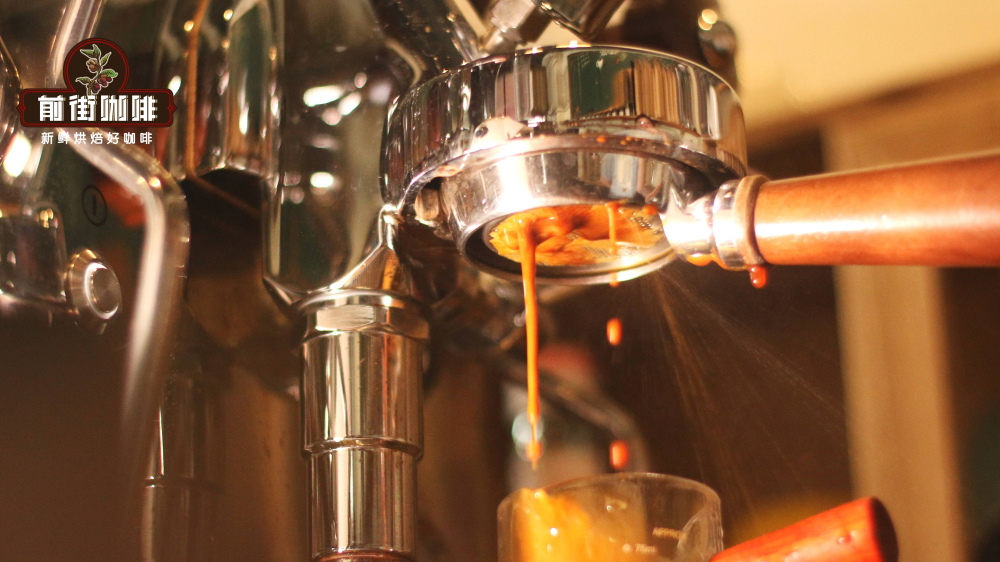
The key to making a high-quality Yirgacheffe SOE latte lies in precisely controlling the extraction parameters. A typical home espresso machine only needs to achieve 9 bar of pressure to meet basic requirements, and with a suitable grinder, you can attempt to replicate the flavor performance of café coffee. Taking actual tested extraction data as an example, when using a double-shot basket (with a capacity of about 18–20 grams), it is recommended to use 20 grams of coffee grounds, aiming to extract 40 grams of coffee liquid, maintaining a coffee-to-water ratio of 1:2. Under this ratio, it is best to control the extraction time within 26–33 seconds, which can effectively balance acidity and sweetness, avoiding the burnt bitterness caused by over-extraction.
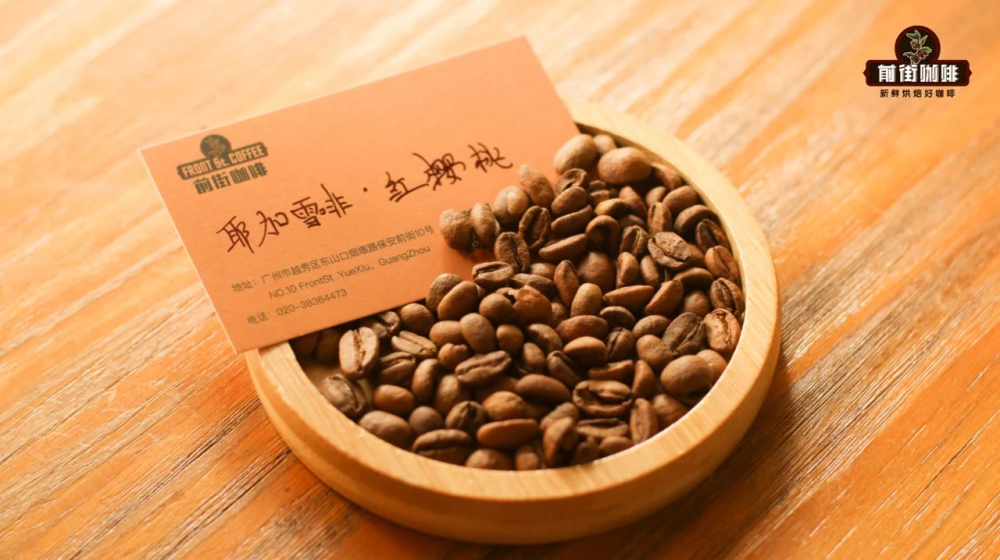
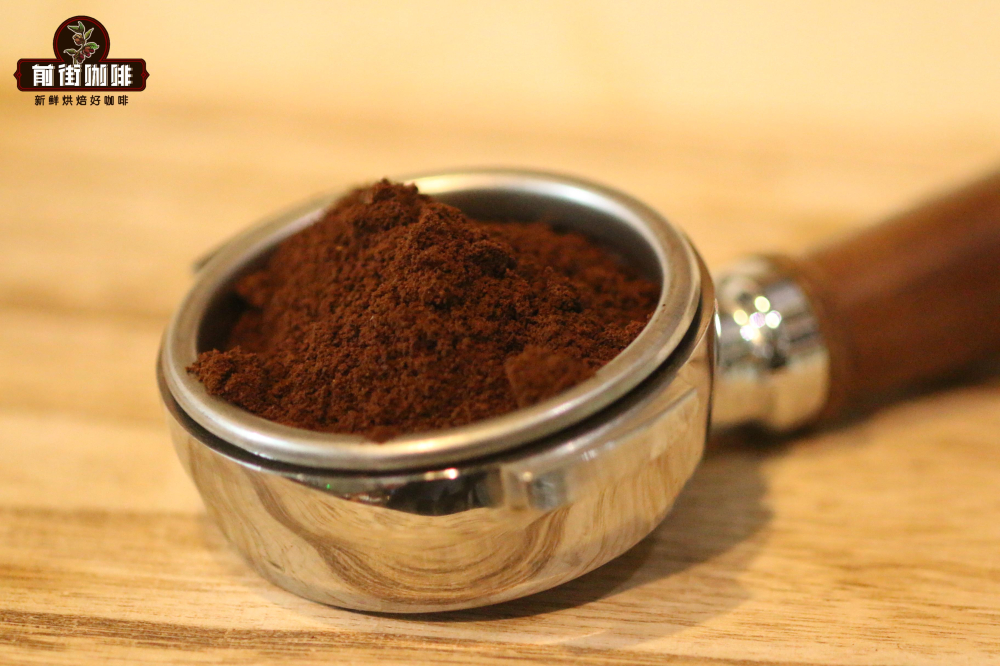
In terms of specific operation steps, first ensure the portafilter basket is completely dry, then start the grinder to grind out 20 grams of coffee grounds, and use an electronic scale to precisely adjust to the target weight. Next, use a distribution tool to evenly distribute the coffee grounds, and tamp the coffee puck with appropriate pressure to ensure a stable extraction process. Before starting extraction, first run water to wet the group head to clear any residual coffee grounds, then gently place the portafilter back into the group head and begin extraction. When the electronic scale shows that 40 grams of coffee liquid has been extracted, and the time falls within the 28–33 second range, you will have a balanced SOE espresso. If you prefer an Americano, you can adjust the strength by adding cold water or 80°C hot water according to your taste.
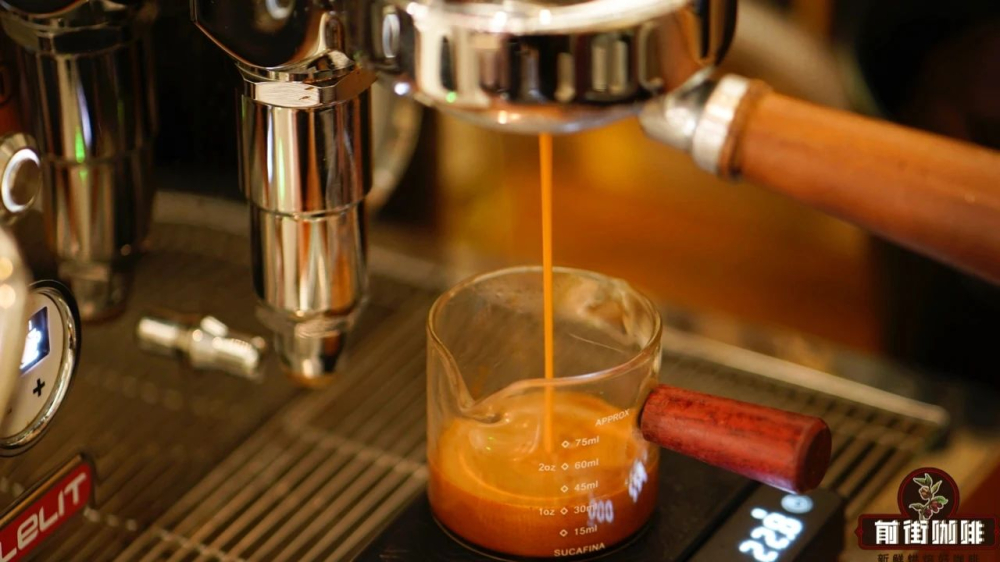
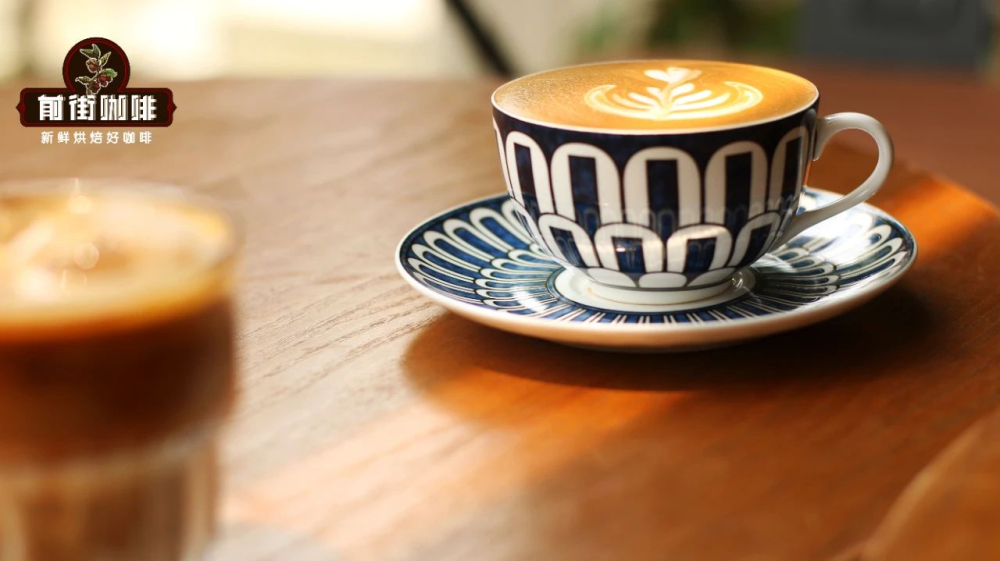
When switching to an SOE hot latte, it is recommended to use a coffee-to-milk ratio of 1:6. Pour 40 grams of freshly made espresso into a preheated coffee cup, and use the steam wand of the espresso machine to froth about 240 grams of milk. The milk temperature must be strictly controlled between 50–65°C to form a dense and moderately thick layer of microfoam. Slowly pour the frothed milk into the coffee liquid to ensure even blending. The final product will exhibit a unique flavor reminiscent of lemon cookies, with a rich and smooth texture, perfect for enjoying on cold days and providing a warm and comforting drinking experience.

The above content is compiled by CoffeeHunters, a coffee news website.

