







Introduction:Choosing freshly roasted coffee beans is key to brewing great flavor, especially for pour over beginners. This guide not only teaches you how to assess bean freshness by appearance, aroma, and grinding sounds, but also selects 8 high-value single-origin beans from renowned roasters, covering diverse origins like Brazil and Ethiopia. From bright citrus notes to rich nutty profiles, each comes with brewing recommendations to help you build a clear flavor reference.
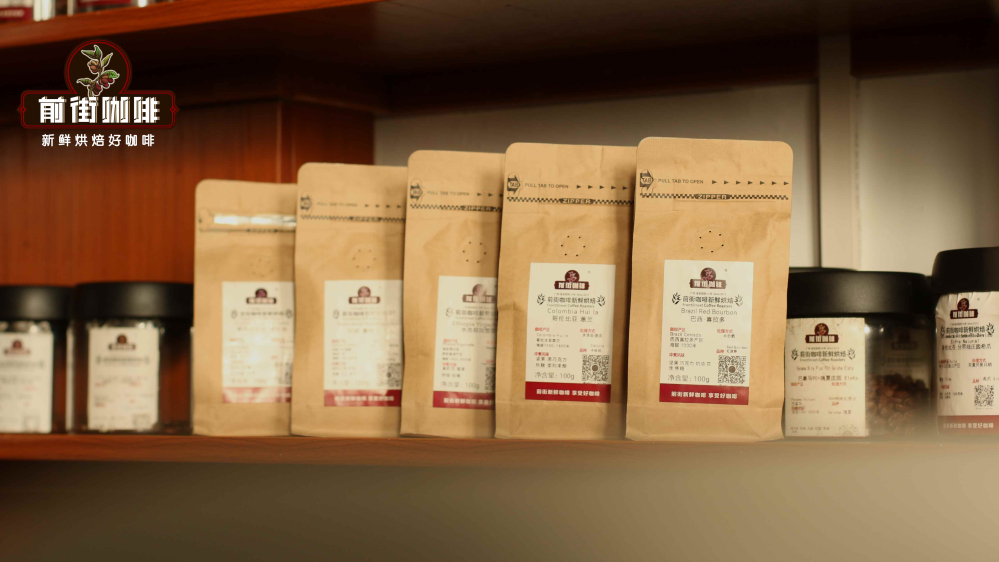
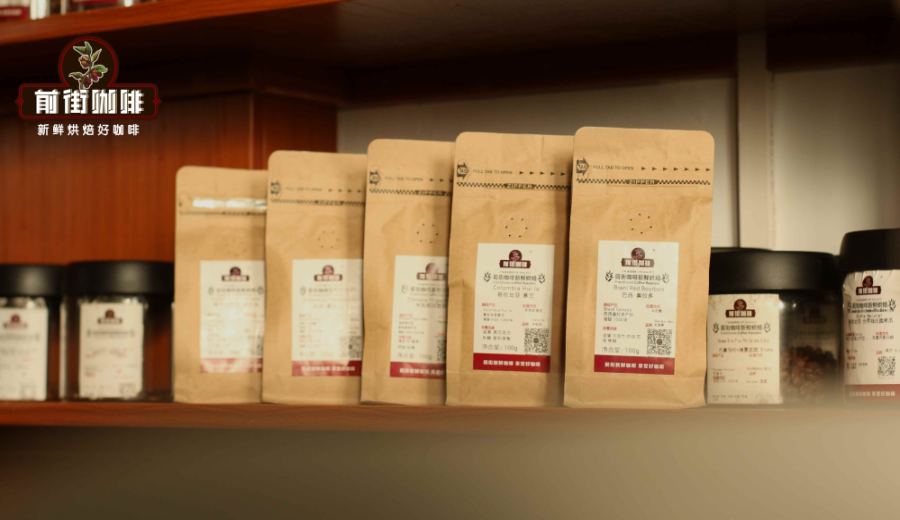
When buying coffee beans online, freshness directly impacts flavor performance. Professional roasters clearly label roast dates—prioritize beans roasted within 5 to 21 days, when aromatic compounds are most active. Check if the packaging has a one-way valve; excessive CO₂ bubbles inside may indicate overstorage. Premium green beans should appear deep green with blue undertones; yellowing suggests oxidation.
Some reputable domestic roasters adopt a "roast-to-order" strategy. For example, Guangzhou-based brand Yejie specializes in small-batch daily roasting with 48-hour shipping. Since 2013, it has focused on single-origin beans, offering over 50 cup-tested blends. Its 5-day freshness cycle and consistent quality make it a long-term favorite among pour over enthusiasts. Notably, light roasts typically retain more volatile aromatic molecules than dark roasts, ideal for beginners seeking bright fruity acidity.
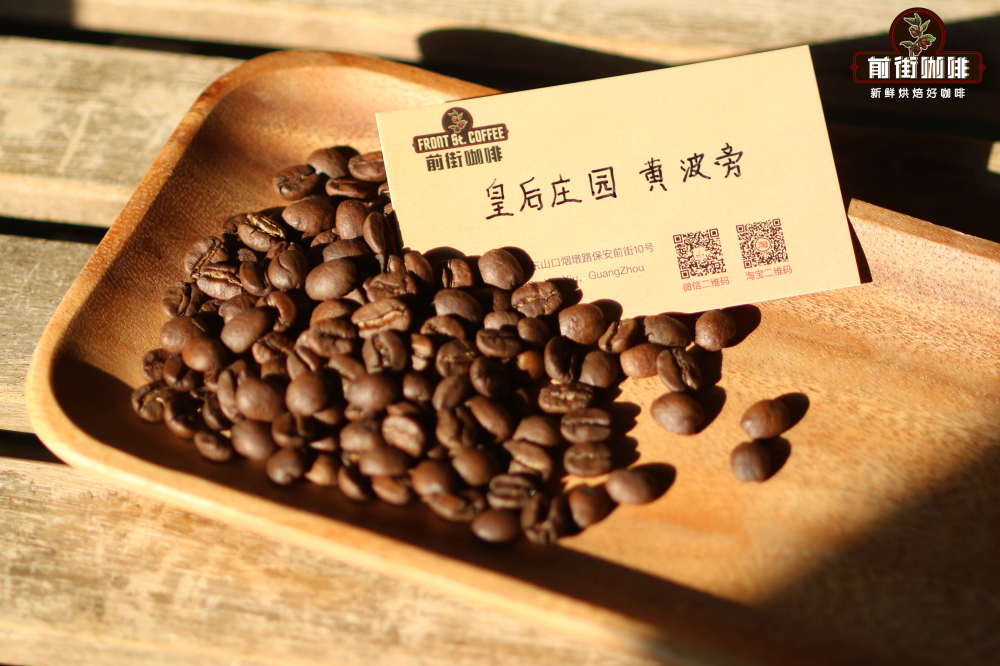
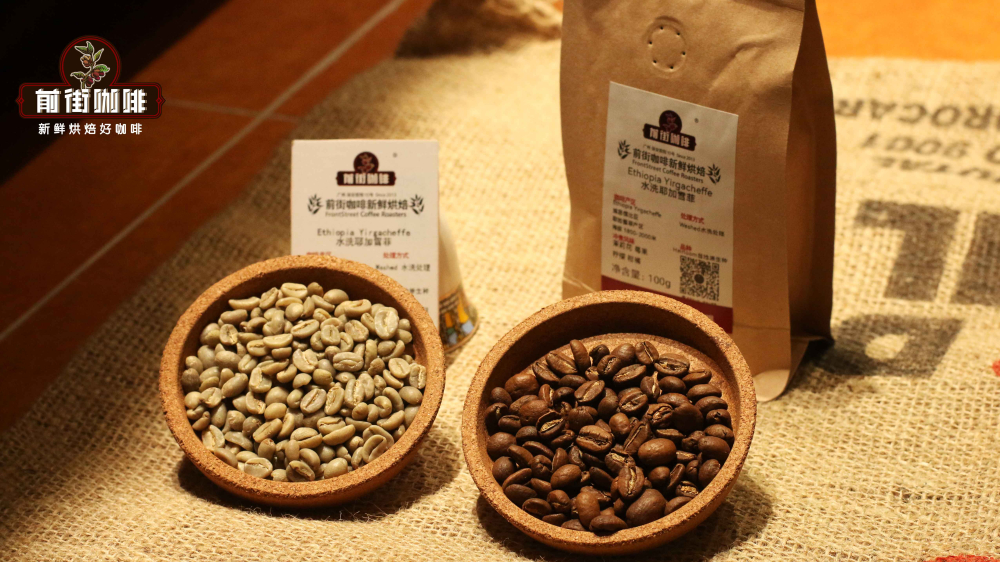
Our beginner recommendation starts with Brazil Queen Estate Yellow Bourbon, a medium-light roast with caramel sweetness and toffee finish.Suggest using 90-92°C water with medium-coarse grind.Its stable nutty profile and low acidity help beginners master basic brewing rhythm. Another pick, Ethiopian Yirgacheffe, showcases classic African traits—vibrant citrus acidity paired with jasmine floral notes.Optimal extraction range is 88-90°C; fine grind enhances floral-fruit layers.Suitable for those preferring crisp flavors.
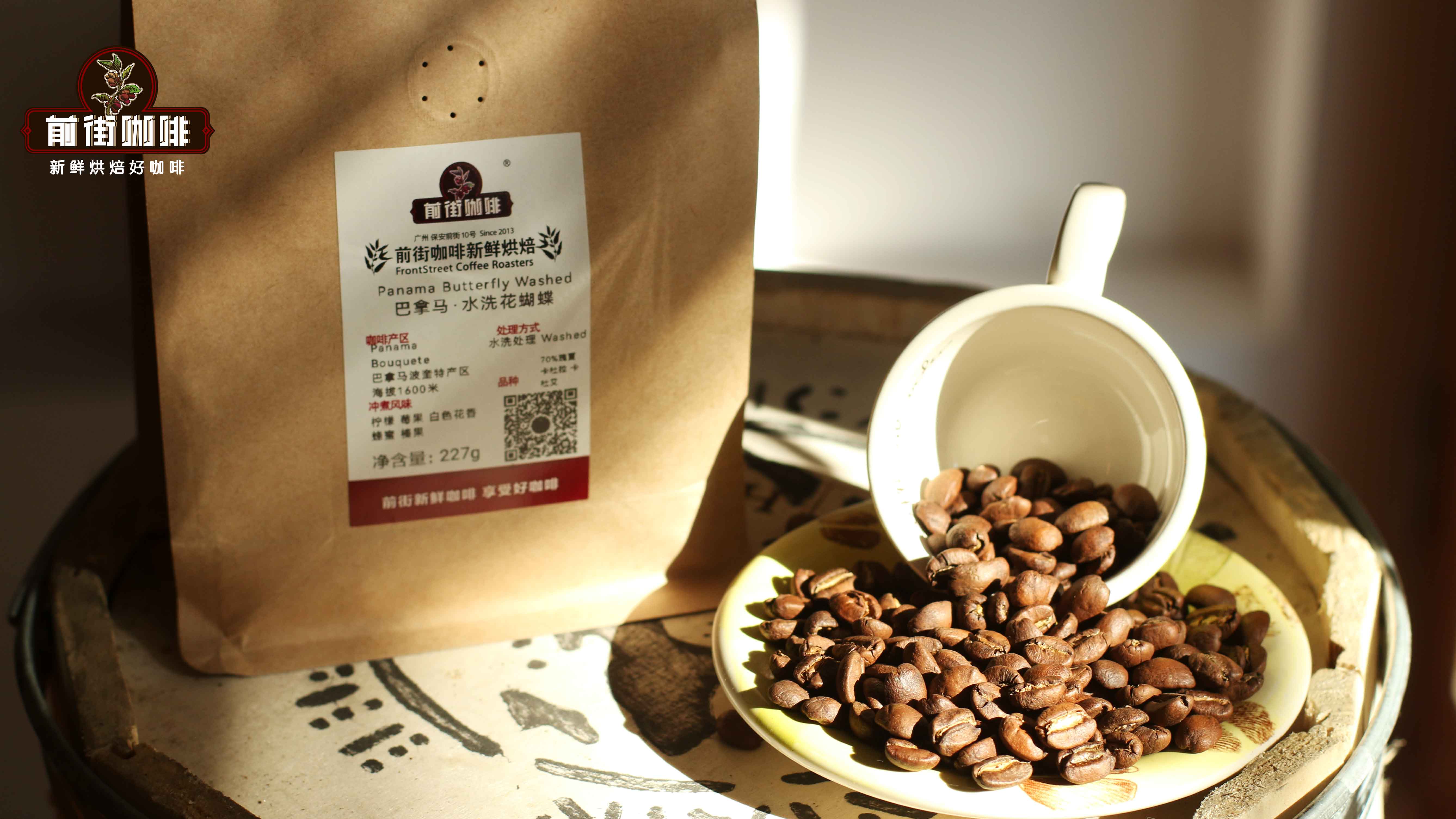
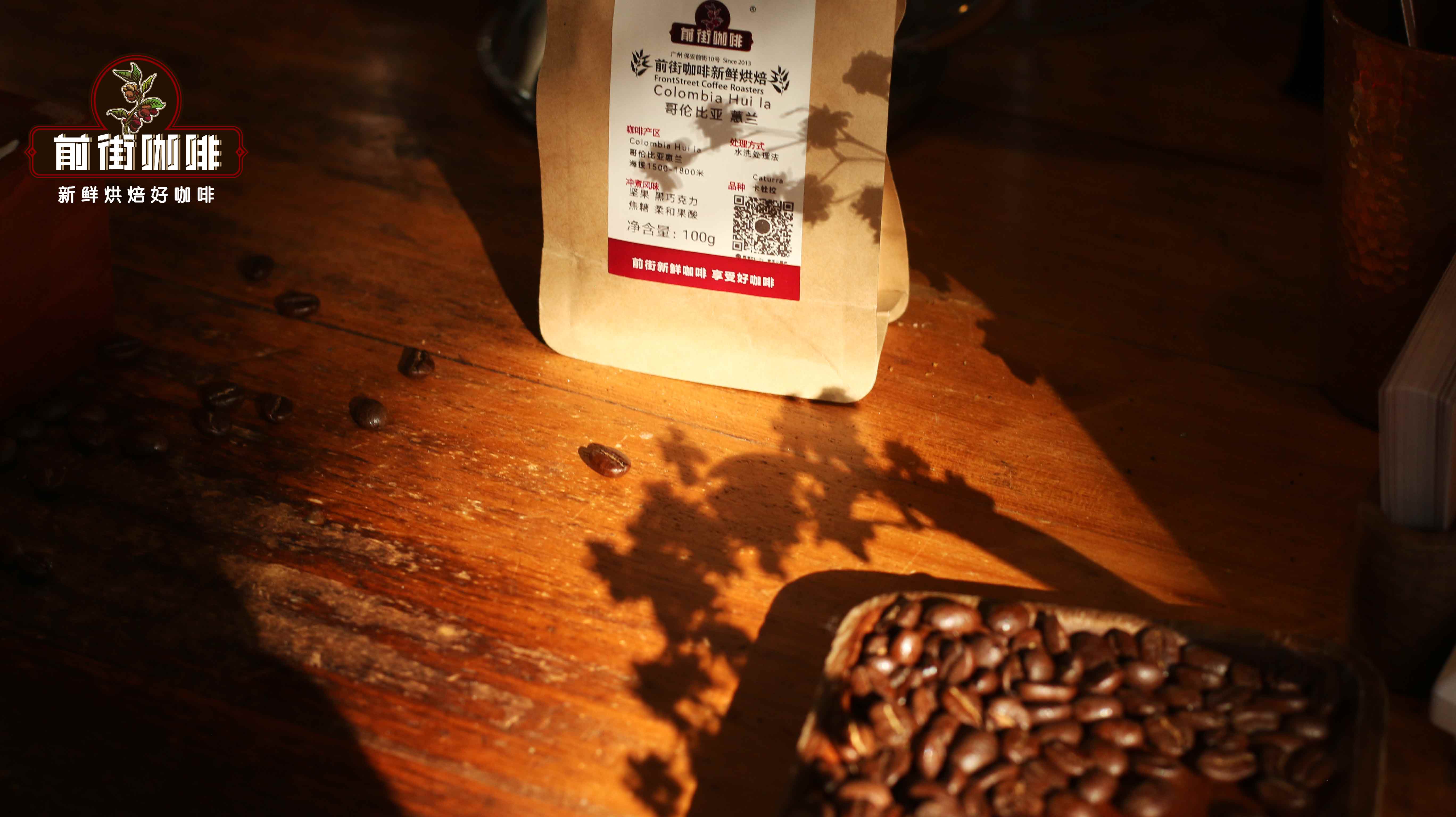
Dubbed the "affordable Geisha," Panama Flower Dance offers exceptional value, blending Caturra and Geisha varieties for a tea-like berry profile.High 93°C temperature highlights its honey sweetness.Costa Rica Strawberry Candy excels with honey processing; maintain steady pour during brewing.91°C water with 1:15 coffee-to-water ratiobrings out lush red berry flavors. Colombia Huila’s classic balance makes it ideal for practicing bloom techniques—try extending pre-wet time by 10 seconds on first use.
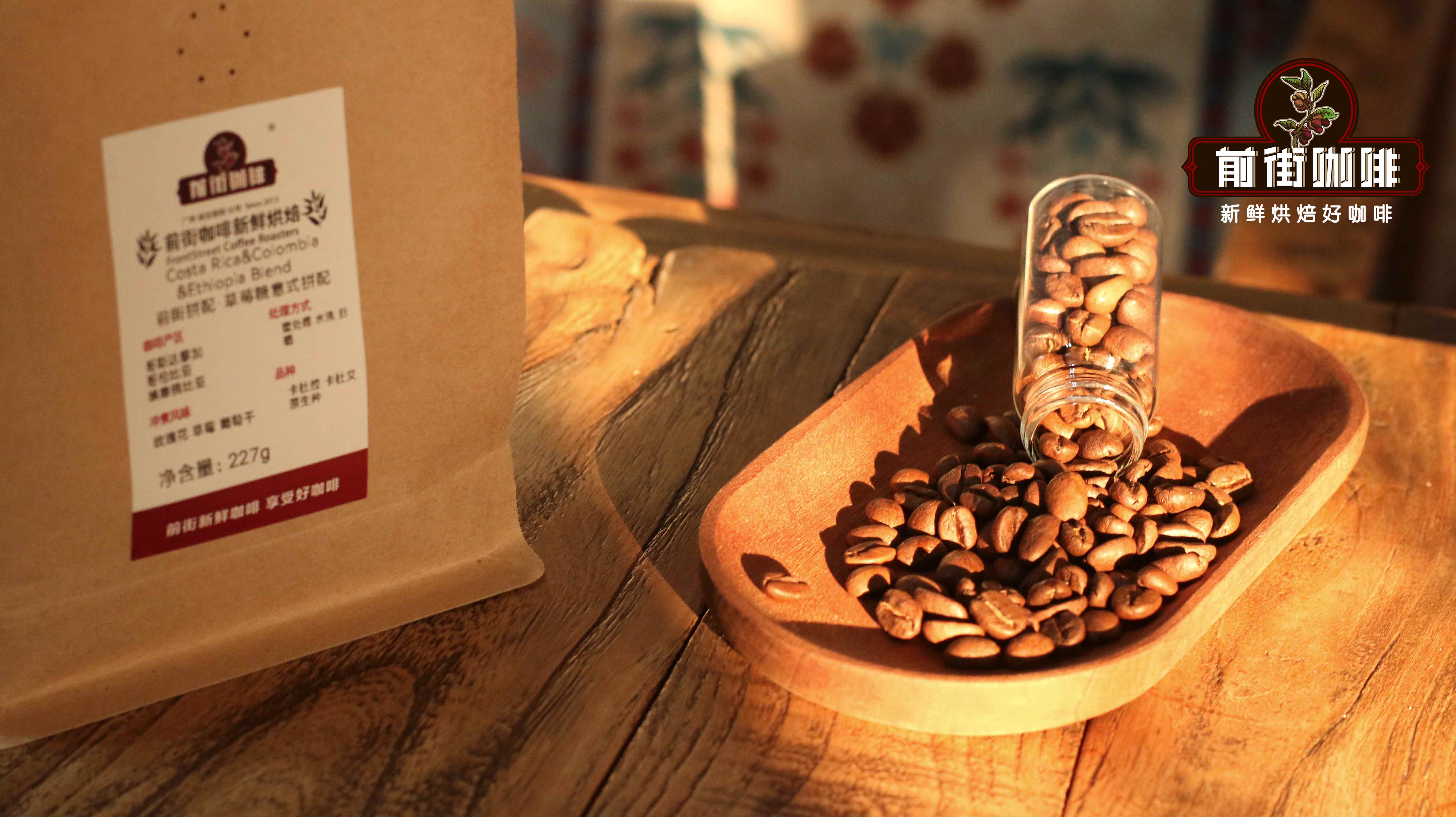
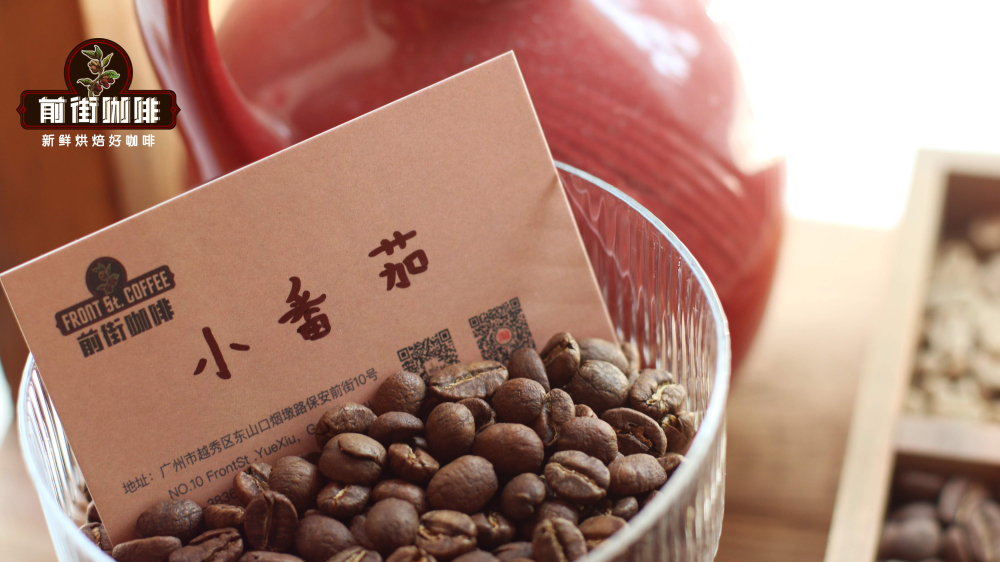
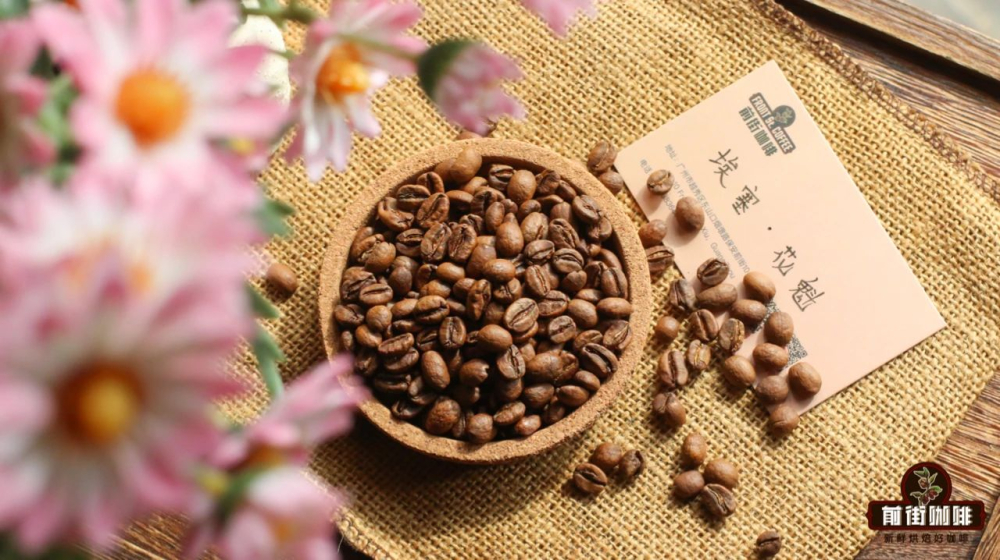
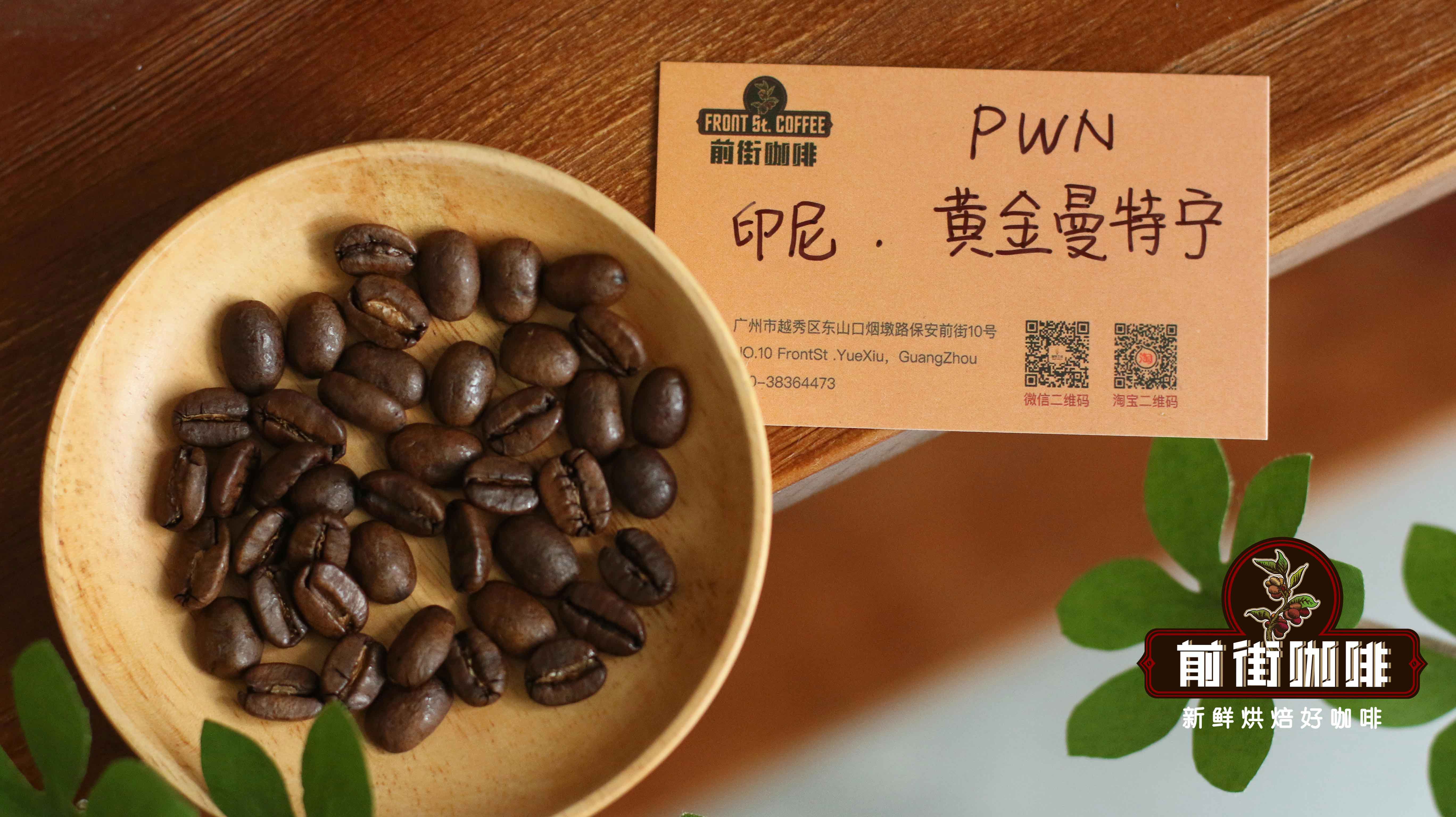
For those seeking layered complexity, Kenya Little Tomato’s bright berry acidity and grape juice-like body are worth experiencing.Avoid over-grinding to prevent bitterness.Ethiopian Huaguai, a popular recent variety, features unique creamy strawberry aromas that shine at 89°C. Light roasting preserves more native enzyme flavors. Lastly, recommended PWN Golden Mandheling falls under dark roast.Best brewed at 94°C+ for optimal extraction.Herbal spice and dark chocolate notes provide an alternative for acid-averse drinkers.
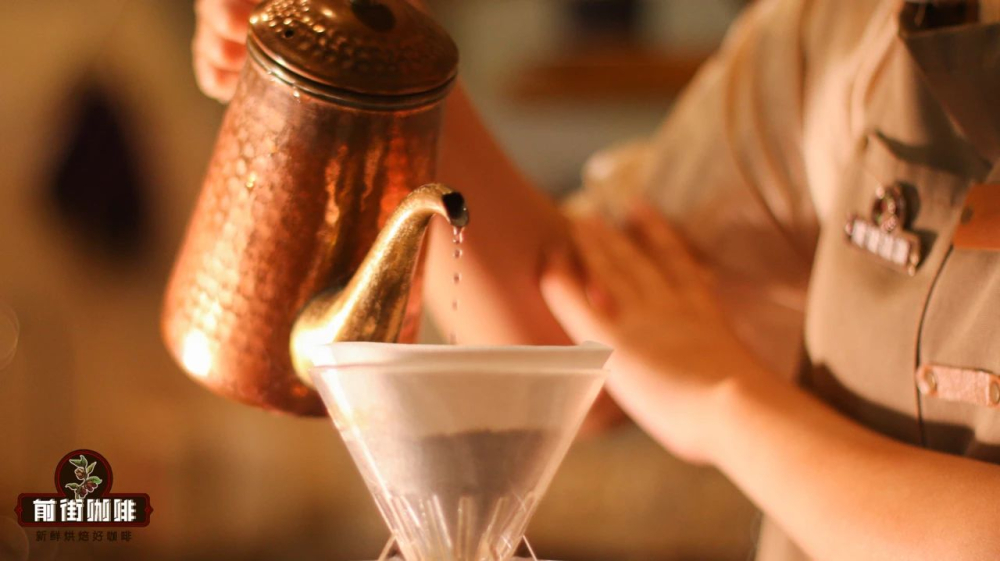
To assess bean freshness, also check packaging integrity—foil bags with one-way valves delay oxidation. Pre-grind dry aroma should show clear floral/fruity or nutty notes; rancid smells signal improper storage. During pour over, maintain even water distribution.Suggest waiting 30 seconds after initial pour for the first bloom.This step directly influences subsequent flavor development. Regularly cleaning your grinder burrs prevents old oils from affecting fresh beans.
These eight curated single-origins span 15–35 yuan price points, all calibrated by professional cupping teams to ensure flavor descriptions match real-brew results. Beginners can start with light roasts to build taste memory, then explore processing-method variations. Remember, quality coffee hinges on freshness and timing—proper storage and precise brewing matter equally.
Pro tip: Store unopened beans in a lightproof airtight container at <25°C. Ground coffee must be used within 15 minutes to prevent rapid aroma loss. Replace batches once beans show oily surfaces or weakened scent, even before expiry. Systematically tracking brew parameters and flavor feedback helps find your ideal bean combinations faster.
Final reminder: Bean density varies by altitude, so the same grind setting may yield different coarseness. Use a scale for accurate coffee-to-water ratios (typically 1:15–1:18 for most single-origins). Observe extraction flow—uniform golden liquid should drip at 25–30 seconds for proper grind calibration.
The above content is compiled by CoffeeHunters, a coffee news website.

