







Introduction:Want to explore the rich charm of Sumatran coffee? This article delves into the origins of Mandheling coffee, the unique wet-hulling process, and the flavor and processing differences between Golden Mandheling and Lintong Mandheling. Not only will it introduce you to the characteristics of Indonesia’s coffee-growing regions, but it also provides detailed roasting and pour over parameters to help you better master the brewing and tasting essentials of this classic coffee.
Sumatran coffee has long been known for its bold, full-bodied flavor and is the primary origin of the famous Mandheling coffee. These beans are not only great for blending but also excellent for single-origin enjoyment, beloved by coffee enthusiasts worldwide. Among the many Sumatran coffees, those processed with the wet-hulling method stand out due to their distinctive technique and regional characteristics, resulting in a truly unique flavor profile.
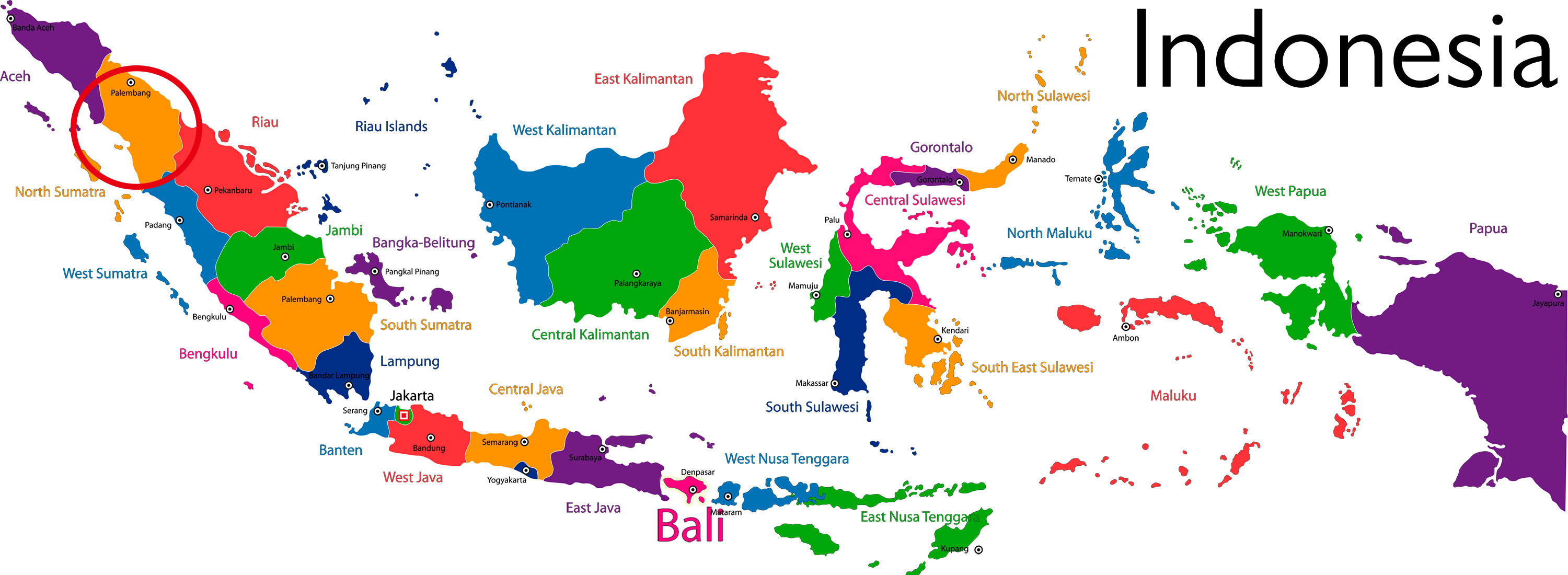
When it comes to Indonesian coffee, Sumatran Mandheling is a must-mention. Indonesia first introduced coffee cultivation in 1696 through the Dutch, initially focused on Java. Over time, however, Sumatra gradually became the representative coffee-growing region of Indonesia. Interestingly, much of the "Java coffee" exported to Europe in the early days actually came from Sumatra, which helped popularize the name Mandheling.
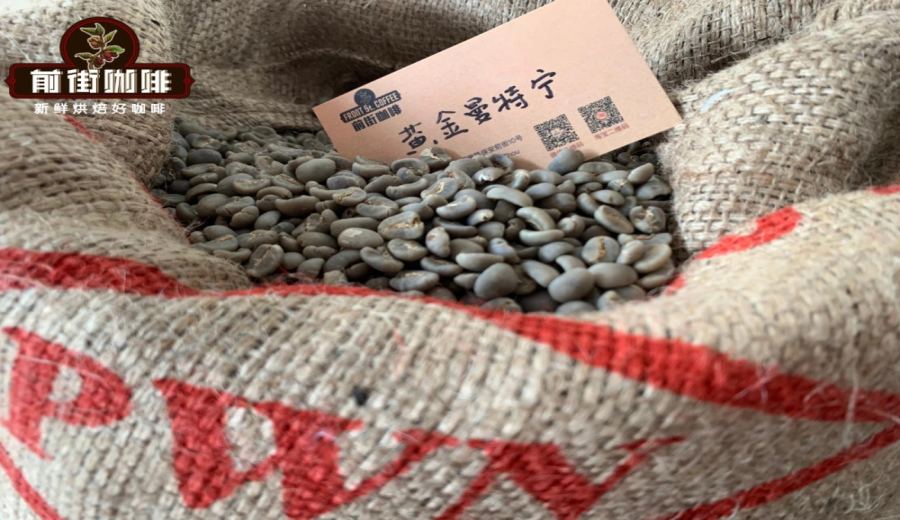
The name "Mandheling" itself has an interesting story of happenstance. It is said to originate from a Japanese soldier during the Indonesian colonial period who was deeply impressed by the local coffee. Upon returning home, he sought the same beans through a trader. The locals, unable to disclose the exact origin, casually referred to it as "Mandheling." In fact, that trader may have been associated with PWN, a well-known Indonesian green bean supplier, which indirectly helped this coffee become the classic it is today.
What makes Sumatran coffee most unique is its widespread use of the "wet-hulling" process. Due to the region’s rainy and humid climate, stable sun drying is difficult, and the washed method is more costly. Farmers thus developed this environment-adapted processing method. Wet-hulling mainly consists of two stages: first, the coffee fruit's skin and pulp are removed, followed by a short fermentation of about three hours, then preliminary drying to a semi-dry state with a moisture content of 30–50%. Next, the mucilage and parchment are removed, and the beans are further dried for 2–4 days until the moisture level drops to 12–13%. This method allows the beans to retain intense earthy and spicy notes while reducing acidity and enhancing body.
In addition to the standard wet-hulling method, there is also an "aged wet-hulling" process. This involves storing the beans in a cool, ventilated warehouse for 2–3 years after the regular wet-hulling process, with regular turning to prevent mold. During aging, acidity gradually diminishes, sweetness and sugar conversion become more pronounced, and the bean color darkens to a deep yellow-brown or dark brown, ultimately resulting in a more rounded aged Mandheling. Its flavor is similar to aged Pu-erh tea and is highly appreciated by some seasoned coffee drinkers.
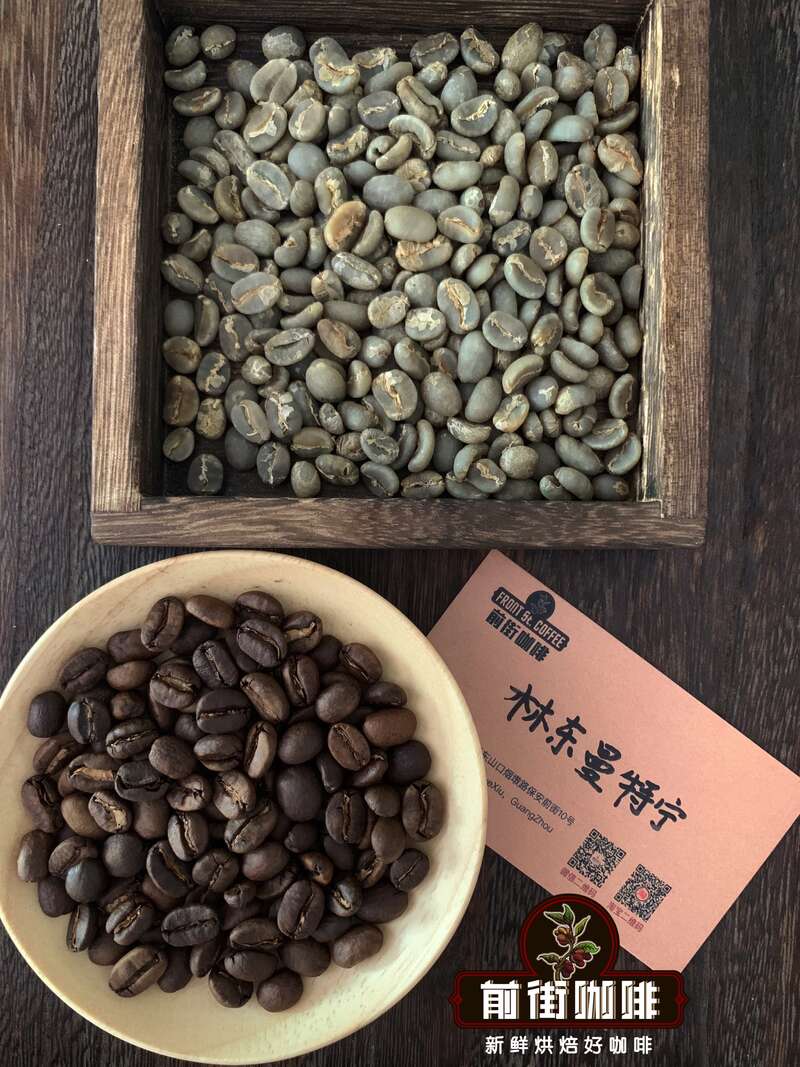
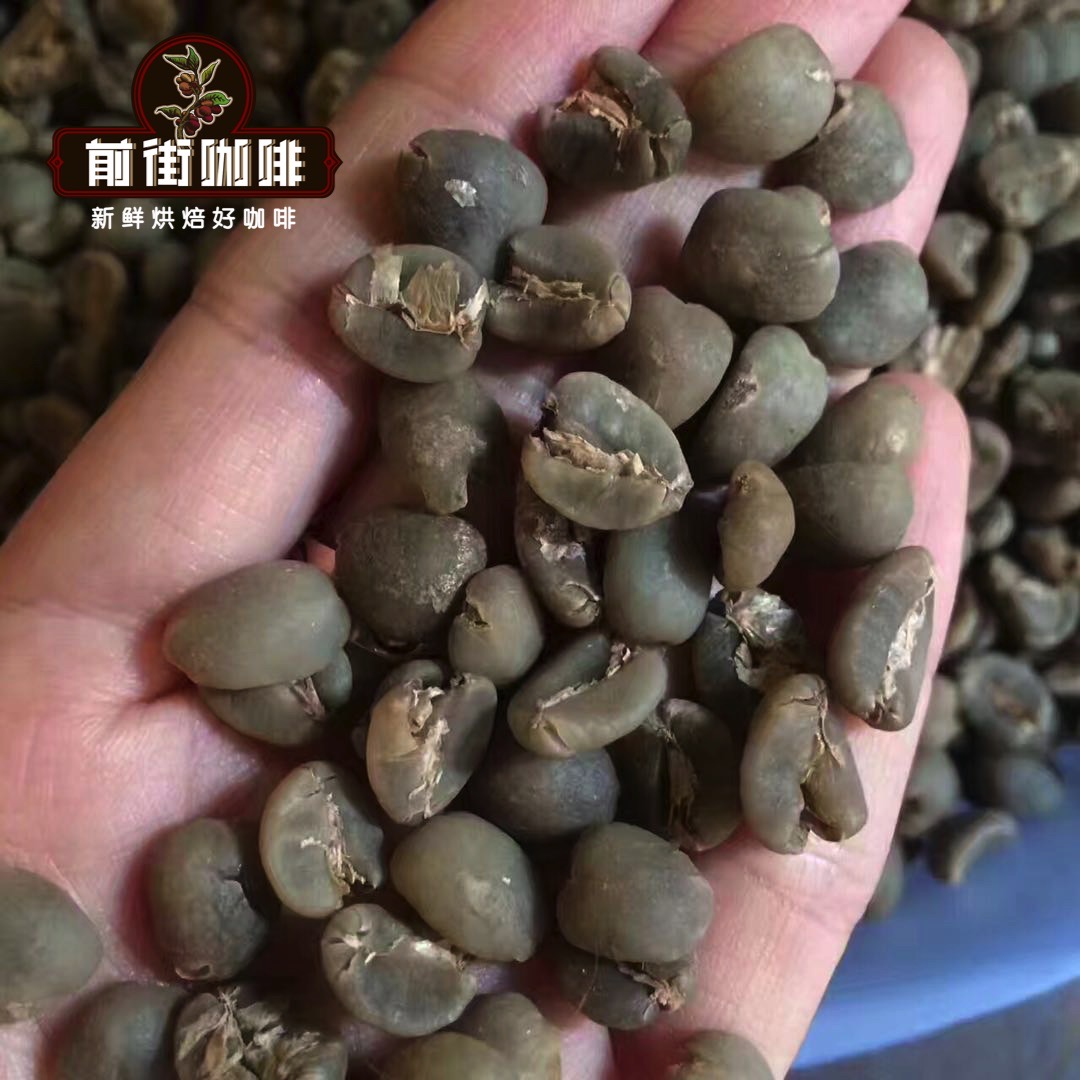
Lintong Mandheling represents the central-northern Sumatran Lintong region, grown at altitudes of about 1100–1600 meters, commonly using the TimTim and Ateng varieties. This coffee is processed using the standard wet-hulling method, with flavor notes primarily of toasted bread, nuts, caramel, pine, and herbs. Because the beans are semi-hard and semi-wet during processing, they can be easily damaged when removing the parchment layer, resulting in the so-called "elephant hoof bean" appearance. This is actually a common trait of Mandheling and not a defect. However, Lintong Mandheling generally has lower precision in sorting and processing, resulting in less consistent quality than premium regions, though its bold flavors remain widely praised.
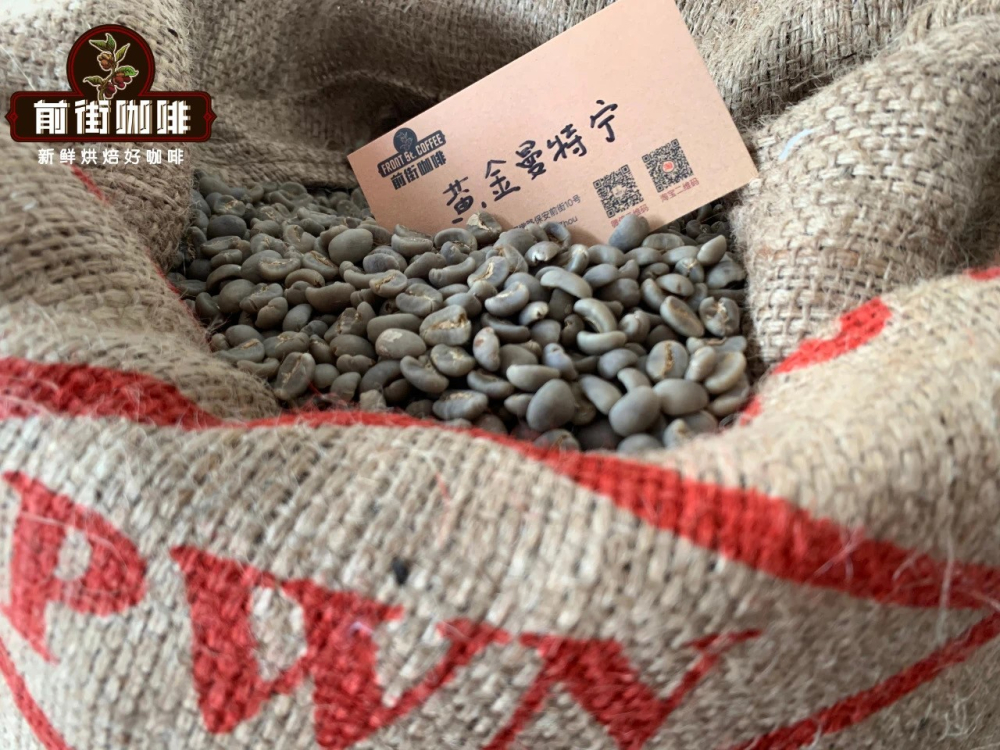
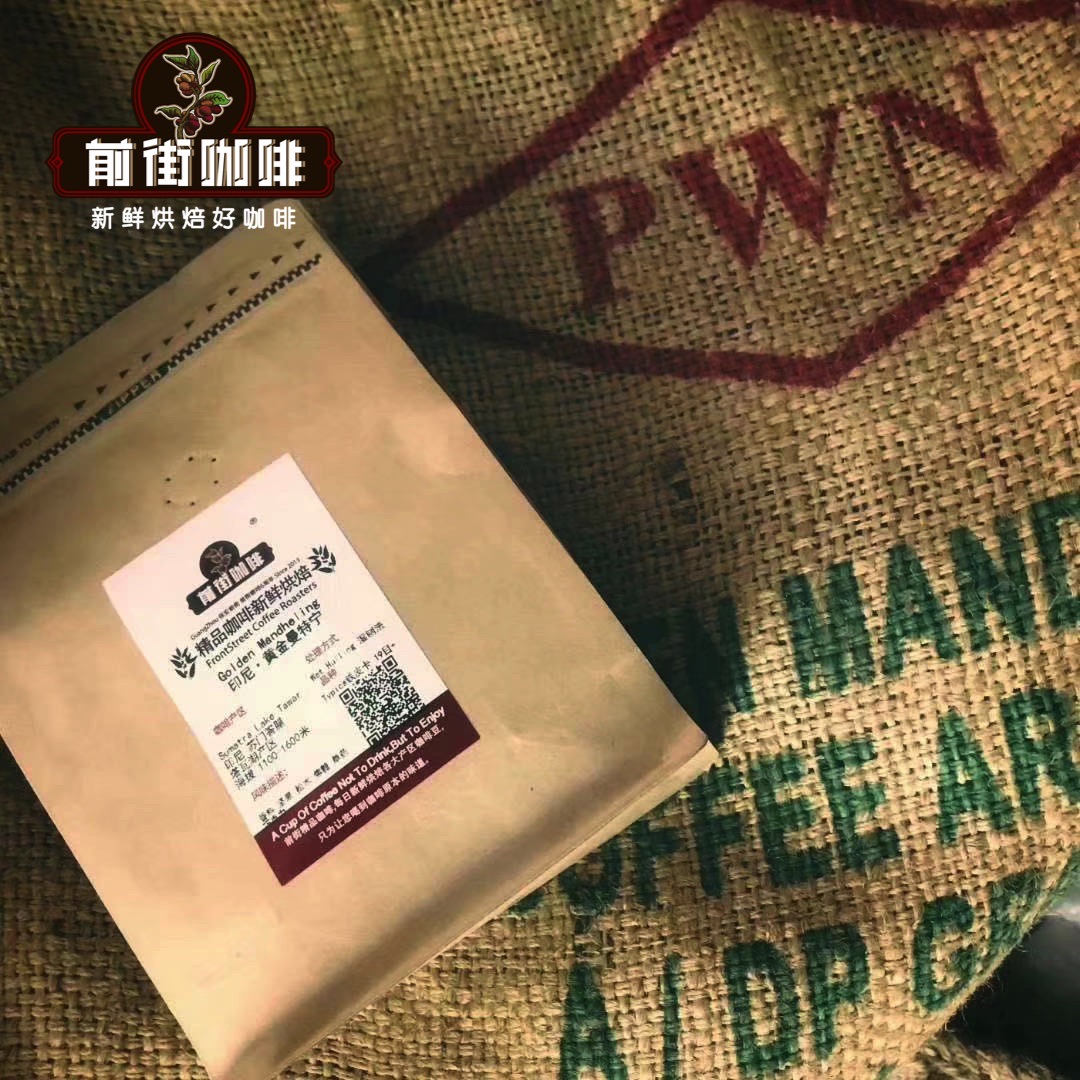
Compared to Lintong Mandheling, Golden Mandheling can be considered an upgraded, rigorously selected version. Grown in the Gayo Mountains of Aceh, Sumatra, also at 1100–1600 meters altitude, it primarily uses the Ateng variety and meets the G1 grade. During processing, it undergoes density sorting, color separation, and multiple rounds of hand-picking, with fewer than 3 defects per 300 grams. The beans are uniform in shape, deep green in color, and consistent. Golden Mandheling is often described as having a golden sheen under sunlight, hence its name. Its flavor is cleaner and brighter, with layers of spice, herbs, caramel, nuts, and chocolate, lower acidity, and stronger sweetness. Notably, the Golden Mandheling trademark is owned by Indonesia’s PWN company, not the earlier Japanese partner—whose registered name was “Gold Top Mandheling.” Though there is little difference in flavor, their market positioning and packaging strategies differ.
Another notable Sumatran coffee is Tiger Mandheling, grown at around 1500 meters altitude using varieties such as Catimor, Typica, and Sidikalang, also processed with the wet-hulling method. Its flavor profile features nuts, cream, dark chocolate, caramel, and pine, with a more balanced and rich taste, ideal for coffee lovers who prefer medium-to-dark roasts.
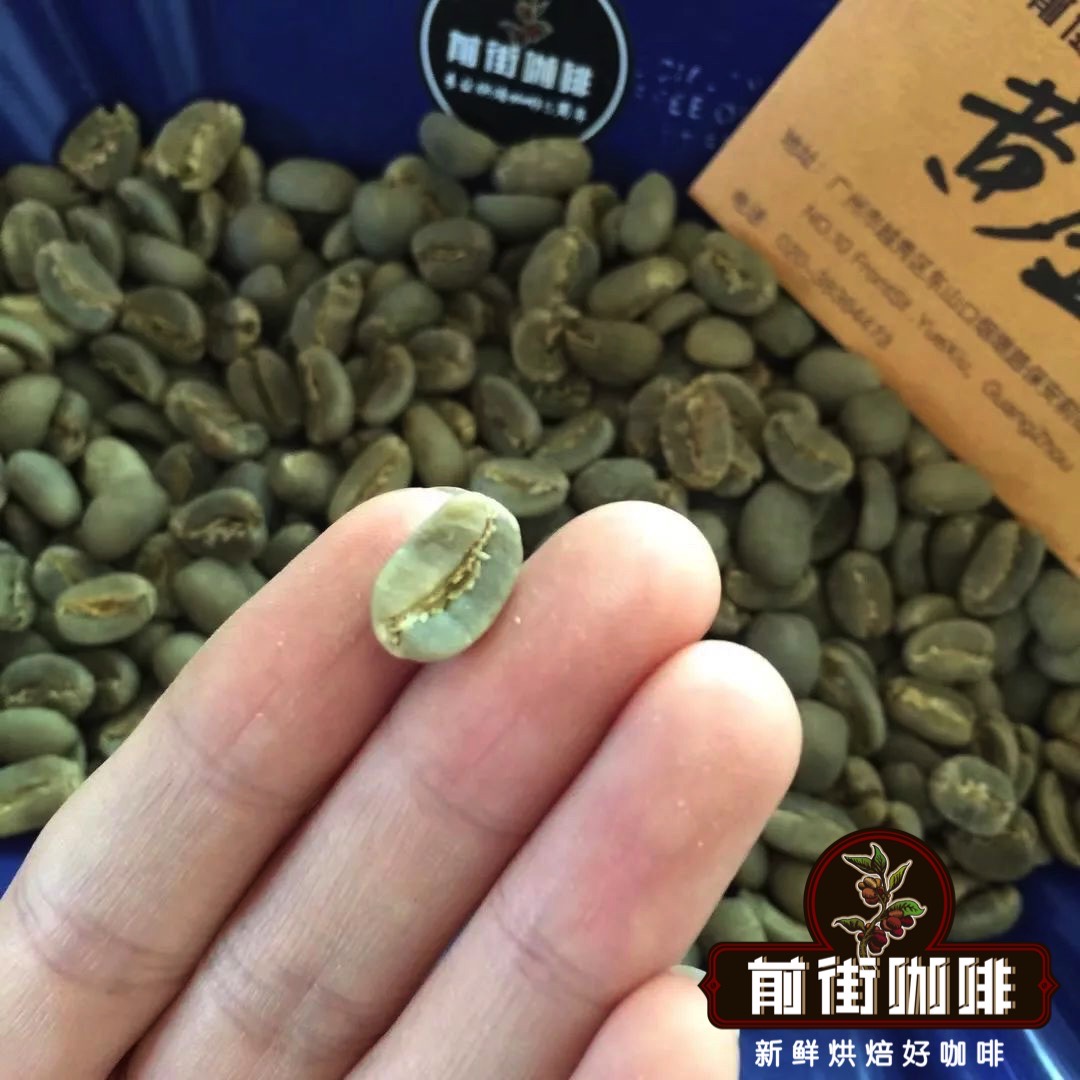
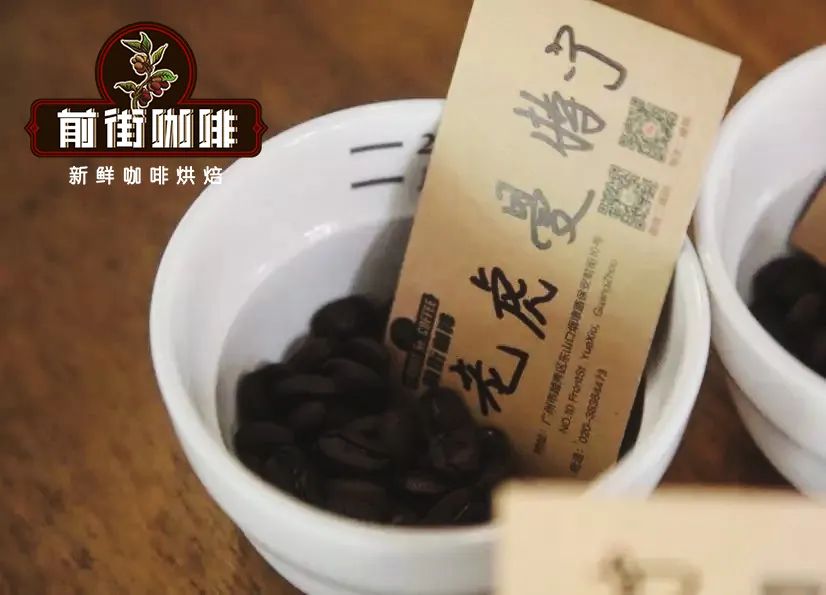
If you’re looking to experience an even more distinctive Sumatran flavor, aged Mandheling is a must-try. These beans are typically stored properly for 2–3 years, during which acidity decreases, sugars transform, and the flavor shifts toward mature notes like wood, malt, caramel, and herbs. With low acidity and a full body, it offers a steady, Pu-erh-tea-like texture. The aging process originated from coffee preservation needs during Indonesia’s colonial era but is now a deliberately pursued specialty technique.
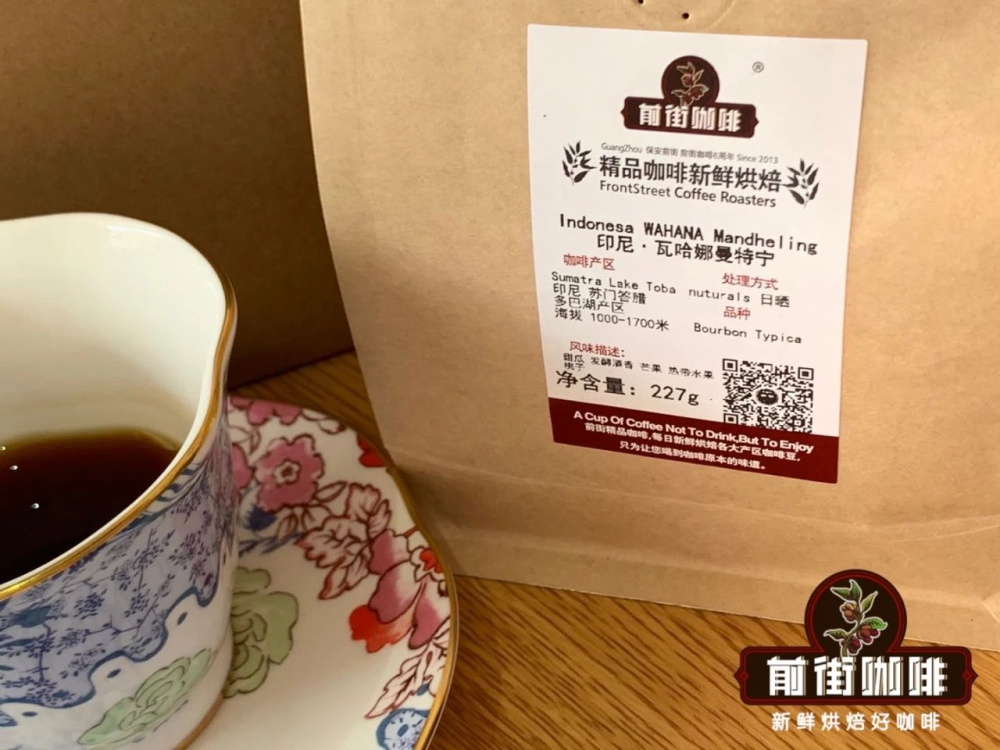
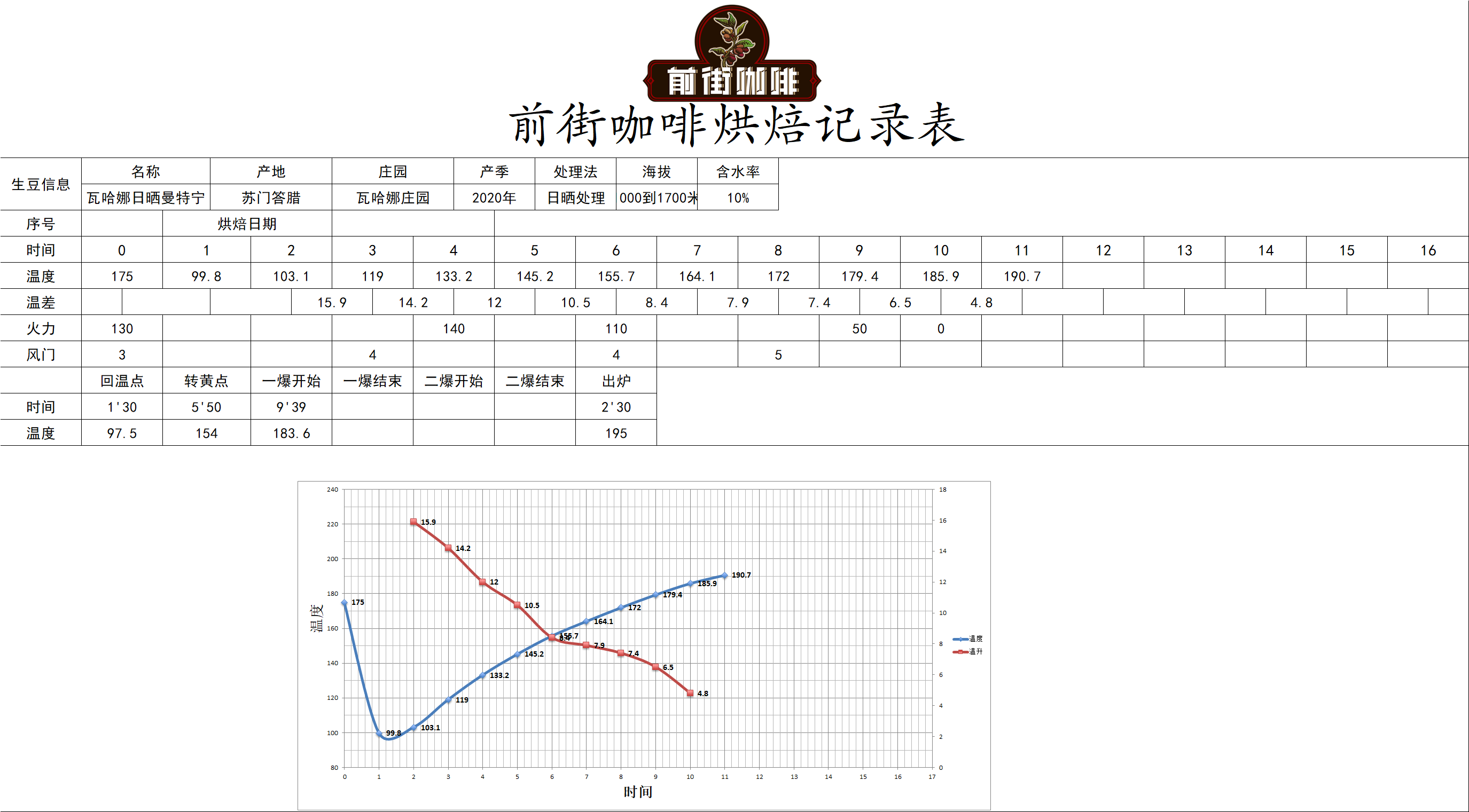
Additionally, a small number of Sumatran Mandheling beans are processed using the natural (sun-dried) method, such as those from Wahana Estate. Grown at 1000–1700 meters in the Lake Toba region using Bourbon and Typica varieties, the natural process imparts pronounced fermentation aromas like melon, tropical fruits, mango, and peach. With moderate acidity and a smooth mouthfeel, it brings a refreshing and distinct flavor to Sumatran coffee.
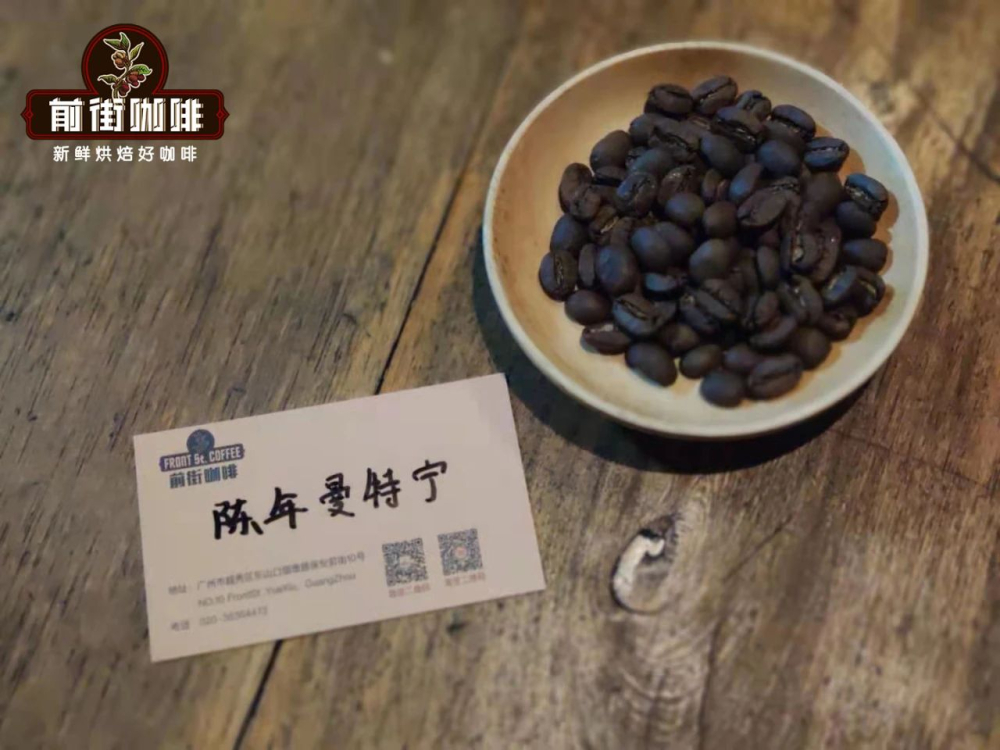
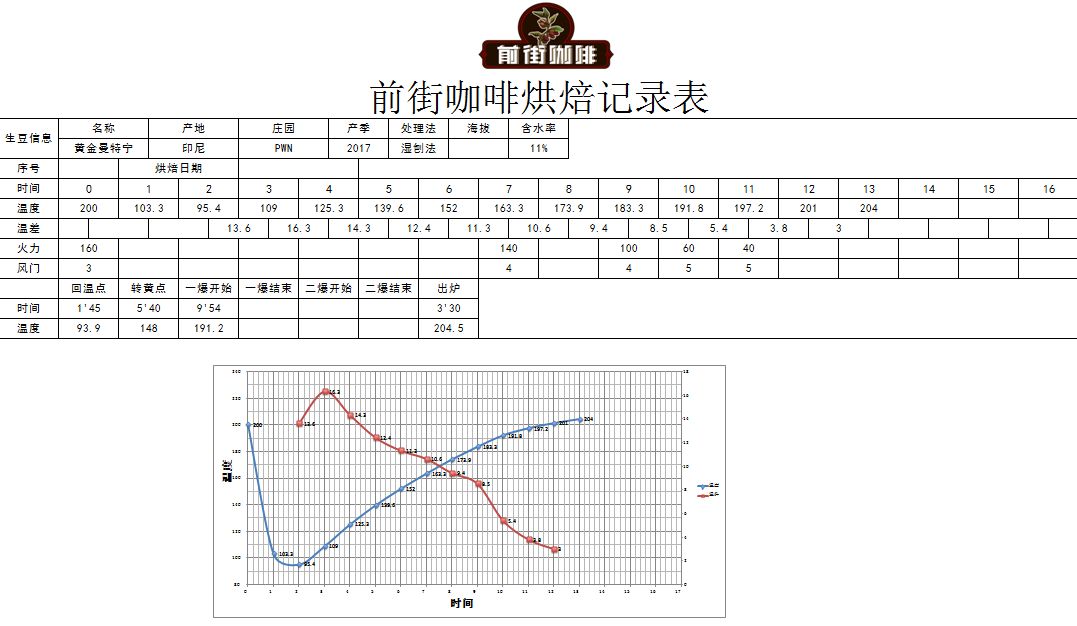
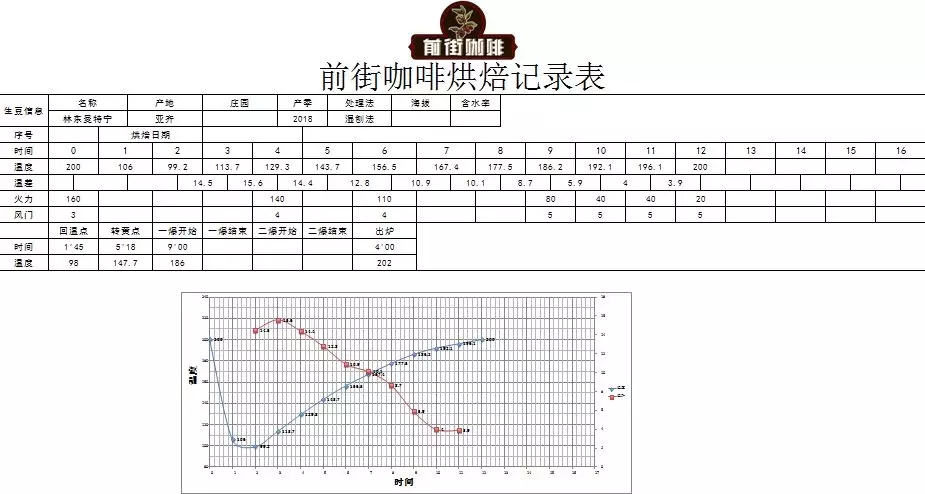
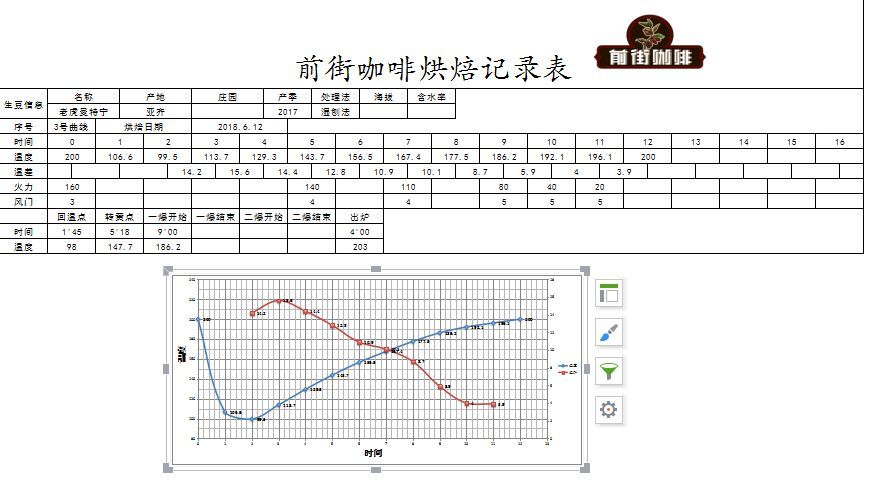
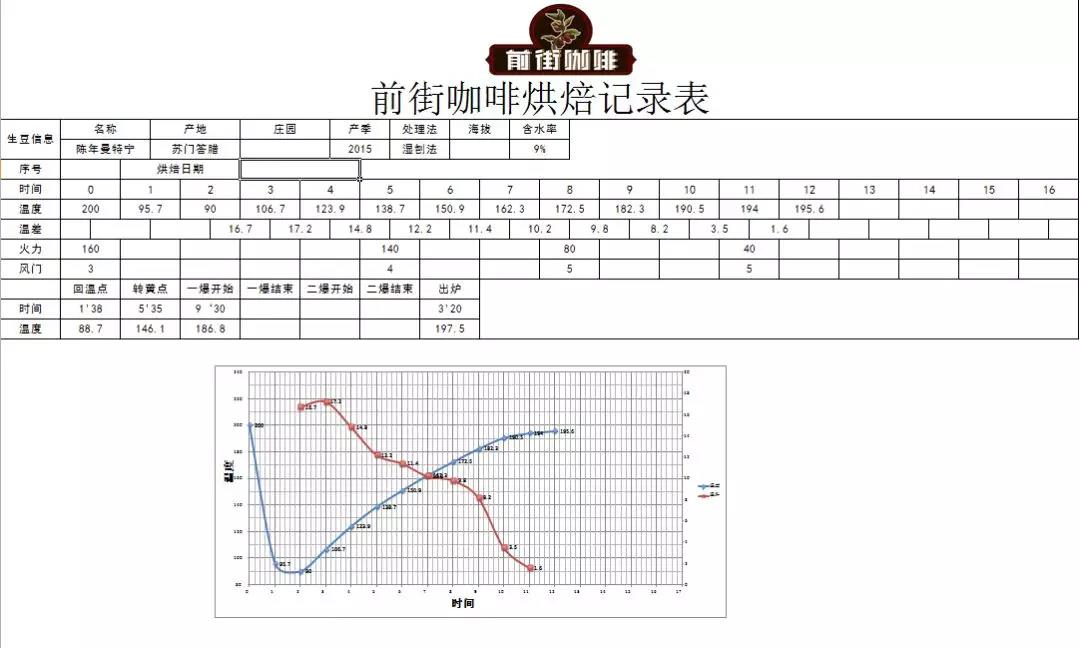
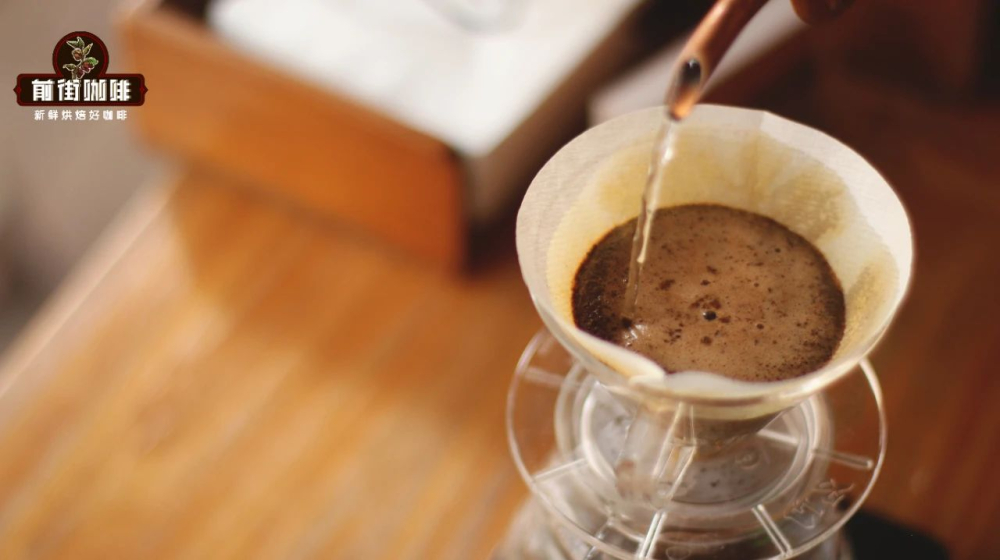
In terms of roasting and pour over parameters, Mandheling beans of different processing methods and origins also show clear variations. Generally, medium-to-dark roasts are suitable for beans emphasizing body and low acidity, such as Golden Mandheling, Lintong Mandheling, and Tiger Mandheling. It is recommended to use a Kono filter, with water temperature around 88°C and a finer grind (70–75% passing through a #20 sieve). For natural Mandheling, which is typically medium-light roasted, a V60 filter is suggested, with water at 90°C and a slightly coarser grind (80% passing through a #20 sieve), to highlight its fruity and fermented aromas.
In summary, Sumatra’s wet-hulling method not only shapes the unique regional character of Mandheling but also secures its place in the international coffee market. From the classic Lintong Mandheling to the carefully selected Golden Mandheling, and on to specially processed aged and natural versions, each coffee showcases the diverse and captivating potential of Sumatran coffee.
The above content is compiled by CoffeeHunters, a coffee news website.

