







Introduction:SOE (Single Origin Espresso beans) has garnered significant attention in recent years, but how should one choose between it, traditional espresso blends, and single-origin pour over beans? This article delves into the characteristics of SOE coffee beans, the differences between single-origin beans and blends, explores whether SOE is suitable for pour over, and provides tested extraction and brewing parameters—including detailed data on Ethiopian Natural Red Cherry SOE—to help you master its flavor profile and brewing techniques.
With the rise of specialty coffee trends in recent years, SOE (Single Origin Espresso, or single-origin espresso beans) has gradually become a focal point in the market. Many coffee enthusiasts wonder how SOE differs from regular espresso blends or single-origin pour over beans. In particular, can an SOE single-origin bean like Ethiopian Natural Red Cherry be used for pour over? This article will break down these questions in detail, guiding you through definitions, flavors, roasting, extraction, and practical applications to gain a comprehensive understanding of the world of SOE coffee beans.
What is single-origin coffee? Single-origin coffee generally refers to coffee beans sourced from a single origin and a single variety, such as well-known regions like Ethiopia’s Yirgacheffe and Sidamo Guji, or countries like Colombia and Indonesia’s Mandheling. These coffee beans exhibit unique flavor profiles due to differences in regional climate, altitude, and processing methods. For example, African beans from Ethiopia often display prominent fruity acidity and floral notes, such as citrus and berries; whereas Indonesian Mandheling is known for its full body, low acidity, and herbal or spicy characteristics. Single-origin coffee is typically suitable for pour over, as it can subtly highlight regional flavors with relatively stable and consistent taste profiles.
What is SOE coffee? SOE stands for Single Origin Espresso, meaning “espresso beans from a single origin.” Although it shares with single-origin coffee the emphasis on a single origin, SOE is primarily designed for high-pressure extraction using espresso machines, rather than for pour over. In terms of roast level, SOE is usually medium-dark to medium roast, to withstand the high-pressure environment and highlight its flavor characteristics. Because espresso machines under high pressure amplify coffee characteristics, if not handled properly, some SOEs may present overly sharp acidity or a monotonous mouthfeel. Therefore, SOE is not the first choice for specialty coffee enthusiasts but is instead a single-origin bean variety developed specifically for espresso needs.
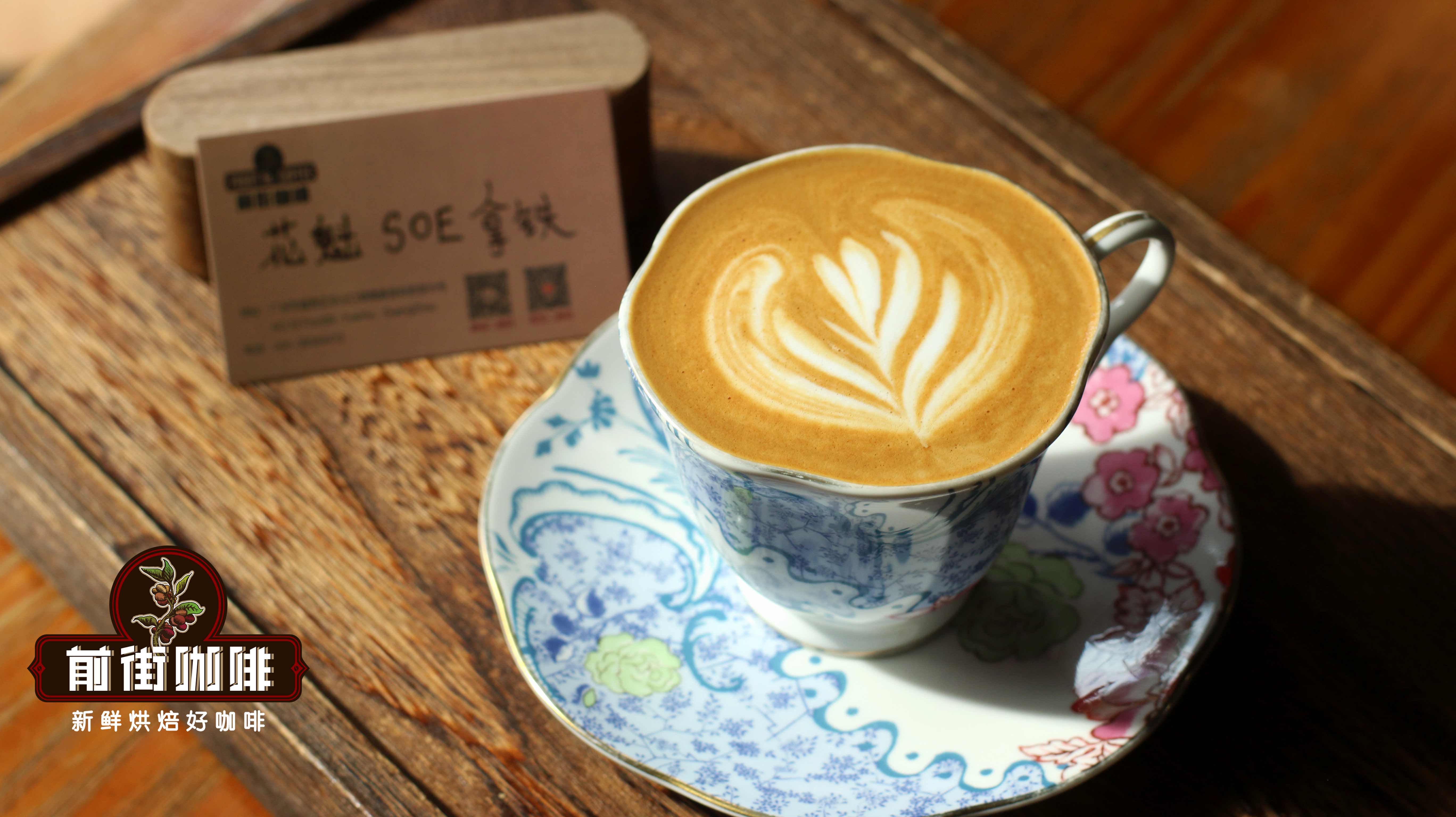
So why has SOE become so popular in recent years? The key lies in its application flexibility. SOE can be used to make a variety of coffee beverages, including Americanos, lattes, cappuccinos, and even creative specialty drinks. Many coffee shops have launched SOE specialty stores precisely because of its distinct origin characteristics, which can impart a more unique base flavor to milk-based coffees or flavored coffee drinks. However, because the flavors of a single origin can be easily influenced by factors such as climate, micro-region, and processing method, there may be slight variations in flavor from year to year or batch to batch, and absolute consistency cannot be guaranteed—this is also one of the reasons why some shops choose not to offer SOE.
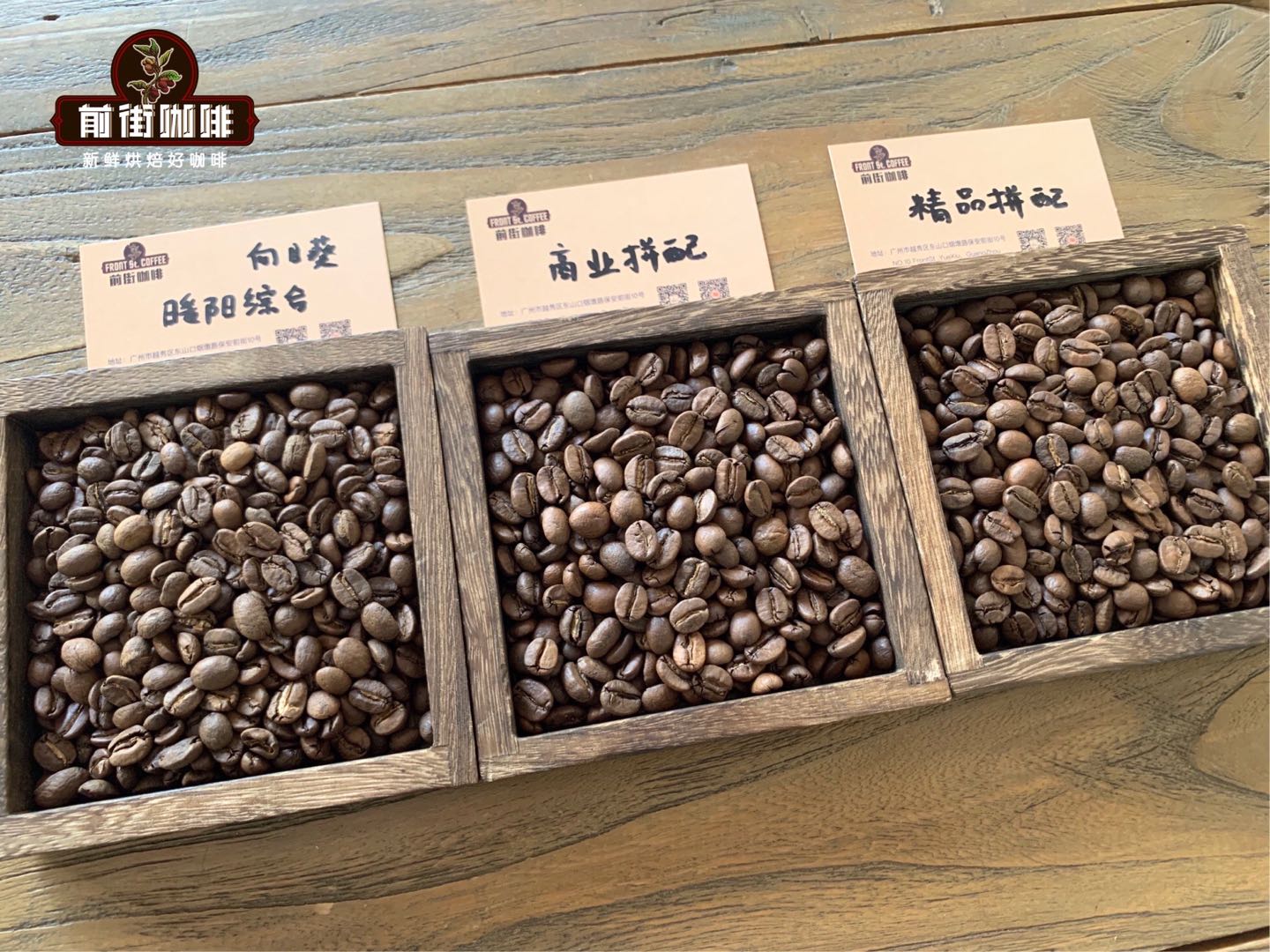
The role of blended coffee Blended coffee is typically made by mixing beans from different origins in specific proportions, aiming to balance flavors, stabilize extraction performance, and control costs. Originally originating in Italy, blended beans are commonly used to enhance espresso machine performance—for example, improving crema, balancing acidity and sweetness, and ensuring daily consistency in output. Blends are divided into “pre-roast blends” (mixed before roasting) and “post-roast blends” (mixed after roasting), with the former emphasizing synergistic fermentation between beans and the latter focusing on flavor integration. Commonly seen lattes and cappuccinos often use blended beans to ensure smoothness and harmony with milk flavors.

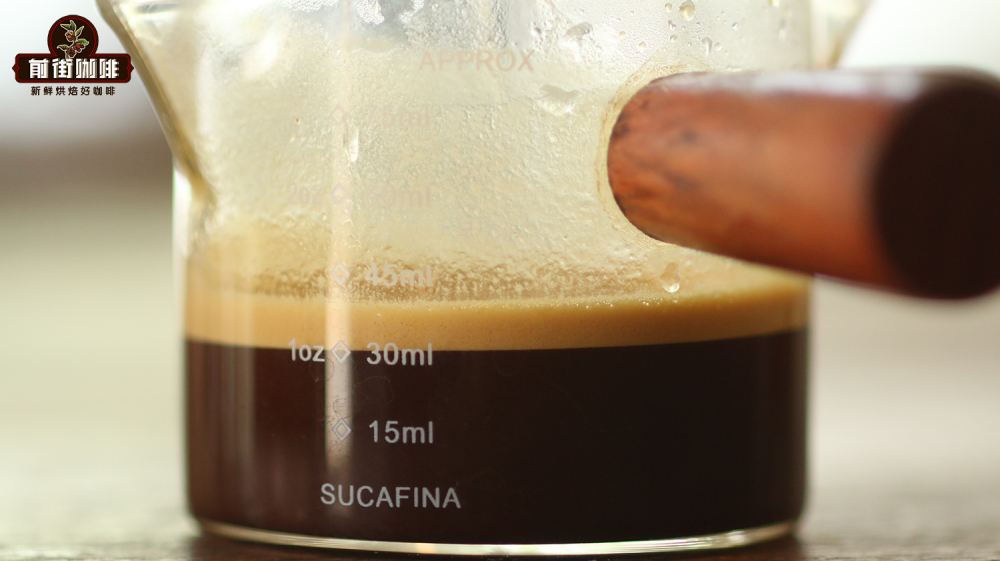
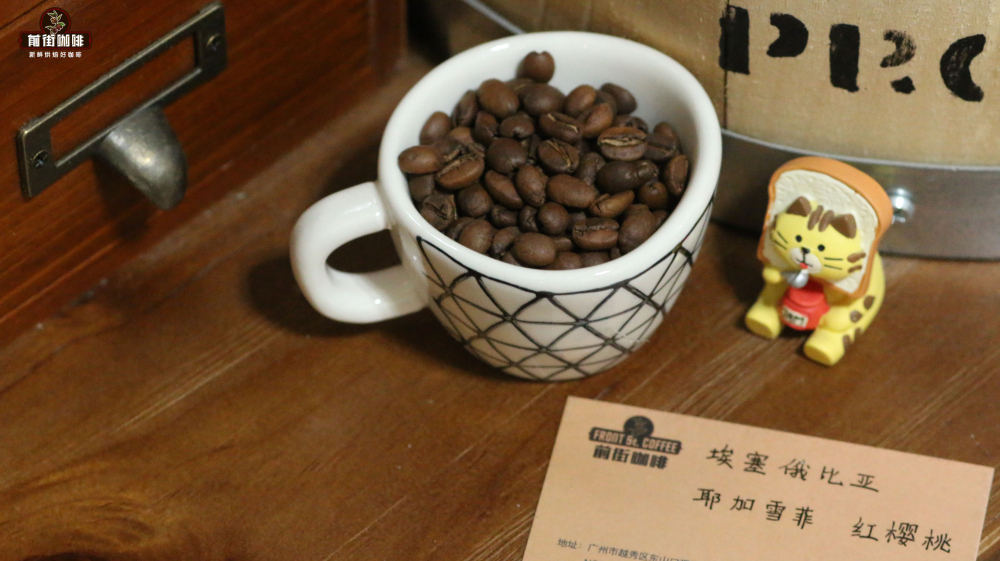
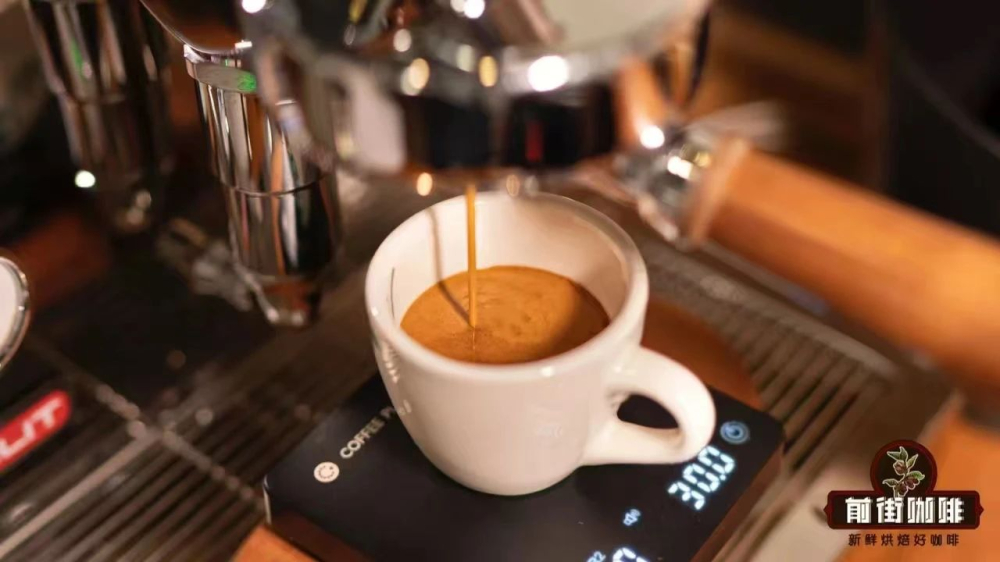
Considerations when choosing SOE and tested parameters If you prefer SOE, it is recommended to choose beans with a moderate roast level. Too light a roast may lead to under-extraction, resulting in sour, astringent, and rough flavors; too dark a roast may mask flavors with carbonization, making it difficult to showcase origin characteristics. Tested on Ethiopian Yirgacheffe Natural Red Cherry SOE using a light roast, suitable for espresso. Extraction parameters: 20 grams of coffee grounds, 40 grams of espresso, extraction time 30 seconds, yielding citrus, berry, and fermented aromas, with bright acidity and moderate body—suitable for drinkers who enjoy vibrant fruity flavors.

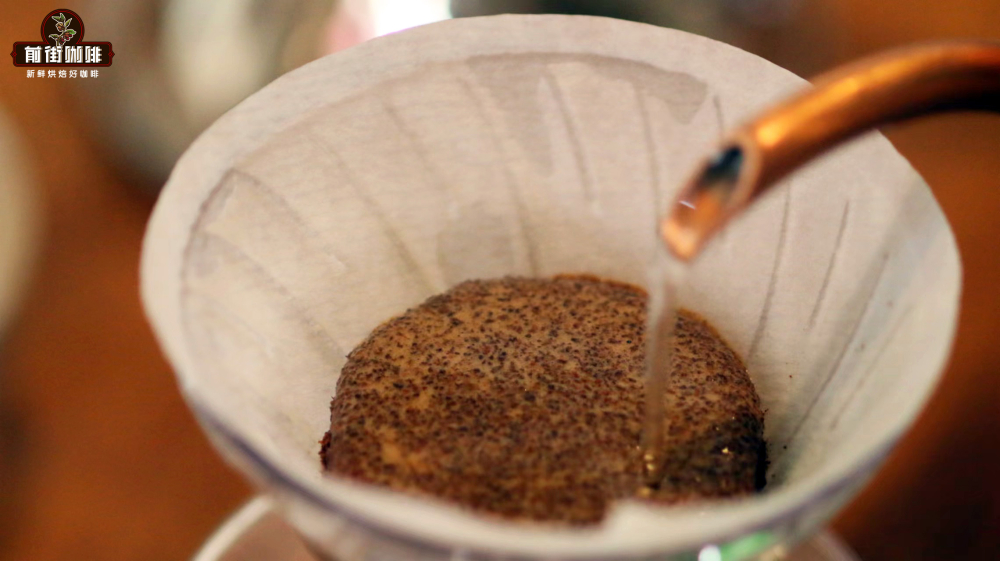
SOE pour over feasibility and single-origin brewing suggestions Although SOE is primarily designed for espresso use, high-quality lightly roasted SOE can also be tried with pour over. Taking Red Cherry Natural as an example, suggested pour over parameters: 15 grams of coffee, water-to-coffee ratio 1:15, water temperature 91°C, using a V60 filter, grind size approximately 80% passing through a #20 sieve. For brewing technique, start with a 30-second bloom using 30 grams of water, then pour in stages up to 125 grams and 225 grams, with a total extraction time of about 2 minutes. Under these parameters, the flavors exhibit clear lemon, berry, and fermented wine notes, with a pronounced sweet aftertaste—suitable for pour over enthusiasts looking to explore single-origin characteristics.
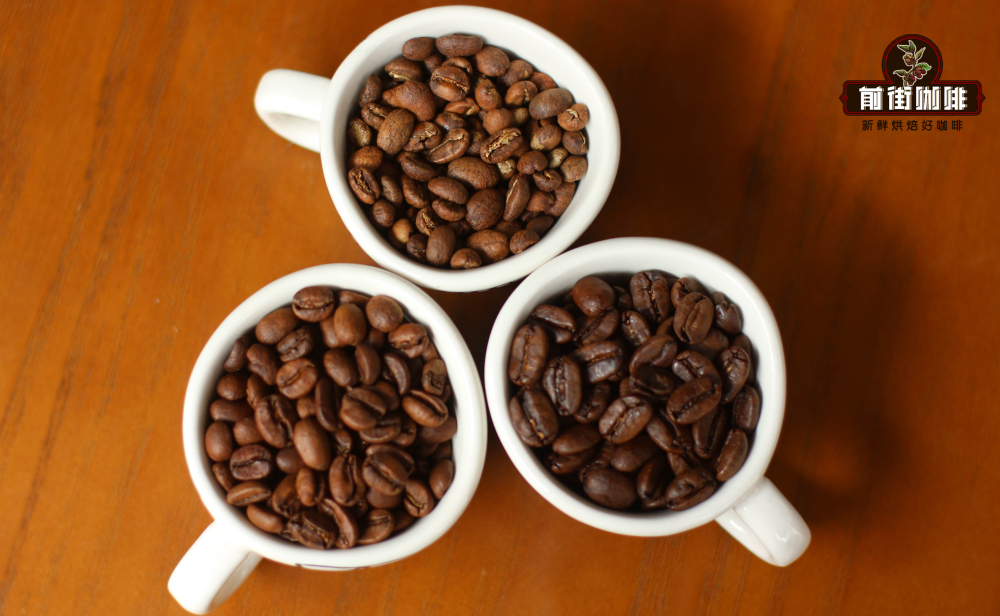
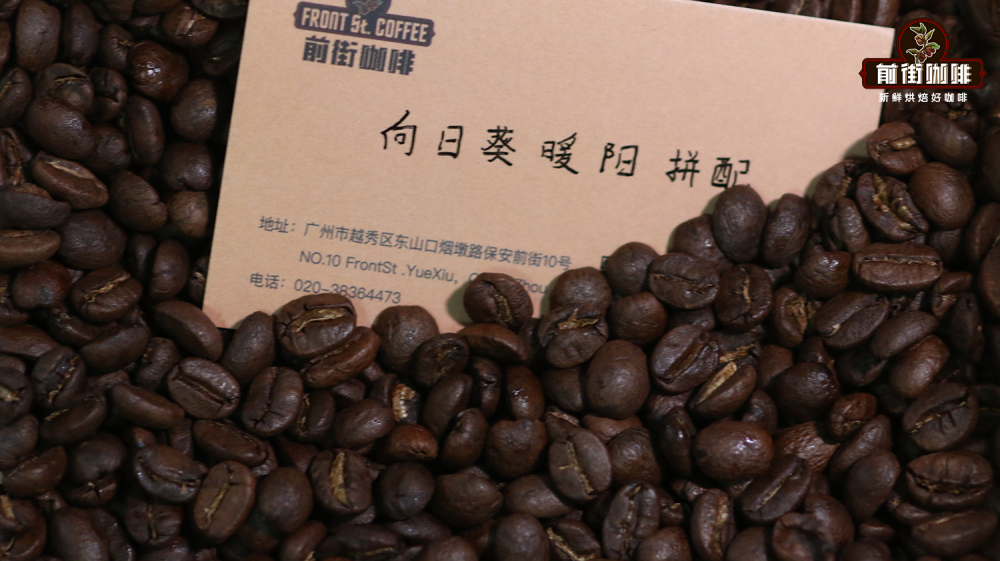
Practical parameter summary and conclusion Whether you choose SOE, blends, or single-origin beans, understanding their roast level, processing method, and suitable brewing style is key to enhancing your coffee experience. The specific parameters provided in this article for Ethiopian Yirgacheffe Natural Red Cherry SOE, along with blends (such as Sunflower Warm Sun Blend) and single-origin pour over—including coffee amount, time, water temperature, and flavor descriptions—can all serve as references for daily brewing. By weighing overall flavor stability, origin characteristics, and application flexibility, finding the coffee type that best suits your personal taste is the true joy of enjoying coffee.

The above content is compiled by CoffeeHunters, a coffee news website.

