







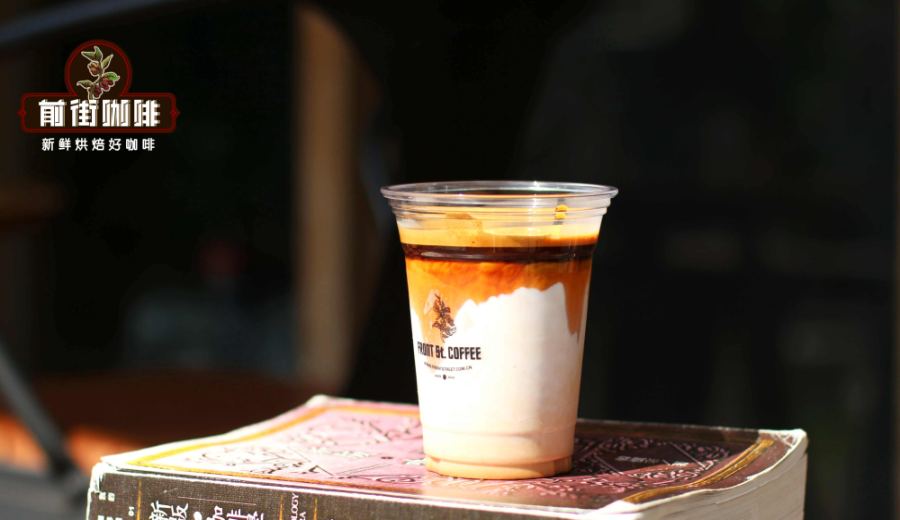
Introduction:SOE (Single Origin Espresso) coffee beans have garnered significant attention in recent years. What exactly sets them apart from regular specialty coffee? This article delves into the definition of SOE, its differences from blended beans, its advantages and challenges, and offers practical advice on roasting and extraction to help you better understand how to select and brew a cup of SOE espresso with distinct flavors.
What are SOE coffee beans?
SOE is the abbreviation for Single Origin Espresso, which literally translates to "single-origin espresso beans." These beans emphasize their origin from a specific growing region and are characterized by highlighting the unique flavor profile of that area. Unlike traditional and commonly used espresso blends, SOE is made using coffee beans from a single origin or region,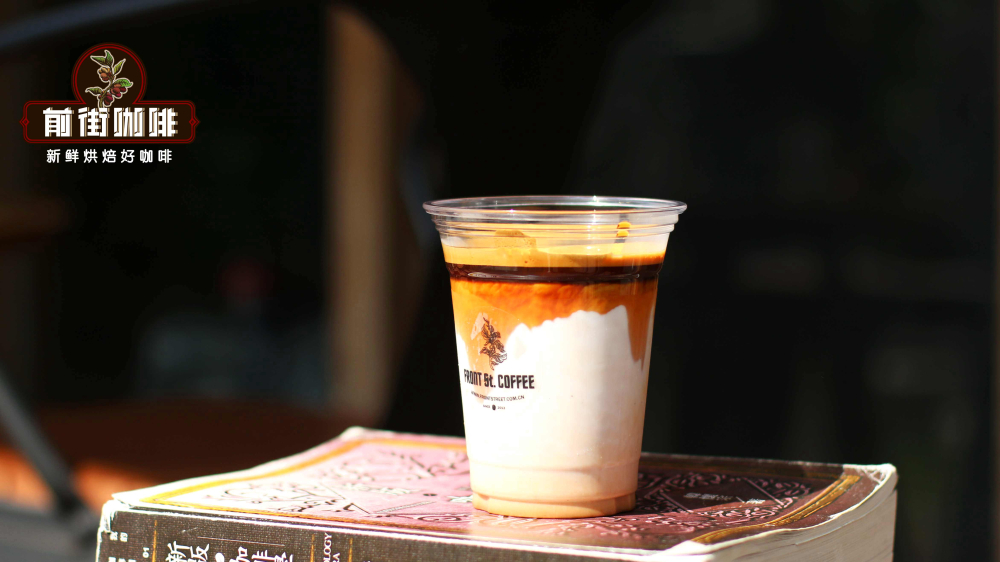 with the goal of allowing consumers to taste the most authentic and representative flavors of that particular place.
In the past, many coffee shops preferred using blended beans due to their advantages in flavor stability and cost control. However, with the rise of the specialty coffee trend, more and more consumers are seeking more distinctive and recognizable flavors, making SOE a new favorite in the market.
Is SOE the same as specialty coffee?
The answer is not entirely. The concept of specialty coffee originally emerged in the 1970s and 1980s, proposed by Ms. Erna Knutsen, referring to "coffee beans grown under special microclimates and geographical conditions, exhibiting distinct regional flavor characteristics." In simple terms, specialty coffee emphasizes the inherent quality and uniqueness of the beans, distinguishing them from mass-traded commercial beans.
On the other hand, single-origin coffee beans (Single Origin) only indicate that the beans come from the same region or processing facility, and do not necessarily represent high quality or excellent cupping scores. For example, Indonesian Lintong Mandheling G2 is a single-origin coffee, but it may not meet specialty grade standards—it still depends on the actual cupping results.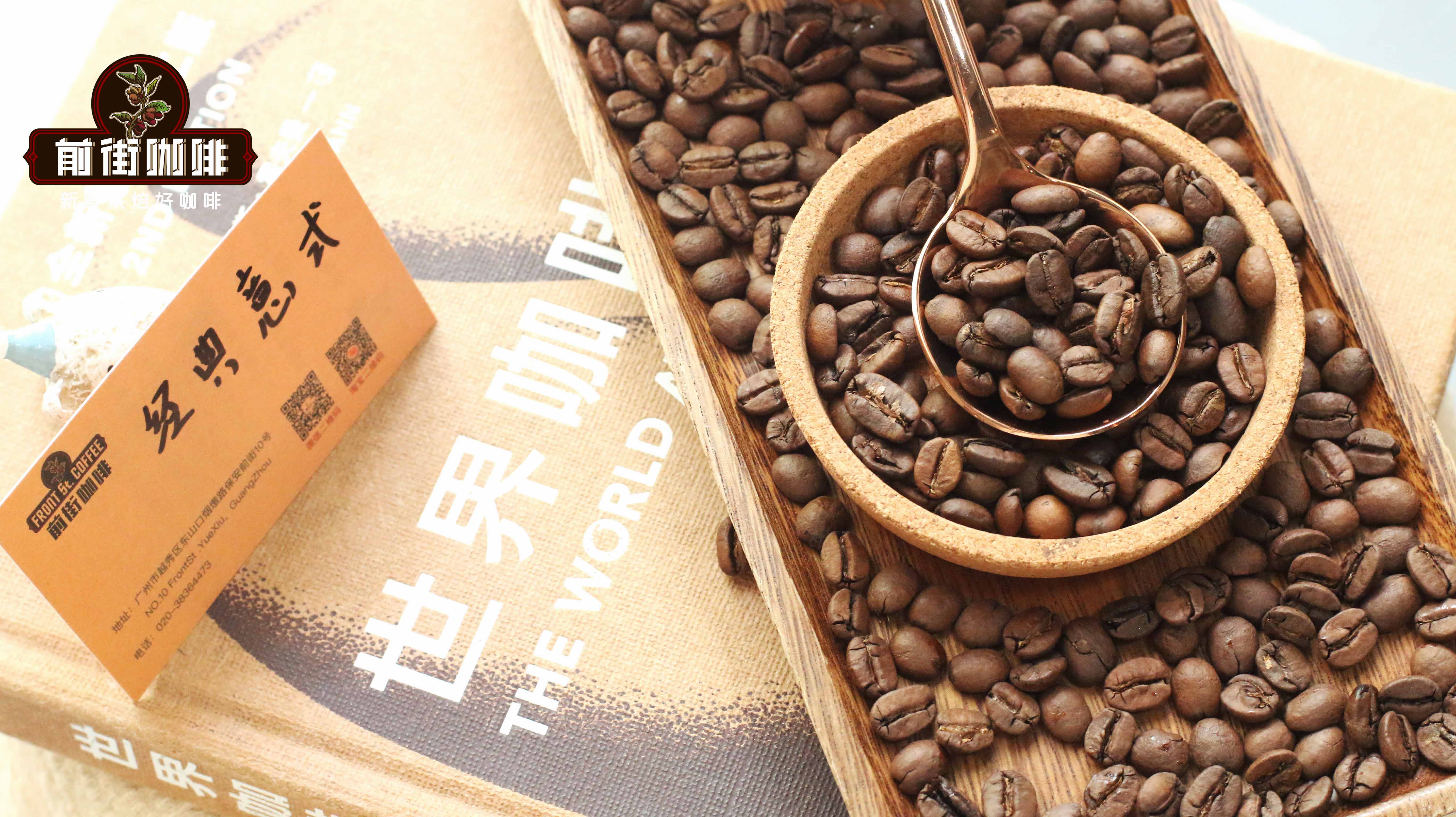
Therefore, while most single-origin coffees sold on the market are of specialty grade, not all SOEs automatically equate to high-quality specialty coffee. The key still lies in the cultivation, processing, and roasting craftsmanship of the beans themselves.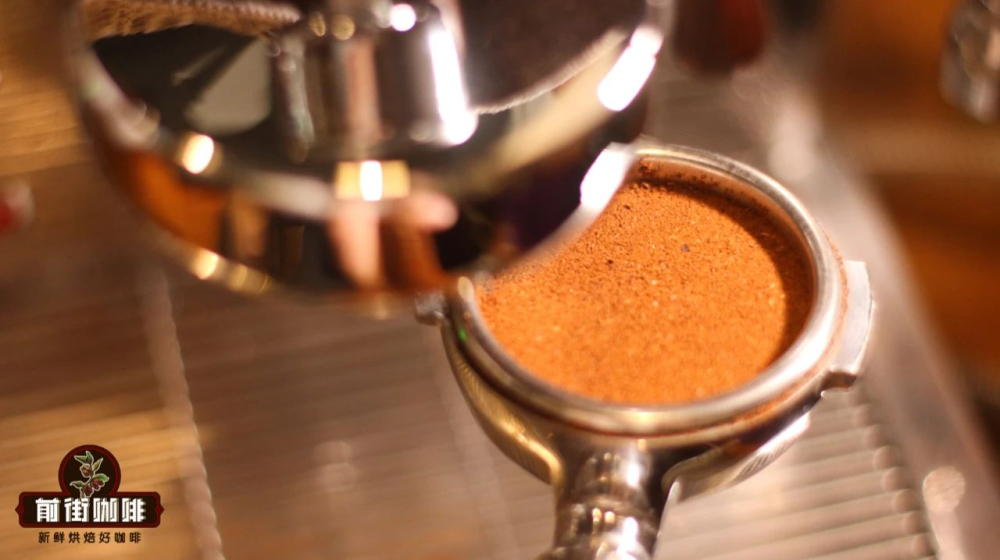
What are the advantages and disadvantages of SOE?
The greatest advantage of SOE is its ability to present clear and recognizable regional flavors, such as bright acidity, floral notes, or sweetness. These qualities are easily showcased in pour over brewing but pose a significant challenge to consistently extract in espresso. To bring out the potential of SOE in espresso, both the roast level and extraction parameters are crucial.
Generally speaking, to preserve flavor details, SOE is not roasted too dark but is chosen within the medium-light to medium roast range. However, an overly light roast can make the espresso overly sour or astringent. Therefore,roasters need to design a specific roast profilefor each bean to balance acidity, sweetness, and body.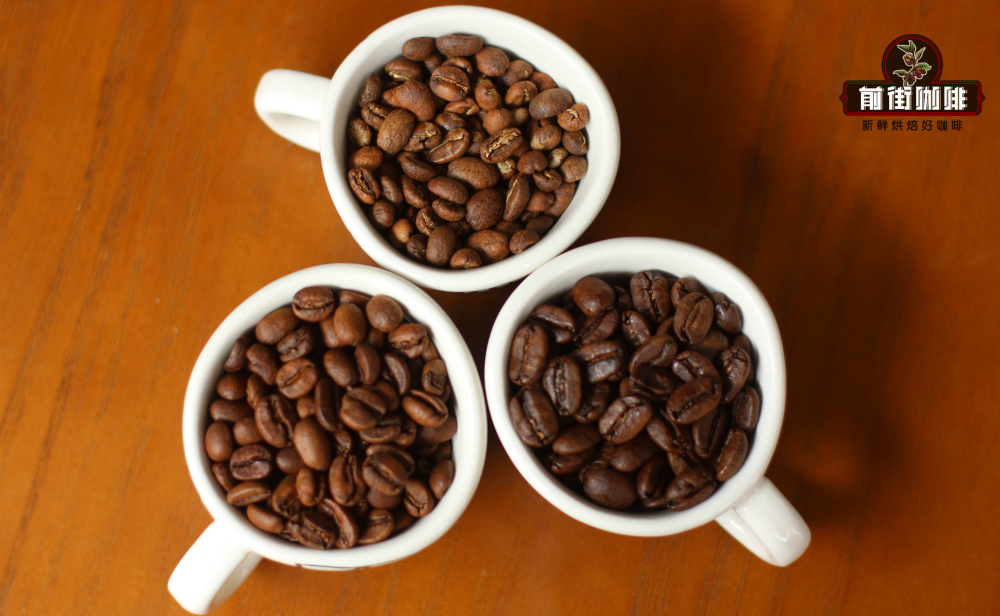
However, not all single-origin beans are suitable for use as SOE. Some beans, despite having unique flavors, may reveal impurities or lack sufficient mouthfeel during the espresso brewing process. As a result, many coffee shops typically select only 1–2 of the most suitable SOEs as their flagship offerings.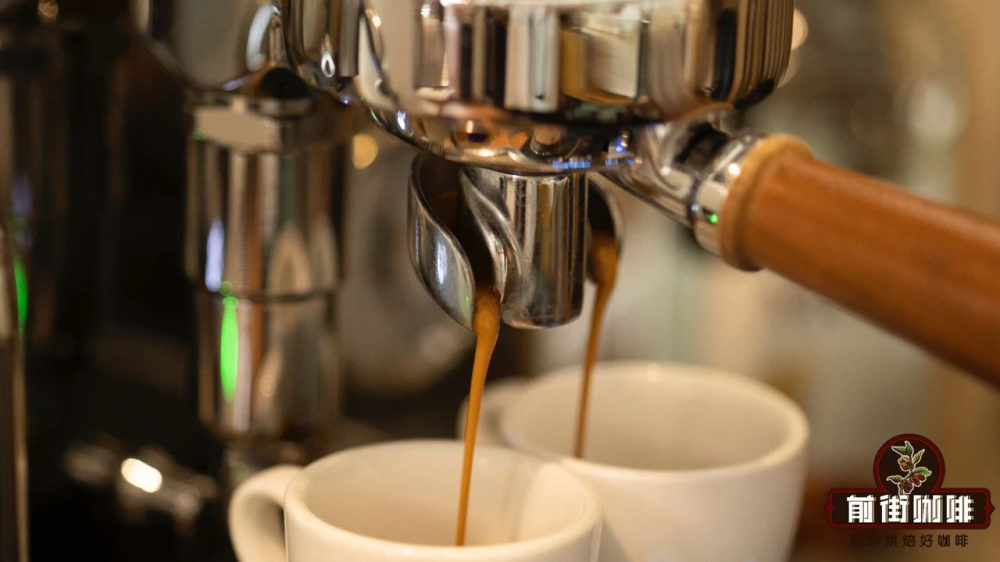
Comparison between SOE and blended coffee beans
It is generally believed that blended coffee beans are more affordable and offer stable flavors, whereas SOE emphasizes flavor expression and regional characteristics, hence commanding a relatively higher price. However, this does not mean that SOE is superior to blended beans in every scenario.
For instance, blends can complement sweetness, body, or acidity balance by combining beans from different regions, thereby creating a more well-rounded flavor profile. There have been cases where a single-sherry-flavored SOE, while distinctly winey, lacked sweetness, and only achieved a more ideal taste through blending with beans from other regions.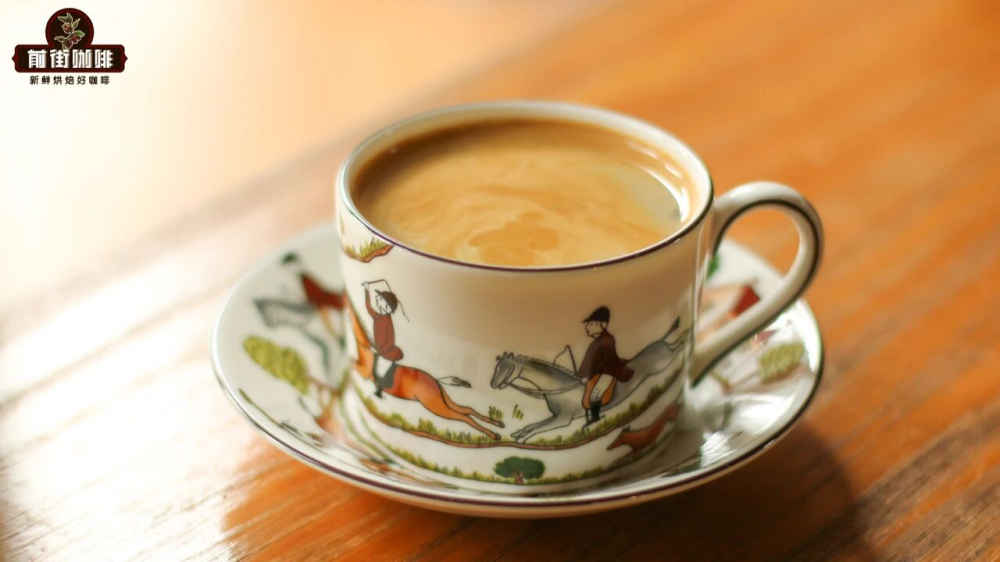
Tips and considerations for making SOE
Since SOE is usually medium-light roasted, its flavor compounds are more delicate and harder to extract, requiring more precise extraction parameters. It is recommended to moderately extend the extraction time, adjust to a finer grind size, or even slightly increase the coffee dosage to improve extraction yield and avoid sharp or thin-tasting results.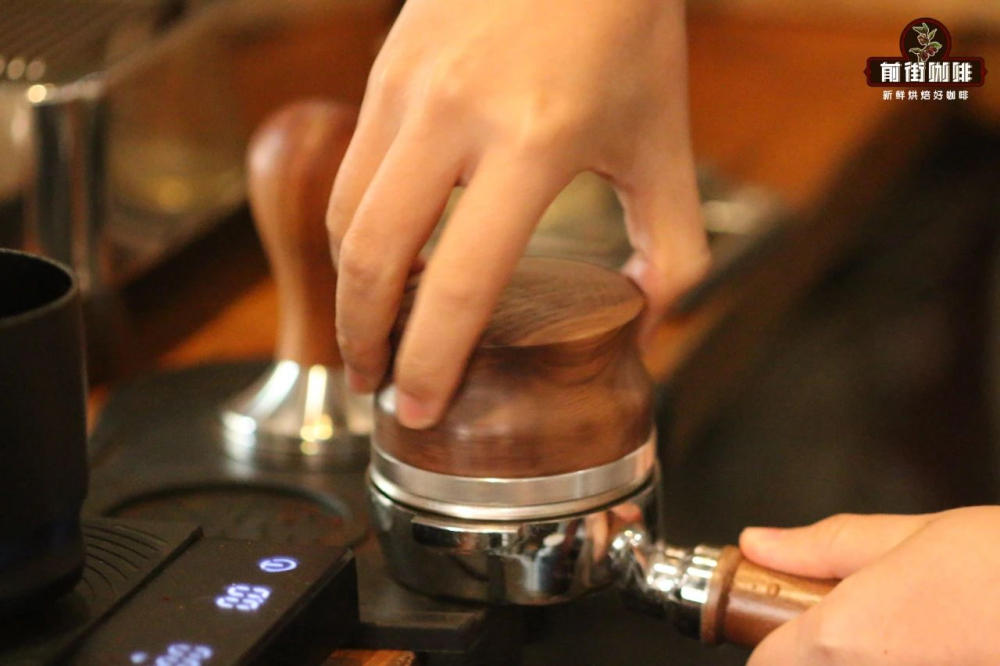
Additionally, when using SOE as the base for drinks like lattes or Americanos, the ratio of milk or water should also be adjusted. It is advised to reduce dilution to make the flavors more concentrated. For example, an Americano made with Yirgacheffe SOE often exhibits distinct citrus, floral, and honey notes, with a long-lasting aftertaste—qualities that many dark-roasted blends struggle to match.
Finally, the coffee beans selected for SOE must undergo rigorous screening—not only should the variety and processing method be appropriate, but roasting must also pay attention to heat, duration, and cooling speed to avoid amplifying any bean defects. Without a stable and high-quality green bean supply, the performance of SOE may fall short of expectations or even accentuate its shortcomings.
The above content is compiled by CoffeeHunters, a coffee news website.

