








Introduction:Want to understand the unique coffee farming characteristics of Ethiopia’s Sidamo region and how to brew a fruit-forward sun-dried Huacai coffee? This article takes an in-depth look at Sidamo’s geography, smallholder farming model, and native variety traits, while also detailing the processing method and flavor profile of the rare Hembara Huacai. You’ll also find practical pour over parameters and steps to help you easily extract its charming berry and floral notes.
Ethiopian coffee is celebrated for its distinctive floral, citrusy, and tropical fruit aromas, making it a holy grail for specialty coffee enthusiasts worldwide. Among its renowned regions, Yirgacheffe and Sidamo stand out the most. This piece will take you deep into this country with a long history of coffee cultivation, focusing specifically on Sidamo’s geographical conditions, farming features, and its most iconic sun-dried Huacai beans.
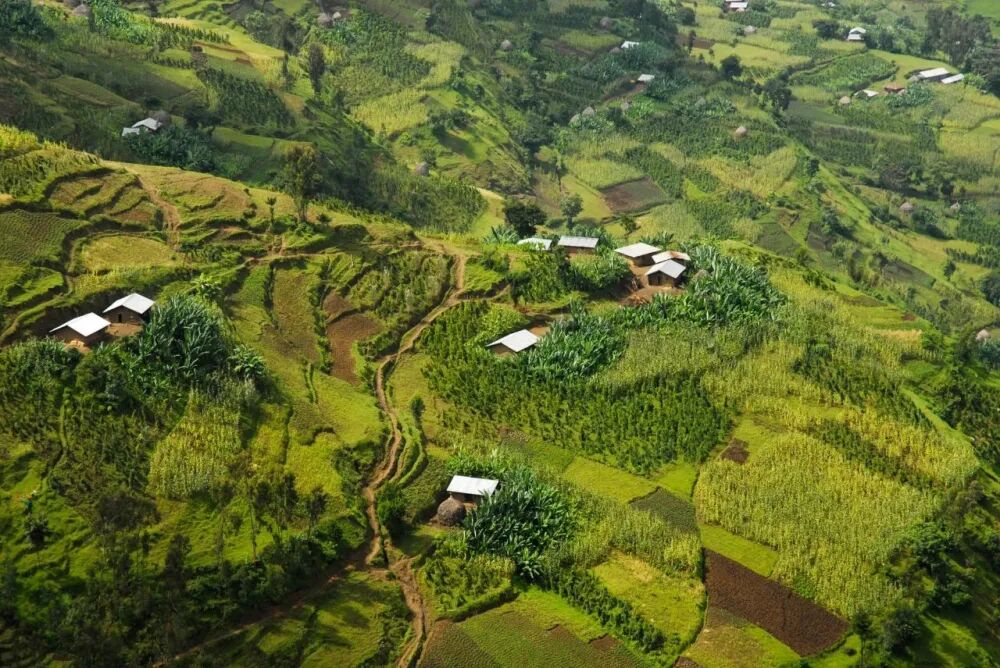
Ethiopia has a typical tropical highland climate, with frequent fog, abundant rainfall, and an average altitude exceeding 2,000 meters. The significant day-night temperature variation provides an ideal growing environment for coffee trees. The local coffee production systems can be divided into four types: forest coffee, semi-forest coffee, garden coffee, and plantation coffee, with garden coffee being the most predominant. This model involves farmers intercropping coffee trees with other cash crops such as banana trees on their own land, creating an eco-friendly and economically beneficial green landscape.
As the birthplace of Arabica coffee, Ethiopia boasts an extremely high level of varietal diversity, with many varieties yet to be fully genetically classified or named. To protect these precious and unique genetic resources, the local government collectively classifies them as ‘Heirloom.’ These coffee beans are typically small in size, round but irregular in shape, usually falling between 14 and 15 mesh sizes. Their cupping profiles often showcase captivating floral and fruity notes, making them highly favored by coffee aficionados.
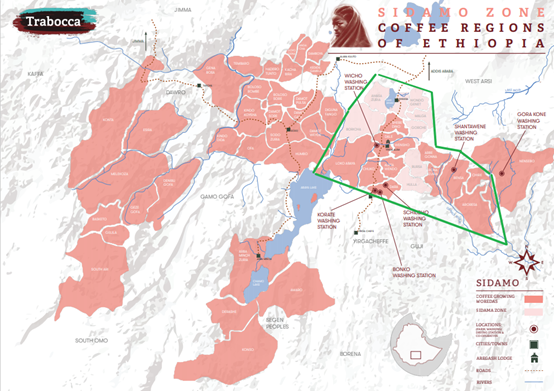
Coffee is grown across all five major regions of the country, with key producing areas including Gimma, Sidamo, Yirgacheffe, Harrar, Limu, Illubabor, Genji (Lekempti), Teppi, and Bebeka. Among these, Yirgacheffe, Harrar, and Sidamo are the most famous, collectively known as Ethiopia’s three classic coffee regions. The Sidamo beans used in this case come from the highland areas south of Lake Awassa, at altitudes ranging between 1,500 and 2,200 meters. With ample rainfall and a climate highly suitable for coffee growth, the high elevation combined with moderate shading allows the coffee cherries to ripen slowly in a cool environment, thereby accumulating richer flavor compounds.
Like other well-known Ethiopian regions, Sidamo’s coffee is primarily cultivated by smallholders, with limited output per household. After harvest, the coffee cherries are mostly sent to nearby processing facilities or cooperatives for unified post-harvesting, then sold under the name of the processing site. In recent years, with the rise of the specialty coffee trend, more producers have adopted direct procurement models to strengthen control and traceability of micro-lots, further enhancing coffee quality and flavor expression.
Regarding the region’s name, there are two common Chinese translations: ‘西达摩 Sidamo’ and ‘西达马 Sidama.’ In fact, the name Sidamo originates from the indigenous Sidama people, who have a unique culture and even a UNESCO-recognized traditional New Year celebration called Fiche Chambalala. However, during the colonial period, the region was erroneously named Sidamo, which carried pejorative connotations for the Sidama people. It wasn’t until the 1990s that the Ethiopian government redefined administrative boundaries and officially restored the use of Sidama. Nevertheless, since Sidamo had already become internationally recognized alongside the aroma of its coffee—and the name had been registered as an official trademark—most consumers still commonly refer to it as Sidamo.
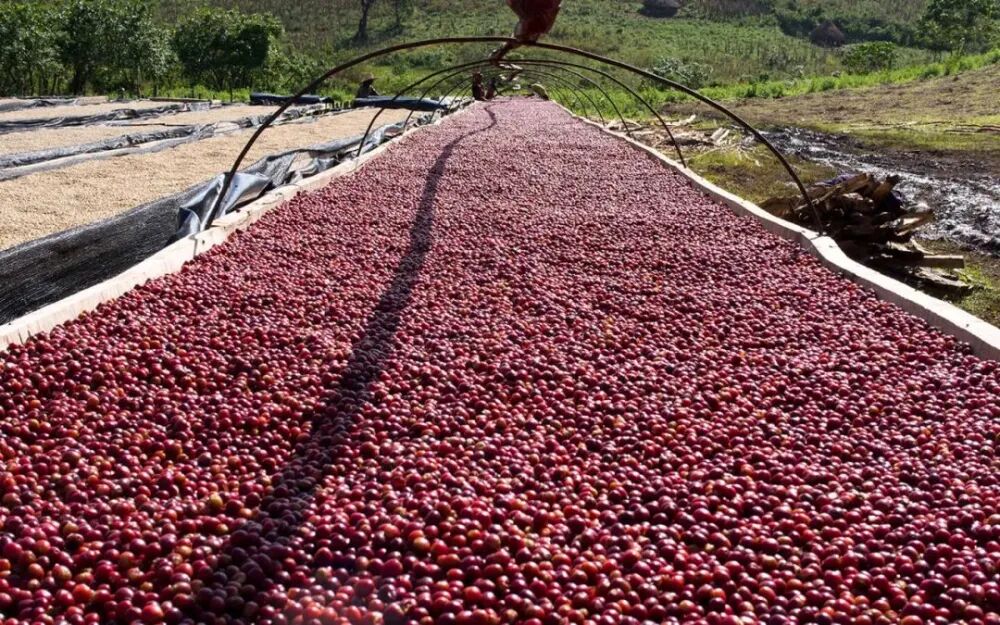
When it comes to Sidamo’s sun-dried coffee, its flavor profile mainly stems from the traditional natural drying process. This technique preserves the natural sugars and fruitiness within the coffee pulp, resulting in a rich and full-bodied taste. Typical Sidamo sun-dried beans offer complex sweetness, silky mouthfeel, and multi-layered aromas of spices, flowers, and tropical fruits, with a clean finish and distinct aftertaste. Compared to washed processing, the sun-dried method involves longer fermentation times and more thorough reactions between the pulp and microbes, producing more aromatic compounds such as furans, thereby endowing the coffee with a broader flavor spectrum and sweeter taste expression.
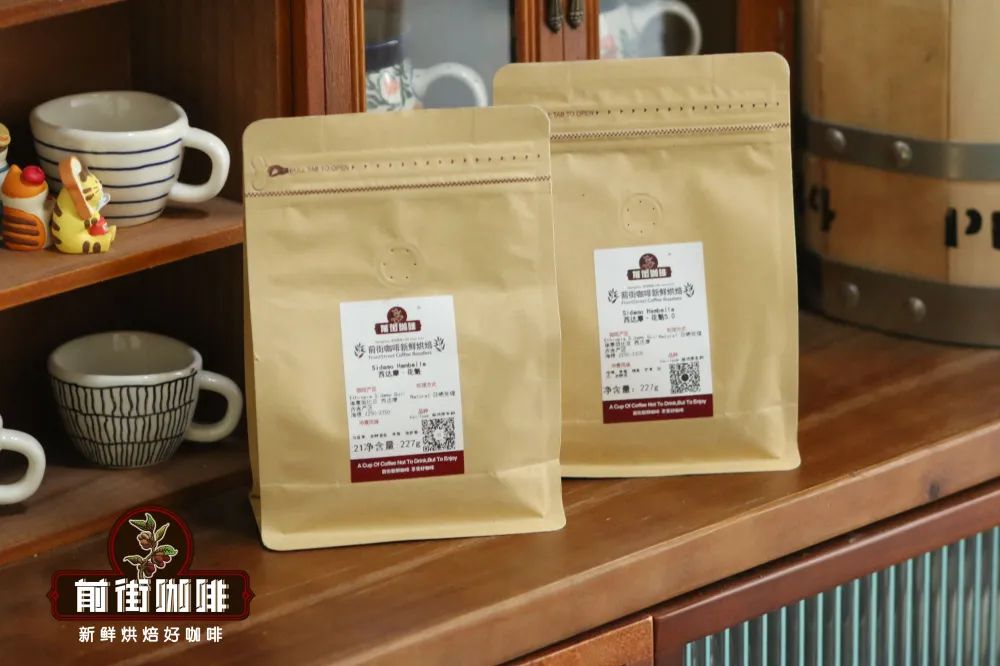
Among them, the Sidamo Huacai coffee beans from the Hembara region are a classic representative of sun-dried processing. Hembara is located at the border between Sidamo and Guji, now officially part of Guji, adjacent to Yirgacheffe’s Kochere. Situated in a mountainous area at an altitude of 3,200 meters, it is one of the highest coffee-growing regions in Ethiopia. This Huacai coffee gained fame in 2017 when it was submitted by DW Company to Ethiopia’s National Harvest Season Taste Competition (TOH) and won the championship. The Huacai beans actually come from the Buku Abel processing station in Hembara, which sources fully ripe red coffee cherries from surrounding farmers for post-processing.
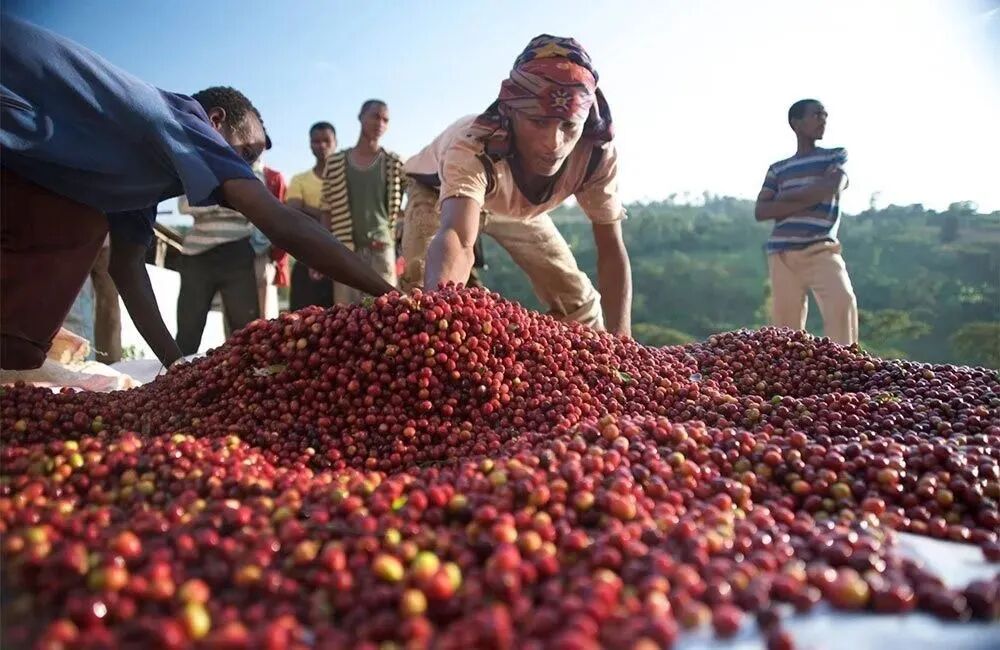
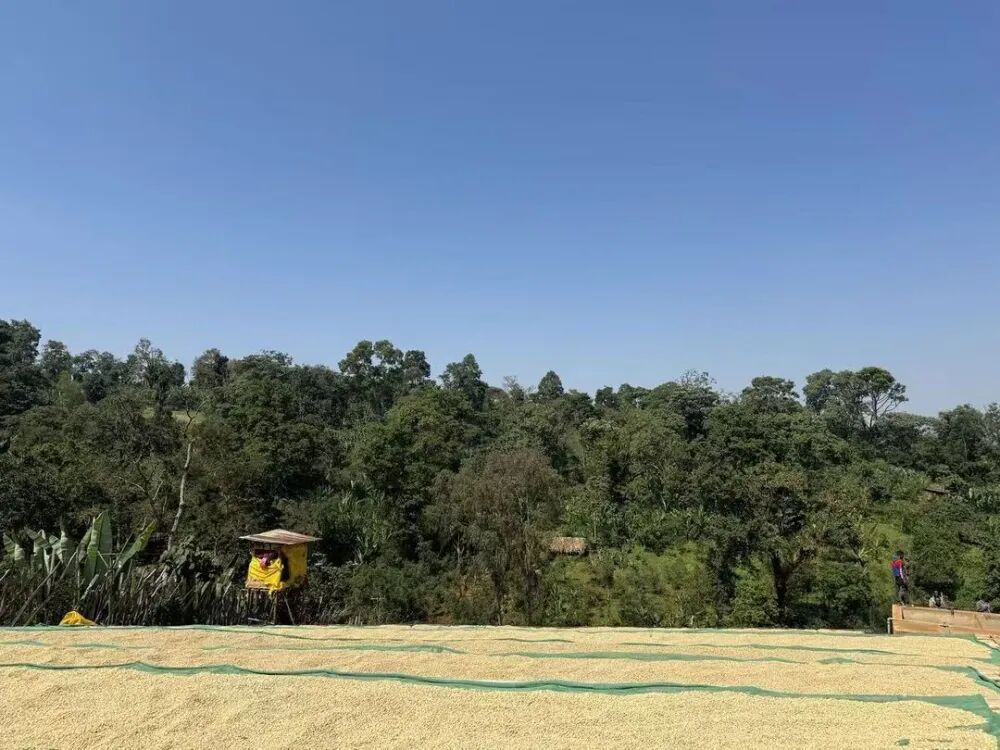
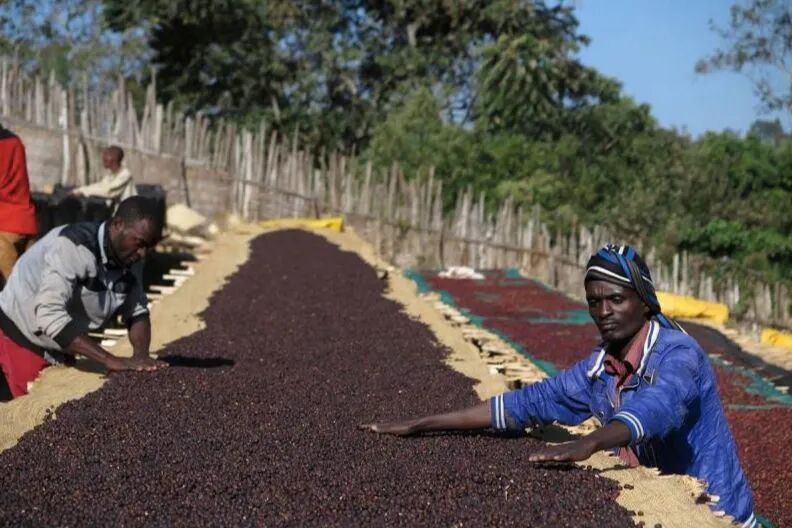
The main harvest season runs from December to January. Buku Abel selects only coffee cherries with a sugar content of 30 or above, placing them on African raised beds for sun-drying. To control the fermentation process, farmers provide shade during the daytime heat and cover the cherries with plastic sheeting at night to prevent rain. They continuously turn the beans throughout the day to ensure even drying and avoid fermentation off-flavors or overexposure. After approximately 18 days of natural drying, the green coffee beans’ moisture content is reduced to 12% before hulling. A certain brand, aiming to highlight its fruity characteristics, uses a medium-light roast and presents its passion fruit, strawberry, cream, and cocoa layers through a refined pour over method.
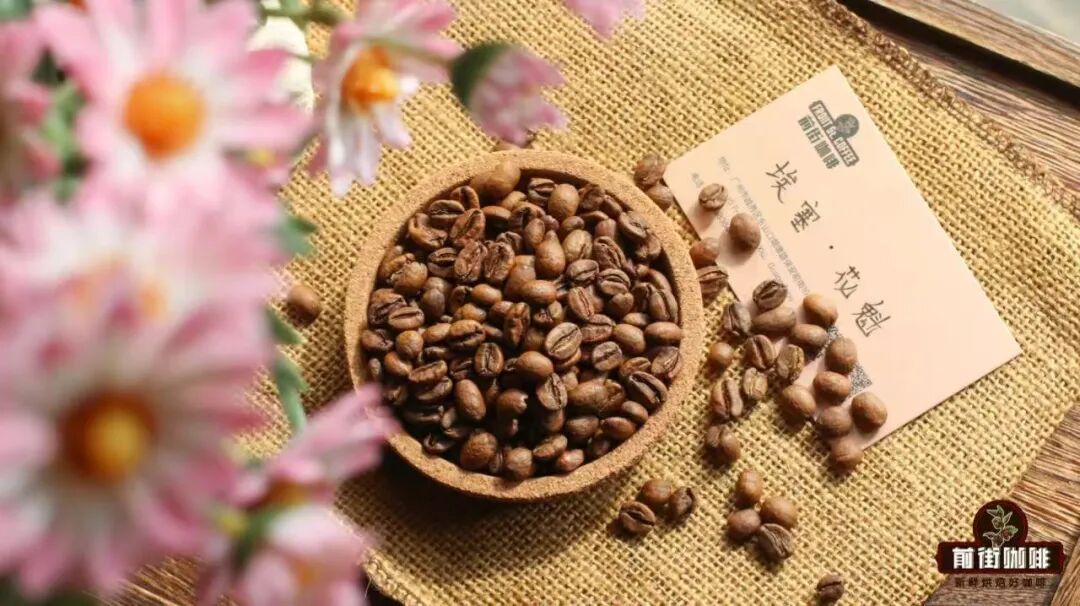
To brew the captivating berry and floral notes of Sidamo Huacai 8.0, selecting the right equipment and parameters is crucial. It’s recommended to use a basic setup that includes a pour over kettle, filter cone, server, grinder, filter paper, digital scale, and thermometer.

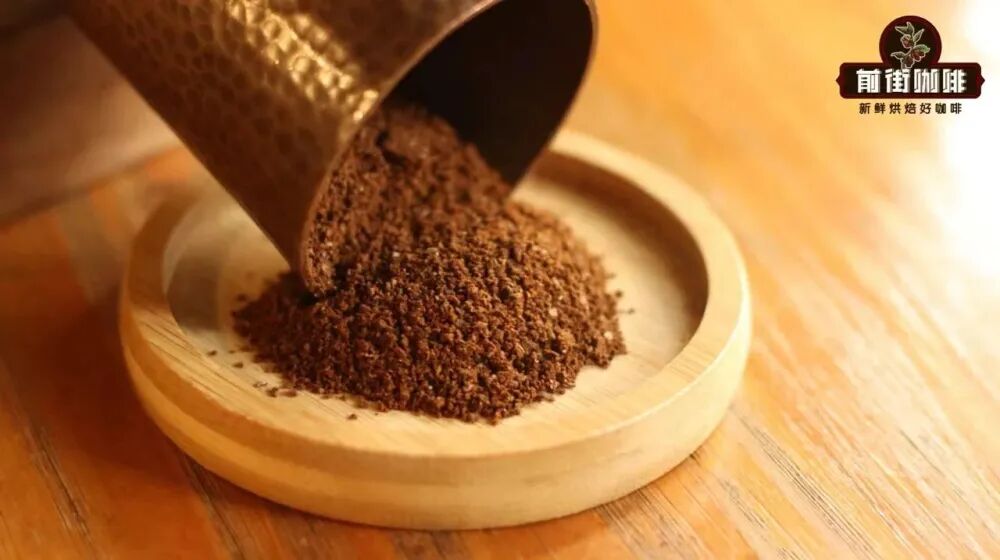
The choice of grinder and grind size directly impact extraction efficiency. It’s advised to use a Chinese Standard No. 20 sieve for testing. For medium-light roasted beans like Huacai 8.0, a 75–80% sieve passing rate is ideal. In this example, the café uses an EK43s grinder set to 10 clicks, achieving approximately an 80% passing rate. For water temperature, light roasts are recommended to use 91–93°C to fully activate aroma without under-extraction due to too low a temperature.
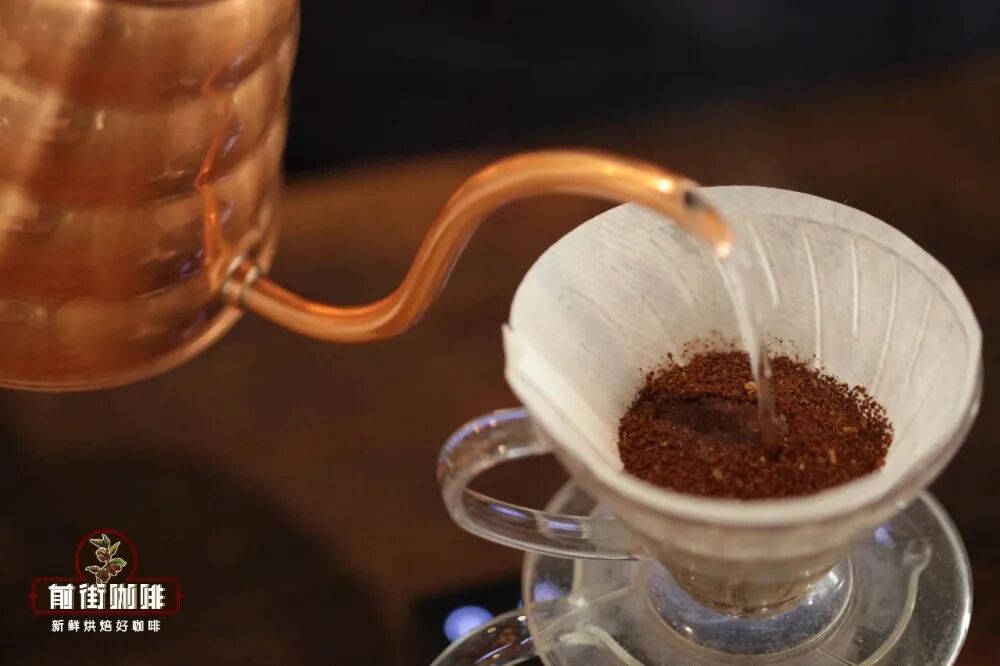
The choice of filter cone also affects flow rate and extraction evenness. Some brands typically opt for a V60 for light roasts, whose unique spiral ribs and large holes help extend contact time between water and coffee grounds, enhancing flavor complexity. For Huacai 8.0, the suggested brew ratio is 1:15 to 1:16, adjustable based on personal taste preference. A 1:15 ratio is preferable for a stronger taste, while 1:16 highlights a cleaner flavor profile.

It is recommended to use a V60 resin filter cone with a three-stage pouring method: total coffee dose of 15 grams, total water volume of 225 milliliters, water temperature of 92–93°C, and grind size similar to fine sugar (approximately 78% passing rate through a No. 20 sieve). First, pour 30 milliliters of water for a 30-second bloom. Second, pour up to 125 milliliters, circling slowly. When the water level drops halfway, third, pour the remaining 100 milliliters until dripping is complete, with a total extraction time of about 2 minutes. This method helps fully extract Huacai’s berry acidity and delicate floral notes while avoiding over-extraction bitterness.

The above content is compiled by CoffeeHunters, a coffee news website.

