







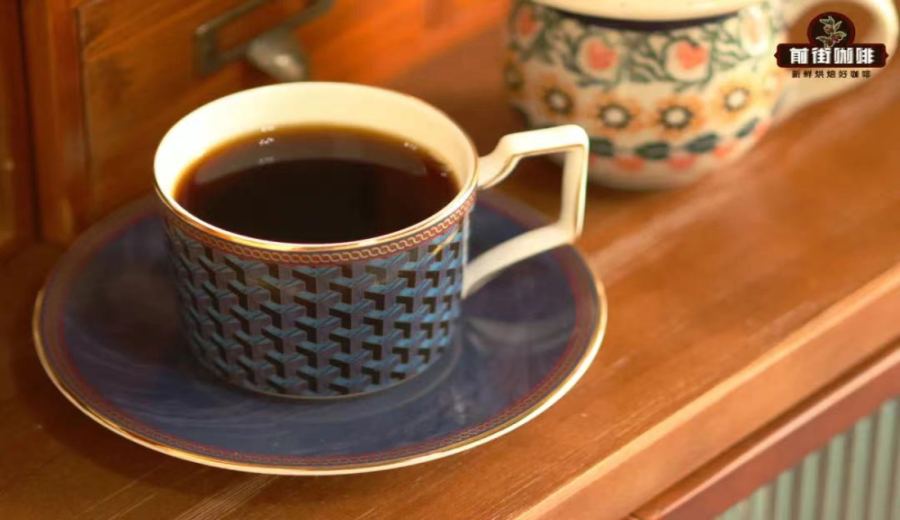
Introduction:The Golden Mandheling G1 from Sumatra, Indonesia, is considered by many coffee enthusiasts to be the quintessential example of a dark roasted coffee. What exactly makes this coffee so captivating that it turns first-timers into loyal fans? This article will comprehensively explore its flavor profile and ideal audience, from the terroir of its growing region, the selection process, roast level, to pour over parameters, along with practical brewing tips to help you better appreciate the charm of this classic bean.
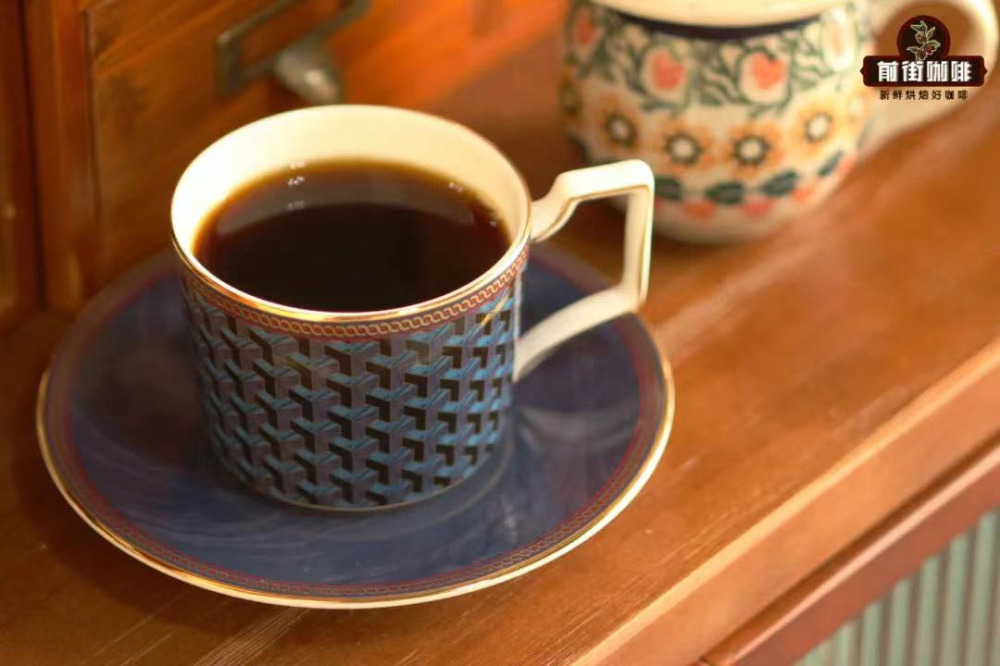
When it comes to dark roasted coffee, many people immediately think of Sumatran Mandheling, with some well-known shops’ Golden Mandheling being a top choice for many beginners. Some love its rich and full-bodied taste, while others shy away due to its strong bitterness. A good cup of Mandheling depends not only on the quality of the beans themselves, but also on the roaster’s meticulous processing and the right brewing method to truly unlock its potential.
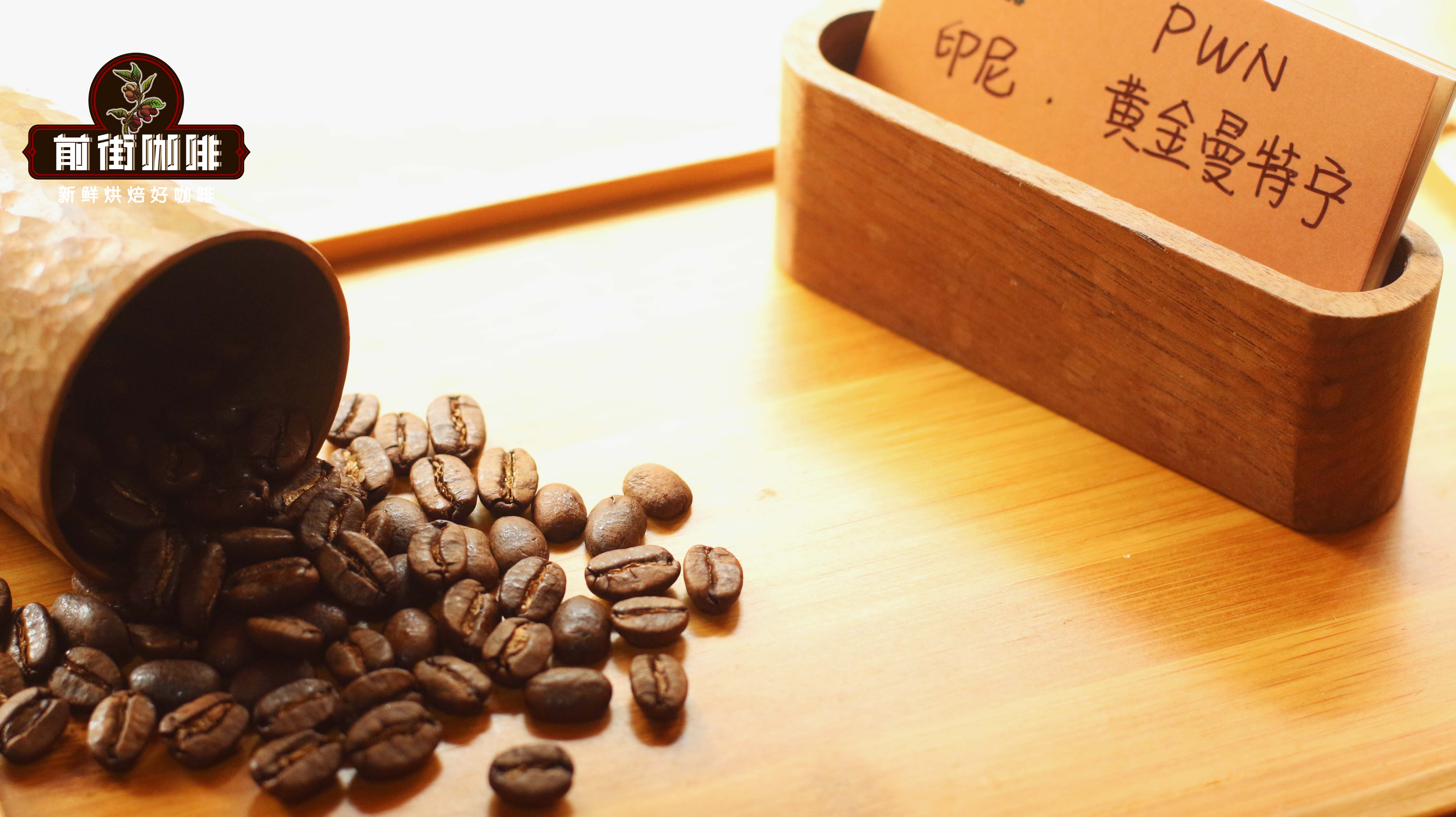
With continuous advancements in planting and selection techniques across coffee-growing regions, the quality of Mandheling has improved significantly. Take the Golden Mandheling supplied by Indonesia’s PWN (Pusat Penyangga dan Pemasaran Kopi) company as an example — this coffee, hailed as the highest grade Mandheling in all of Indonesia, is a model example of specialty Mandheling. Its rigorous selection process results in consistently excellent and outstanding flavor performance.
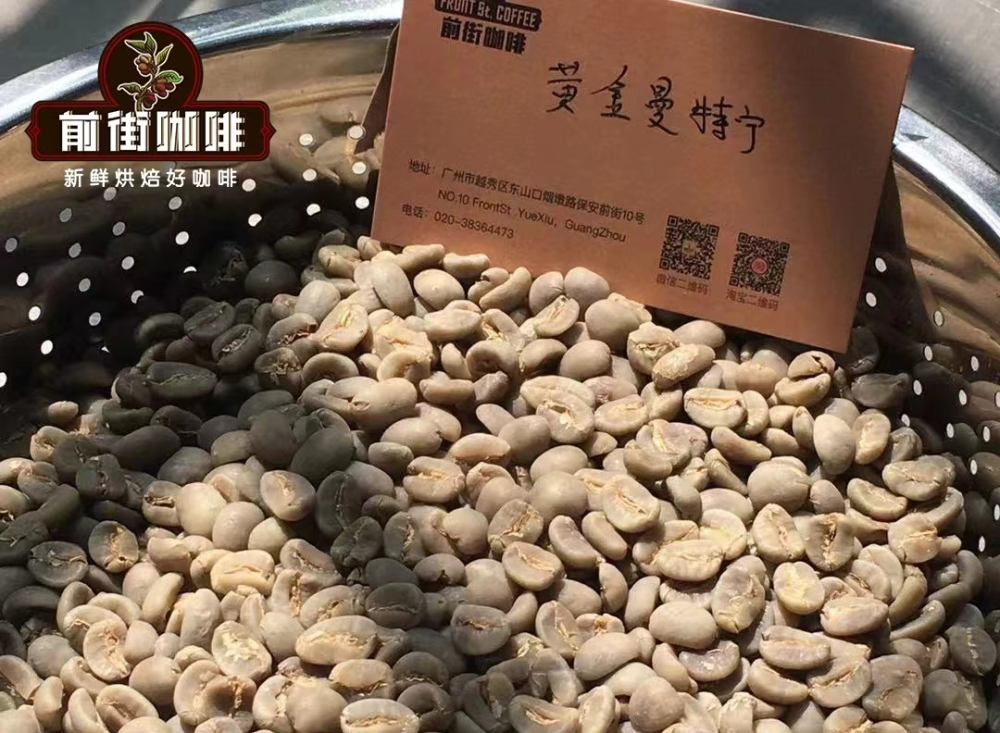
The reason this Golden Mandheling stands out lies in an extreme level of quality control over the raw materials by one supplier. The coffee beans from the Gayo Mountain region in Aceh, Sumatra, undergo one mechanical screening and three rounds of manual hand sorting to ensure every bean meets the G1 grade — the highest classification for Indonesian coffee beans. Machine sorting mainly removes beans that don’t meet size standards, while subsequent manual sorting focuses on eliminating defective beans, drastically reducing the defect rate and ensuring the purity and consistency of the coffee from the source.
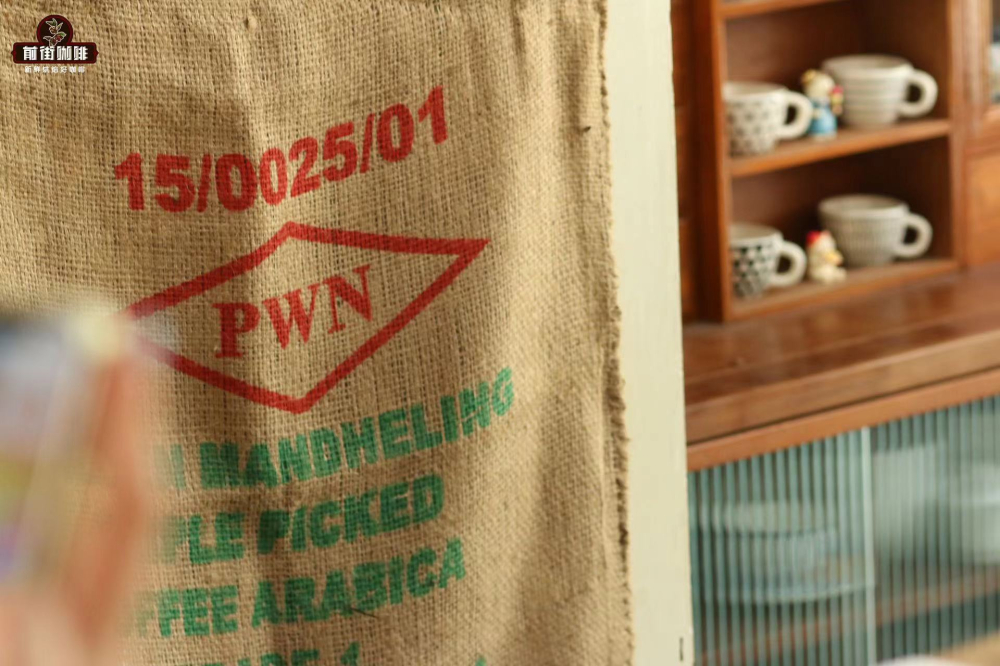
After undergoing multiple rounds of screening, the Golden Mandheling not only has a more uniform bean appearance, but it also helps achieve even heat distribution during roasting, further enhancing the purity of its flavors. Cupping results show that compared to regular Mandheling, this G1-grade Golden Mandheling is better able to present Sumatra’s signature herbal, spicy, and dark chocolate notes, with cleaner flavors, more pronounced sweetness, and a longer-lasting aftertaste.
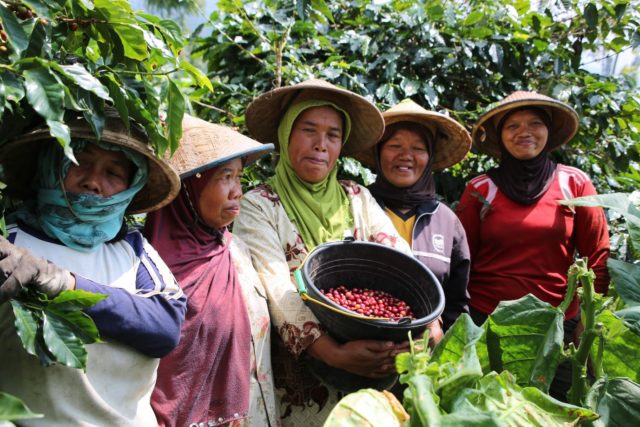
Although Indonesia is one of the world’s major producers of Robusta, its Arabica output accounts for less than one-tenth of the total production, among which Sumatran Mandheling is the most renowned. As a result, Sumatran coffee is almost synonymous with Mandheling. The Golden Mandheling mainly comes from the Gayo Mountains near Lake Tawar in the Aceh region, at altitudes of approximately 1,110 to 1,600 meters. It is grown by local smallholder farmers under shaded conditions and processed using the wet hulling method, which gives the coffee a deep, rich, and vibrant body.
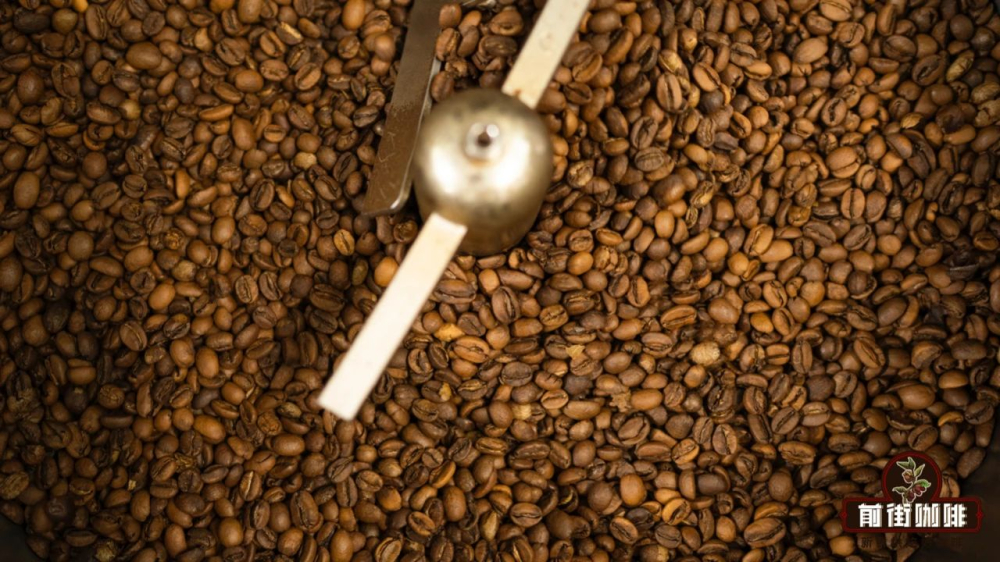
Regarding roast levels, traditionally, Mandheling on the market is mostly medium-dark roasted to bring out intense black coffee flavors. However, with the rise of the specialty coffee trend, some roasters have started experimenting with medium-light roasts to highlight lighter profiles such as fruitiness, floral notes, or tea-like characteristics. It’s worth noting that Sumatra’s unique wet hulling process, while creating distinctive herbal and woody aromas, can also increase the defect rate, and dark roasting cleverly masks these issues. In addition, influenced by the Japanese market, many consumers prefer the flavor of dark roasted Mandheling, which is why the commonly seen Mandheling on the market tends to be medium-dark to dark roasted, including the Lintong region and this Aceh PWN Golden Mandheling.
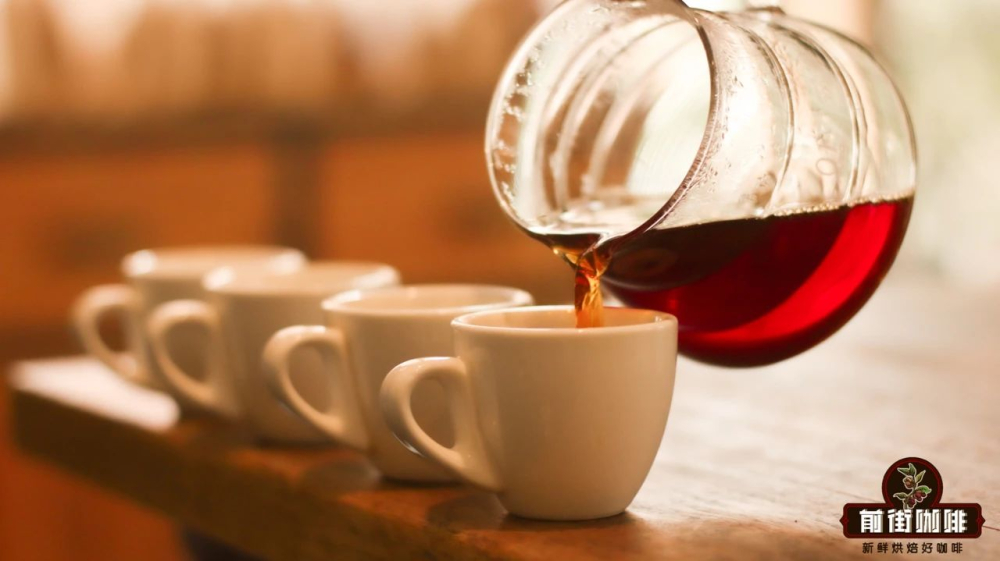
So, how should this Golden Mandheling be brewed to best showcase its characteristics? To balance a full-bodied mouthfeel with a clear expression of its herbal flavors, a well-known shop usually roasts it to a medium-dark level close to the start of the second crack, and ensures the coffee beans are delivered to consumers within five days of roasting to maintain optimal flavor. It is recommended to use a medium-coarse grind (similar to coarse sugar, about 70% passing through a #20 sieve), with a water temperature of 88°C and a coffee-to-water ratio of 1:15. The KONO filter is also recommended, as its unique short rib design slows down the water flow, resulting in a fuller and richer mouthfeel.
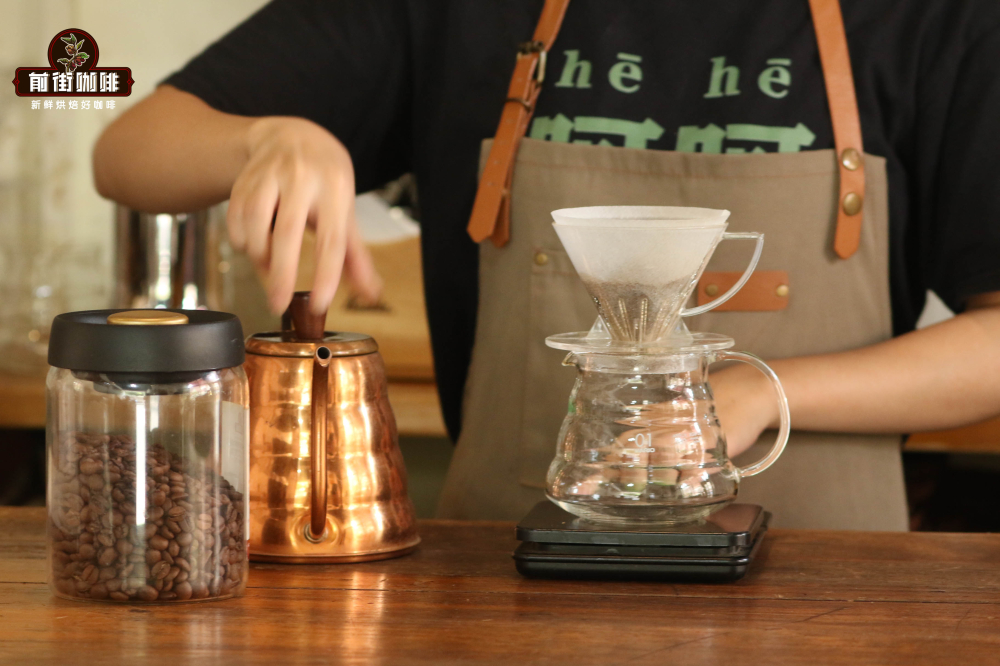
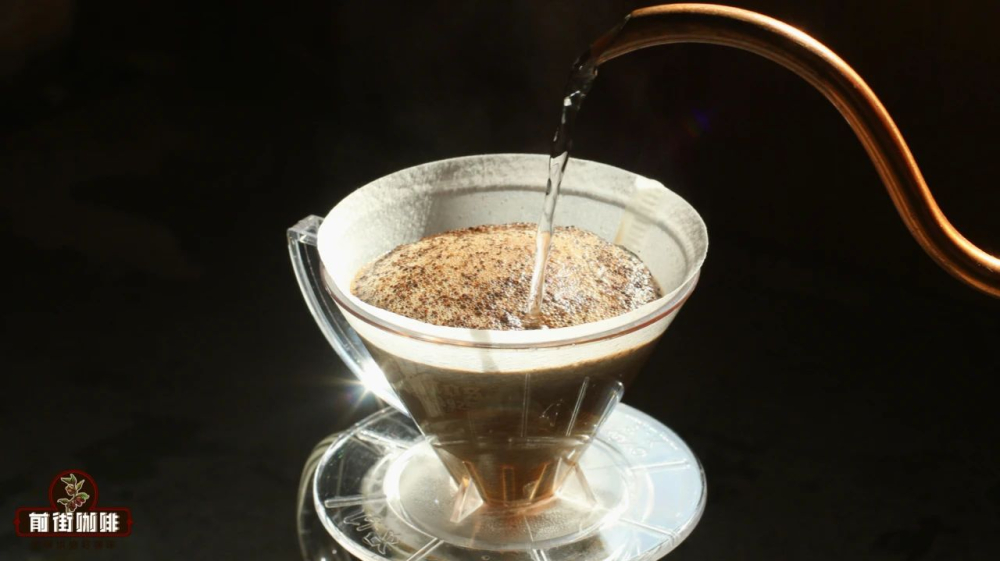
During actual pour over, you can start by pouring 30 grams of water for a 30-second bloom, then continue with small circular pours until you reach 125 grams. Once the water level drops halfway, pour again up to 225 grams, keeping the total extraction time around 2 minutes and 10 seconds. These parameters will help you fully bring out the layered complexity and unique aroma of the Golden Mandheling.
Overall, this coffee presents a rich yet clean flavor profile, featuring intense notes of nuts, caramel, and chocolate, with a long-lasting aftertaste and exceptional overall balance. Whether you prefer a bold mouthfeel or are chasing nuanced flavors, there’s something delightful to discover in this coffee.
The above content is compiled by CoffeeHunters, a coffee news website.

