







Introduction:Why do some coffee beans taste like you're eating fresh fruit? The tropical fruit flavors in coffee are actually closely related to the bean variety, processing method, and roasting technique. This article delves into the origins of coffee aromas, explaining which factors contribute to its captivating floral and fruity profiles, and recommends several beginner-friendly pour-over beans with high sweetness and intense fruitiness to help you choose your preferred coffee flavor more precisely.
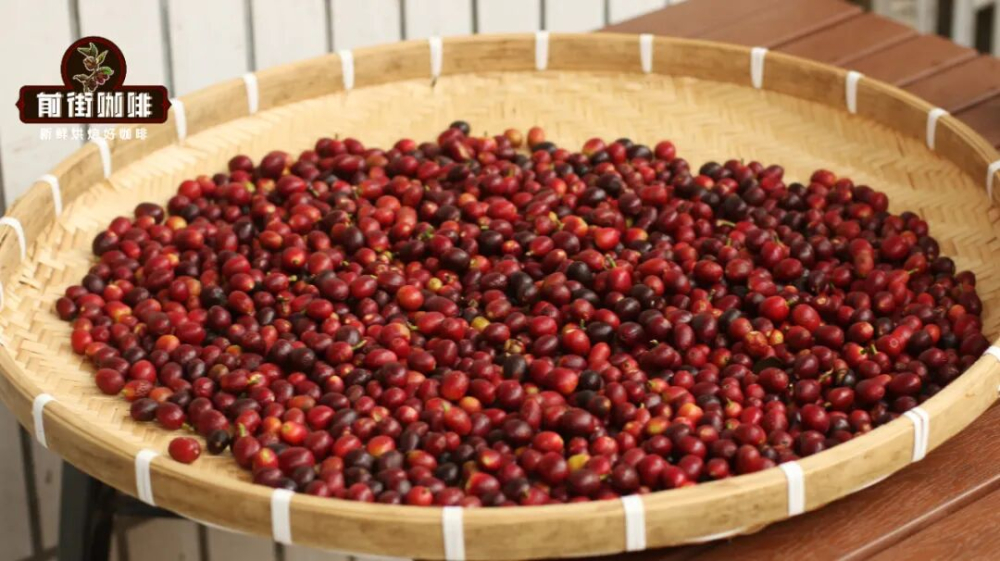
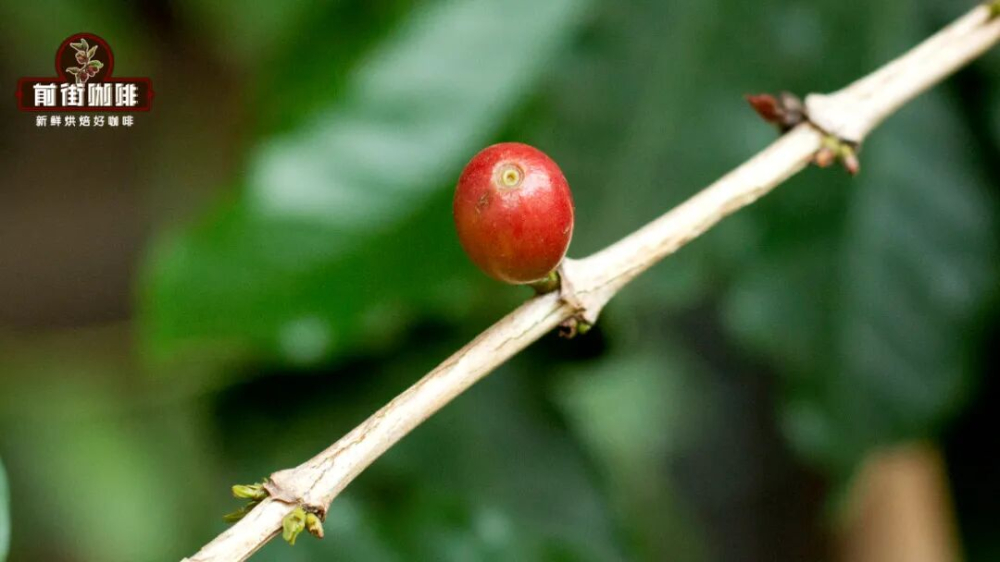
Coffee is essentially a type of tropical fruit.Although we usually encounter roasted coffee beans in daily life, they actually come from a sweet and fleshy coffee cherry. When we personally pick fully ripe coffee fruits, it’s often hard to directly perceive the rich floral and fruity aromas labeled on the bags—whether by observing their appearance or tasting them—because there's a scientific principle behind how coffee flavors develop.
Regardless of the coffee variety, its mature fruits usually have thin skins and little flesh, making them of low direct-edible value. Therefore, people tend to remove the inner seeds—the coffee beans we know well. These seeds are not only easy to store but also release a rich and varied array of aromas and flavors after proper processing and roasting.
The reason coffee beans can exhibit fruit-like aromas is mainly due to containing a variety of aromatic compounds very similar to those found in fruits, including esters, ketones, alcohols, etc. These substances primarily originate from precursors such as fatty acids, terpenes, and amino acids, and are stably stored in green beans.
However,the key to making these aromas perceptible to our sense of smell and taste lies in the roasting process.During roasting, under high temperatures, green beans undergo a series of Maillard reactions and caramelization, generating a large number of volatile aromatic molecules. When certain key compounds accumulate to a certain concentration, familiar tropical fruit aromas emerge—for example, sweet, vibrant, or warm fruit sensations that evoke pleasant memories of fruits like mango and pineapple.
Tropical fruits generally refer to various fruits primarily grown between the Tropic of Cancer and the Tropic of Capricorn. These regions have a climate that is consistently hot and humid year-round, with abundant sunlight and minimal day-night temperature variation, which helps fruits accumulate sugars and aromatic compounds. Places like Taiwan, Hainan, Yunnan, as well as parts of Southeast Asia, Africa, and Central and South America, are all major producers of tropical fruits.
Coffee grown in these regions, due to its growing environment being similar to that of tropical fruits, often presents rich fruit aromas reminiscent of mango, passion fruit, pineapple, and guava when appropriately processed post-harvest. Especially in natural (sun-dried) processing methods, where the fruit flesh and seeds coexist and ferment over a long period, it becomes easier to extract the unique aromatic characteristics of tropical fruits.
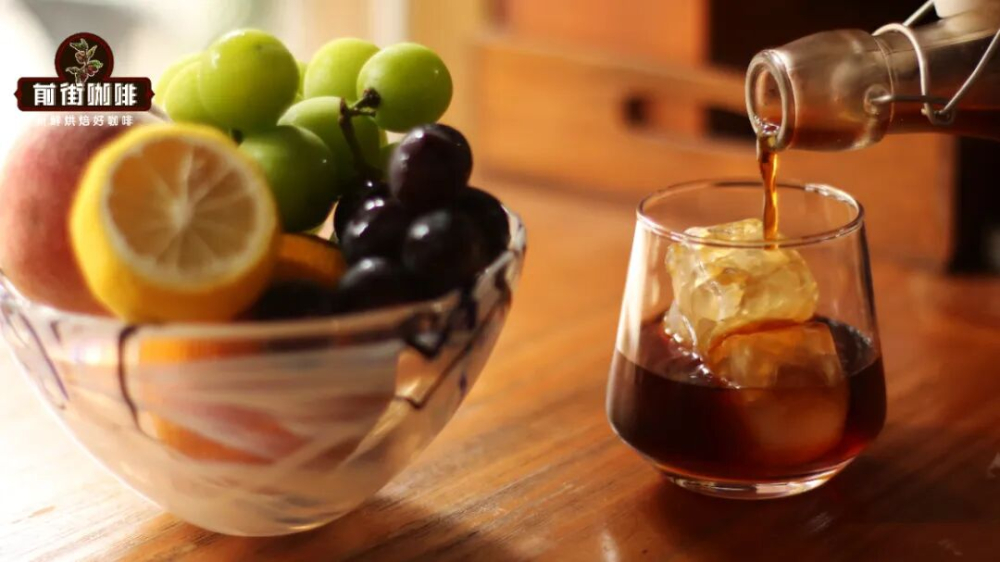
Based on actual cupping experience,passion fruit, mango, pineapple, guava, and jackfruit are the most commonly identified types of tropical fruit aromas in coffee.These fruits have highly distinctive aroma profiles, so when similar flavors appear in coffee, they are easily noticed and associated by drinkers. Many high-altitude naturally processed coffees from Africa or Central and South America often showcase these vibrant and complex fruity notes.
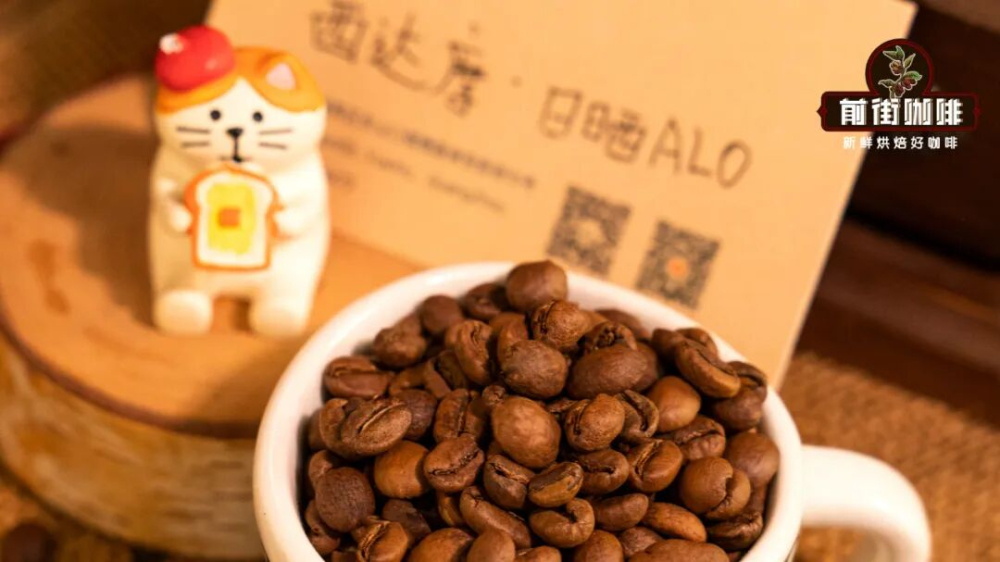
If you enjoy coffee with pronounced tropical fruit flavors, you may want to prioritize the following recommended beans:
1. Rich and mature mango aroma:Sun-dried Alo and Huakuioften exhibit the sweet scent and fleshiness of ripe mango.
2. Clear passion fruit acidity and sweetness:Sidamo and Dabuyioffer lively fruit acidity and sweet aftertastes, suitable for drinkers who prefer a crisp acidity.
3. Pineapple or jackfruit fruitiness:Strawberry Candy and Mozartfeature bright tropical fruit profiles, often accompanied by honey-like sweetness.
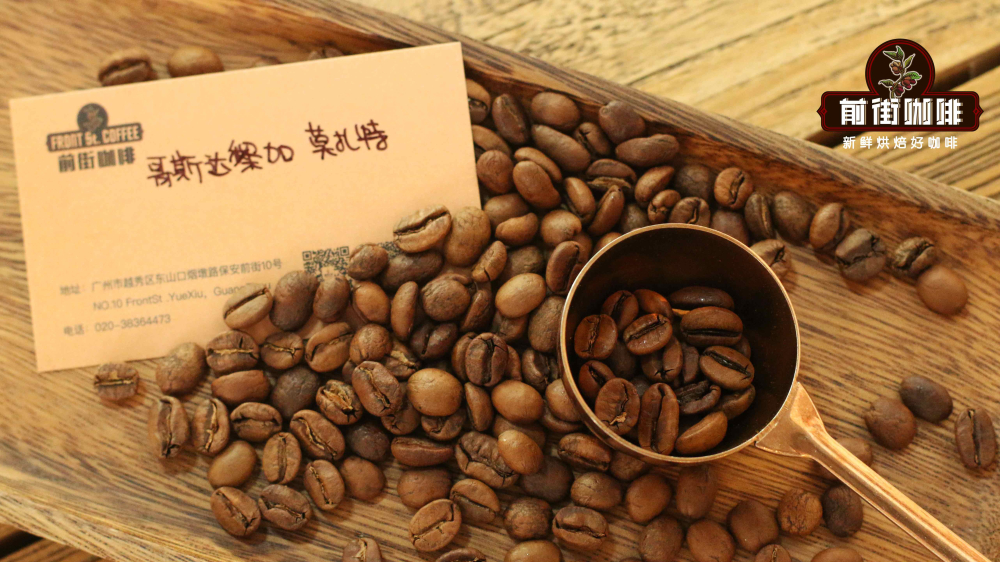
As for fruits like papaya, star fruit, and lychee, although they also have refreshing and pleasant aromas, their flavors are usually more subtle and delicate, often masked by roasty notes such as chocolate, nuts, or caramel. As a result, they are less likely to stand out in coffee and appear less frequently.
If you sense a warm, vibrant tropical fruit atmosphere while sipping coffee but can’t clearly identify which specific fruit it is, it is often described generally as having a “mixed tropical fruit flavor.” For example, Huakui 8.0, Elida Catuai, and Costa Rica Berry are all representative coffees with diverse tropical fruit notes.
The above content is compiled by CoffeeHunters, a coffee news website.

