







Introduction:Have you often heard that Mandheling is bitter and astringent? In fact, this classic coffee from Sumatra, Indonesia, showcases unique spicy and herbal layers thanks to its wet-hulled processing method and medium-to-dark roast. This article will guide you through the true flavor profile of Mandheling, from entry-level to high-quality options, and provide recommended pour over parameters so you can experience its rich and sweet aftertaste.
Coffee enthusiasts trying Mandheling for the first time are often amazed by its intense herbal character and full-bodied mouthfeel. This Arabica variety from the mountainous regions of Sumatra, Indonesia, achieves its classic low-acidity, high-body flavor profile through the unique wet-hulling process. With the right roast level and extraction parameters, you can uncover its caramel sweetness and piney aroma in the aftertaste.
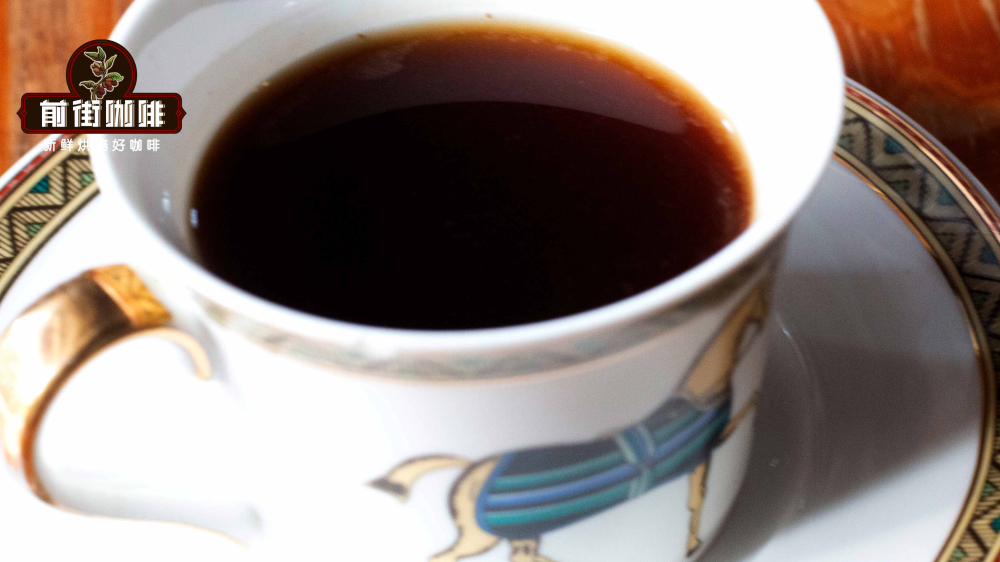
Is Mandheling really the bitterest coffee? The answer is not absolute. The intensity of bitterness depends on the quality of the green beans, the roast depth, and the brewing method. High-quality Mandheling, when medium-to-dark roasted, exhibits distinct spicy and cocoa notes. Using a moderate coffee-to-water ratio (recommended 1:15) and a water temperature of 92–94°C can effectively reduce the risk of over-extraction and bring out a balanced taste.
The traditionally defined Mandheling originates from the areas around the Bukit Barisan mountain range in northern Sumatra. Nowadays, most of what's available on the market is grown in the Lake Toba region and consists of Typica varieties. Local green bean merchants further subdivide and name them by origin. For example, Grade G1 beans from the Lidong area are a popular choice for many beginners, with dark roasts enhancing the foundational flavors of nuts and dark chocolate.
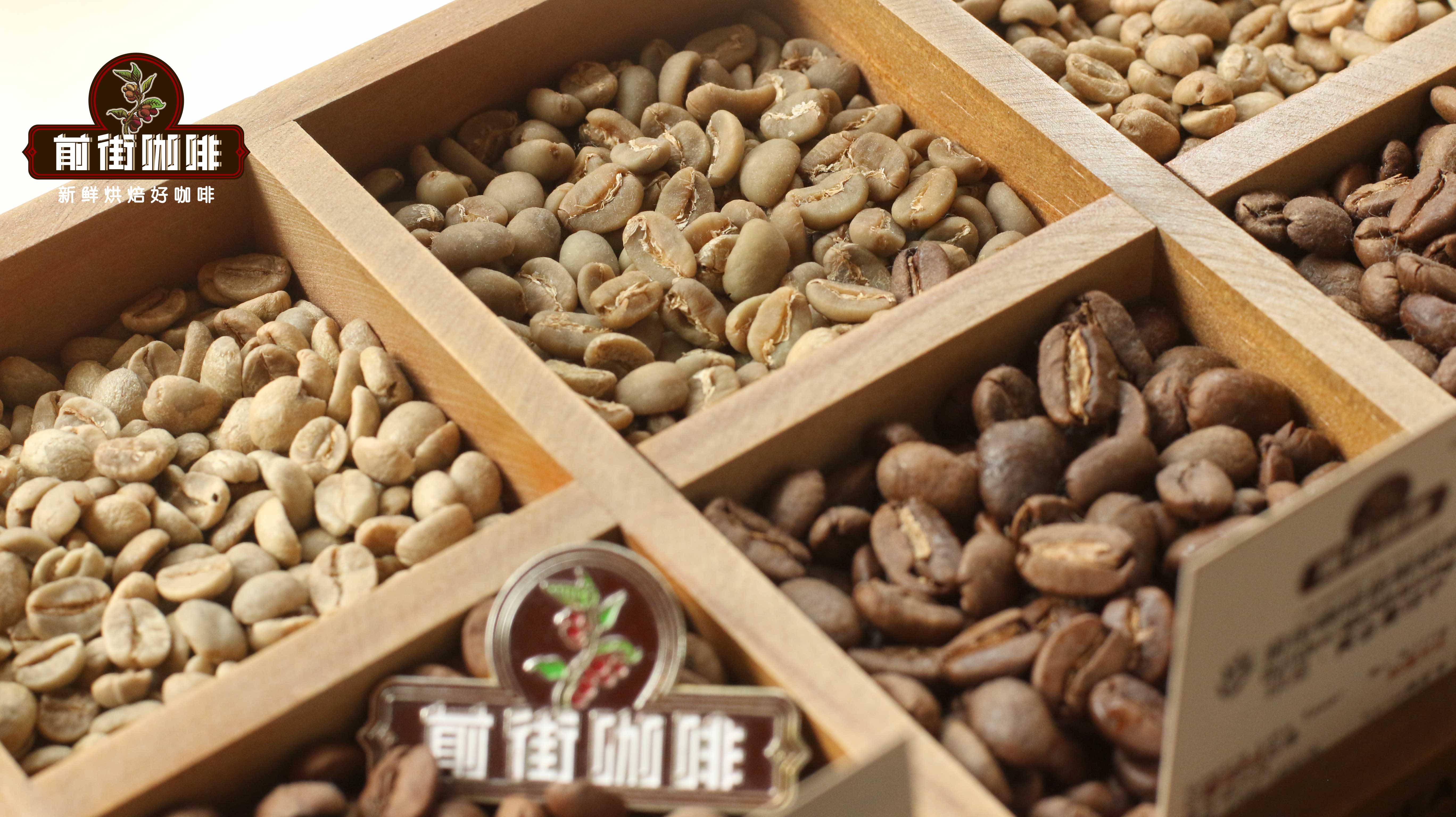
The unique wet-hulling process of Mandheling is key to forming its signature "peaberry-like" appearance. In Indonesia’s high-humidity environment, farmers remove the fruit skin first, then ferment the beans for 24–36 hours to remove some of the mucilage, before peeling off the parchment layer while the beans are still semi-dry to speed up drying. Though this technique increases the risk of bean damage, it also gives the coffee a richer body and earthier character.
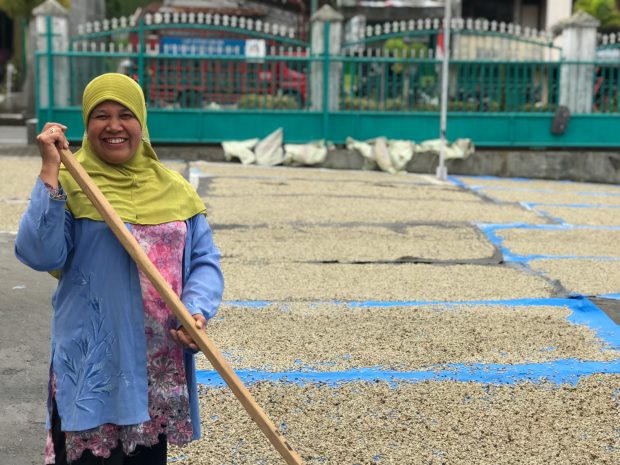
For beginners, it’s recommended to start with Grade G1 Mandheling from Lindong in Indonesia. Medium-to-dark roasted versions typically show a bright nutty profile, with subtle melon aromas emerging as the coffee cools. For pour over, use a medium-coarse grind (similar to white sugar granularity) along with a center-pouring technique to effectively suppress over-extraction and unwanted astringency.
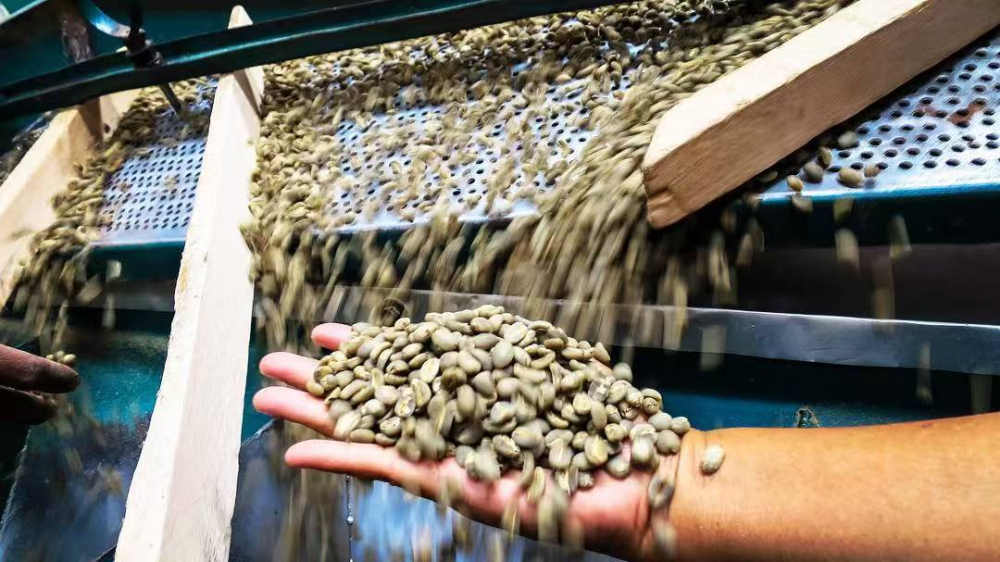
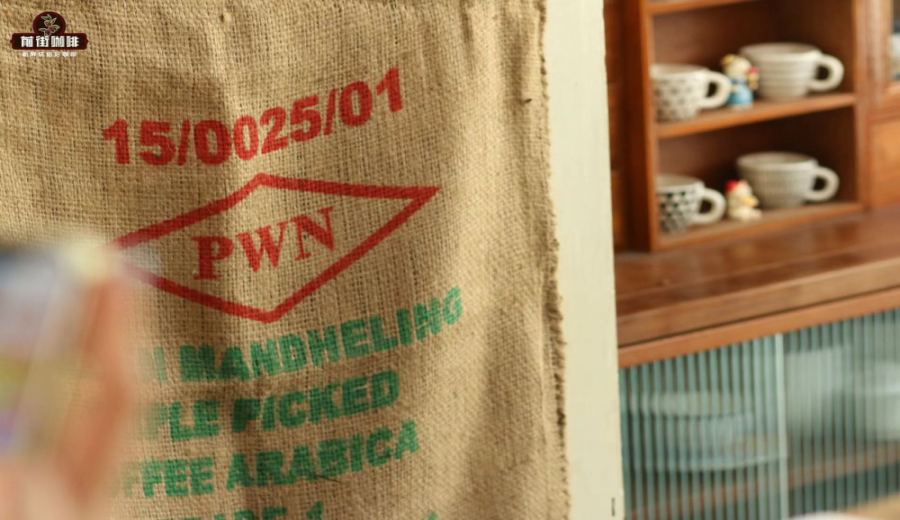
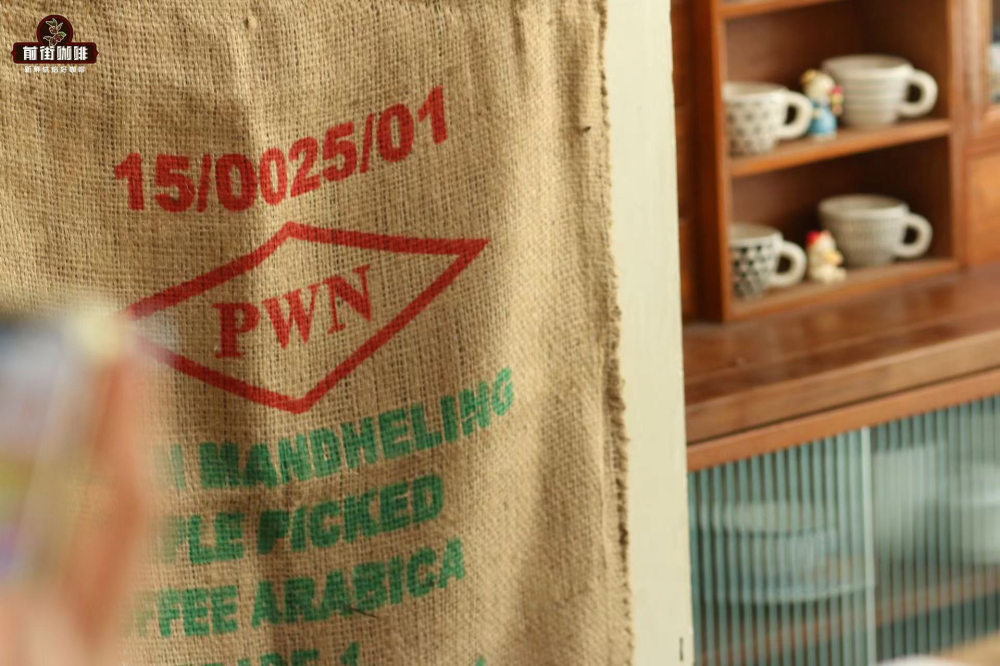
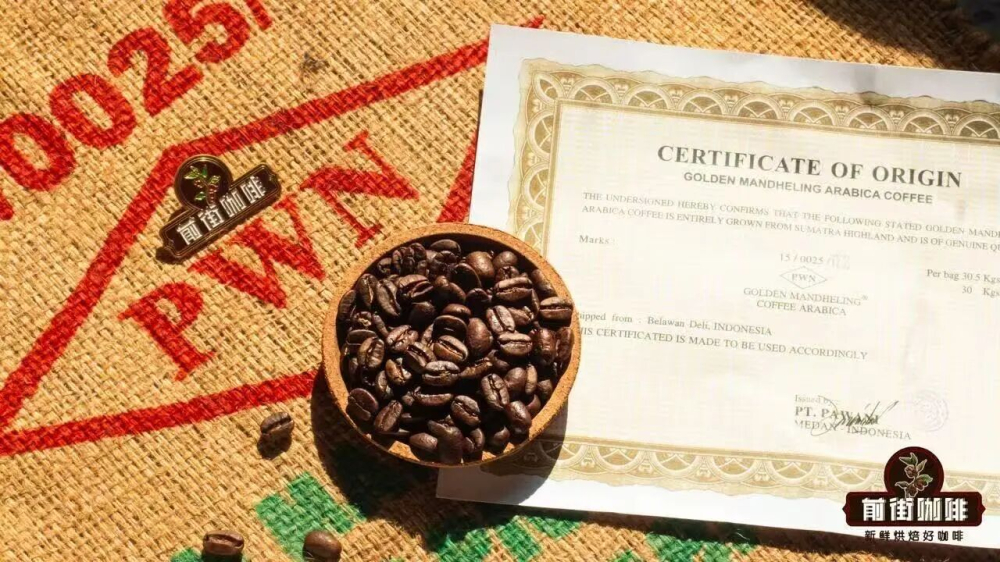
For a more advanced option, consider PWN-certified Golden Mandheling, grown at altitudes of 1100–1600 meters in the Gayo highlands. These G1 grade beans, hand-selected three times with a defect rate of less than 3 in 300g, feature a deep green color and regular flat bean shape. Its flavor profile includes prominent notes of spice, caramel, and pine, making it ideal for those who prefer a heavier mouthfeel. It’s recommended to use a fine grind (slightly coarser than restaurant sugar) and extend the blooming time to 30 seconds.
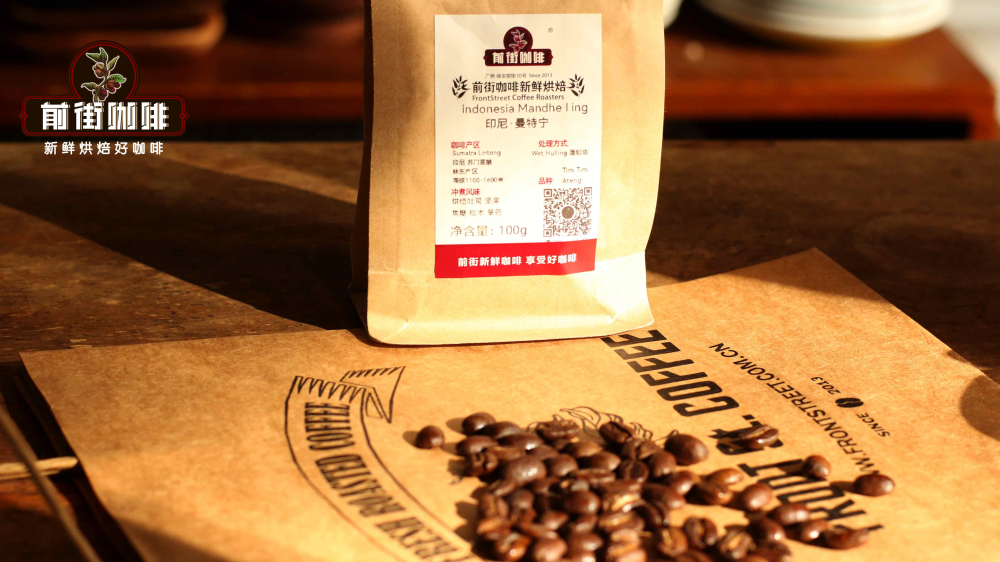
No matter which Mandheling you choose, freshness is a key factor. It’s recommended to consume the beans within 30 days of purchase and store unground green beans in a light-proof, airtight container. During extraction, pay attention to the coffee-to-water ratio and water hardness, as a high TDS value may mask the coffee’s inherent spicy notes. By experimenting with different brewing methods, you’ll gradually uncover the true charm of this "low-acid, full-bodied" coffee.
The above content is compiled by CoffeeHunters, a coffee news website.

