







Introduction:Indonesia’s Sumatra Golden Mandheling, with its unique herbal and spicy notes brought by the wet-hulling process, is a top choice for many pour over enthusiasts. This article delves into its regional background, processing method, and varietal evolution, and offers professional-grade recommendations on brew ratio, water temperature, and extraction time to help you fully experience the rich layers of this classic bean.
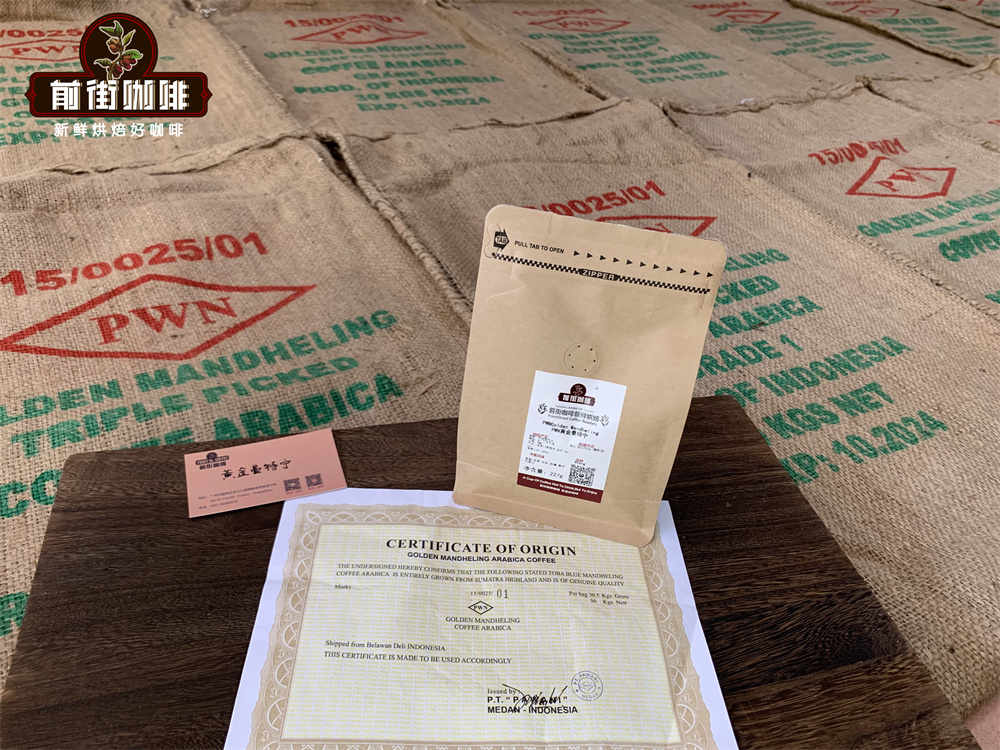
Indonesian coffee is renowned for its bold and full-bodied flavor, especially in the single-origin pour over category, where Sumatran Mandheling is a favorite among coffee lovers. Among them, PWN’s Golden Mandheling stands out as a market star thanks to its rigorous selection and refined processing. This article will comprehensively analyze the charm of this classic coffee bean from its origin and processing method to brewing suggestions.
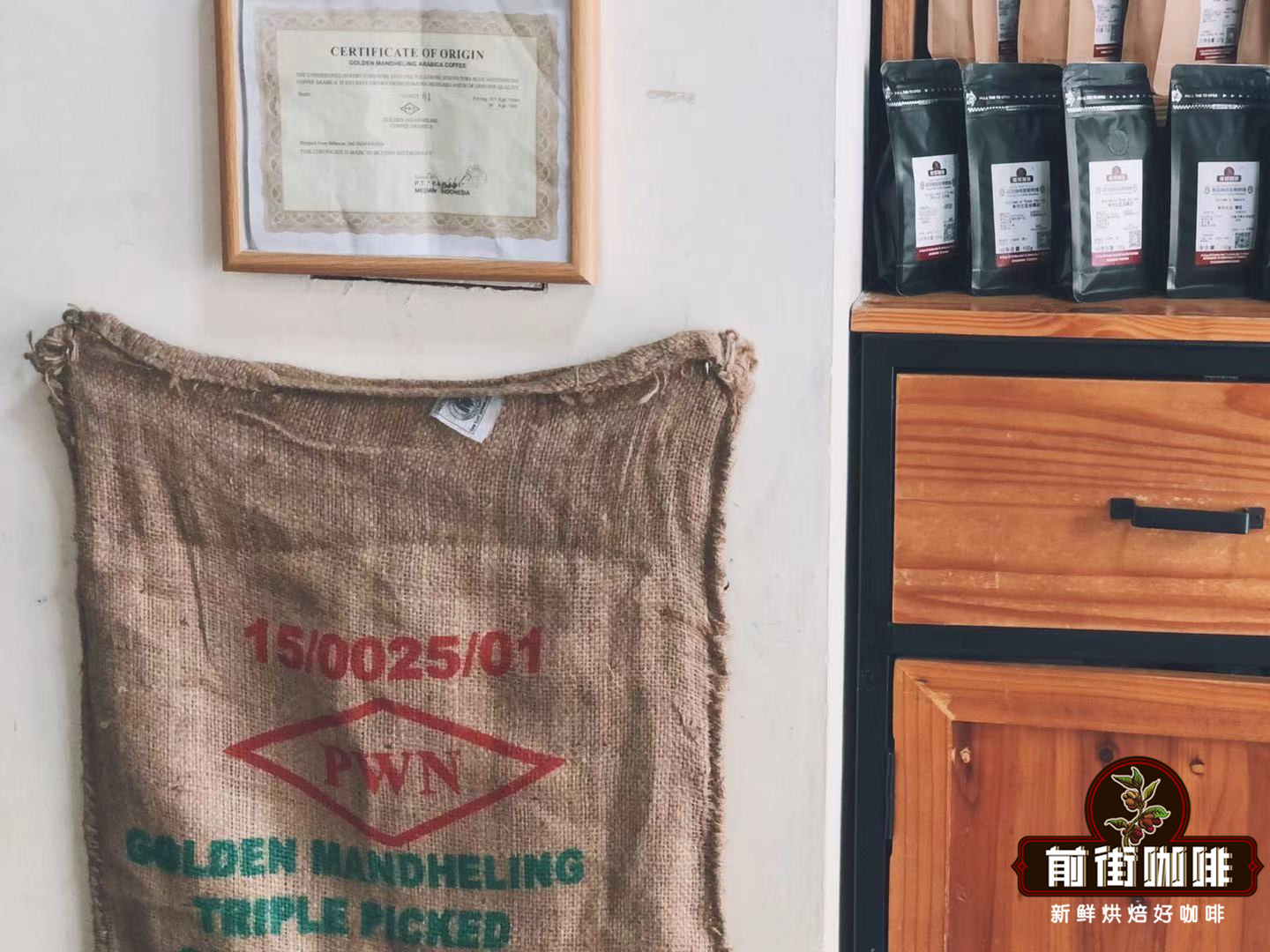
Speaking of Mandheling, the name actually stems from an interesting misunderstanding. It is said that after World War II, a Japanese soldier, before leaving Indonesia, longed for the local coffee and asked a trader to help collect high-quality beans through local contacts. Due to a language mix-up, the original response “Mandailing” (a local ethnic group name) was heard as “Mandehling,” which eventually evolved into “Mandheling,” the name we know today. Interestingly, the owner of PWN was the very local who provided those coffee beans back then.
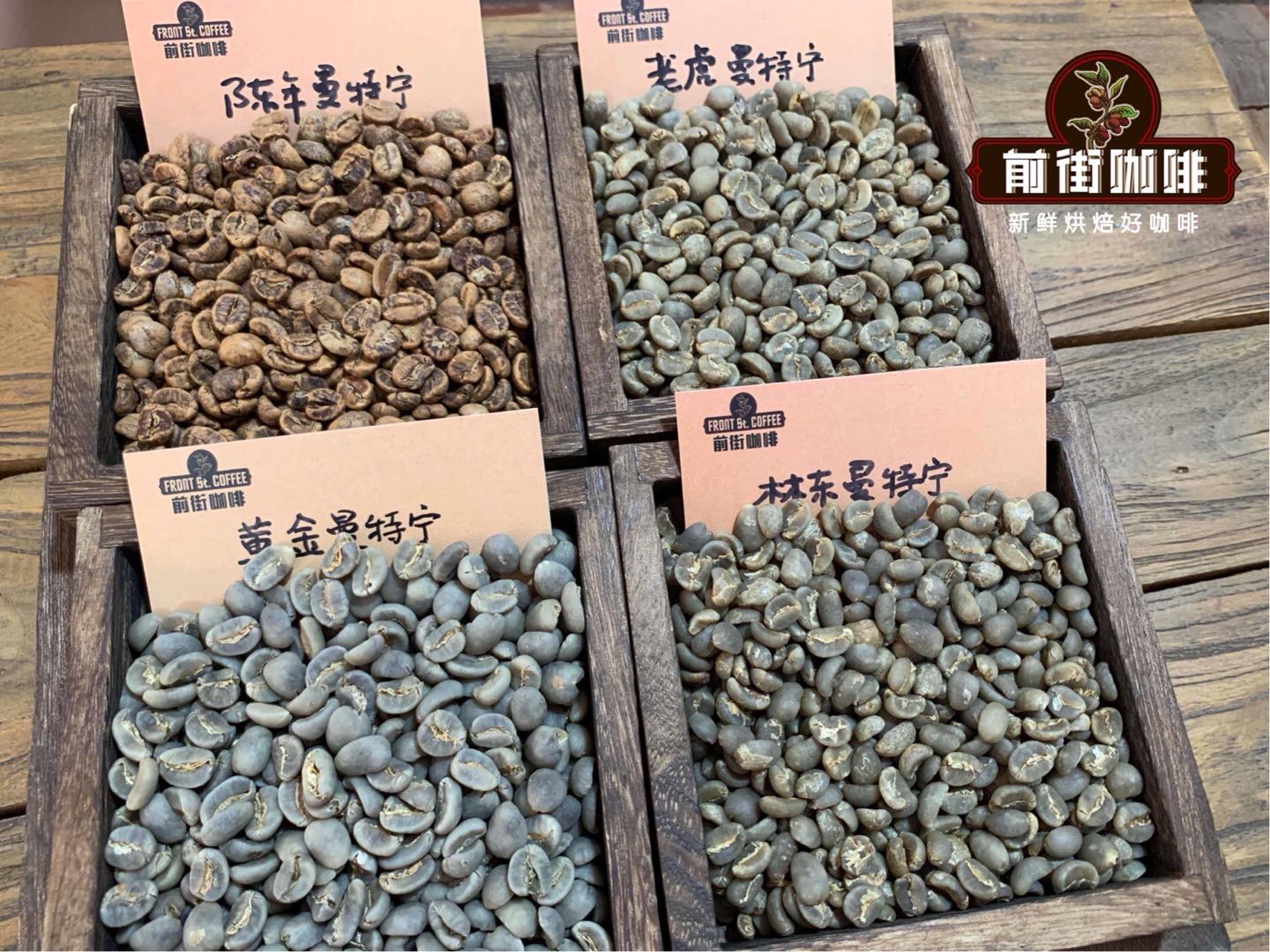
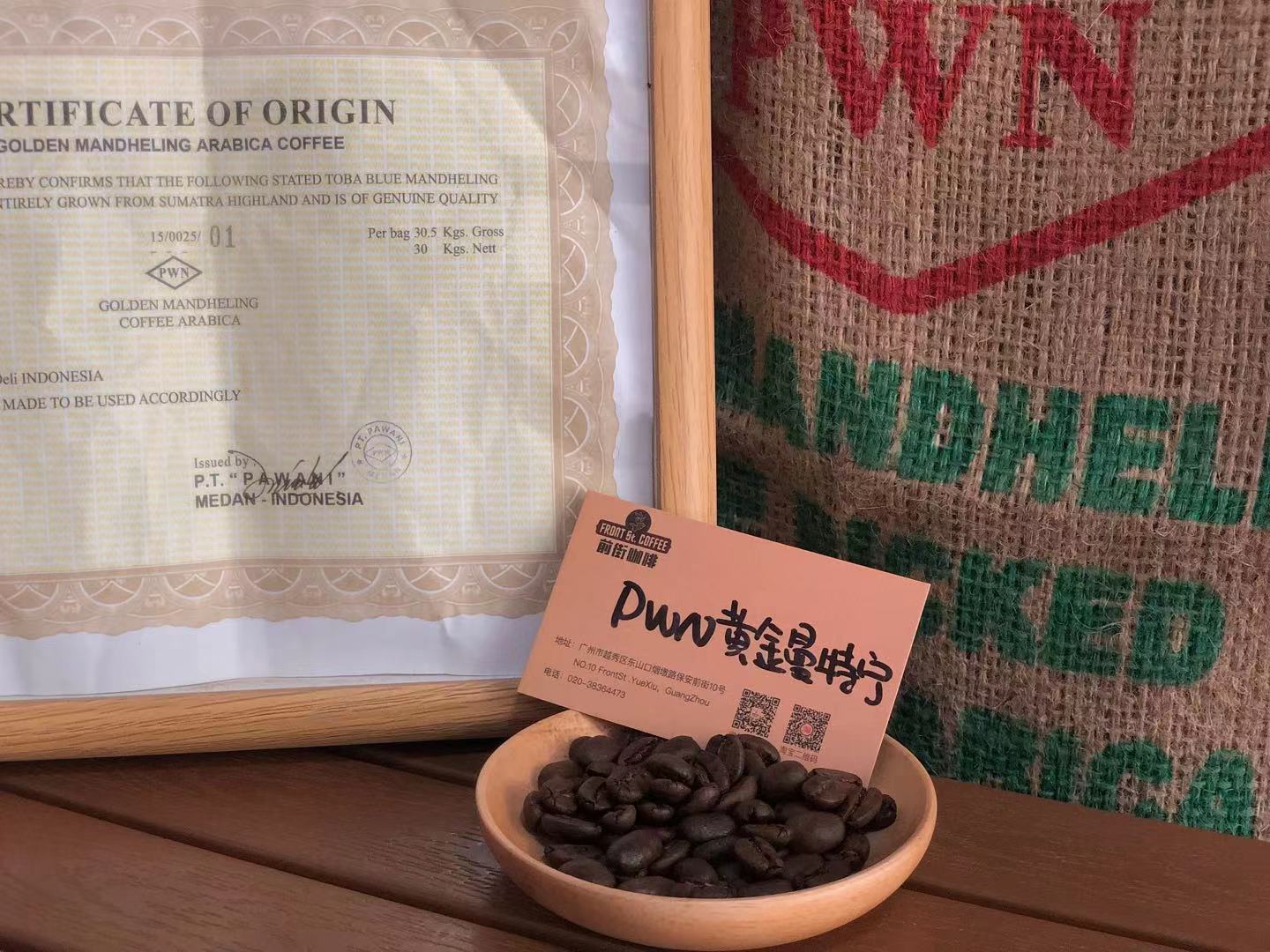
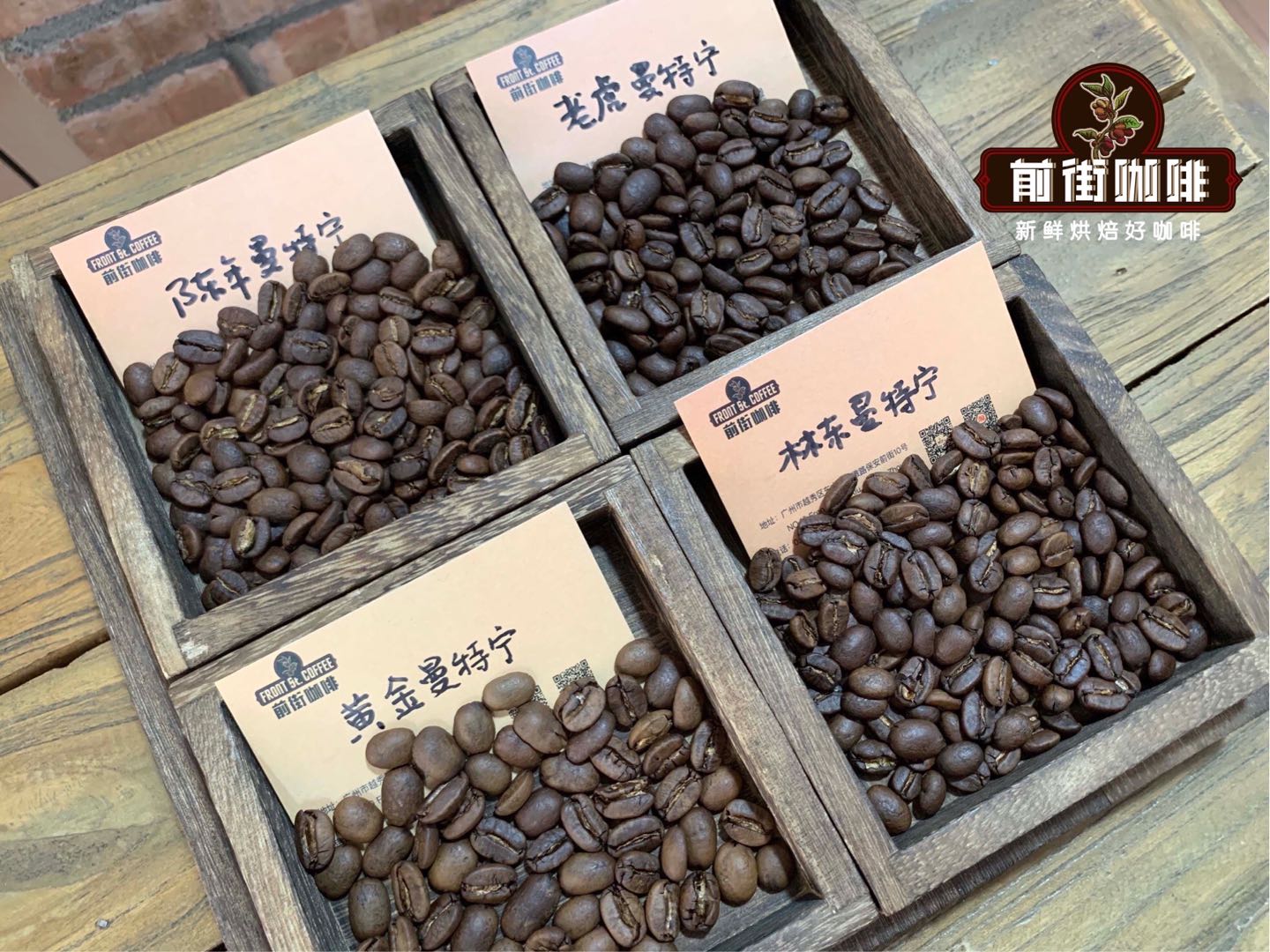
Golden Mandheling was initially promoted in the Japanese market, which established a high-standard selection process, including four rounds of manual sorting to ensure uniform bean size and low defect rates, resulting in a clean and bright flavor profile. However, the trademark for the name was eventually registered by Indonesia’s PWN company, while the Japanese side continued promoting it under the name “Gold Top Mandheling.” There are slight differences in bean shape—the PWN version uses larger, ancient Typica varieties, while the Japanese version mostly consists of Typica variants. Flavor evaluations, however, vary by personal preference.
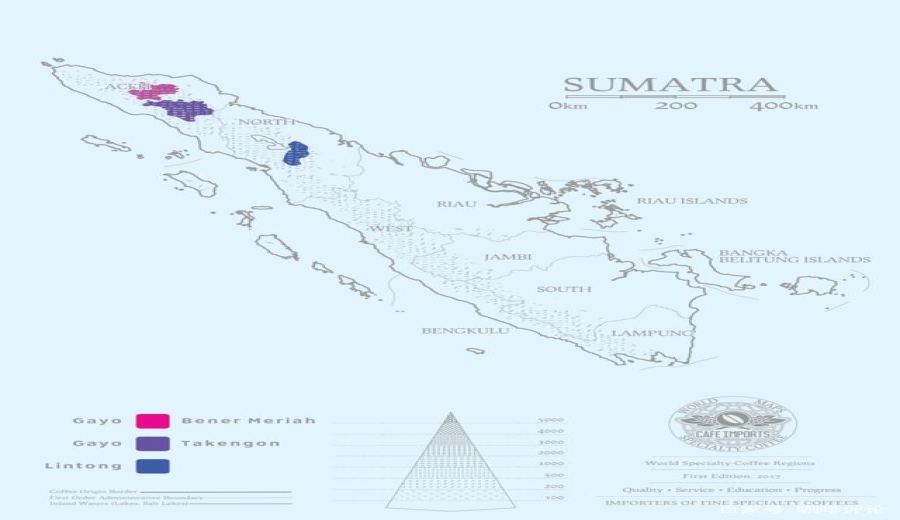
Indonesian Mandheling is primarily grown on the island of Sumatra, which features a tropical rainforest climate with high temperatures, humidity, and abundant rainfall, theoretically ideal for coffee cultivation. However, due to altitude limitations, only about 25% of the coffee grown here is Arabica, with the majority being Robusta, which is more tolerant of low altitudes. The northern part of Sumatra, particularly the Lintong region, was once the main supplier of premium Mandheling, though today the most renowned comes from a small area within the Lintong administrative region, known as Lintong Mandheling.
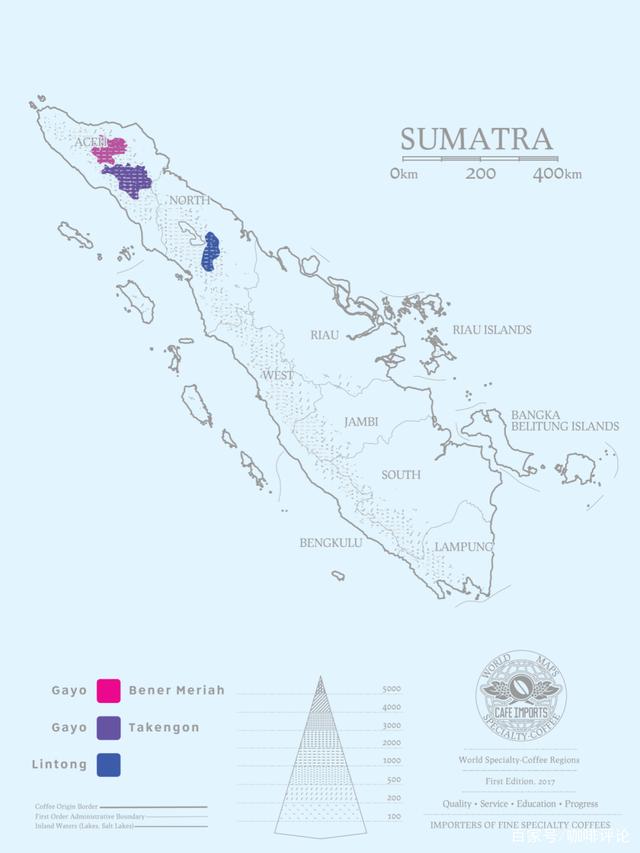
In addition to Lintong, the Gayo Mountains in Aceh, located at the northernmost tip of Sumatra, have also gradually gained recognition in recent years. This region sits at an average altitude of 1100 to 1600 meters, with excellent climate conditions. Though exports were once hindered by political instability, the situation has since stabilized, and the quality of coffee produced here now surpasses that of the traditional Lintong area. Since 2020, PWN has chosen to grow its new Golden Mandheling here, experimenting with replacing traditional Typica with the Ateng variety.
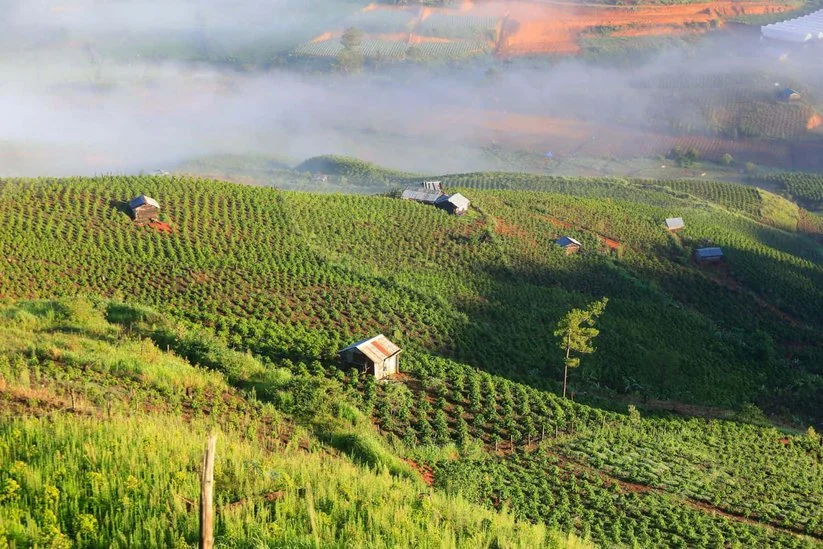
The unique flavor of Indonesian coffee owes much to its distinctive wet-hulling process. This method arose from the region’s rainy climate, which makes traditional sun-drying or costly washed processing difficult. As a result, a technique was developed to first remove part of the outer fruit pulp and then scrape off the parchment layer while the beans are still semi-dry. This process often leaves a characteristic hoof-like crack on the bean surface during scraping—this is a common trait of Mandheling, not a defect.
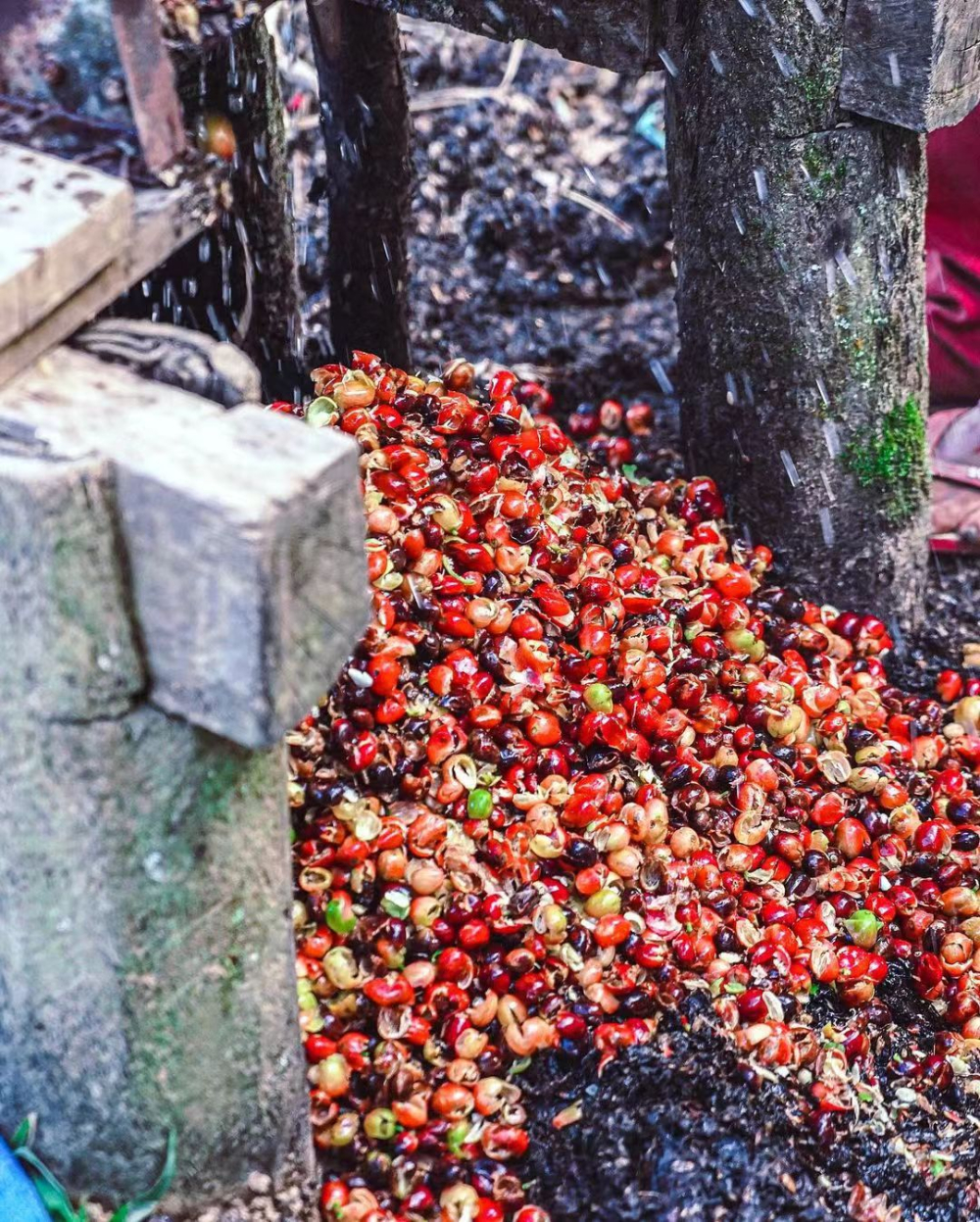
The wet-hulling process can be divided into two stages: First, a wooden machine removes the skin and pulp, followed by a 3-hour fermentation and initial drying to reduce moisture content to 30%–50%. Next, the fruit pulp and parchment layers are scraped off, and the beans continue drying until their moisture level reaches 12%–13%. The entire process takes approximately 2 to 4 days. Additionally, there is an aged wet-hulling method, where processed beans are stored for 2 to 3 years with regular turning to ensure ventilation, reducing acidity and enhancing sweetness, ultimately yielding a deep color and full-bodied flavor.
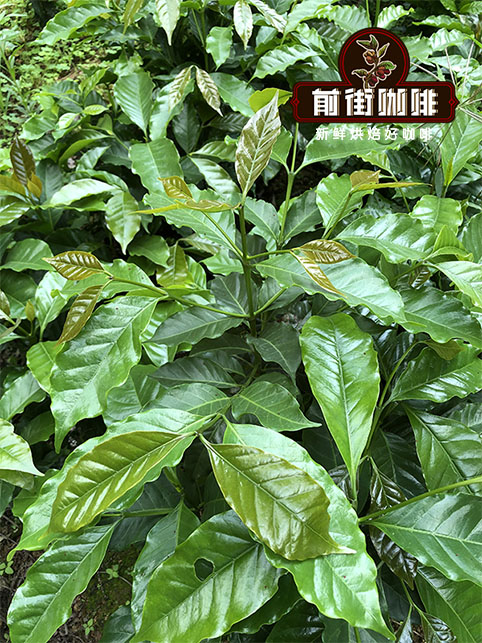
In terms of variety, traditional Mandheling mostly uses Typica, one of the oldest Arabica varieties, known for its elegant flavor but weak disease resistance and low yield. Starting in 2020, PWN switched to the Ateng variety, which is widely planted in Yunnan and is essentially the same as Catimor. This variety, a hybrid introduced to combat the coffee leaf rust crisis, boasts strong disease resistance and high yield. Although its flavor profile differs from Typica, it has become the primary planting choice for today’s Golden Mandheling.
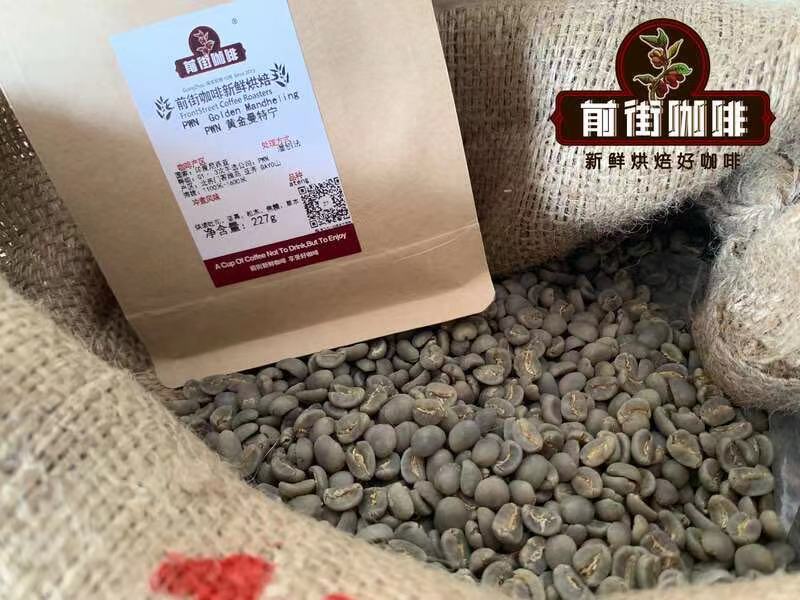
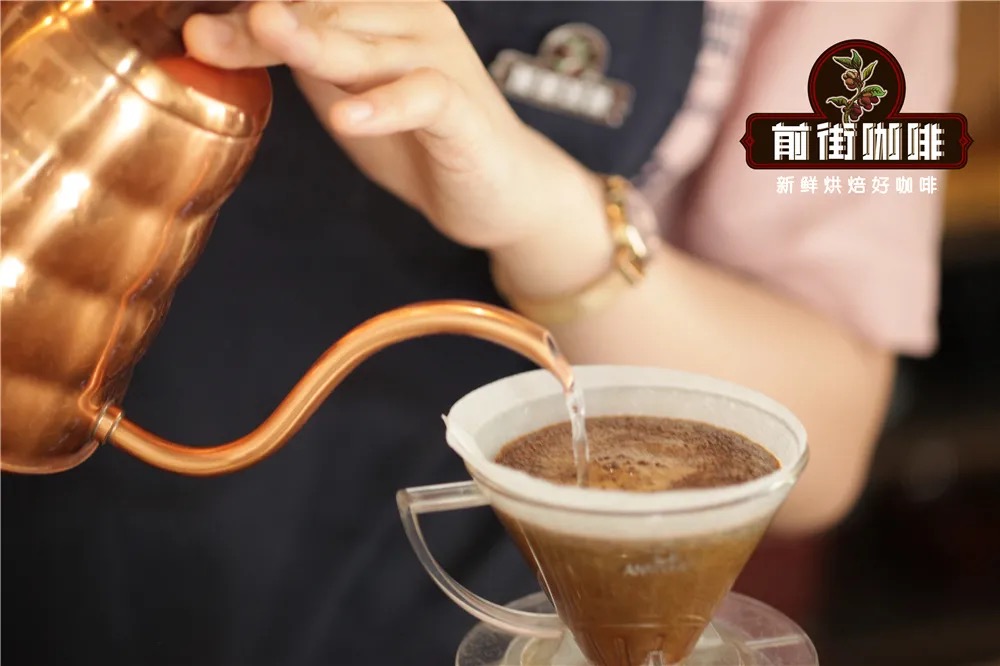
If you’d like to brew an authentic PWN Golden Mandheling yourself, here are the recommended professional parameters: Use a KONO filter, 15 grams of coffee, a 1:15 brew ratio, and water temperature between 86–87°C. Grind size is approximately EK43s setting 11 (about 70% through a Chinese 20-mesh sieve). For brewing technique, we recommend a pulse pour method: start with a 30-gram bloom for 30 seconds, then pour in a small circular motion until reaching 125 grams, pause for a drain, then pour up to 225 grams before removing the filter. Total brew time is around 2 minutes.
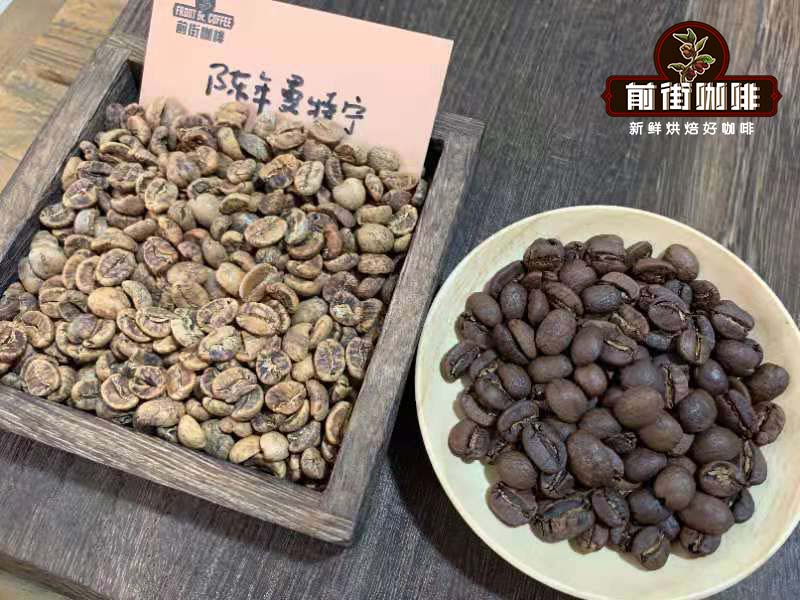
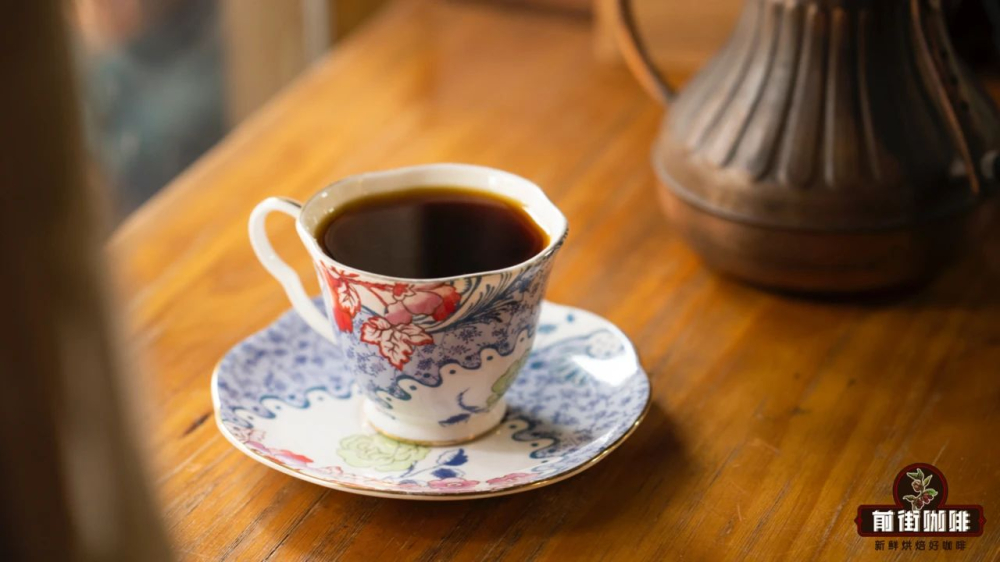
This Ateng variety coffee, grown at 1100–1600 meters in Aceh’s Gayo Mountains in Sumatra and processed via wet hulling, exhibits a richly layered profile. Its flavor notes include roasted toast, nuts, pine, caramel, and herbal tones. The cup is full-bodied yet clean, with a long-lasting chocolatey aftertaste. It’s an excellent single-origin bean for deep tasting and refining your pour over skills.
The above content is compiled by CoffeeHunters, a coffee news website.

