








Introduction:Understanding the classification and variations of coffee bean roast levels is the first step in selecting your ideal coffee. This article provides a detailed breakdown of the process from light to dark roasts, including the flavor characteristics, visual changes, and common misconceptions at each stage. For readers who enjoy bold yet non-bitter flavors, we also recommend several beginner-friendly dark roast coffees to help you find your own preferred coffee profile.
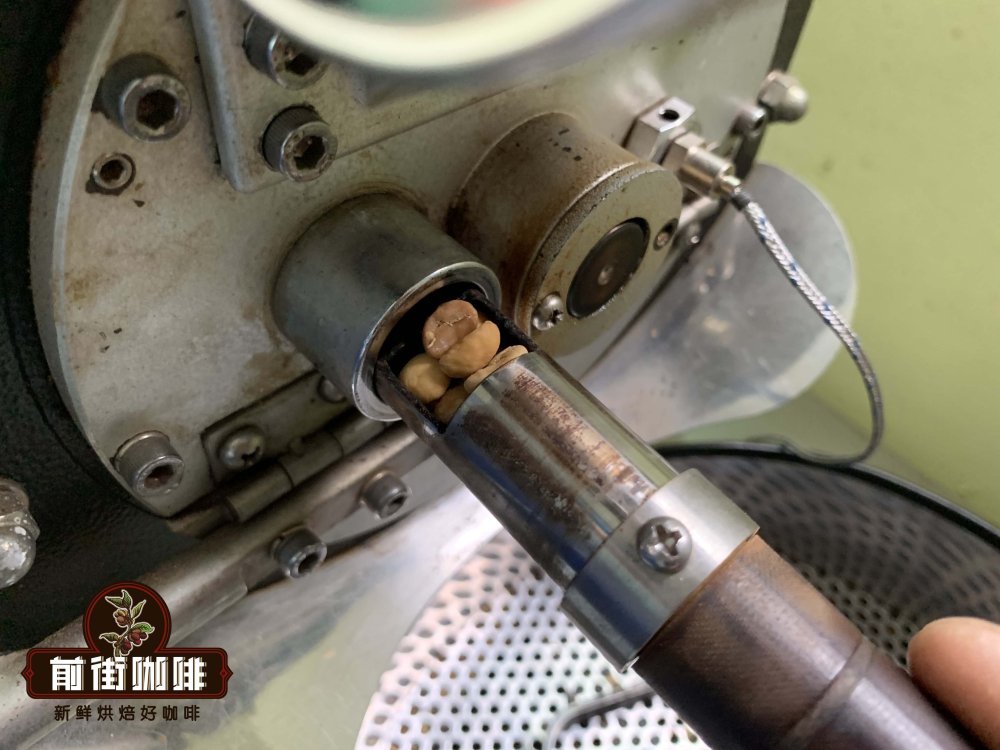
During the roasting process, coffee beans undergo a series of noticeable physical and chemical changes as temperature and time progress. Starting from the raw green bean state, as moisture gradually dissipates, the beans first enter the drying phase, then turn yellow, followed by the first crack stage, which marks the beginning of internal pressure release and flavor development. If roasting continues, it will go through the first crack density phase, second crack, and even second crack density—these are all key indicators for determining roast level.
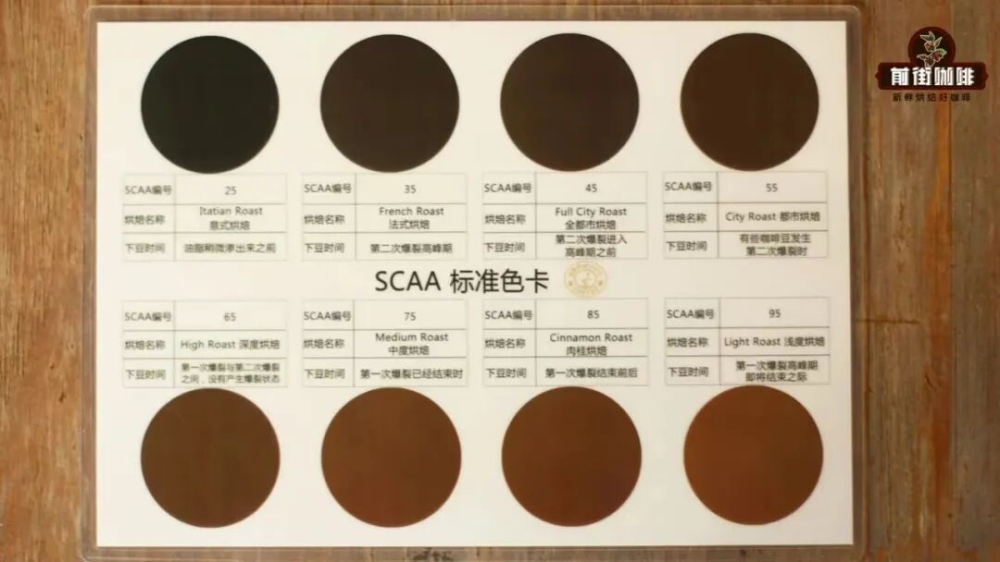
Common roast level classification charts divide beans into eight grades, with values increasing from light to dark roast. However, in reality, such classifications are more for professional roasters’ internal reference, and it’s difficult for general consumers to accurately judge a bean’s precise color value or roast depth just by sight. Additionally, due to differences in sugar content and density of the coffee bean skin across origins, even under the same roasting time, the degree of coloration may vary. Therefore, relying solely on appearance to judge roast level can easily lead to errors.
Typically, we assess a bean’s roast level by comprehensively evaluating its appearance color, shape, and flavor performance after brewing, then roughly categorizing it into three main types: light roast, medium roast, and dark roast. This method is closer to actual drinking experience and helps in choosing coffee beans that suit your taste.
Light roasts are usually beans that are dropped during the middle to end of the first crack. At this stage, the coffee beans retain more organic acids, resulting in pronounced acidity, lower bitterness, and a rich, diverse aroma profile. Representative examples include beans dropped in the mid-to-late first crack phase, which can showcase bright citrus, floral, or herbal notes—ideal for drinkers who prefer a refreshing acidity. Such beans also tend to better highlight the unique terroir characteristics of their origin when brewed.
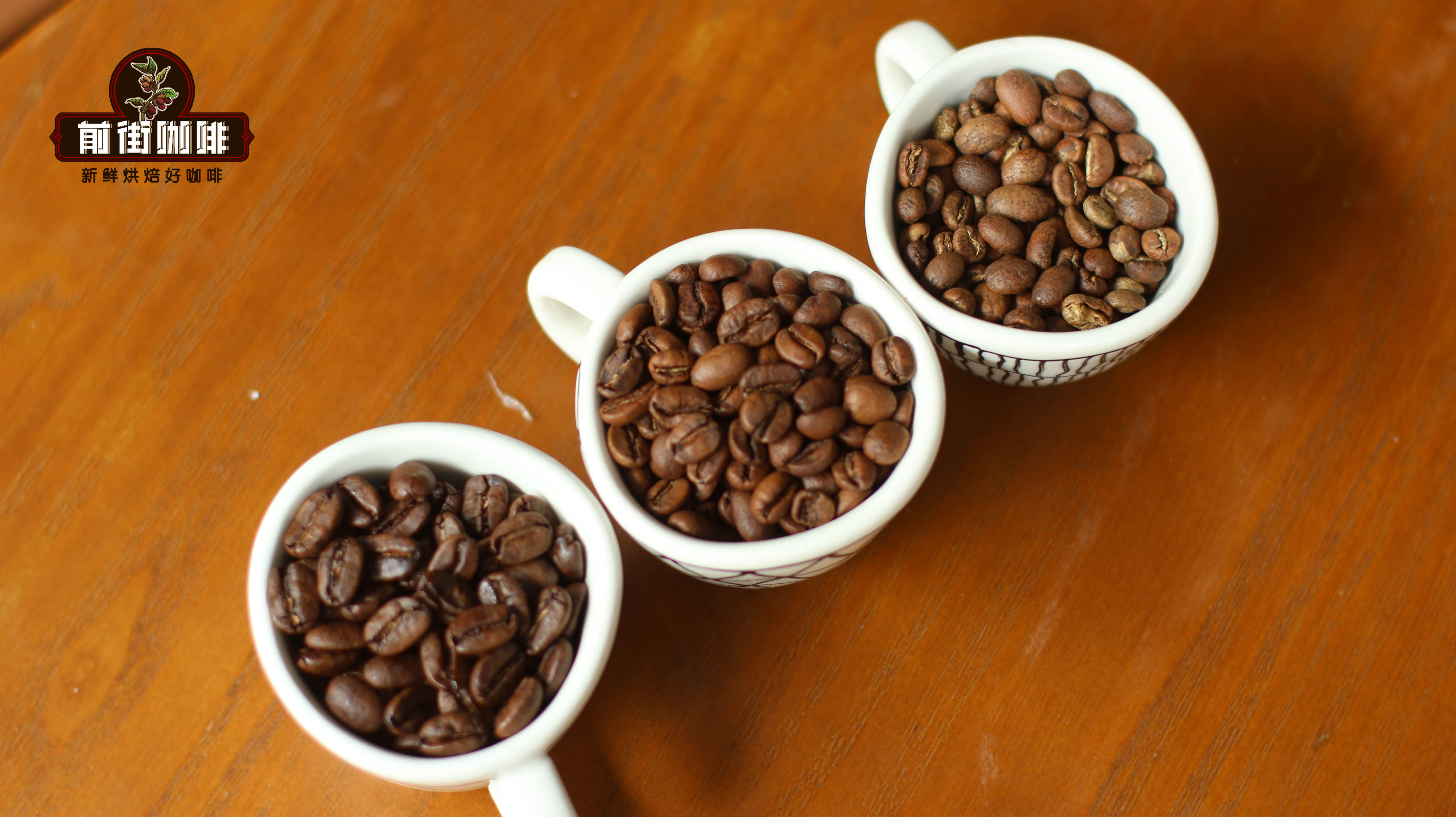
Medium roasts are completed from the end of the first crack to just before the start of the second crack. By this point, the beans have undergone more caramelization reactions, reducing acidity and enhancing sweetness, leading to an overall more balanced flavor. Compared to light roasts, medium roasts have reduced fruit acidity, but fruitiness along with caramel and nutty notes remain prominent, with increased aroma complexity that offers a more layered taste experience. These are suitable for coffee lovers who want some acidity but prefer a rounder mouthfeel—for example, common blends or single-origin beans used for home brewing often fall into this category.
Dark roasts refer to beans dropped after the start of the second crack. At this stage, the roasting triggers significant caramelization and carbonization reactions inside the bean, leading to a flavor profile dominated by intense bitterness, though often accompanied by noticeable sweetness and a rich mouthfeel. Dark roast beans typically have higher body and fullness; although the bitterness is evident, in high-quality dark roasts, it often transforms into deep chocolate or nutty tones with a long-lasting finish. The aroma of these beans is relatively less varied, often featuring notes of chocolate, cocoa, smoke, or dark nuts, not as diverse as light or medium roasts, but they can still showcase strong character and bold flavors.
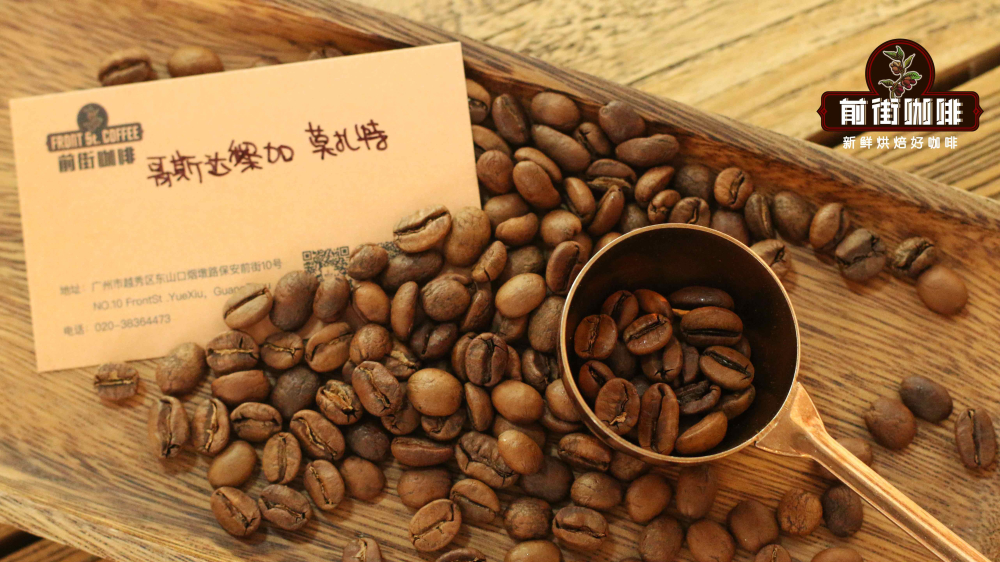
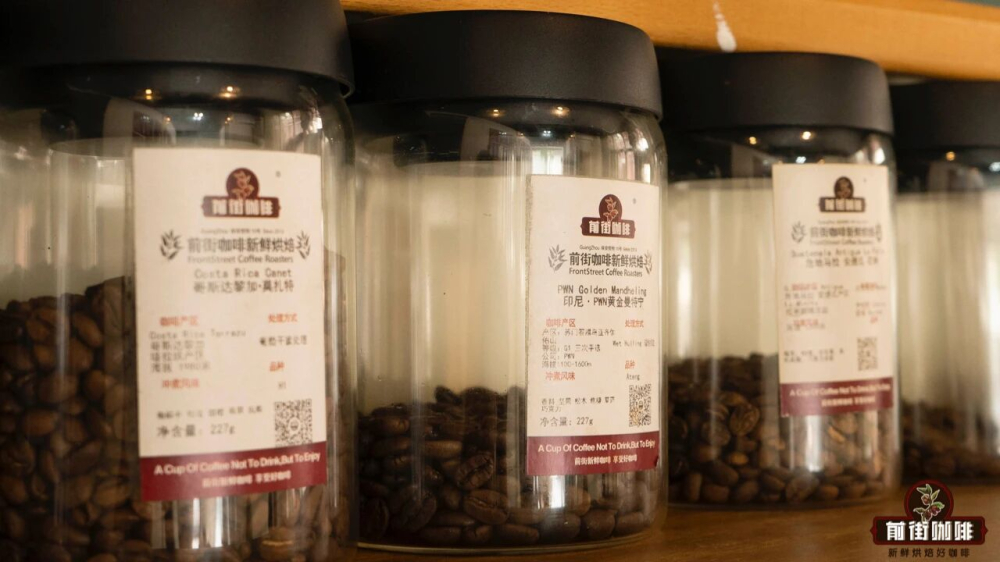
For beginners new to dark roast coffee, it’s recommended to start with classic dark roast beans from well-known brands or reliable suppliers. These beans generally have stricter control over roast profiles and quality, delivering the boldness expected from dark roasts without being overly bitter. For instance, Indonesia’s Mandheling series, known for its naturally low acidity and full body, is a popular entry choice for many dark roast enthusiasts. Additionally, classic Italian-style blends are also a good option—these beans are typically a mix of coffees from different regions, aiming to provide a balanced bold flavor with a creamy body, making them ideal for espresso or milk-based drinks like lattes.
The above content is compiled by CoffeeHunters, a coffee news website.

