







Introduction:Want to understand why a certain Golden Mandheling pour over bean is priced higher, and how it differs from regular Mandheling? This article delves into the production region characteristics, processing details, and unique flavor profile of this classic Sumatran dark roast bean. From selection criteria and roasting traits to recommended pour over parameters, we’ll guide you through the brewing tips and practical evaluations of this highly popular single-origin bean.
The market offers a wide variety of coffee beans, whether light or dark roast, not only differing in flavor expression but also in brewing methods and equipment pairings. Among them, a certain Golden Mandheling from Sumatra, Indonesia, has long been a classic dark roast choice among many pour over enthusiasts. With its rich and full-bodied taste and distinctive herbal notes, this bean has been globally favored in the coffee market for a long time. The following will take you deeper into the story behind it and key brewing pointers.
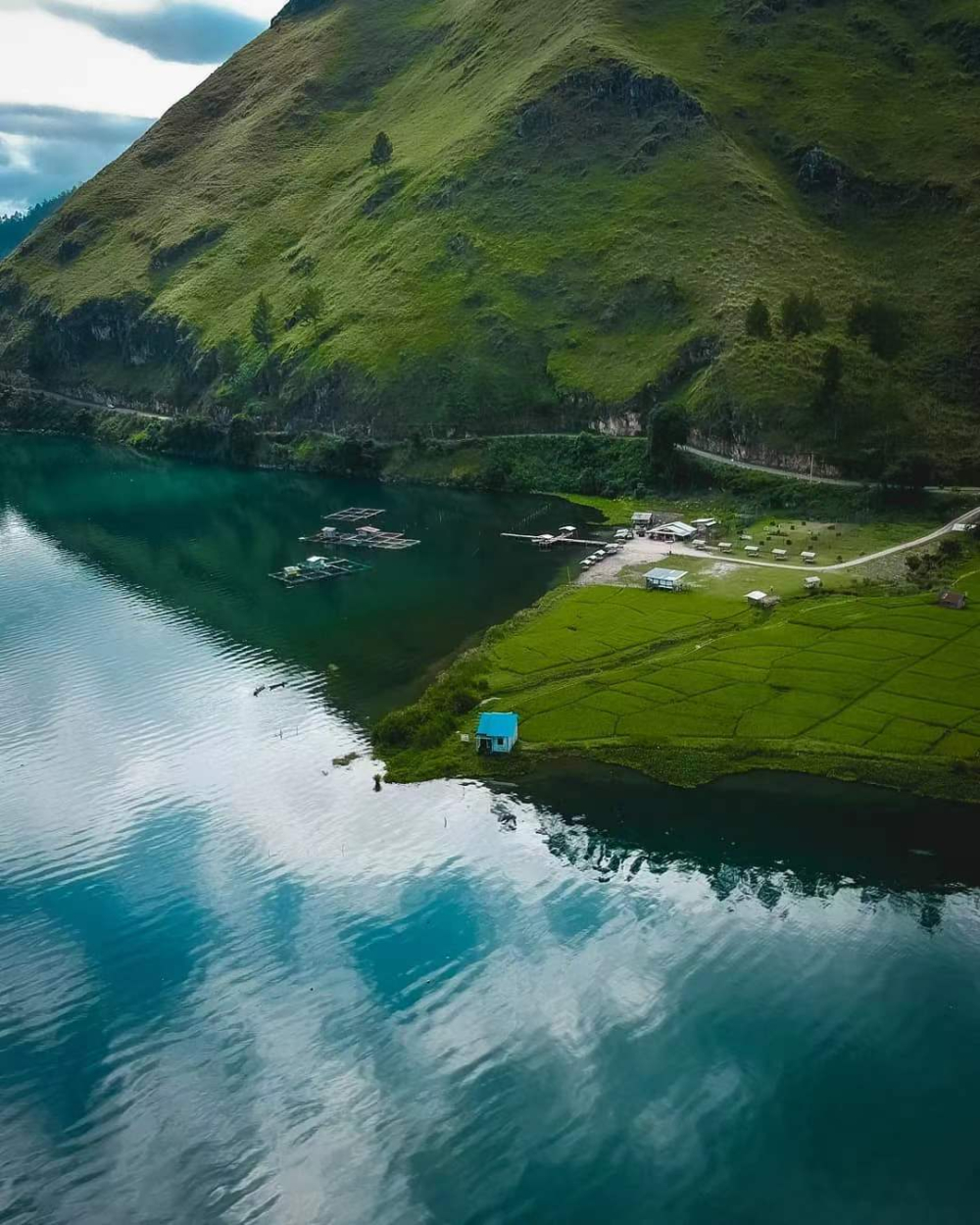
Coffee flavor is primarily composed of three key elements: the growing environment, coffee variety, and processing method. The northern and central highlands of Sumatra Island, at elevations of about 900 to 1600 meters, are important regions for Mandheling coffee production. This area features a tropical rainforest climate, with an average annual temperature between 25 to 28°C, abundant rainfall, and no distinct dry season, providing ideal growing conditions for Arabica coffee trees and also shaping the uniquely intense character of Mandheling beans.
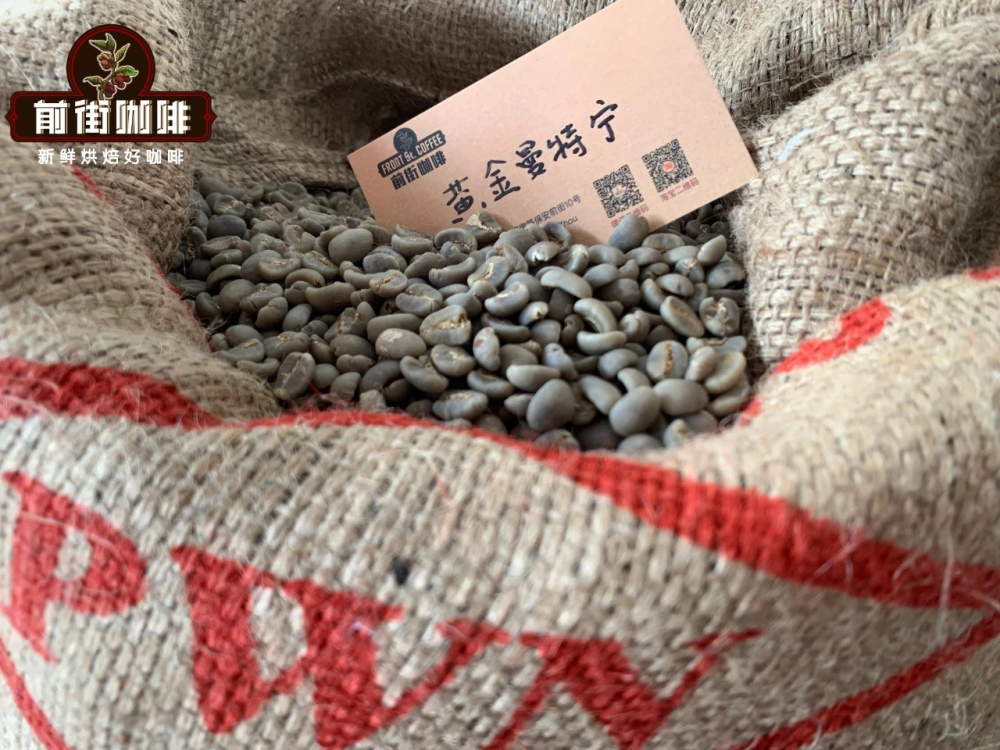
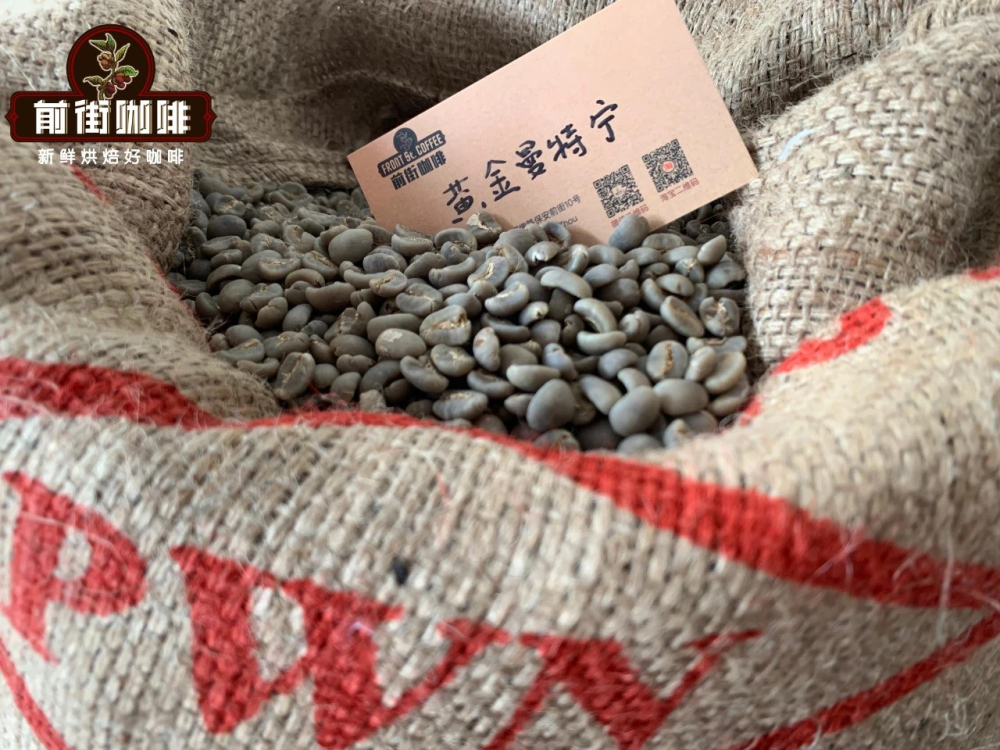
Speaking of Golden Mandheling, many mistakenly assume it’s a higher-grade “Mandheling classification,” but in fact, “Golden” does not represent an international coffee bean grading—it is a trademark registered by a particular coffee company. Established in 1957, this company was the first in Indonesia to export North Sumatran coffee to markets such as Japan and played a significant role in promoting the “Mandheling” name internationally. A certain merchant’s Golden Mandheling is carefully selected from Indonesia’s highest grade of green beans, G1, and undergoes at least three manual sorts and one machine screening, selecting only whole beans larger than 18 mesh with a defect rate of less than 3 (per 300g sample), ensuring each bean meets the highest quality standards. The beans have a uniform deep green color and regular shape, far surpassing the usual G1 standards on the market.
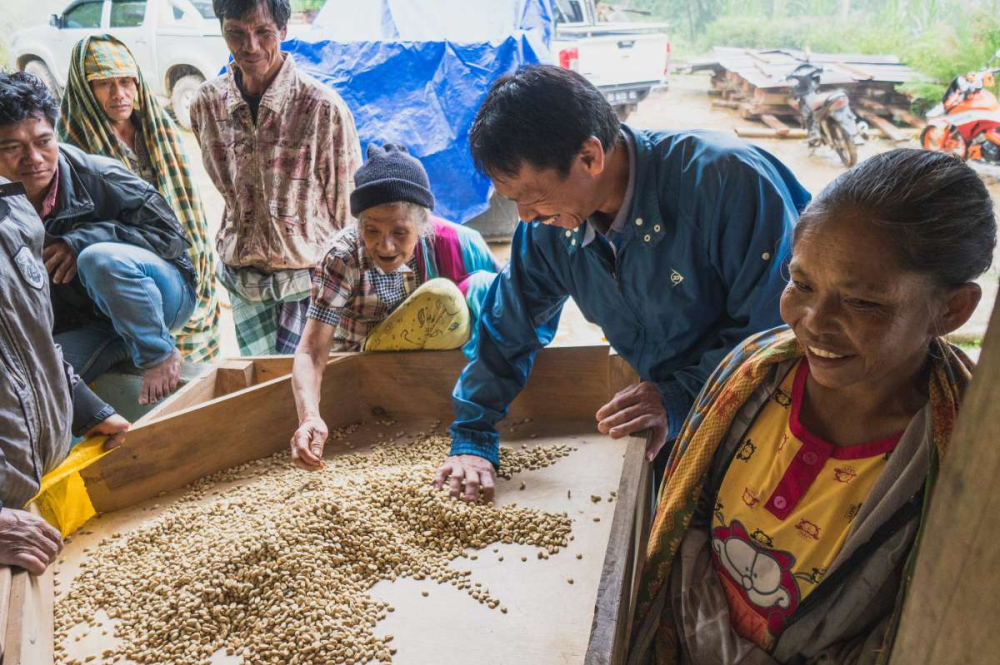
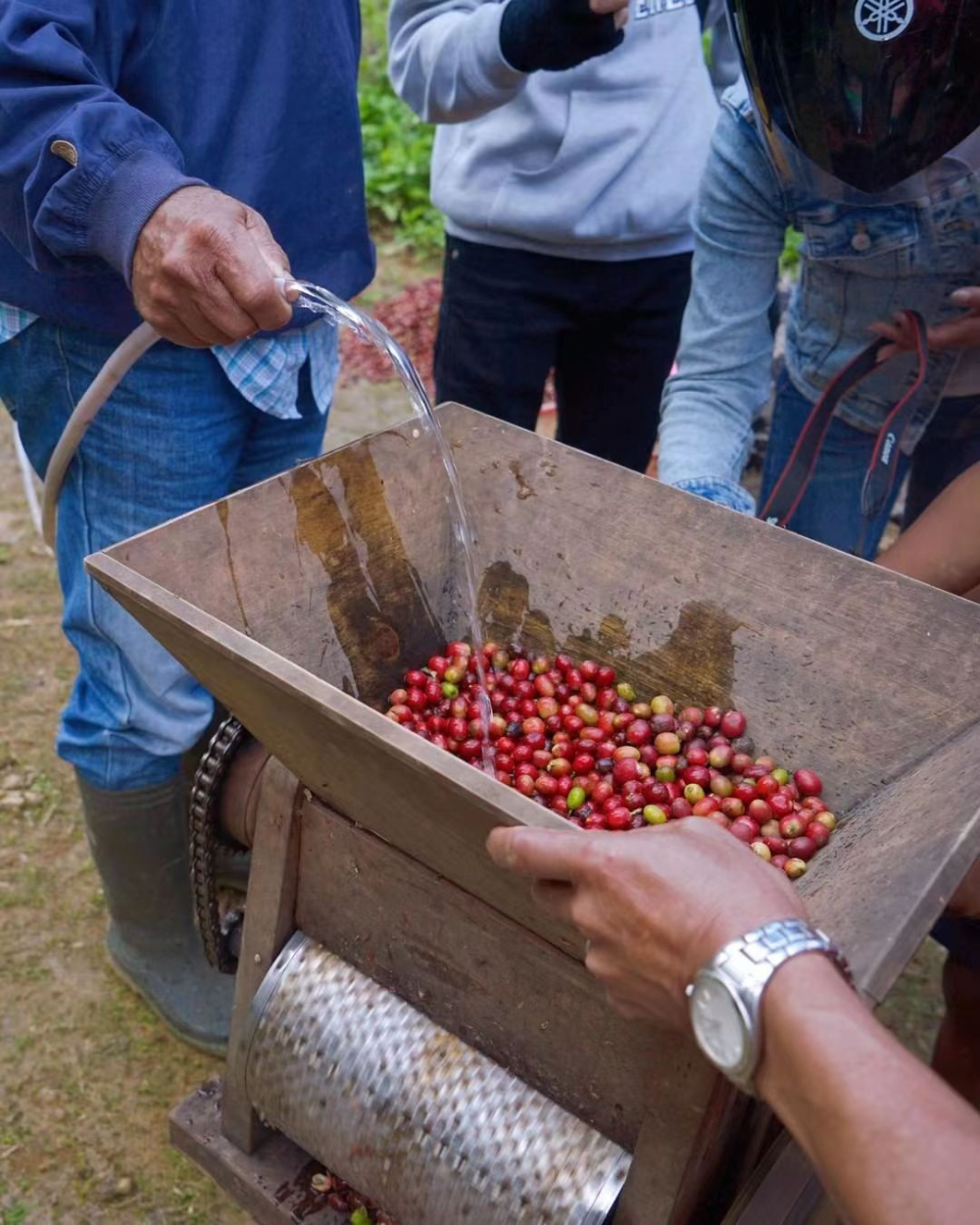
Sumatran Golden Mandheling is processed using the wet hulling method, a special technique developed to adapt to the region’s humid and rainy climate. Due to unfavorable weather for sun drying, farmers opt for water fermentation followed by removing the parchment layer while the beans still retain slight moisture, then proceed with drying. This process allows the coffee beans to maintain high humidity during storage, resulting in unique herbal, woody, and spicy flavor profiles—one of the most recognizable characteristics of Golden Mandheling.
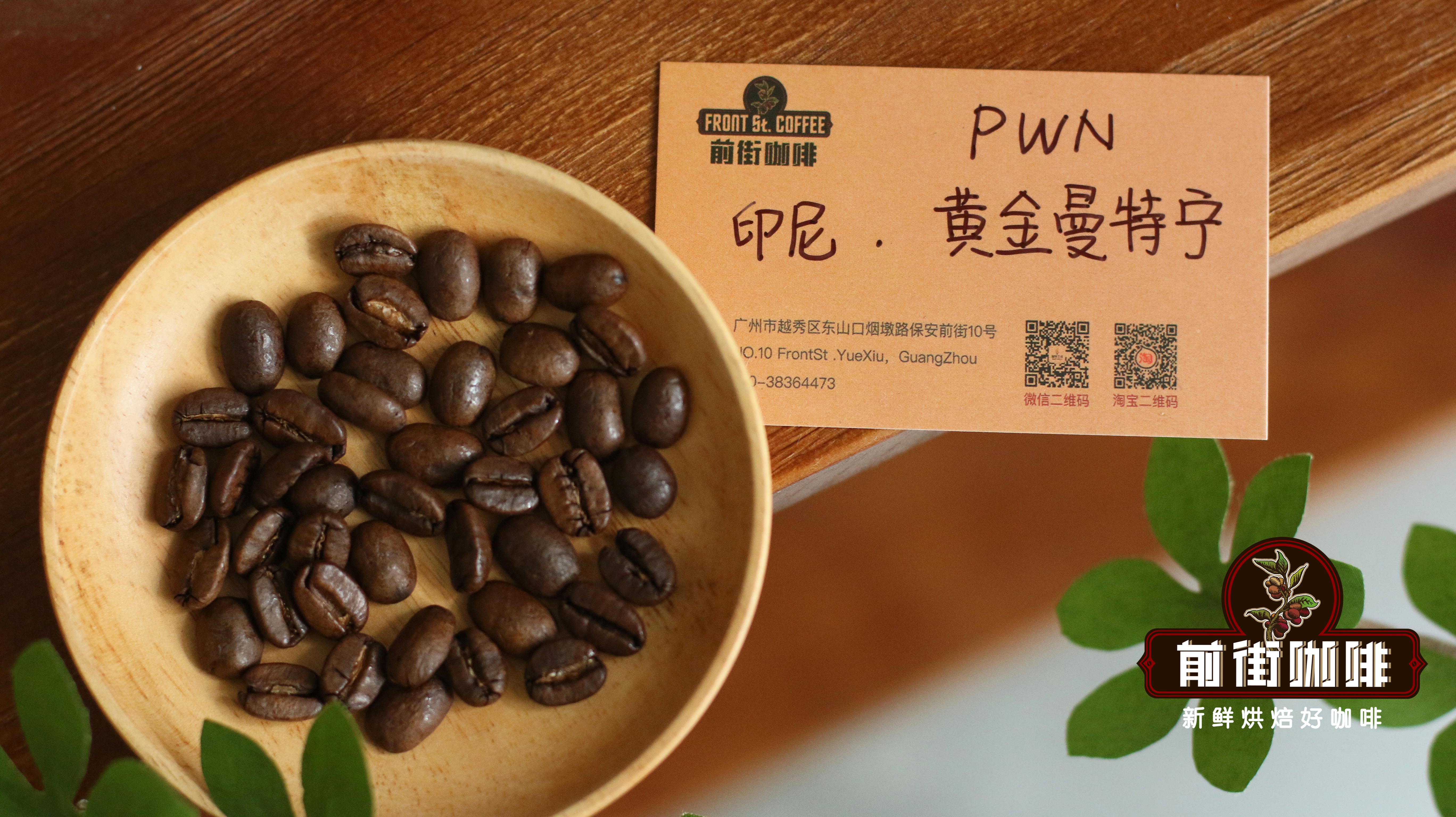
Why is Mandheling generally well-suited for dark roasting? Before the trend of bright, acidic light roasts became popular, dark roasting was the preferred method for highlighting a coffee’s rich aroma and full-bodied taste. Dark roasting enhances the caramelization reaction, giving the coffee a heavier body and a steadier tone. For Mandheling, dark roasting not only reduces its inherent acidity but also brings out captivating layers of spice, pine, and caramel. A certain merchant employs a deep roast for their Golden Mandheling to intensify its rich base and highlight unique spicy and woody aromas, making every sip full of bold yet balanced flavors.
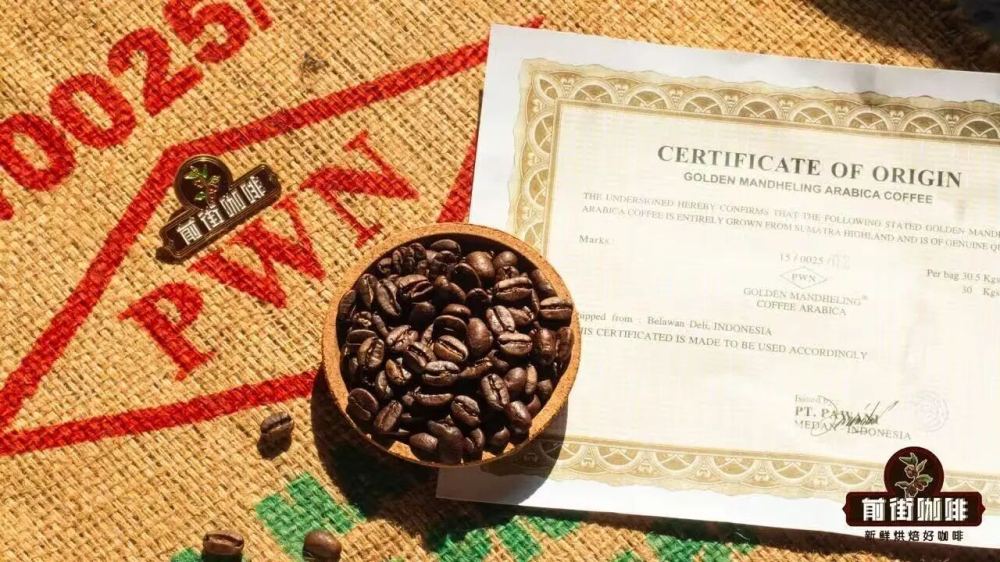
Compared to the diverse fruit acids and floral-fruity notes of light roast beans, the dark-roasted Golden Mandheling, while having a more concentrated flavor profile, excels in high body and intense aroma. The roasted beans appear deep black, exuding a complex aroma of cloves, herbs, and sandalwood. They have low acidity, a smooth and clean mouthfeel, and a finish that carries notes of chocolate and nuts, with excellent aftertaste persistence. Whether used for pour over single origins, SOE espresso, or moka pot extraction, it can showcase different flavor dimensions. For pour over, it is recommended to use medium-fine grind with water temperature around 90–92°C, employing a segmented extraction method to achieve its optimal balance.
The above content is compiled by CoffeeHunters, a coffee news website.

