







Introduction:Want to enjoy professional-grade espresso at home with ease? This article provides a detailed guide on how to use a home fully automatic coffee machine—from basic operation to selecting the best coffee beans—teaching you step-by-step how to extract rich and aromatic coffee. Whether you're a beginner or already have some experience, you’ll find practical setup tips and bean pairing inspiration here.
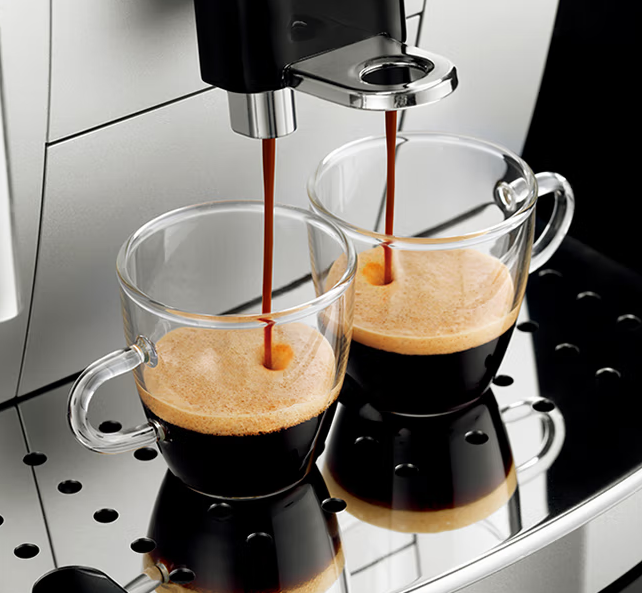
Modern homes and offices are increasingly favoring fully automatic coffee machines due to their convenience—just press a button, and the machine automatically grinds and brews, delivering a rich cup of coffee quickly. However, for first-time users, knowing how to operate it correctly and choose the right coffee beans remains an essential part of getting started.
A fully automatic coffee machine can automatically grind, tamp, and extract based on preset parameters, significantly lowering the barrier to manual operation. However, to fully unlock the machine’s potential, understanding extraction principles and bean characteristics will help improve overall flavor performance.
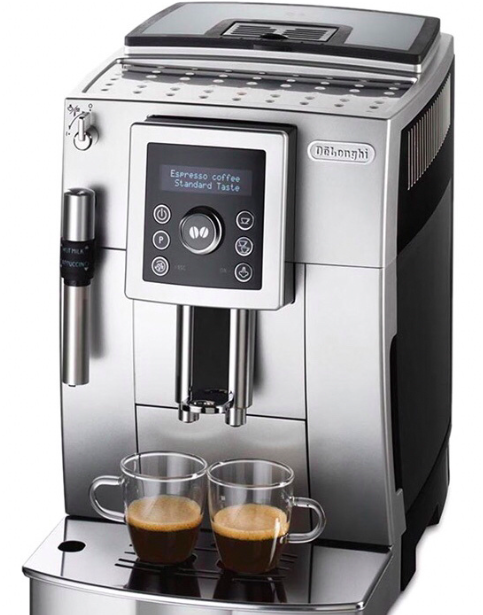
Currently, the market offers two main types of "fully automatic coffee machines": traditional bean-to-cup machines that use whole beans, and all-in-one machines that use pre-ground coffee or capsules. The former requires you to add coffee beans, which the machine then grinds and brews internally; the latter uses pre-ground coffee or sealed coffee pods for simpler operation, but with slightly less flexibility and freshness.
The advantage of traditional fully automatic coffee machines is their ability to use freshly ground beans, fully showcasing various flavor layers, making them ideal for users who prioritize coffee quality. In contrast, pod or capsule machines emphasize convenience and consistency, suiting busy individuals or those less familiar with the brewing process.

Before using a fully automatic coffee machine, there are several preparatory steps that shouldn’t be overlooked. First, ensure the machine is clean—especially the water tank and coffee grounds container—which should be cleaned regularly to avoid residual buildup that can affect the taste of the coffee. Next, select coffee beans suited to your personal taste—whether you opt for single-origin beans with bright, distinct profiles or carefully blended espresso beans offering a rich and full-bodied flavor, this choice will greatly influence the final extraction.
Additionally, it's recommended to use filtered water and keep the water tank filled to the manufacturer’s suggested level, usually around 3/4 full. This ensures stable extraction while preventing interruptions due to insufficient water levels.
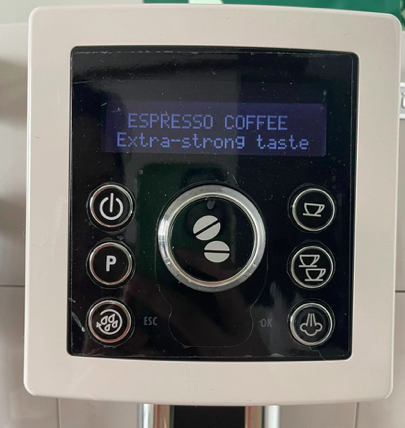
After turning the machine on, make sure it completes its self-check process before adjusting the extraction settings via the control panel according to your preferences. Many fully automatic models offer options such as "small cup" and "large cup," and some even allow adjustments to advanced features like strength, brew temperature, pre-infusion time, and double espresso. It’s advisable to fine-tune these based on your daily drinking habits.
Please note that some entry-level models do not come with a bean hopper and therefore only support the use of whole beans, not pre-ground coffee. If your model includes detailed parameter settings, feel free to experiment gradually with different combinations to find the extraction method that best suits your taste.
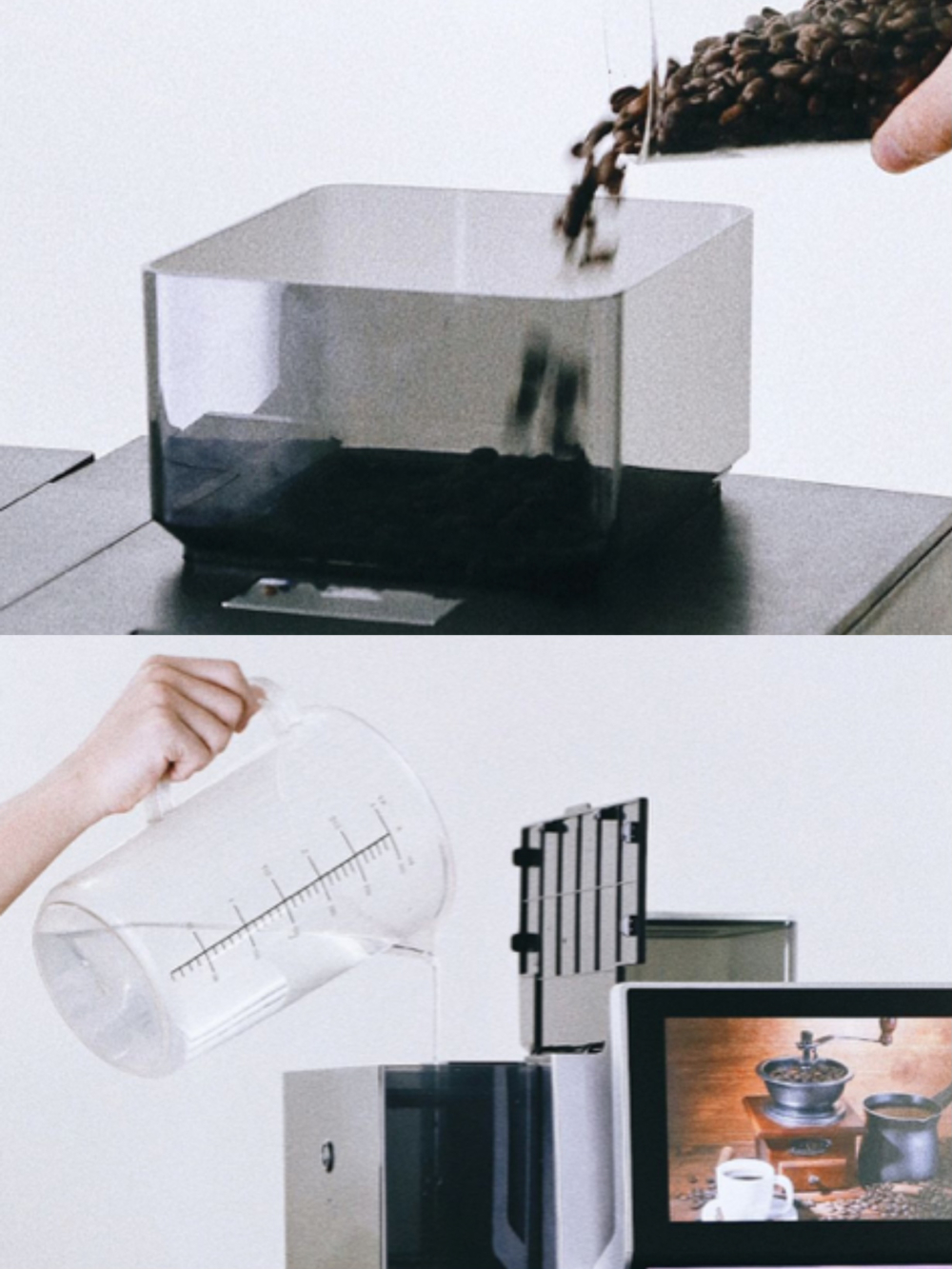
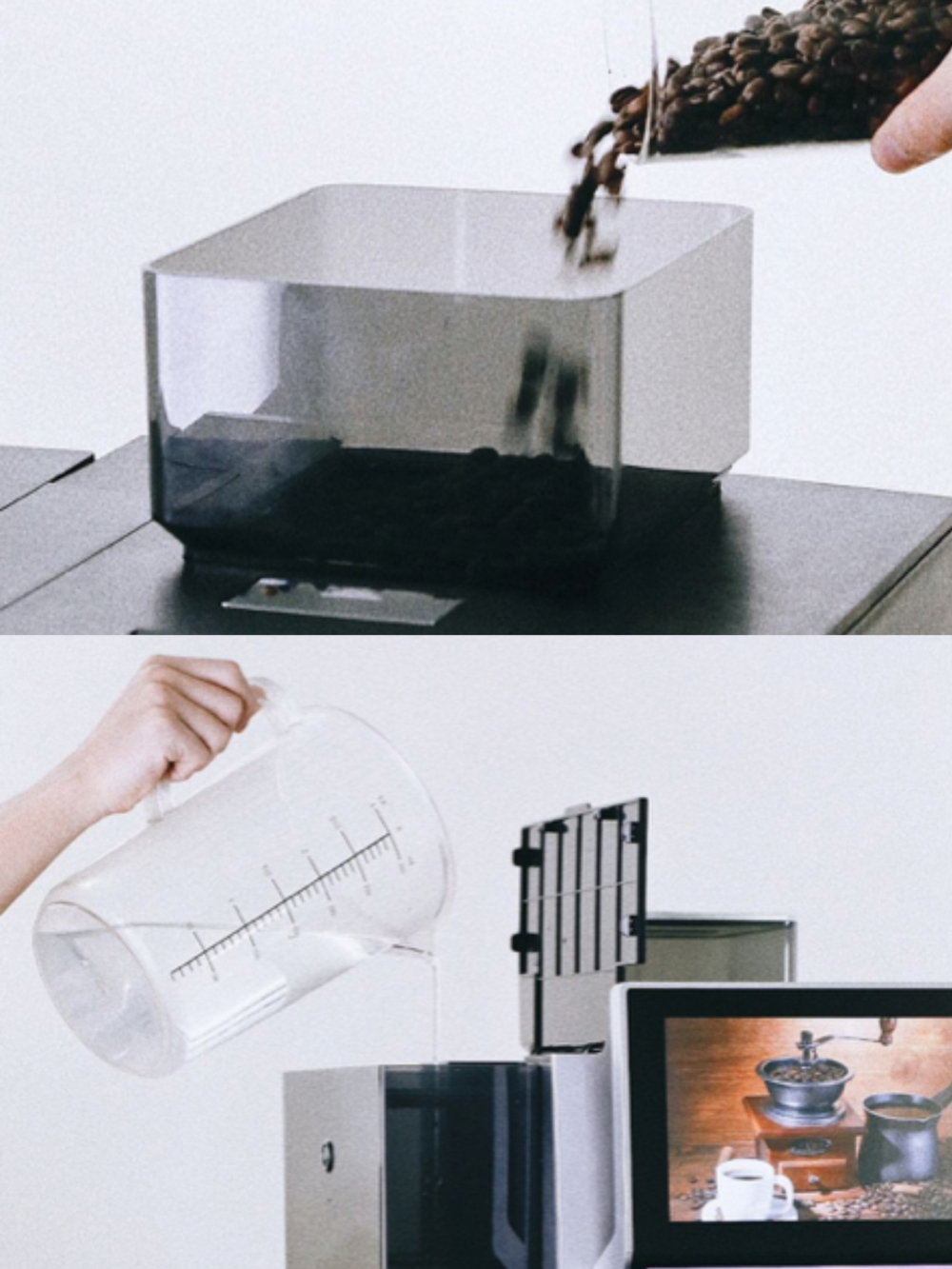
During the preparation stage, pour an appropriate amount of coffee beans into the bean hopper—filling it to about 3/4 full is recommended to prevent overloading, which may cause bean compression or operational issues. At the same time, fill the water tank to the indicated level; it’s also generally advised not to overfill to maintain consistent water flow and heating efficiency.
Bean hopper capacity may vary slightly by model, typically ranging from 250 to 400 grams. It’s recommended to adjust the amount of beans loaded according to your specific machine’s specifications, ensuring smooth grinding and preserving the freshness of the beans.
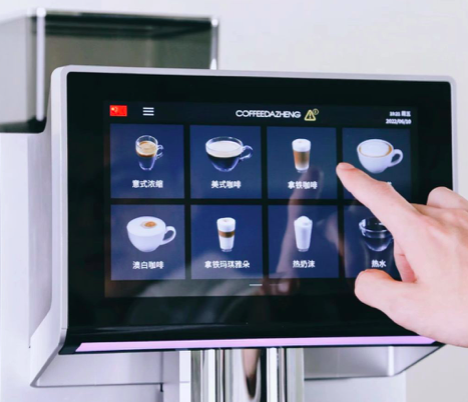
Once everything is prepared, you can select the type of coffee you wish to make—for example, a strong espresso, classic Americano black coffee, or milk-based drinks like lattes and cappuccinos. After pressing the corresponding function key, the machine will automatically grind, tamp, and extract. All you need to do is wait for it to finish.
During the extraction process, observe the coffee flow to ensure there are no unusual sounds or dripping issues. Once completed, the machine will typically emit a sound prompt to notify you that your coffee is ready. You can then pour it out and add sugar or milk according to your personal preference.
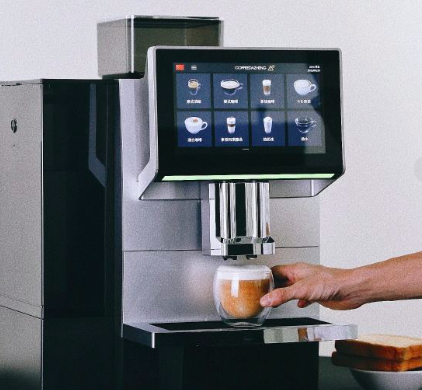
After each use, it’s recommended to perform simple cleaning tasks, such as removing coffee grounds and wiping the spout and exterior surfaces. If the machine won’t be used for an extended period, empty the water tank and bean hopper, and keep the machine dry to prevent mold growth or component aging.
Regularly using the machine’s built-in cleaning mode or descaling program is also key to maintaining extraction quality and extending the machine’s lifespan. Good maintenance habits ensure that your fully automatic coffee machine operates steadily over the long term and consistently delivers coffee with the best possible flavor.
The above content is compiled by CoffeeHunters, a coffee news website.

