







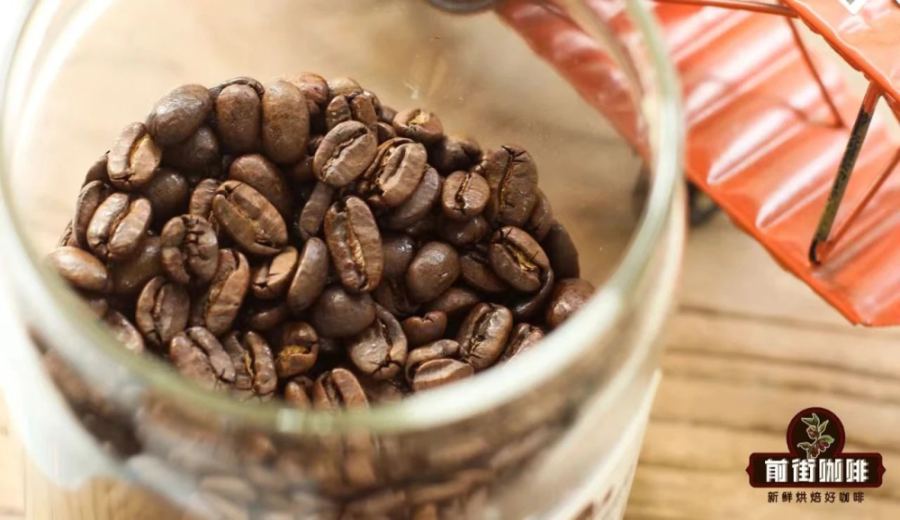
Introduction:Want to dive deep into the origins and characteristics of Indonesian Golden Mandheling coffee? This article provides a detailed overview of the geographical background of Sumatra’s Lintong and Aceh regions, the selection process by a renowned coffee trading company, the unique wet hulling processing method, as well as the roasting profile and pour over brewing recommendations for Golden Mandheling. Whether you're a coffee novice or an advanced enthusiast, you’ll gain key insights to enhance your tasting and brewing experience.
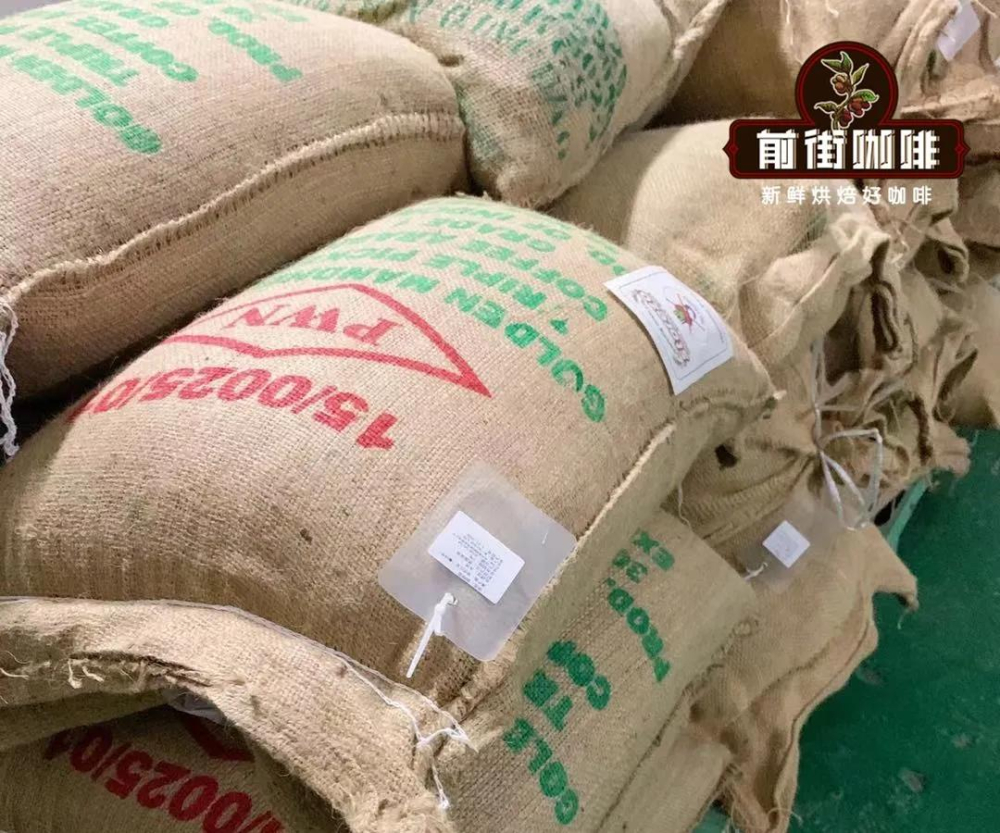
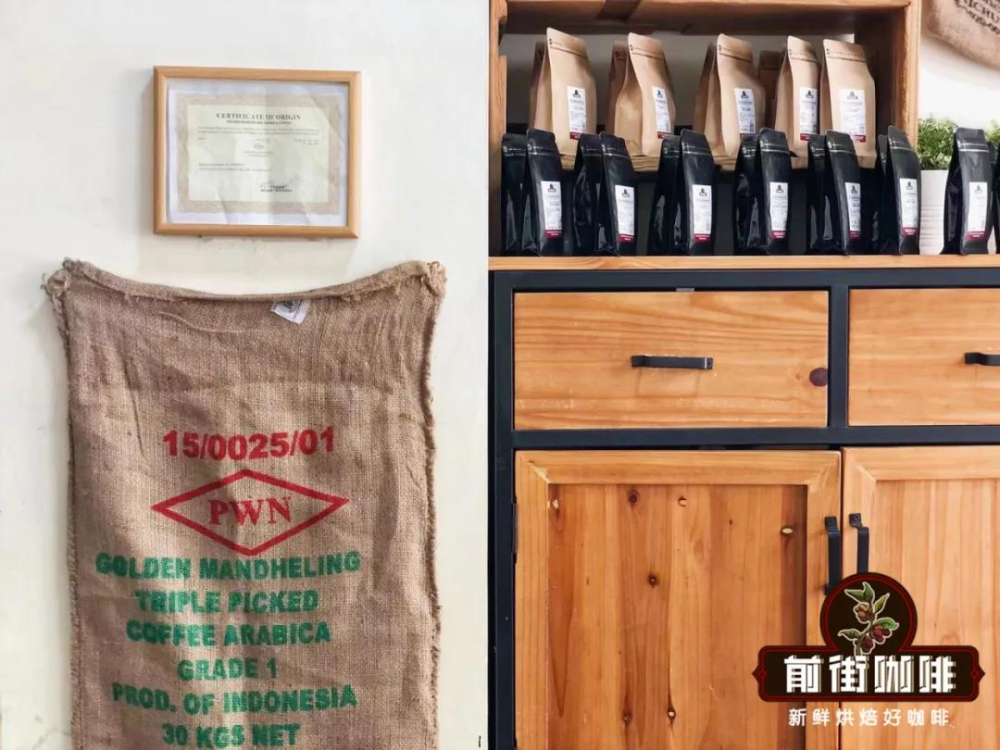
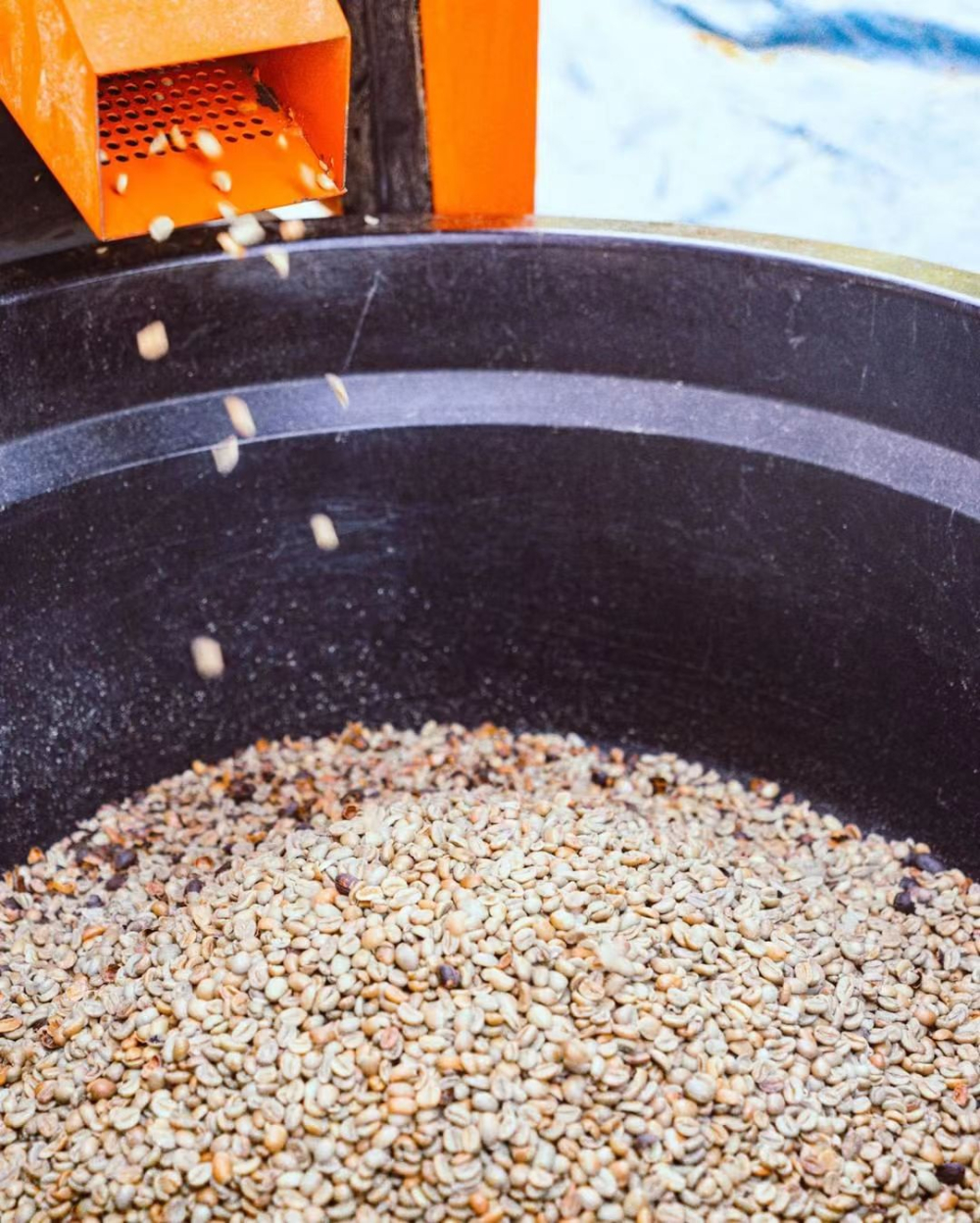
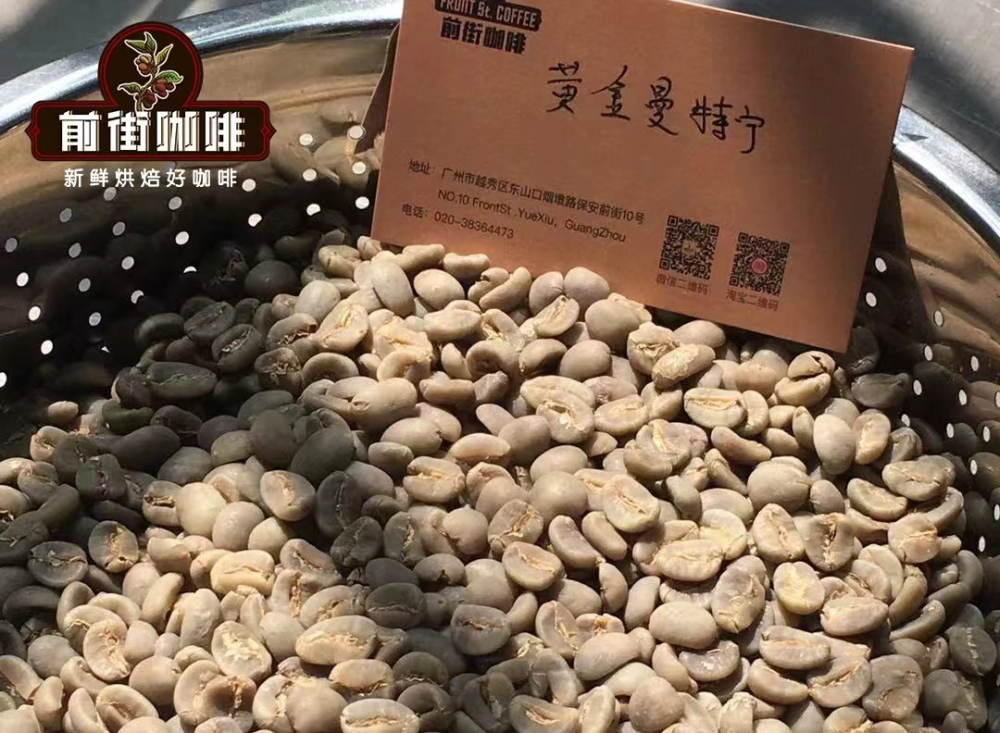
Indonesian Golden Mandheling, a premium specialty coffee from Sumatra, is often mistakenly thought to be the name of a producing region. In fact, it is a top-grade Mandheling carefully selected and produced by a well-known Indonesian coffee trading company. This coffee is renowned for its rigorous selection process involving at least three rounds of manual hand-picking and mechanical screening, choosing only beans that are 18+ mesh size, plump, and free of obvious defects—resulting in outstanding purity and consistent flavor profiles.
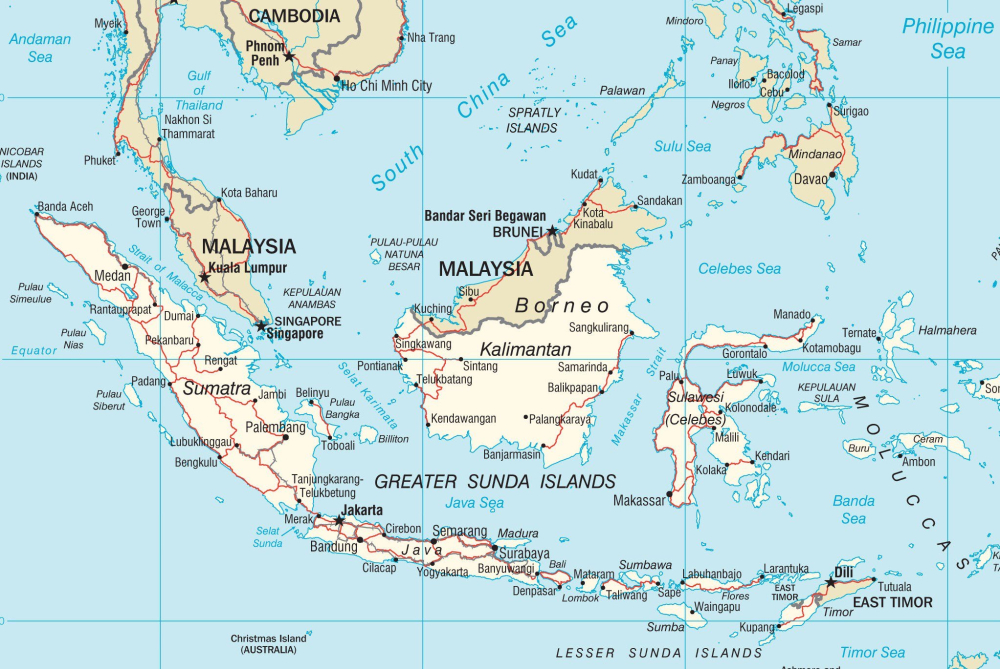
The production areas of Golden Mandheling are primarily located in the northern part of Sumatra,Gayo Mountain in Aceh Province, as well as the southern regions ofLintongandLake Toba. Among these, the Gayo highlands in Aceh are known for their organic farming practices, where local farmers predominantly use natural cultivation methods without chemical fertilizers. As a result, the coffee from this area is often referred to as "green coffee" or "organic Mandheling," not only offering clear and vibrant flavors but also carrying sustainable value.
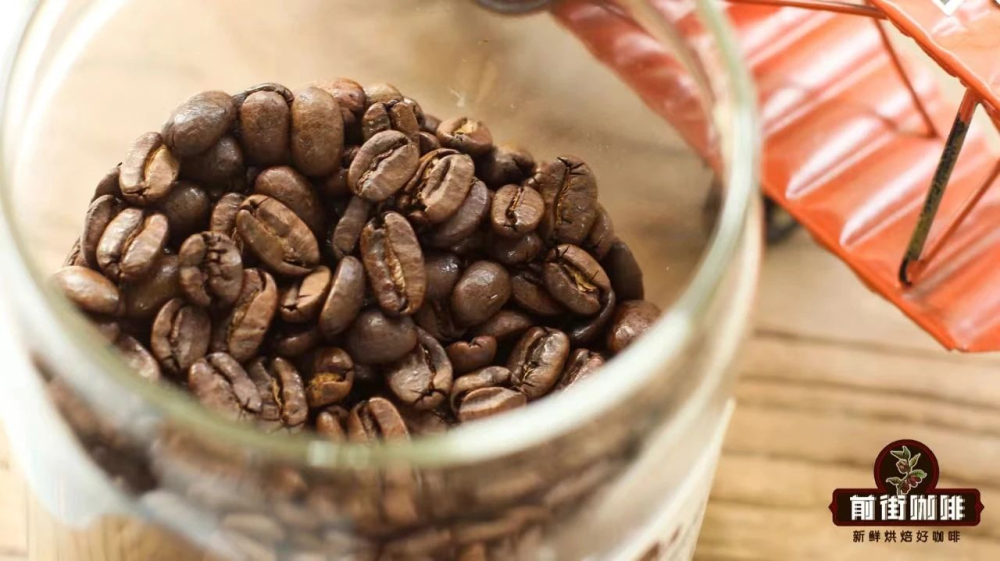
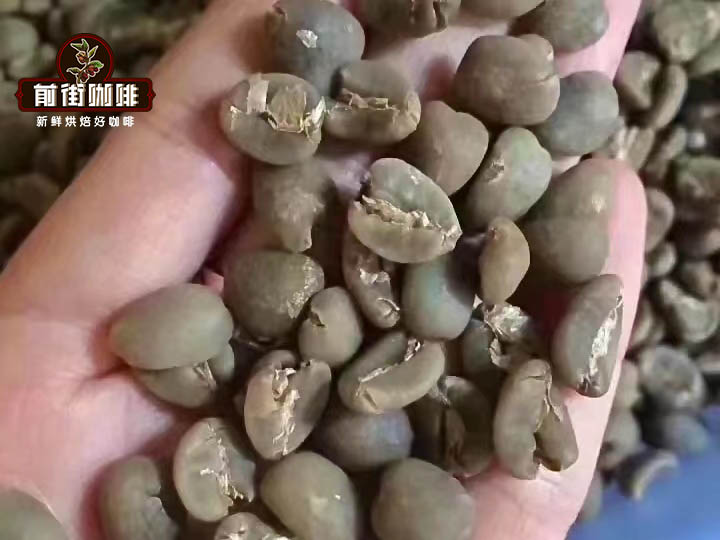
In terms of processing, Golden Mandheling employs Indonesia’s traditional and uniquewet hulling method (known locally as Giling Basah). This method differs significantly from the common washed process. Its hallmark is that the parchment layer is removed while the coffee beans are not yet fully dried, drastically shortening the drying period to adapt to Sumatra’s high-humidity climate. However, because the beans are hulled in a semi-dry state, they are prone to a distinctive “goat hoof” (kuku kambing) defect, necessitating multiple rounds of manual sorting to ensure quality.
The wet hulling process includes the following steps: first, the fruit skin and pulp are removed while the mucilage and parchment are retained; next, the beans undergo water tank fermentation and mucilage washing; then, with the parchment still on, they are sun-dried for 2–3 days until the moisture content drops to 20–24%. Afterward, the parchment is removed, and the beans continue to dry until the moisture level reaches 12–13%, before final preparations for export. This technique imparts a rich, full-bodied flavor with distinctive notes of earthiness, smokiness, and chocolate.
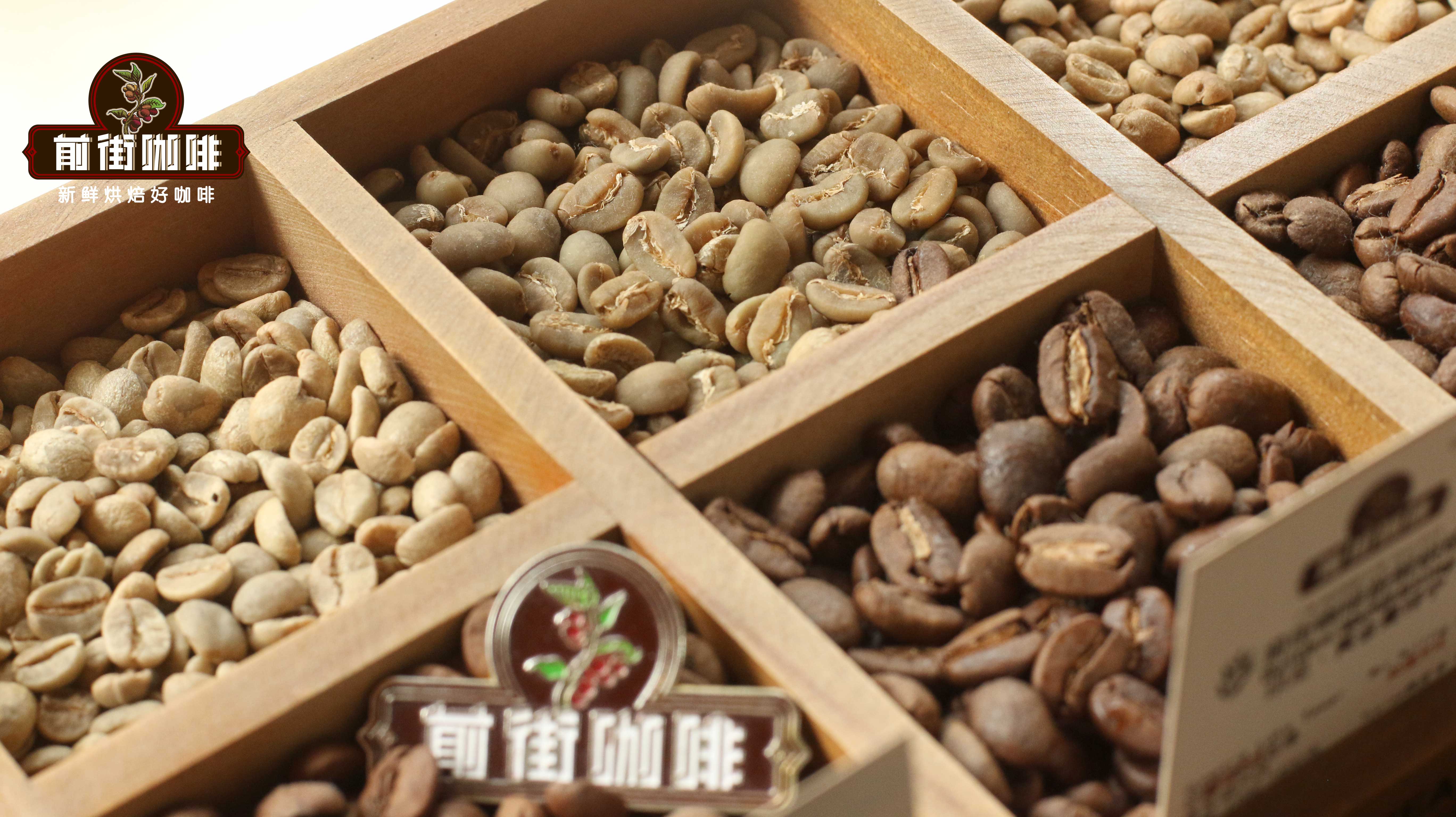
The green beans of Golden Mandheling come from planting regions at altitudes of 1100–1600 meters, classified as G1 grade, and have undergone three rounds of manual selection to ensure they are defect-free. Some professional roasters often choose to drop the beansjust before the first crack intensifies, in order to preserve moderate acidity, resulting in a complex profile that is sweet, aromatic, and features notes of toasted bread, pine, caramel, cocoa, and a hint of herbal character.
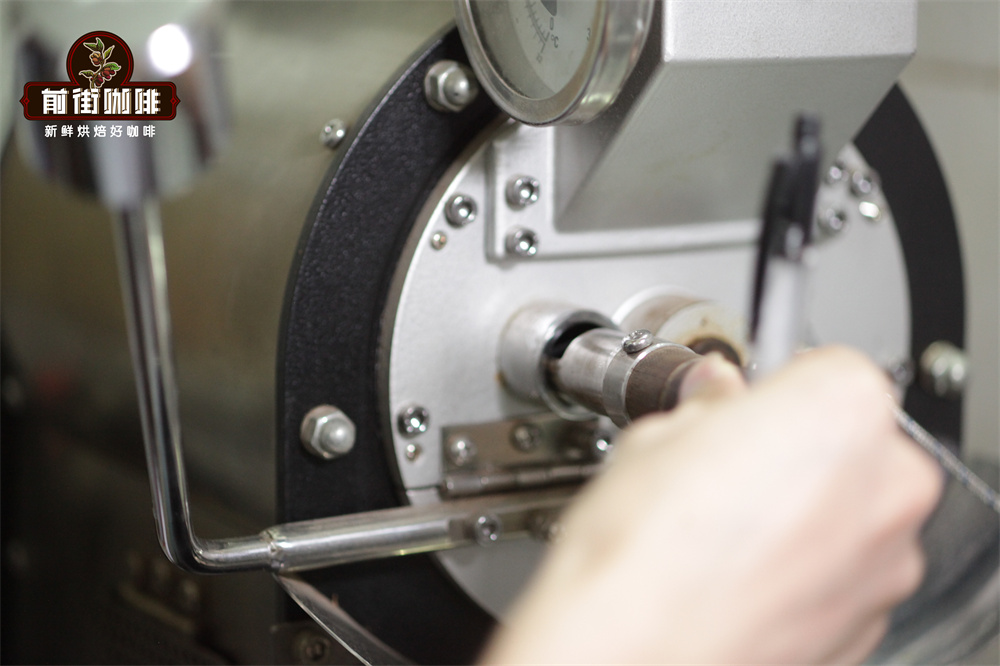
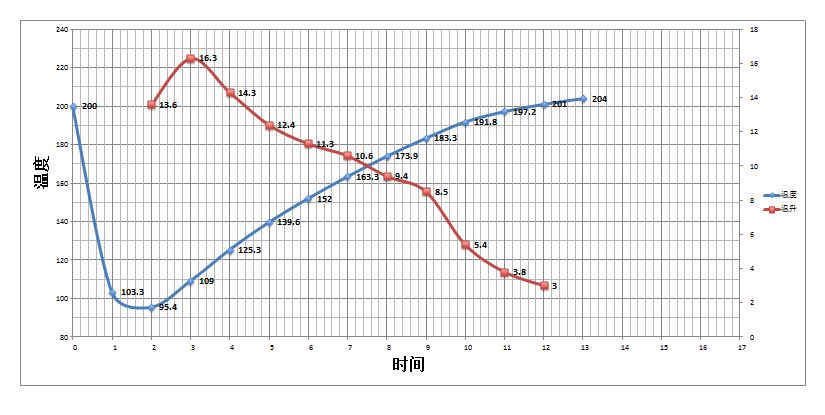
For roasting recommendations, due to the relatively high moisture content of Golden Mandheling green beans,it is advised to set the initial drum temperature to 200°C, with a fan speed of 3. After the first minute, adjust the heat to 160°C, and when the temperature drops to 148°C and the bean surface turns yellow, gradually adjust the fan speed and heat. When the first crack begins, open the fan to maximum, and drop the beans at around 204.5°C to achieve the optimal balance between sweetness and cleanliness.

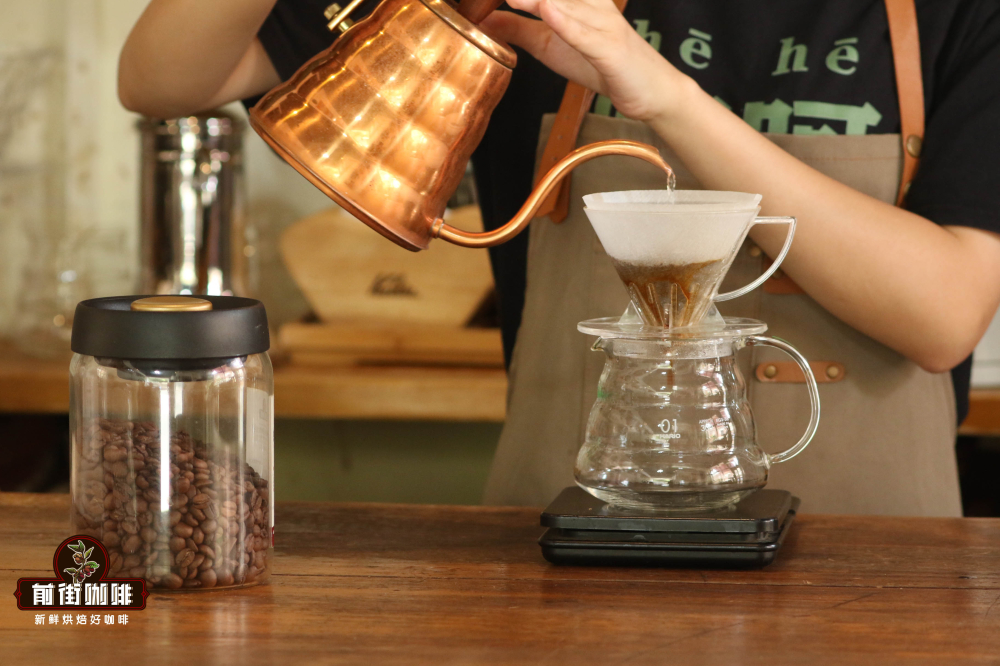
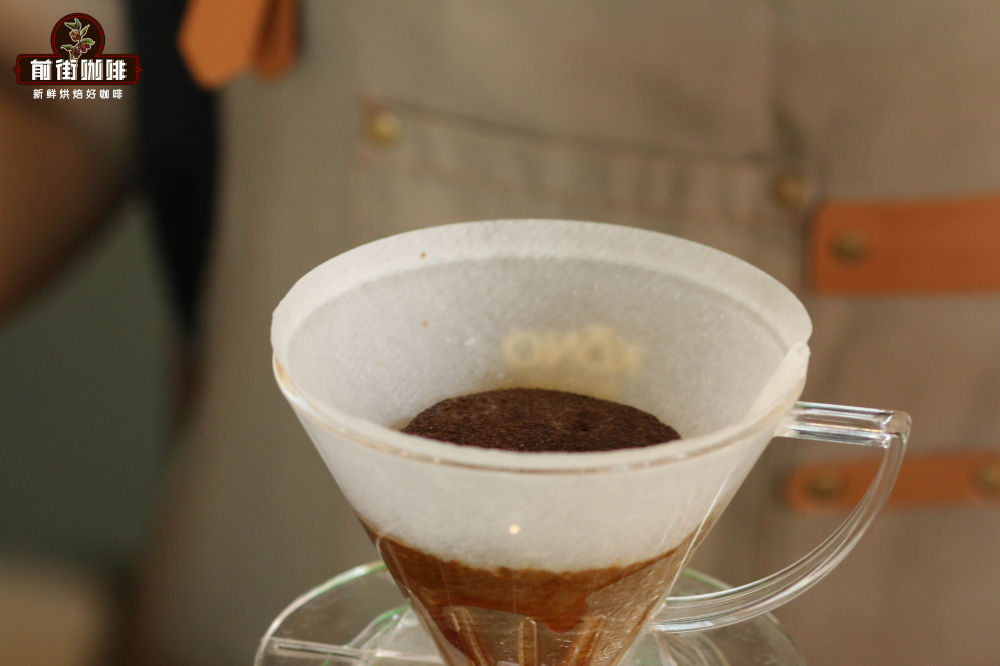
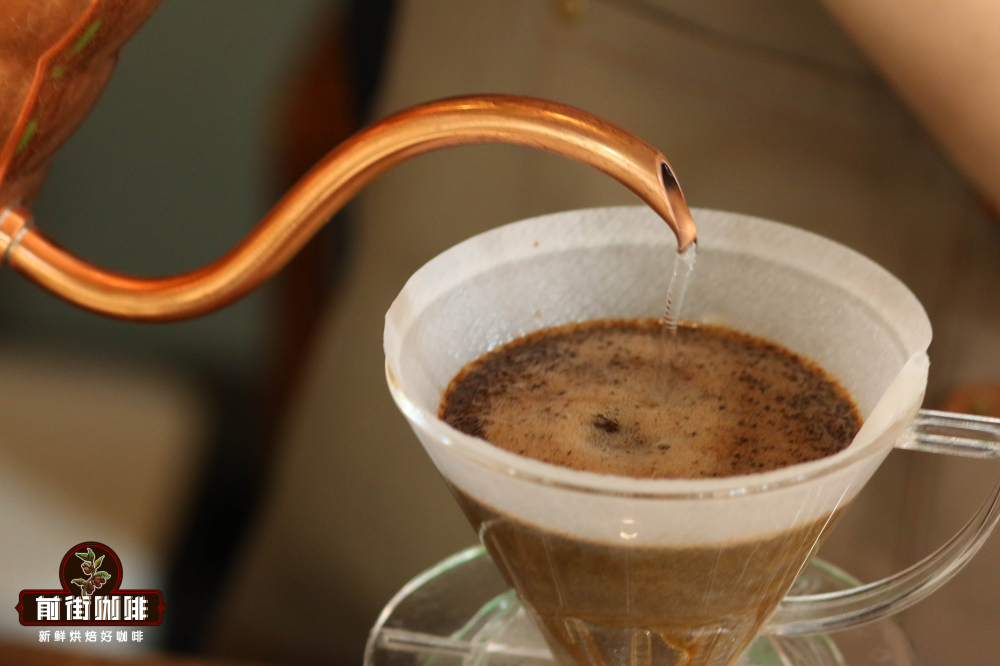
For pour over brewing, it is recommended to use medium-dark roasted Golden Mandheling,with water temperature controlled at 88°C, grind size medium-coarse (approximately 70% passing through a Chinese No. 20 sieve), and a brew ratio of 1:15, using a KONO filter. It is suggested to use a pulse pouring method: start with a 30-second bloom using twice the amount of water by coffee weight, then pour in small streams in a circular motion from the center outward until 125 grams of water have been added for the first pour. Once the coffee bed drops, continue pouring to reach 225 grams to complete extraction, with a total brew time of about 2 minutes. These parameters help highlight the nutty, caramel, and chocolate aromas of Golden Mandheling, while maintaining a full-bodied and layered mouthfeel.
In summary, Indonesian Golden Mandheling stands out as a classic among many coffee lovers due to its meticulous selection process, unique wet hulling technique, and rich, bold flavor profile. Whether you’re aiming to explore the diversity of Sumatra’s producing regions or seeking a premium bean suitable for pour over practice, Golden Mandheling is an excellent choice. Remember, great coffee comes not just from its origin, but from every refined step of processing and roasting.
The above content is compiled by CoffeeHunters, a coffee news website.

