








Introduction:Do you know why the Geisha coffee from Hacienda La Esmeralda is considered the pinnacle of specialty coffee? This article delves into the grading system of Hacienda La Esmeralda’s Geisha, exploring the real differences between Red Label and Green Label. From origin altitude, processing methods, flavor profiles to brewing recommendations, we’ll help you choose the most suitable Geisha beans based on your preferences.
If Geisha were a rare thousand-mile horse, then Hacienda La Esmeralda would undoubtedly be the discerning eye that spotted its brilliance. It was precisely because Hacienda La Esmeralda showcased Geisha at the Best of Panama (BOP) competition in 2004 that this once-obscure coffee variety rose to the upper echelon of specialty coffee. One could say that without Hacienda La Esmeralda’s promotion, Geisha might still remain relatively unknown today.
 Since Hacienda La Esmeralda successfully brought Geisha to fame, it has implemented rigorous cultivation and management practices, and established a clear grading system. Among these, the widely mentioned “Red Label Geisha” and “Green Label Geisha” are classified based on quality and origin. These two types of coffee are sold on many online platforms such as Taobao and Tmall, as well as offline specialty coffee shops, but their prices can differ by more than double, leaving many consumers wondering: What exactly is the difference between Red Label and Green Label Geisha, both produced by Hacienda La Esmeralda?
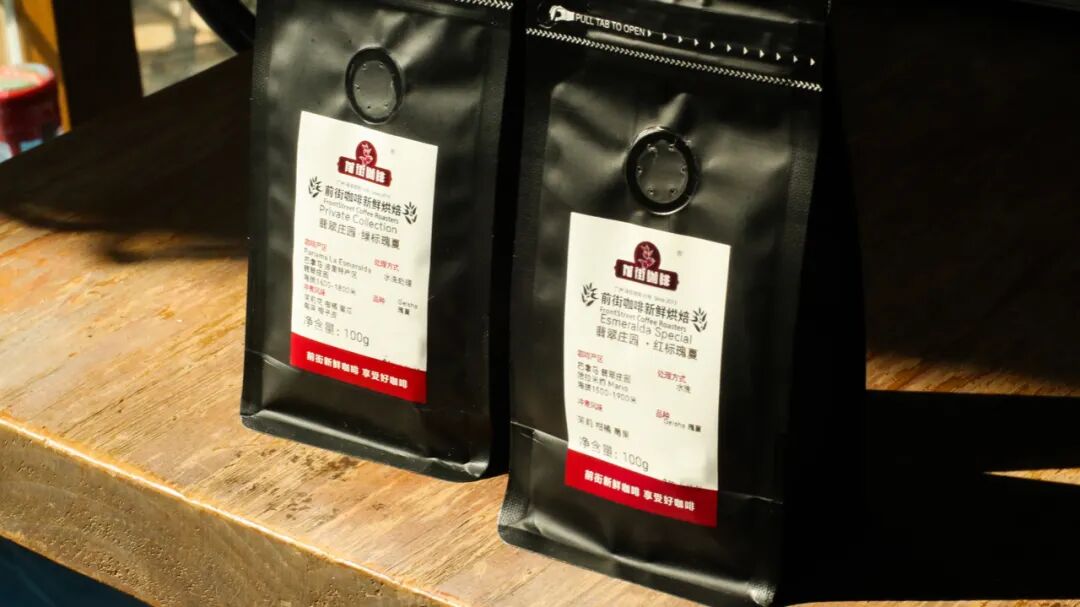 In fact, the commonly heard terms “Red Label” and “Green Label” are mostly consumer-given nicknames based on the color of the packaging trademarks, rather than official designations. To help consumers identify them more easily, Hacienda La Esmeralda has indeed assigned corresponding trademark colors to different grades of Geisha. The “Red Label” features a red-dominated design, while the “Green Label” is primarily green—hence their popular names.
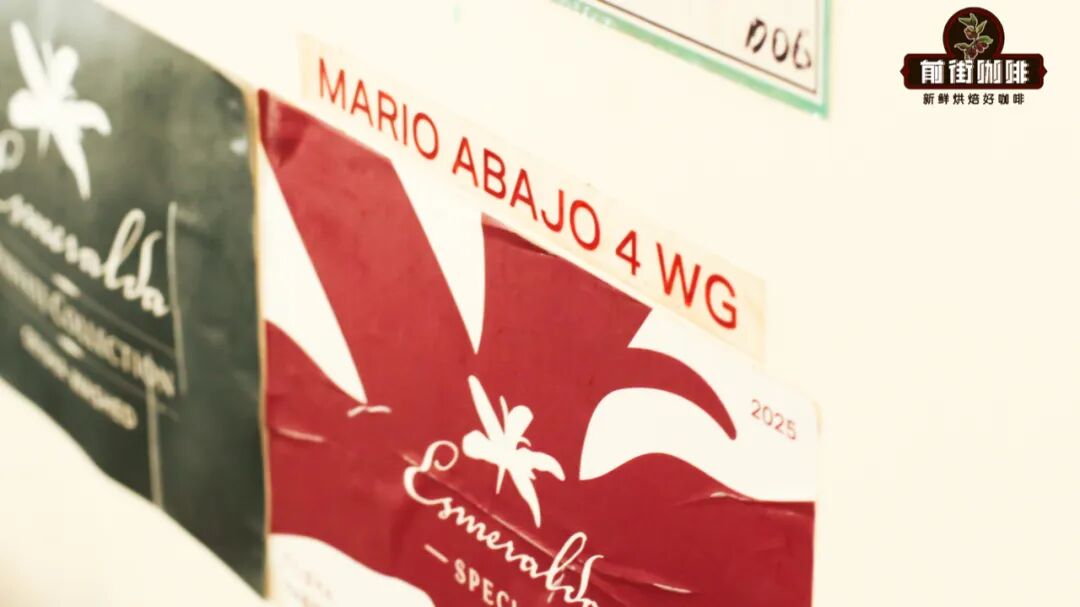
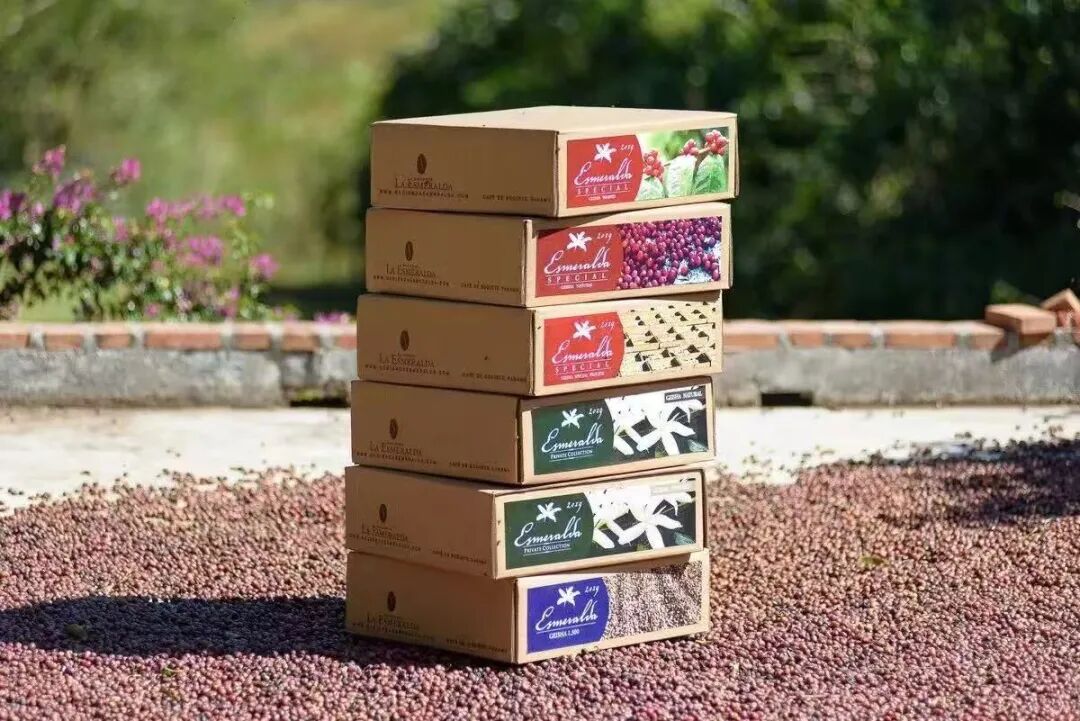 The so-called “Red Label Geisha” is the highest grade of Geisha coffee from Hacienda La Esmeralda, excluding auction lots. Its official name is Esmeralda Special. This coffee features a red-dominated trademark, is grown at altitudes above 1,600 meters, and scores at least 91 points in cupping tests. It comes from single-origin plots with complete traceability information. Each batch of Red Label Geisha is assigned an independent lot number, through which detailed data such as planting location, altitude, day-night temperature difference, latitude and longitude coordinates, tree age, harvest time, number of harvests, processing method, and total production volume can be queried.
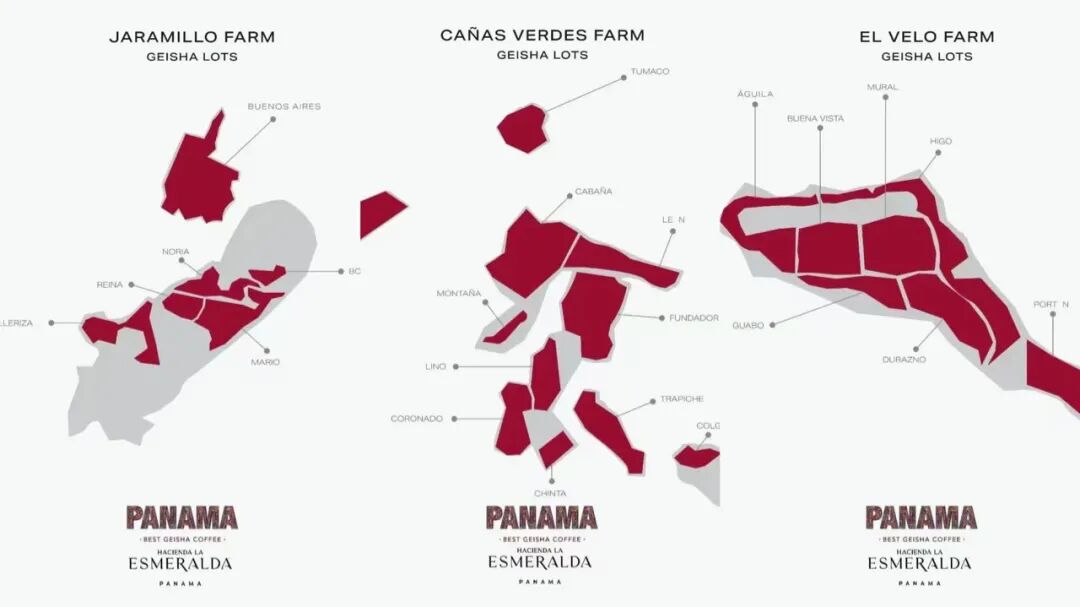
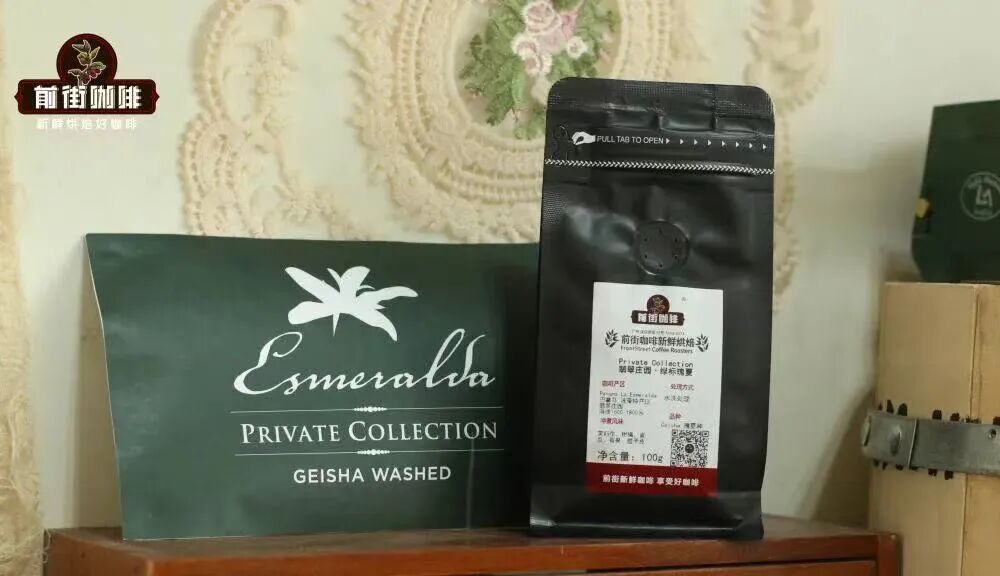
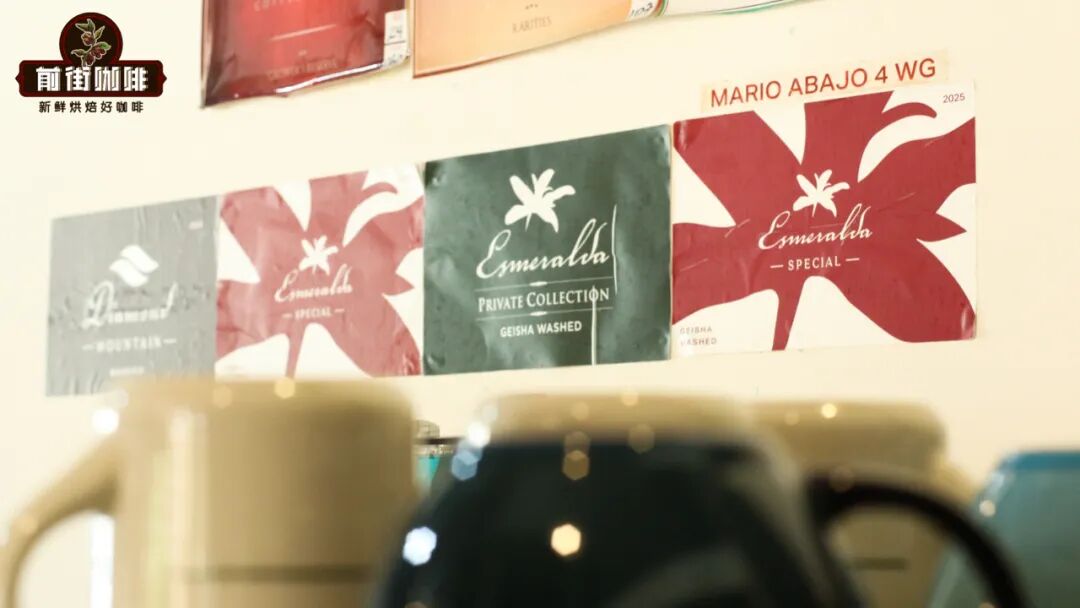 In comparison, the “Green Label Geisha” is positioned slightly lower, representing a mid-to-high-tier grade within Hacienda La Esmeralda’s product line. Its official name is Private Collection, and its trademark is predominantly green. Green Label Geisha is grown at altitudes ranging approximately from 1,600 to 1,800 meters and is only available in two traditional processing methods: natural (sun-dried) and washed. The biggest difference from Red Label is that Green Label Geisha does not come from a single plot, but is harvested from all plots across three of Hacienda La Esmeralda’s sub-farms—Jaramillo, Cañas Verdes, and El Velo. These three farms comprise a total of 24 plots (6 in Jaramillo, 11 in Cañas Verdes, and 7 in El Velo), so the traceability information of Green Label Geisha is relatively more generalized, which is its most significant distinction from Red Label.
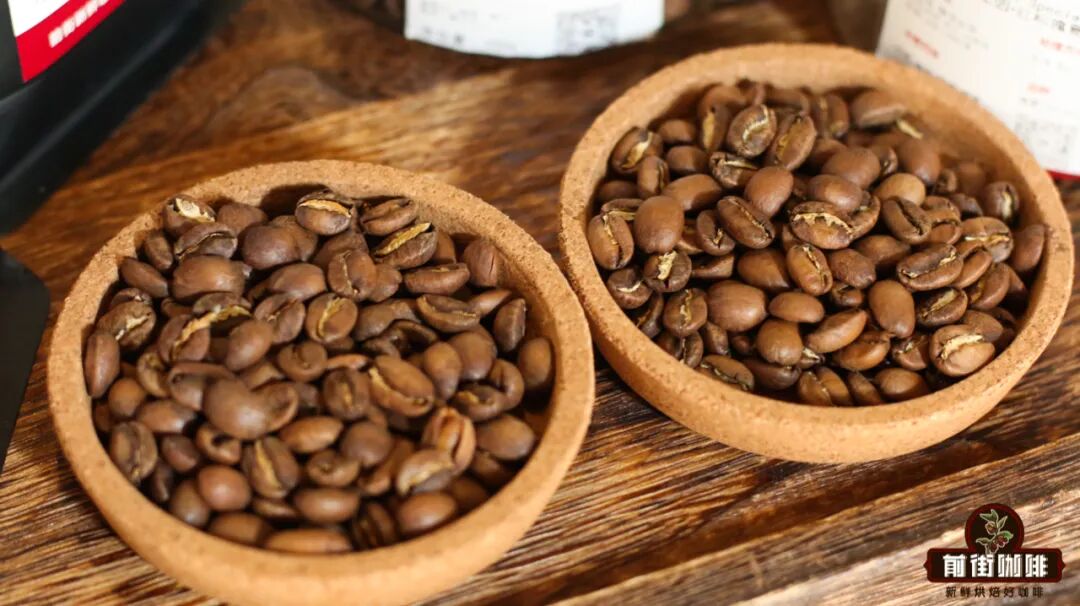
 Now that we understand the differences in grading and origin between the two, let’s take a look at how they differ in terms of flavor profile. Taking the recently acquired washed Red Label Geisha from the Mario plot in Jaramillo as an example, and comparing it with the washed Green Label Geisha from the same bean list (left: Green Label, right: Red Label), both are medium-light roasted and processed using the washed method to highlight the classic floral and fruity characteristics of Geisha.
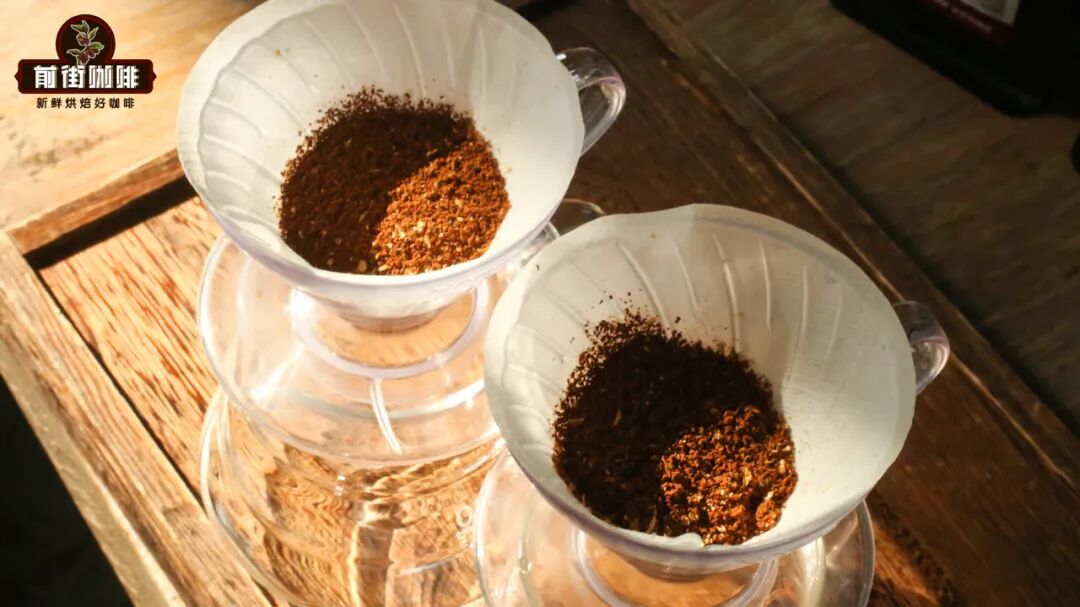
 For a fair comparison, both beans were brewed using the same parameters: 15 grams of coffee, a 1:15 coffee-to-water ratio, a grind size of 10 on the Ek43 grinder (approximately 80% through an 80-mesh sieve, fine like caster sugar), a water temperature of 92°C, using a V60 filter cone, and extracted via a three-pour method. The specific steps are as follows: First, pour twice the amount of coffee’s weight in water for a 30-second bloom; then pour 120 ml of hot water in a circular motion, slowly expanding from the center outward; once the water has dripped down to a certain level, pour the final 75 ml with a finer stream in small circles until extraction is complete. Generally, due to the high bean density and slower drawdown speed, the entire extraction process takes about 2 minutes and 15 seconds.
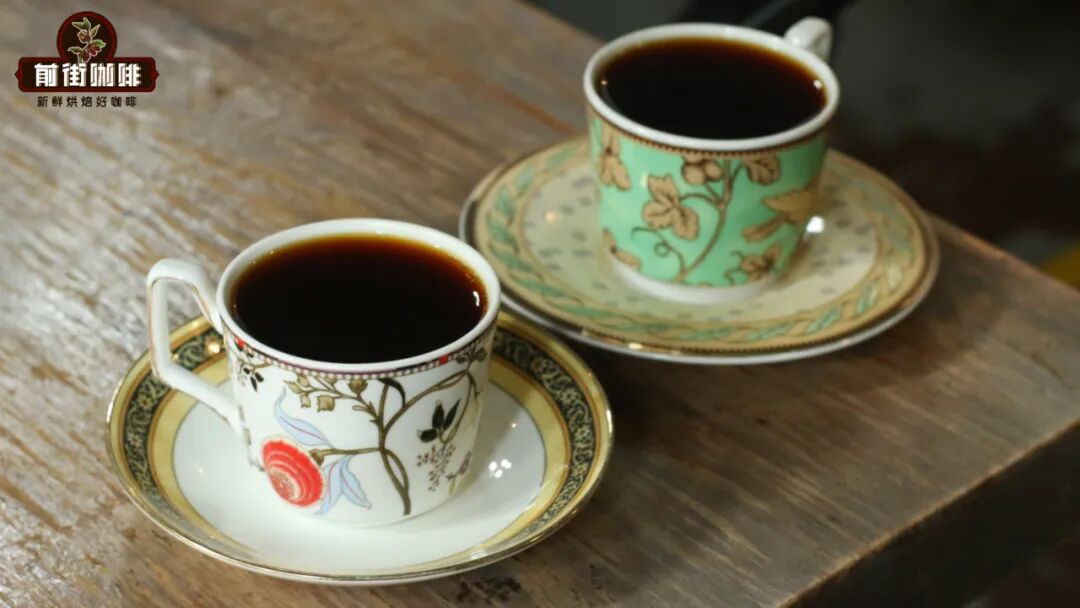
 In terms of flavor, although both Geishas exhibit pronounced floral and fruity notes, there are nuanced differences. The Green Label Geisha carries notes of white flowers, citrus, honey, oolong tea, with a caramel and honeydew melon sweetness in the aftertaste. The overall mouthfeel is balanced and smooth, like sipping a fragrant jasmine tea bursting with fruitiness. On the other hand, the Red Label Geisha presents clearer floral and berry notes, along with layers of citrus and oolong tea, but its flavor profile is sharper and the mouthfeel cleaner and crisper. Unless you frequently taste both, it’s hard to distinguish them accurately in a blind test. That’s why the Green Label is often regarded as the most cost-effective choice among Hacienda La Esmeralda’s Geisha offerings (Note: the former Blue Label line has been discontinued).
 In summary, the main differences between the Red Label and Green Label of Hacienda La Esmeralda’s Geisha lie in origin source, altitude, processing batches, and the level of traceability detail. The Red Label represents high-altitude single-plot premium lots, ideal for coffee enthusiasts seeking ultimate flavor and comprehensive origin stories. The Green Label, composed of mixed plots, offers excellent value for money while still showcasing the enchanting floral and fruity characteristics of Geisha, making it suitable for everyday drinking or for newcomers trying Geisha for the first time.
The above content is compiled by CoffeeHunters, a coffee news website.

