








Introduction:The quality of a milk coffee starts with the selection of coffee beans and milk. Learn how to choose the most suitable espresso blend for lattes and latte art based on different types of milk and roast flavors, so you can easily brew a well-balanced and rich milk coffee. This article explains the differences between fresh and pasteurized milk in detail, and recommends several practical and flavorful espresso blends suitable for beginners and home users.
A classic milk coffee has a basic structure: espresso plus milk. Though it may seem simple, everything from the roast level of the coffee beans to the type of milk can greatly influence the overall taste and flavor profile. Whether you’re just getting into milk coffee or aiming to improve your homemade brews, choosing the right ingredients is the key first step.

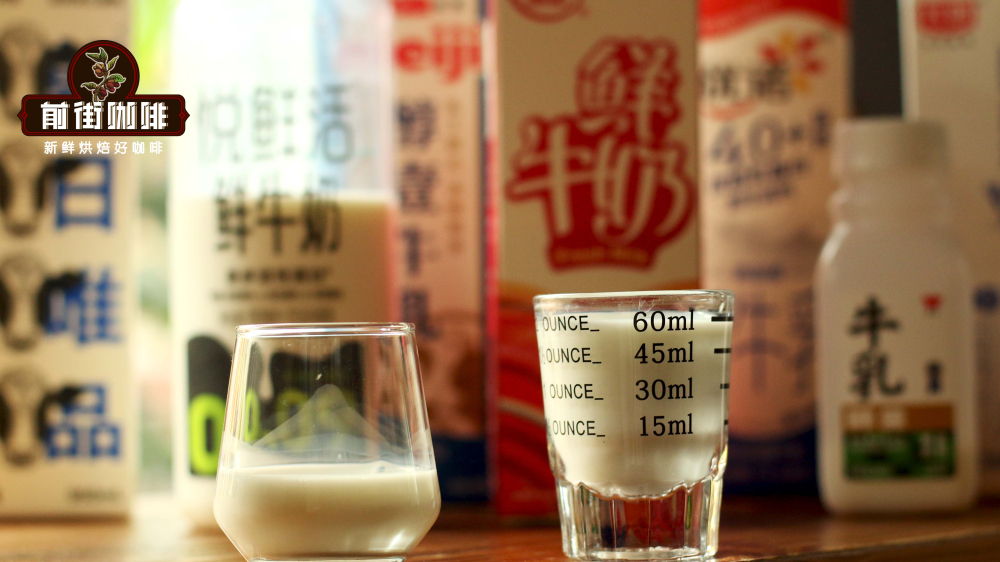
Milk usually makes up more than 70% of a latte, and its role isn’t just to dilute the coffee—it also highlights aromas and adds creamy sweetness. Currently, commercial milk is generally divided into two main types: one is fresh milk sterilized by pasteurization, and the other is long-life or ultra-high temperature (UHT) treated milk.

Pasteurized milk is sterilized at temperatures around 72°C to 85°C, effectively eliminating harmful microorganisms while preserving the natural milk proteins, enzymes, and most nutrients. As a result, it has a more natural and rich milk aroma, with a sweet aftertaste. However, it has a relatively shorter shelf life and is usually sold in refrigerated cartons. Long-life or UHT milk, on the other hand, undergoes ultra-high temperature treatment (around 135°C) for instant sterilization, which significantly extends its shelf life but also destroys many of the original flavor compounds and nutrients in the milk. This leads to a thinner taste with less body, though it’s more convenient for storage and transport.
As for the choice of coffee beans, this is the soul of a milk coffee’s flavor. If milk plays the supporting role, then the coffee beans are the protagonists that define the overall base flavor. It’s recommended to purchase from suppliers with stable sourcing and consistent quality to avoid inconsistencies in bean variety that could affect extraction and flavor performance.
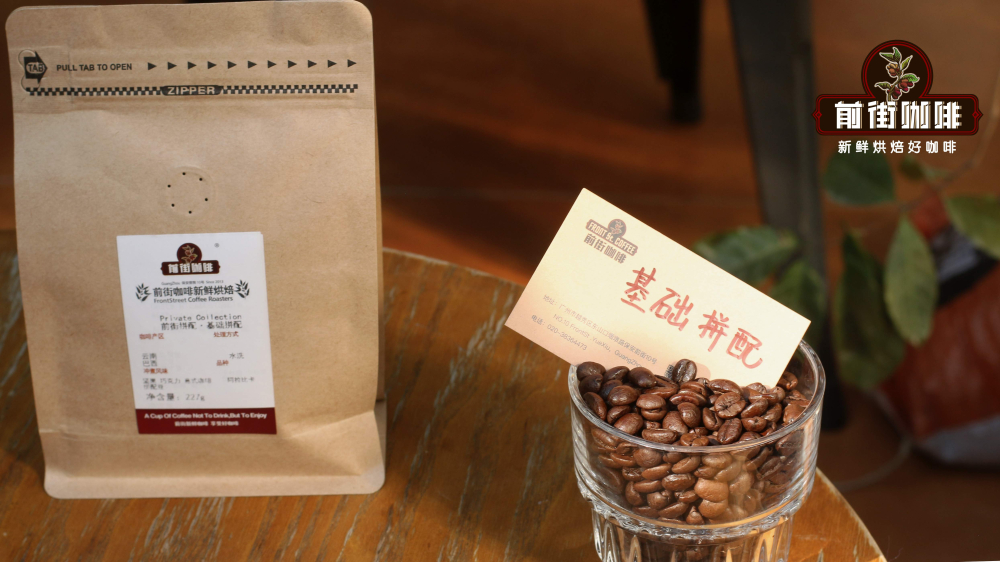
Since lattes require a large amount of fresh milk, the espresso itself must have sufficient body and richness to balance with the milk. Therefore, it’s advisable to choose espresso blends roasted to medium-dark to dark levels. These beans often carry aromas of nuts, caramel, chocolate, spices, and even butter, which can present a round and layered taste when complemented by milk.

For those who prefer intense caramel and buttery flavors in their milk coffee, an espresso blend based on the classic Mocha Java formula is a great option. This blend draws inspiration from the once-popular “Mocha Java coffee,” combining the characteristics of Indonesian Mandheling and Brazilian beans, with the addition of Robusta to enhance crema production and overall richness. It’s not only suitable for home brewing but also excellent for cafés aiming to create clear and three-dimensional latte art when making lattes.
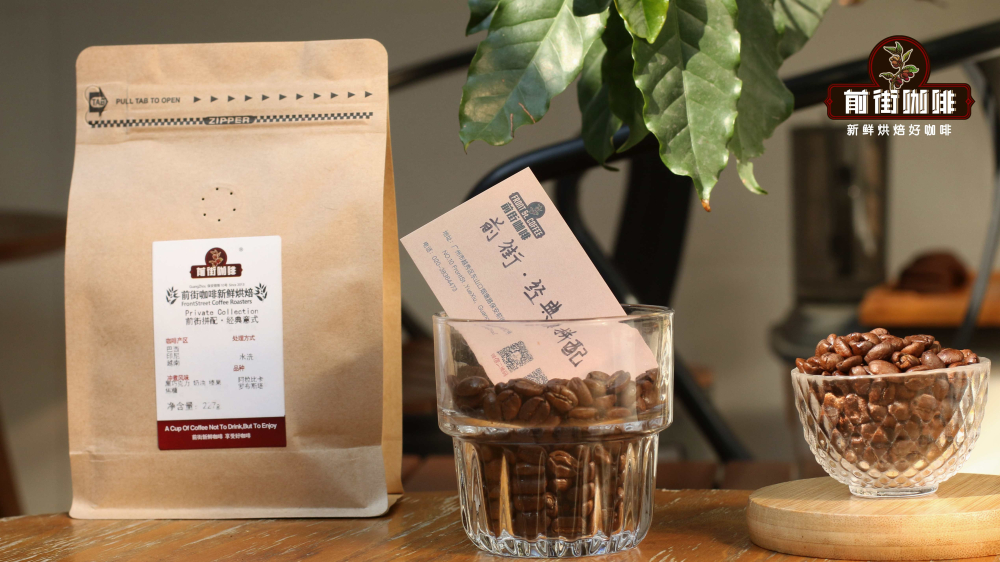
If you’re looking for a cost-effective and flavor-balanced option, consider blends that emphasize mild acidity and prominent caramel sweetness. These beans typically offer mid-palate notes of nuts and dark chocolate, with a smooth texture and good viscosity. They’re ideal for daily drinking or café regular offerings, balancing both cost control and fundamental flavor performance.
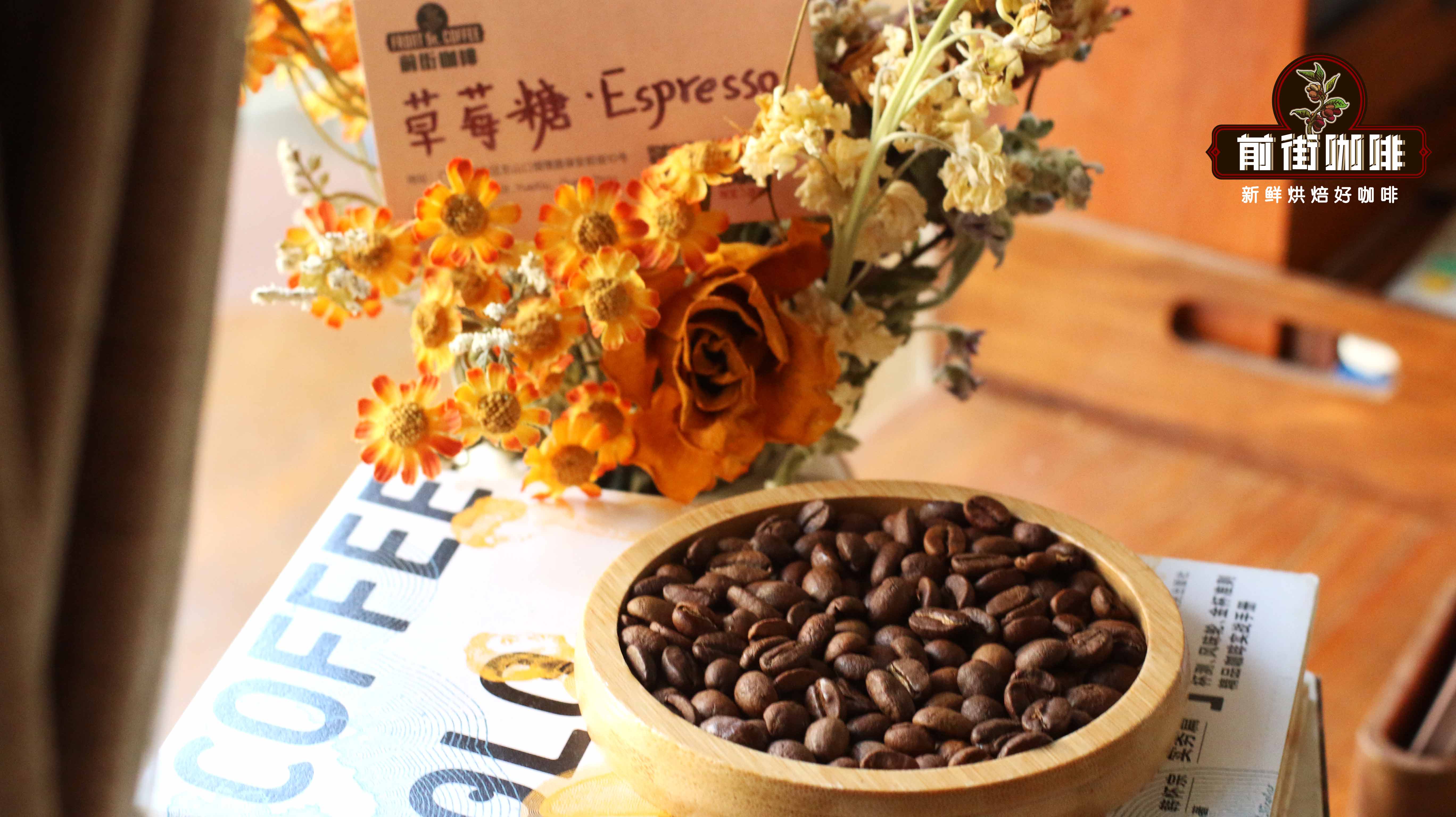
For latte lovers who want to try floral and fruity notes without sacrificing a sweet and mellow taste, blends made from multi-region beans using different processing methods are recommended. These coffees often exhibit aromas such as rose, citrus, cream, and even berries after brewing. Especially when milk is added, they transform into soft strawberry-like sweetness with biscuit-like aftertastes, making them especially suitable for summer drinking and bringing a refreshing twist to milk coffee.
The above content is compiled by CoffeeHunters, a coffee news website.

