







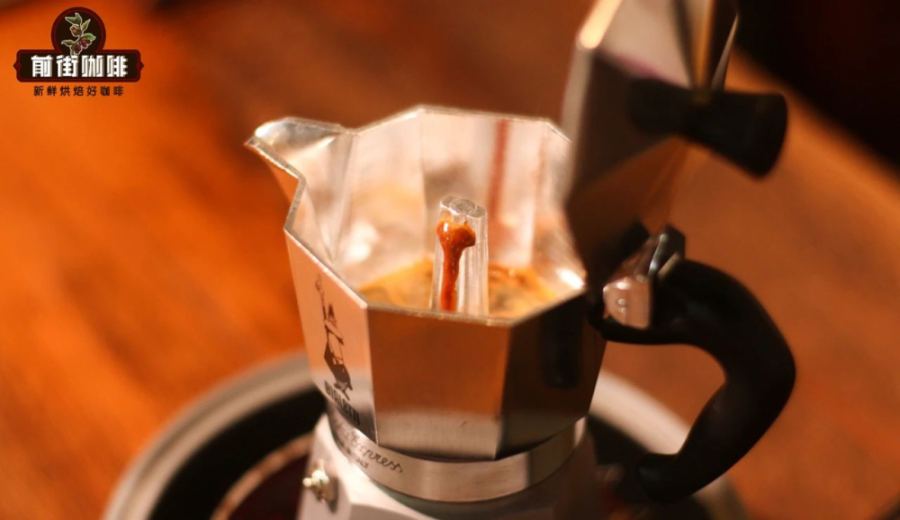
Introduction:The moka pot is the go-to brewing tool for many coffee beginners, capable of quickly producing richly flavored coffee. However, many novices find that the crema produced by a moka pot is not as pronounced as that from an espresso machine. This article delves into the working principles of the moka pot—from its structure and pressure characteristics to the types of coffee beans and roast levels it suits—to help you master bean selection tips. It also provides practical brewing steps and precautions, so you can use a moka pot to brew coffee with a richness akin to that of a café-style espresso.
Many households own a moka pot. This compact and easy-to-use coffee tool can brew coffee with a strong taste and captivating crema. Yet, some beginners often notice that while their moka pot coffee does have some crema, it’s not very obvious—quite different from the espresso extracted by a professional espresso machine. What exactly causes this difference?
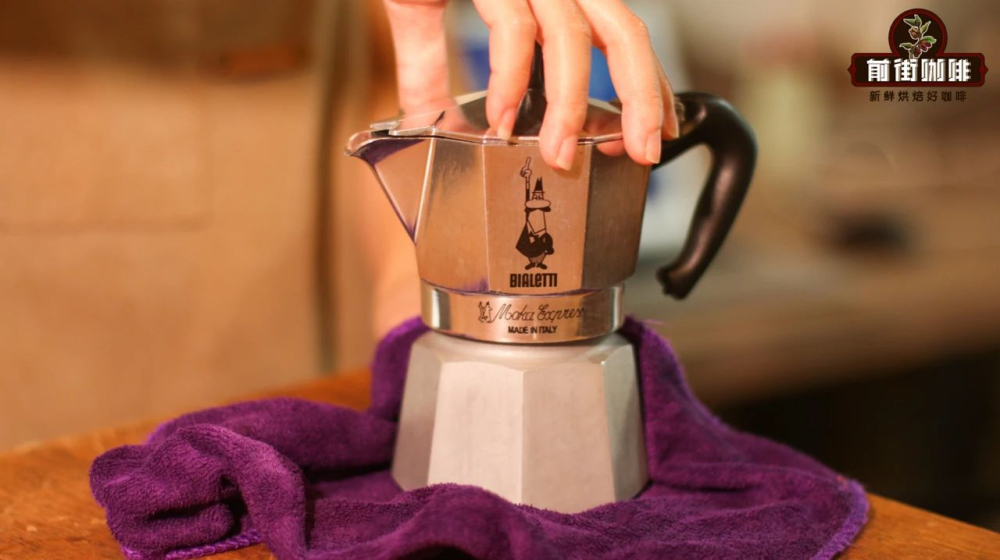
First, let’s understand the basic structure of a moka pot. It mainly consists of three parts: the upper chamber, the filter basket, and the lower chamber. The lower chamber is for holding water, the filter basket holds finely ground coffee, and the upper chamber collects the brewed coffee.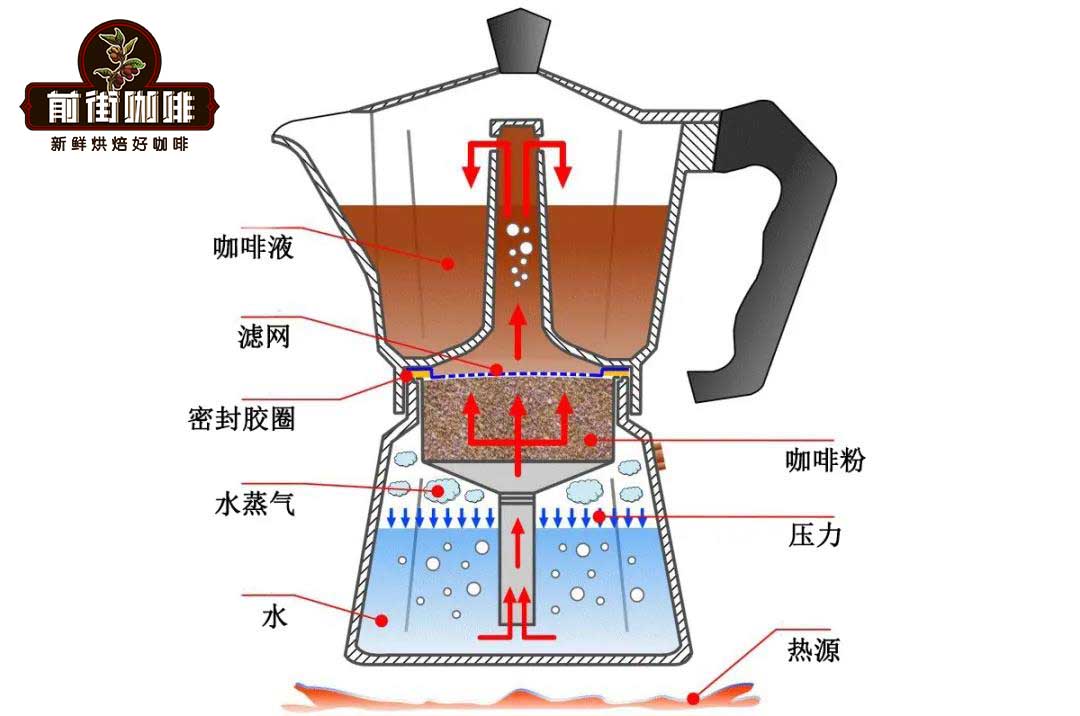
The extraction principle of the moka pot is quite straightforward. It mainly utilizes the steam pressure (approximately 1.5–3.0 atmospheres) generated by heating the lower chamber. When the pressure is sufficient, it pushes the water in the lower chamber through the middle filter basket, where it passes through finely ground coffee, thereby quickly extracting the essential components of the coffee. For this reason, coffee made with a moka pot has an intense flavor, balancing both acidity and bitterness, making it one of the most effective home tools for replicating the flavor of espresso. Since its pressure still doesn’t match that of a professional espresso machine, it is often referred to as an "espresso drip pot" in the United States.
If you want to brew a rich-tasting latte with a moka pot, it is recommended to choose a medium or medium-dark roast Italian blend. These coffee beans are typically a mix of beans from various regions, providing a balanced and rich foundational flavor profile that’s more suitable for high-pressure extraction. If you’re trying it for the first time, you might consider starting with a blend of Brazilian and Mandheling beans, a common formulation in traditional Italian coffee, which often includes a small amount of Robusta to enhance crema performance and make the latte richer.
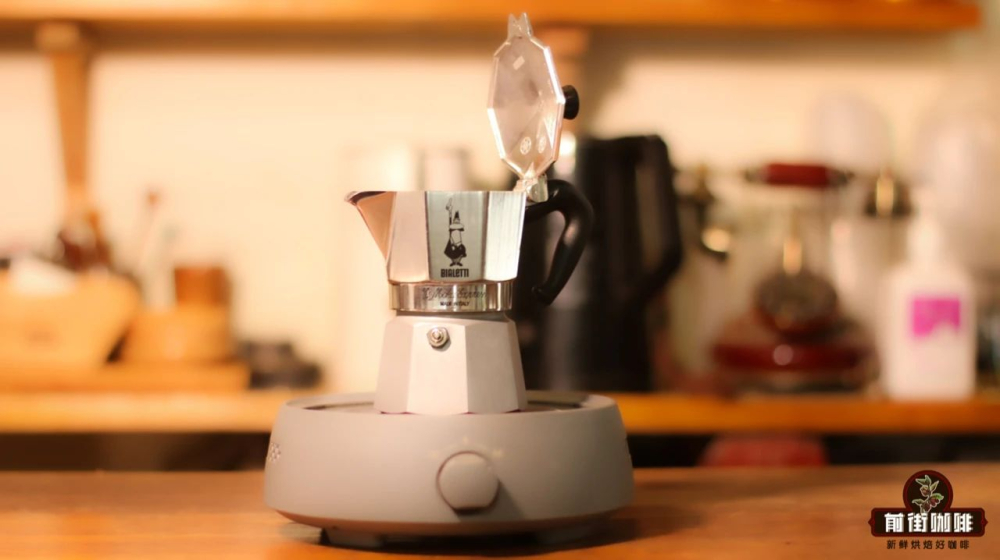
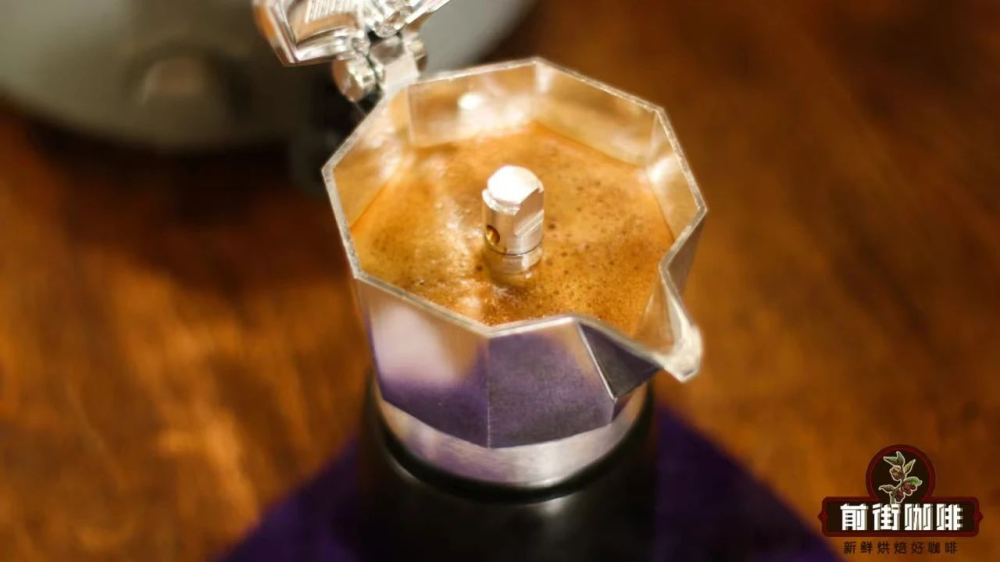
The brewing process of a moka pot is similar to that of an espresso machine, so the requirements for coffee bean selection and grind size are also quite similar. It is recommended to grind the coffee beans to an extremely fine level, close to the standard of espresso, but be careful not to tamp the coffee when filling—it should just be evenly spread. During the heating process, it is advised to use low heat and you may place a wire mesh on the stove to stabilize the pot. When you hear a clear hissing sound from inside the pot, it indicates that the pressure is sufficient, and you can turn off the heat immediately, allowing the coffee to flow naturally into the upper chamber.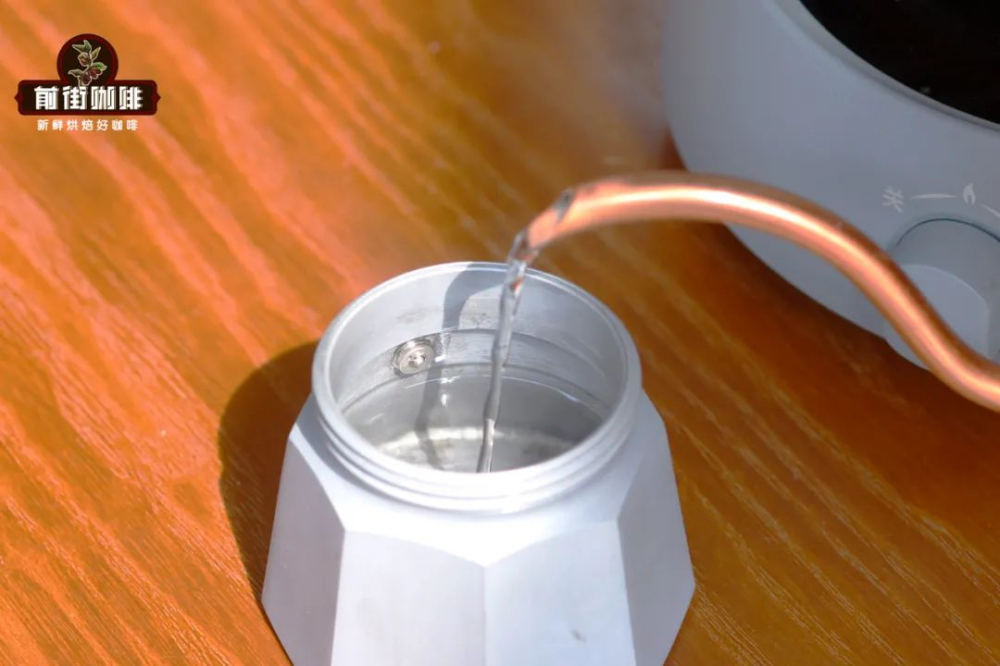
When choosing the roast level of coffee beans, medium-dark or dark roasts are usually the top choices for moka pot users, as beans with these roast levels generally contain richer oils, which are more easily released during pressure extraction. However, it’s worth noting that due to the lower pressure of a moka pot, even if oils are extracted, they tend to dissipate more quickly on the surface of the coffee and don’t linger long.
In addition, there are some common precautions to keep in mind when using a moka pot. First, never let the water level in the lower chamber exceed the pressure relief valve, as this could lead to excessively high pressure and safety risks. Second, do not touch the pot directly while heating to avoid burns from the high temperature. If you notice the coffee spraying out violently, it’s usually a sign that the water temperature is too high; conversely, if the coffee flows out too slowly, it may indicate insufficient heat, in which case you can moderately increase the flame.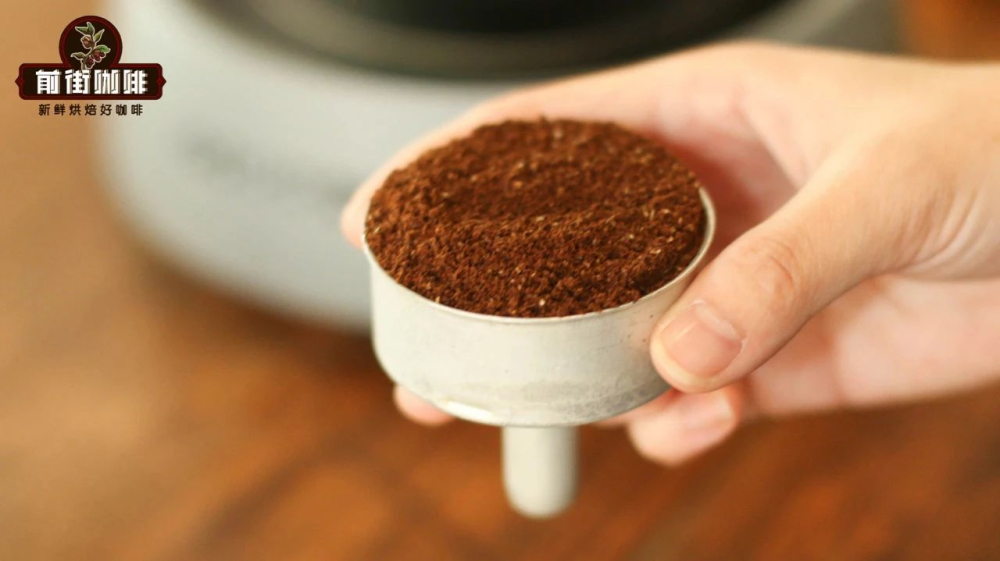
In summary, although the moka pot has a simple structure, its extraction principle is closely related to pressure, which enables it to produce coffee with flavors close to that of espresso. As long as you choose the right roast level and bean variety, and master the appropriate grinding and heating techniques, you can also use a moka pot to enjoy a coffee experience that’s rich in crema and full of aroma.

The above content is compiled by CoffeeHunters, a coffee news website.

