








Introduction:Want to brew coffee with rich crema and captivating flavors using a moka pot? The key lies in choosing the right coffee beans. This article will delve into the types of coffee beans best suited for moka pots, the optimal roast levels, freshness requirements, and the most practical grind size reference — helping beginners easily master the core techniques of moka pot extraction and brew coffee as rich and intense as espresso.
The reason why the moka pot is so popular is its ability to produce a strong coffee flavor and captivating crema similar to that of espresso. This golden layer of crema not only adds texture and complexity but is also essential for creating latte art when making milk coffee. If you hope to brew coffee with rich crema using a moka pot or want to turn it into delicious milk coffee, you must master three key elements: the appropriate roast level, freshly roasted coffee beans, and the correct grind size.
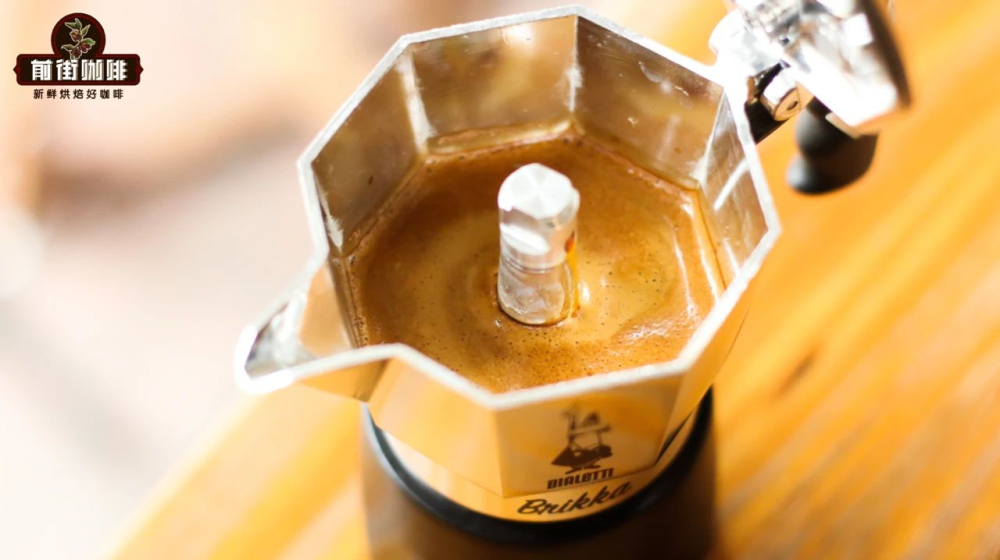
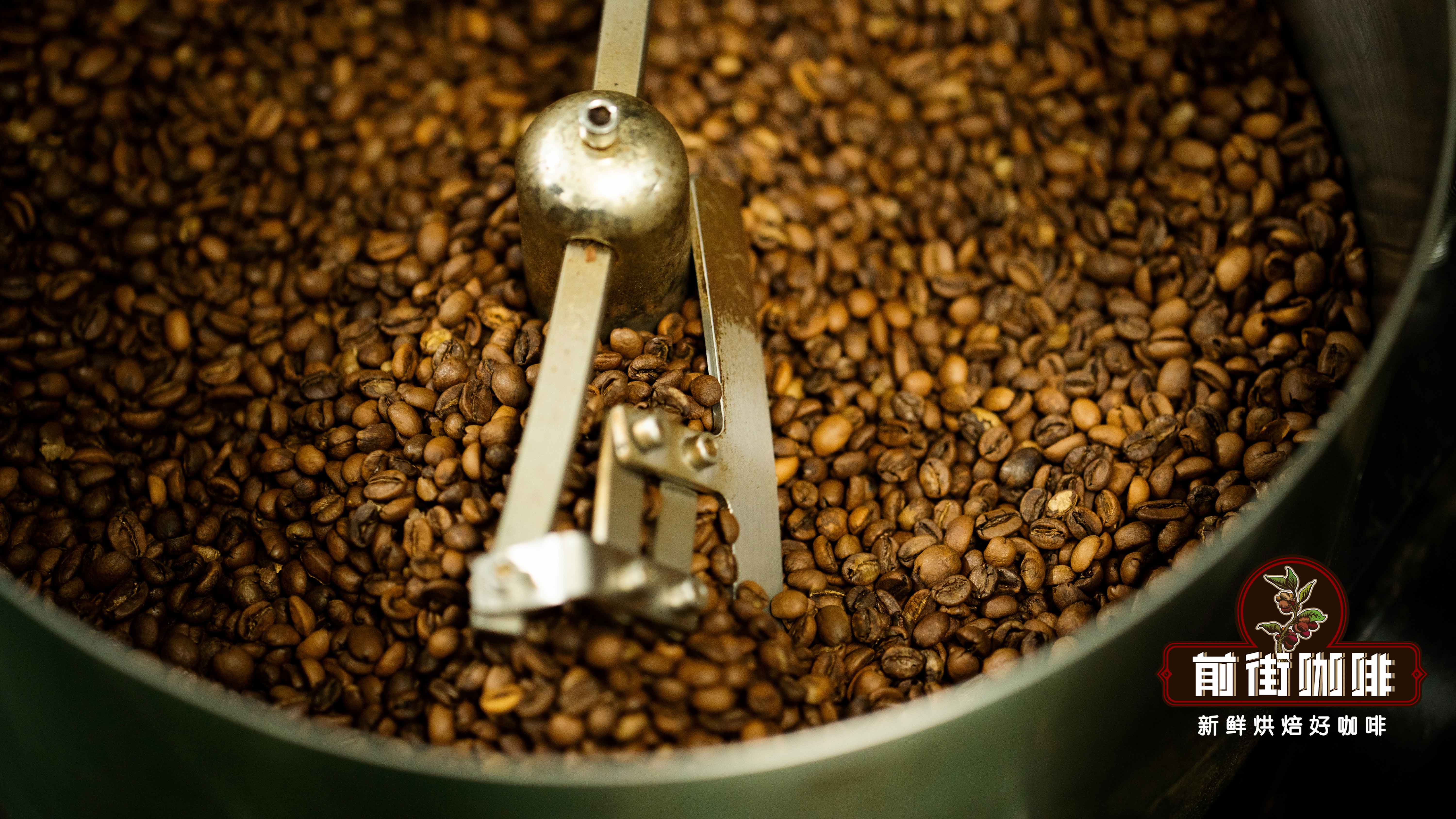
I. Medium-Dark Roast: Unlocking Rich Crema and Aroma
The moka pot uses pressure extraction to produce a relatively concentrated coffee liquid, making it particularly well-suited for medium-dark to dark roasted coffee beans. The deeper the roast, the more carbon dioxide the beans produce during heating. As hot water passes through, these gases are rapidly released, forming the crema layer we see. In addition, the caramelization and Maillard reactions during dark roasting impart richer aromas to the beans — common cocoa, chocolate, hazelnut, and malt sweetness all contribute to a more layered moka pot coffee.

Generally speaking, dark roasted beans are slightly more porous, which helps create resistance during pressure extraction, aiding in the release of crema. If you prefer milk coffee, the bold base of dark roasted beans can also blend perfectly with milk, bringing out sweetness and a rich mouthfeel.
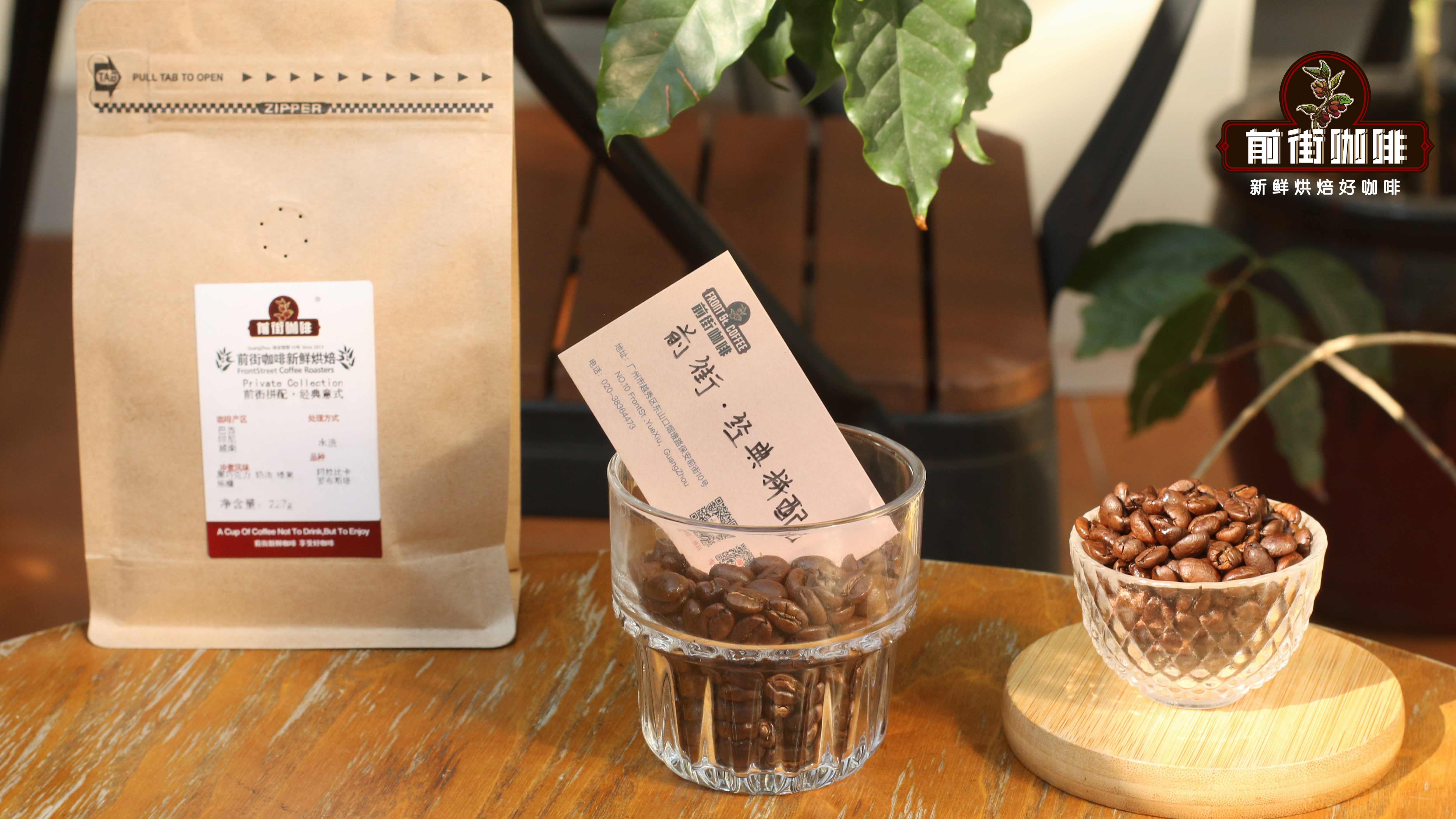
II. Freshness Is Key: Choose Coffee Beans Roasted Within 50 Days
No matter how premium the coffee beans are, if they’re no longer fresh, it’s difficult to extract their ideal flavors. After roasting, coffee beans go through a degassing period — during the first few weeks, the beans continuously release carbon dioxide while their aroma gradually peaks. Once past 50 days, the beans’ aroma and vibrancy significantly decline, not only making it hard to form crema, but also resulting in overall dull flavors.
Therefore, it’s recommended to choose coffee beans roasted within 50 days — the fresher, the better to unlock the full potential of moka pot extraction. Fresh beans not only release more aromatic compounds but also help form that captivating golden crema.
III. Grind Size: The Golden Ratio Between Pour Over and Espresso
Once you have freshly roasted medium-dark beans, the next step is to adjust the grind size. The grind for a moka pot should be finer than pour over coffee but slightly coarser than the extra-fine grind used for espresso machines. Simply put, it falls between the two — in the medium-fine range.
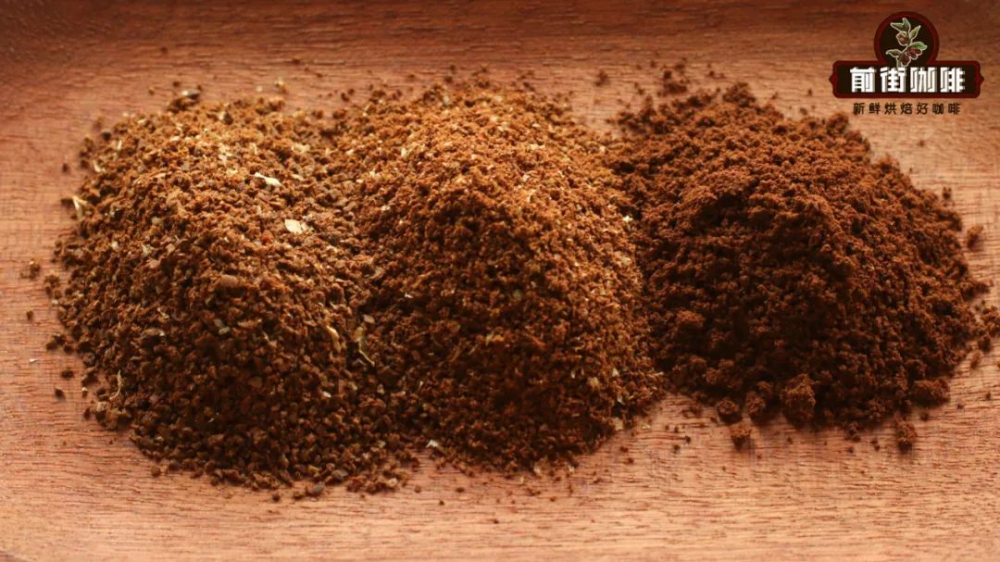
In practice, you can follow this tactile guide: after grinding, if the coffee grounds feel a bit coarse when spread out, gently press them down with your fingers to increase the density of the coffee bed. This helps enhance the resistance during extraction, making it easier for crema to be released. If the grind is finer, no additional pressing is needed, as the coffee bed is already sufficiently compact and can be directly loaded into the moka pot for brewing.
In summary, the deliciousness of moka pot coffee depends on three key elements: selecting medium-dark roasted beans to release rich crema and aroma, ensuring the beans are roasted within 50 days to maintain freshness, and adjusting the grind size to a medium-fine level between pour over and espresso. Mastering these basic principles means even beginners can use a moka pot to brew coffee as rich and satisfying as that from a café.


The above content is compiled by CoffeeHunters, a coffee news website.

