







Introduction:Want to brew a cup of Golden Mandheling with rich flavor layers at home? This article dives deep into the origin background of Indonesia's Sumatra Golden Mandheling, the premium processing methods by PWN, and how the wet-hulling process shapes its unique aromas. It also provides expert-level pour over recommendations, including grind size, water temperature, coffee-to-water ratio, and pulse pouring techniques, helping you master the best extraction method for this classic dark roast bean and experience the perfect balance of intense nutty and caramel notes.
With the rise of specialty coffee culture, more and more coffee enthusiasts are trying their hand at pour over brewing at home. However, this skill is not mastered overnight—it requires continuous practice and adjustments to find your own brewing rhythm. Among the many coffee beans, Indonesia’s Golden Mandheling stands out with its stable performance and distinctive flavors, making it an ideal choice for many beginners in pour over brewing.
Golden Mandheling comes from the Gayo Mountains in Sumatra, Indonesia, grown at altitudes of about 1100 to 1600 meters. It belongs to the Ateng variety and is processed using the traditional wet-hulling method. This region features high temperatures, high humidity, and abundant rainfall, providing a suitable environment for Arabica coffee. However, due to climatic limitations, only a small portion of the area can produce high-quality Arabica, and Sumatra is one of the key producing regions.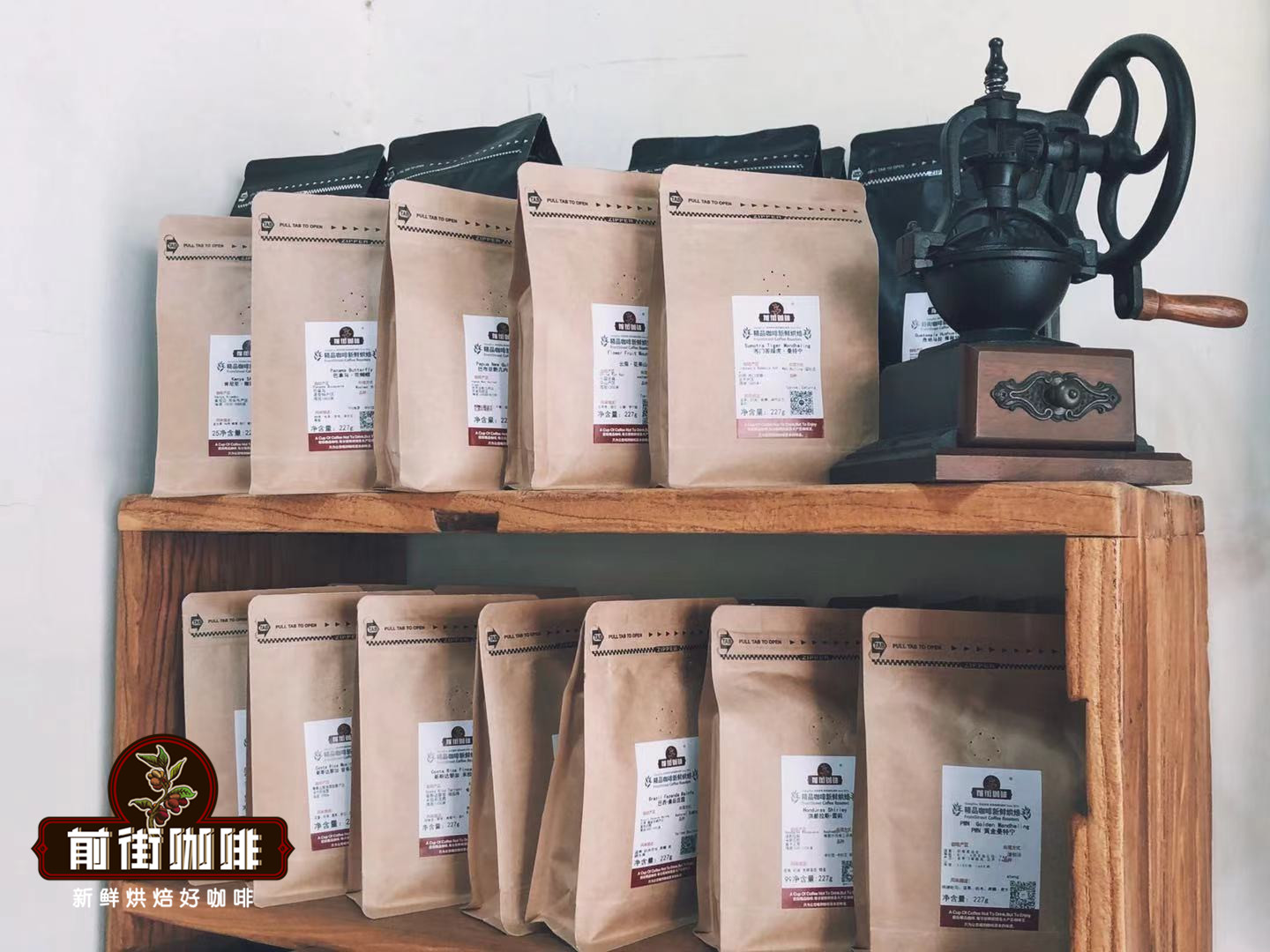
Indonesia is one of the few places in the world that grows both Arabica and Robusta. Among them, Arabica requires higher altitudes and can only be grown in mountainous areas like Sumatra. The Lintong region in northern Sumatra, along with the surrounding Gayo Mountains, Lake Tawar, and Lake Toba, are all well-known coffee-producing areas. Lintong Mandheling is considered the most representative product of the region, while Golden Mandheling is a premium-grade bean that has undergone stricter selection on this basis.
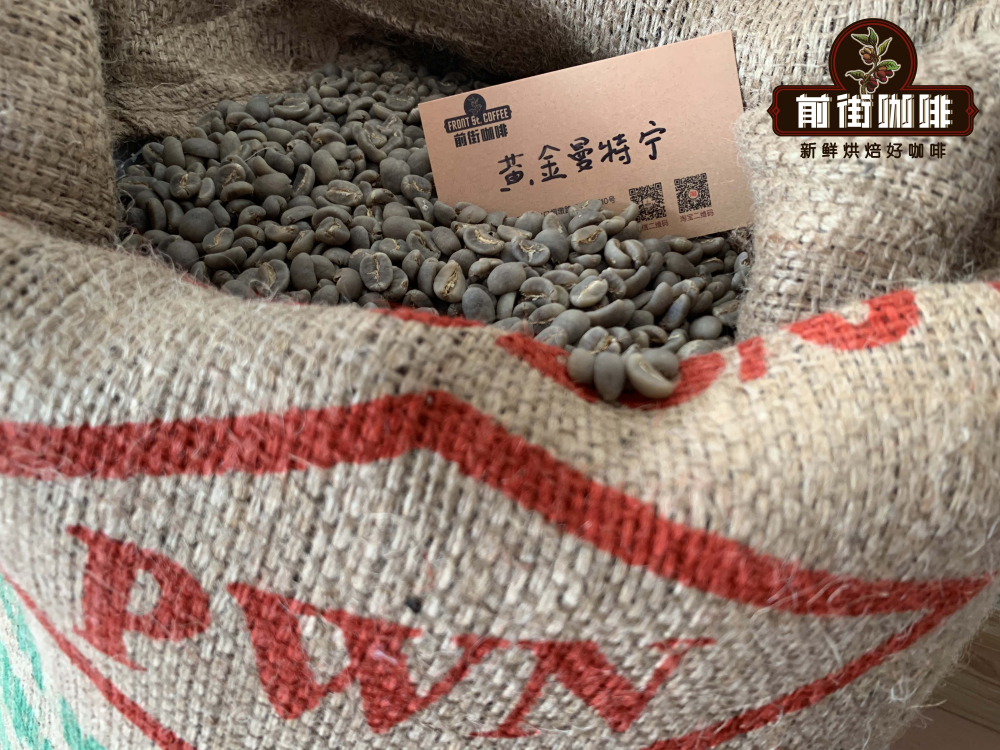
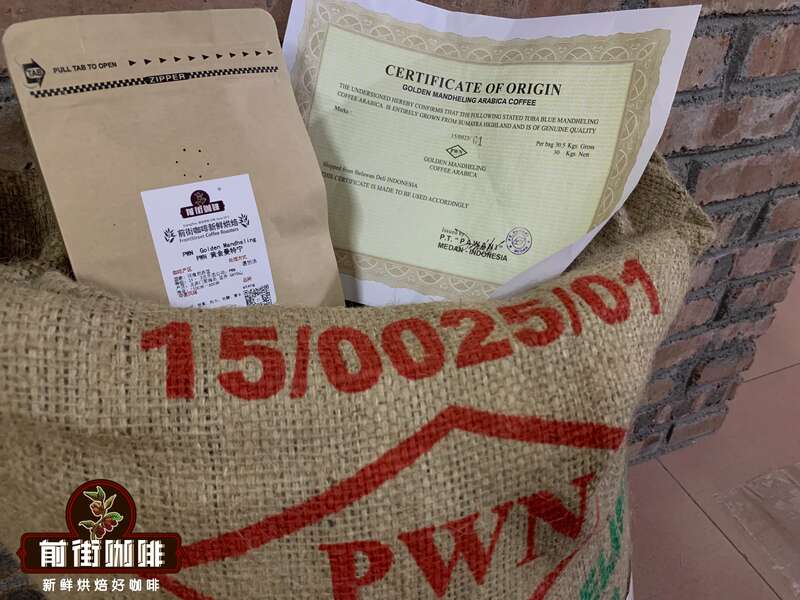
The so-called “Golden Mandheling” is a premium selection produced by Indonesia’s renowned coffee trading company PWN (Pwani Coffee Company). This company has long purchased high-quality coffee beans from Sumatra’s premium producing areas and manually selects each bean to ensure they are flawless and plump—earning it the “golden” name. It’s important to note that only beans produced by PWN can be called authentic Golden Mandheling. Many products on the market labeled as “Golden Mandheling” are actually just regular specialty Mandheling.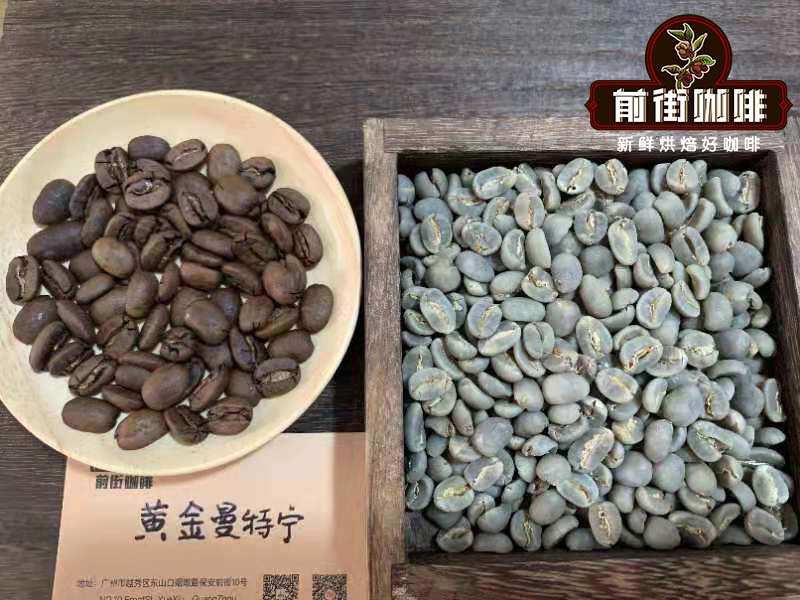
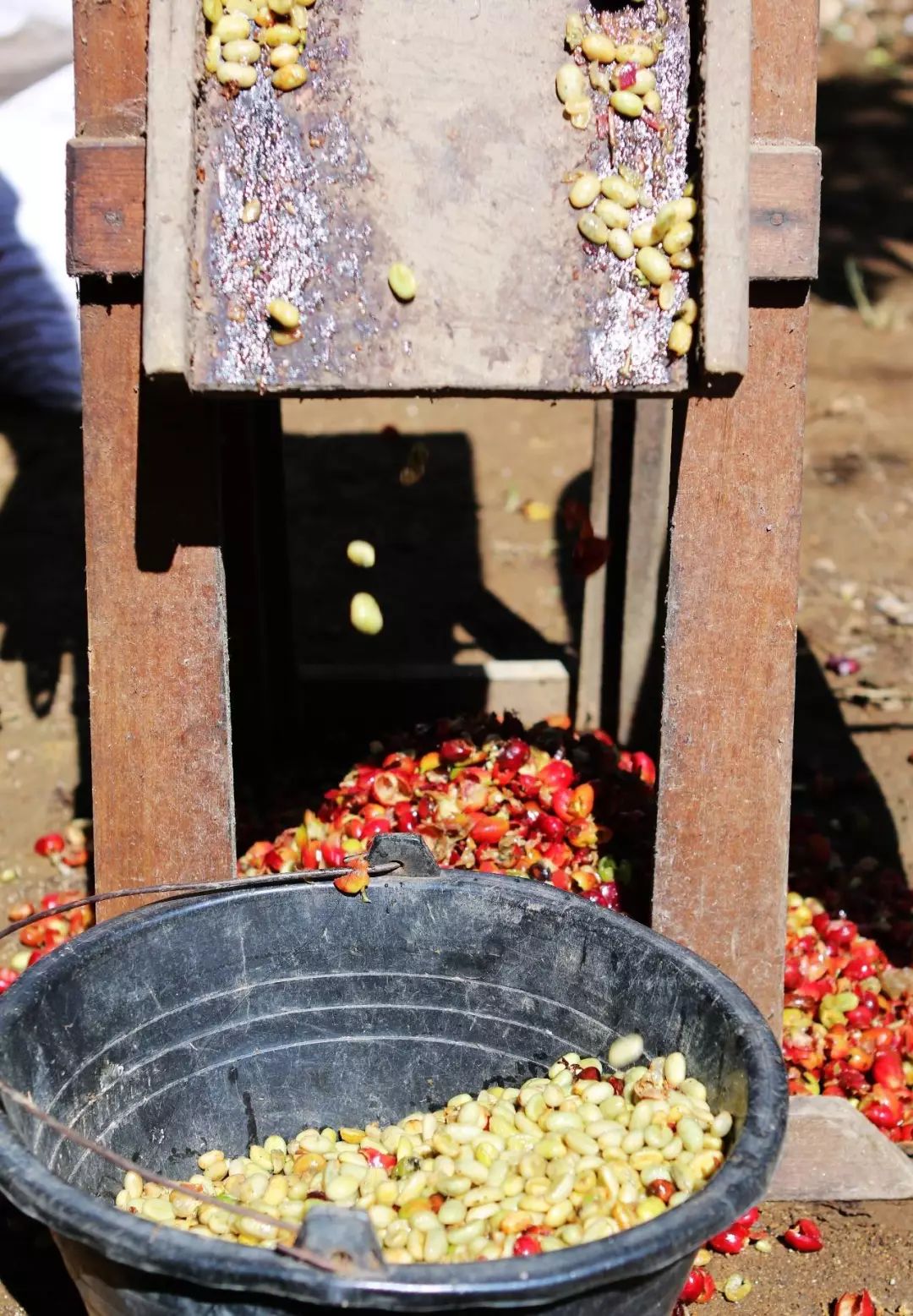
The most distinctive feature of Golden Mandheling comes from its use of the “wet-hulling” process. This method was developed in Indonesia to adapt to the rainy climate. Traditional washed or sun-dried methods are difficult to operate stably under local weather conditions, so farmers remove the outer pulp and parchment layers while the beans are still not fully dried, then continue the subsequent drying process. During this process, the beans often form the unique “elephant hoof” cracks, which are not defects but rather a typical characteristic of the wet-hulling method.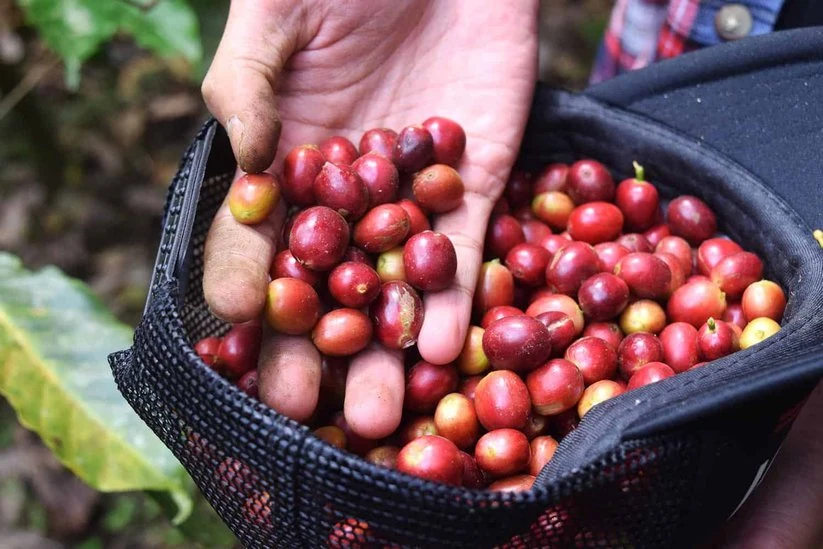
The wet-hulling process is divided into two stages: first, the skin and flesh are removed, followed by initial drying after about 3 hours of fermentation, reducing the moisture content to 30-50%; next, the pulp and parchment layers are removed, and the beans are further dried to a moisture content of 12-13%. This method gives the coffee intense earthy, herbal, and spicy tones, which are also key to the Mandheling flavor profile.
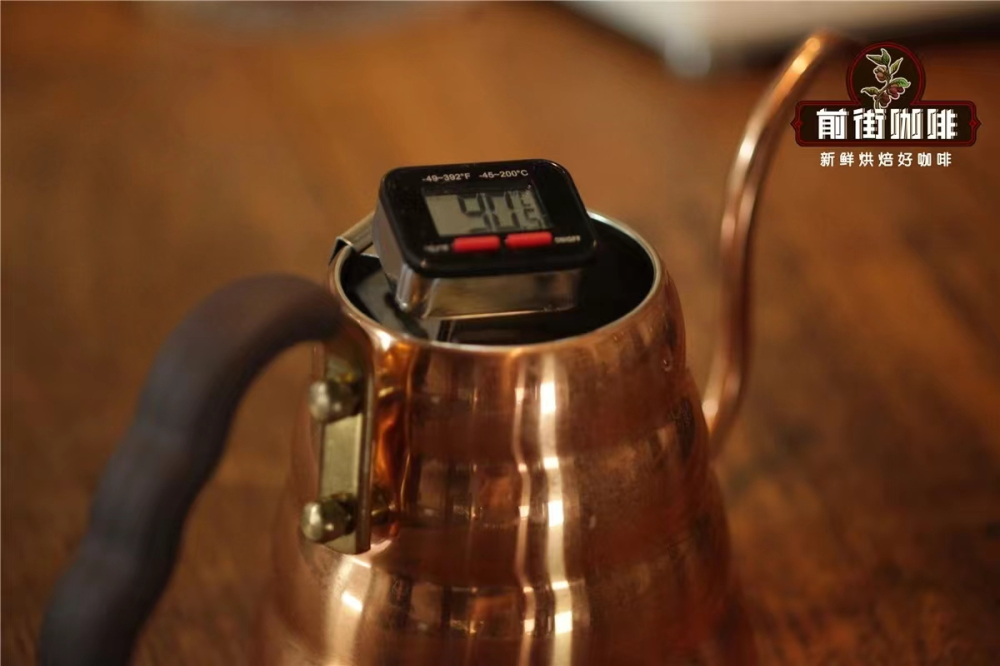
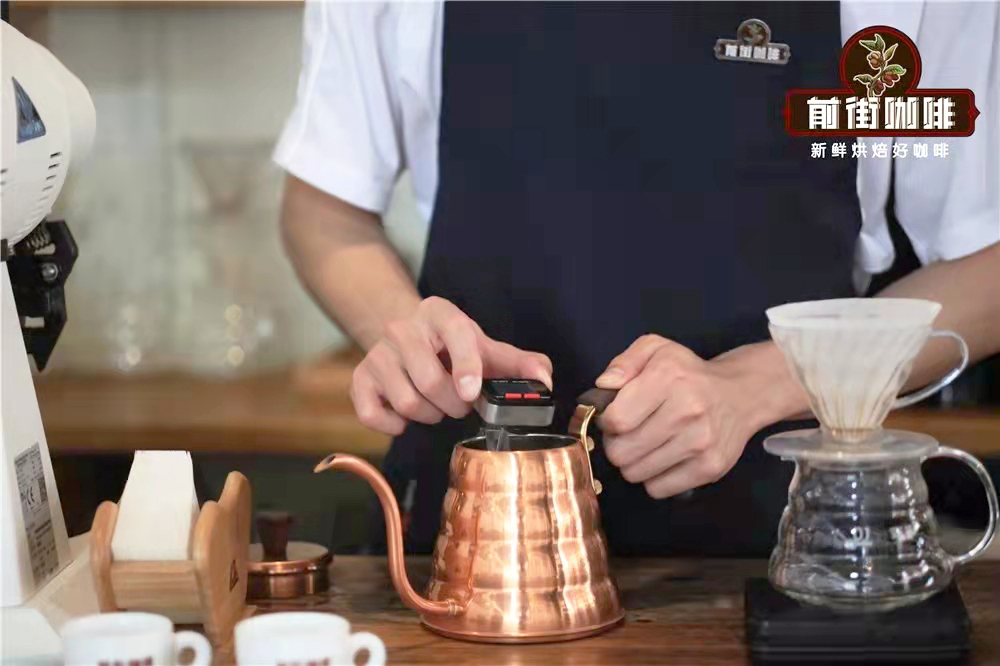
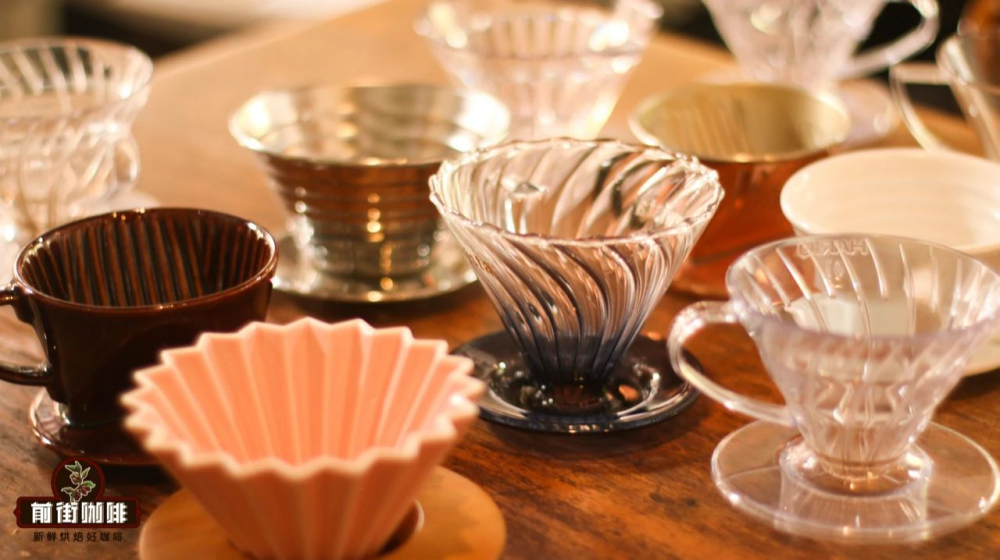
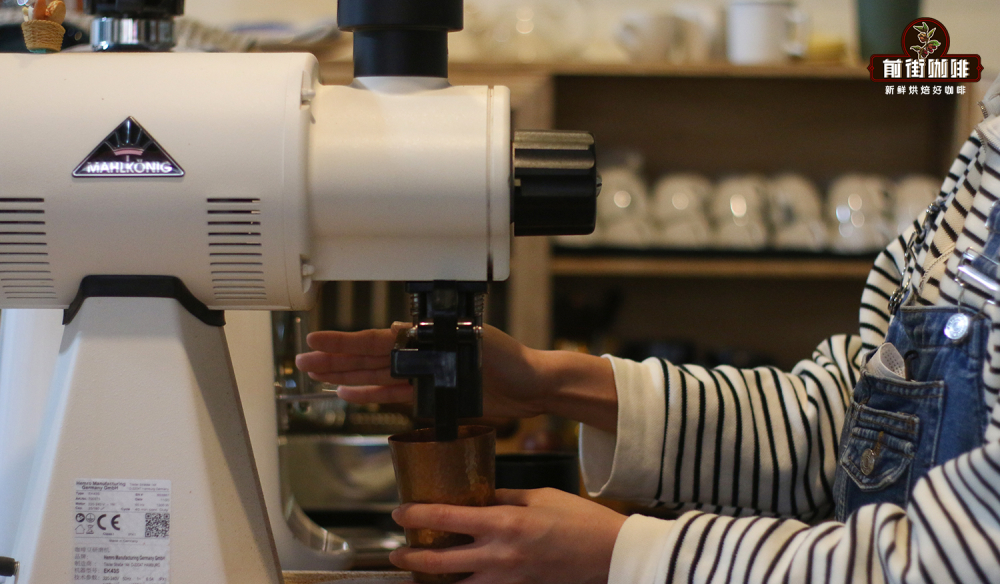
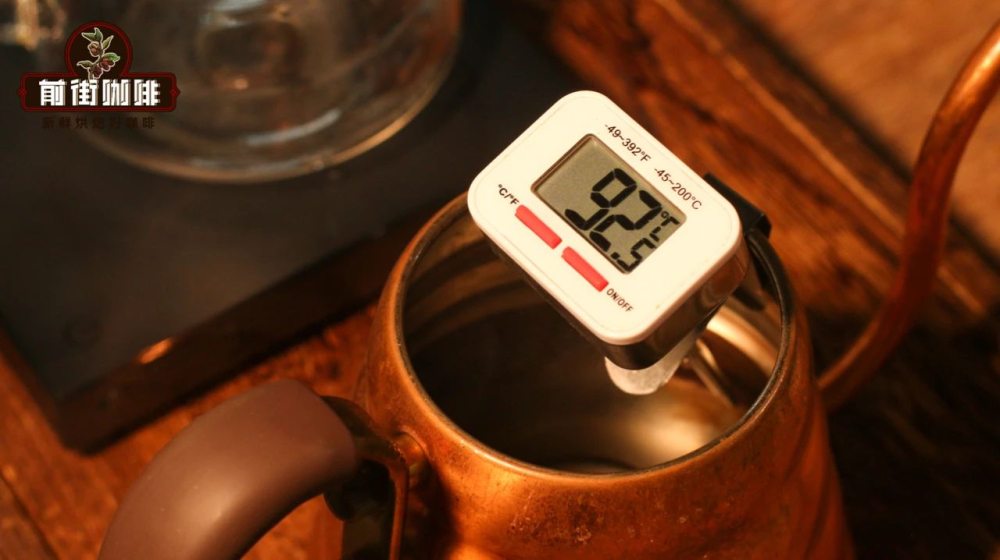
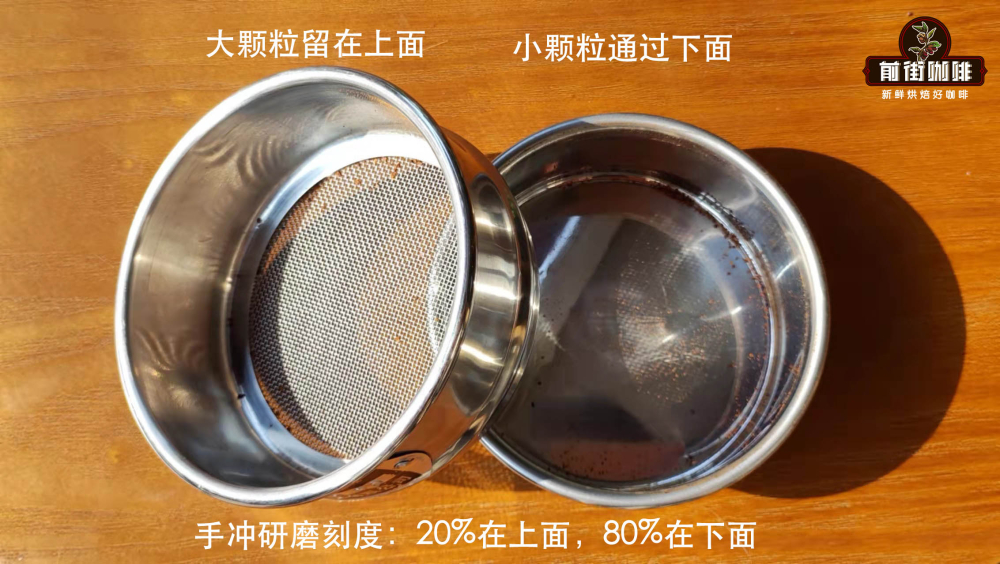
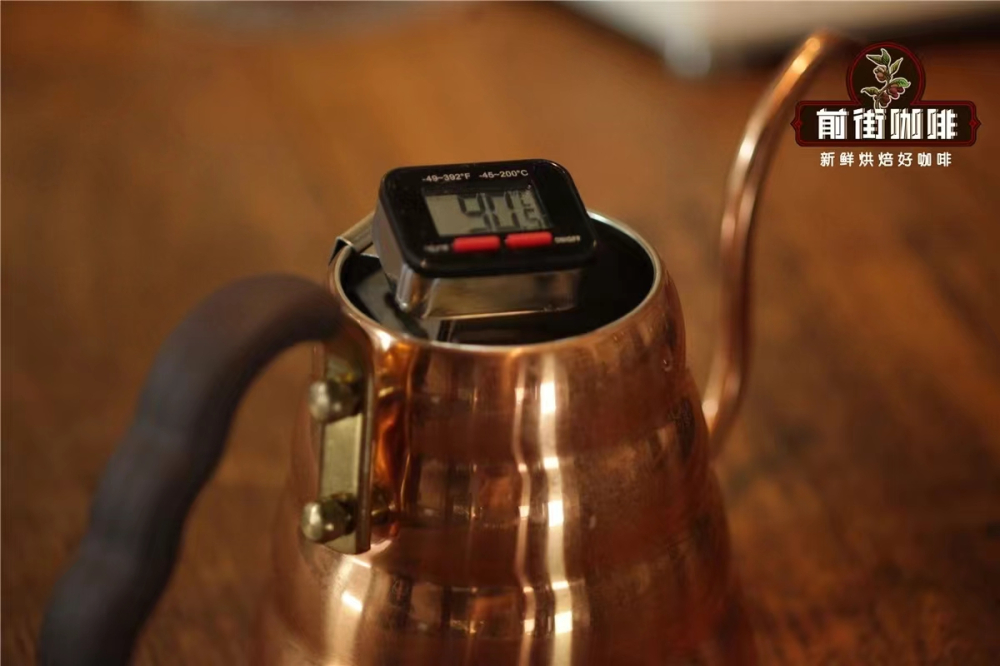
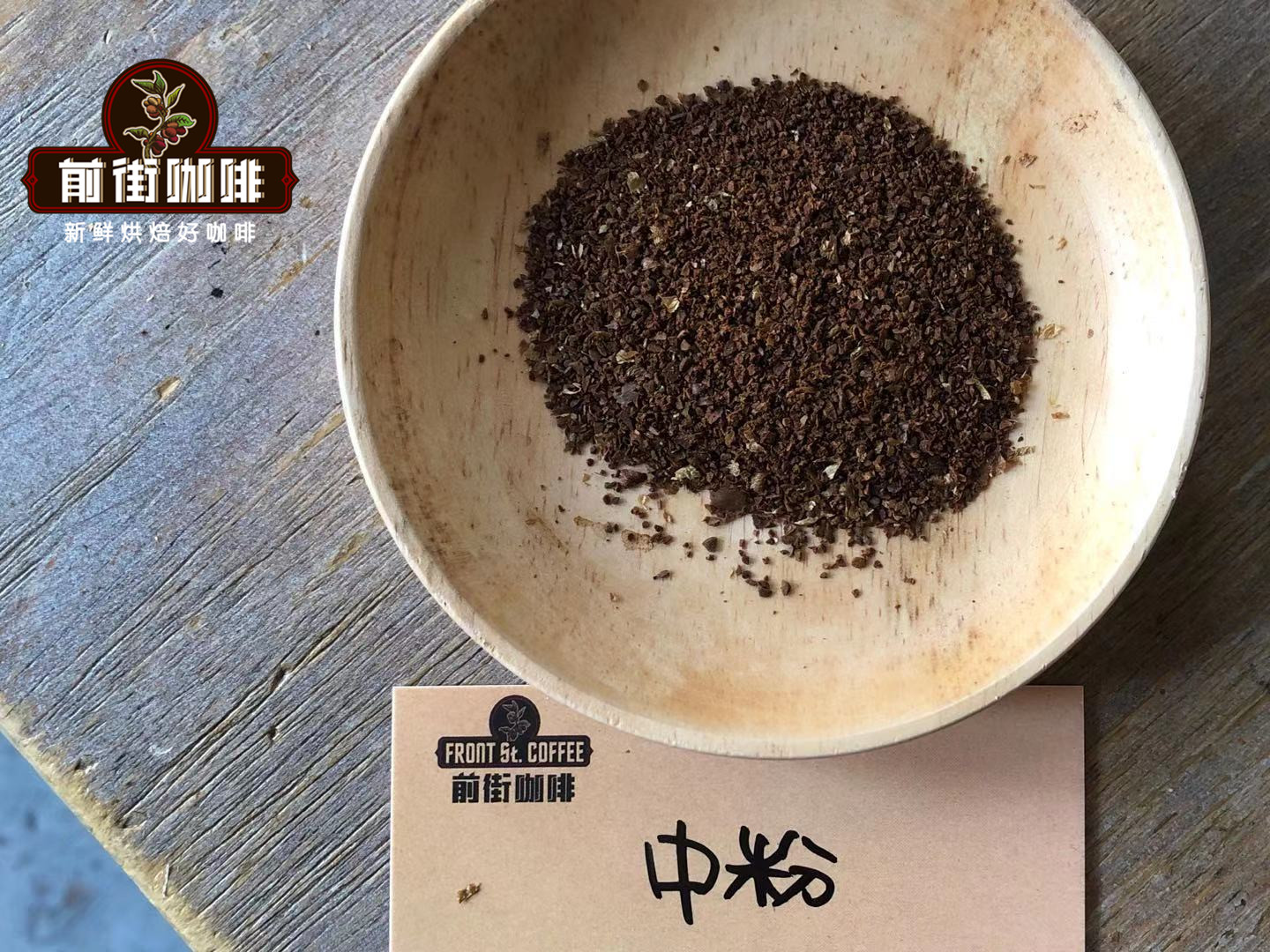
When brewing Golden Mandheling, it is recommended to use a medium-dark roast setting. Its flavor profile is dominated by nuts, caramel, and chocolate, with a clean and long-lasting aftertaste. To fully showcase these characteristics, pour over parameters are crucial. It is generally recommended to use a KONO filter, with 15 grams of coffee grounds, a coffee-to-water ratio of 1:15, water temperature controlled at 86-87°C, and a grind size passing about 70% through a Chinese standard No. 20 sieve. This corresponds to a medium-fine to medium grind, balancing extraction and flow rate.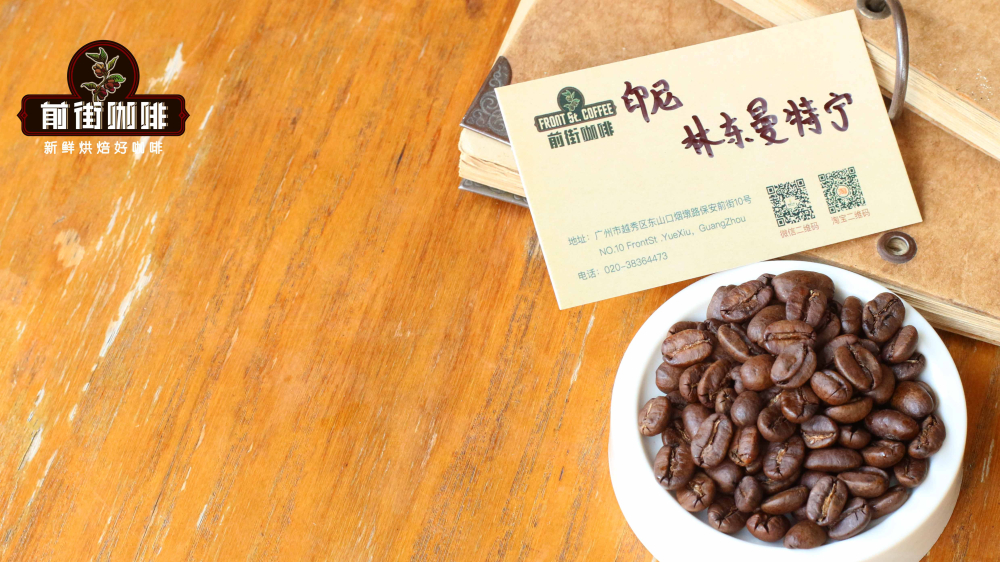
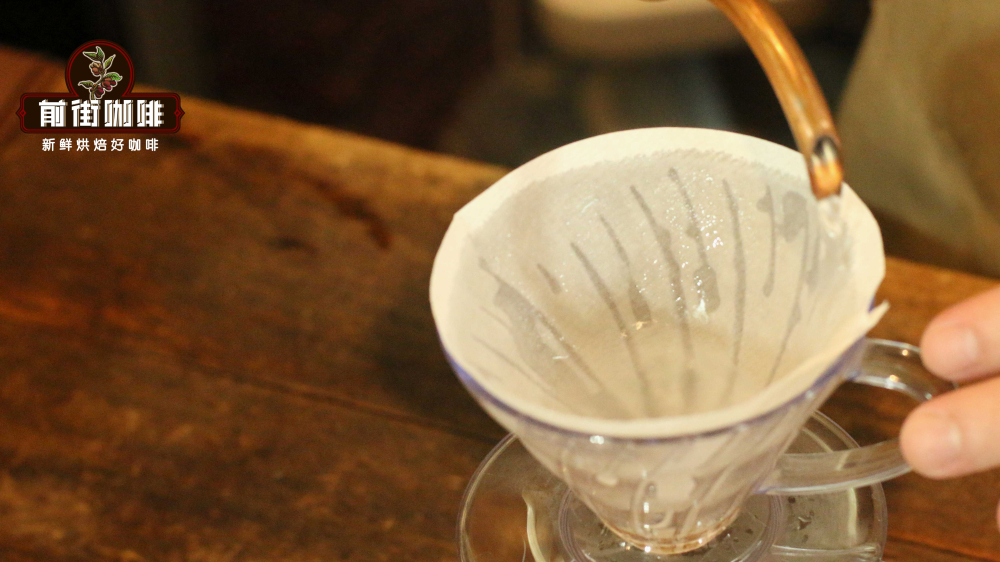
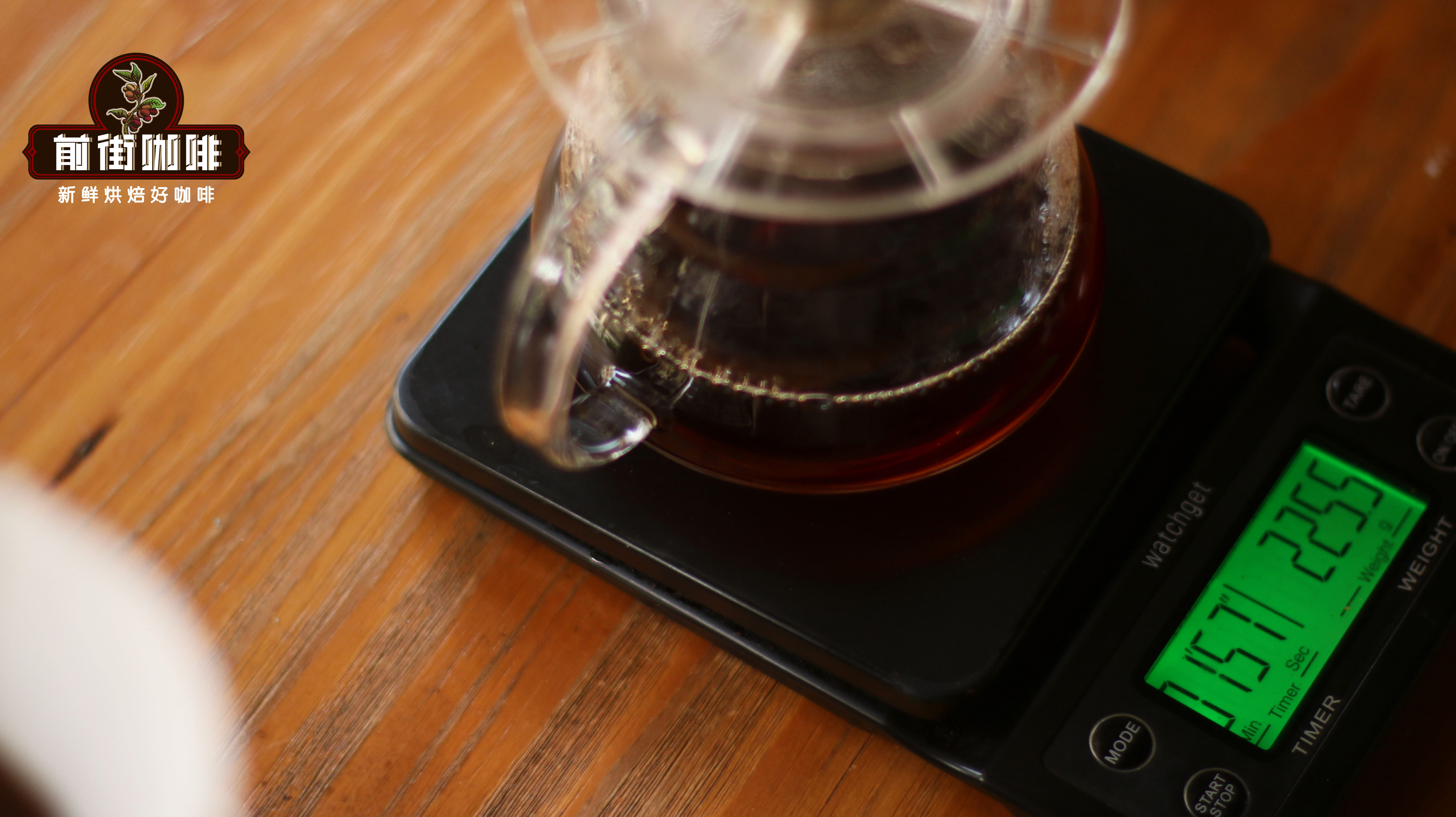
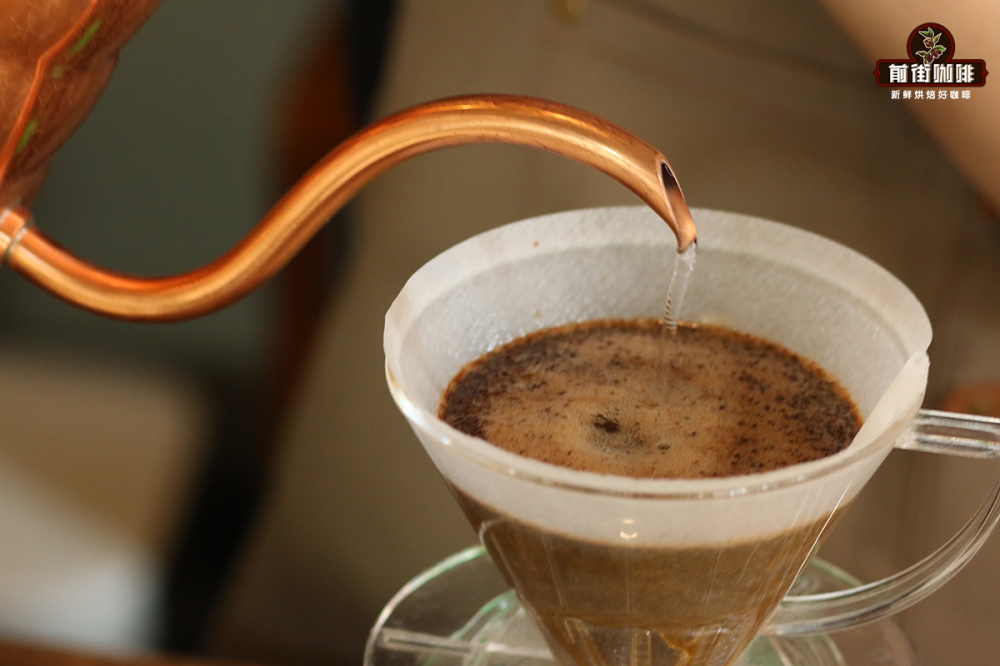
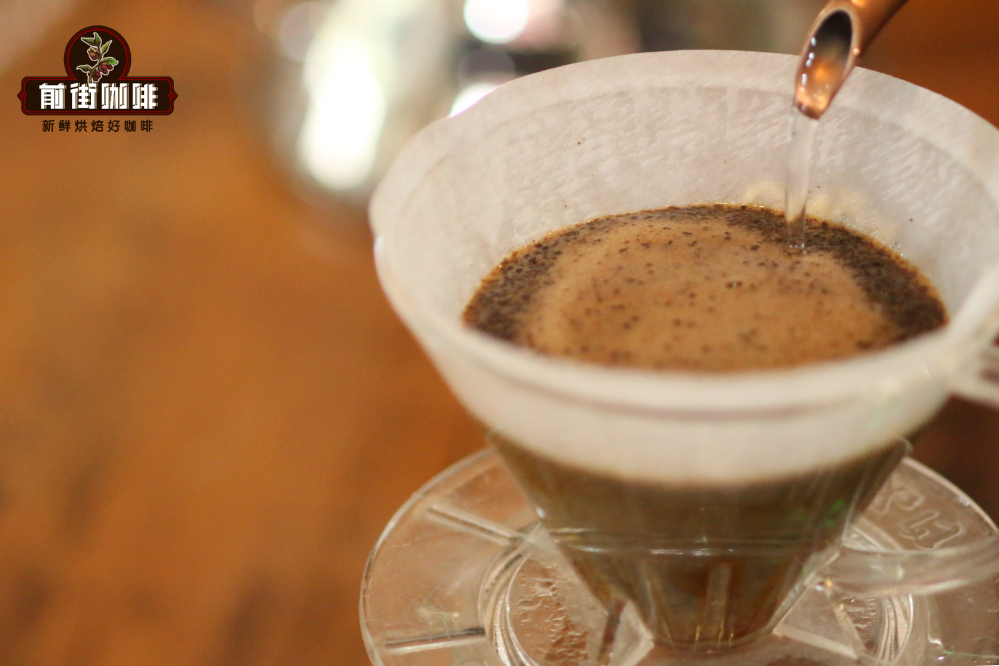
For actual pour over brewing, it is suggested to use a pulsed pouring method: start with a 30-second bloom using 30 grams of water to activate the aromatic release of the coffee grounds; then pour in a small circular motion until reaching 125 grams for the first pour, wait for the water level to drop, then continue pouring until reaching 225 grams before stopping, with a total brewing time of about 2 minutes. This technique helps achieve even extraction, avoiding over-extraction or excessive tannin release, and brings out the richest and most balanced side of the coffee.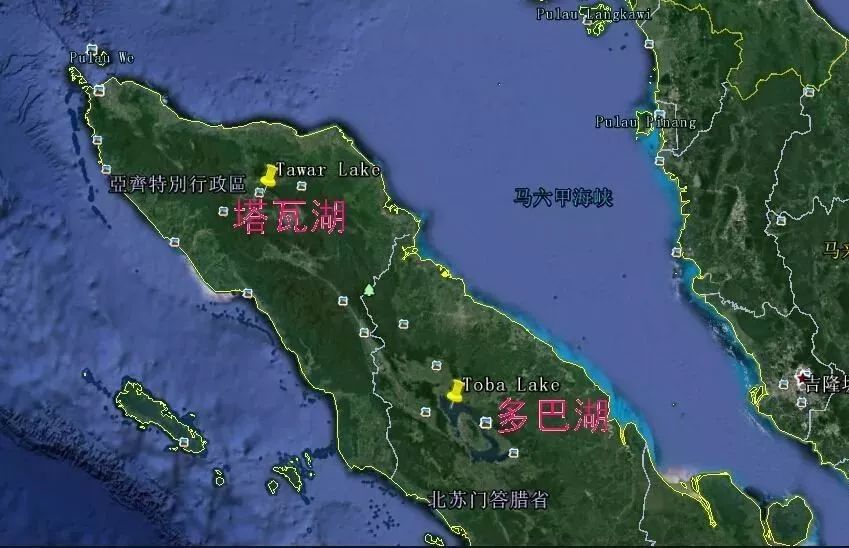
In summary, Golden Mandheling is a classic dark roast bean with clear flavors and rich layers. As long as you master the right grind size, water temperature, and pouring rhythm, you can easily enjoy its intense nutty aroma and delicate sweetness at home. Whether you’re a pour over beginner or an experienced coffee enthusiast, this bean is an excellent choice worth savoring and experimenting with repeatedly.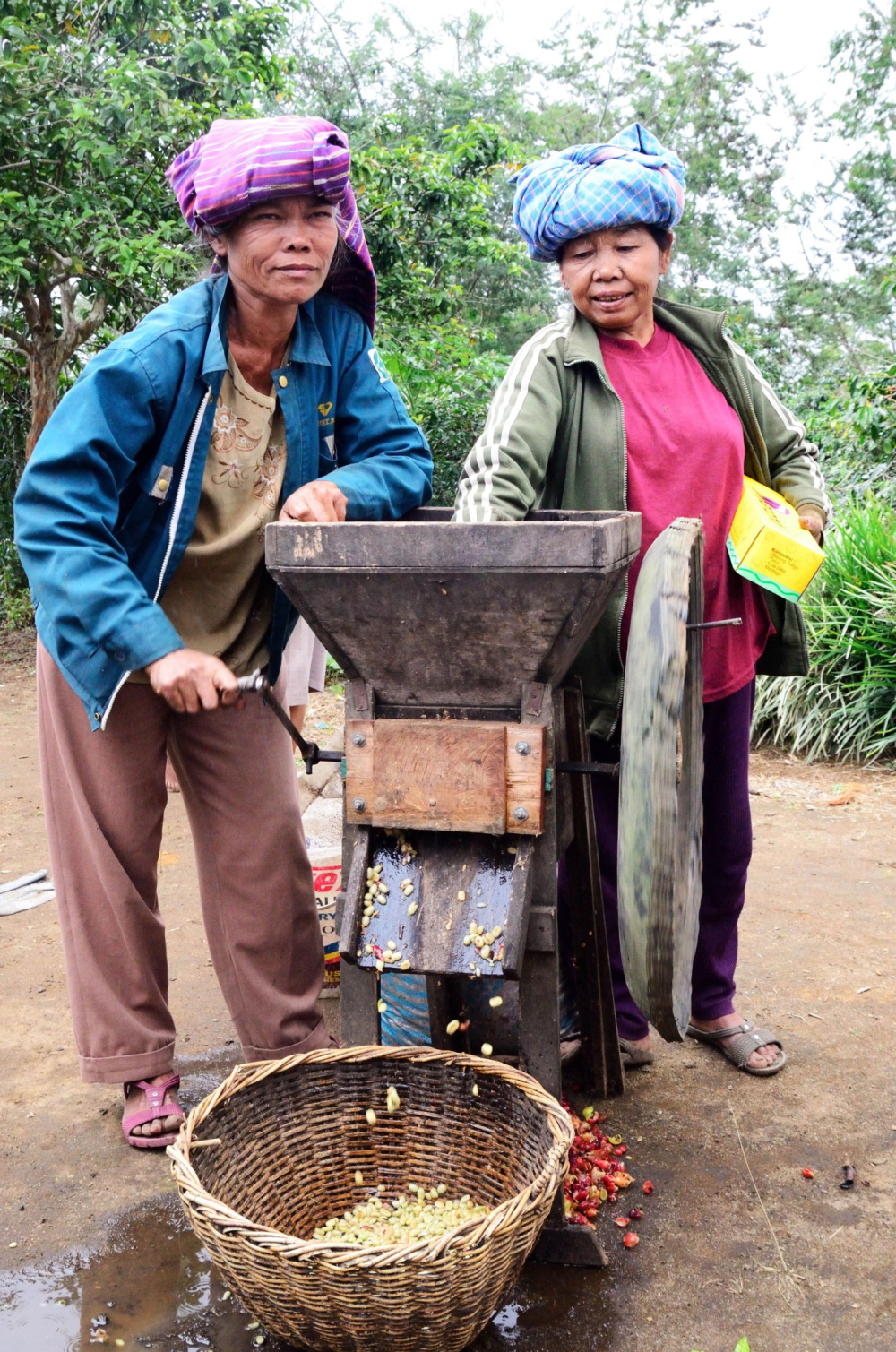
The above content is compiled by CoffeeHunters, a coffee news website.

