







Introduction:Want to brew a richly layered Indonesian Golden Mandheling at home? This article dives deep into the regional characteristics of this classic Sumatran coffee, the PWN selection process, and the wet-hulling method, while also providing professional pour over recommendations—including grind size, water temperature, coffee-to-water ratio, and pulse pouring techniques—to help you capture Golden Mandheling’s bold nuttiness and caramel aromas.
With the rise of specialty coffee culture, more and more coffee enthusiasts are trying their hand at home brewing. But brewing a great cup isn’t about following a single recipe—it’s about continuous practice and adjustment to find your own extraction feel. This article focuses on the classic Indonesian bean variety from Sumatra—PWN Golden Mandheling—and takes you through a comprehensive understanding of this bold, multi-layered coffee, from regional environment and processing characteristics to professional pour over parameters.
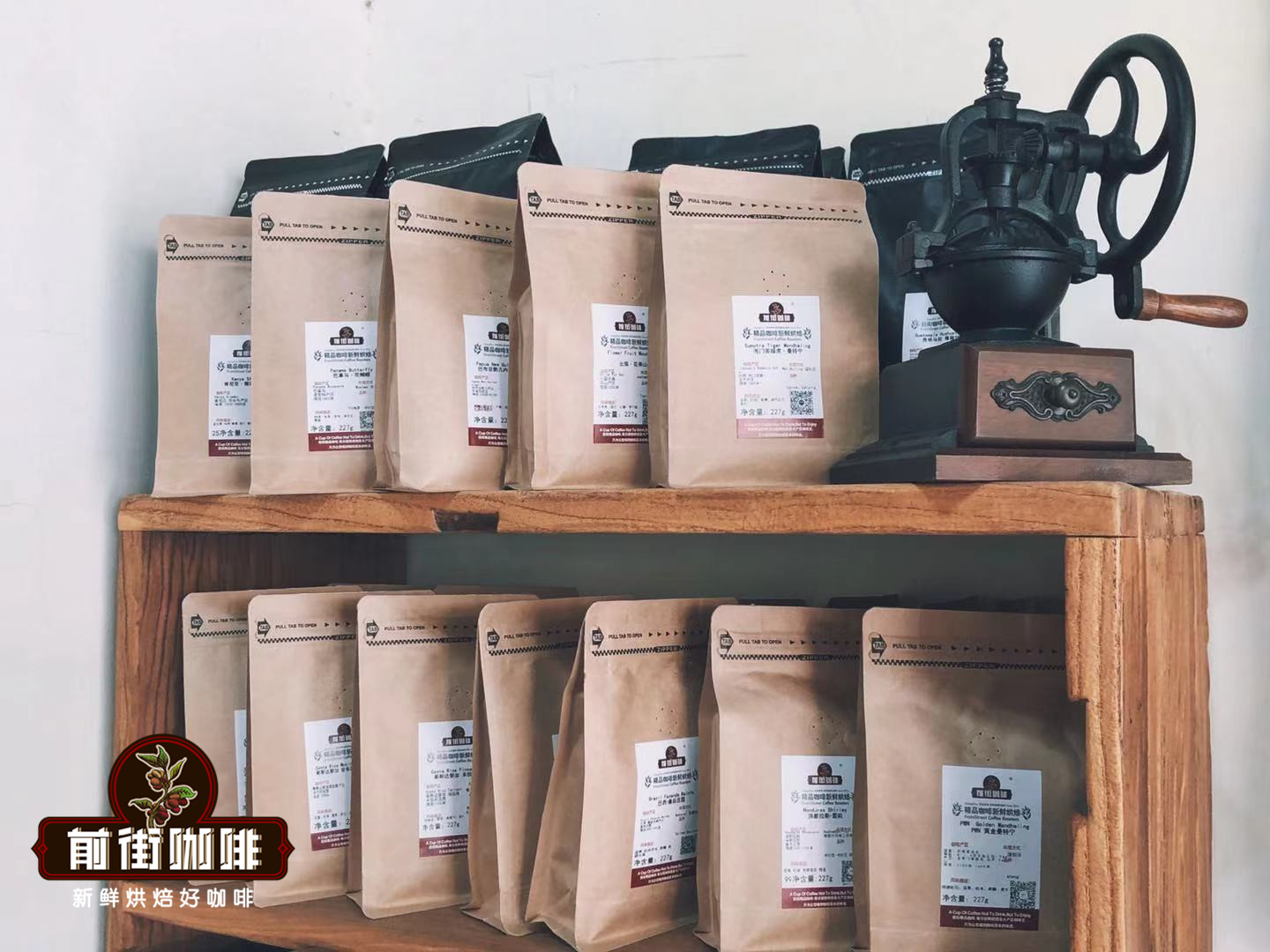
Golden Mandheling comes from the Gayo Mountains in Sumatra, Indonesia, grown at altitudes of approximately 1100 to 1600 meters. Although labeled as the Ateng variety, it is actually one of the commonly found coffee tree species in the region. Processed using the traditional wet-hulling method, it delivers unique earthy, herbal, and spicy notes. After roasting, it often exhibits intense aromas of nuts, caramel, pine, and herbs, making it a top choice for many pour over enthusiasts.
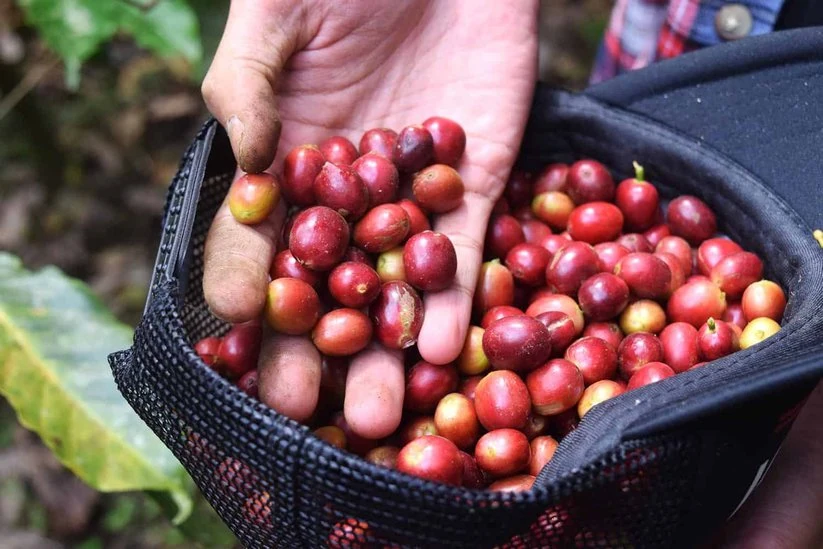
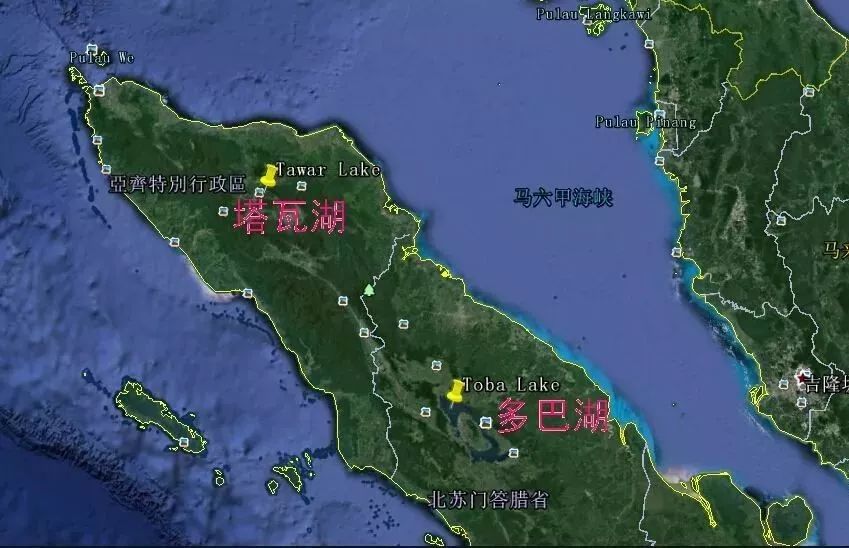
As Indonesia’s largest island, Sumatra has a tropical rainforest climate—hot, humid, and abundant in rainfall, theoretically perfect for coffee cultivation. However, due to terrain and altitude limitations, only about 25% of local coffee is Arabica, with the rest mostly Robusta suited to low-altitude growing. The northern Sumatran region of Lintong, especially areas around Lake Toba and nearby smaller regions, produces Arabica coffee known as “Lintong Mandheling,” which is regarded as a high-quality representative commonly seen in the market.
Mandheling is actually synonymous with Sumatran coffee, with common producing areas including the Gayo Mountains in North Sumatra, Lake Tawar in the Aceh region, and the Lintong and Lake Toba areas in South Sumatra. Among these, Lintong is considered the core Mandheling-producing region, home to well-known varieties such as Sidikalang, Bergendar, Siborong-borong, and Telok Sanggul. The Gayo highlands, meanwhile, are often praised as an important origin for green or organic coffee, thanks to many local smallholder farmers cultivating organically without chemical fertilizers.
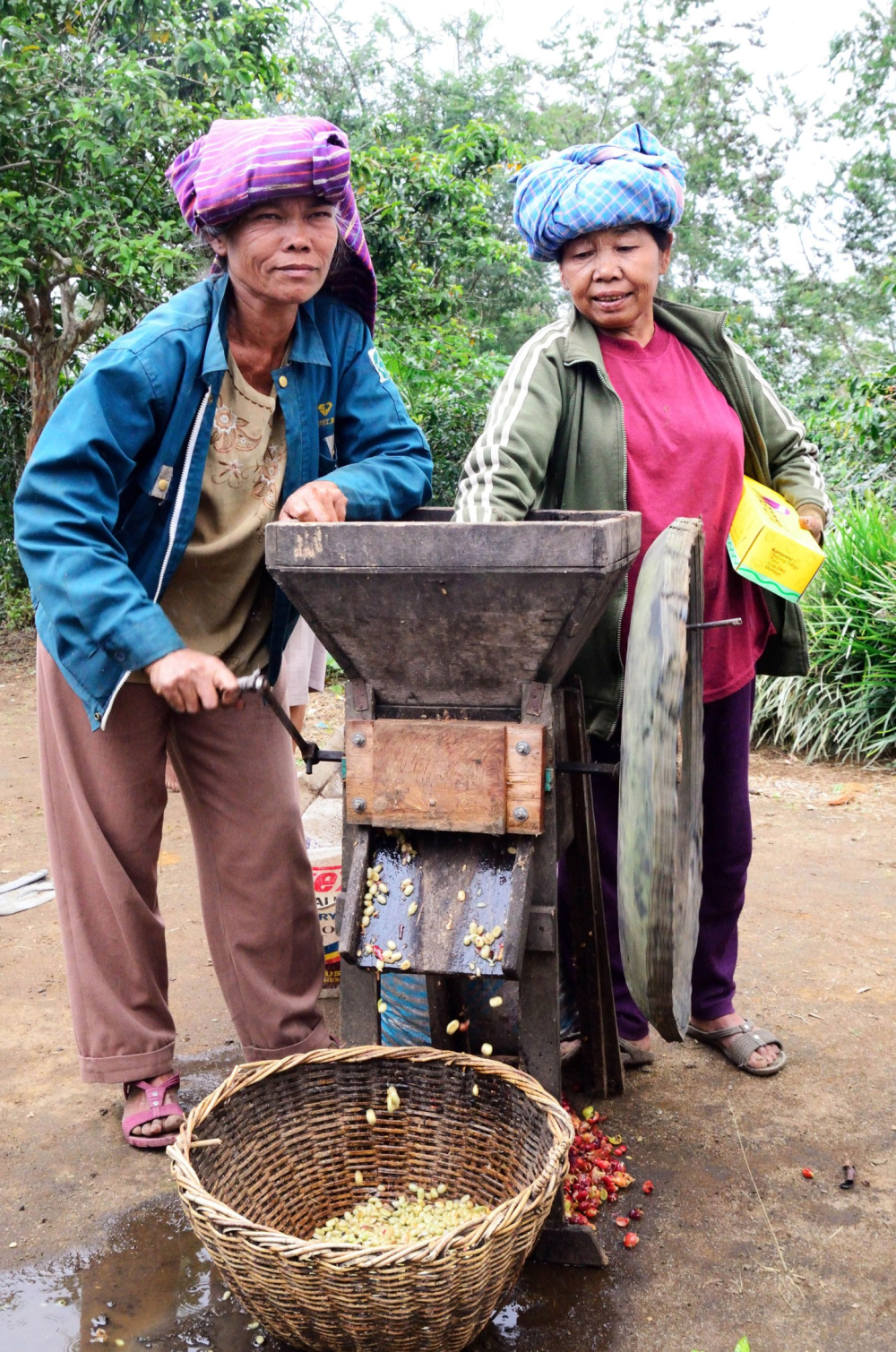
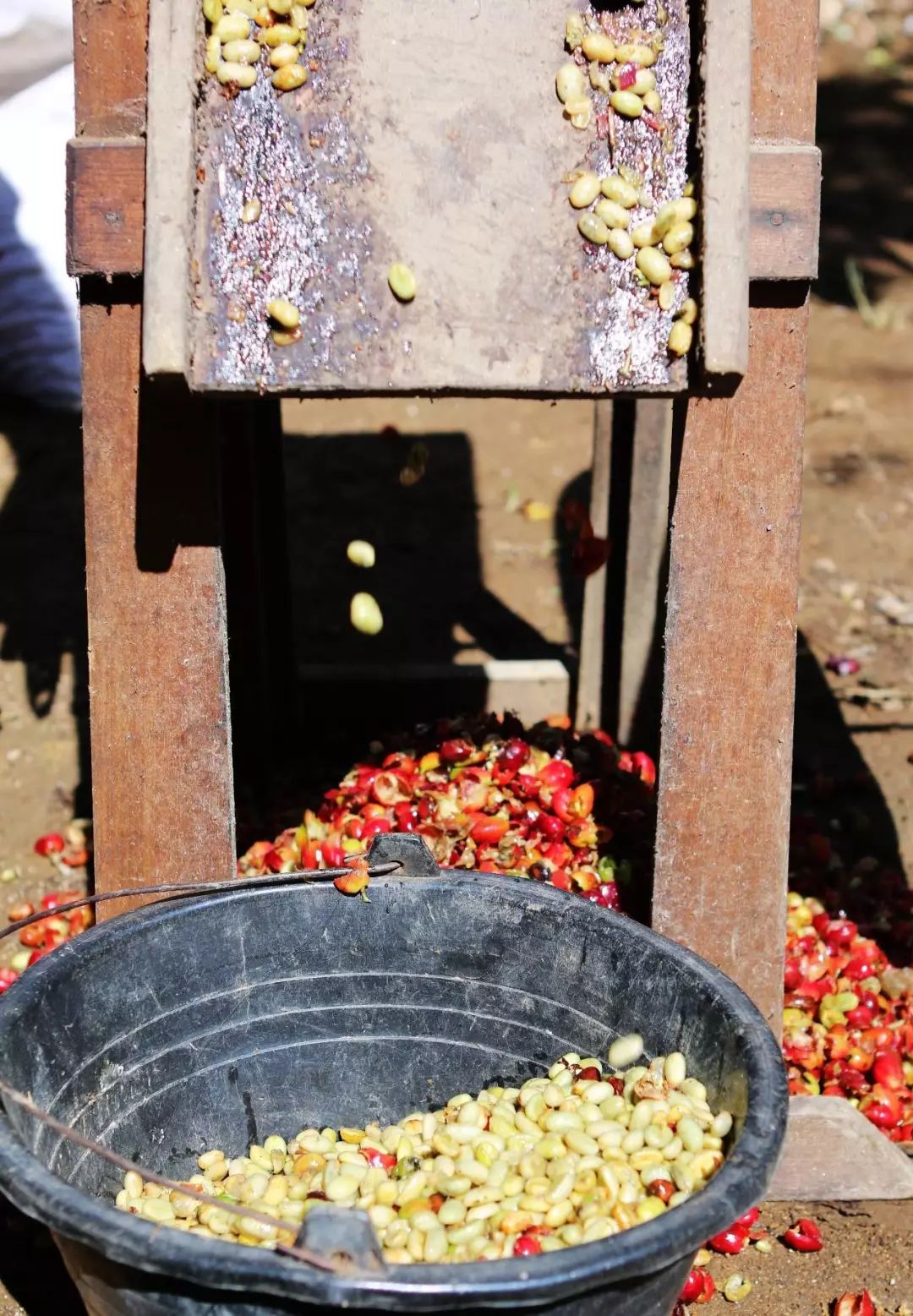
The most representative processing method of Indonesian coffee is undoubtedly “wet-hulling.” This technique originated from the region’s rainy climate, which makes prolonged sun drying difficult, coupled with economic constraints that limit the adoption of the more costly washed method. As a result, the unique wet-hulling process was developed. The steps are generally divided into two phases: first, the skin and pulp are removed, followed by about 3 hours of fermentation and initial drying to reach a moisture content of 30-50%; next, the mucilage and parchment layers are scraped off, after which drying continues until the moisture content drops to 12-13%. The whole process typically takes about 2 to 4 days.
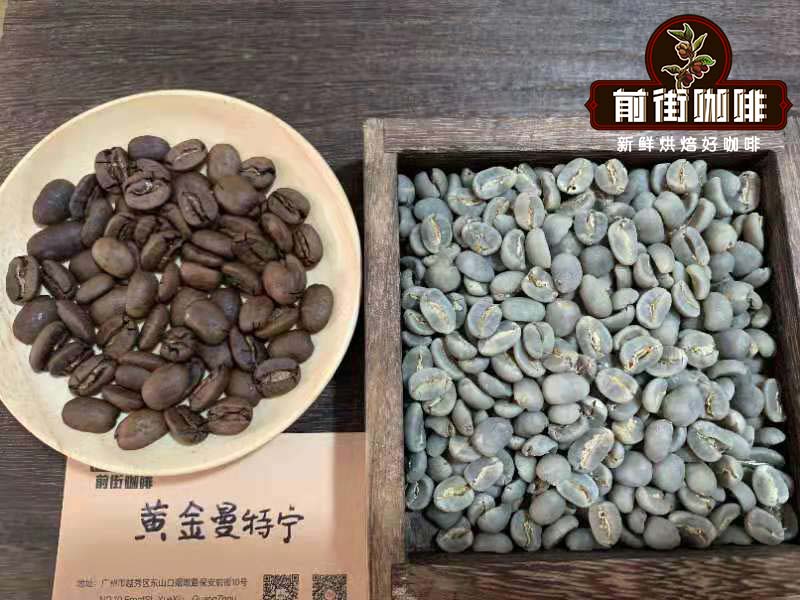
Notably, because semi-dry beans are prone to damage when the parchment layer is removed, the surface often shows cracks resembling hoof prints. This appearance, known as “hoof mark beans,” is a common phenomenon under wet-hulling processing and not a defect. This special processing also contributes to Mandheling’s distinctive earthy, spicy, and herbal flavors.
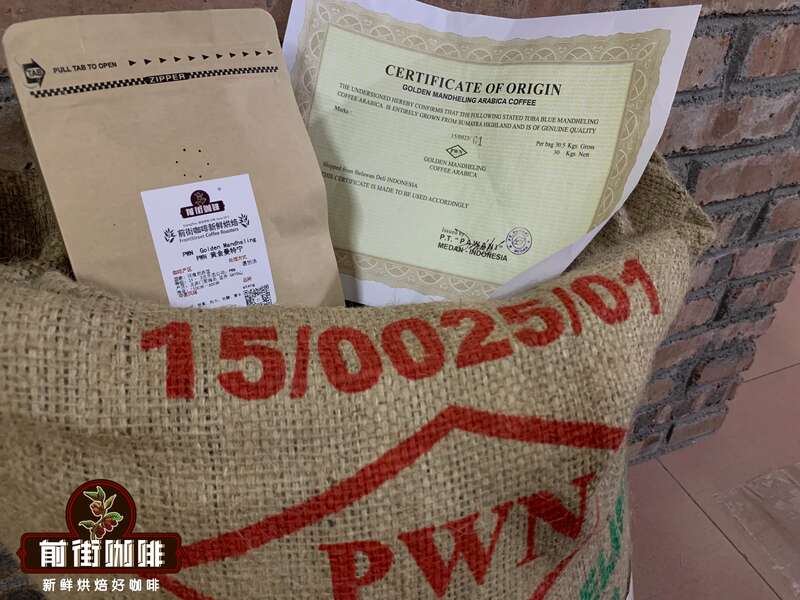
When talking about “Golden Mandheling,” one must mention the renowned Indonesian coffee purchasing company—PWN (Pwani Coffee Company). This company specializes in Mandheling bean procurement, sourcing green beans from nearly all of Indonesia’s top-quality producing regions, and is known for its rigorous manual selection process. Golden Mandheling is the essence selected by PWN from numerous Mandheling beans, with multiple hand-pickings to remove defects. The beans are plump and free of obvious flaws, thus considered the crème de la crème of specialty coffee.
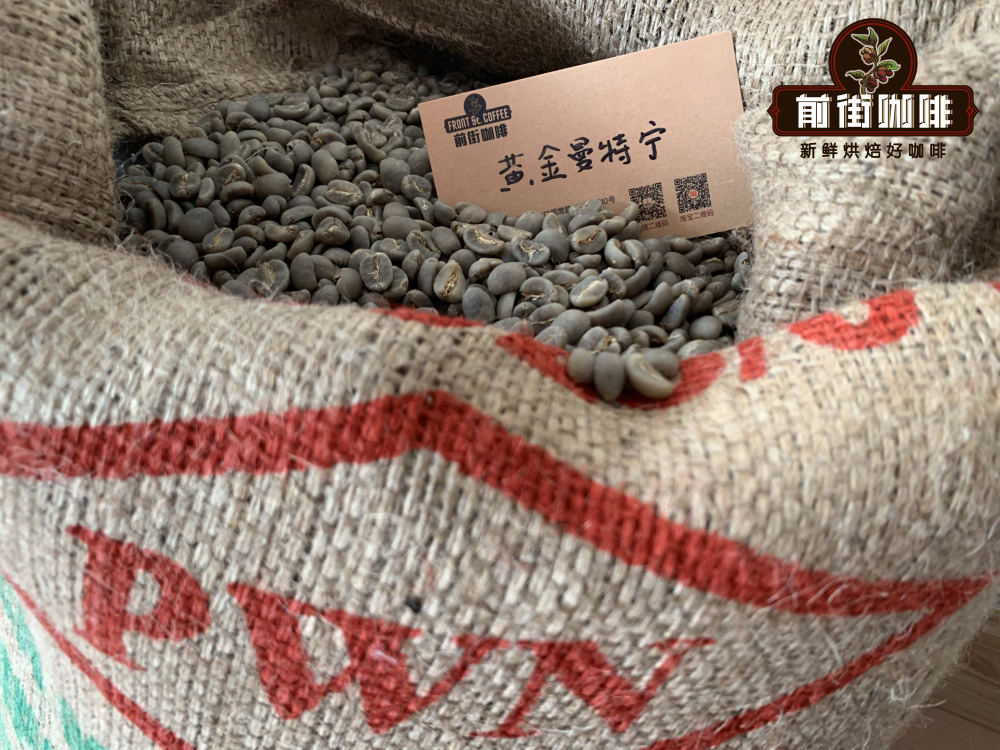
It’s important to note that PWN has registered “Golden Mandheling” as a trademark. In other words, only beans produced by PWN under this name can be rightfully called Golden Mandheling. Many products on the market labeled as “Golden Mandheling” are actually regular specialty Mandheling beans, so careful identification is needed when purchasing.
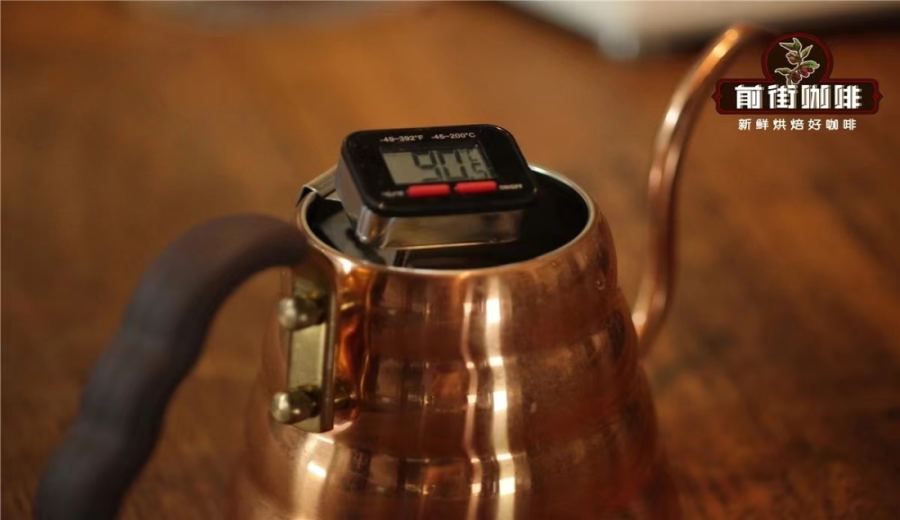
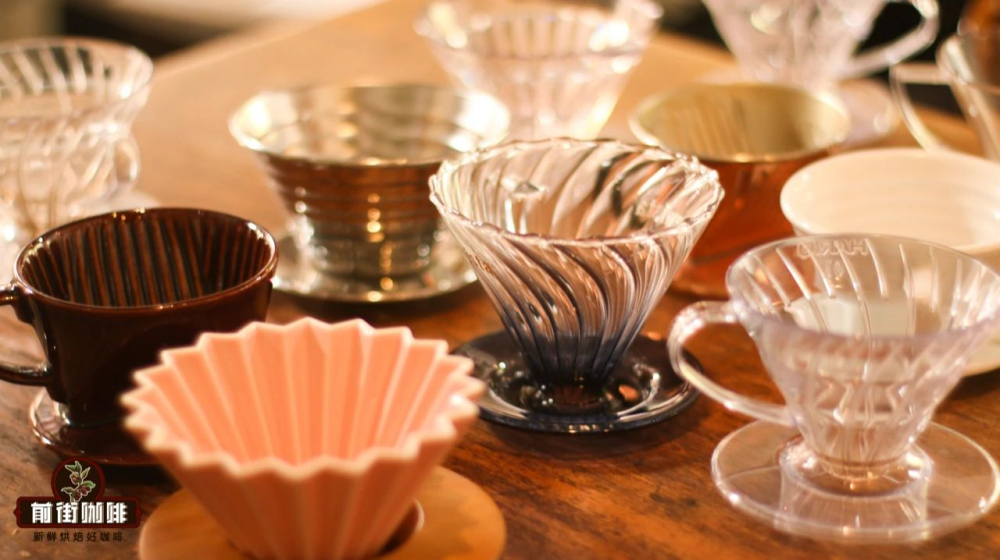
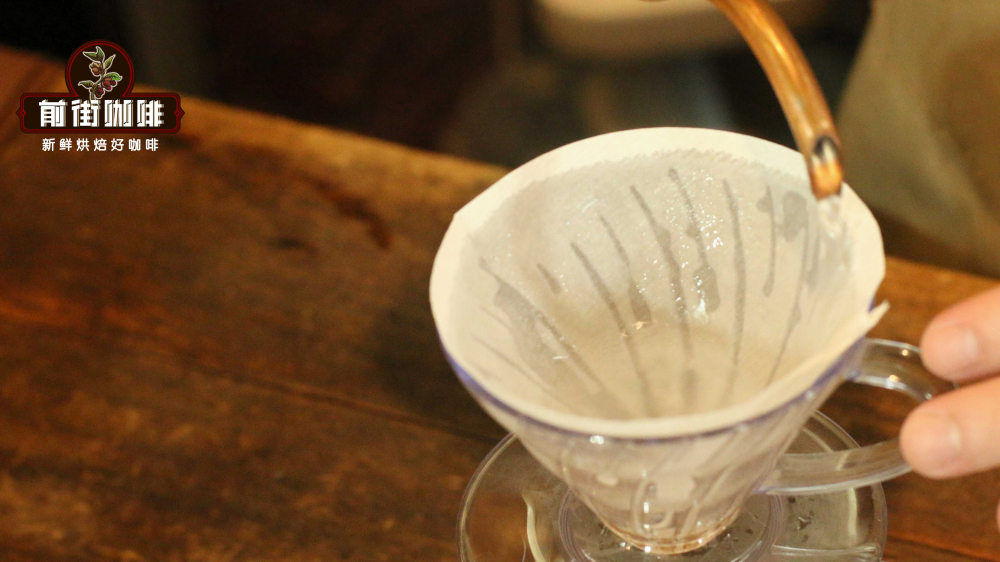
To brew a flavorful cup of Golden Mandheling, equipment preparation is crucial. First, the pour over kettle—choose one with a narrow spout for better control over water flow and volume. Beginners may opt for a narrow-spout kettle and pay attention to whether the heating method is compatible with your stove. Next, the dripper: common types include fan-shaped, conical, and wave-shaped. Fan-shaped drippers offer slower flow rates and fuller body; conical drippers have faster flow rates and brighter flavors; wave-shaped drippers provide more even extraction. Additionally, metal filters retain more oils but may allow fines to pass through, so choose based on personal taste preference.
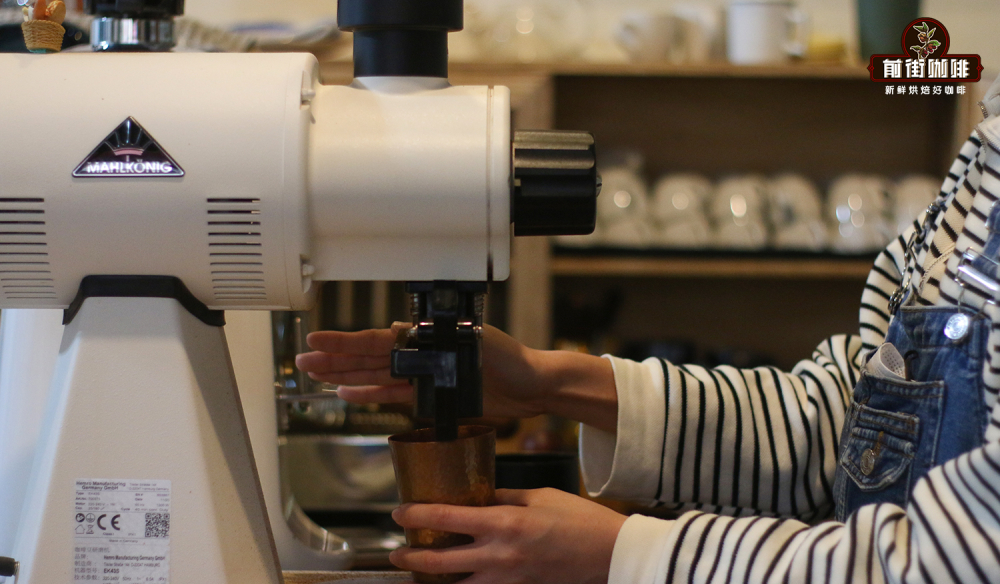
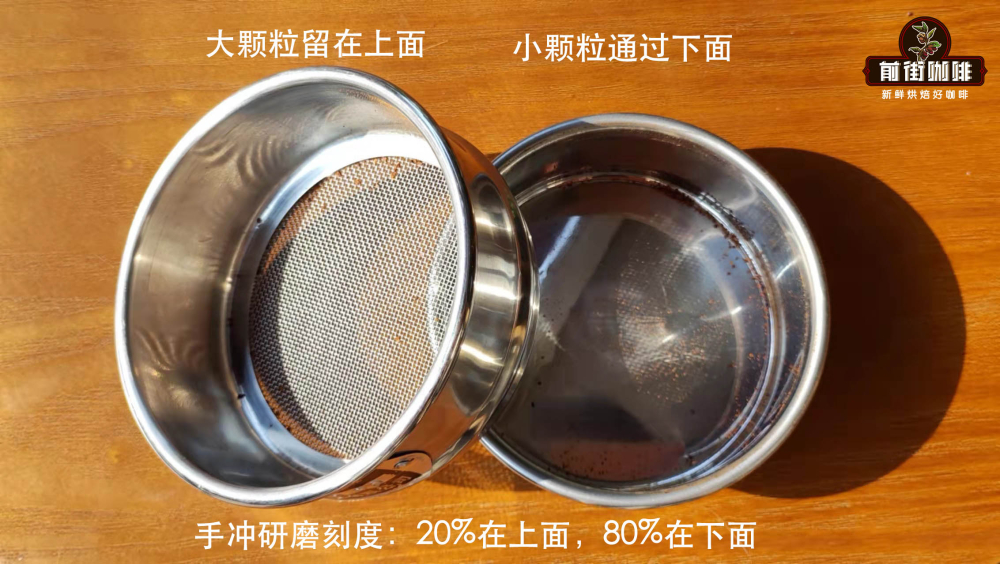
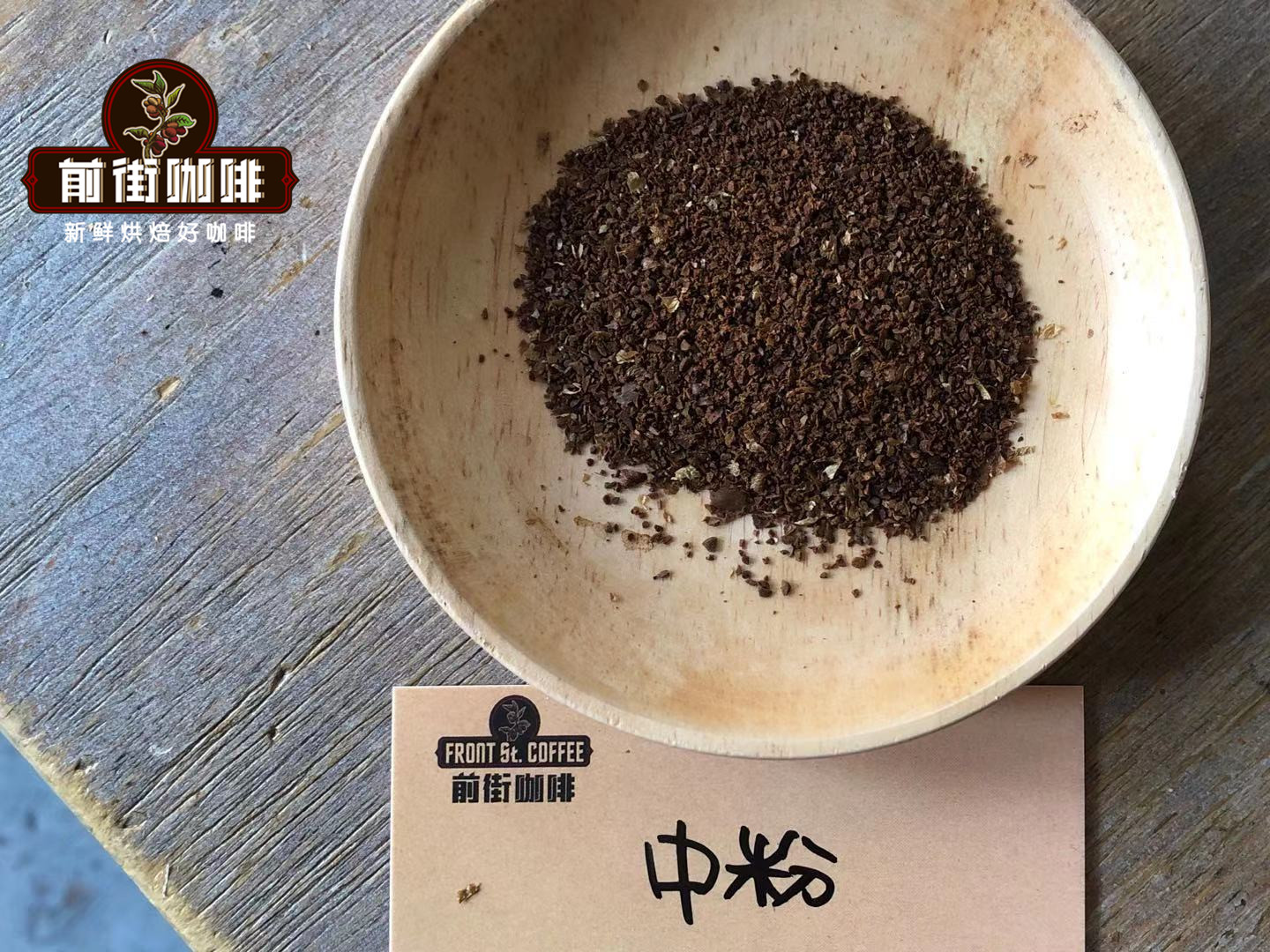
As for filter paper, there are bleached and unbleached options, mainly differing in appearance and sensitivity to odor for some users. Selection should match the dripper model. For grinders, mainstream models such as burr (ghost tooth), flat burr, or cone burr are recommended—the key is stable grinding. A thermometer and digital scale help accurately control water temperature and coffee-to-water ratio; beginners are advised to invest in basic models to improve extraction consistency. Lastly, a No. 20 Chinese standard sieve can be used to test grind size. Through multiple trials, a pour over grind passing rate of 80% is recommended as a baseline, adjustable based on actual flavor performance.
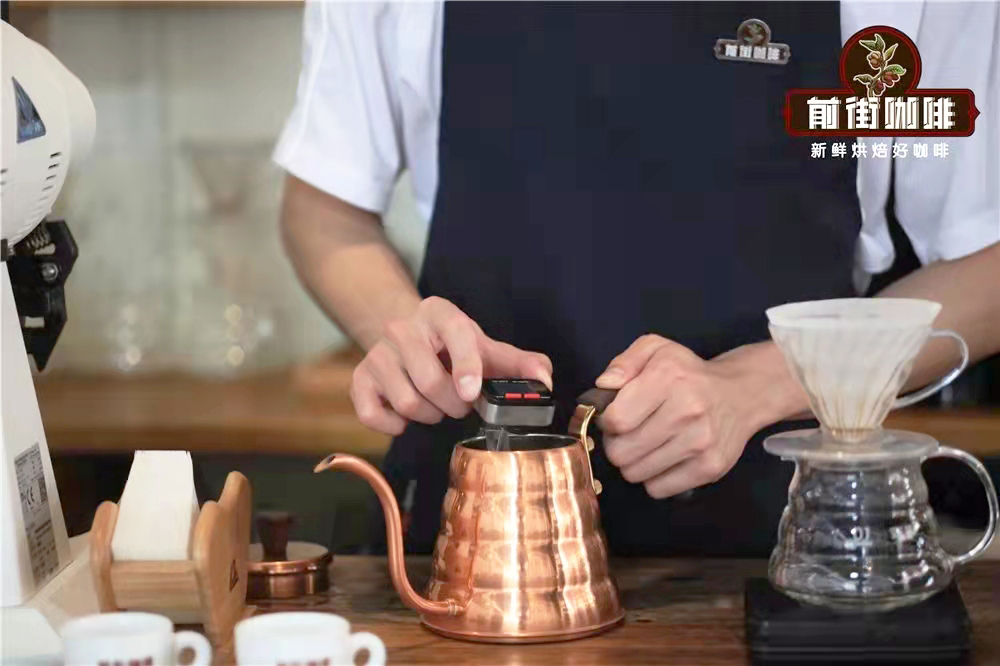
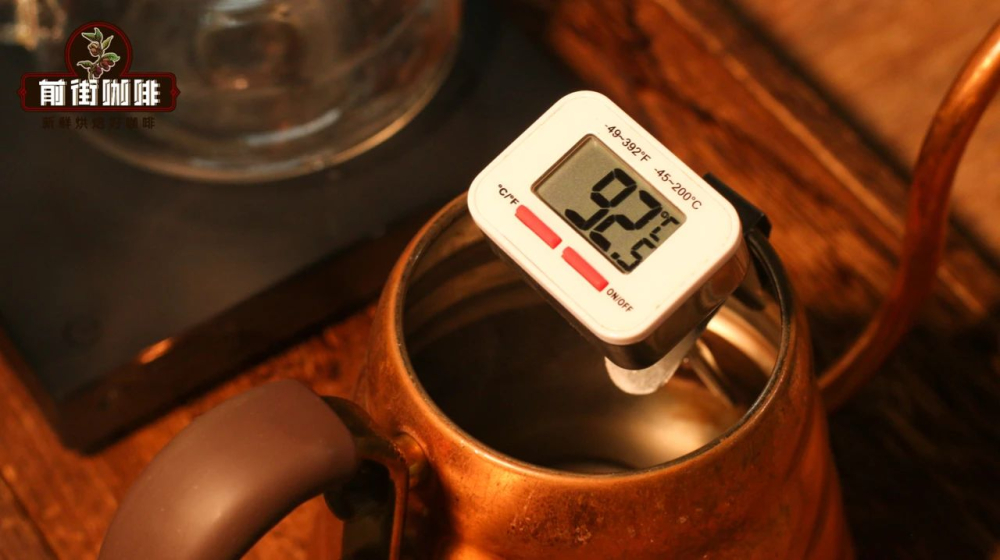
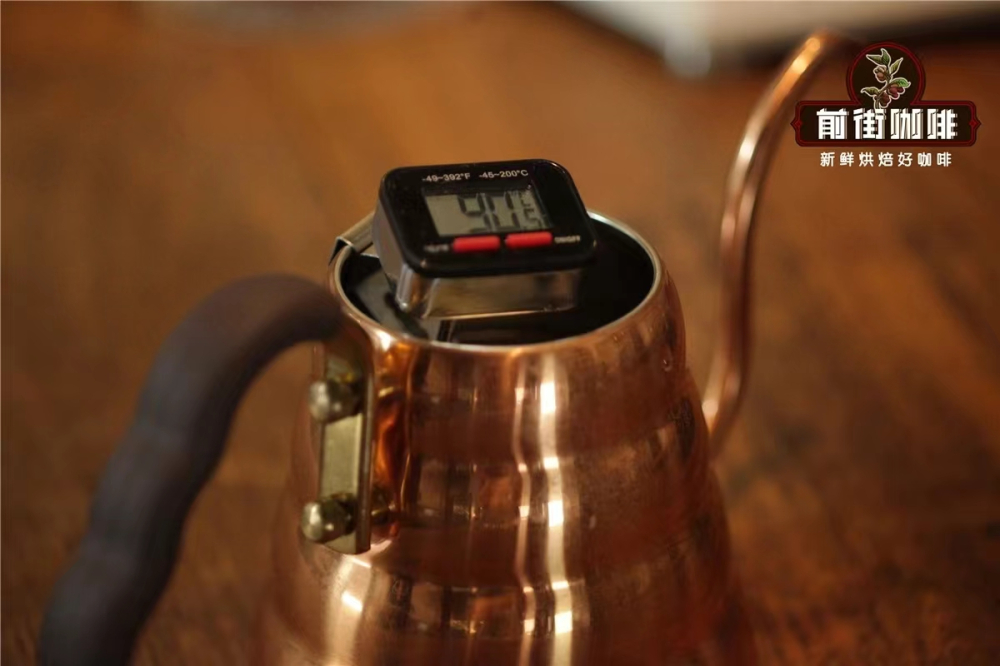
The four key parameters for pour over coffee are water temperature, grind size, coffee-to-water ratio, and pouring technique. For water temperature, light to medium roasts are recommended at 90-91°C, while medium to dark roasts should use 86-88°C—too high can bring out bitterness, too low may result in overly pronounced acidity. Grind size affects extraction efficiency and time: too fine can over-extract, too coarse may under-extract. A base recommendation is a 20-number sieve passing rate of 80%, then adjust according to actual flavor.
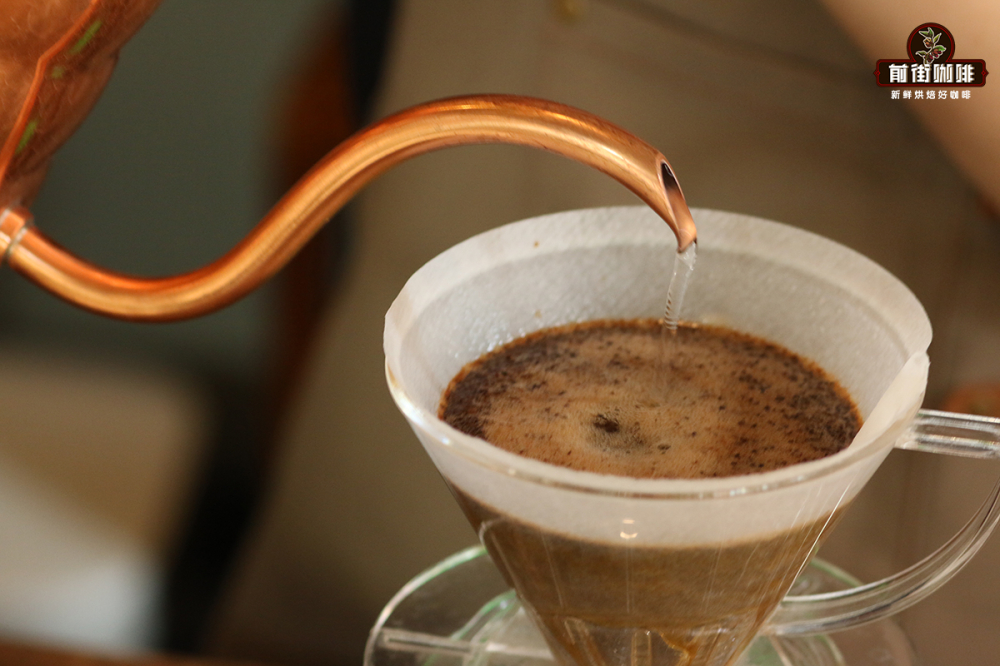
The coffee-to-water ratio determines strength, with common ratios ranging from 1:10 to 1:16. A ratio of 1:15 is recommended—it’s balanced and easy to adjust. As for pouring technique, the segmented method is mainstream, allowing more stable control over extraction rhythm and uniformity.
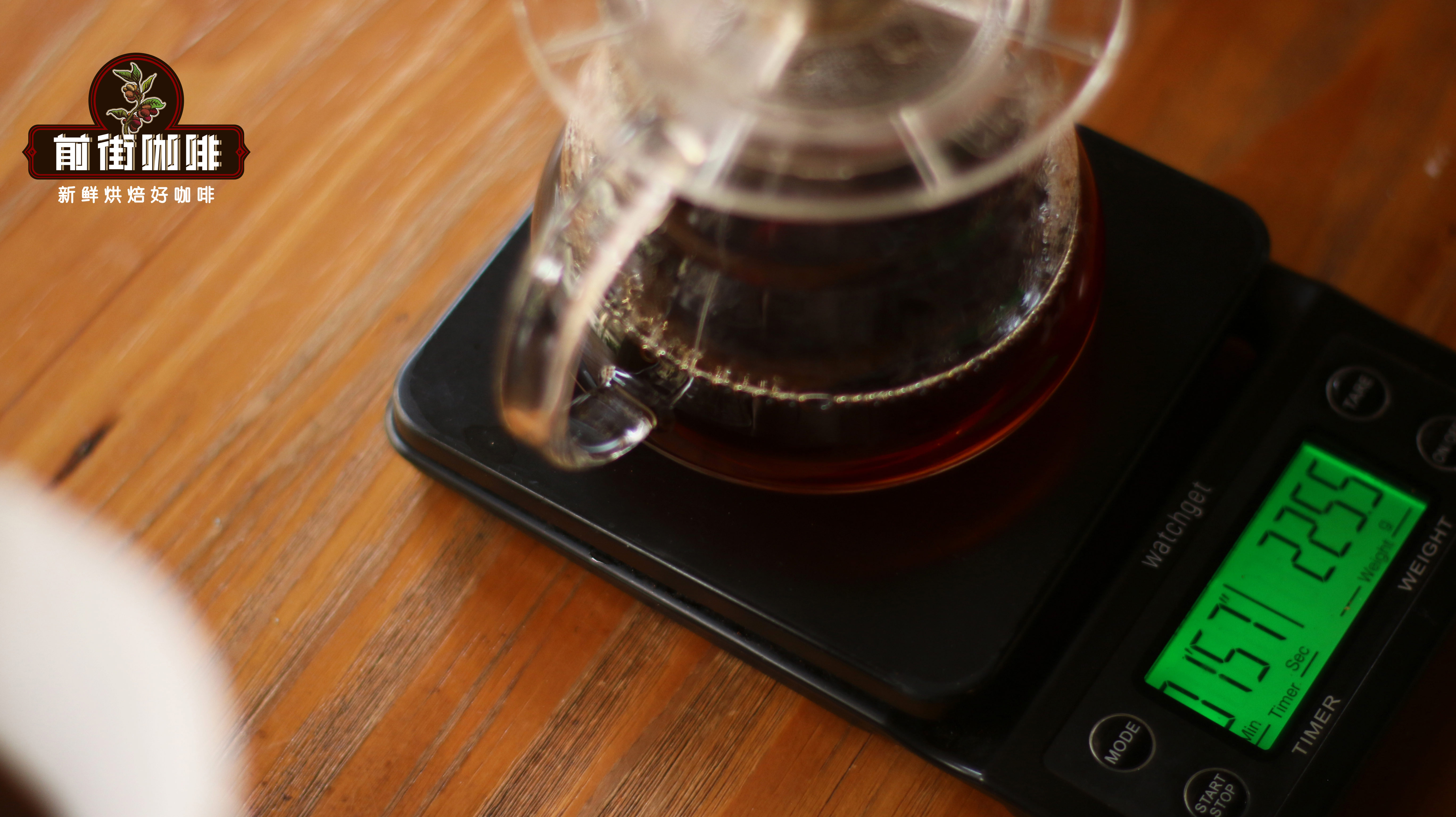
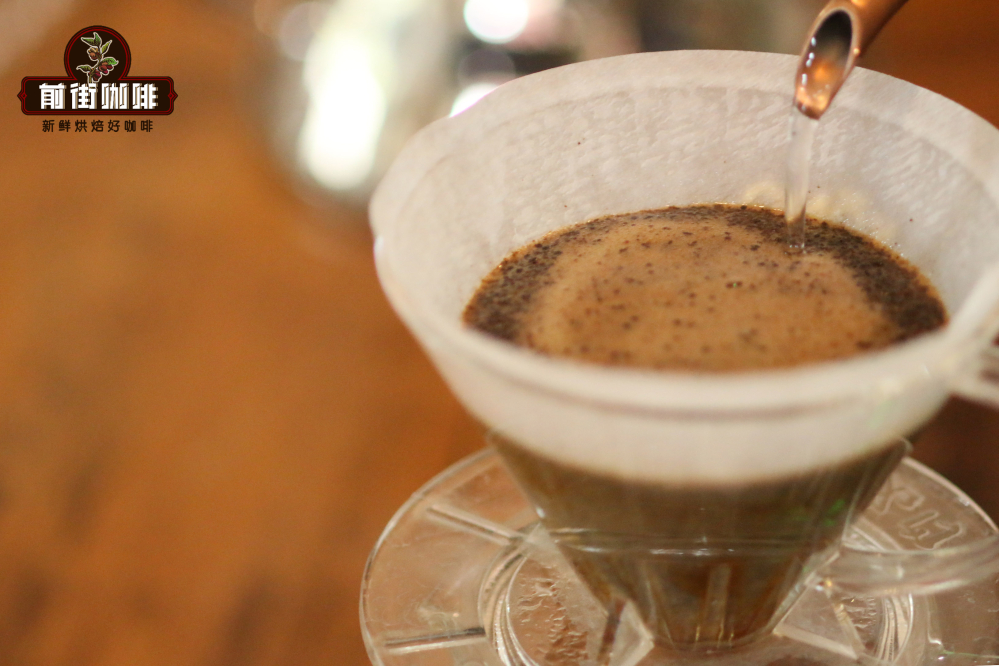
For PWN Golden Mandheling, it’s recommended to use a KONO dripper, 15 grams of coffee, a 1:15 coffee-to-water ratio, and a water temperature of 86-87°C, with a grind size of 70% passing rate through a No. 20 sieve. Specifically, use a segmented extraction method: the first pour adds 30 grams of water for a 30-second bloom; the second pour uses a slow circular motion to add water up to 125 grams, then pause for a split; when the water level drops nearly to exposing the coffee bed, the third pour continues to 225 grams, then stop. When the water level again nears exposing the coffee bed, remove the dripper. Total brew time is approximately 2 minutes.
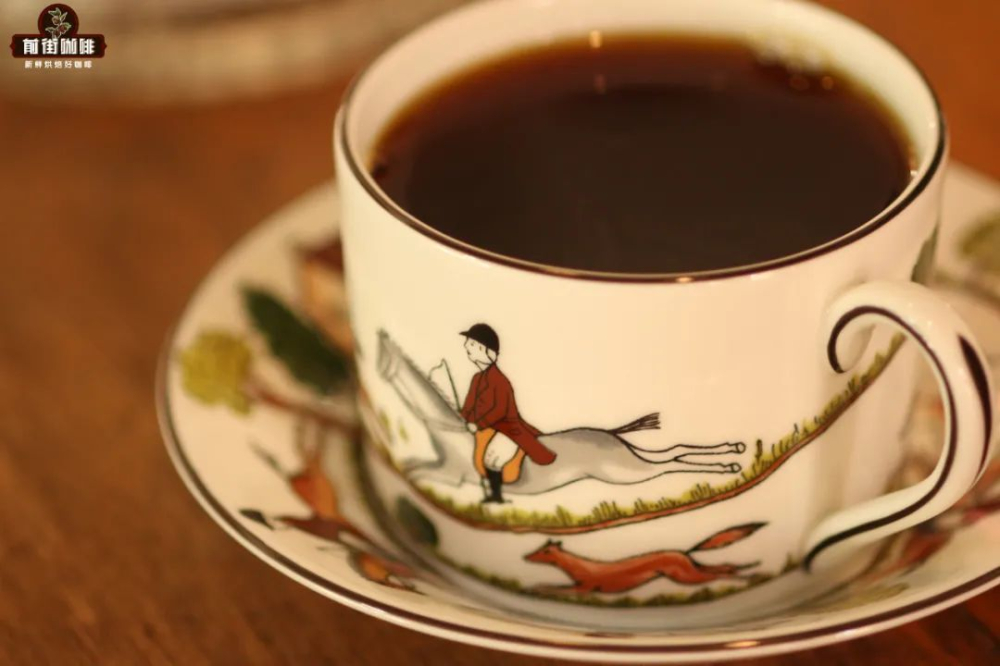
Once brewed, this Golden Mandheling offers a layered and balanced flavor profile. The cup opens with intense notes of nuts and caramel, accompanied by a soft chocolate tone, and finishes with a long-lasting, smooth aftertaste. It’s a classic Indonesian bean ideal for savoring slowly and revisiting repeatedly.
The above content is compiled by CoffeeHunters, a coffee news website.

