







Introduction:As one of Indonesia's most iconic coffee varieties, Mandheling is beloved for its rich and full-bodied flavor. But did you know that Mandheling is not actually a coffee variety, but rather a name derived from a misunderstanding? This article delves into the historical origins of Mandheling, its regional distribution, what makes PWN Golden Mandheling unique, and compares it to Blue Mountain coffee — helping you better understand the charm and brewing recommendations of this classic coffee bean.
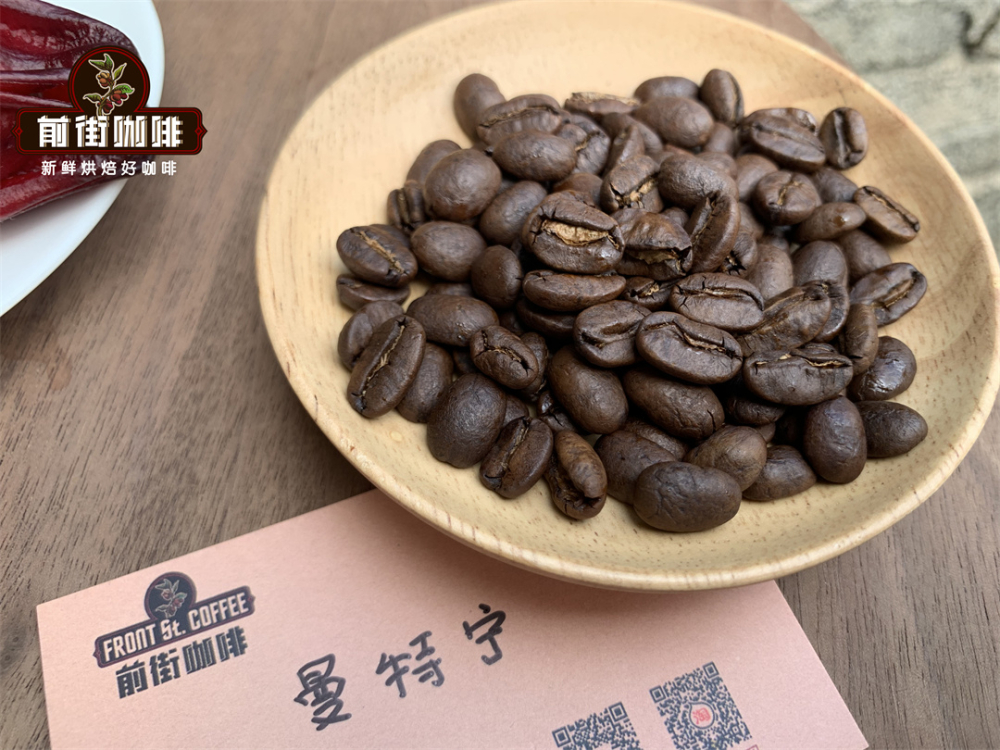
Among the many specialty coffee beans, Mandheling has long been a classic choice for many coffee enthusiasts. Its roasted flavor is bold and rich, with distinct bitter notes and low acidity, making it ideal for those who prefer dark roasts. Moreover, its deep green raw bean appearance often leaves a strong first impression on beginners.
Interestingly, the name "Mandheling" does not come from a coffee variety, but from a misidentification of an Indonesian ethnic group. Historical records indicate that during World War II, a Japanese soldier tasted an exceptionally flavorful cup of coffee at a café in Indonesia. When he asked the shop owner for the coffee’s name, due to a language barrier, the owner misunderstood and thought he was being asked where it came from — responding with “Mandailing” (Mandheling). After the war, the soldier recalled that remarkable cup and arranged for 15 tons of beans to be imported to Japan via a broker. The name “Mandheling” has been used ever since.
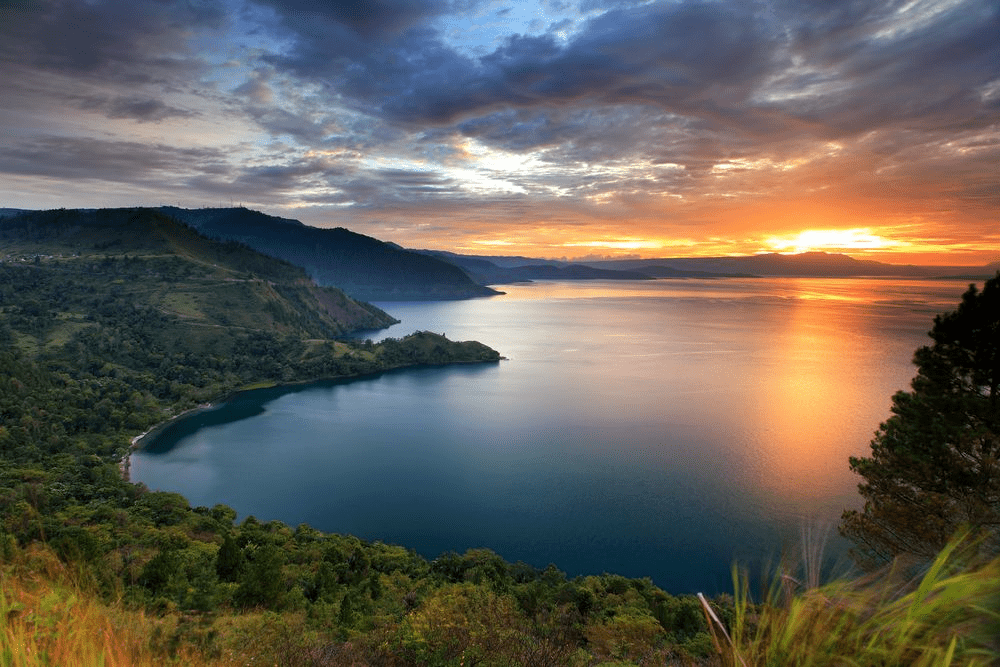
Mandheling coffee is primarily grown on Indonesia’s Sumatra Island, especially around the Gayo Mountains in Aceh Province, which is also the main production area for the well-known PWN (Pwani Coffee Company) Golden Mandheling. Indonesia’s coffee cultivation history dates back to 1696, when it was initially introduced by the Dutch on Java Island, later expanding to Sumatra and Sulawesi. Among these, Sumatra’s Mandheling has now become representative of Indonesian coffee.
It’s worth noting that while most Indonesian coffee is of the Robusta variety, Mandheling belongs to the Arabica species, giving it greater complexity in flavor. Mandheling coffee beans are typically larger and harder, but they are prone to defects during harvesting and post-harvest processing. As a result, rigorous manual sorting is required; otherwise, inconsistent flavors may arise.
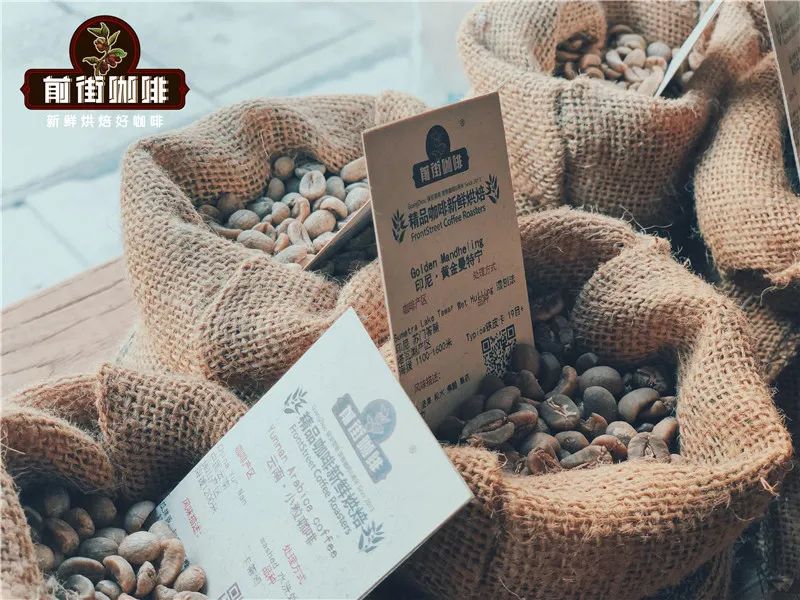
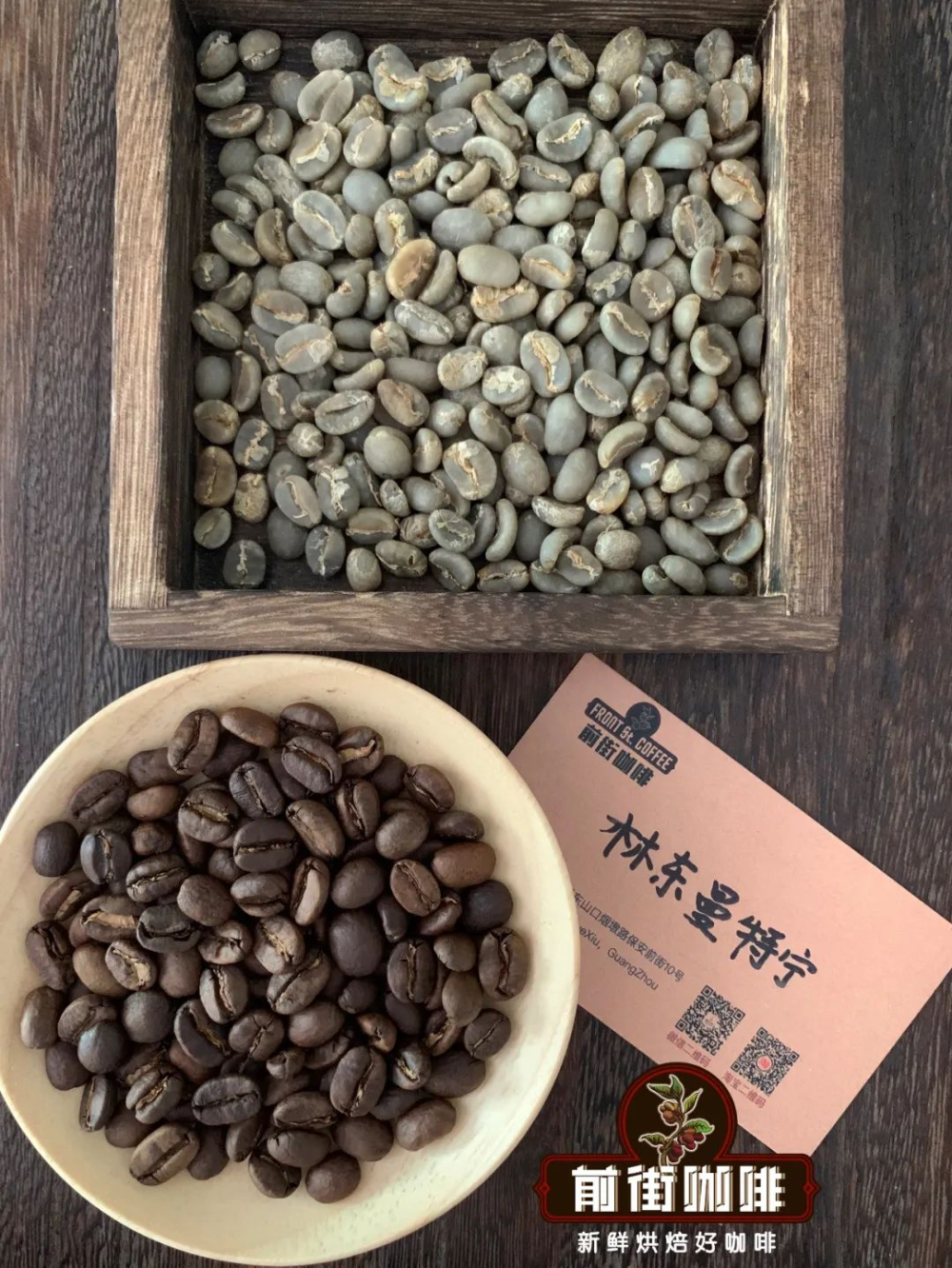
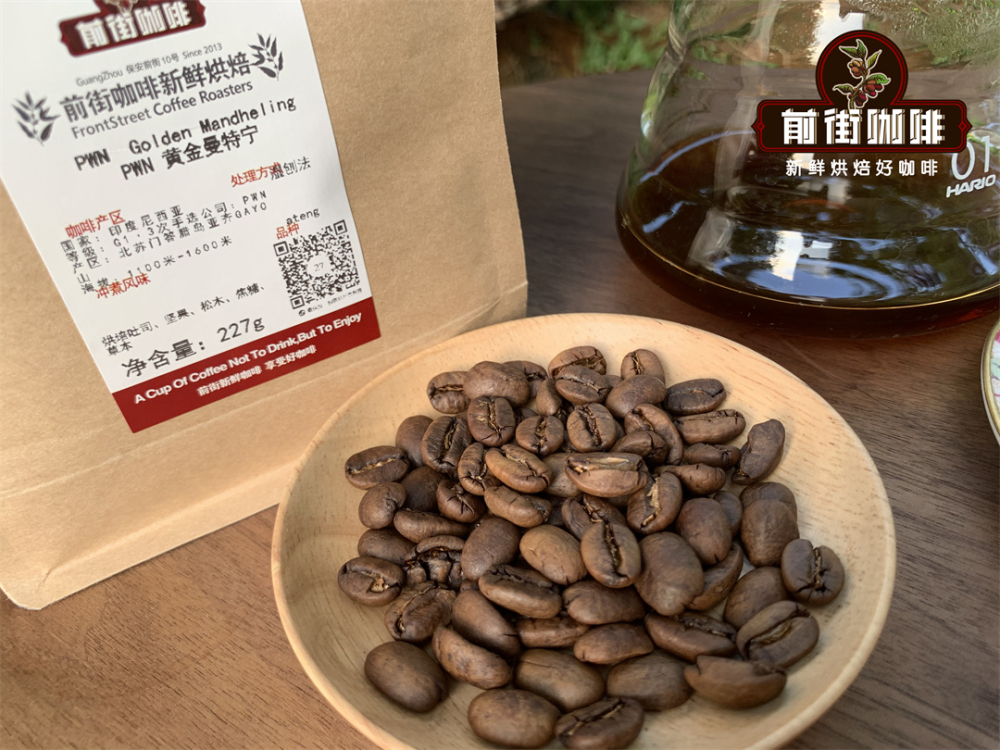
If you’ve seen Mandheling raw beans, you might find their appearance unappealing — even considered the “ugliest coffee beans.” However, experienced coffee lovers believe that the less visually appealing Sumatran Mandheling often has a richer and smoother flavor. This seemingly contradictory trait is part of what makes Mandheling so unique.
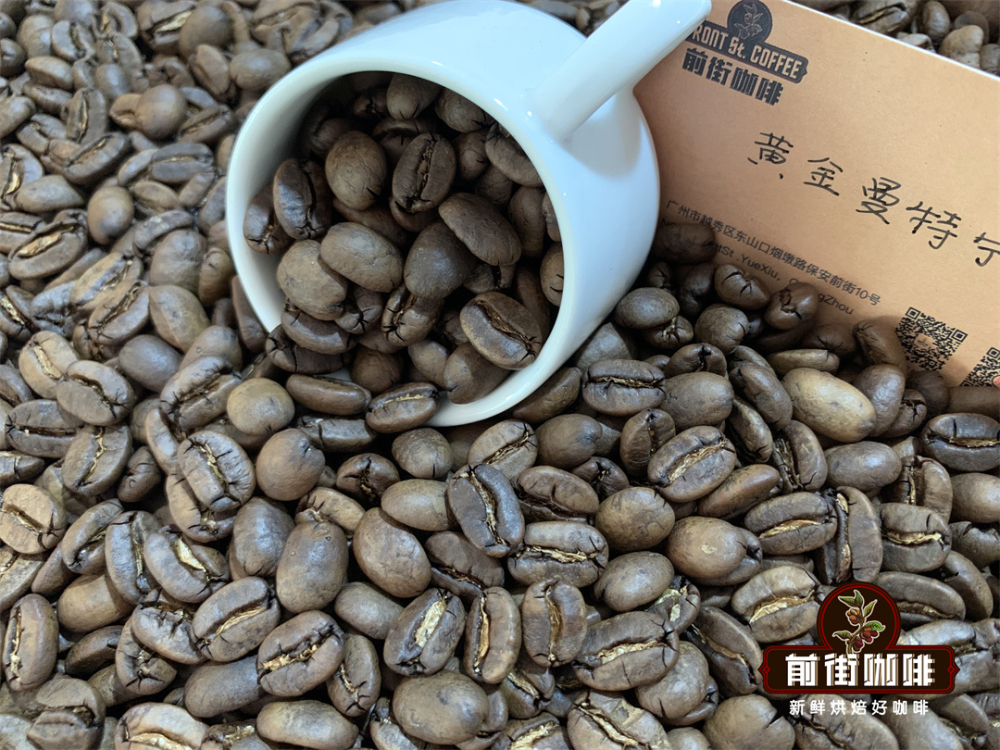
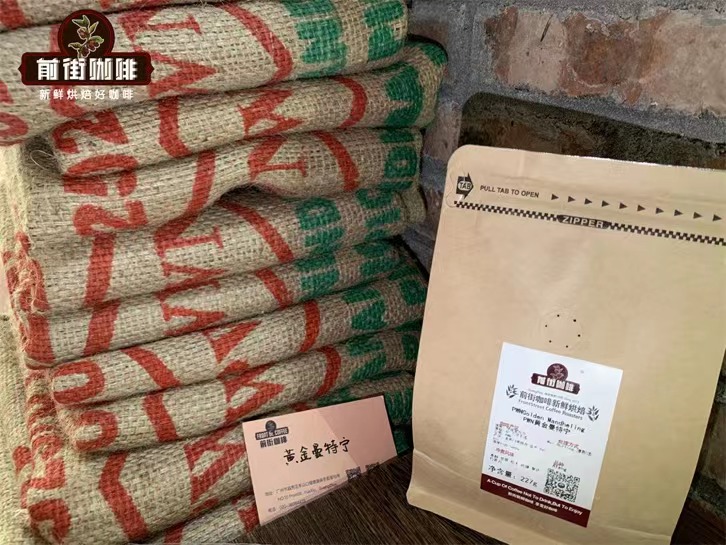
Among the many Mandheling products, the Golden Mandheling launched by PWN stands out for its high quality and consistency. PWN is a well-known local coffee purchasing company in Indonesia, specializing in sourcing premium beans from Sumatra’s top-producing regions and is renowned for its strict selection process. After procurement, Golden Mandheling undergoes multiple rounds of manual sorting, including one machine sort and three manual screenings, ensuring each bean is plump and flawless. As a result, its appearance is excellent and the defect rate is extremely low.
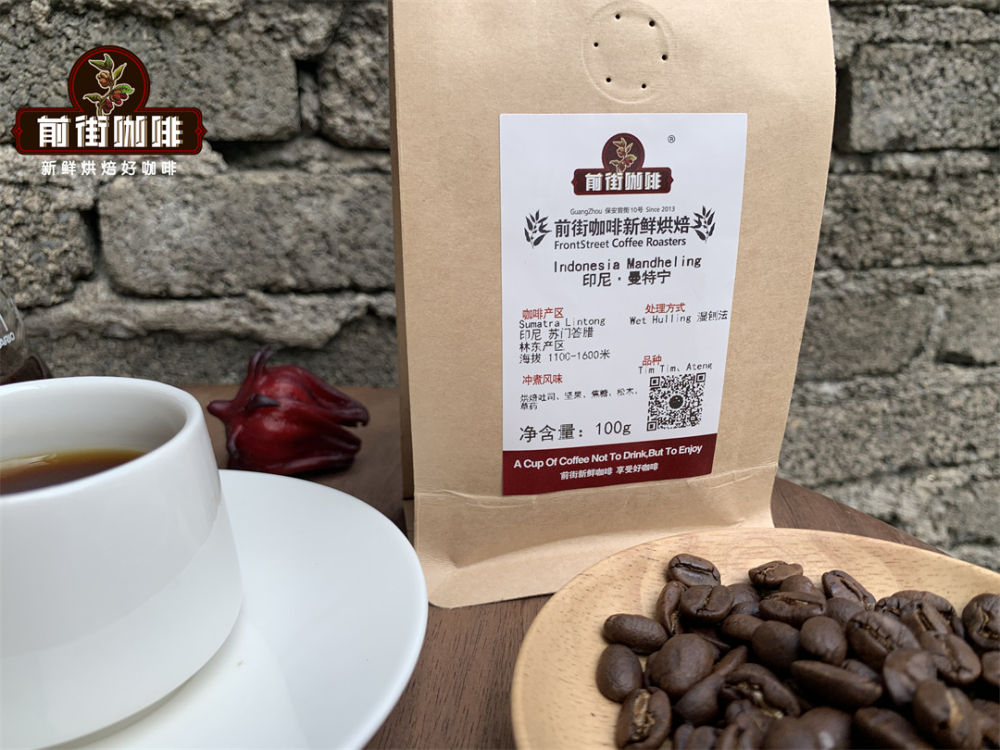
Golden Mandheling mainly comes from the Gayo Mountains in Aceh. The region’s high altitude and unique microclimate provide ideal growing conditions, resulting in a rich and layered flavor profile. Compared to regular Mandheling, Golden Mandheling not only looks better but also offers a more balanced flavor — with gentle bitterness and a hint of sweetness — making it a favorite among many advanced coffee enthusiasts.
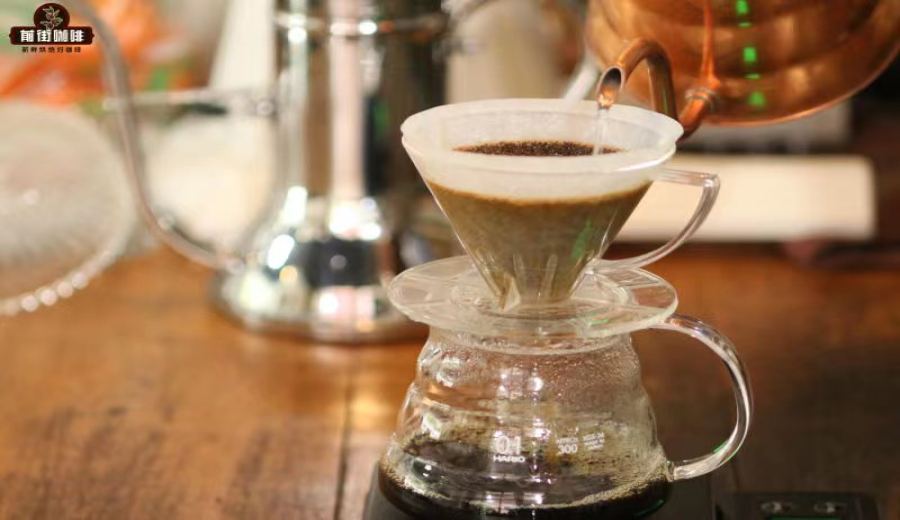
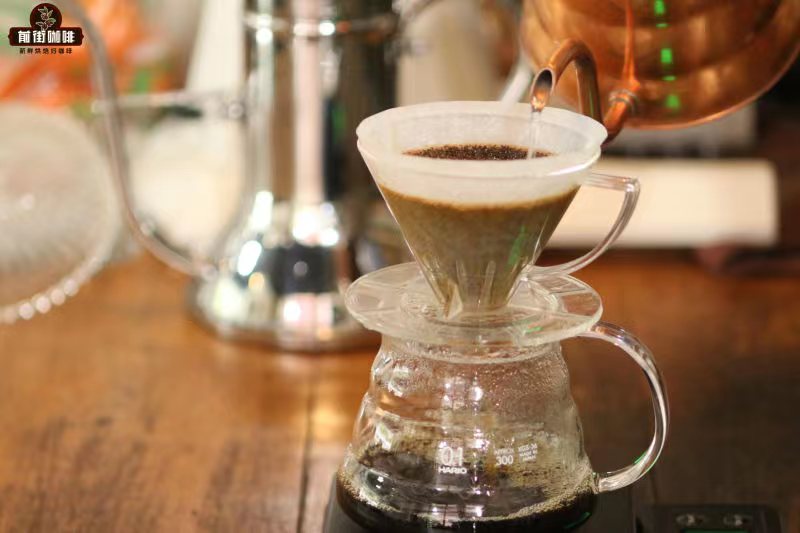
For brewing recommendations, medium-dark roasted Golden Mandheling works well with Kono or V60 filters. A suggested brew ratio is 1:15, using about 15 grams of coffee with water temperature controlled at 88°C, and a grind size of 70–75% passing through a #20 sieve. For example, when using a Kono filter, start with a 30-second bloom using 30 grams of water, then pour in a slow circular motion until you reach 125 grams for the first pour. When the water level is about to expose the coffee bed, continue pouring to 225 grams. Finally, let the filter drip naturally, with a total extraction time of around 2 minutes and 10 seconds. This method fully highlights its rich body and low acidity.
When discussing Mandheling, it’s common to compare it with Blue Mountain coffee. Blue Mountain hails from Jamaica’s Blue Mountains and is famed for its balanced acidity, sweetness, and bitterness, along with a smooth mouthfeel — it’s a high-end specialty coffee. In contrast, Mandheling is known for its intense, full-bodied, low-acid profile with distinctive herbal and earthy aromas, offering a bolder and more distinctive flavor. The two styles are vastly different, suiting coffee drinkers with varying preferences.
In summary, Mandheling is not only representative of Indonesian coffee, but also a legendary story born from a misunderstanding. From humble post-war coffee beans to today’s highly acclaimed specialty coffee, Mandheling’s history and flavor are both worthy of deeper exploration. Whether you’re just starting your coffee journey or are already an experienced enthusiast, you can find your own coffee story within the diverse flavors of Mandheling.
The above content is compiled by CoffeeHunters, a coffee news website.

