







Introduction:This article delves into the classic Indonesian Sumatran coffee variety — Mandheling, with a particular focus on the highly acclaimed PWN Golden Mandheling. From altitude, processing methods, varietal characteristics, to flavor differences across roast levels, it provides a comprehensive analysis of its unique charm. It also offers practical brewing parameters for various devices such as pour over, AeroPress, siphon, and French press to help coffee enthusiasts find the most suitable extraction method.
Mandheling coffee originates from the Indonesian island of Sumatra, with the regions of Lintong and Aceh being the most representative. This distinctive coffee is often mistakenly thought of as a single variety, but in fact, it is mainly composed of varieties such as Timtim and Ateng, which belong to the Arabica family but carry distinct regional terroir characteristics. Especially in the Lintong growing area of northern Sumatra, coffee is cultivated at altitudes of 1100 to 1600 meters above sea level, where fertile clay soil and a high-humidity environment impart a rich and bold foundation to the beans.
Sumatran Wet-Hulling: The Key to Unique Flavor
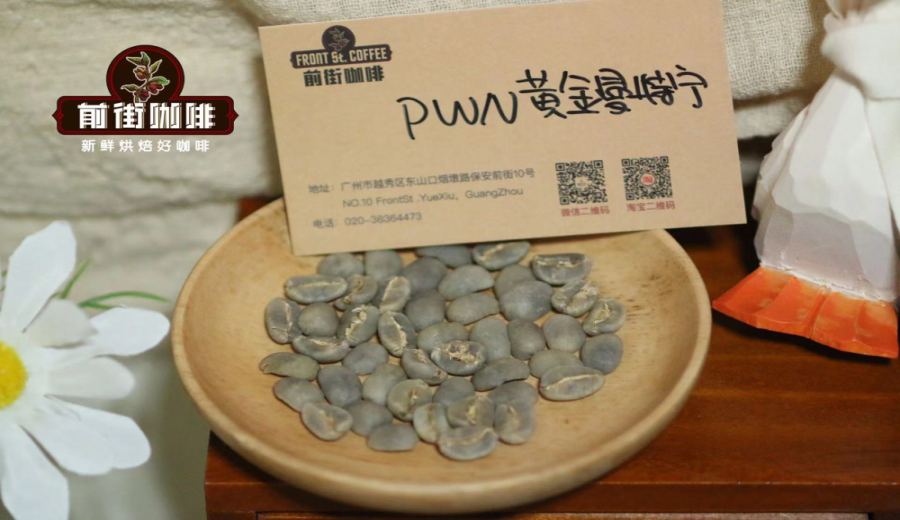
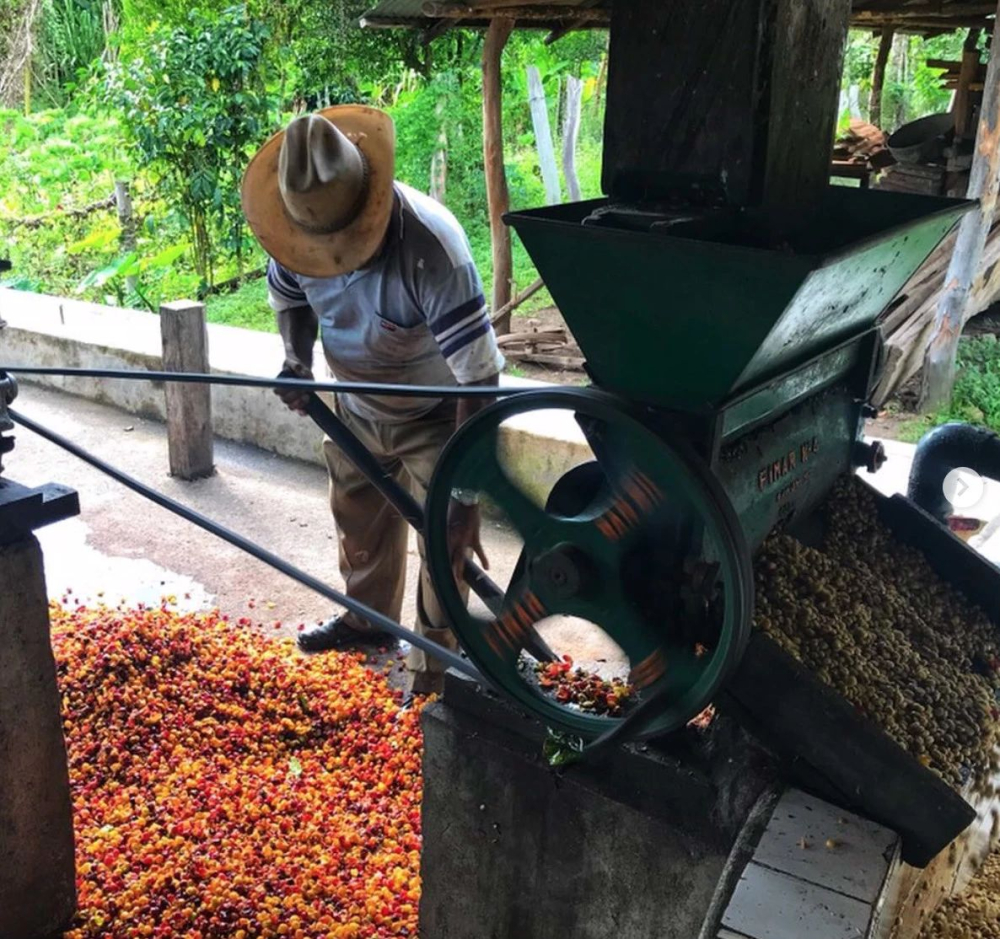
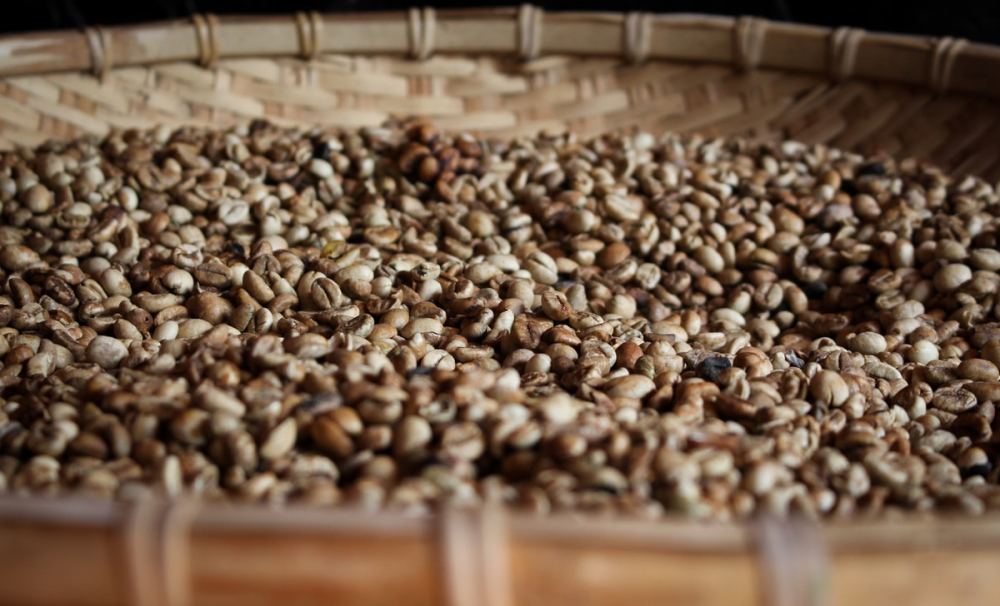
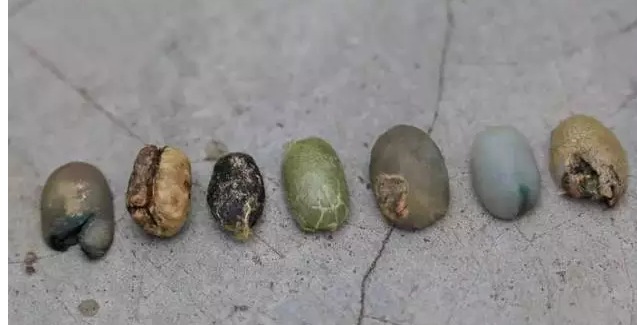
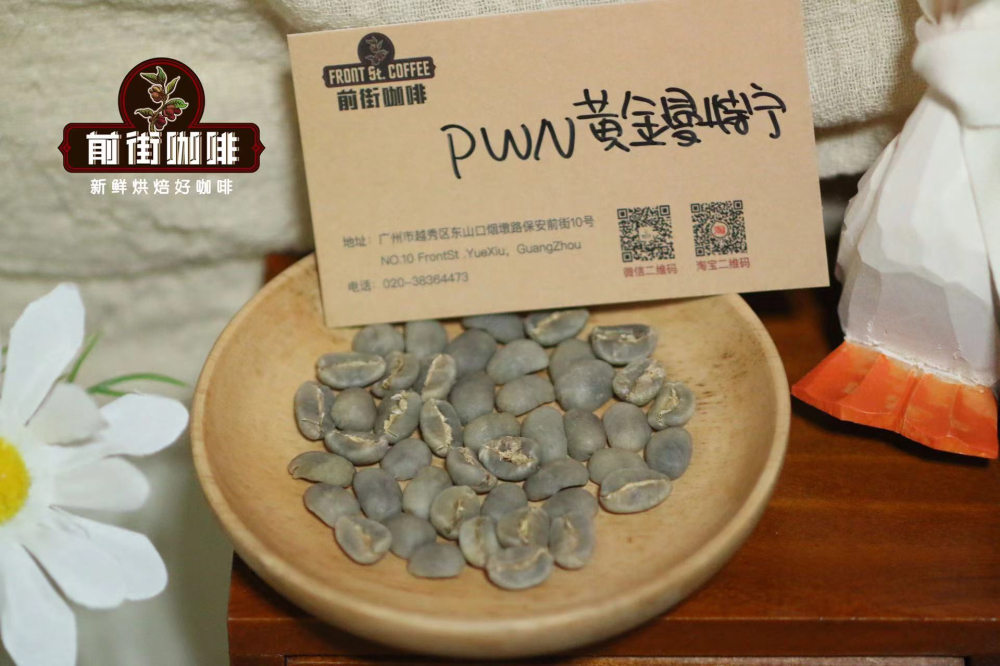
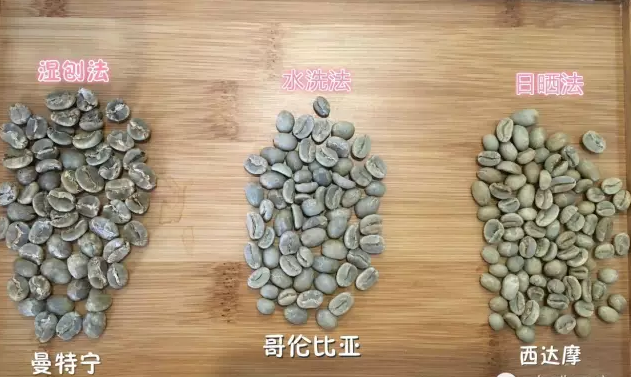
The most distinctive feature of Sumatran coffee lies in the use of the “wet-hulling” process. This technique removes the husk in a short time, reducing drying duration, but also makes the green beans more susceptible to mold, giving rise to its signature spicy, earthy, and herbal flavors. During processing, the parchment-covered beans undergo fermentation and sun drying, then have their husks removed using a hulling machine. The resulting beans exhibit a unique bluish-green color and often show a horseshoe-shaped crack, one of the visual hallmarks of Sumatran beans.
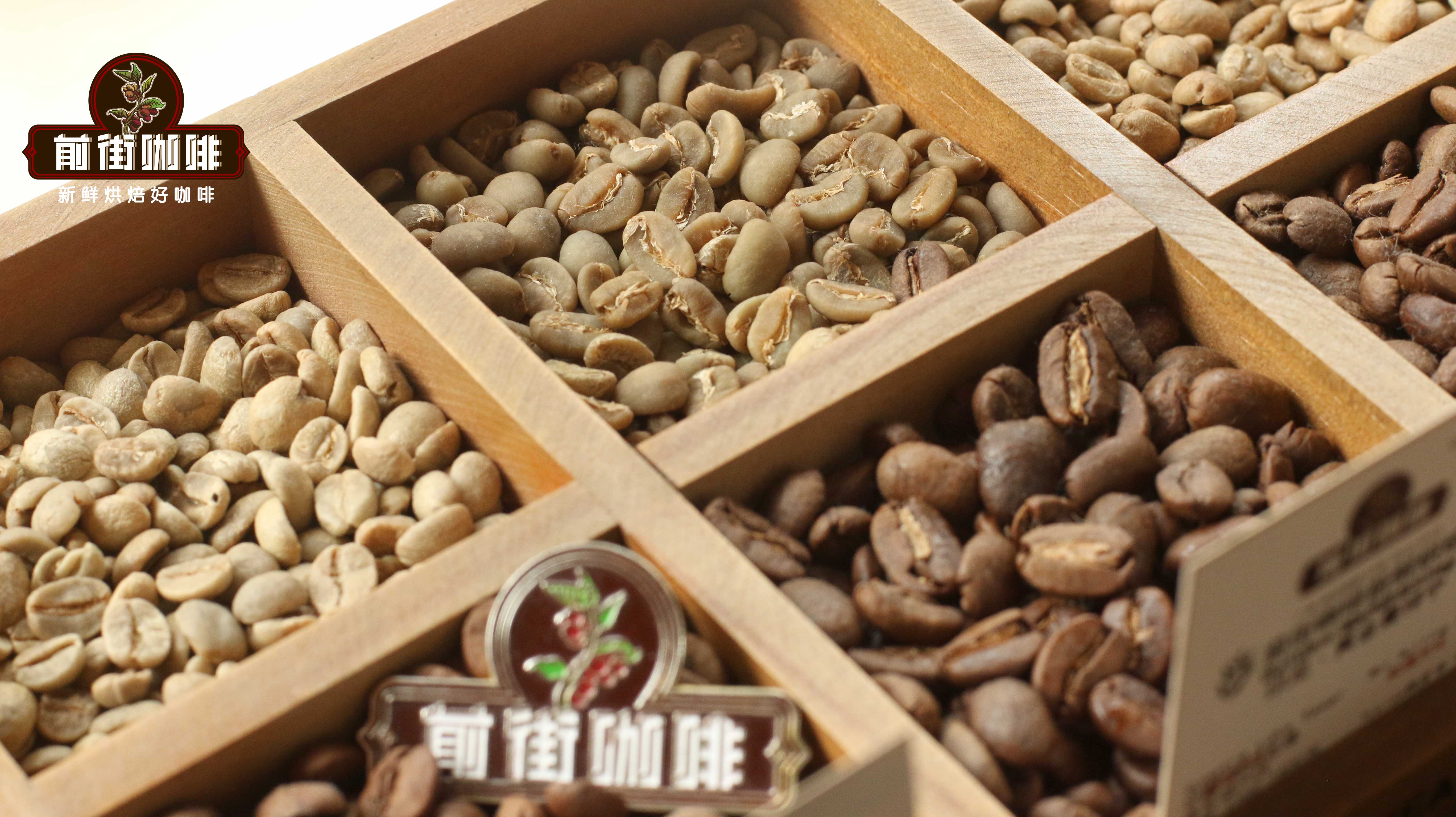
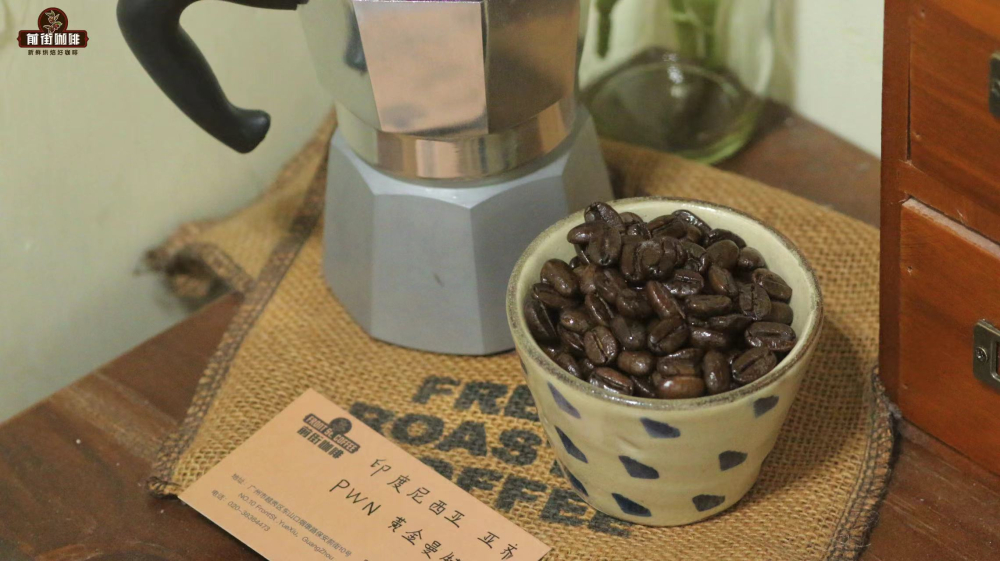
PWN Golden Mandheling is considered the top-tier representation of Mandheling, originating from the Gayo Mountains in Aceh Province, at altitudes between 1100 and 1600 meters. These coffee beans undergo at least three rounds of manual sorting after harvest, resulting in an extremely low defect rate — no more than 3 defective beans per 300 grams of green coffee, placing them in the G1 highest grade. Their appearance is dark green, with intact bean shapes, mostly flat beans, and processed via wet-hulling, ultimately showcasing a captivating complexity of spices, nuts, pine, and caramel.
Impact of Different Roast Levels on Mandheling Flavor
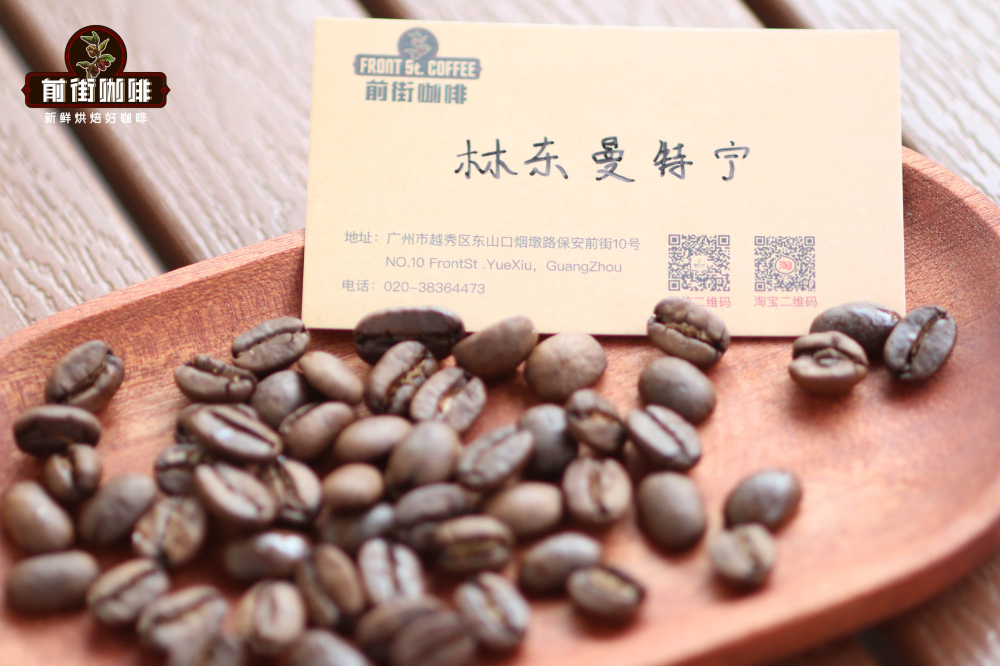
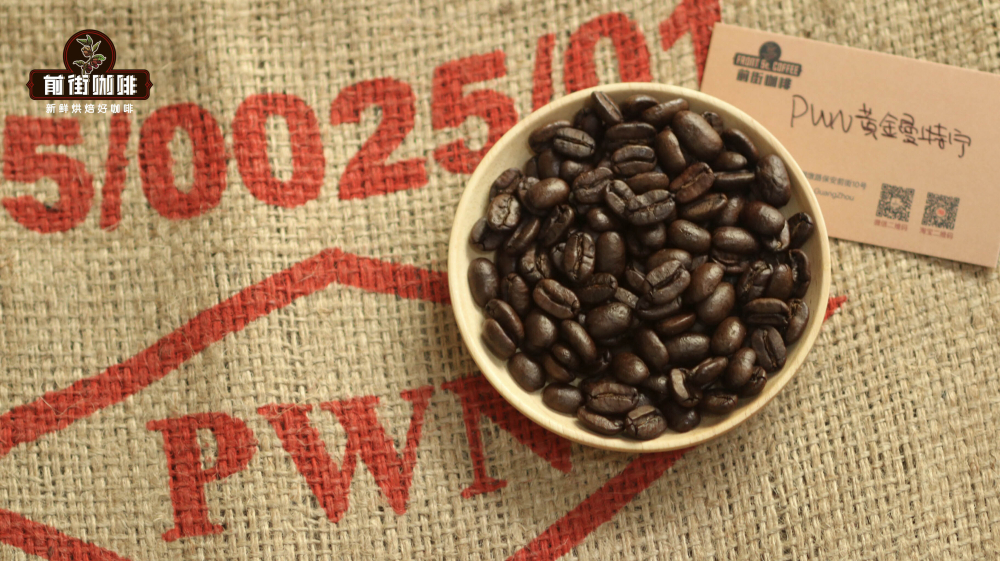
Depending on the roast level, Mandheling coffee displays significantly different flavor profiles. According to test data under identical brew ratios of 1:15, light roast (80% sieve rate, 90°C water temperature) exhibits bright fruity acidity and herbal notes but with slightly lower smoothness; medium-dark roast (75% sieve rate, 88°C water temperature) achieves the best balance, with prominent chocolate and caramel aromas and a noticeable licorice tone; dark roast (70% sieve rate, 86°C water temperature) is dominated by intense bitterness, suiting those who prefer a strong flavor, but care should be taken to avoid over-roasting which can lead to burnt harshness.
Optimal Enjoyment and Resting Recommendations
To ensure the best flavor expression, it is recommended to start brewing 3 to 5 days after roasting, when carbon dioxide inside the beans gradually releases, aiding even extraction. Freshly roasted Mandheling is best enjoyed within 30 to 35 days post-roast, allowing you to experience its fullest aroma and complexity.
Practical Comparison of Four Brewing Methods
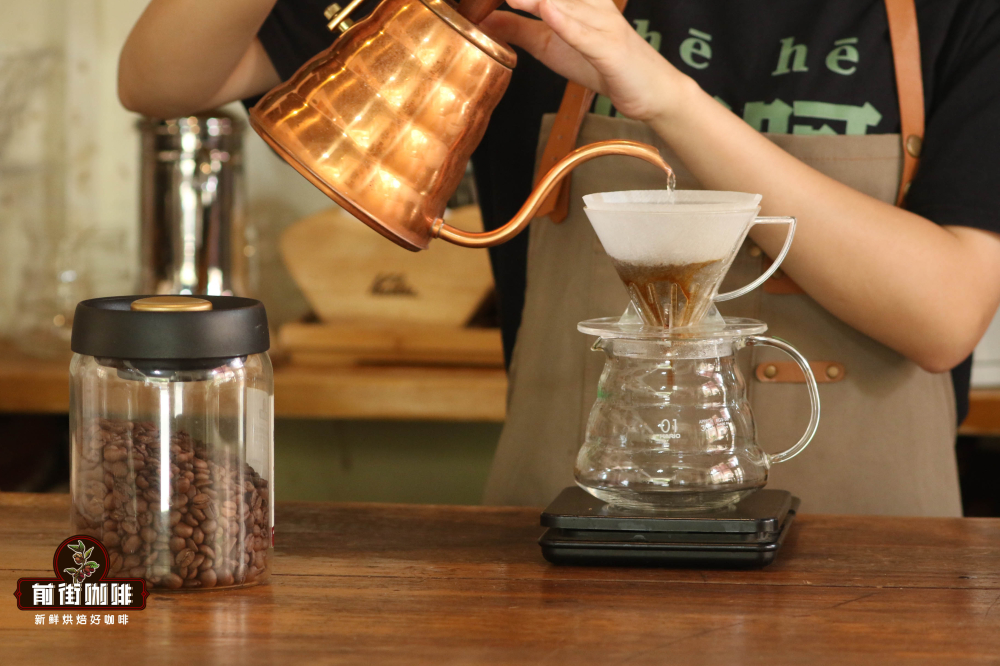
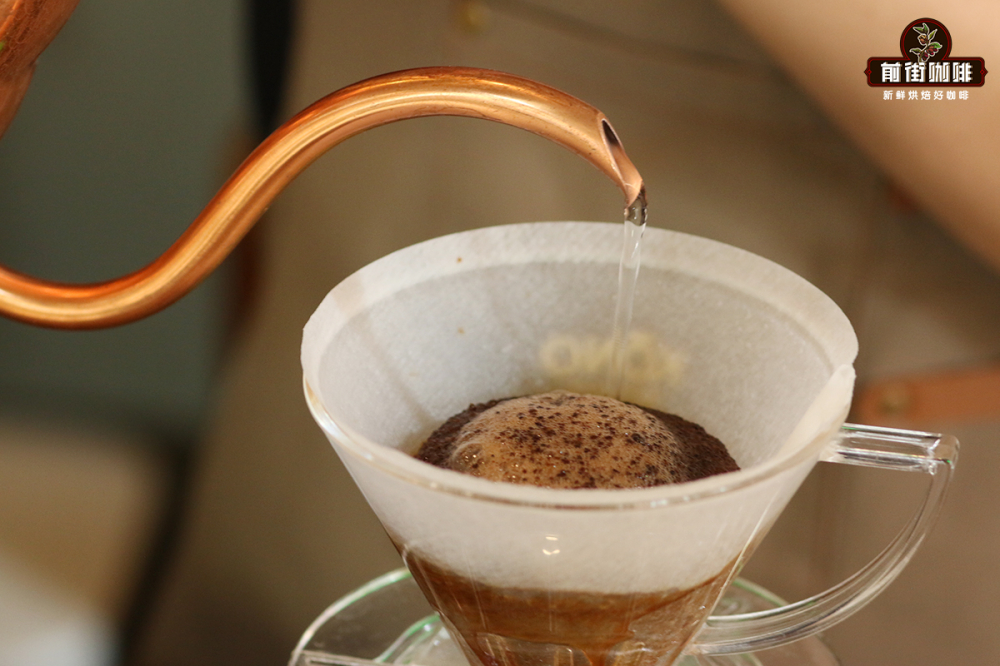
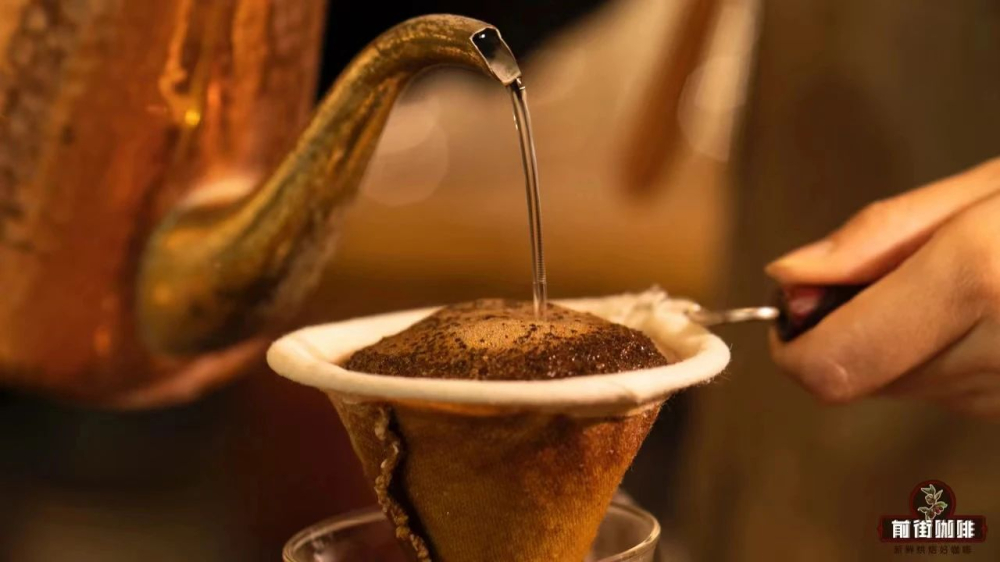
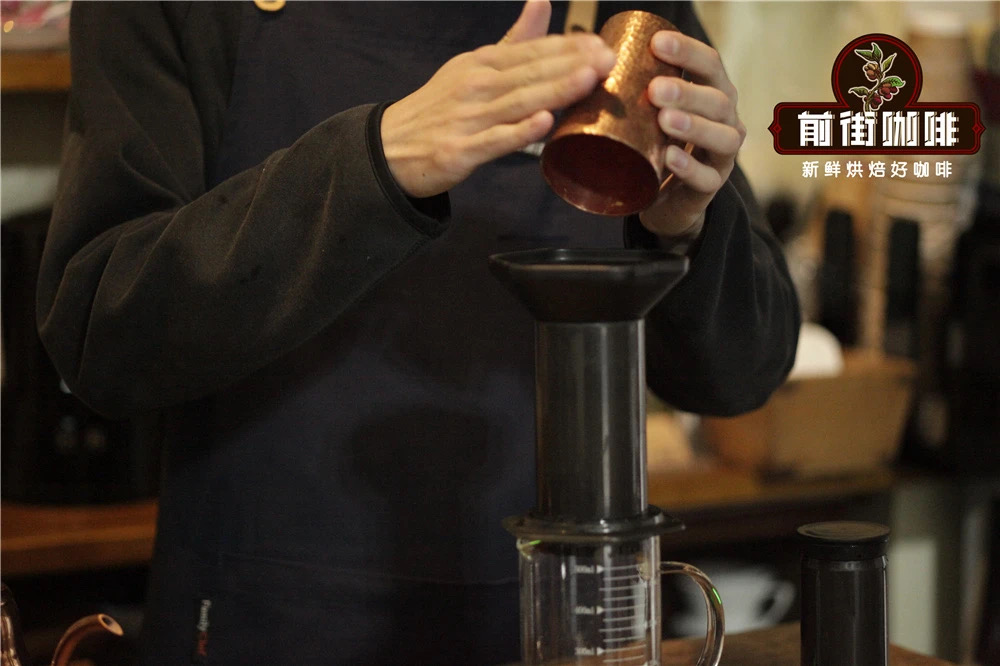
For PWN Golden Mandheling, hands-on testing with four mainstream brewing devices — pour over, AeroPress, siphon, and French press — revealed that pour over and AeroPress better highlight its dual characteristics of delicacy and body. Using Hario V60 pour over, it’s recommended to use medium-coarse grind (20-mesh sieve, 70% sieve rate), 88°C water temperature, and a 1:15 brew ratio. Employing a triple-pour technique can bring out a rich caramel finish. For AeroPress, 85°C water temperature and a 1:17 ratio, combined with a two-step bloom, can showcase the complexity of spice and woody aromas.
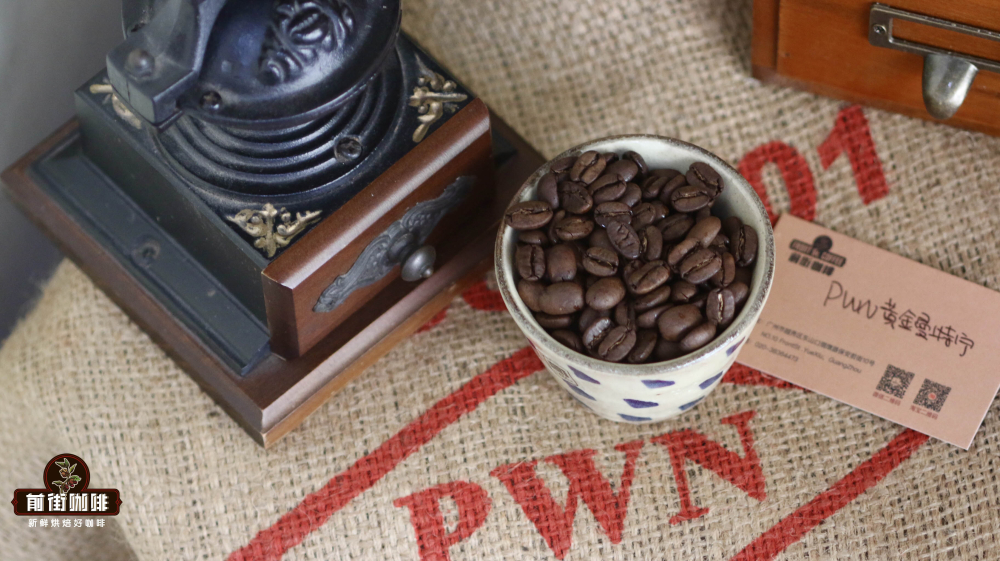
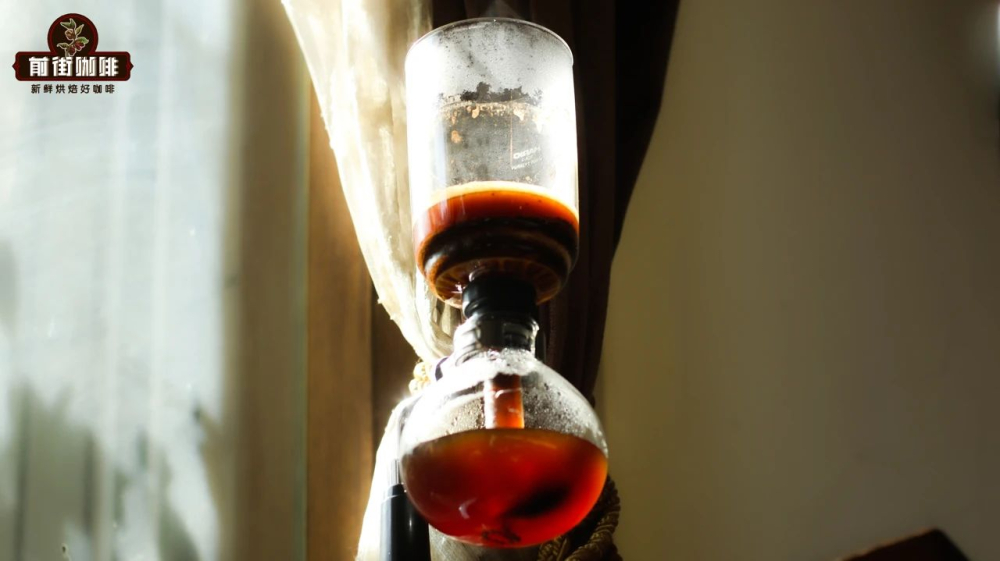
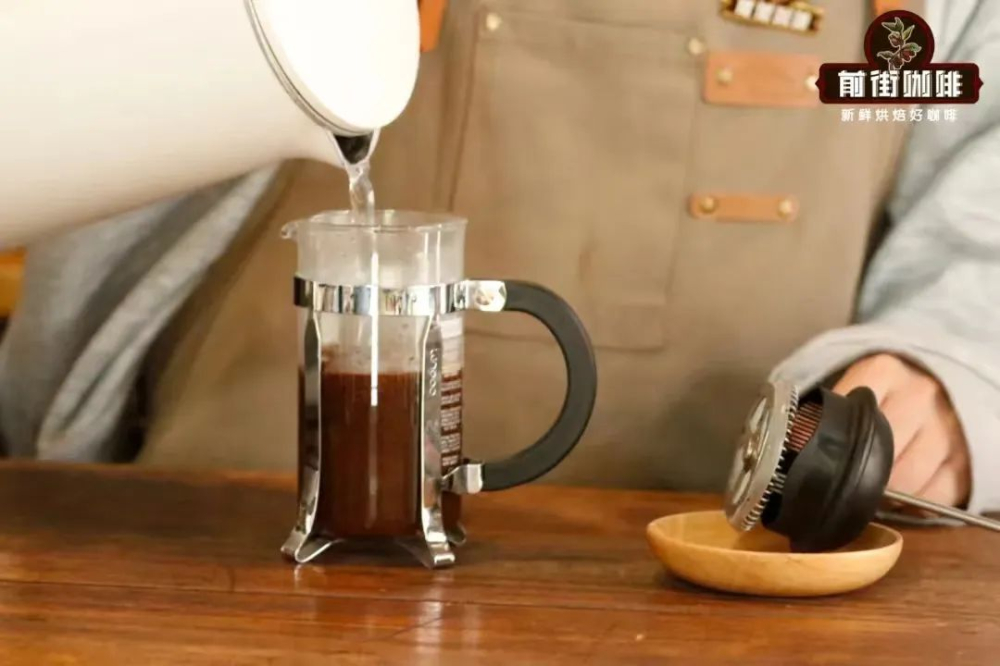
Siphon is suited for those who enjoy a balanced herbal and sweet-bitter profile. It is recommended to use 90°C water temperature and a 1:12 brew ratio with post-dosing, controlling the extraction time to 30 seconds to bring out a complex combination of herbal and caramel notes. French press, using 92°C hot water and a 2-minute 30-second steep, offers a rich and smooth mouthfeel, ideal for everyday enjoyment. However, improper operation can easily lead to over-extraction with both siphon and French press, resulting in sharp sourness or astringency — careful control of water temperature and timing is essential.
In summary, Mandheling coffee is renowned for its deep, low-acid, spicy, and earthy flavors, with PWN Golden Mandheling being a classic representative. Regardless of the brewing method chosen, appropriate grind size, water temperature, and technique can fully showcase its multifaceted and unique personality, making it a classic choice not to be missed by coffee lovers.
The above content is compiled by CoffeeHunters, a coffee news website.

