







Introduction:Sumatran Mandheling coffee is renowned for its bold and rich flavor, but PWN Golden Mandheling differs significantly from typical Indonesian Mandheling in terms of origin, variety, and processing methods. This article offers an in-depth comparison of the flavor profiles and processing details of the two, along with professional pour over brewing recommendations to help coffee enthusiasts choose the Mandheling beans that suit their taste preferences and master the optimal extraction methods.
Among the many Arabica coffees produced on Indonesia’s Sumatra Island, Mandheling has long been representative of bold and full-bodied flavors. However, many consumers often confuse the difference between ‘Indonesian Mandheling’ and ‘PWN Golden Mandheling’ when making purchases.The origin shifted from Lintong to Gayo Highlands, the variety changed from Typica to Ateng (the Indonesian term for Catimor), and the packaging specification was adjusted from 60kg to 30kg, all of which reflect the evolution of market demand and regional growing conditions.
Regarding the origin of the name ‘Mandheling,’ there is an interesting story of a misunderstanding. It is said that during the Japanese colonial period in Indonesia, Japanese soldiers fell in love with the local coffee and, upon returning home, sought beans with the same flavor through traders. Due to a language mix-up, they misheard the name of the local tribe ‘Mandailing’ as ‘Mandehling,’ which eventually evolved into today’s ‘Mandheling.’ This accidental naming gave Sumatran coffee a unique market identity.
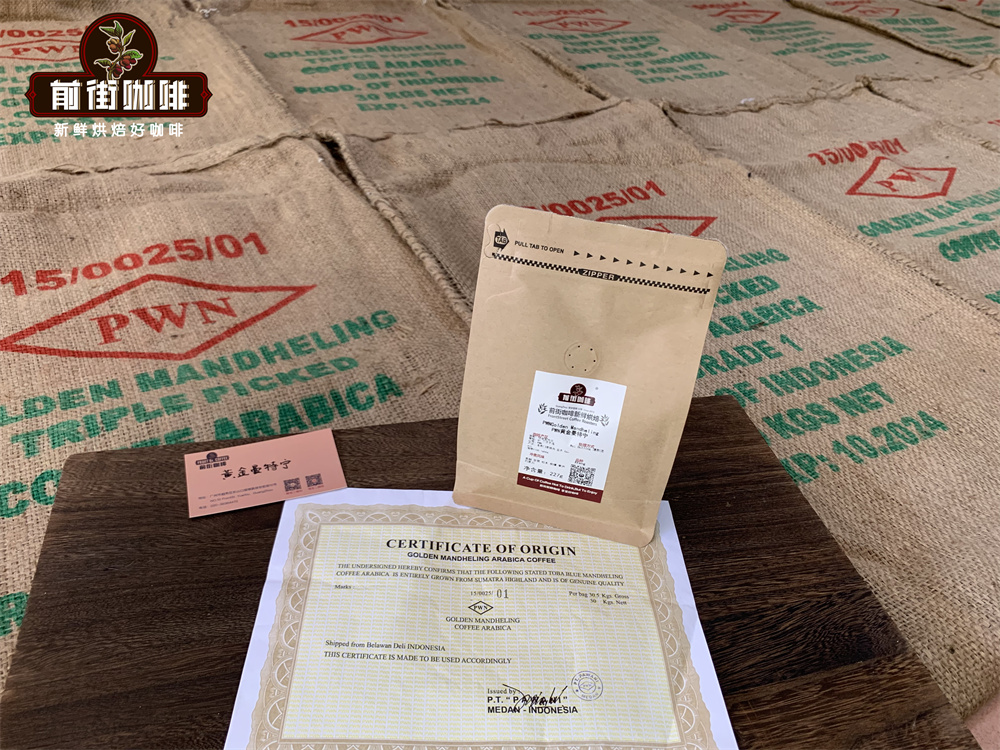
Nowadays, there is a wide variety of Mandheling coffees on the market, butArabica coffee from North Sumatra is generally considered the orthodox Mandheling. Among them, PWN Golden Mandheling is the premium representative, exclusively selected and produced by the Indonesian green bean company Pawani, and developed into Indonesia’s highest-end coffee brand. The brand has long scoured Sumatra for high-quality green beans to ensure that every batch meets strict standards.
The latest harvest of PWN Golden Mandheling comes from the Gayo Highlands in Aceh Province, North Sumatra, at elevations between 1100–1600 meters. This northernmost Sumatran region, surrounding the town of Takegon and the slopes around Lake Tawar,has seen rapid development in its coffee industry in recent years due to political stability, with quality now surpassing that of the traditional Lintong region. The coffee from this area is known for its intense aftertaste and pronounced cane sugar aroma, forming a distinct contrast with typical Mandheling.
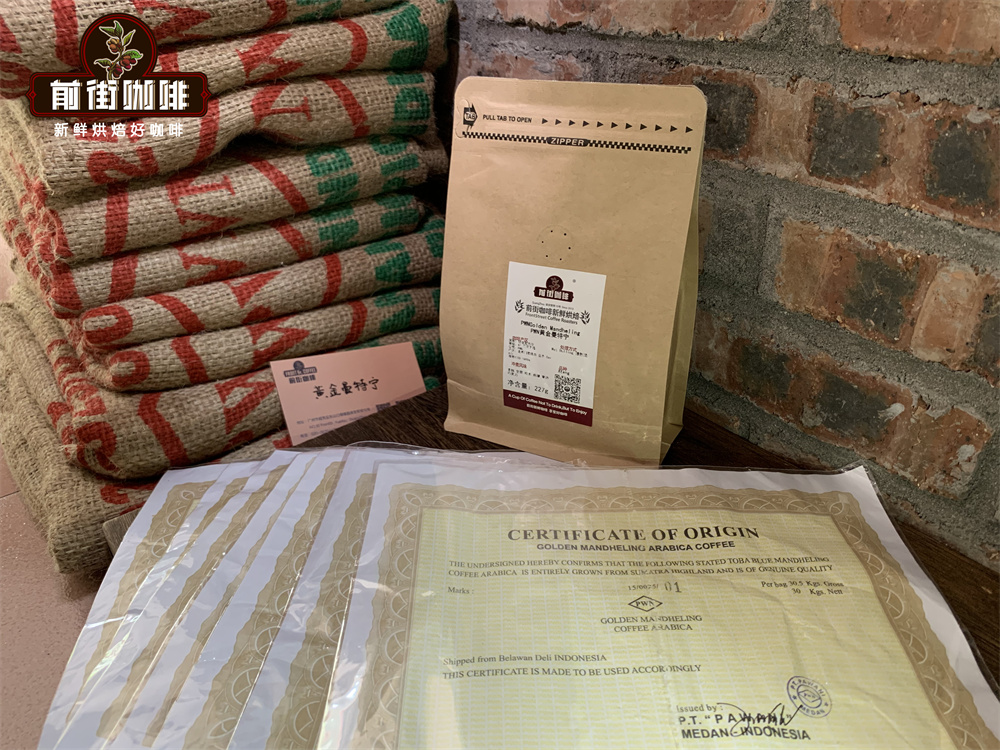
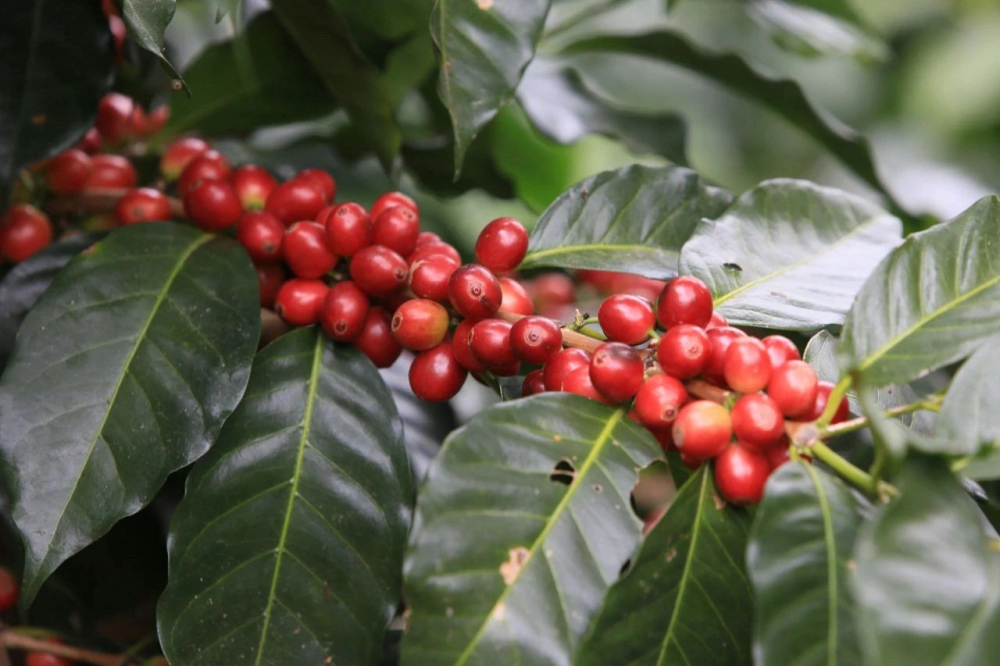
A noteworthy varietal shift is that the new harvest uses a coffee tree locally called ‘Ateng,’ which is actually internationally known as the Catimor variety. This variety is particularly well-suited to the environmental conditions of Aceh and can express unique flavor characteristics. Although only PWN-certified Mandheling can be called ‘Golden Mandheling,’ due to limited production, many products on the market claiming to be Golden Mandheling do not come with an official PWN certificate, so extra caution is advised when purchasing.
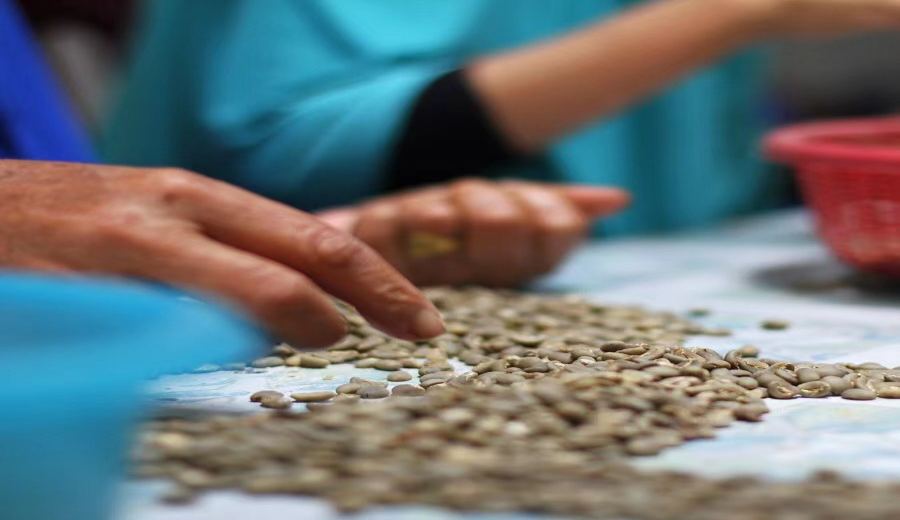
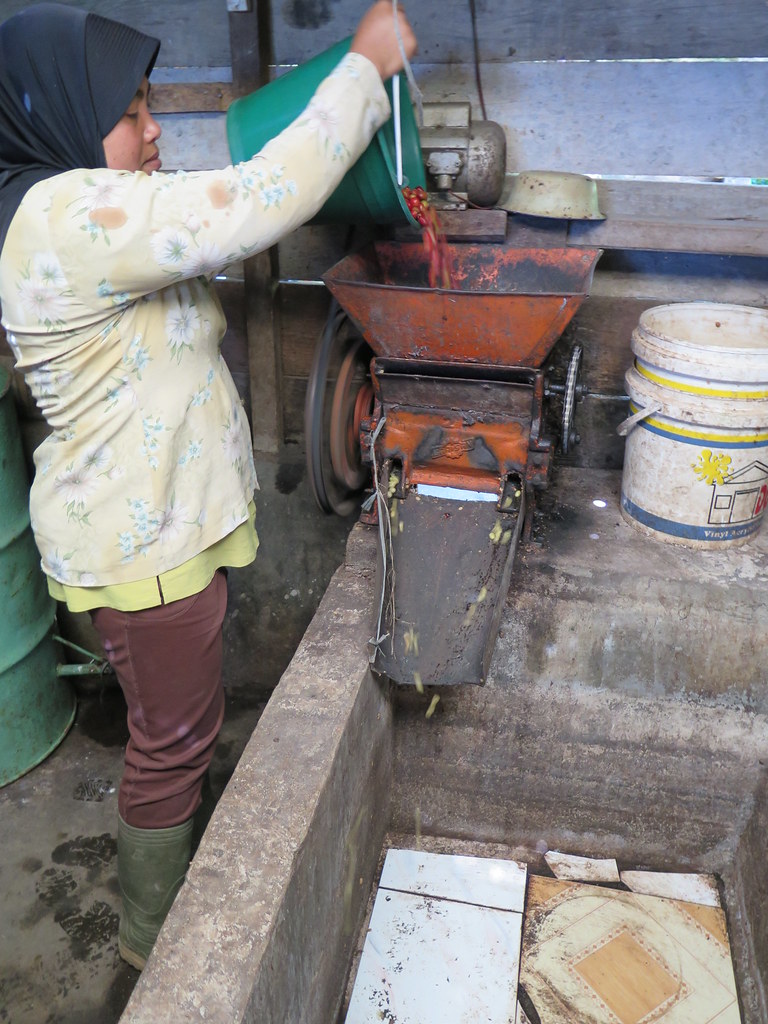
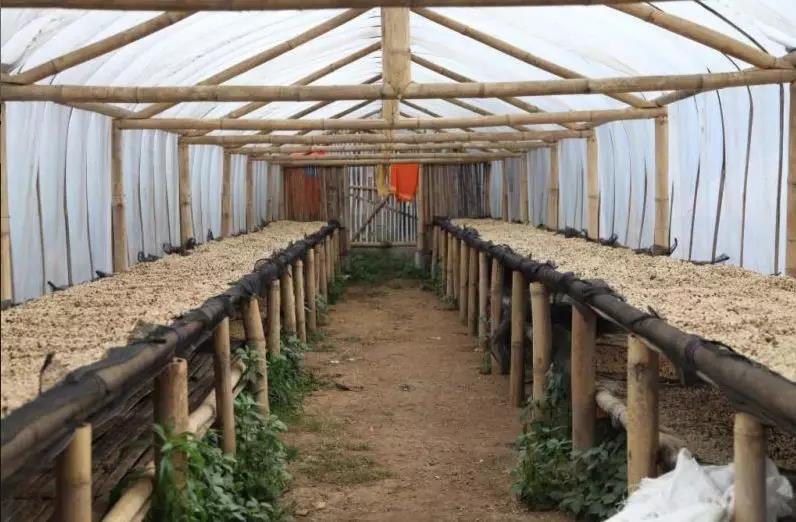
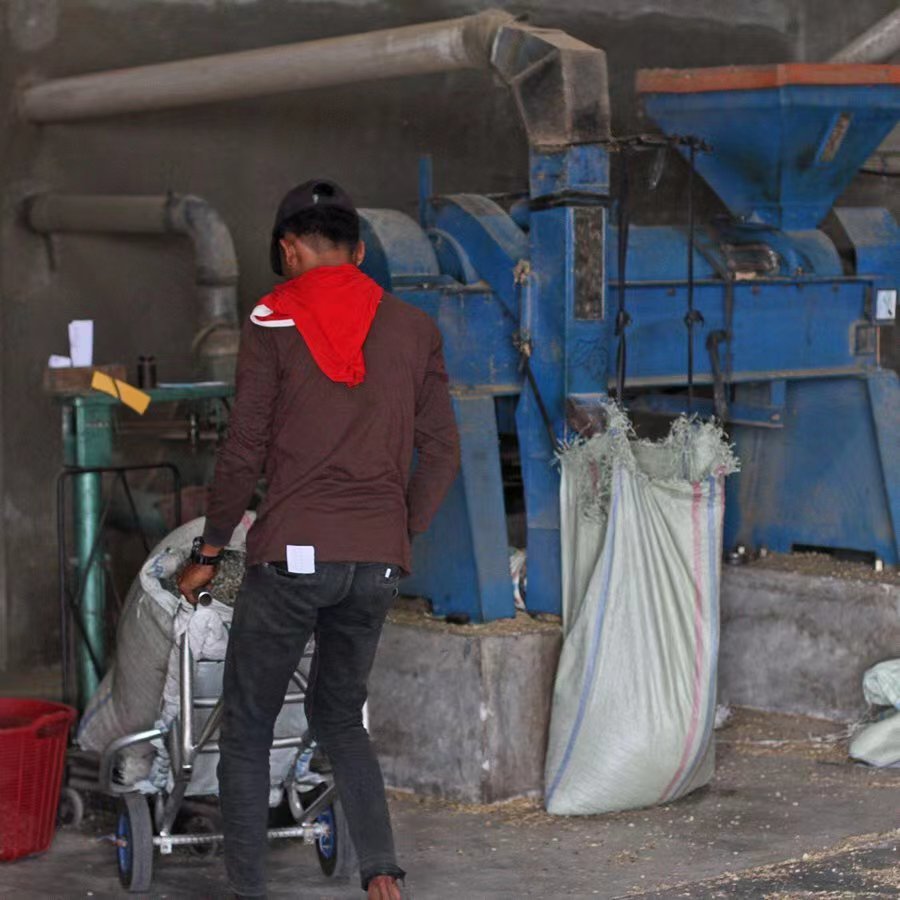
The ‘wet hulling’ method (known as Giling Basah in Indonesian) commonly used for Indonesian Mandheling is key to creating its distinctive flavor. This processing method differs significantly from the common washed process:the coffee beans are hulled and the parchment layer is removed while the moisture content is still as high as 30–35%. Compared to the washed process, which retains the parchment layer until fully dry, wet hulling produces a cup profile that is bolder, richer, and more characterful. The specific process includes: removing pulp and skin from the cherries → brief soaking for 1–2 hours → initial drying to 20–35% moisture → market circulation → secondary drying to 18% → professional processing facility for wet hulling and hull removal → final drying to 11% moisture.
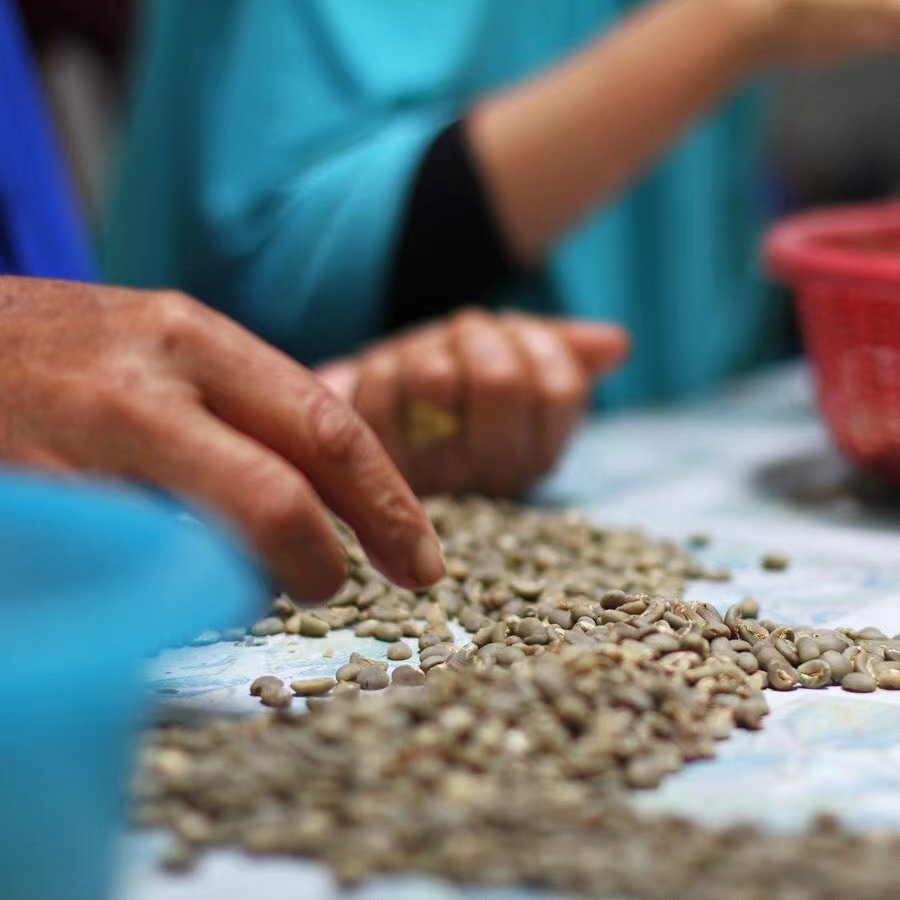
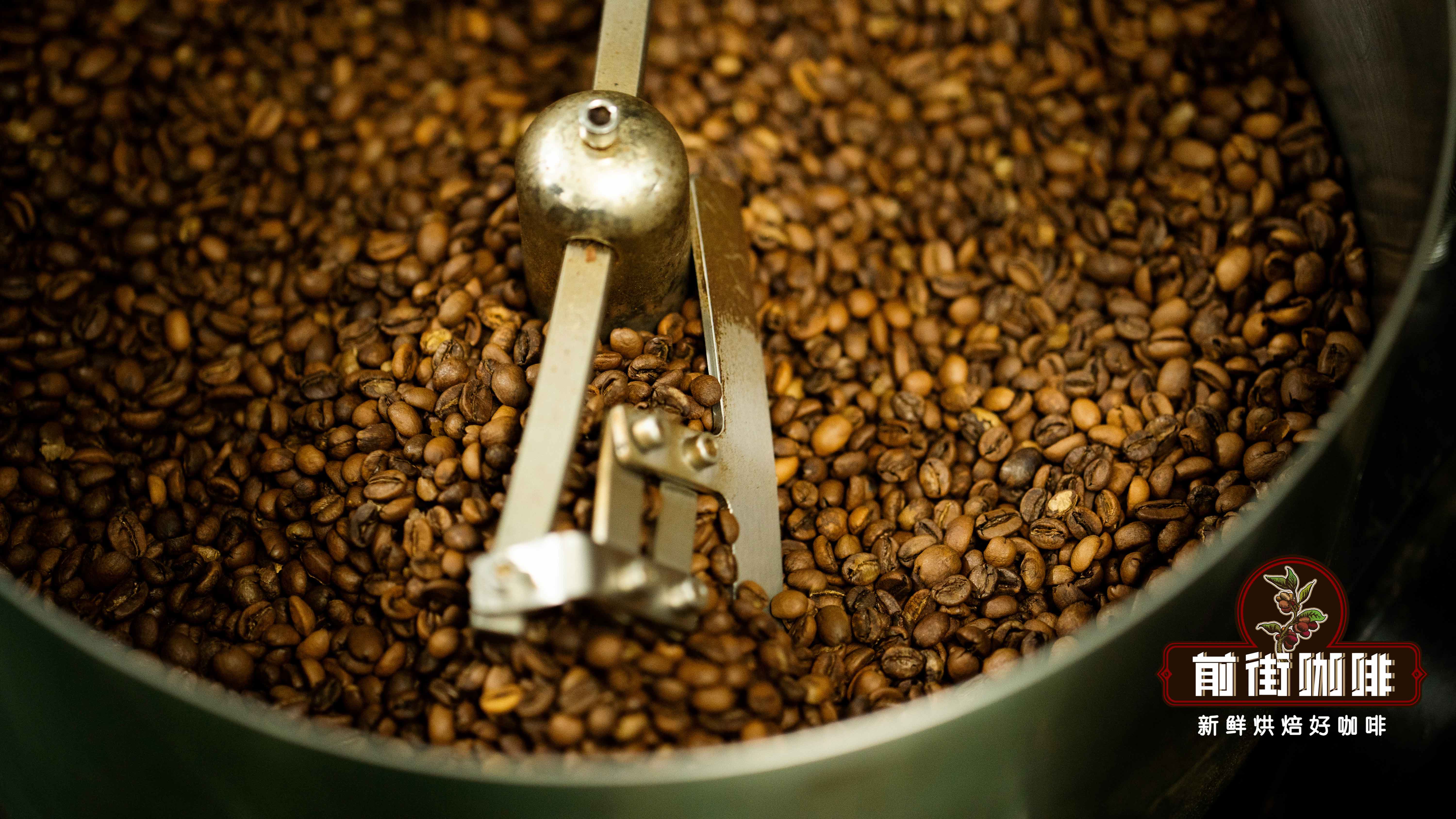
PWN Golden Mandheling goes a step further by implementing ‘three rounds of manual sorting’ to ensure extremely low defect rates and uniformly plump beans. In terms of roast profile, this coffee exhibits premium herbal notes, intense caramel sweetness, as well as steady and elegant acidity with rich sweetness.Unlike typical Lintong Mandheling, which is recommended to be roasted to the start of the second crack, Golden Mandheling can deliver excellent clarity and sweetness when dropped just before the second crack, offering greater flexibility in roast interpretation. Recommended roast profile: 200°C charge, fan speed 3 → after 1 minute reduce heat to 160°C while keeping fan speed unchanged → at 5’40’’, at 148°C, adjust heat to 140 and fan speed to 4 → at 9’40’’, signs of first crack appear → at 9’54’’, after first crack begins, reduce heat to 60 and open fan fully → drop at 204.5°C.
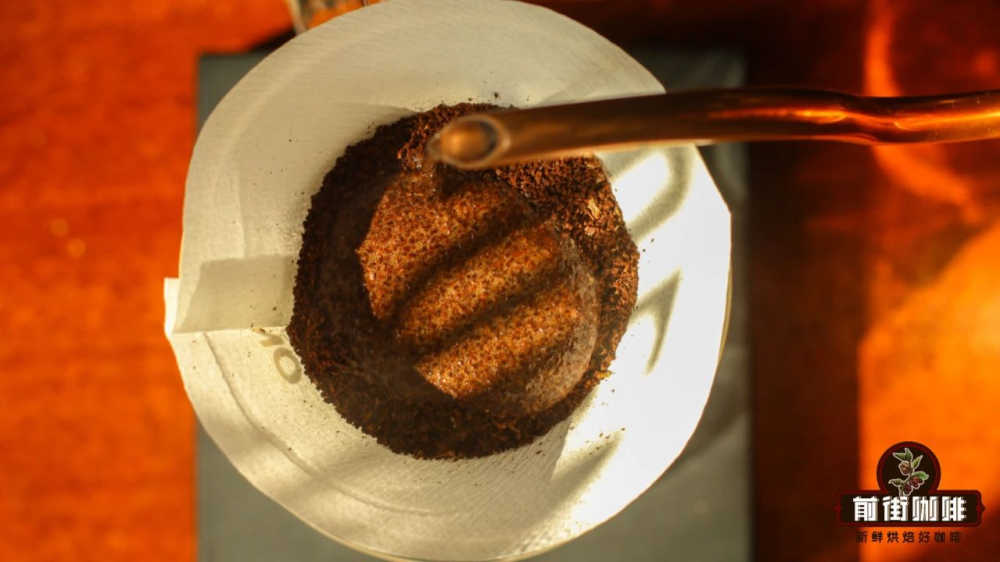
For pour over, it is recommended to use a KONO filter cone (designed specifically to enhance body), paired with a 20-number sieve grind size at 70% passing rate for medium-dark roasts, a 1:15 brew ratio, 20 grams of coffee, and water temperature at 88°C.Reducing the brew ratio can yield a richer taste. Freshly roasted beans (recommended for use within 5 days of roasting) can showcase the best flavors, with a resting period of about 4–7 days. Brewing steps: evenly spread the coffee grounds without shaking → first stage: 40g water for blooming for 30 seconds → second stage: 120g water poured in a circular motion centered → final 100g water poured to complete extraction, total time approximately 2 minutes.
In summary, the main differences between PWN Golden Mandheling and typical Indonesian Mandheling are:origin (Gayo Highlands vs Lintong), variety (Ateng/Catimor vs traditional Typica), processing details (three rounds of hand selection + strict quality control), and flavor profile (stronger aftertaste and cane sugar aroma). Understanding these differences can help coffee lovers make more precise choices based on personal taste preferences and fully bring out the potential of each coffee through appropriate brewing parameters.
The above content is compiled by CoffeeHunters, a coffee news website.

