







Introduction:When faced with numerous options for pour over coffee beans, Mandheling and Huakui are undoubtedly among the most popular choices. The two differ greatly in origin, processing method, flavor profile, and even brewing techniques. This article will delve into the background and distinctions of these two classic coffee beans, and provide professional pour over parameters to help you find the brewing method that best suits your personal taste.
For coffee enthusiasts who appreciate specialty coffee, Mandheling and Huakui are definitely two well-known beans. The former comes from Sumatra, Indonesia, and is characterized by unique herbal, spicy notes and a heavy body, making it ideal for those who prefer bold flavors. The latter, on the other hand, is an Ethiopian natural processed bean that has garnered much attention in recent years, attracting consumers who enjoy sweetness and a fresh profile with its rich fruit aromas and bright acidity. So, what exactly sets these two beans apart? What are the differences in their origin, processing methods, and recommended pour over parameters? Let’s explore them one by one.
Where do Mandheling and Huakui come from, respectively?
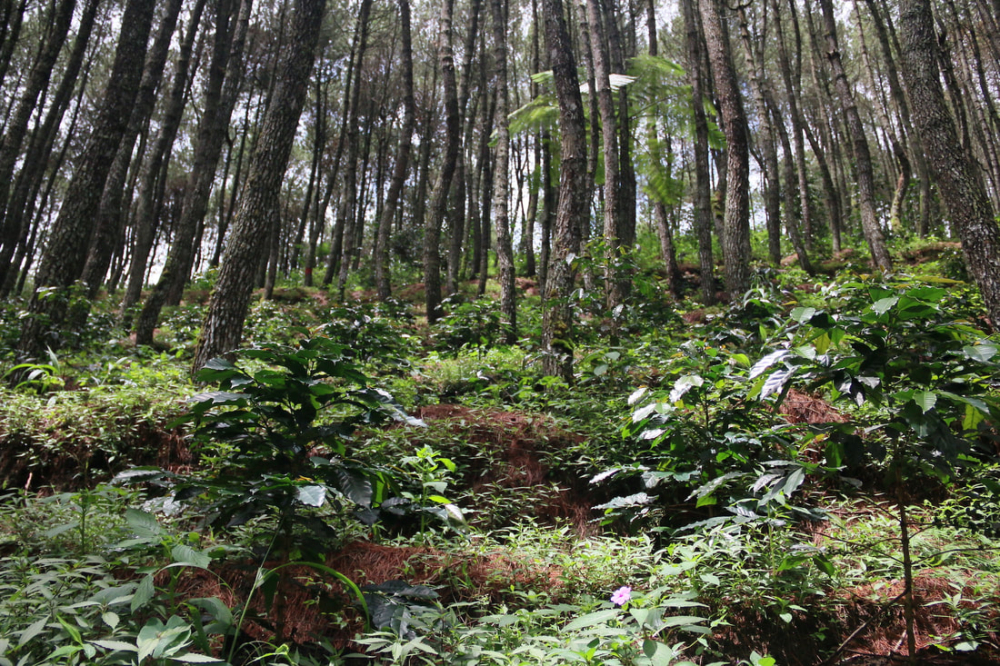
Mandheling is a classic coffee with a long history, originating from Sumatra Island in Indonesia. This archipelagic nation, the world's largest, saw coffee cultivation introduced by Dutch colonists as early as the 18th century, and it later expanded to islands such as Java, Sulawesi, and Sumatra. Sumatra, with its tropical rainforest climate, is hot and humid year-round, and the volcanic regions at elevations of 1200 to 1800 meters—such as around Lake Tawar and Lake Toba—provide an ideal environment for coffee growth. The local volcanic soil is rich in minerals, and the widespread use of organic farming methods contributes to Mandheling’s distinctive notes of spice, chocolate, herbs, and wood, along with a full-bodied and layered mouthfeel.
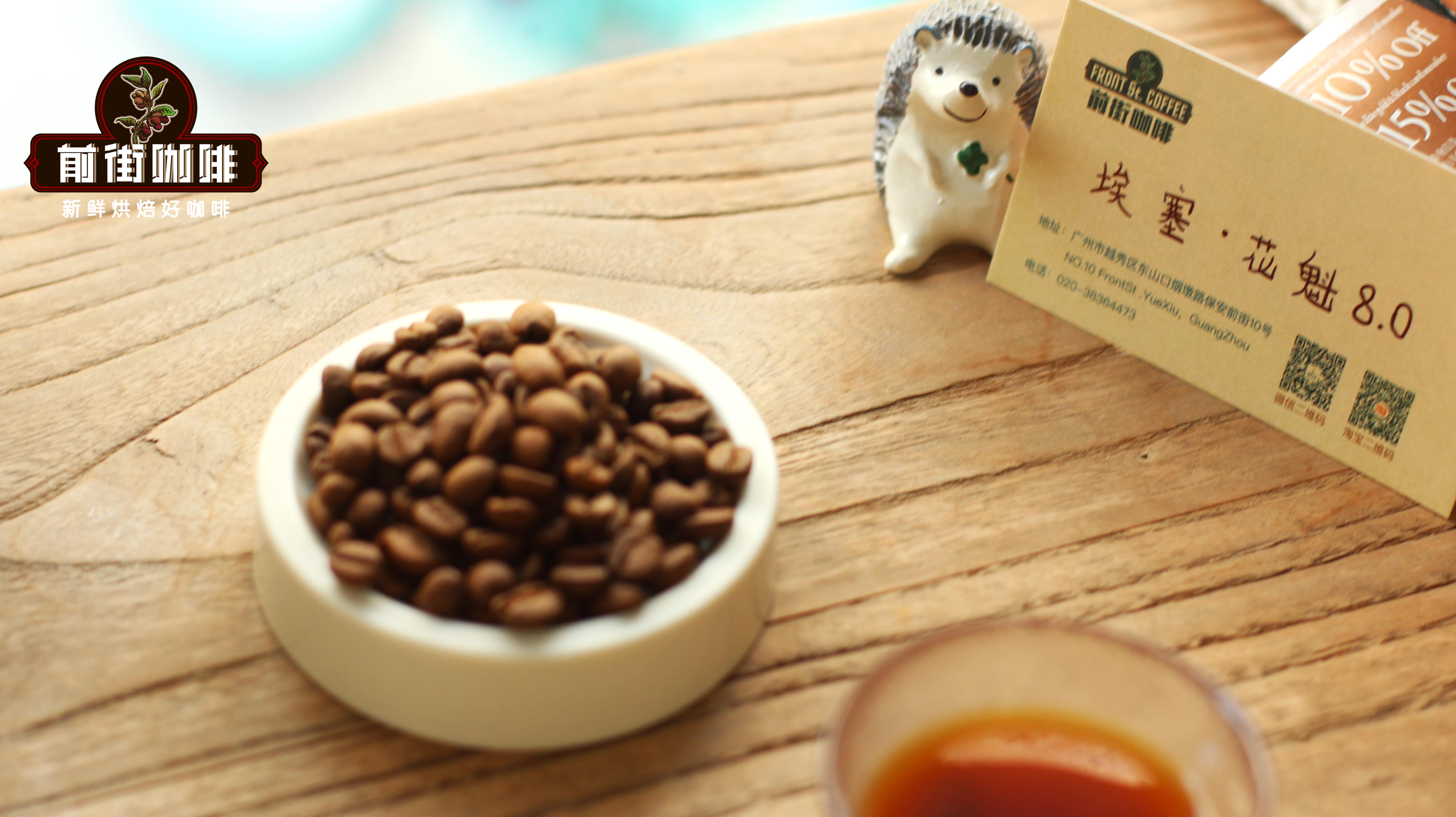
In contrast, Huakui is a relatively young coffee bean. Its name does not refer to a producing region, variety, or farm, but rather to a natural processed lot that won first place in Ethiopia’s TOH green bean competition in 2017. Due to its outstanding performance, domestic green bean merchants named it “Huakui,” meaning “the queen of flowers.” Because of its popularity, new batches have been released annually since then, distinguished by “X.0” to indicate the production year—for example, 2018 was Huakui 2.0, 2019 saw Huakui 3.0 and 3.1, and 2024 is referred to as Huakui 8.0, helping consumers easily identify the production year of the beans.
How do wet-hulled and natural processing methods affect flavor?
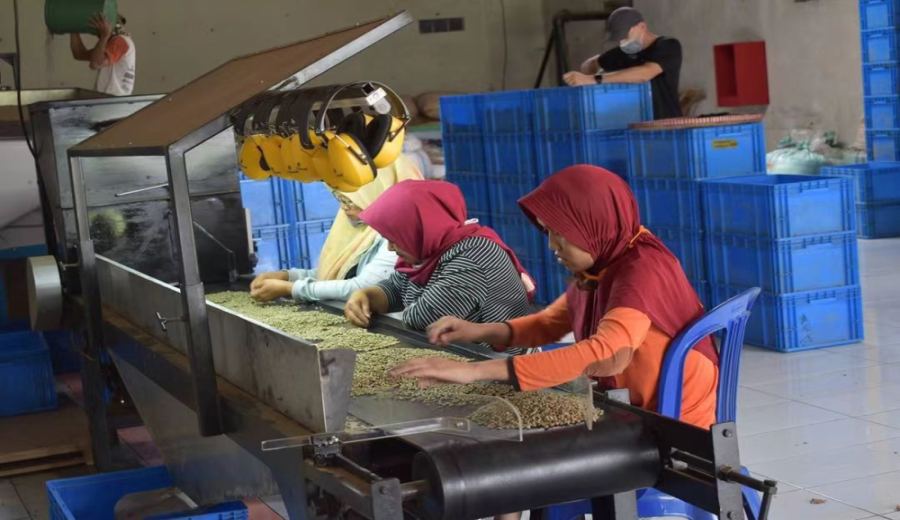
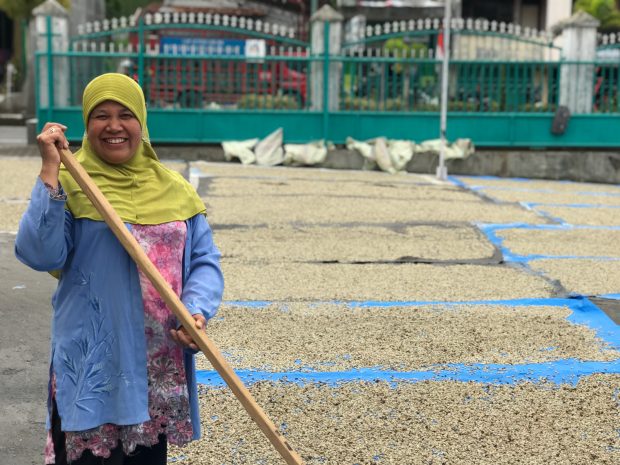
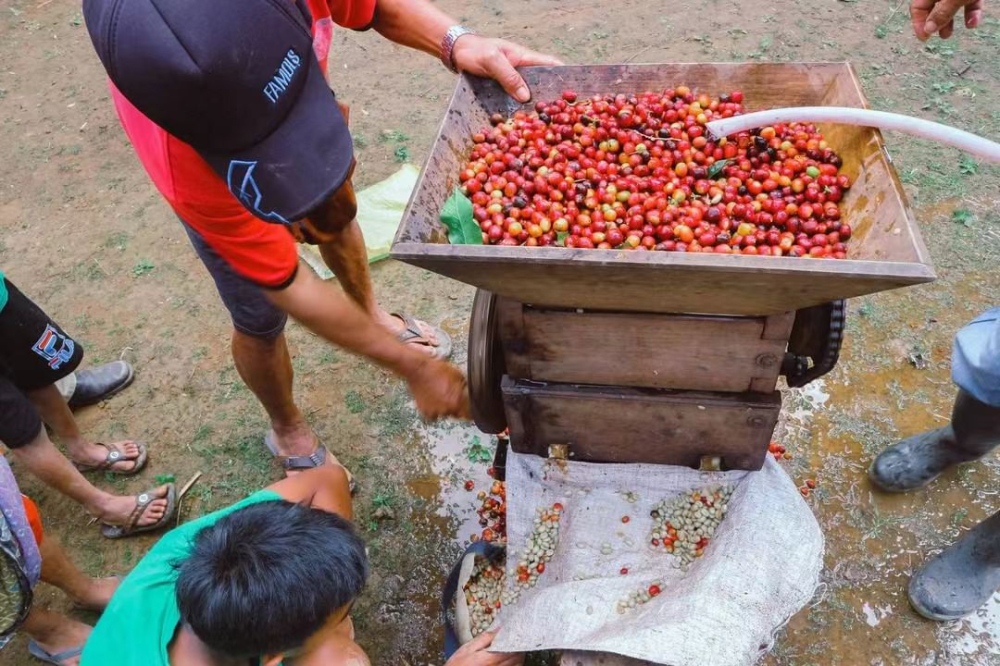
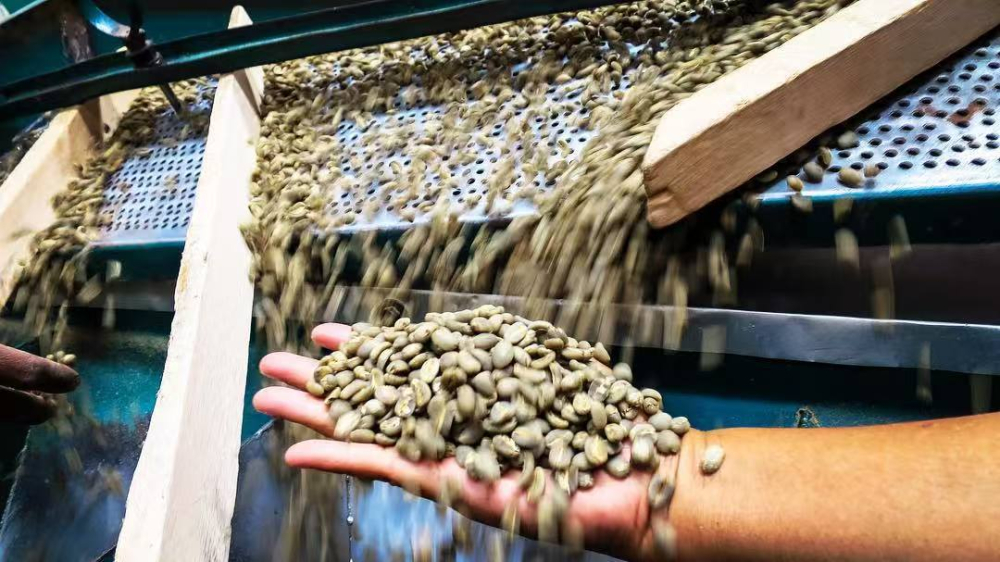
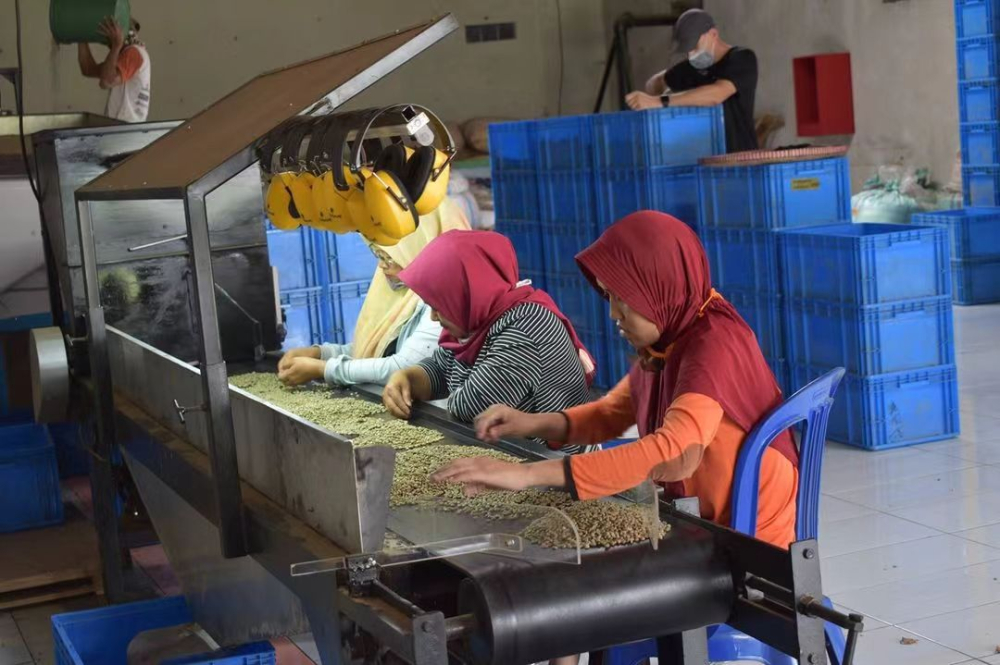
Mandheling is processed using Indonesia’s unique wet-hulled method, a semi-washed technique developed to adapt to the region’s humid and rainy climate. With humidity levels reaching 70% to 90% year-round and frequent rainfall, traditional sun-drying or washed processing methods are extremely challenging. As a result, a unique process was developed where part of the mucilage is removed first, then the parchment layer is scraped off before the beans continue to dry. During this process, the coffee beans are exposed to high temperatures and humidity, which creates special fermented, woody, and herbal notes, resulting in a full-bodied, low-acid cup. This is also the origin of Mandheling’s well-known “herbal aroma” and “woody flavor.”
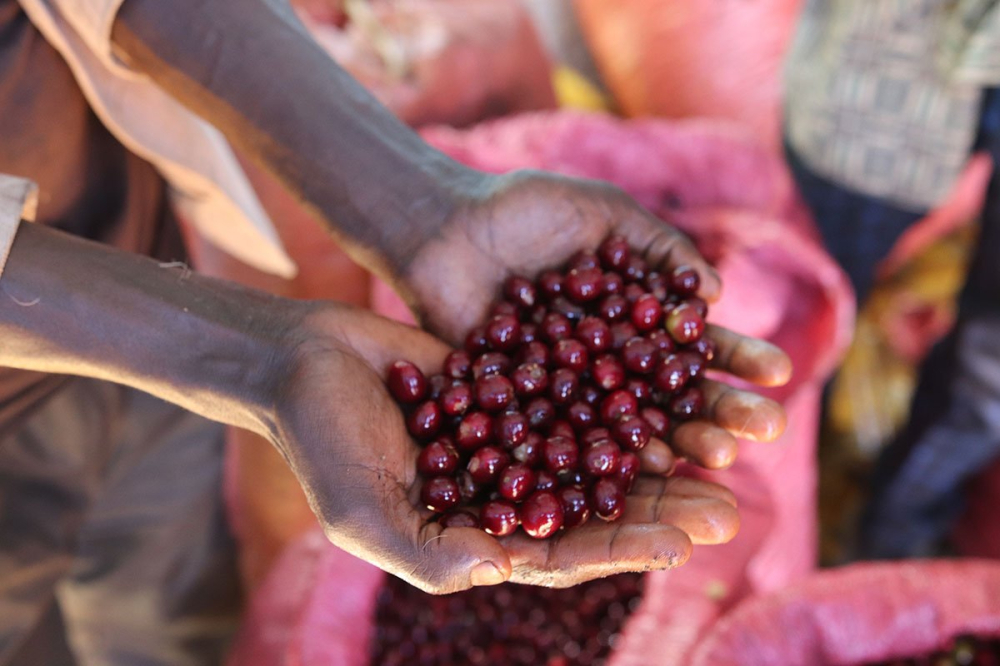
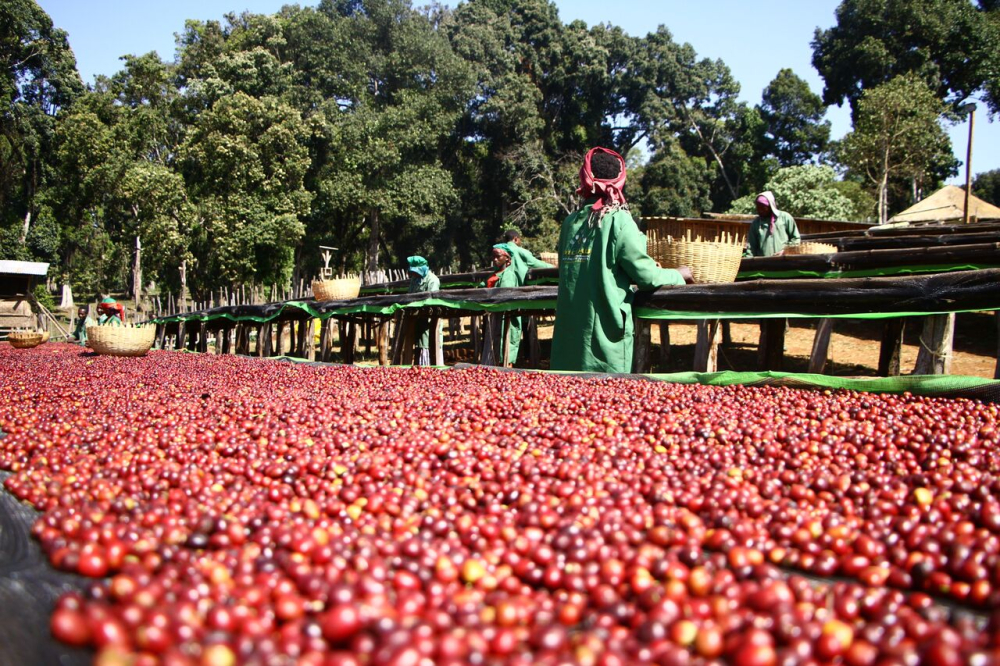
In contrast, Huakui uses the traditional natural processing method, where the entire coffee cherry is dried directly in the sun without removing the husk. This allows the sugars and natural yeasts in the fruit pulp to ferment fully, resulting in rich tropical fruit aromas such as jam, citrus, and berries. The natural drying method relies on stable, dry weather and usually takes several weeks, but when done properly, it can impart a full sweetness and complex layers to the coffee. This natural drying process gives Huakui a brighter and softer flavor profile, especially suited for those who enjoy acidity and fruity notes.
Why is Mandheling more bitter while Huakui is more acidic?
Flavor differences are not only due to origin and processing methods, but roast level also plays a key role. Mandheling is typically medium to dark roasted, emphasizing caramelization reactions to bring out strong notes of pine, spice, and dark chocolate, resulting in a full-bodied cup with a long aftertaste. As a result, it is often considered to have “noticeable bitterness.” In contrast, Huakui is mostly medium to light roasted, preserving more acidity and original fruit aromas such as citrus, passion fruit, and strawberry cream, offering a bright, refreshing entry with a prominent overall sweetness—making it more suitable for those who prefer a lighter-bodied cup.
Practical pour over parameters and tips for Mandheling
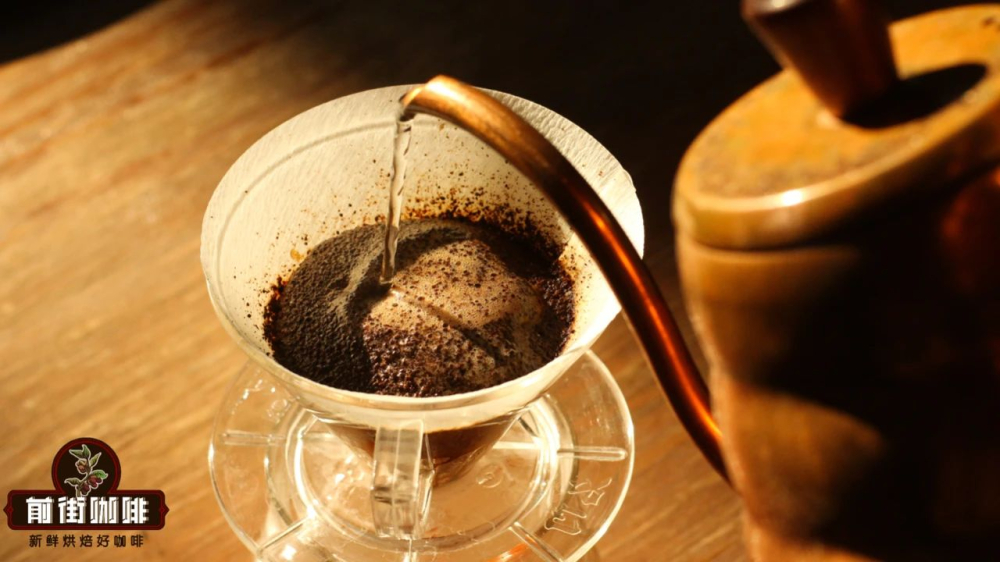
To highlight Mandheling’s rich characteristics, it is recommended to use a Kono filter. Its unique rib design effectively slows down the water flow rate, improving extraction evenness and enhancing the cup’s body. For brewing, the water temperature should be controlled at 87–88°C, with about 15 grams of coffee grounds and a 1:15 coffee-to-water ratio. The grind size is medium-fine, approximately 70% through a standard Chinese No. 20 sieve. Use a three-stage pouring method: the first pour involves adding 30ml of hot water for blooming to activate the coffee grounds; the second pour adds 100ml to bring out golden crema and core flavors; the final pour adds 95ml to gently extract the remaining essence. Finish by gently shaking the kettle to ensure even mixing.
Best pour over recipe for Huakui 8.0
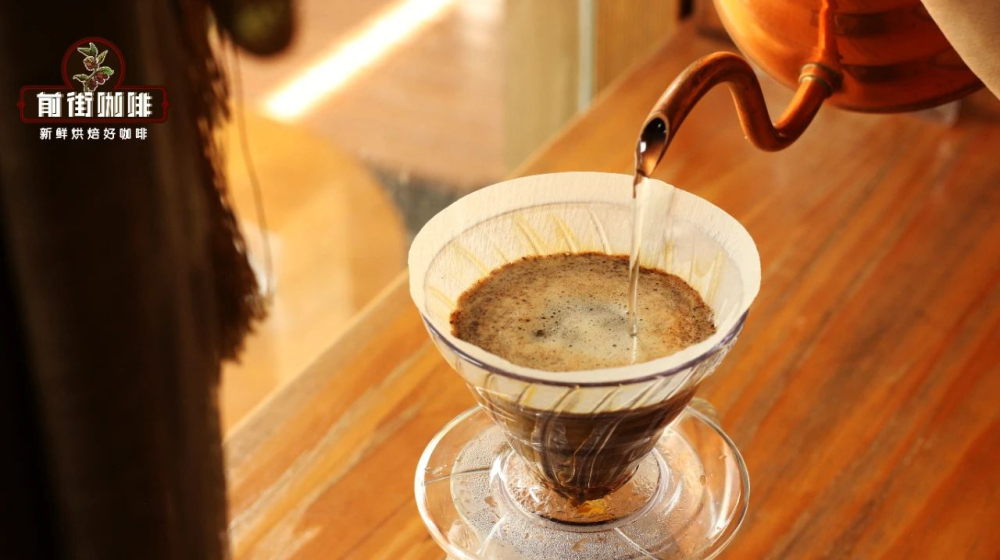
Huakui 8.0, with its natural processing and medium to light roast, showcases vibrant fruit tones and an oolong tea-like finish. It is recommended to use a V60 filter, with the water temperature set to 92–93°C. Use 15 grams of coffee, maintain a 1:15 coffee-to-water ratio, and grind to a fine sugar-like size, about 78% through a No. 20 sieve. For brewing, use a three-stage pour: start with a 30-second bloom using double the coffee weight in water (about 30ml); then pour in a small circular motion up to the 125g mark; finally pour up to 225g, with a total brew time of about 2 minutes. This method helps to highlight Huakui’s bright citrus, berry, and honey flavors, while maintaining a balanced acidity and sweetness.
The above content is compiled by CoffeeHunters, a coffee news website.

