







Introduction:Sumatra is Indonesia's most iconic coffee-producing region, and its Mandheling coffee is renowned for its unique wet-hulled processing method and bold flavors. This article delves into the origin background and processing characteristics of Sumatran Mandheling, while analyzing the differences between Golden Mandheling and regular Mandheling—including selection standards and flavor profiles. It also provides practical roasting curve and pour-over parameter recommendations to help you brew a rich yet non-bitter Mandheling coffee.
As one of Indonesia’s major coffee-producing regions, Sumatra gives rise to the well-known Mandheling coffee. This coffee variety captivates coffee enthusiasts worldwide with its bold, full-bodied mouthfeel and distinctive spice and herbal notes. However, many still associate Sumatran Mandheling with “earthy heaviness and pronounced bitterness,” which is closely related to roasting depth and processing methods. Understanding Sumatra’s geographical conditions, the common wet-hulling process, and high-quality beans like Golden Mandheling will help you fully appreciate the charm of this classic coffee.
When it comes to Sumatra, Mandheling is inevitably part of the conversation. Although Mandheling actually originated from a misunderstanding—reportedly, Japanese soldiers mistakenly referred to an Indonesian trader as "Mandheling," which accidentally became the name of the coffee—this Sumatran-grown coffee has now become synonymous with Indonesian coffee. Among the various Mandheling-producing regions, Lintong and Gayo Mountain in Aceh are the most famous, corresponding to the commonly seen Lintong Mandheling and Golden Mandheling.
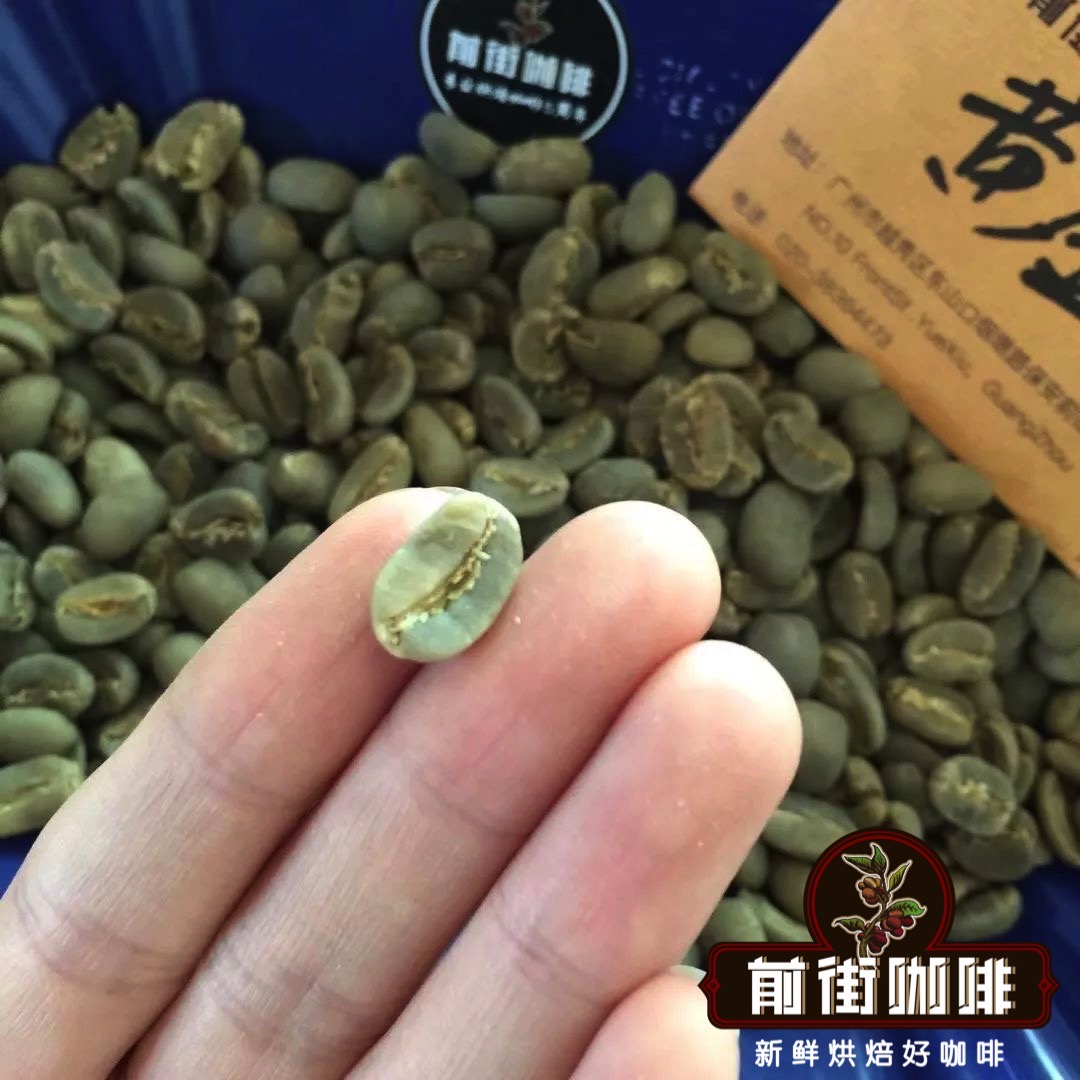
The biggest difference between Golden Mandheling and regular Mandheling lies in the rigor of bean selection.Golden Mandheling must undergo three or more rounds of manual sorting, with bean size limited to 18+ mesh, uniform bean size, and an extremely low defect rate (fewer than 3 defective beans in a 300g sample), placing it in the highest G1 grade. Such stringent selection criteria result in a cleaner, clearer flavor profile for Golden Mandheling, with distinct layers and fewer of the earthy off-notes commonly found, instead highlighting more refined notes such as spices, nuts, caramel, and chocolate.
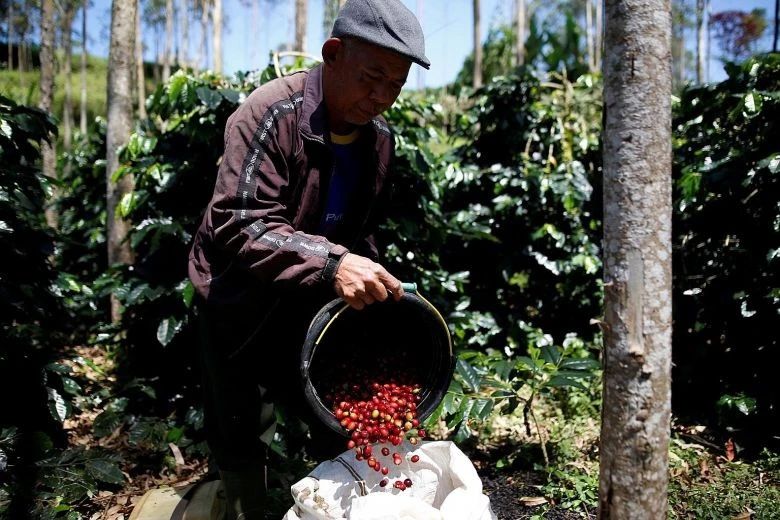
Indonesia’s coffee cultivation history dates back to 1696, when Dutch colonists introduced coffee to Java Island, later expanding to Sumatra and other areas. Although early exports of Javanese coffee mostly actually came from Sumatra, over time, Sumatran Mandheling gradually became the flagship of Indonesian coffee. Particularly in the Japanese market, Mandheling enjoys high recognition and a loyal consumer base.
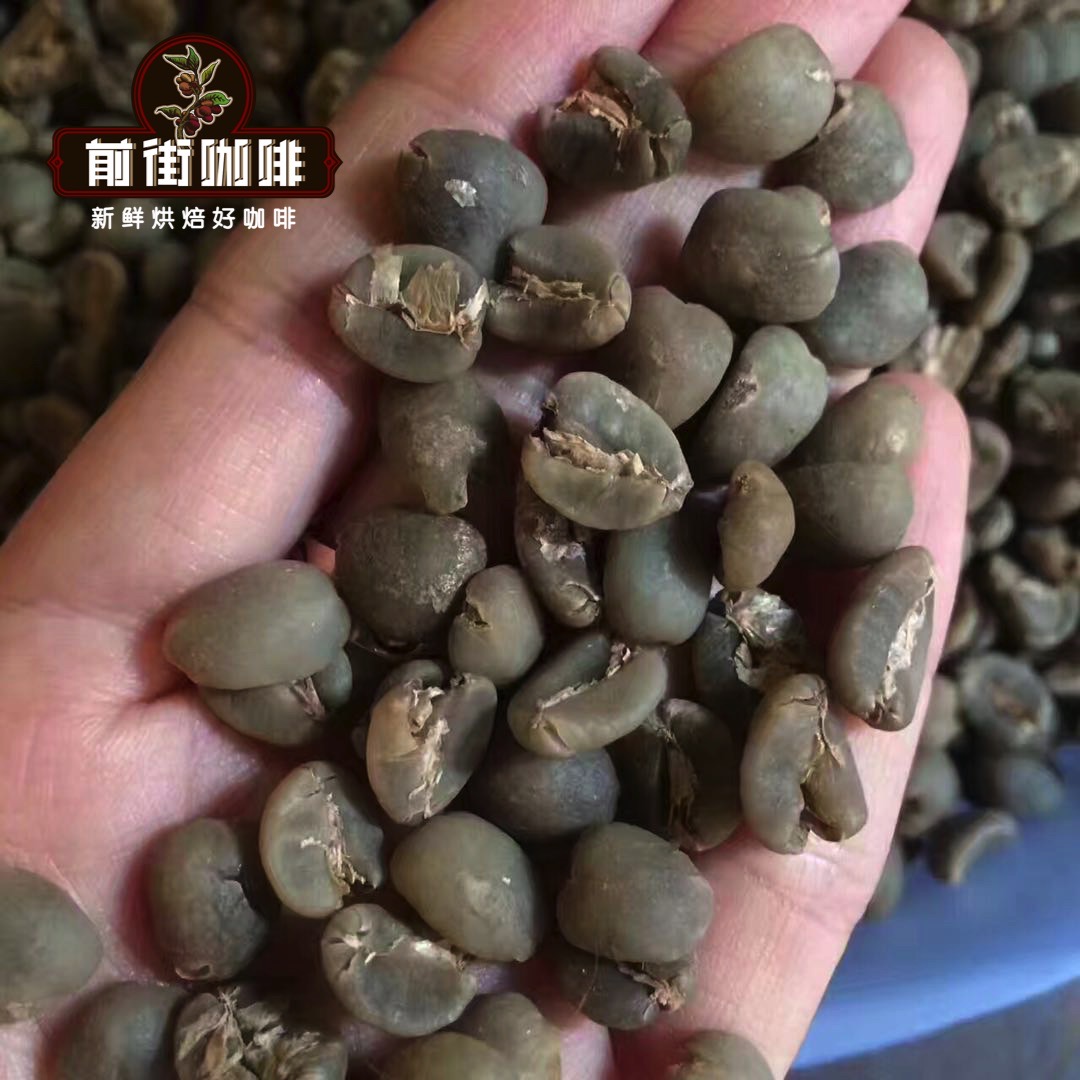
The unique flavor of Sumatran Mandheling is closely tied to its distinctive“wet-hulled process” (Giling Basah). This method was developed in response to Sumatra’s rainy, humid climate and limited economic resources. First, after removing the fruit skin and pulp, the coffee undergoes brief fermentation for about 3 hours, followed by sun drying until the moisture content drops to 30–50%. The second stage involves removing part of the mucilage and parchment layer, then continuing to dry until the moisture content reaches approximately 12–13%. Because hulling is performed in a semi-dry state, the green beans are prone to pressure, forming what is known as the “elephant ear” bean shape—a common and normal trait of Mandheling, not a defect.
In addition to the traditional wet-hulled method, there is an advanced version called“aged wet-hulled process”, where the initially processed coffee beans are sealed and stored for 2–3 years, regularly turned to prevent mold, allowing the acidity to gradually transform into a rounder sweetness. The bean color also turns into a deep yellow-brown or dark brown, offering a distinctly rich, aged aroma known as aged Mandheling.
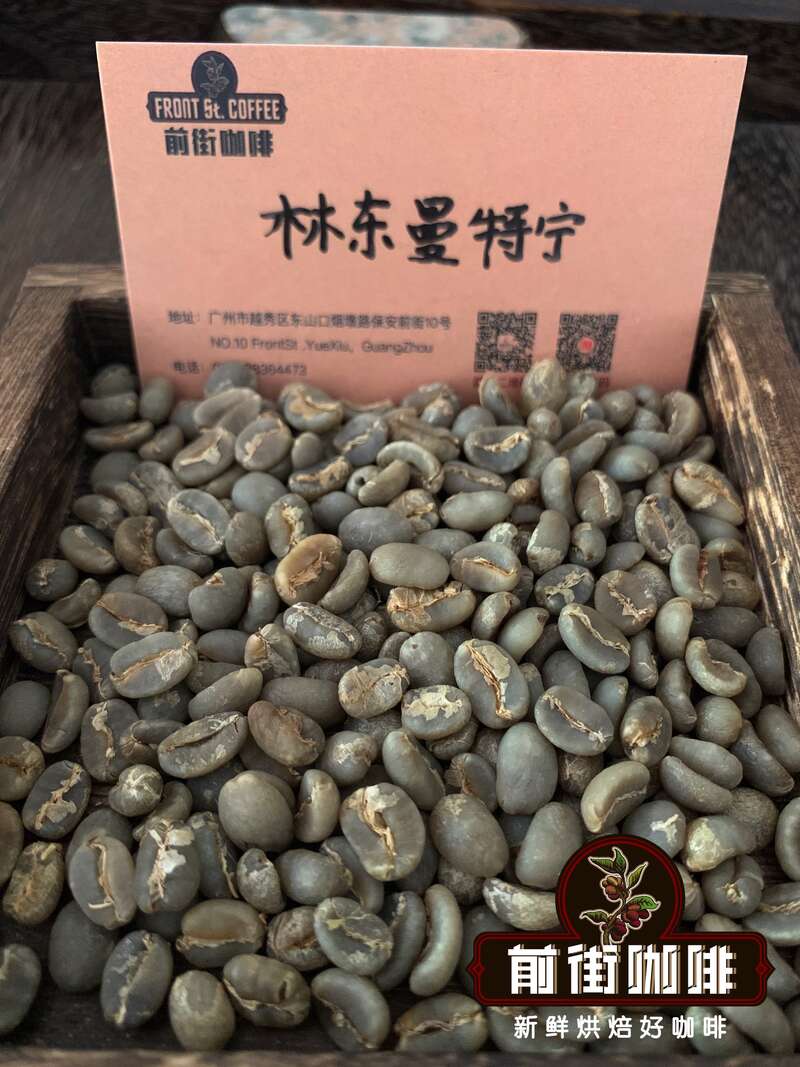
Among the many Mandheling-producing regions, those of Lintong and Gayo Mountain are the most notable. Lintong Mandheling comes from the Lintong mountainous area in north-central Sumatra, at elevations of 1100–1600 meters near Lake Toba, with varieties mainly being Typica and Catucai. It also uses the wet-hulled process. Its flavors often include toasted bread, nuts, caramel, pine, and herbal notes. However, due to the susceptibility of green beans to damage during wet hulling, the “elephant ear” bean shape is common, and overall flavor stability is slightly lower—but the rich, low-acidity characteristics remain popular in the market.
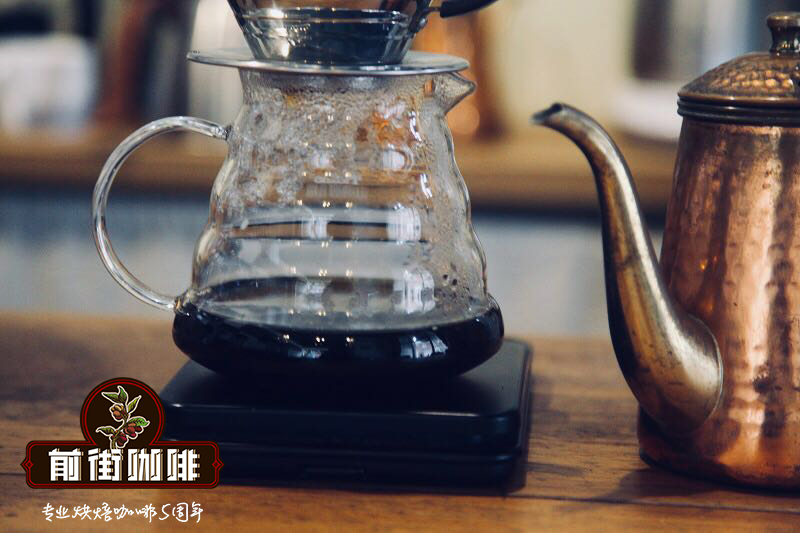
In comparison,Golden Mandheling’s selection and processing are more meticulous. Produced in Gayo Mountain, Aceh Province, also at elevations of 1100–1600 meters, although the variety is often labeled as Ateng (actually a member of the Catimor family, a hybrid of Arabica and Robusta), the strict selection system ensures Golden Mandheling presents more uniform bean shape and higher quality. With three or more rounds of manual sorting, beans sized 18+ mesh, and minimal defects, its flavor is purer, commonly featuring layered notes of spices, herbs, nuts, caramel, and chocolate, along with a long, bright aftertaste.
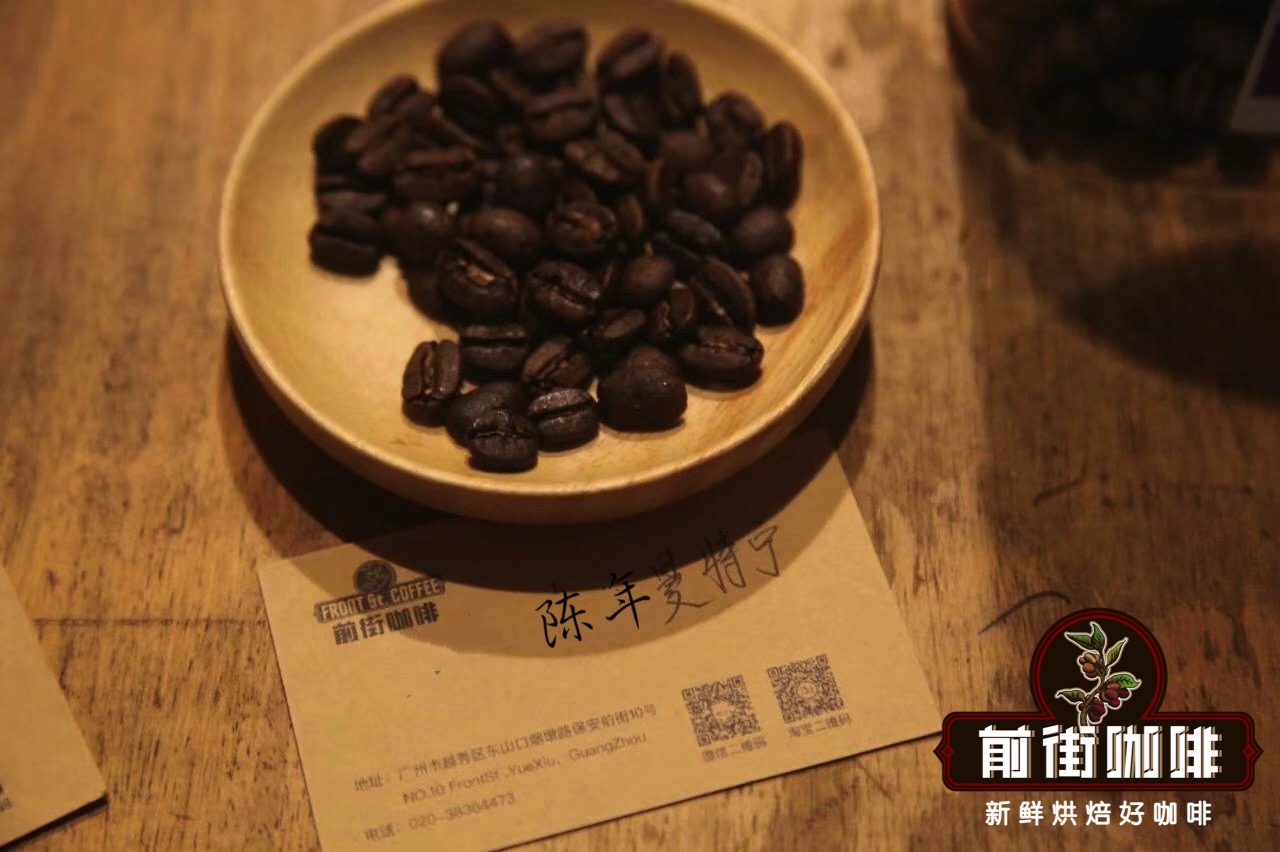
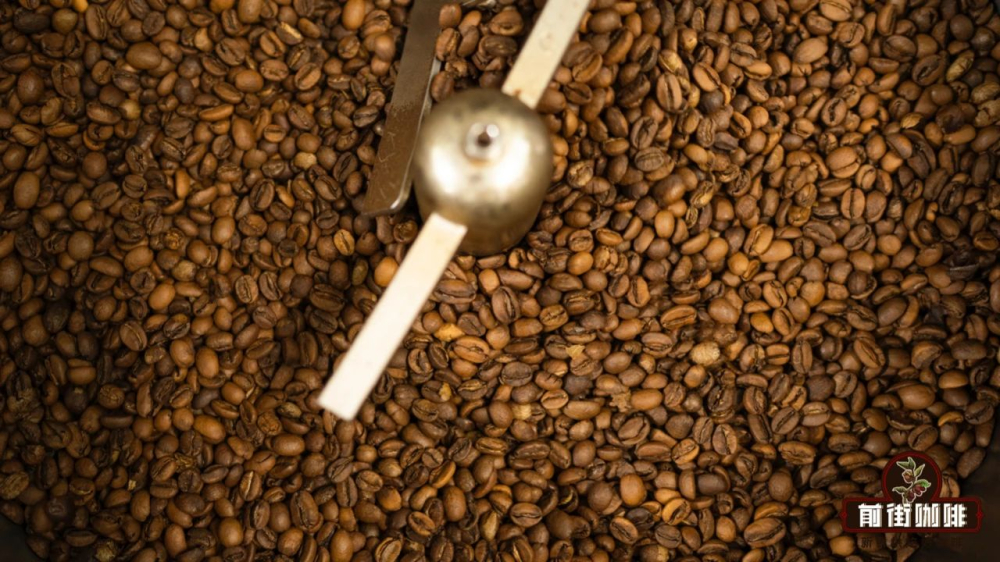
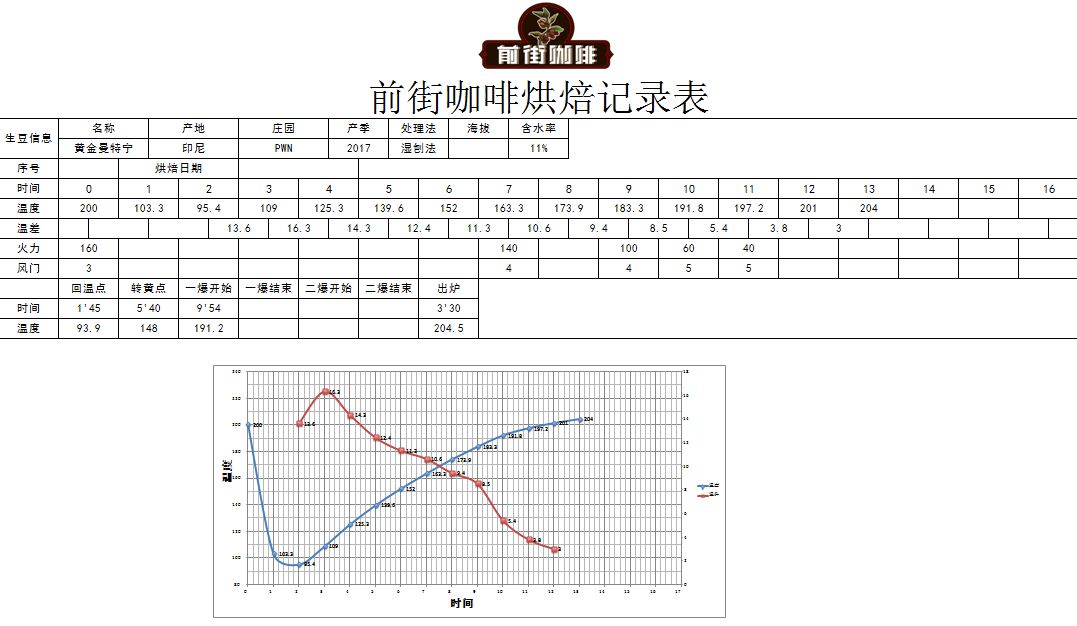
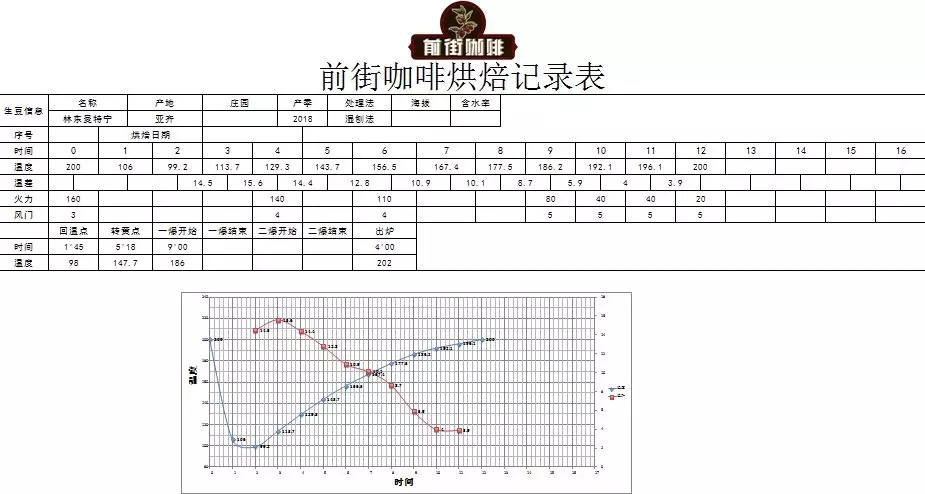
Regarding roasting, many roasters recommend taking Mandheling to a medium-dark level to reduce its inherent acidity and enhance richness and balance. For instance, in actual roasting records from the industry,both Golden Mandheling and Lintong Mandheling use a medium-dark roast strategy, with an inlet temperature set at 200°C, turning points at 5’40” (148°C) and 5’18” (147.7°C) respectively, first crack occurring at 9’54” (191.2°C) and 9’00” (186°C), and the beans being dropped after approximately 3 minutes 30 seconds and 4 minutes post-first crack, with final temperatures of 204.5°C and 202°C respectively. This roasting curve helps bring out the sweetness and rich foundation of Mandheling, while curbing excessively developed bitterness.
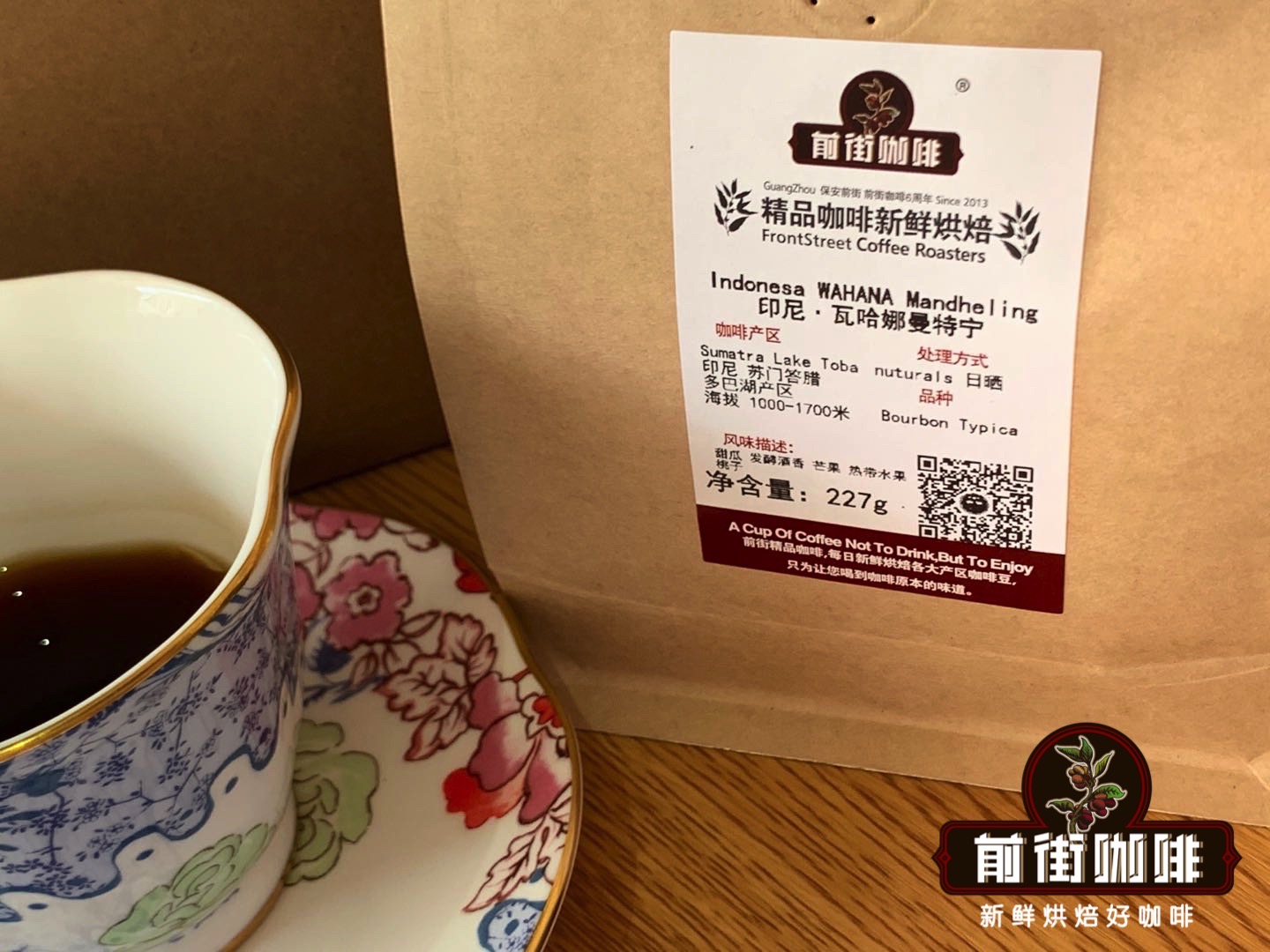
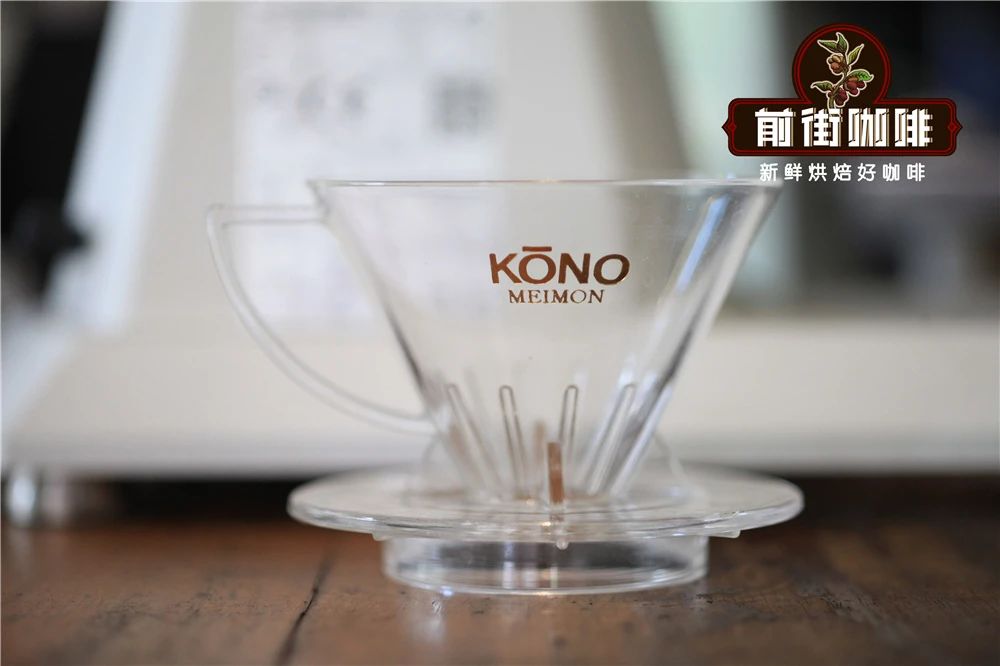
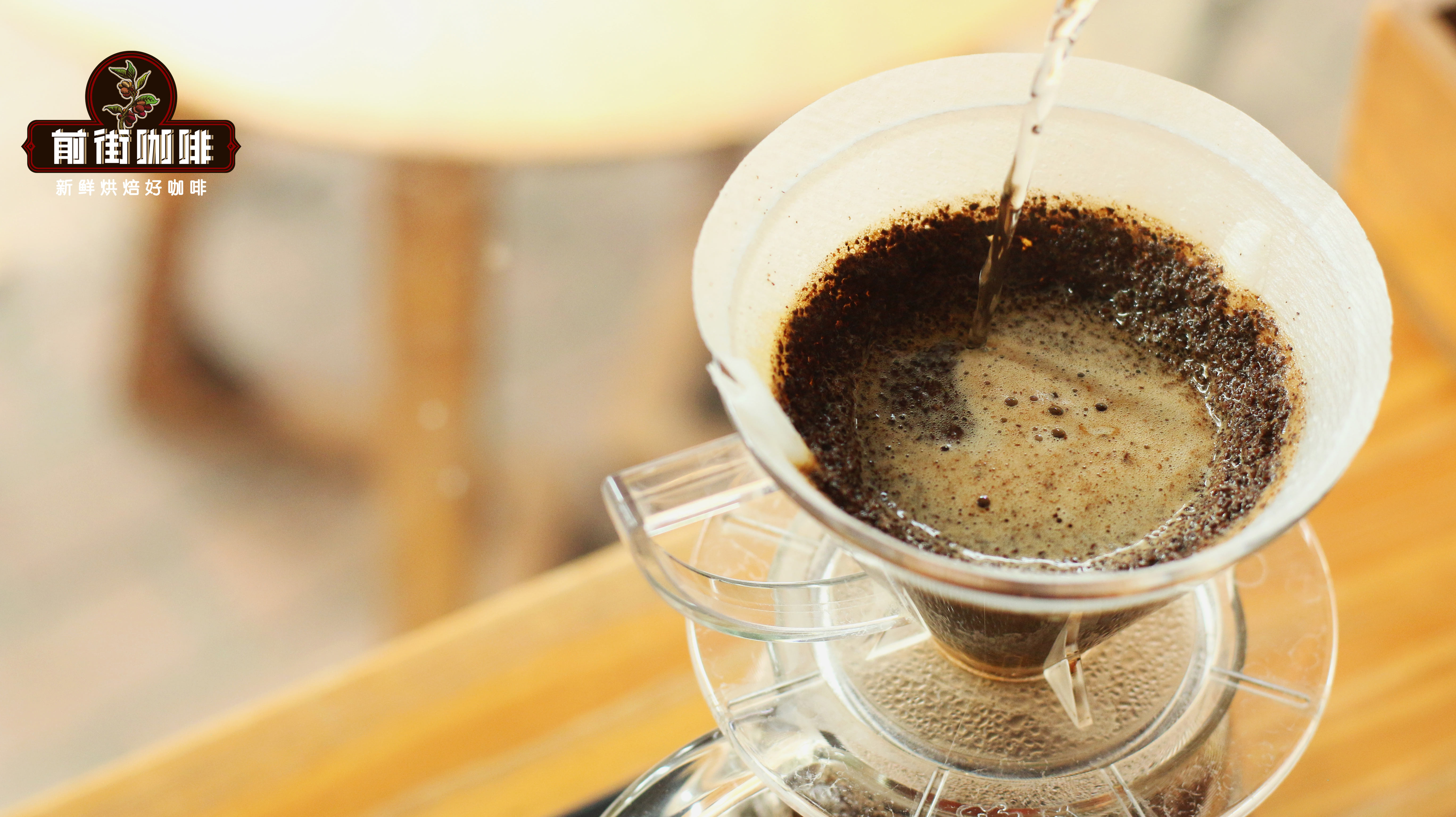
For pour-over brewing, if you wish to fully experience the layers and richness of Mandheling, the following parameters are recommended:Use a Kono dripper (its rib design prolongs water-coffee contact time), water temperature around 88°C, 15g coffee, a 1:15 coffee-to-water ratio, and a grind size of 70–75% passing through a 20-mesh sieve. Start with a 30-second bloom using 30g of water, then pour in small circles to reach 125g for the first pour, wait for the water level to drop, and continue pouring to 225g. Total brew time should be controlled to about 2 minutes. This method enhances the rich mouthfeel of Mandheling while avoiding over-extraction that leads to bitterness.
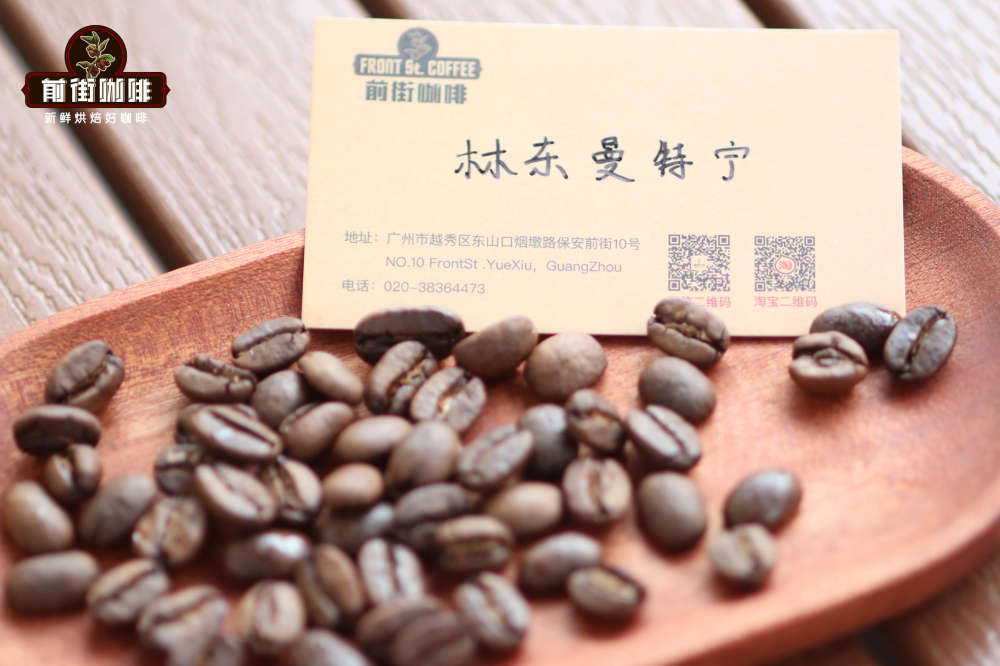
In terms of overall flavor profile, Golden Mandheling exhibits a more balanced character with clear layers, releasing notes of spices, nuts, chocolate, and caramel in succession, with a long and smooth aftertaste. Lintong Mandheling, on the other hand, presents a more rustic flavor profile, such as herbs, dark chocolate, and caramel. Although occasional earthy or herbal tones may appear, its overall richness remains a key attraction.
No matter which type of Mandheling you prefer, understanding its origin background, processing methods, and suitable roasting and brewing strategies will allow you to more accurately appreciate the deep essence of this classic Southeast Asian coffee.
The above content is compiled by CoffeeHunters, a coffee news website.

