







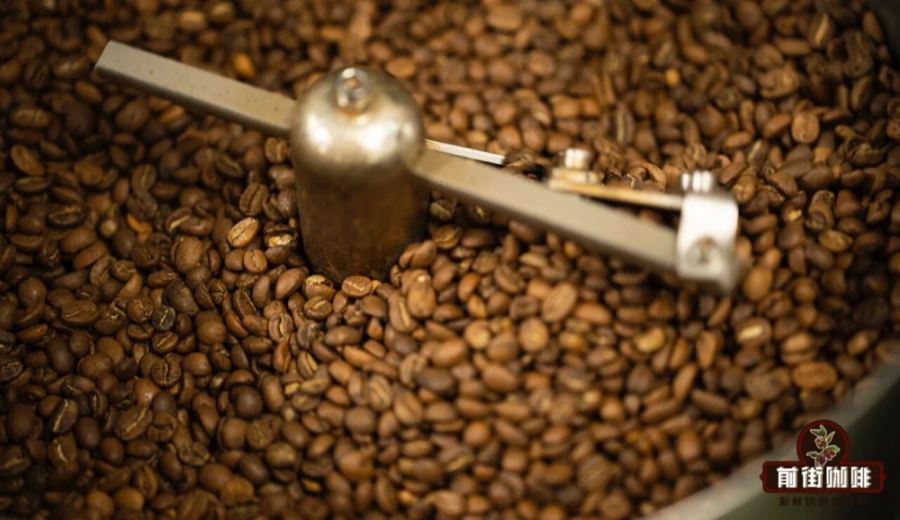
Introduction:Mandheling coffee is widely loved for its rich and bold characteristics, making it especially popular among those who prefer medium to dark roast profiles. This article delves into the unique aromas and flavors of Indonesian Mandheling drip bags, explores the distinctive differences between the Lintong region and Golden Mandheling, and offers practical purchasing advice to help busy professionals and students find the most suitable drip coffee for everyday enjoyment.
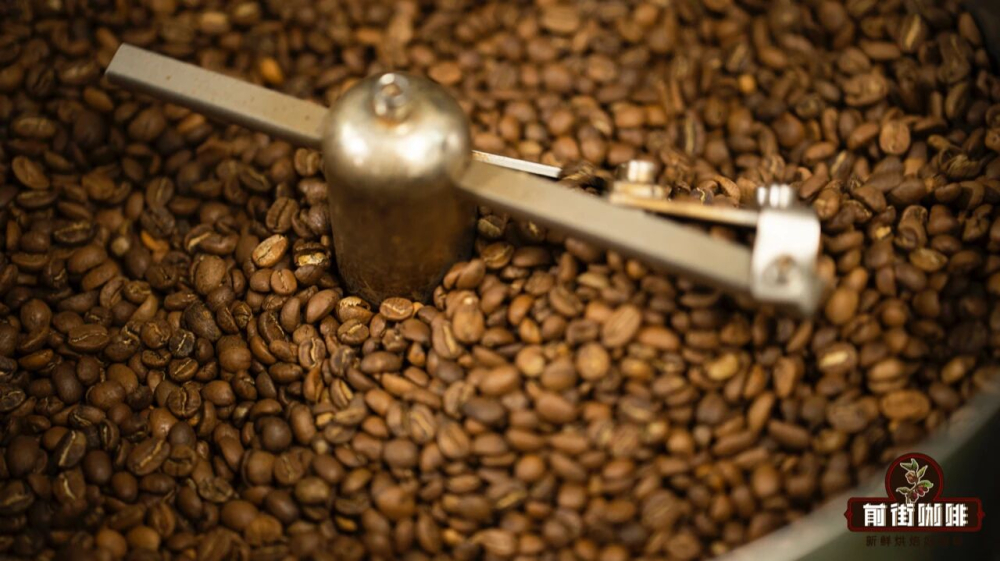
The degree of coffee roasting greatly influences its flavor profile. The darker the roast, the lower the acidity tends to be, giving way to complex layers of caramel, smokiness, and a blend of bitter and sweet notes, while the mouthfeel becomes richer and thicker. Among many dark roast coffees, Indonesian Mandheling is highly praised for its unique notes of spices, herbs, pine, and dark chocolate, coupled with a long-lasting aftertaste, making it a top choice for many coffee enthusiasts.
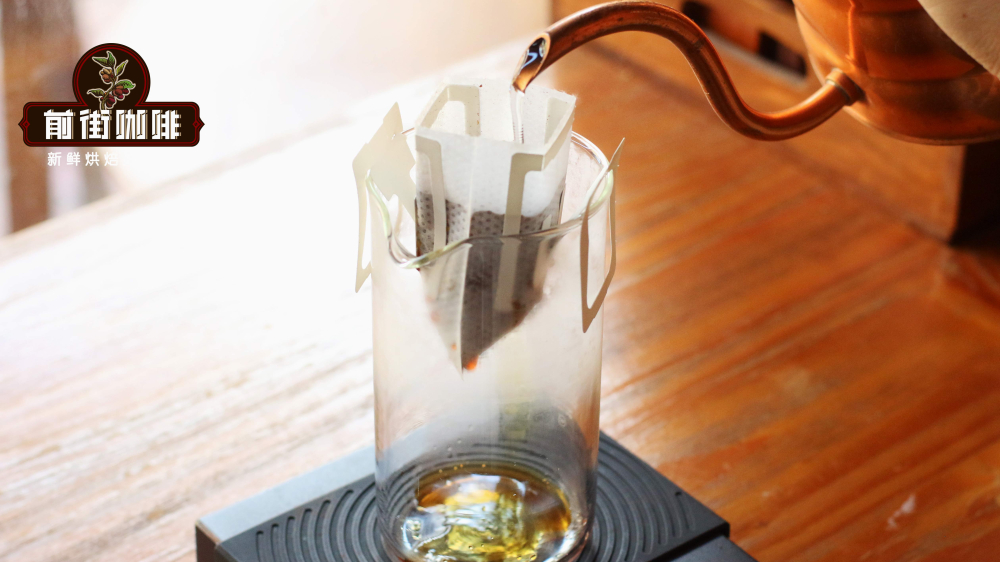
For modern individuals with fast-paced lives—especially professionals and students—pour over coffee may be ideal but is often hindered by time constraints or technical barriers. In such cases, drip coffee becomes an excellent choice that balances convenience and quality. But with so many Mandheling drip products on the market, how can you choose wisely to avoid disappointments and truly experience the essence of Mandheling?
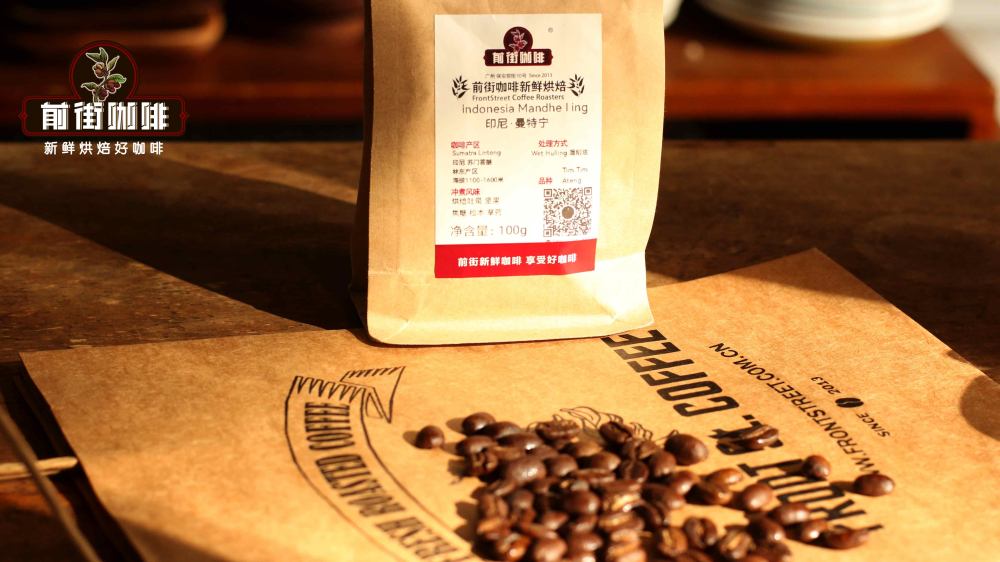
If you’re new to Mandheling, it’s recommended to start with an entry-level option, such as a dark roast drip bag made from G1 grade beans sourced from Sumatra’s Lintong region. These products typically use freshly roasted green beans, ensuring you enjoy their optimal flavors shortly after roasting. The Lintong area processes coffee beans using the wet-hulled method, which enhances spicy, nutty, and dark chocolatey roasted notes, along with a low-acid, full-bodied taste—perfect for those who enjoy intense flavors.
The regional characteristics of Lintong Mandheling should not be overlooked. These coffee beans are primarily grown in the mountainous areas around Lake Toba in northern Sumatra, within the highland regions of North Sumatra Province, at an altitude of about 900 meters. Lake Toba is a famous alpine freshwater lake, and its surrounding environment produces beans with unique herbal and earthy undertones. The wet-hulled process further intensifies this distinctive muted aroma, forming the classic flavor profile of Asian coffees and serving as a key feature that distinguishes Mandheling from other regions.
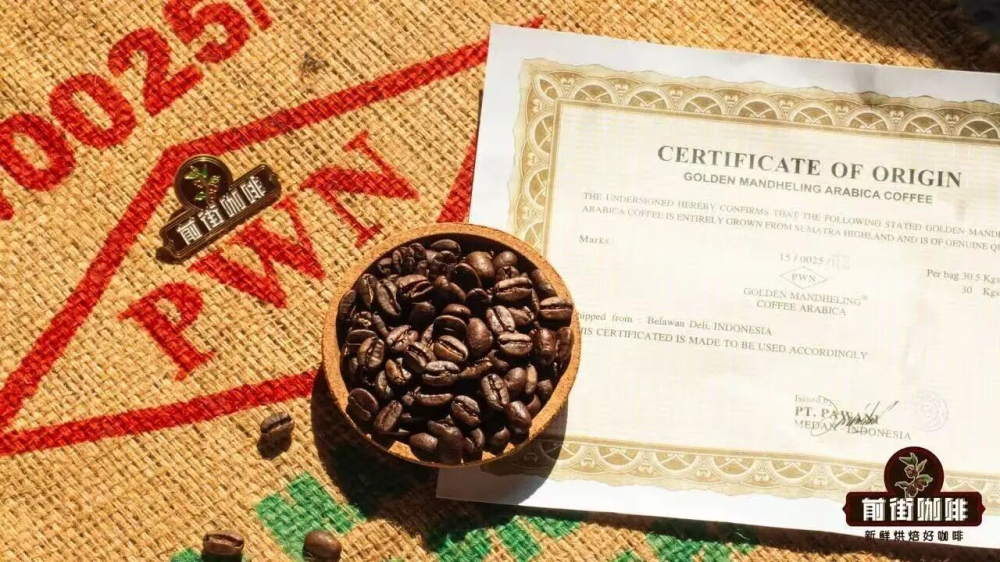
If you’re seeking a higher-quality Mandheling experience, consider trying a carefully selected Golden Mandheling drip bag. Behind this product is PWN, a key promoter of premium Mandheling from Sumatra. PWN stands for “N.V. Pawani Medan company,” which specializes in sourcing and exporting the highest-quality Mandheling green beans from the region. Their Golden Mandheling is renowned for having an exceptionally low defect rate.
The origins of Golden Mandheling stem from the Japanese market’s demand for higher-quality Sumatran coffee. In the early days, due to inconsistent bean quality, Japanese buyers established strict selection criteria, including bean density, size, shape, and color. They employed one machine sorting round followed by four rounds of manual hand-picking to ensure each bean was intact, uniform, and free of noticeable defects. This high-standard processing method results in brewed coffee with purer and brighter flavors, earning it the esteemed title of “Golden” Mandheling.
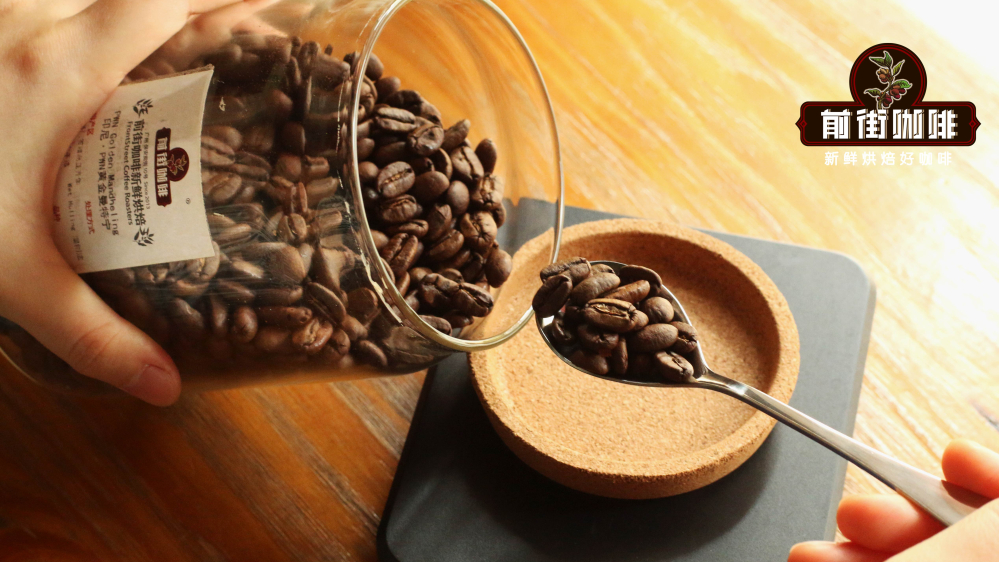
When brewing Golden Mandheling, you’ll first notice dry aromas of cedarwood, nuts, and herbs. As hot water is poured, notes of licorice and caramel gradually emerge. Upon tasting, layers of dark chocolate, cocoa, and nuts are distinct, with a clean flavor profile, a pronounced and lingering aftertaste that is rich and full-bodied. Even in drip bag form, it fully showcases its refined qualities. For readers looking to enjoy high-quality dark roast coffee amidst a busy daily life, this drip bag is definitely worth adding to your regular selection.
The above content is compiled by CoffeeHunters, a coffee news website.

