







Introduction:Have you ever wondered what variety the famous "Golden Mandheling" coffee beans from Sumatra, Indonesia, actually are? Why has the traditional Typica gradually been replaced by Catimor (locally called Ateng)? This article delves into the historical origins and varietal evolution of Golden Mandheling, analyzes the selection criteria of a certain company’s specialty-grade Mandheling, and provides practical pour over parameters and techniques — taking you step-by-step from flavor, processing method to brewing to master this classic dark roast bean.
The "Golden Mandheling" coffee from Sumatra, Indonesia, is now carefully selected and produced by a certain green bean supplier. In fact, it mainly uses a variety locally known as Ateng, which is internationally referred to as Catimor. In the early days, Indonesia introduced the Typica variety from the Netherlands, which was widely planted in Java, Sumatra, and other regions, creating the classic Indonesian coffee with its delicate early flavors. However, the widespread rust disease outbreak in 1869 nearly destroyed most of the local Typica coffee plantations, prompting Indonesia to turn to more disease-resistant foreign varieties.
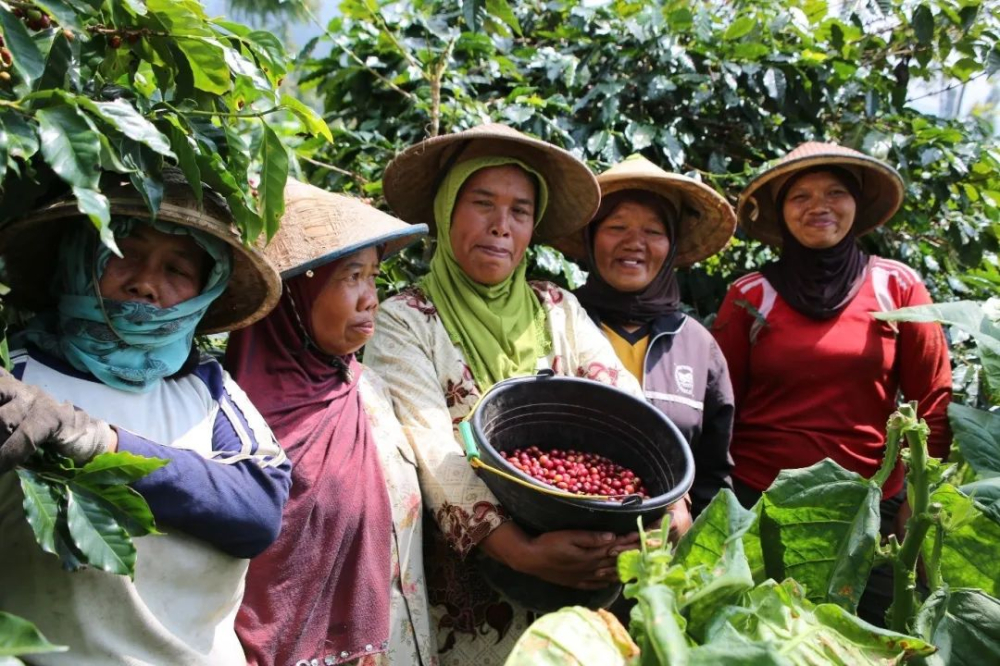
To revive the coffee industry, Indonesia introduced Robusta and various disease-resistant hybrid varieties. Among them, the Catimor series (locally called Ateng) and Tim Tim quickly became mainstream due to their high adaptability to Sumatra’s hot and humid climate, stable yields, and unique aromatic profiles featuring cedar and herbal notes. Currently, about 70% of the coffee in the Sumatra region comes from these varieties. The regular Mandheling beans of a certain brand are a representative blend of Tim Tim and Ateng, processed using the wet hulling method, characterized by strong herbal, spicy, and low-acid qualities, with a rich and full-bodied mouthfeel.
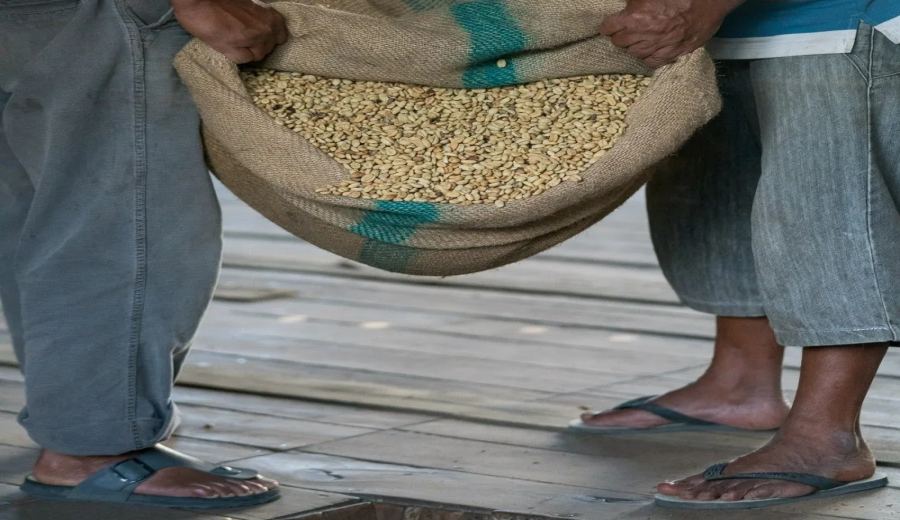
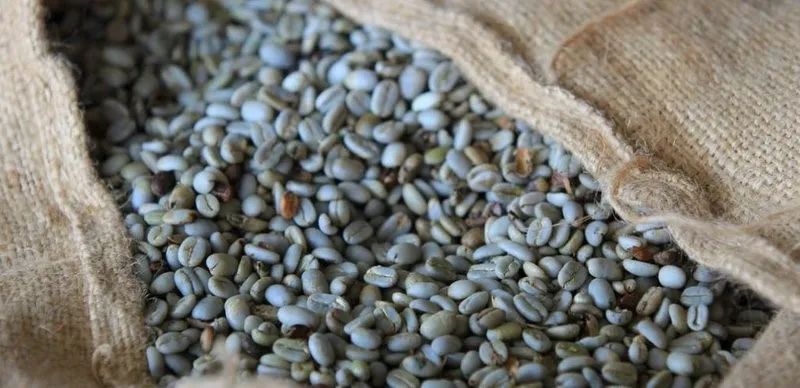
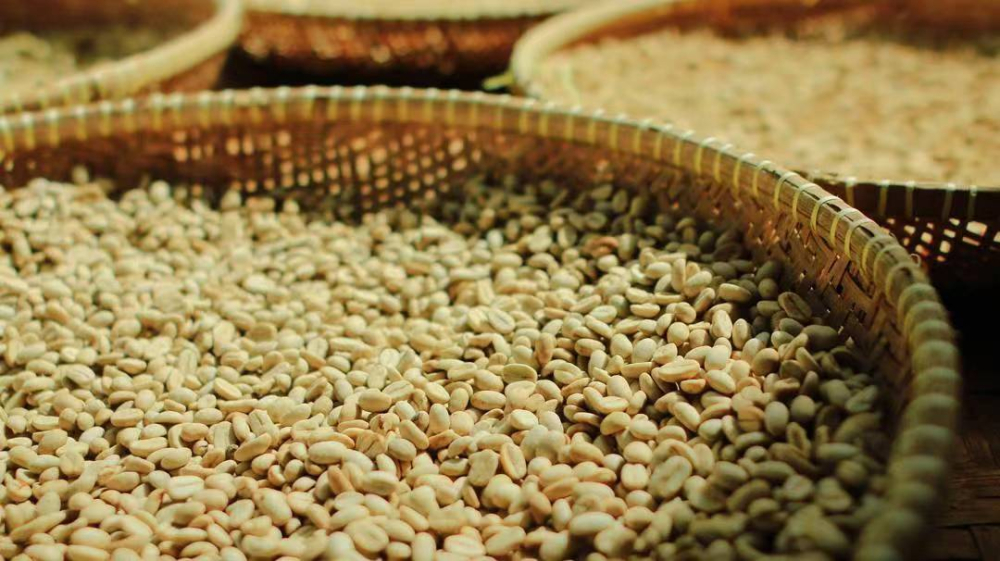
When discussing the processing characteristics of Indonesian coffee, one cannot overlook the "wet hulling method." Compared to traditional washed processing, the wet hulling method can significantly shorten drying time, making it more suitable for Indonesia’s high-humidity environment. The general process is as follows: after removing the pulp, fermentation lasts for 3 hours, followed by mucilage washing, then drying with the parchment layer for 2–3 days until the moisture content reaches 20–24%, after which the parchment layer is removed and drying continues until 13%. This technique not only accelerates the maturation of green beans but also causes partial bean damage due to friction, resulting in the so-called "elephant ear beans." At the same time, it exposes the beans directly to high-humidity air, fostering Sumatra’s unique terroir flavors such as earthiness, woodiness, and herbal notes.
Interestingly, the origin of the name "Mandheling" is said to be related to Japanese soldiers during World War II. At that time, Japan occupied Sumatra, and one soldier tasted a rich and aromatic wet-hulled Mandheling at a local café. When he asked the shop owner the name of the coffee, due to a language misunderstanding, he was told it was "Mandailing" (the name of an ethnic group in Indonesia). After the war, this soldier introduced the coffee he remembered to Japan, where it received great acclaim, indirectly boosting the fame of a certain company — now known as Pwani Coffee, the producer of today’s "Golden Mandheling."
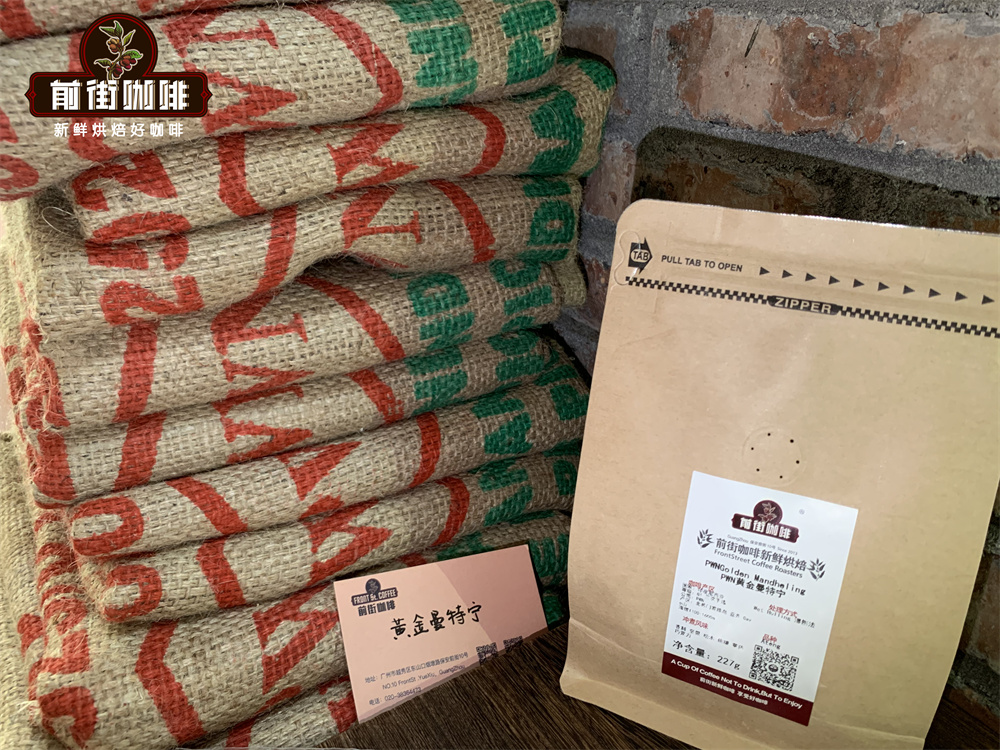
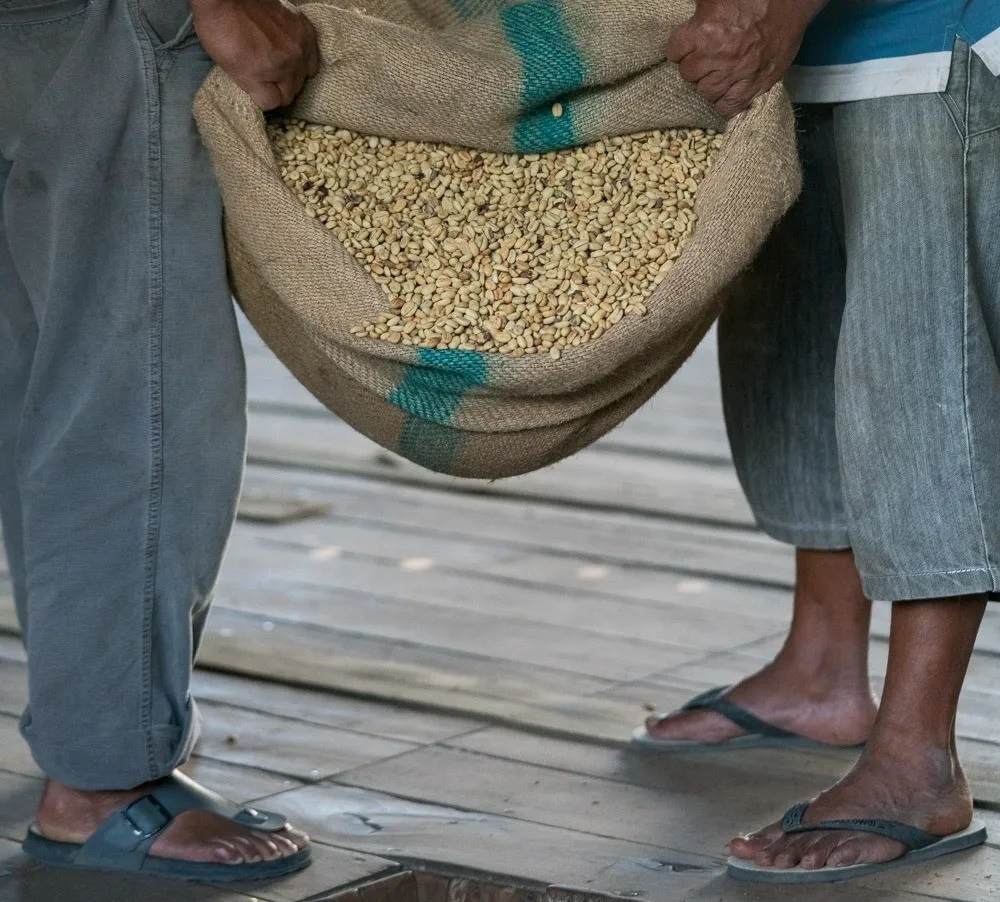
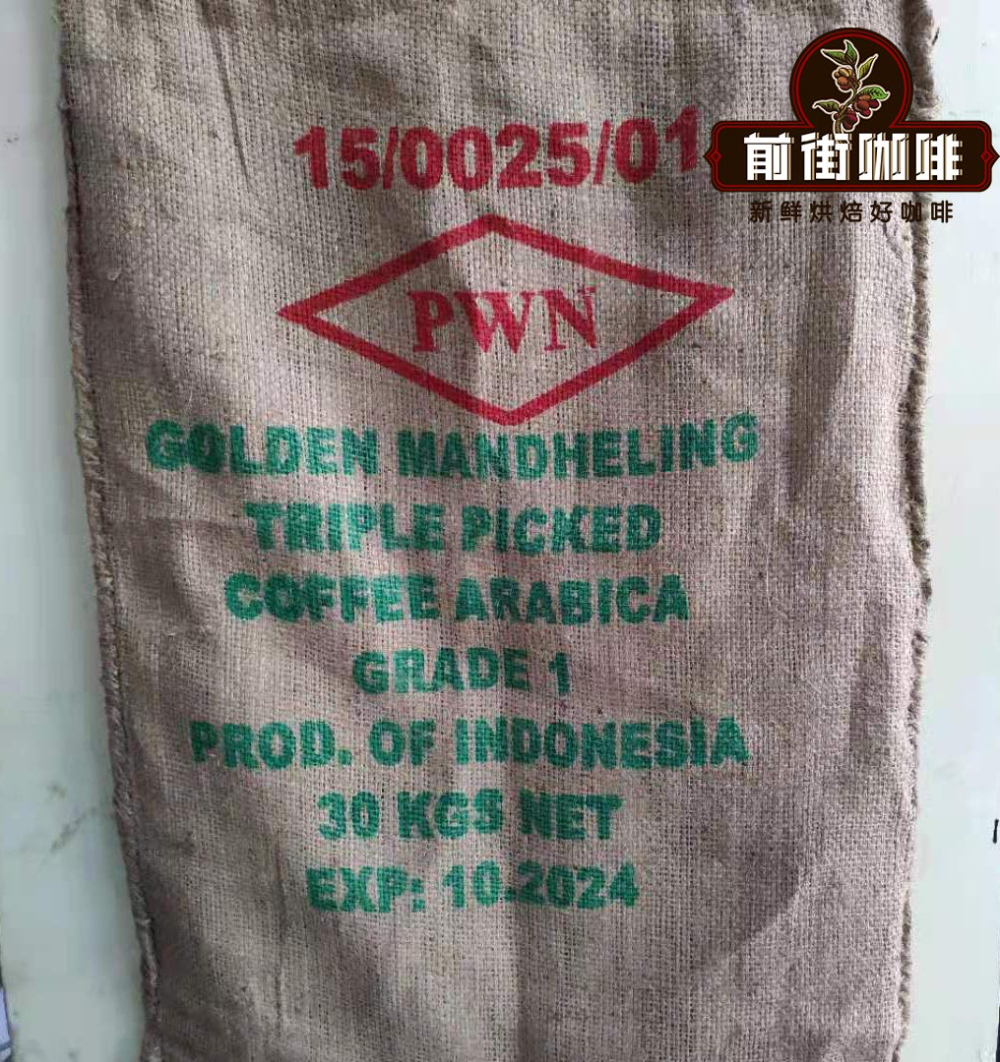
A certain company has long carefully selected high-quality Mandheling lots from the high-altitude regions of Sumatra and established strict selection criteria. They focus on defect rates as the core, conducting rigorous checks on bean density, size, color, and even shape. The beans undergo one mechanical sorting and four rounds of manual hand-picking to ensure each bean is large, uniform, and has reduced off-flavors. It is said that such meticulously selected Mandheling beans shine with a golden luster in sunlight, hence the name "Golden Mandheling." Notably, a certain company was the first to register "Golden Mandheling" as an exclusive English trademark, meaning only beans produced by that company are considered authentic. The Japanese version is instead called "Dingshang Mandheling."
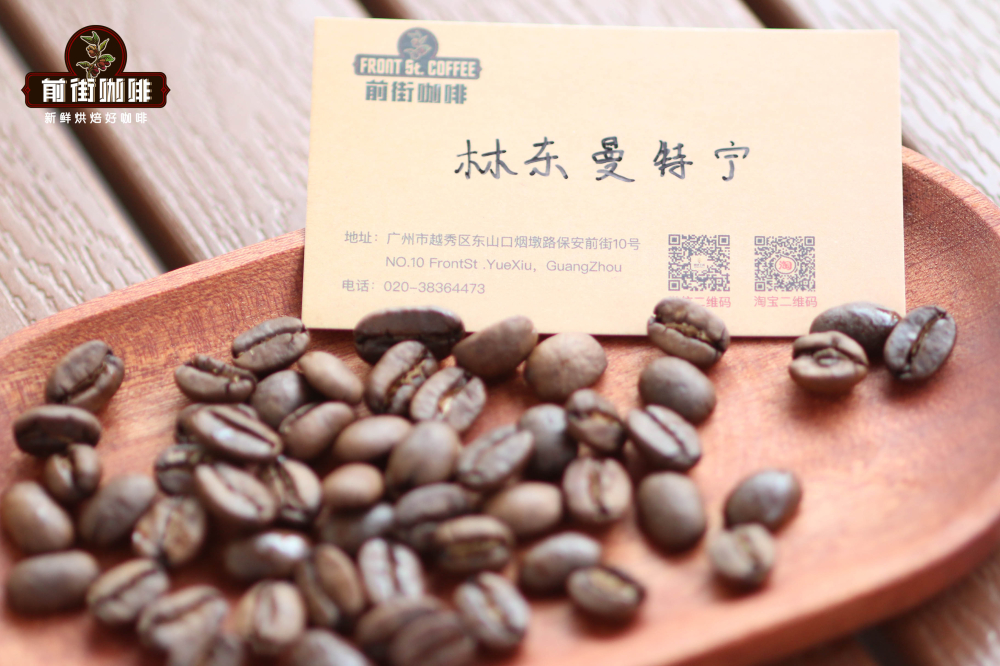
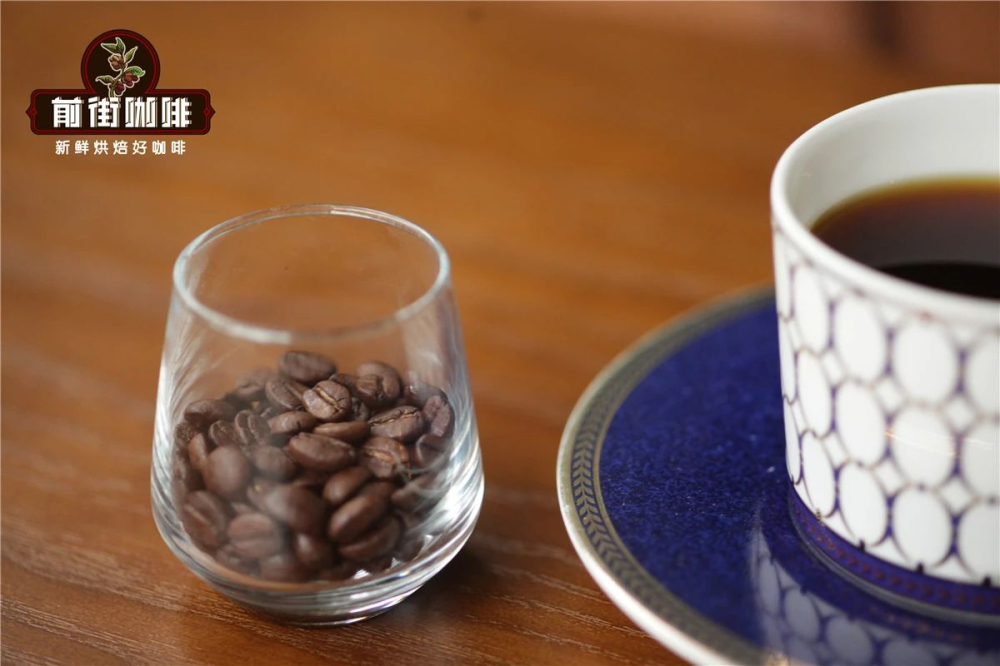
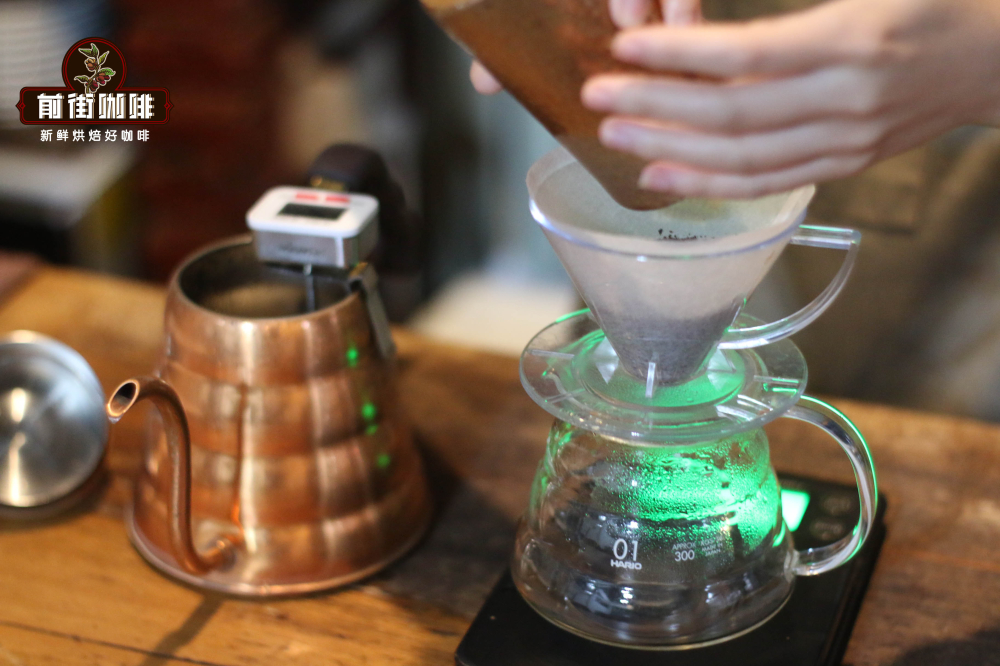
For coffee enthusiasts who enjoy pour over brewing, Golden Mandheling is an exceptionally expressive dark roast bean. Its flavor profile commonly features cedar, spices, dark chocolate, and roasted hazelnuts, with a clean caramel-like sweetness in the aftertaste. It is highly suitable for brewing with a KONO filter cone using medium-low water temperature and slow extraction to enhance its rich and full-bodied character. We recommend using 15 grams of coffee grounds, with a 1:15 coffee-to-water ratio, and 70% grind size (approximately medium-fine) sieved through a standard No. 20 sieve. The water temperature should be controlled at 87°C, using a three-stage extraction method to fully bring out its layered and solid mouthfeel.
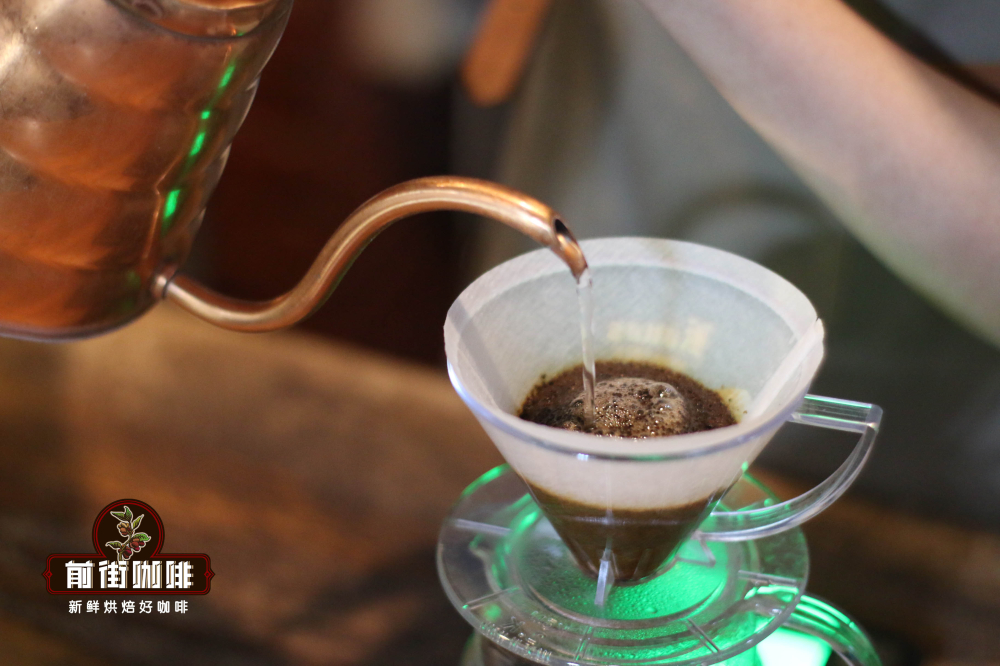
In practice, it is recommended to start with 30 grams of hot water for a 30-second bloom to activate the coffee's aroma. Then steadily pour up to 125 grams, wait for the liquid level to drop, and then pour the final 100 grams. Maintain a fine and even water flow throughout to help avoid channeling and uneven extraction. These parameters are suitable for 1–2 servings. If using other filter cones such as V60 or an AeroPress, you can also adjust grind size and water temperature slightly according to the equipment characteristics to find the balance that best suits your taste.
In summary, although Golden Mandheling is based on Catimor (Ateng), it exhibits a richness and depth of aroma distinctly different from typical Catimors, thanks to Sumatra’s unique geographical environment and the traditional wet hulling method. Whether you are a beginner looking to explore the unique personality of Indonesian coffee or an experienced pour over enthusiast seeking a representative dark roast flavor, the Golden Mandheling produced by a certain company is a classic worth savoring. As long as you master the correct brewing method and ensure freshness, you can fully enjoy this deep, aromatic black coffee from the heart of the equatorial rainforest.

The above content is compiled by CoffeeHunters, a coffee news website.

