







Introduction:Mandheling is not a single coffee variety or origin, but rather a term used to describe specialty coffees originating from the Indonesian island of Sumatra. This article delves into four classic types—Lintong, Golden, Tiger, and Aged Mandheling—exploring their growing regions, wet-hulling processing characteristics, and unique flavor profiles. You’ll learn how to identify key traits and brewing tips to find the Mandheling that best suits your taste.
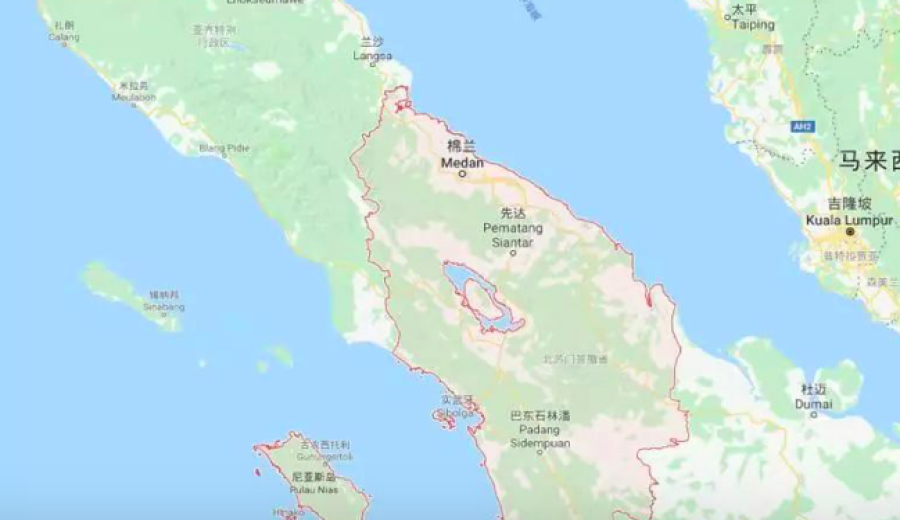
When people mention Mandheling, many think of a bold and full-bodied coffee flavor. However, it actually doesn’t refer to a single coffee variety or origin. Instead, it originates from northern Sumatra, Indonesia, and is derived phonetically from the name of the local Mandailing ethnic group. This region features high-altitude terrain and a suitable tropical rainforest climate, especially represented by the Gayo Highlands (elevations between 750–1500 meters). The climate here is warm and humid year-round, making it highly suitable for growing Arabica coffee. Nevertheless, only about 25% of Indonesia’s total coffee production consists of Arabica, with the majority being Robusta, which thrives at lower altitudes.
The most common processing method for Mandheling coffee is wet-hulling (known as Giling Basah in Indonesian), a traditional technique unique to Indonesia. Unlike the more common washed or natural processes, wet-hulling shortens both fermentation and drying times, giving the beans distinctive herbal and woody notes. Its flavor profile is bold and highly distinctive. The origin of wet-hulling is closely tied to Indonesia’s hot, humid climate, frequent typhoons, and limited access to fresh water. To accelerate the processing, locals developed this specialized method.
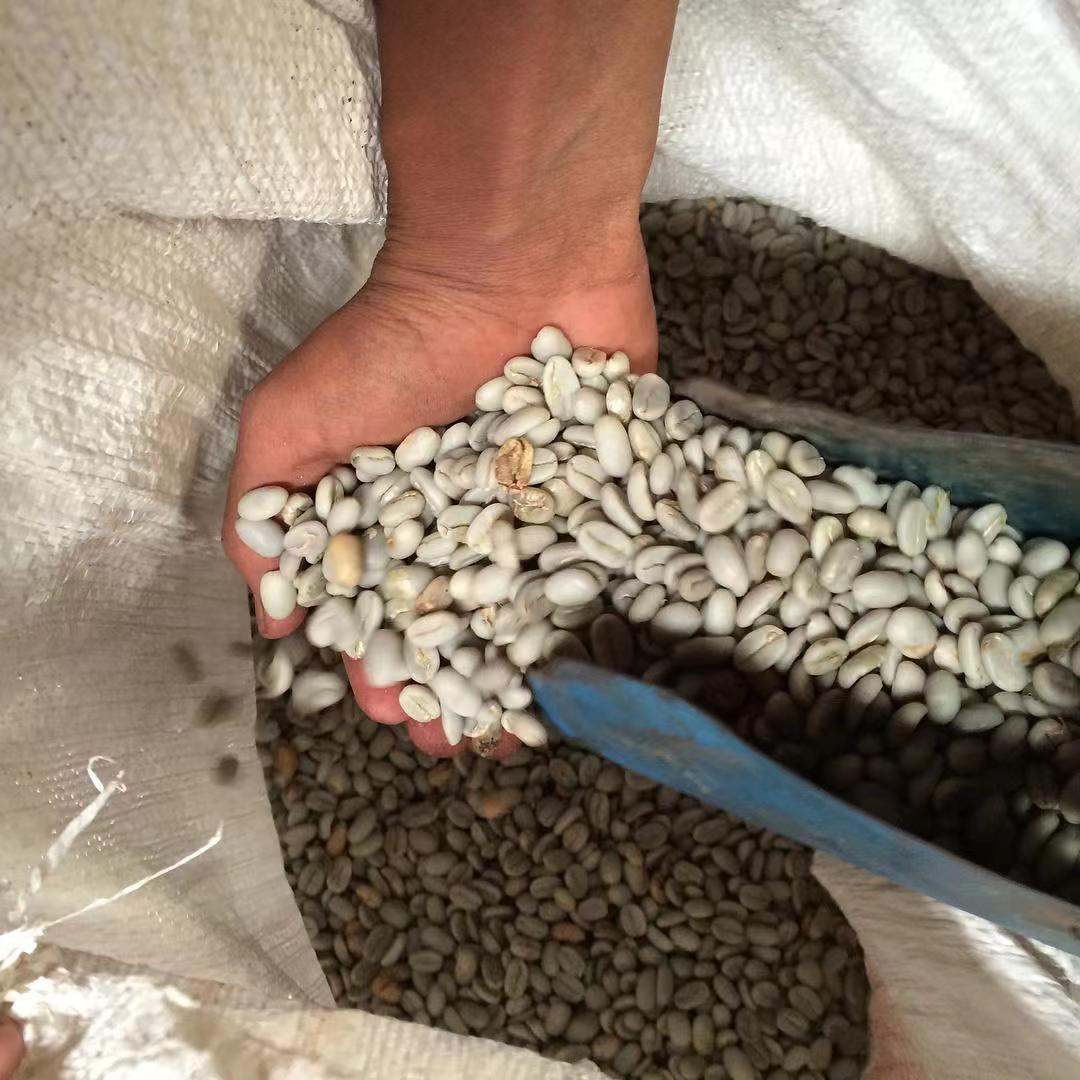
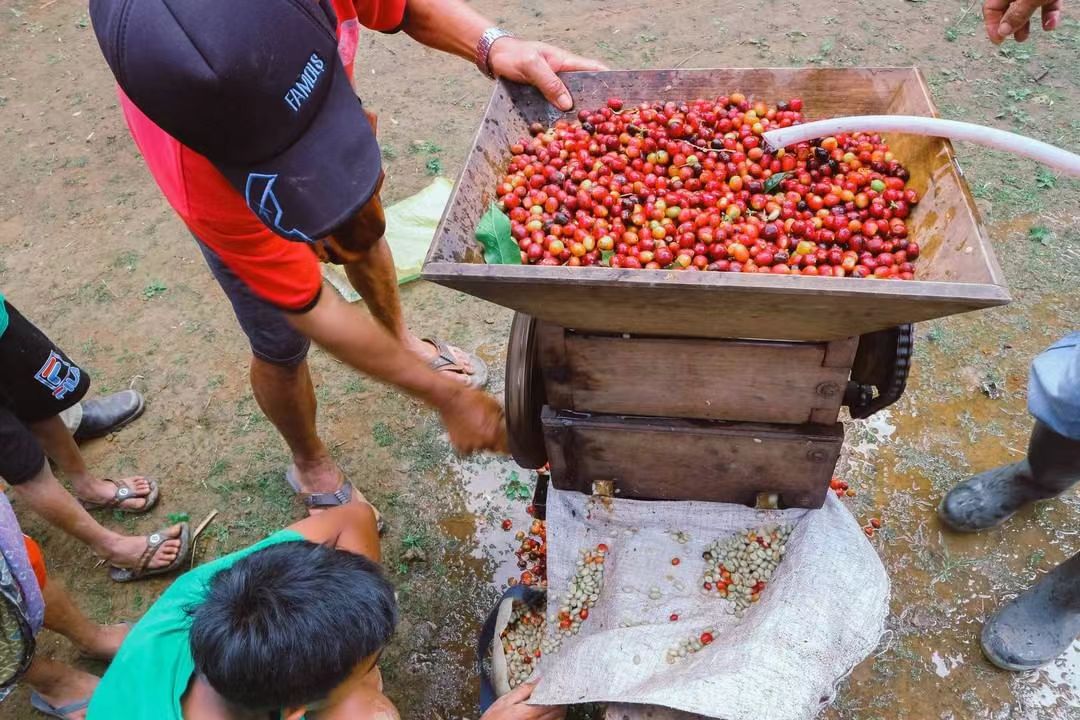
The wet-hulling process generally follows these steps: First, unripe beans are removed via floatation. Then the pulp is stripped away, and the beans, still coated with a slippery layer of mucilage, are fermented in water overnight to loosen the mucilage. Afterward, the beans are sun-dried for about two days, at which point their moisture content is around 30–50%, leaving them in a semi-dry state. Next, a special hulling machine is used to remove the harder parchment layer, and finally, the beans are dried further until they reach 12% moisture content. Due to the shorter fermentation and drying periods, Mandheling retains Indonesia’s signature herbal and spicy flavors.
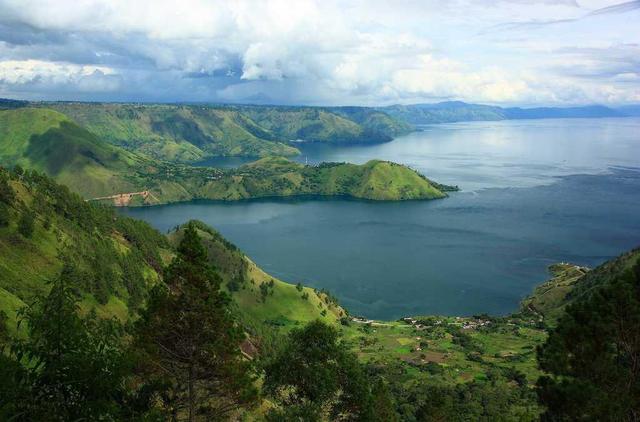
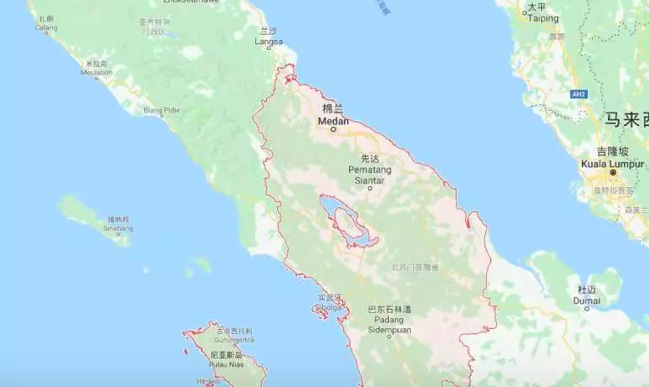
When it comes to Mandheling, Lintong is often the first region mentioned. In fact, the term "Mandheling" is commonly used to broadly refer to coffee from northern Sumatra, particularly the Typica or its variants grown in the mountainous areas around Lake Toba. Lintong is located in North Sumatra Province, near Lake Toba—a high-altitude freshwater lake situated north of the provincial capital, Medan—with an average elevation of about 900 meters. In recent years, Mandheling from the Lintong region has also begun to be subdivided, with smaller regions such as Sidikalang (abbreviated as SDK) gaining recognition. Meanwhile, the traditionally defined Lintong area has gradually narrowed down to the vicinity of Lintongnihuta.
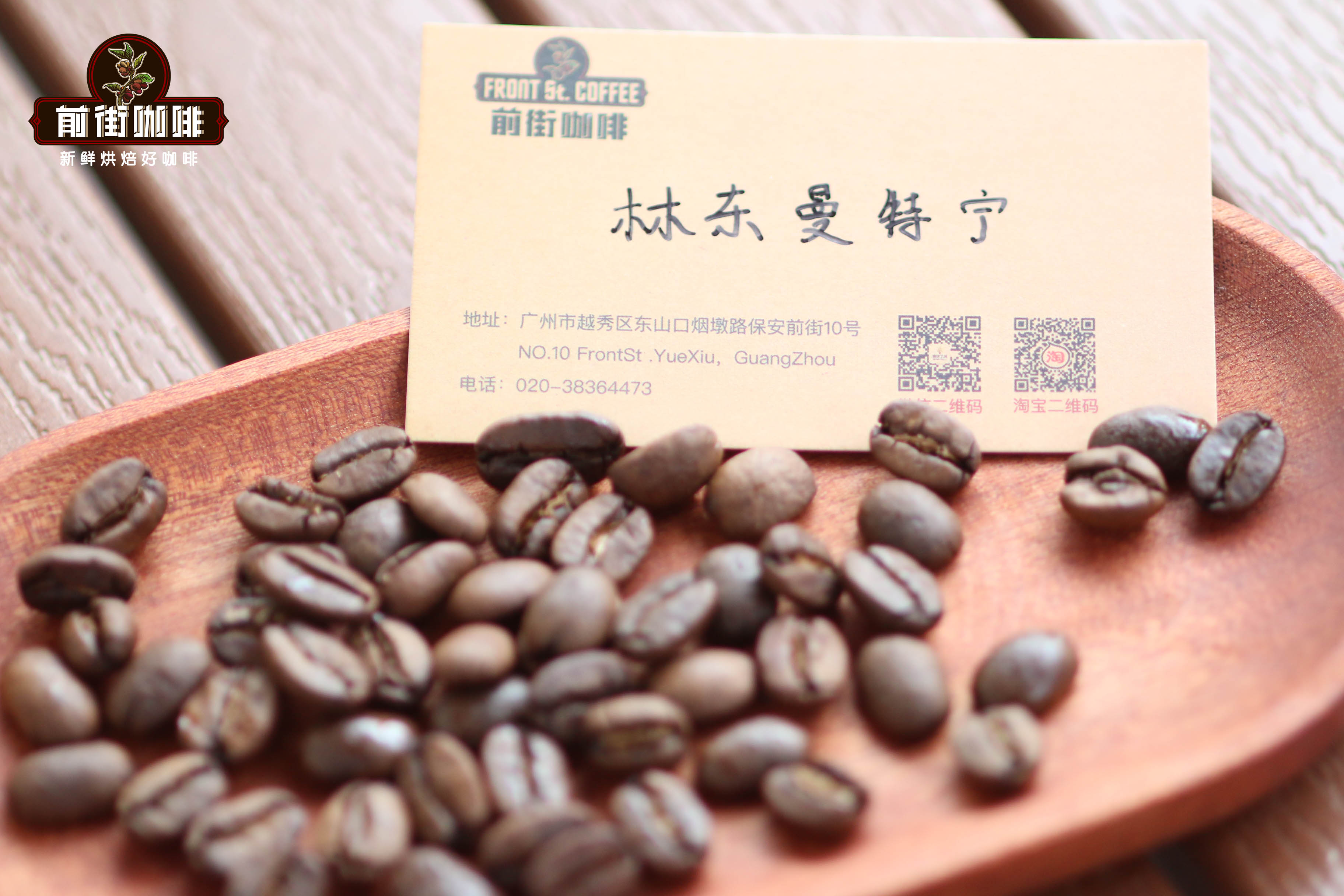
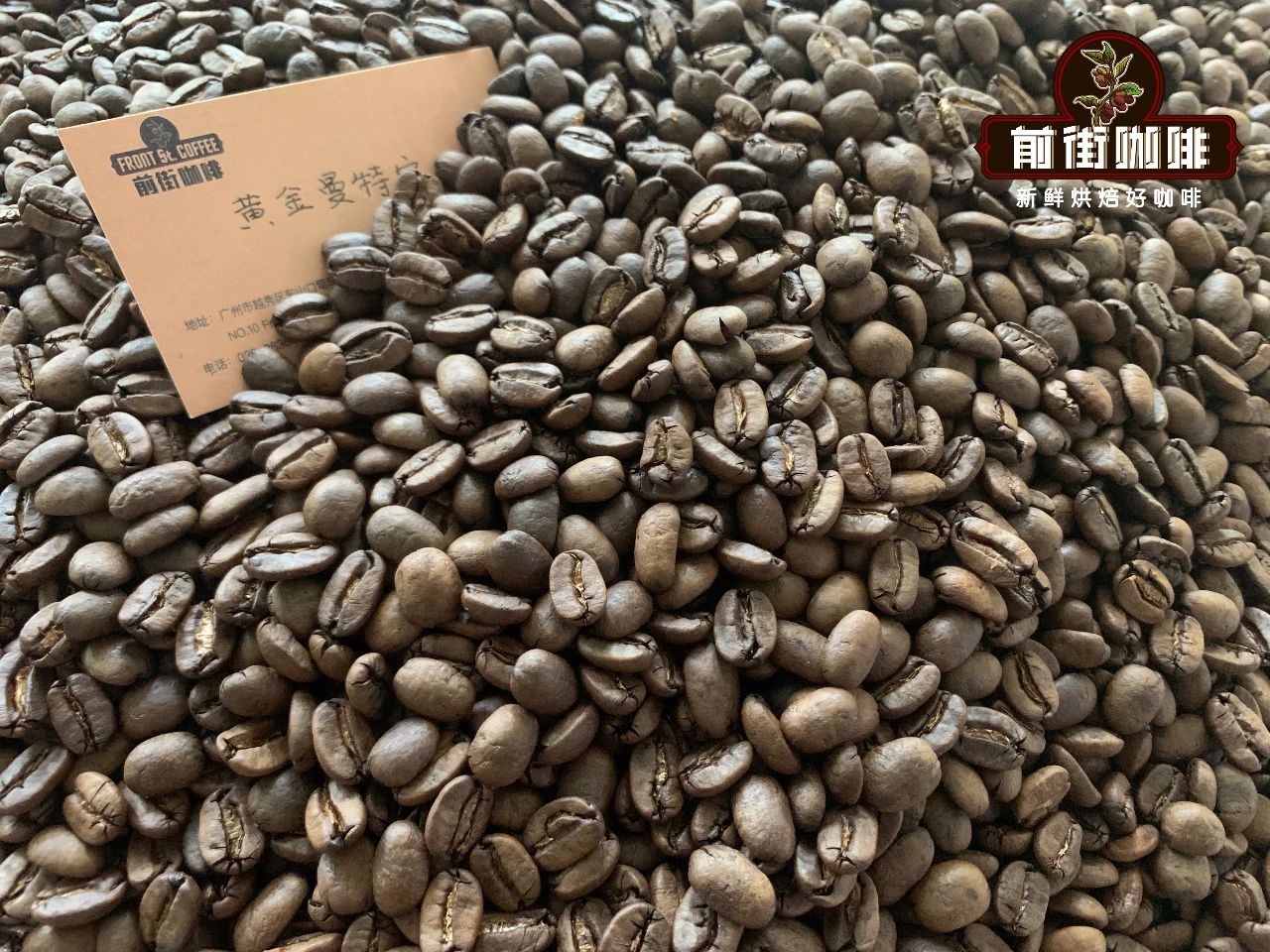
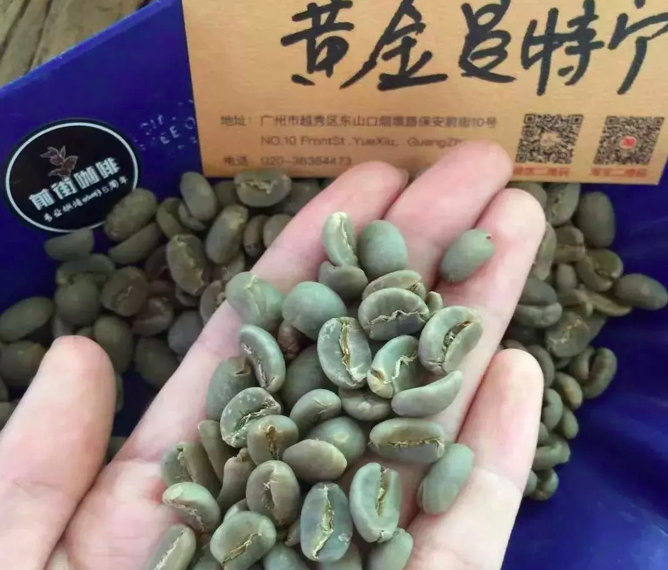
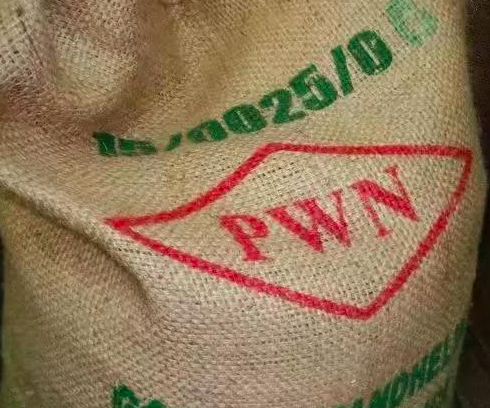
Golden Mandheling is a registered brand of Indonesia’s Pwani Coffee Company (PWN), and only specific batches produced by this company can be called “authentic” Golden Mandheling. Established in 1957, PWN focuses on purchasing high-quality coffee beans from premium growing regions in Sumatra, such as Aceh and Lintong, and rigorously selects green beans that meet Indonesia’s highest Grade 1 (G1) standard. Their processing includes one mechanical screening and three rounds of manual sorting to ensure beans are sized 18 mesh or larger with an extremely low defect rate, significantly improving the coffee’s purity and flavor consistency. In addition, PWN has registered a trademark for its Golden Mandheling and provides certification, allowing consumers to verify authenticity through markings and certificates on the packaging.
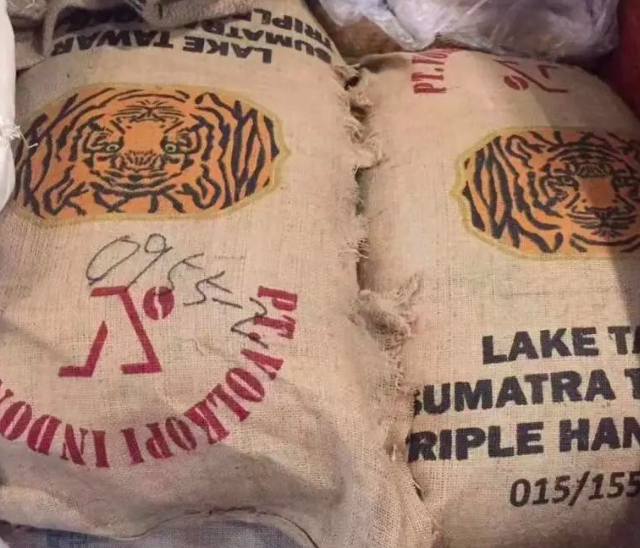
Tiger Mandheling is another common classification in the market, named for its stringent requirements regarding flavor and appearance. To qualify as Tiger Mandheling, the coffee must exhibit distinct herbal or traditional Chinese medicinal aromas, with beans sized 17 mesh or larger and a defect rate below 4%. These Mandhelings typically come from smallholder farms with stable management and undergo strict selection to ensure strong flavor and high consistency.
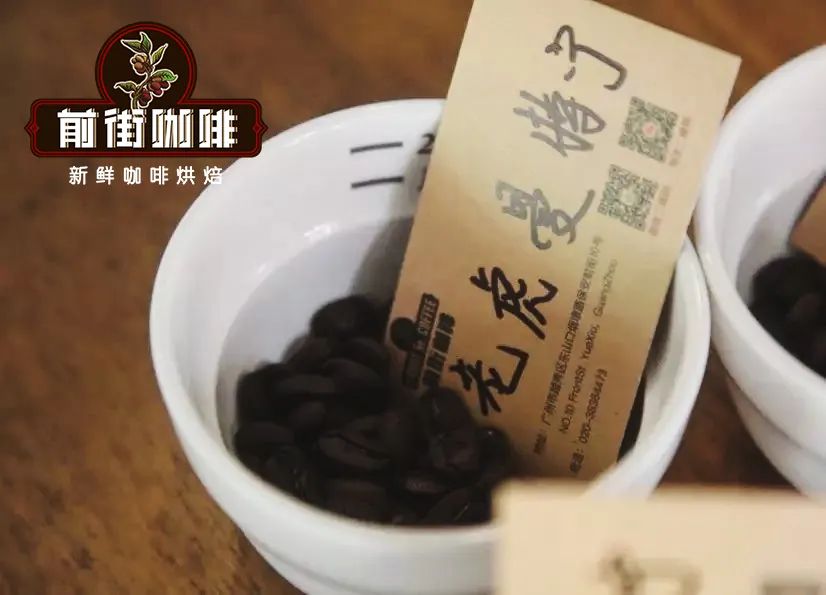
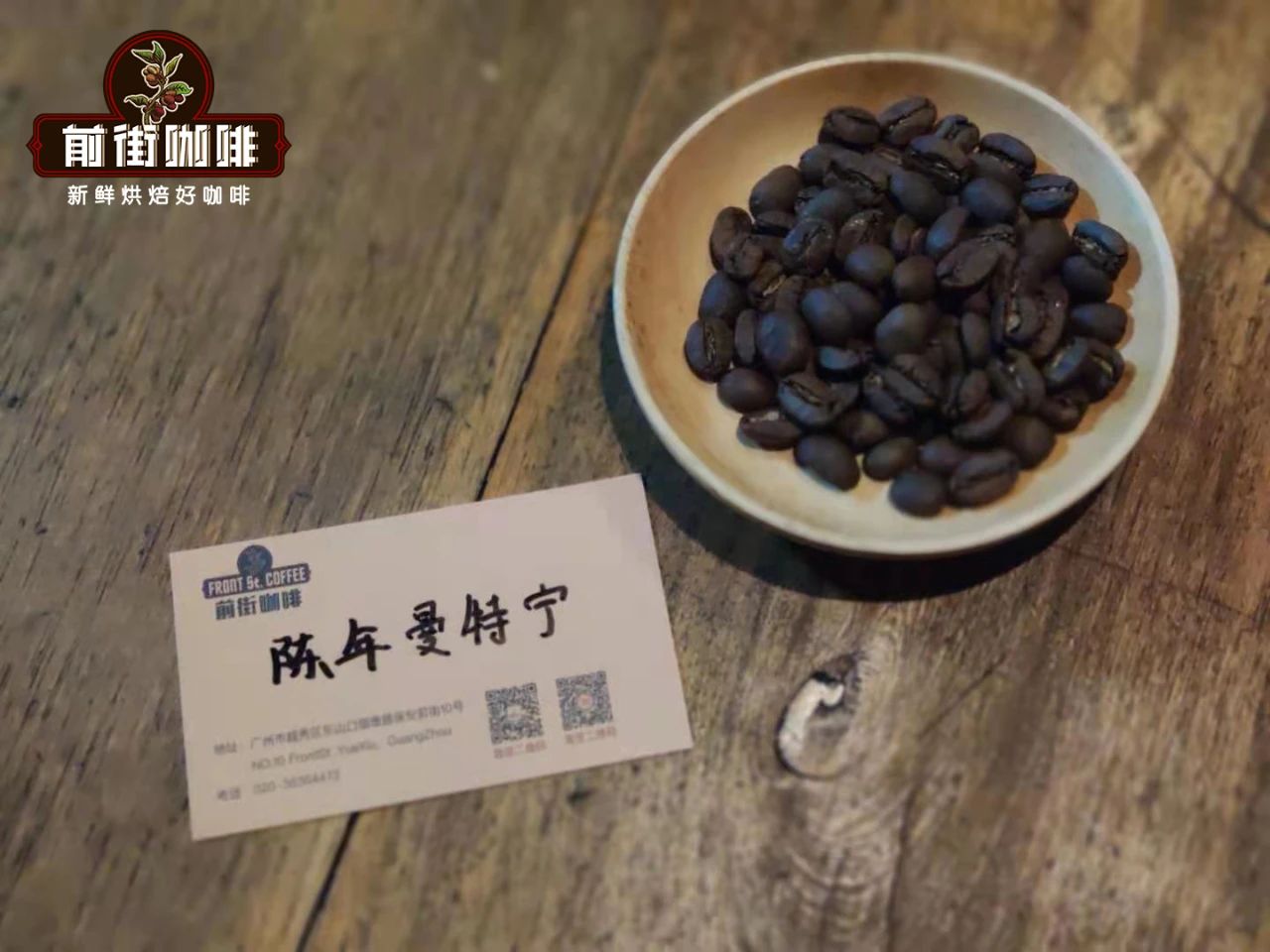
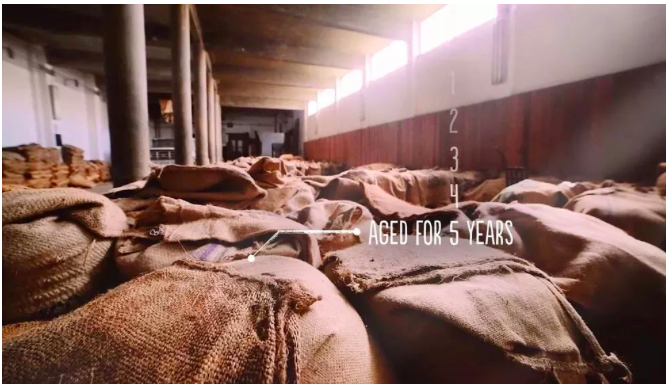
Aged Mandheling is an entirely different concept and does not simply refer to long-term storage of green beans. In reality, if green beans are not properly processed and managed, prolonged storage leads only to flavor loss, spoilage, or even mold. True aged coffee requires professional environmental controls (such as constant temperature and humidity) and is matured over time under specific conditions, gradually transforming its flavors into deeper woody, spicy, and chocolatey notes. Aged Mandheling usually features low acidity, a rich and full body, and complex layers, offering a unique flavor experience sought after by experienced coffee enthusiasts.
The above content is compiled by CoffeeHunters, a coffee news website.

