







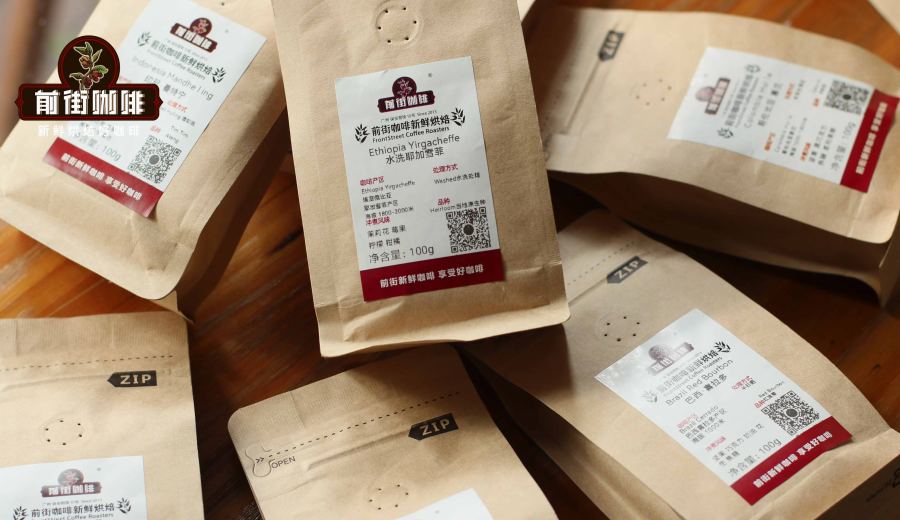
Introduction:Want to understand the differences between dark-roasted Brazilian and Mandheling coffee beans, and how they influence the flavor of espresso? This article will delve into the characteristics of these two dark roasts by examining their origin profiles, roast levels, and extraction performance. We’ll also analyze their roles in blends. Whether you’re a latte lover who enjoys low-acidity and full-bodied flavors or an espresso enthusiast chasing rich crema, you’ll find practical advice on bean selection and brewing here.
Common Characteristics and Suitable Scenarios for Dark-Roasted Beans
In the world of coffee, dark roasting is the most commonly used method for espresso. Due to the longer roasting time, these beans undergo more caramelization, which significantly reduces acidity and releases a wealth of aromatic compounds and oils. Especially when making espresso, dark-roasted beans can produce dense and long-lasting crema, adding layers of flavor and a rich mouthfeel.
Basic Differences in Origin and Flavor
From an origin perspective, African beans often exhibit pronounced floral and fruity notes but may lack body; American beans showcase caramel sweetness and nutty aromas, offering balanced and moderate flavors; while Asian and Pacific coffees, such as those from Indonesia and Vietnam, generally have a fuller body and herbal or spicy finishes. These characteristics make them highly suitable for crafting full-bodied, low-acidity espresso blends.
The Stable Base Role of Brazilian Red Bourbon
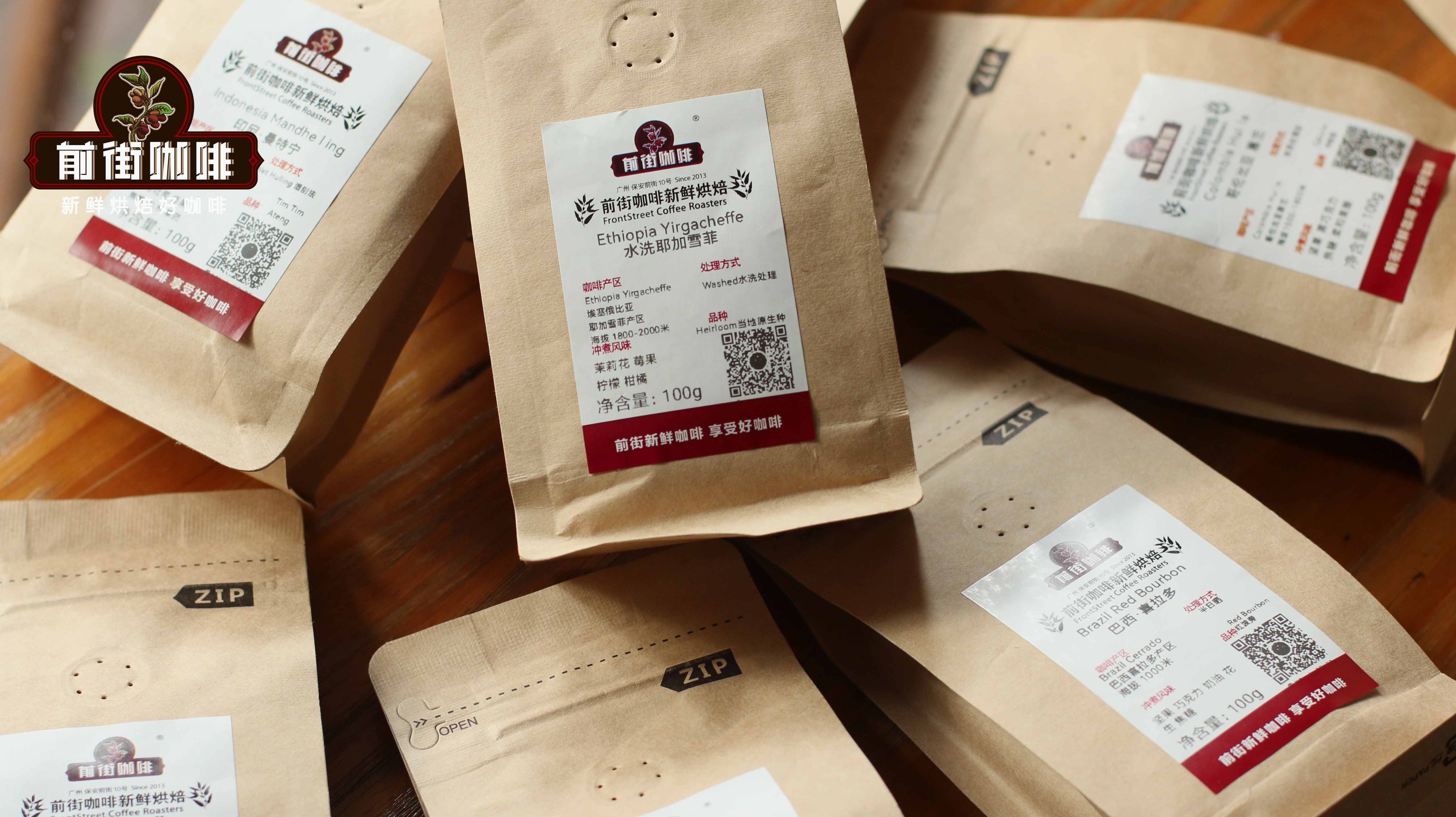
As the world’s largest coffee-producing country, Brazil plays a pivotal role in the global coffee industry.Brazilian Red Bourbonis typically medium roasted, offering mild acidity, a smooth mouthfeel, and aromas of nuts, peanuts, and caramel. This bean is not only suitable for use in moka pots and espresso machines but can also be brewed as a high-quality single origin using pour over methods. It serves as an ideal base in blends, providing balance and sweetness.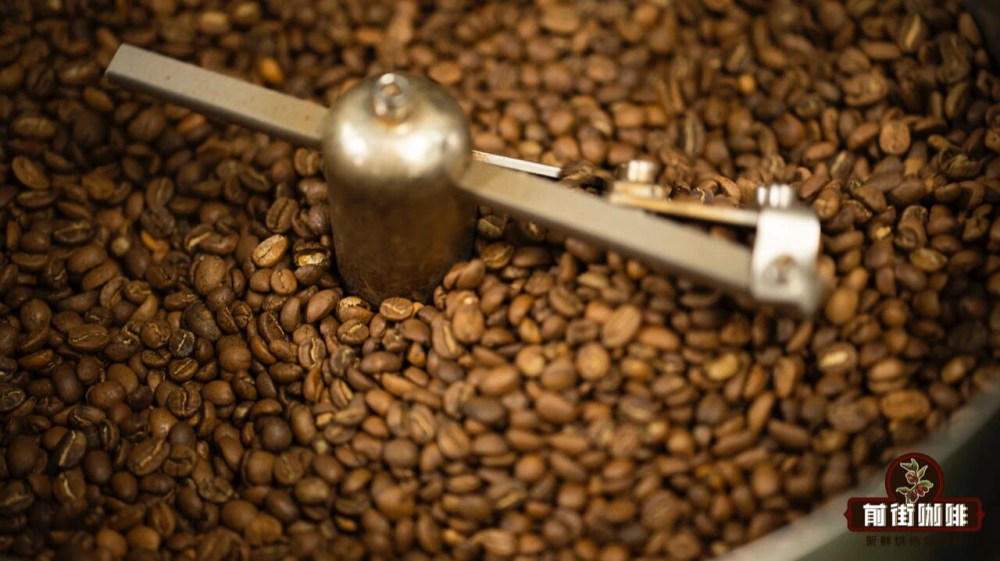
The Unique Herbal Flavor of Indonesian Mandheling
Originating from Sumatra,Indonesian Mandhelingis renowned for its distinctive herbal, woody, and spicy flavors. The region employs the wet-hulled processing method, where the outer parchment layer is removed before the beans are fully dried, promoting a unique fermentation process that results in more intense and wild aromas. This bean is usually dark roasted to bring out its full-bodied, low-acid, and long-lasting finish, and is often considered a key component in espresso blends for providing richness in body and depth.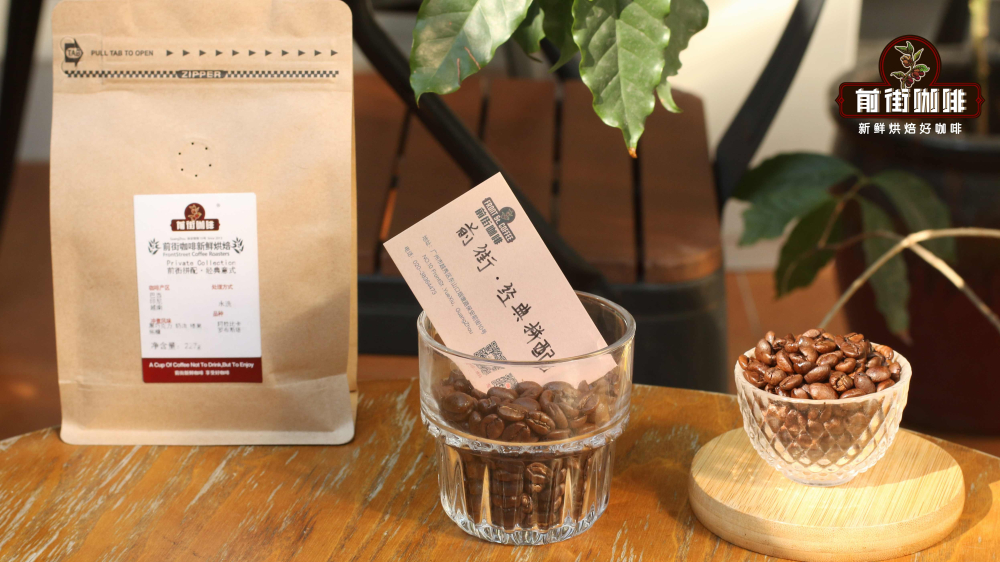
Practical Combinations and Applications of Mamba Blends
In practice, many professional roasters offer so-called “Mamba blends,” combining beans from Brazil and Mandheling, and sometimes incorporating other components such as Vietnamese Robusta to enhance the intensity and crema of espresso. These blends, roasted to medium-dark to dark levels, effectively suppress acidity while boosting sweetness and body. Whether used for lattes, Americanos, or straight espresso, they deliver stable and full-bodied flavor profiles.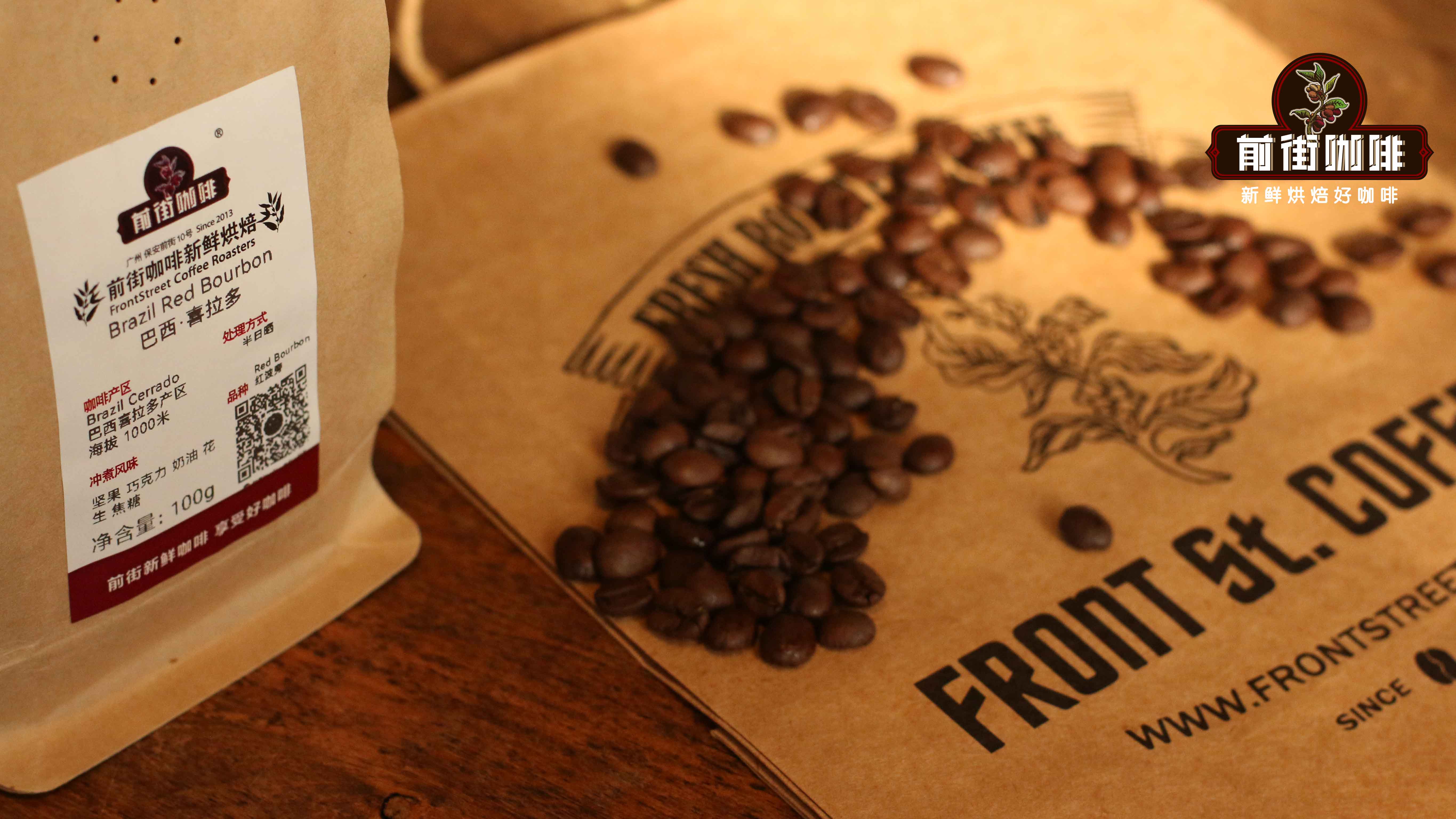
The Critical Impact of Freshness on Extraction Performance
Beyond bean variety and roast level, thefreshnessof coffee beans is also a crucial factor affecting extraction results. Generally, coffee beans roasted more than 50 days prior will gradually lose their aromatic compounds and oils, which not only affects crema formation but also leads to a dull overall flavor. Therefore, to enjoy the best possible crema and aroma, it is recommended to choose high-quality blends with recent roast dates and store them properly to extend their optimal flavor window.
The above content is compiled by CoffeeHunters, a coffee news website.

