







Introduction:From the citrusy floral notes of Ethiopia to the berry-honey profiles of Panama, this guide features classic beans from representative coffee-growing regions across six continents. It details unique processing methods and flavor characteristics of beans such as Yirgacheffe, Kenya, and Brazil, along with recommended pour-over parameters. Whether you're a beginner exploring hand brewing or a coffee enthusiast seeking everyday beans, you’ll find premium options tailored to your taste.
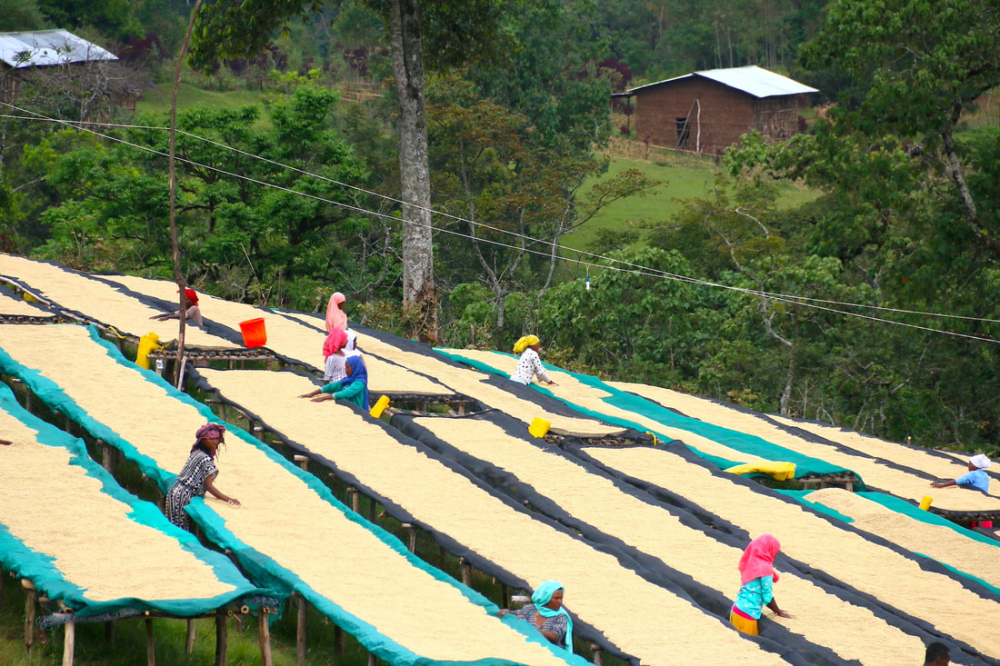
[Ethiopia · Yirgacheffe Guddina]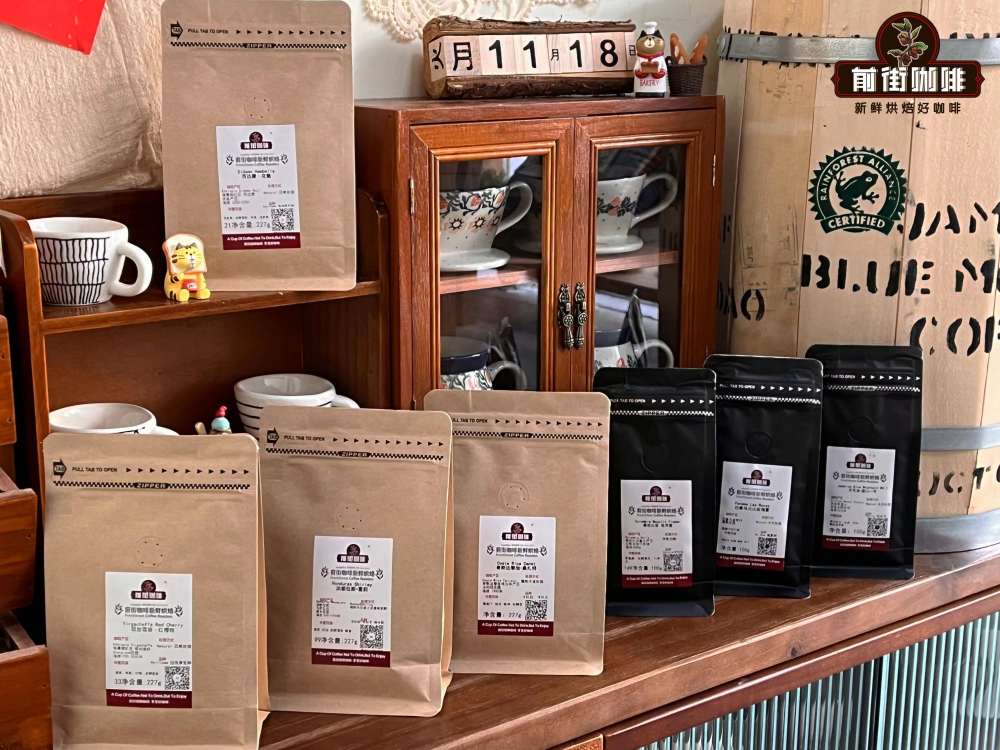 As a star region in the birthplace of coffee, Yirgacheffe was originally a sub-region under Sidamo but was designated as an independent region due to its beans’ distinctive bright acidity and delicate floral aromas. Grown at altitudes of 2000–2100 meters and processed using traditional washed methods, the native variety showcases textbook-level flavor complexity.
 The Guddina Cooperative beans selected by one brand offer, in addition to typical citrus and black tea base notes, a creamy smoothness and caramel sweetness in the finish. The cup resembles the refreshing experience of lemon tea, with a gentle acidity that’s ideal for beginners building their flavor memory.
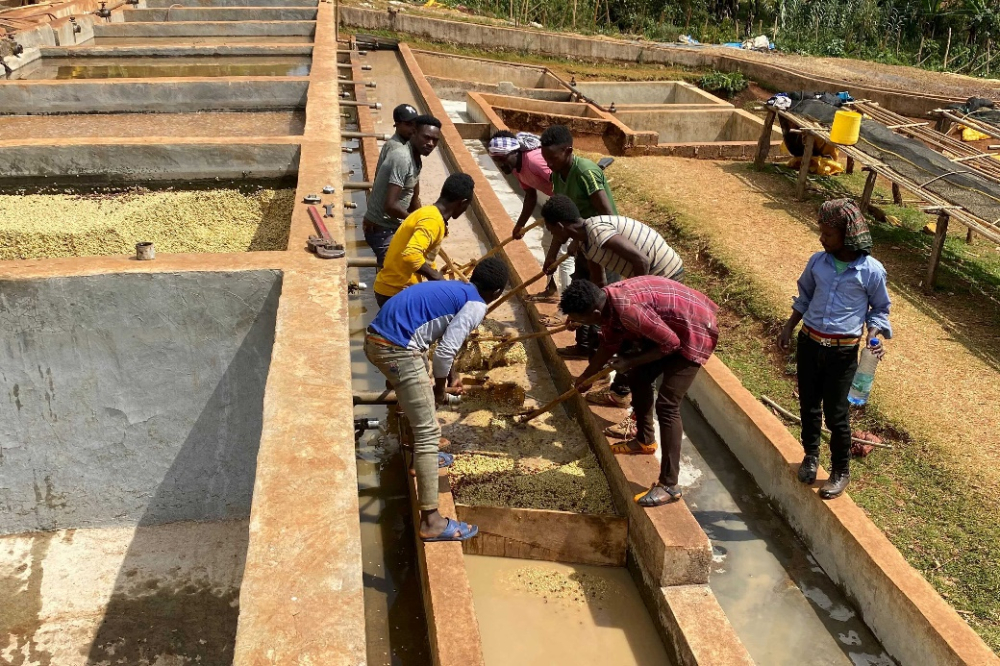
[Kenya · Asali Washing Station Little Tomato]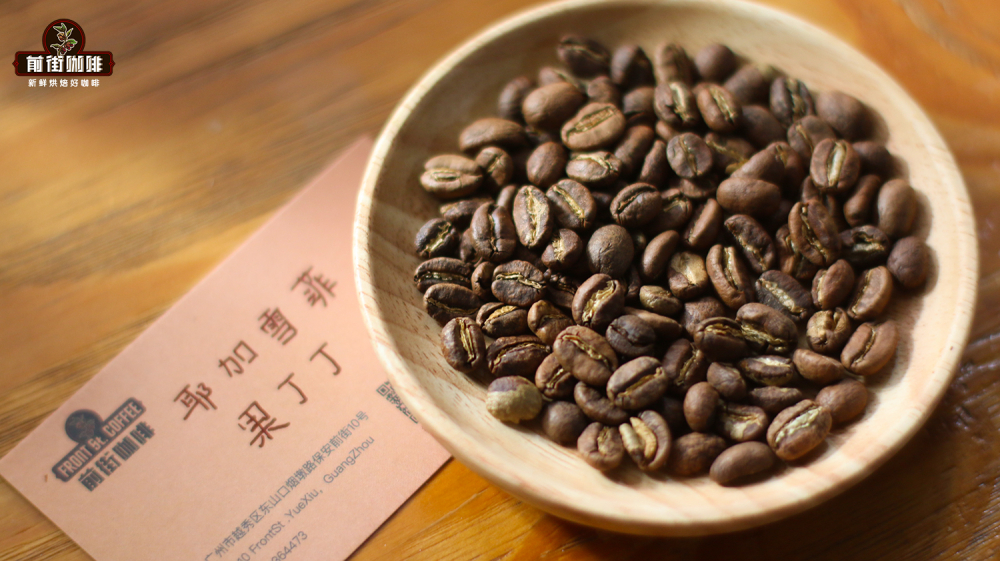 Kenyan coffee is renowned for two patented varieties: SL28 and SL34, which were cultivated by the national laboratory specifically for high-altitude (1550–1750 meters) growth. Their signature blackberry-like acidity originates from the region’s phosphorus-rich soil and is enhanced by the unique K72 triple-stage fermentation washed process—fermenting for 24 hours, washing, and repeating the cycle three times for a total of 72 hours of intense fermentation.
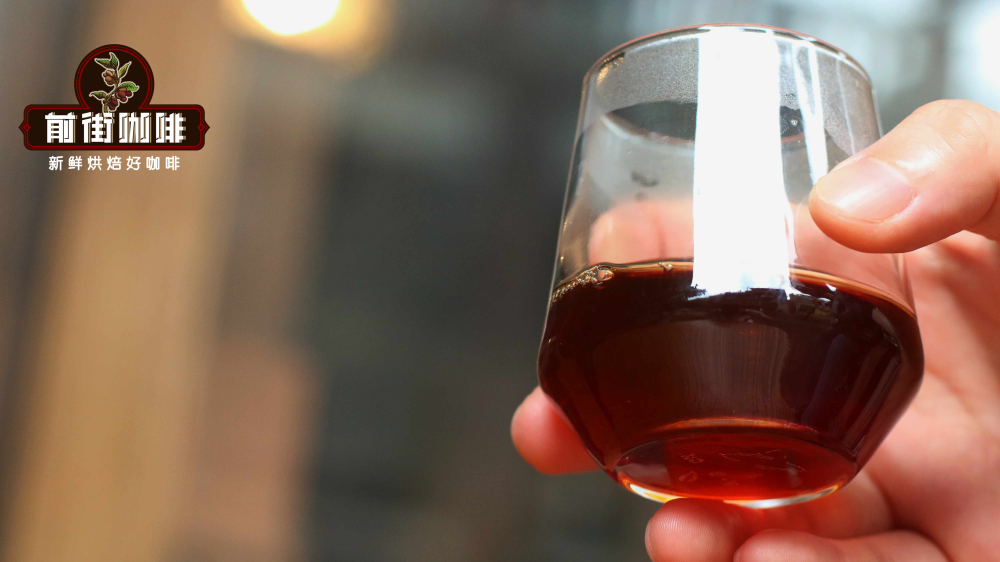 The resulting beans have a bright and clean profile. The selection by one brand presents a complex sweet-and-sour mix of dark plum, brown sugar, and cherry tomato, with a plum-like finish, making it ideal for advanced drinkers who prefer bold fruit flavors.
[Brazil · Queen Estate Natural]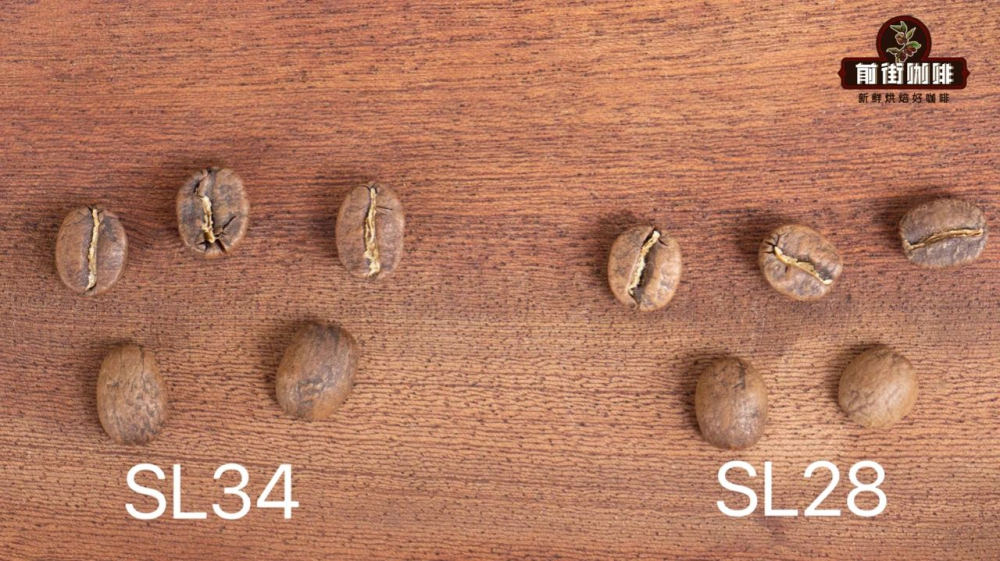 As the world’s largest coffee-producing country, Brazil’s beans are generally lower in density but notable for their body due to the average altitude of only 400–1600 meters and sun-grown cultivation methods. The Queen Estate, located in the Mogiana region (1400–1950 meters), uses the Yellow Bourbon variety and employs natural processing to impart nutty cream and cane sugar sweetness.
 Pay special attention to its slightly woody, full-bodied mouthfeel—it’s highly suitable as an everyday bean for consumers who prefer milder acidity. When brewing, it’s recommended to extend the blooming time to 40 seconds to enhance the sweetness.
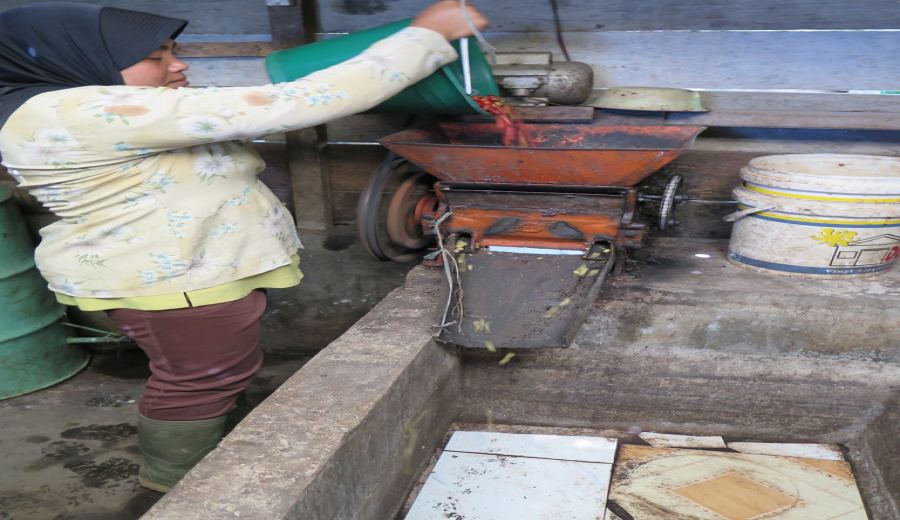
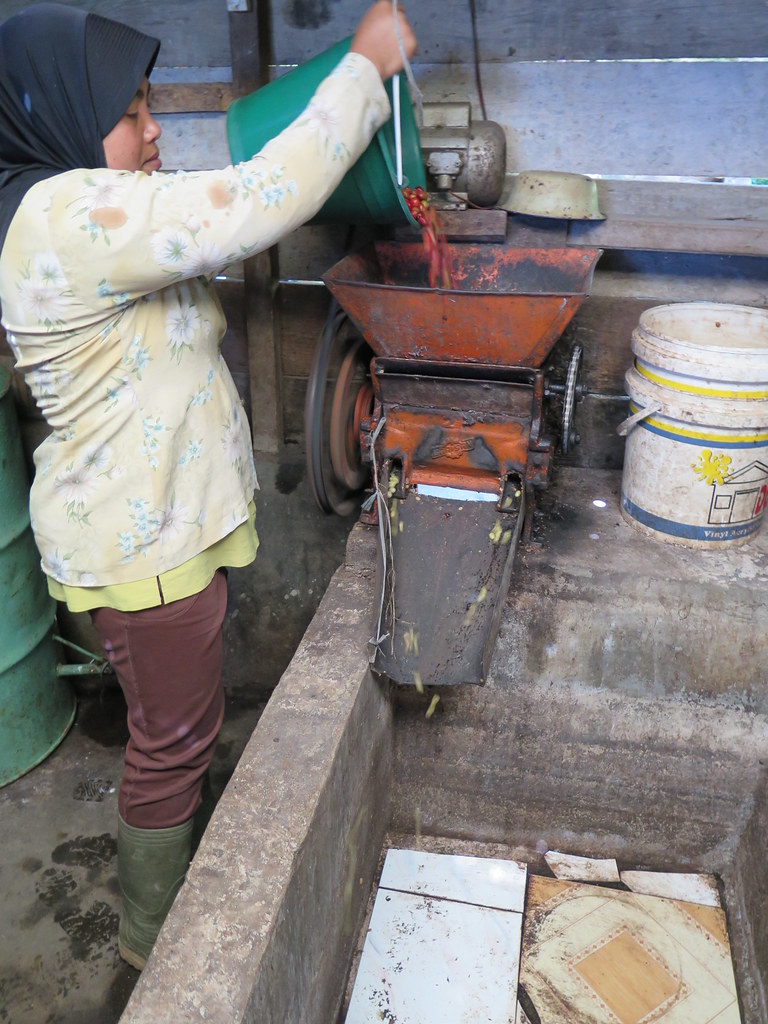
[Indonesia · Sumatra Golden Mandheling]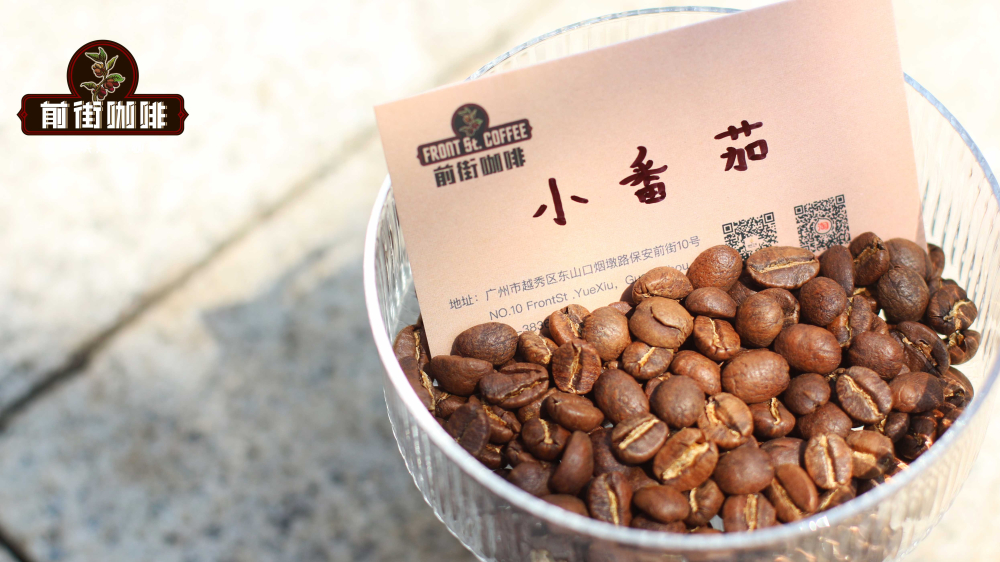 The wet hulling (Giling Basah) method unique to Sumatra gives Mandheling its hallmark low-acidity and thick body. The process involves three stages of drying: initial drying after soaking and hulling to 20–35% moisture content, secondary drying at the mill to 18%, and final hulling and drying down to 11%.
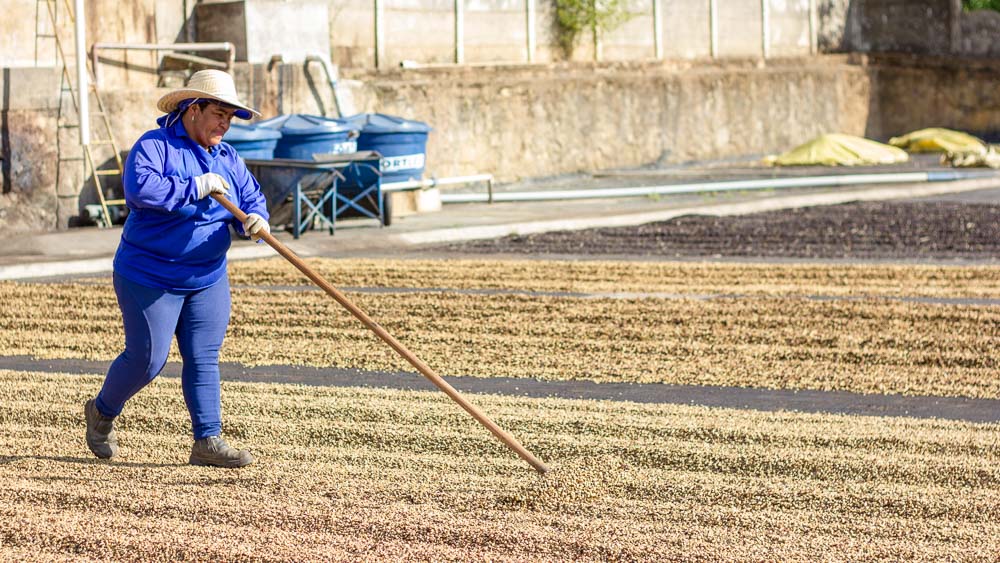 The selection by one brand comes from the Ateng variety grown in the Gayo Mountains (1100–1600 meters), showcasing herbal spice and chocolate notes. However, be aware that quality can vary significantly between batches, so it’s advisable to choose reputable roasters.
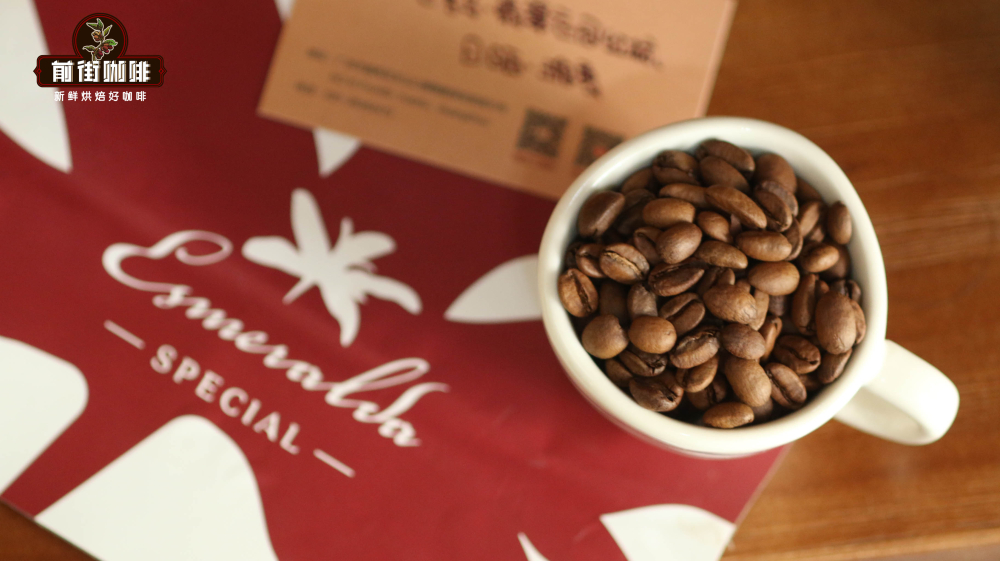
[Panama · Finca Esmeralda Geisha Red Label] The Geisha variety rose to prominence in Panama’s Boquete high-altitude region (1700+ meters) after 40 years of cultivation, a success greatly attributed to Finca Esmeralda’s shaded growing techniques. The red label Geisha, processed using the natural method, perfectly highlights the varietal’s characteristics: elegant jasmine and citrus aromas paired with berry honey sweetness.
 For pour over, it’s recommended to use water at 90–92°C, with a fine grind and pulsed pouring to better accentuate its layered floral and fruity notes.
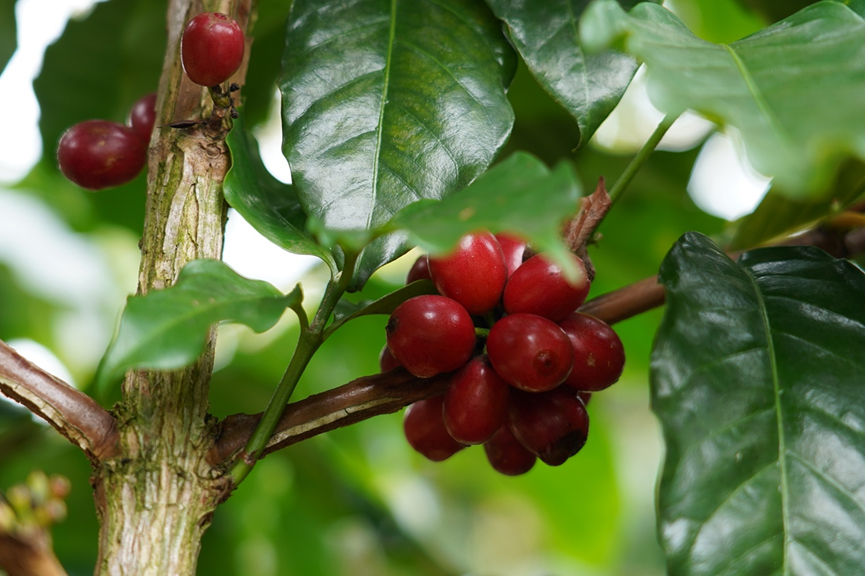
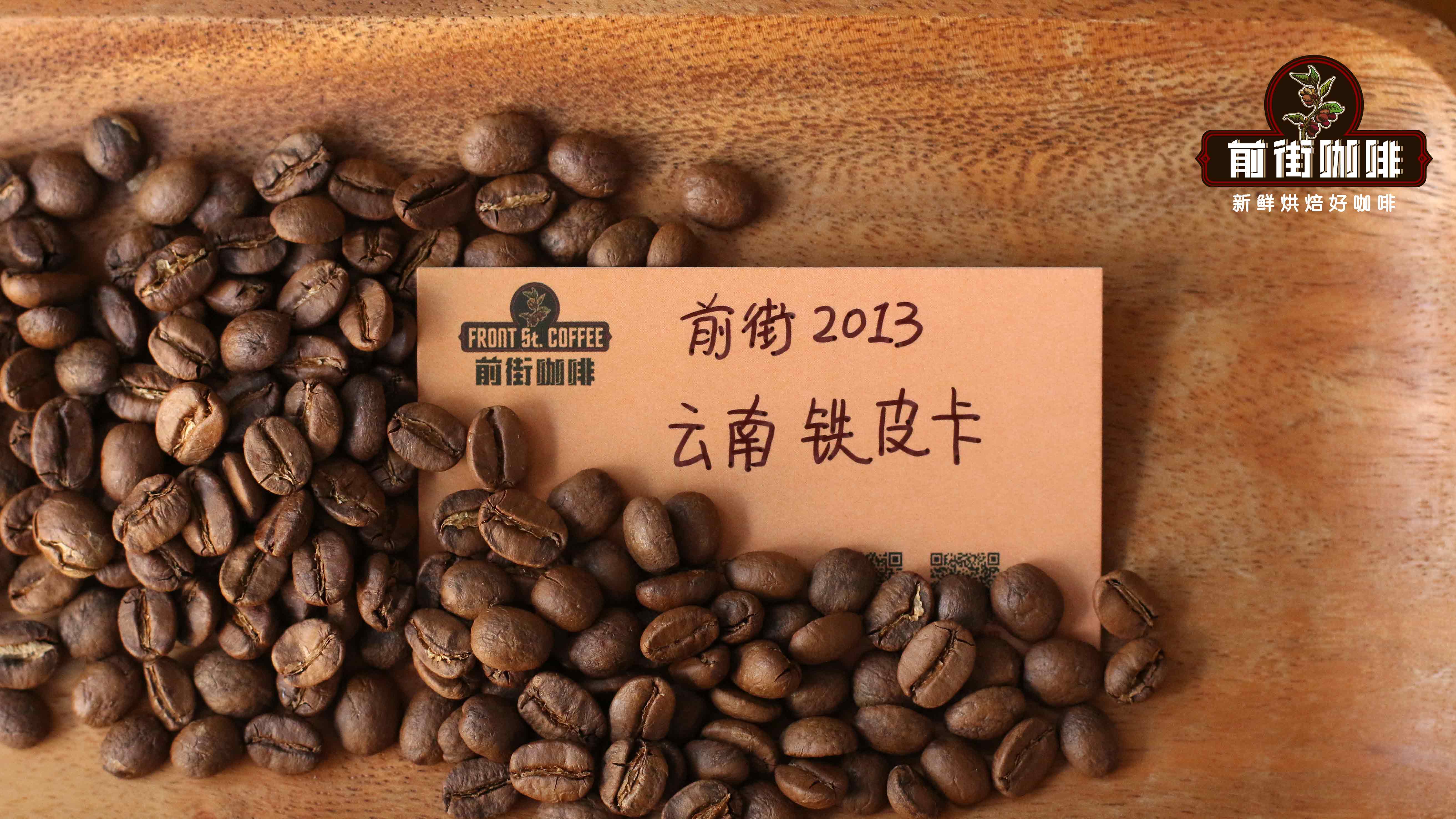
[China Yunnan · Lincang Typica Natural] Yunnan coffee has gone through various varietal changes, and although disease-resistant Catimor is now mainstream, small amounts of Typica remain, preserving original flavor profiles. The natural-processed Typica from the Lincang region (1300 meters), with its dry-hot river valley climate, has developed a unique tea-like quality alongside berry sweetness.
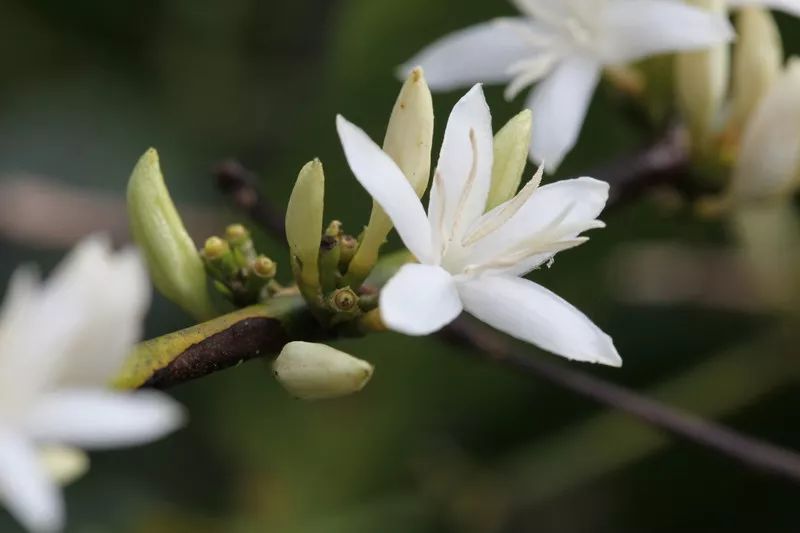 This selection from one brand’s own estate, launched in 2013, is ideal for coffee lovers seeking regional character. Be cautious not to over-extract during brewing to avoid astringent tannins.
The above content is compiled by CoffeeHunters, a coffee news website.

