







Introduction:Want to understand the differences between cold brew and cold drip coffee, the types of coffee beans that suit them, and the precise extraction parameters? This article delves into the principles, steps, coffee-to-water ratios, and flavor profiles of these two cold extraction methods, helping you choose the right beans and brewing technique based on your taste preferences and elevate your home coffee experience.
In the world of specialty coffee, cold brew and cold drip coffee have gained increasing popularity among coffee enthusiasts due to their unique brewing processes and refreshing taste. However, many people still have questions about the differences between these two cold extraction methods, the suitable coffee beans, and the practical details of making them. This article will provide a detailed analysis of the characteristics of cold brew and cold drip coffee, along with practical bean recommendations and extraction tips, allowing you to easily master the essence of these two classic cold coffee styles.
Q1: What coffee beans are suitable for cold brew and cold drip?
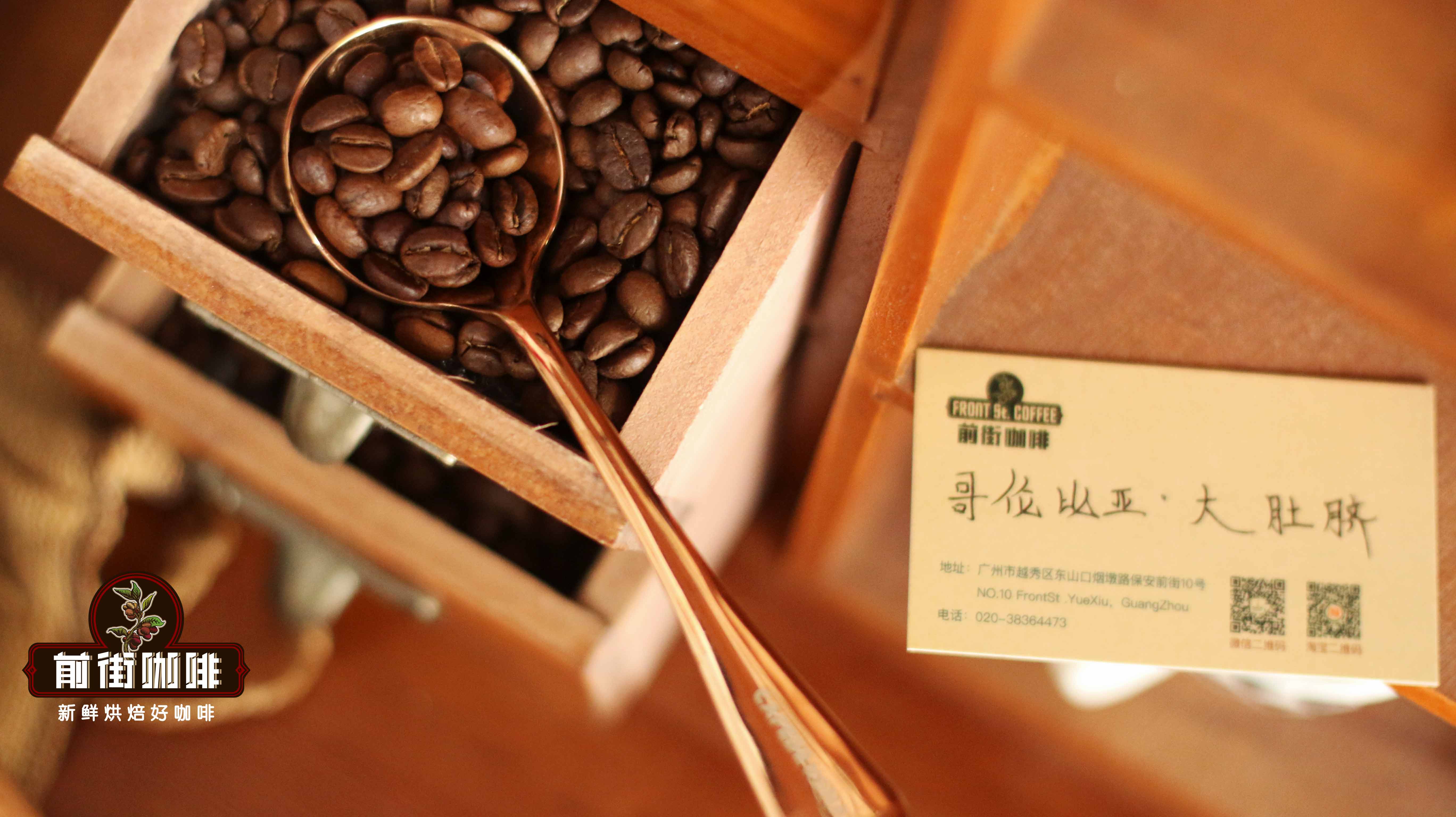
When making cold brew and cold drip coffee, it is recommended to prioritizelight roastedcoffee beans. Since the ice extraction process occurs at low temperatures, flavor release is slower, and light roast beans can showcase brighter fruit acidity and floral-fruity notes while avoiding overly heavy burnt bitterness. If you prefer a refreshing fruit acidity, you can choose beans with distinct citrus or berry characteristics; if you enjoy wine-like aromas and fermentation notes, opt for beans with grape, berry, or caramel undertones—these can all exhibit delicate and balanced profiles under low-temperature, long-duration extraction.
< >
Q2: What is cold drip coffee? What are its equipment and principles?
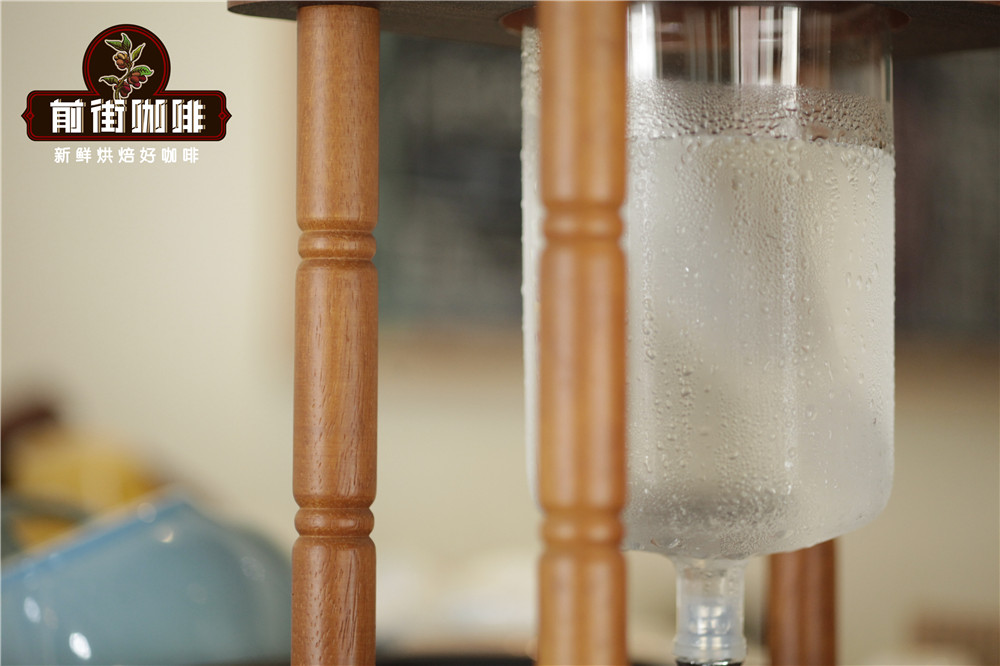
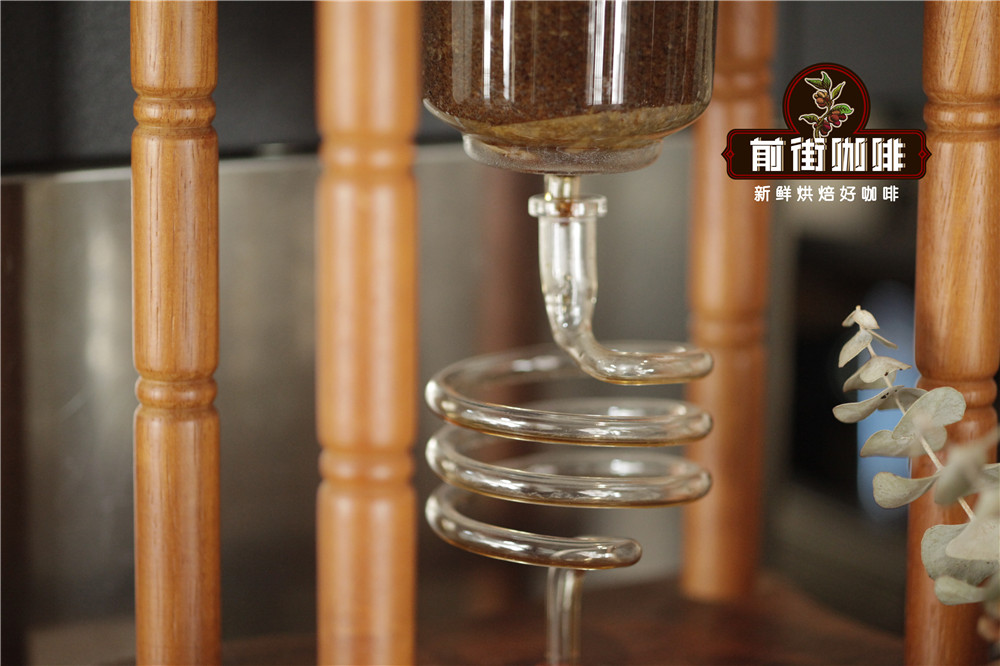
Cold drip coffee is a method where melted ice water slowly drips drop by drop onto a bed of coffee grounds for extraction. This process typically uses a specialized cold drip tower, which mainly consists of four parts:a water bottle with a valve, a coffee grounds chamber, a serpentine condensation tube, and a container to collect the brewed coffee. The ice water, in a cooled state, drips evenly at a rate of a few drops per minute. The entire process usually takes6 to 8 hours, effectively reducing the risk of impurities and over-extraction, resulting in a clear and layered coffee liquid.
Q3: Compared to pour over, what are the advantages of cold brew and cold drip?
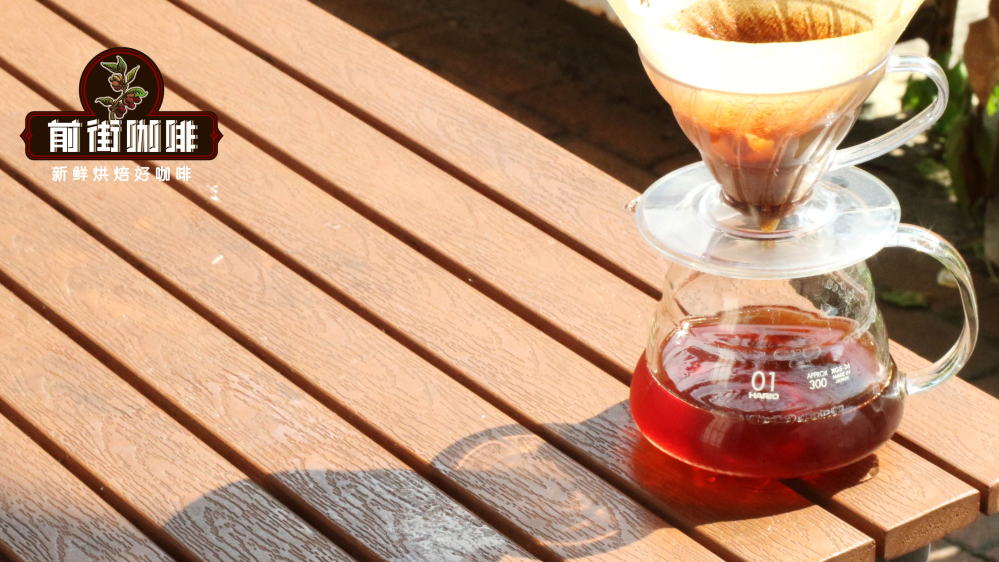
Compared to pour over coffee, which uses hot water for fast extraction, cold brew and cold drip are performed in a low-temperature environment, significantly reducing the risks of bitterness and over-extraction.Lignin fibers in coffee beans are less likely to be released at low temperatures, resulting in a smoother, more refreshing taste that retains more delicate floral, fruity, and sweet flavor notes—ideal for consumers who prefer low-acid, low-stimulation beverages.
Q4: How is cold brew coffee made?
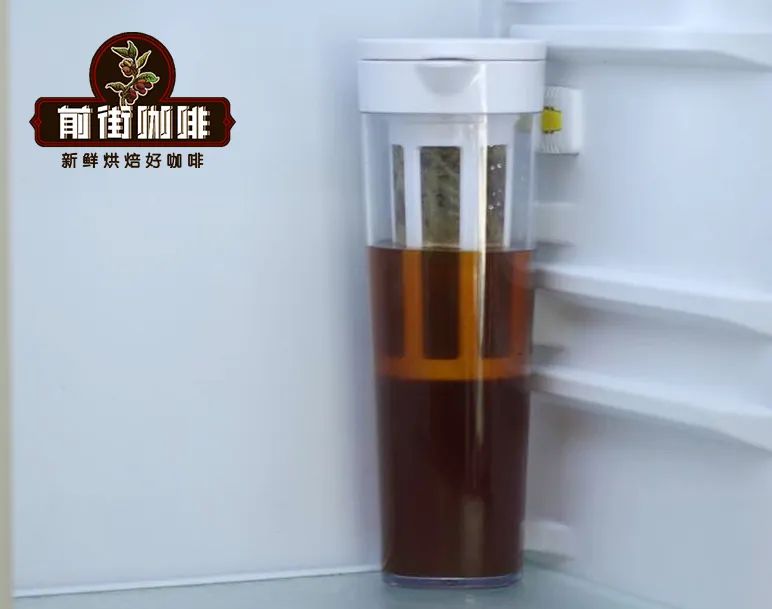
The steps to make cold brew coffee are simple: just prepare freshly ground coffee beans, a clean airtight container, ice water, and filtration material. It is recommended to usemedium-fine grind coffee (about 75% passing through an 0.85mm sieve), with a coffee-to-water ratio of 1:10. For example, you can use 50 grams of coffee beans with 500 milliliters of ice water. Mix the coffee and water evenly, seal the container, and place it in the refrigerator for12 to 24 hours. After extraction, filter out the coffee grounds using filter paper or a filter. The resulting coffee liquid is best consumed within72 hoursto maintain optimal flavor.
Q5: What is the production process for cold drip coffee?
Making cold drip coffee requires a specialized cold drip tower, usinga dripping mixture of ice water for extraction. It is generally recommended to use60 grams of medium-fine grind coffee, with a 1:10 coffee-to-water ratio, to produce about 600 milliliters of coffee liquid. The dripping speed is controlled at about 3 drops per 10 seconds, and the whole process takes approximately5 to 8 hours. After extraction, the coffee liquid should be allowed to rest in a sealed container in the refrigerator forat least 8 hoursto allow carbon dioxide to dissipate, helping the flavors to fully develop. It is also recommended to consume it within 72 hours for the best taste.
Q6: How do the flavors of cold brew and cold drip differ?
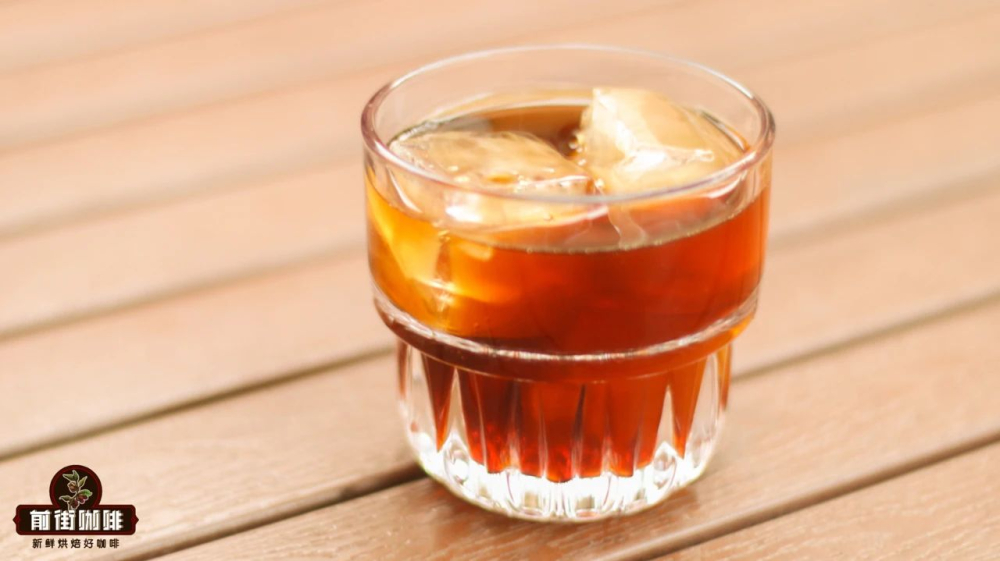
Due to differences in brewing methods, the two have noticeable variations in taste and appearance.Cold drip coffee, filtered through dripping, results in a clear and transparent coffee liquid with a refreshing taste, distinct layers, and fewer impurities; whereascold brew coffee, extracted via immersion, produces a cloudier coffee liquid that often contains fine oils, offering a richer, fuller, and more uniform flavor. Those who prefer a refreshing taste can opt for cold drip, while those who favor a rich and smooth flavor might prioritize cold brew.
Q7: What is the basic definition and method of cold brew coffee?
Simply put, cold brew coffee involves mixing freshly ground coffee beans with cold water (or ice water) in proportion, then placing it in the refrigerator for a long period of time to undergo low-temperature extraction. Although it may sound like a lot of steps, it is actuallysimpler than cold drip coffee and does not require special equipment, making it very suitable for trying at home and enjoying the pleasure of slow extraction.
In summary, whether you choose cold brew or cold drip, the key lies in understanding their principles, mastering the right coffee bean types and precise coffee-to-water ratios, and adjusting extraction time and temperature according to personal taste preferences. With these fine adjustments, you can also easily create your own premium iced black coffee at home.

The above content is compiled by CoffeeHunters, a coffee news website.

