







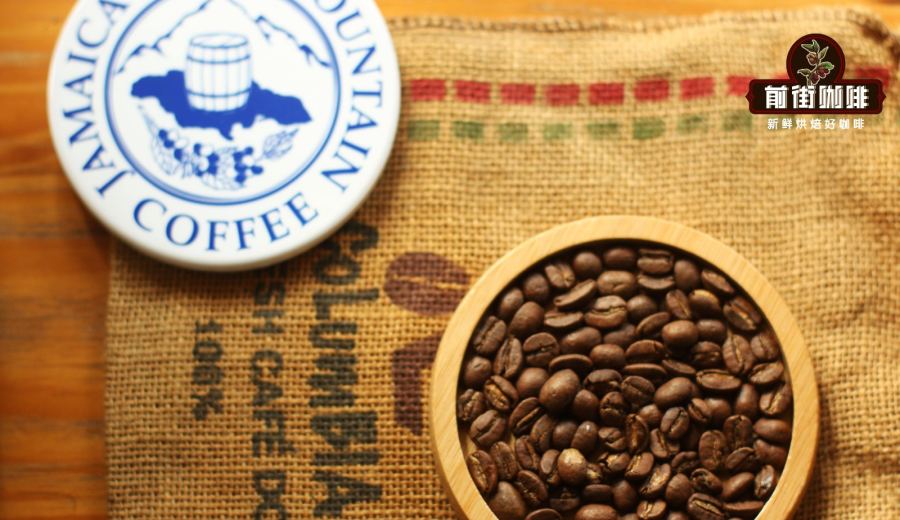
Introduction:Jamaica Blue Mountain coffee is hailed as one of the world’s finest coffees, yet many still have questions about its authenticity, grading, and flavor. This article delves into the official grading system, growing environment, processing methods, and roasting recommendations for Jamaica Blue Mountain beans, unveiling the unique charm of Blue Mountain No. 1 and debunking the myth that “only Japan has access to Blue Mountain coffee.”
When it comes to specialty coffee, “Jamaica Blue Mountain Coffee” is almost a universally known legend. However, there’s a long-standing belief in the market that “only Japan can buy genuine Blue Mountain coffee beans,” which actually dates back to an old story from the last century. In reality, Jamaica Blue Mountain coffee is governed by strict regional standards and quality grading systems, all tightly regulated by the Jamaica Coffee Industry Board (CIB).
According to CIB regulations, only Typica variety coffee beans grown within approximately 6,000 hectares of the designated area in the Blue Mountains can be called “Jamaica Blue Mountain Coffee.” This region spans the parishes of St. Thomas, St. Mary, St. Andrew, and Portland. These beans are further classified into four grades based on quality: NO.1, NO.2, NO.3, and PB (peaberry), with NO.1 being the much-coveted “Blue Mountain No. 1” and widely recognized as the top-tier representative.
Blue Mountain coffee is cultivated at altitudes ranging from 910 to 1700 meters. The high elevation causes the coffee cherries to ripen more slowly, allowing them to accumulate a richer array of aromatic compounds. The main planting areas are concentrated in the aforementioned four administrative regions, with notable estates including Clifton Mount Estate, Stoneleigh Estate, Golden Cup Estate, and RWS Coffee Estate. Among these, Clifton Mount Estate is not only one of the historical birthplaces of Blue Mountain coffee but also currently the only Blue Mountain producer certified by the Rainforest Alliance.
The CIB is one of the few institutions globally that uses scientific and objective criteria to grade coffee. Evaluation factors include green bean size, color uniformity, defect rate, moisture content, and cupping performance. This rigorous scoring system ensures that every batch of Blue Mountain coffee meets high-quality standards.
Before export, all Blue Mountain green beans must undergo professional cupping and grading. Evaluation criteria include bean size—screened using different mesh sizes, with only those passing through a 17 mesh (approximately 8.0mm) or larger, having a defect rate below 3%, maintaining a moisture content of around 13%, and demonstrating full body, low acidity, delicate aroma, and long aftertaste in cupping tests—qualifying as Blue Mountain No. 1. These precise data and sensory benchmarks are key to ensuring the consistent quality of Blue Mountain coffee.
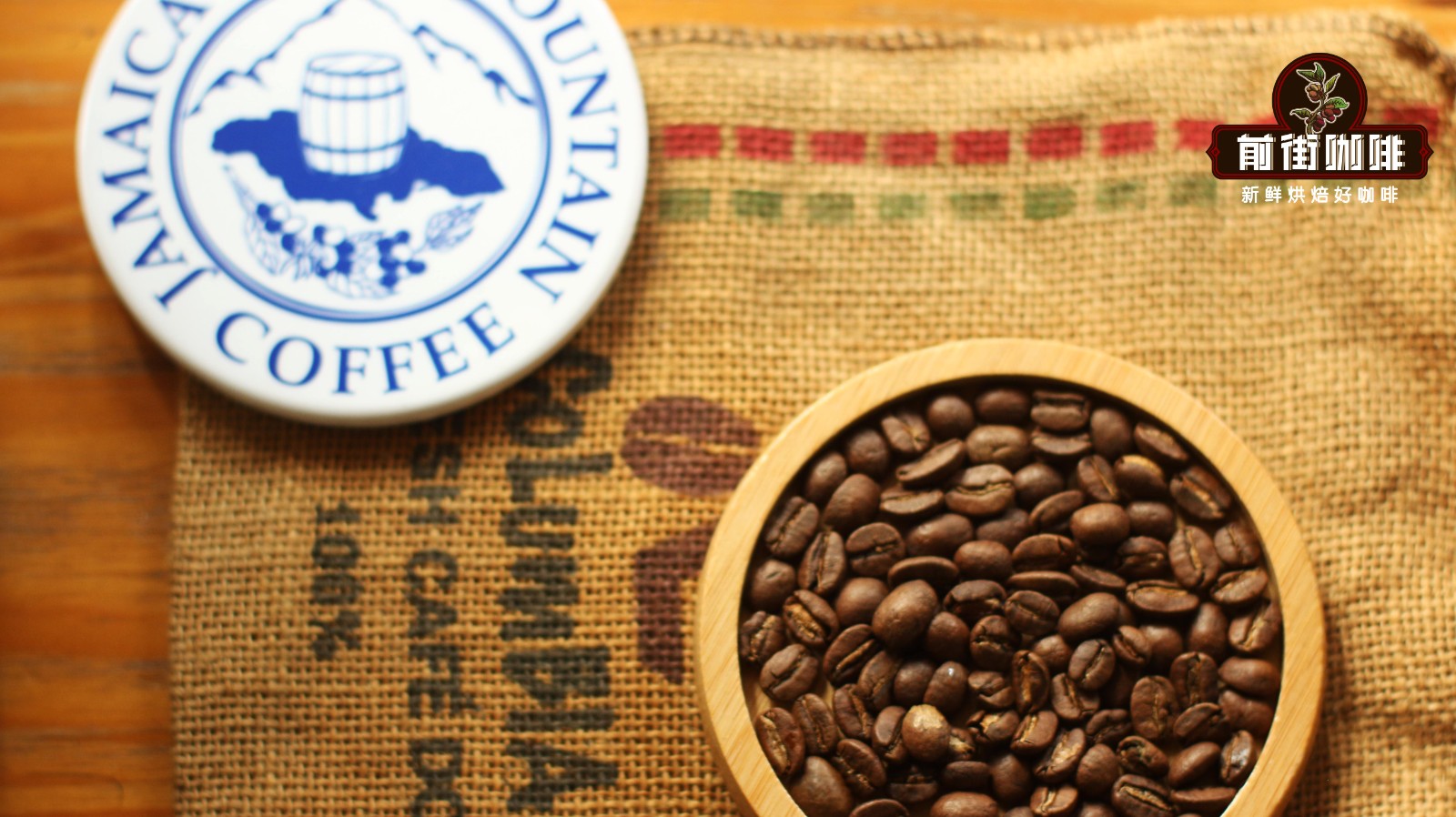
To prevent moisture damage during transport, Jamaica still insists on shipping green beans in traditional handmade wooden barrels. These barrels are not only cultural symbols but also practical designs for preserving coffee flavor. The Blue Mountain No. 1 wooden barrels displayed in the store are a representation of this tradition.
It’s worth mentioning that all exports of Blue Mountain coffee are strictly controlled by the Jamaican government. Exporters must obtain official licenses, and each shipment is inspected by the Jamaica National Coffee Board. Only after passing inspection are they granted a certification label. Therefore, properly imported Blue Mountain coffee usually comes with a Certificate of Origin from the Jamaica Coffee Board, authorization documents from the producer, and a quality inspection report. For instance, Blue Mountain No. 1 from Clifton Mount Estate comes with all of the above official certifications.
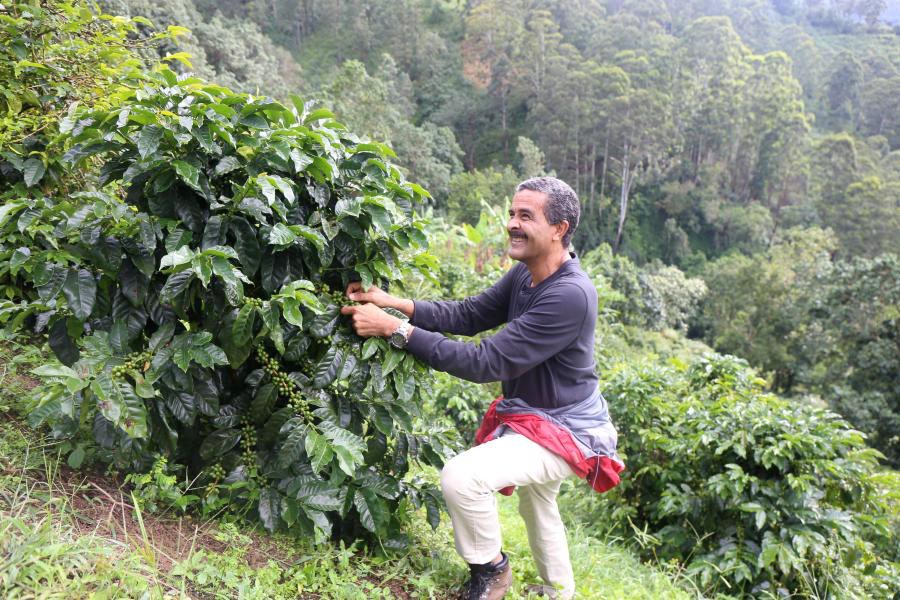
The history of Clifton Mount Estate dates back to the mid-18th century (around 1750), and it has been managed by the Sharp family since 1978. The estate is located in the Clifton Mountain area, at an average altitude of 1310 meters (about 4300 feet), characterized by distinct day-night temperature variations, frequent light fog, abundant rainfall, and volcanic soil rich in minerals, providing an ideal growing environment for coffee trees. Moreover, the high altitude slows the maturation of coffee cherries, giving the fruits more time to develop complex flavors.
Since taking over, the Sharp family not only reorganized the previously disordered planting areas but also introduced modern processing equipment and invested in building solar power systems, wastewater treatment facilities, and the BMCP coffee processing plant. As one of the few coffee farms globally with Rainforest Alliance certification, Clifton Mount Estate is also committed to environmental protection and sustainability—for example, by recycling processing water for farmland irrigation and fermenting coffee pulp into organic fertilizer to nourish the farm’s ecosystem.
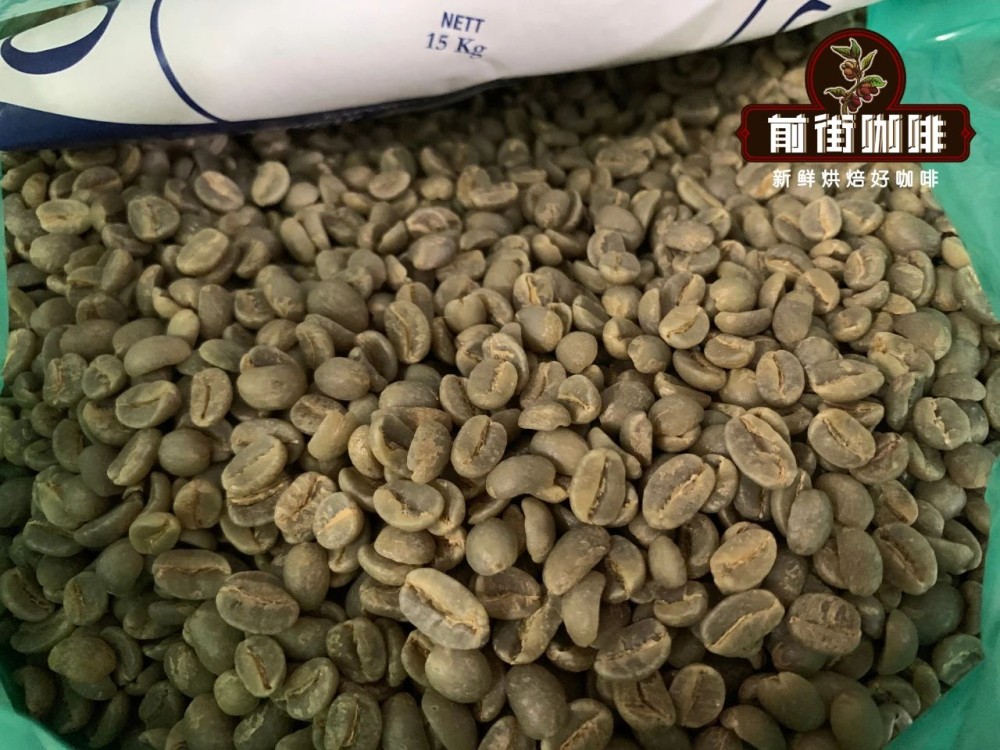
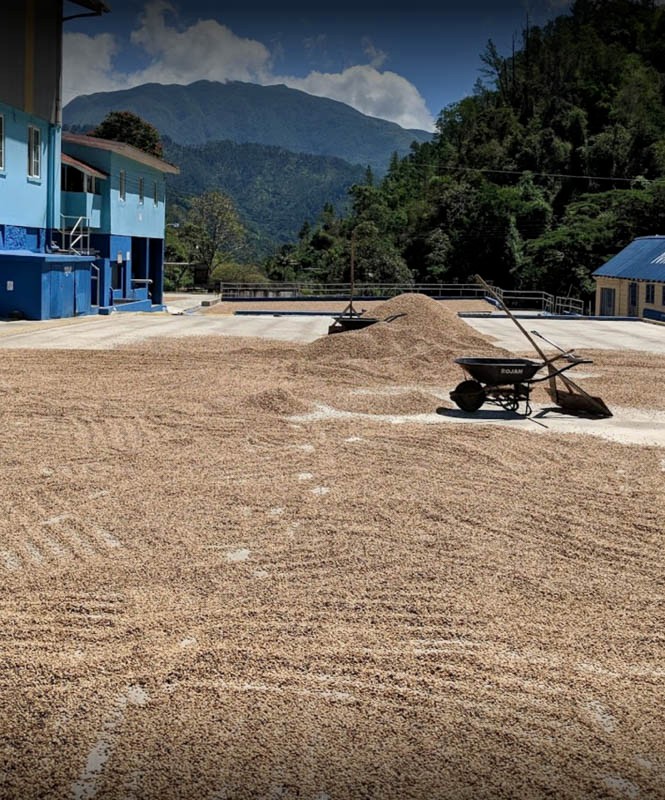
In green bean processing, Clifton Mount Estate first uses flotation to sort ripe and unripe beans, then channels the ripe coffee cherries through water flow into a pulper. The depulped beans, still covered in mucilage and parchment, undergo fermentation in water tanks to remove the sticky layer, followed by rinsing with clean water. Finally, the parchment-covered beans are evenly spread out, with moisture content controlled between 11–12%, and left to rest for a month in the BMCP facility to stabilize the flavor structure and water activity—this is a unique post-processing step exclusive to Blue Mountain coffee.
For roasting, the shop opts for a medium-dark roast level, aiming to balance the bold chocolate notes and delicate nutty aromas of Blue Mountain coffee while retaining moderate acidity and sweetness. This roasting strategy fully showcases the classic flavor profile of Blue Mountain coffee: “rich dark chocolate, roasted hazelnuts, cream, and black sugar,” with a smooth mouthfeel and well-defined layers.
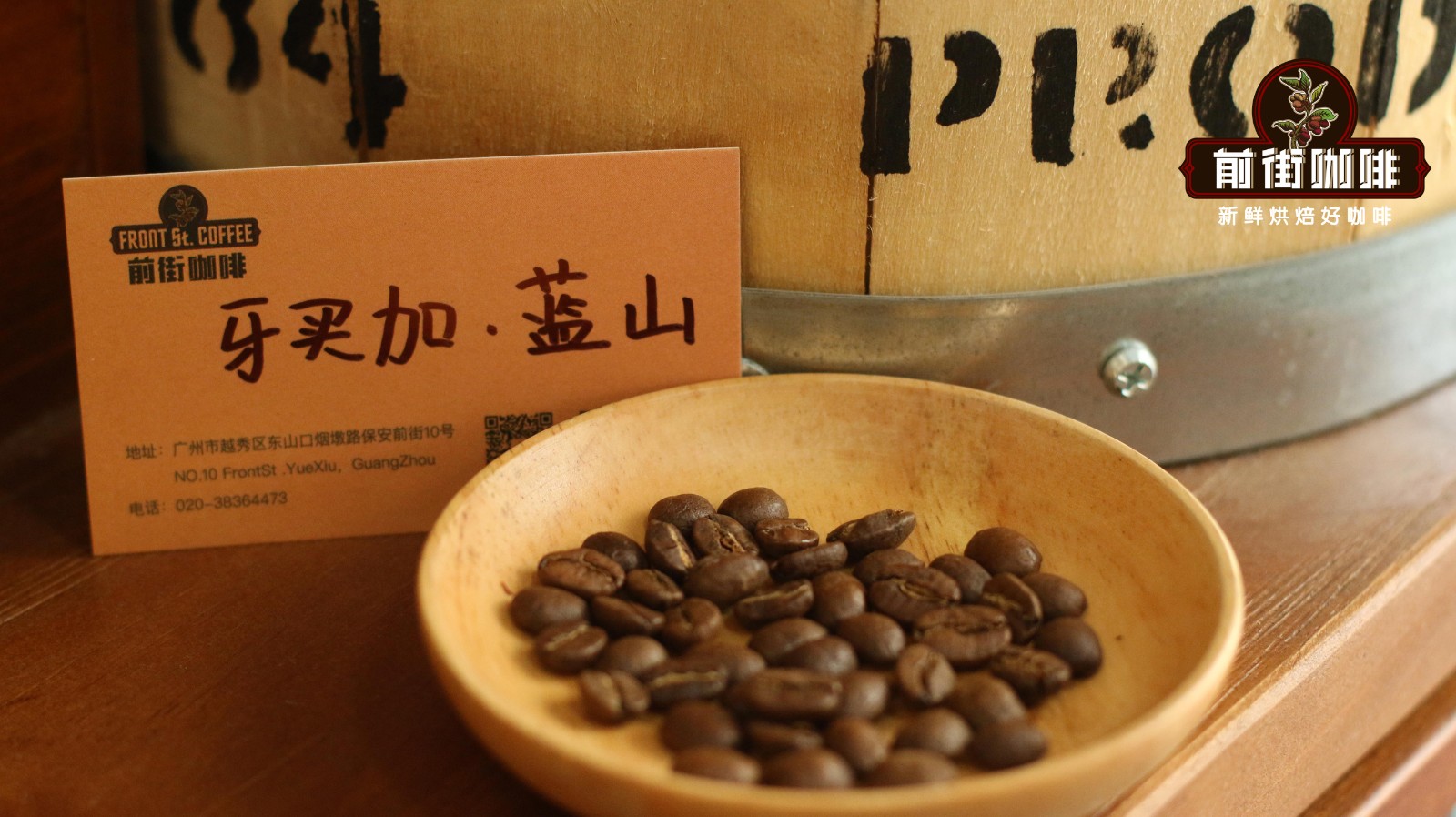
Freshly roasted Blue Mountain No. 1 displays nutty, melon, and chocolatey dry aromas in cupping; once brewed, it releases a complex fragrance of oolong tea, caramel, honey, and dark chocolate. When sipped, the dominant notes are intense dark chocolate and roasted hazelnuts, accompanied by a creamy, silky texture and a lasting black sugar finish. The overall profile is clean, full-bodied, and highly layered, making it a classic flavor experience not to be missed by coffee enthusiasts.
The past rumor that “only Japan can buy genuine Blue Mountain coffee” actually stems from the 1970s when Jamaica was hit by typhoons that severely damaged production facilities. At that time, Japan, experiencing rapid economic growth and actively expanding international cooperation, signed a long-term procurement agreement with Jamaica and assisted in rebuilding the production infrastructure, which is why Blue Mountain coffee was predominantly exported to the Japanese market for many years. However, over time, Blue Mountain coffee has gradually entered global markets, including China, and today consumers can enjoy this top-tier coffee through legitimate channels.
The above content is compiled by CoffeeHunters, a coffee news website.

