







Introduction:Jamaican Blue Mountain coffee is renowned for its rich, well-balanced flavor and is considered a dream brew by many coffee enthusiasts. But with so many imitations on the market, how can you identify the genuine article? This article delves into the flavor profile of Blue Mountain coffee, key points for identifying authentic beans, and offers roast recommendations and brewing parameters suited for pour over, helping you find truly premium Blue Mountain single-origin beans worth savoring.
Jamaican Blue Mountain coffee is hailed as one of the finest coffees in the world. Its allure lies in the perfect harmony among acidity, bitterness, and sweetness, with a full-bodied texture and layered complexity. It lacks harsh bitterness and instead features a moderate, refreshing fruit acidity and lingering aftertaste — this exceptional balance is precisely what makes it so highly regarded. For pour over aficionados, selecting authentic Blue Mountain beans allows you to experience the purest mountain-grown flavors.
However, due to the coffee’s fame, the market is flooded with counterfeits. To choose genuinely sourced Blue Mountain single-origin beans from Jamaica, first pay attention to the product format. High-quality Blue Mountain coffee is typically sold as whole beans or freshly ground pour over drip bags. Products that claim "Blue Mountain flavor," dark roast blends mimicking the profile, or those marketed as “Blue Mountain blends” are mostly commercial marketing tactics, not actual beans grown in the Blue Mountain region.
Additionally, price is a key indicator. Since Blue Mountain coffee is grown only in specific high-altitude regions of Jamaica and requires significant labor throughout planting, harvesting, and processing, the cost is inherently high. If you come across so-called “Blue Mountain coffee beans” priced at just a few dozen yuan or even under ten yuan per kilogram, they are almost certainly fake.
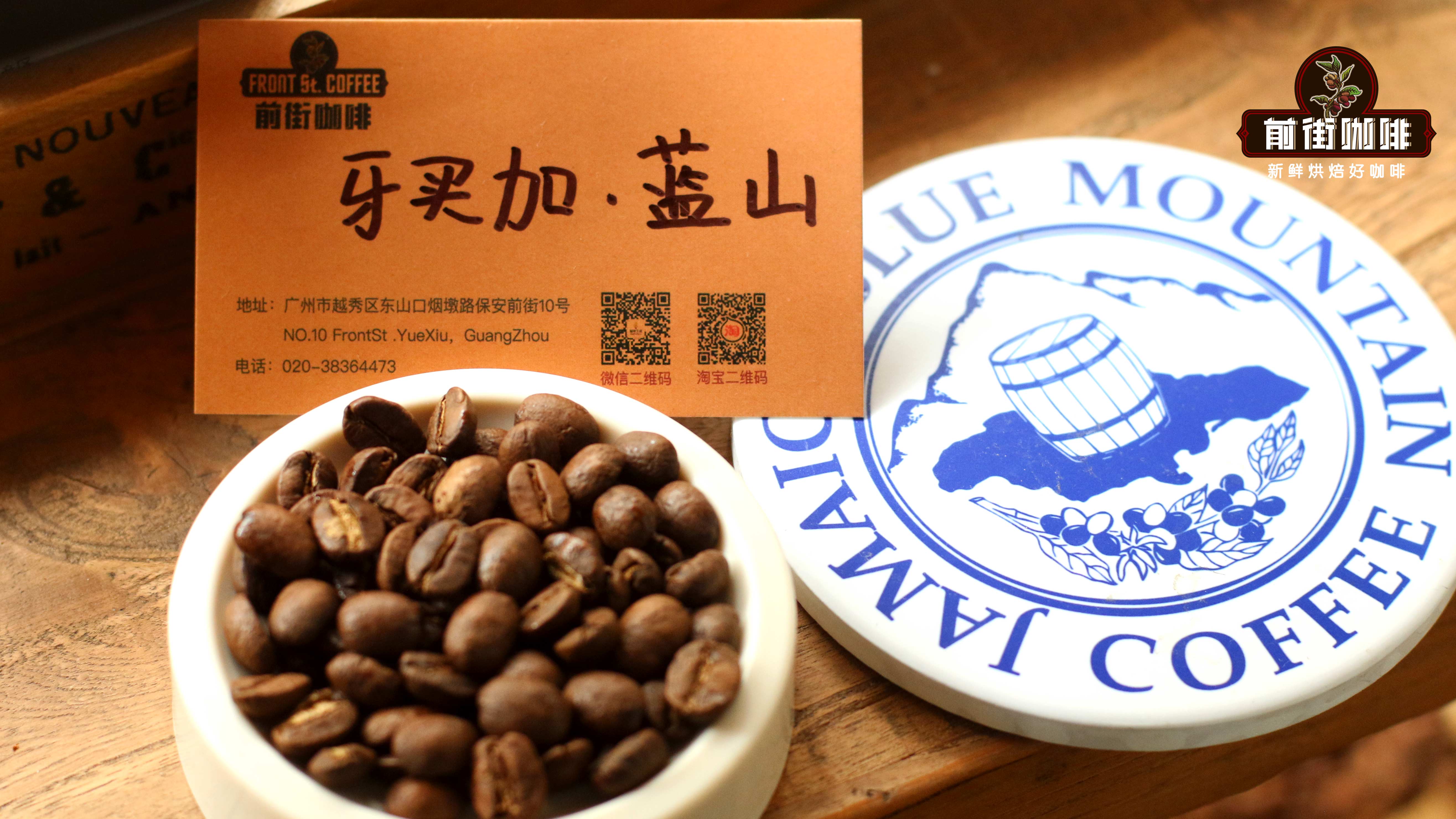
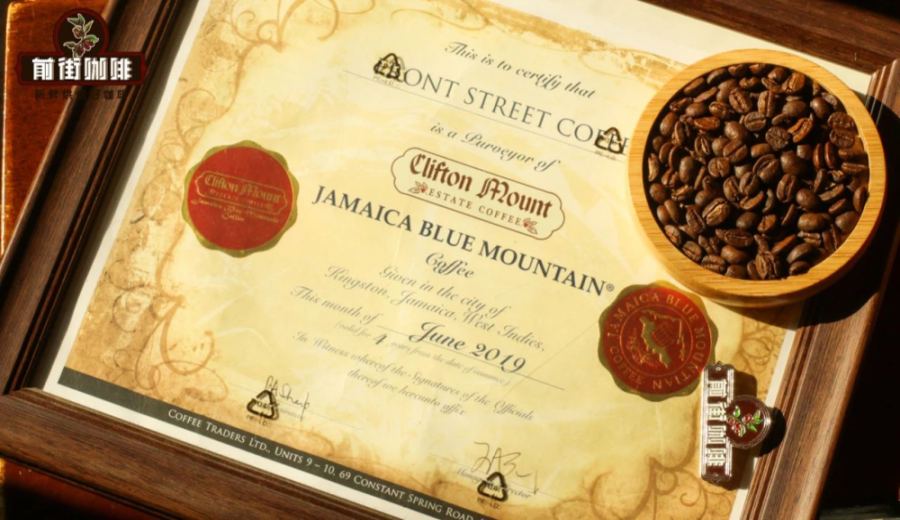
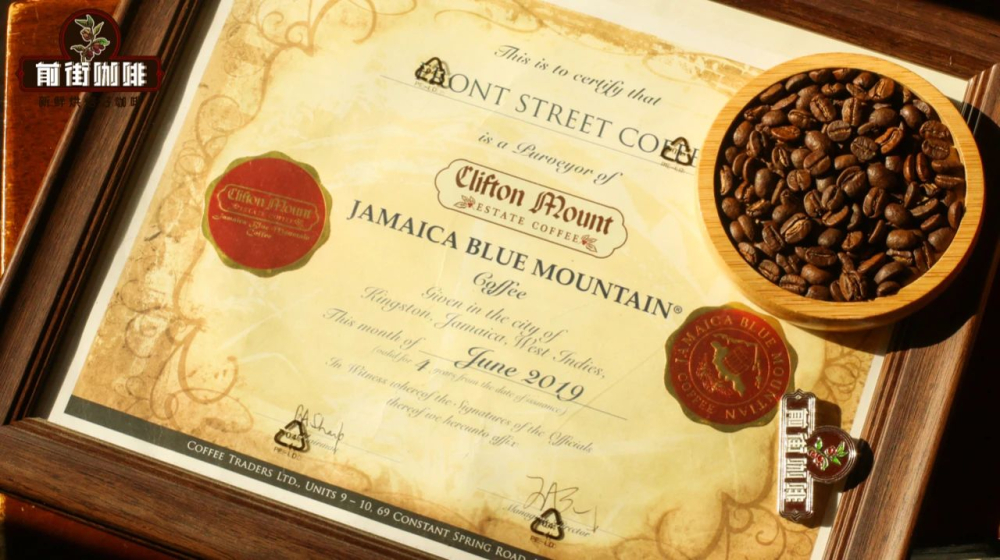
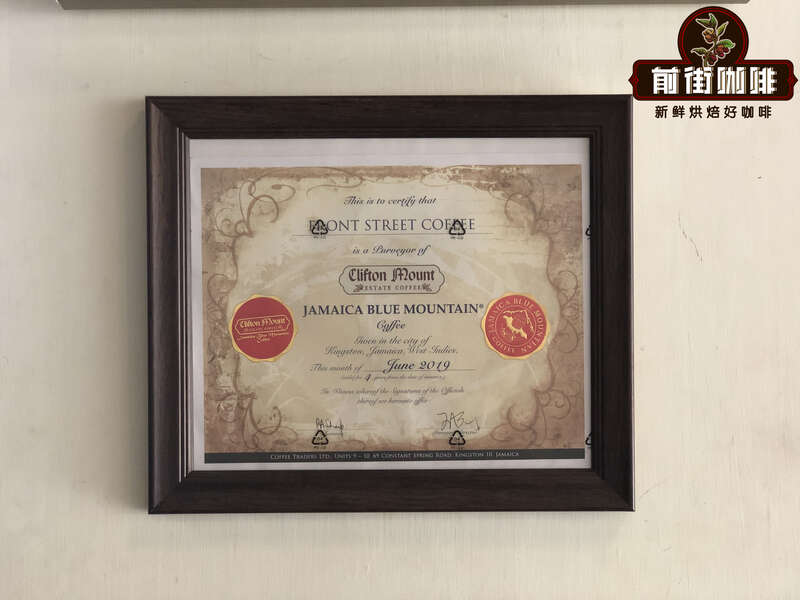
To further confirm the authenticity of Blue Mountain coffee, check for relevant origin certification and authorization documents. Genuine Blue Mountain coffee is strictly regulated by the Jamaican government, with only four licensed processing plants responsible for production, and exports distributed globally via sixteen designated exporters. When purchasing, look for wooden barrels used for green beans, official sales authorization certificates, and the origin certification of Jamaican Blue Mountain coffee — these are crucial markers for determining authenticity.
Another intuitive method is to judge by aroma and flavor. Freshly roasted authentic Blue Mountain coffee emits a rich, long-lasting aroma of chocolate and roasted hazelnuts, a deep and multi-layered scent that is difficult for typical dark roast blends to match. The brewed coffee exhibits a complex flavor profile of nuts, chocolate, caramel, and creaminess, with an exquisite balance of acidity, sweetness, bitterness, and aroma — no single note overpowers the rest. The overall taste is full-bodied with a natural sweetness, making it ideal for coffee lovers who appreciate refined flavors.
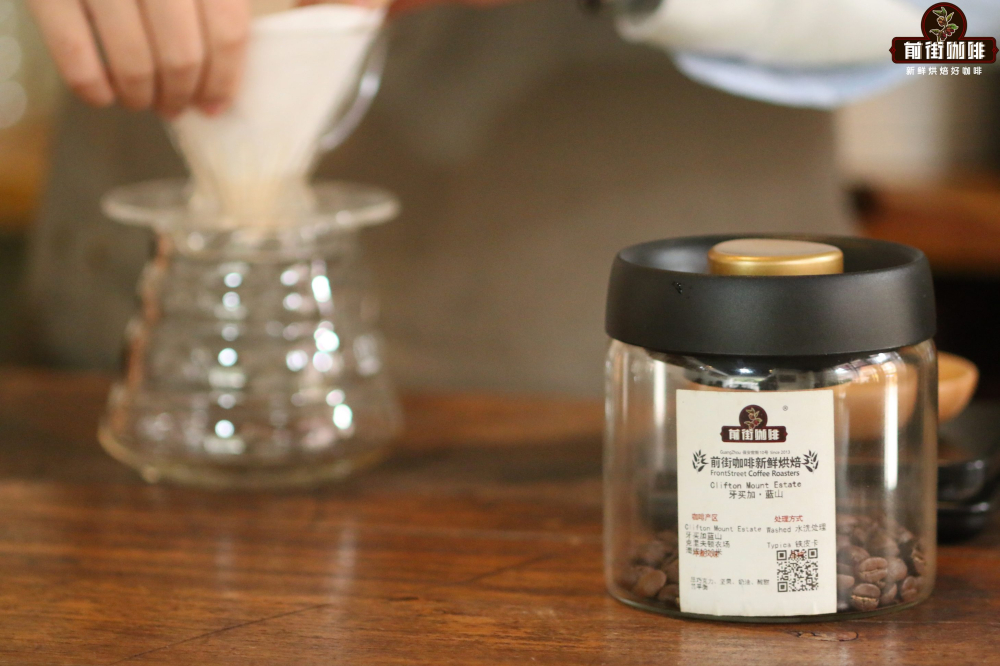
For beginners trying Blue Mountain coffee for the first time, it’s recommended to choose beans from reputable roasters with good track records to ensure origin and quality. In terms of roast level, medium-dark roast highlights the caramelized notes of Blue Mountain while retaining subtle fruit acidity, making it a common choice for pour over. This roast level brings out the coffee’s rich foundation without sacrificing its delicate flavor layers, suitable for most pour over enthusiasts to try.
For brewing parameters, it’s recommended to use medium-fine grind (similar in size to granulated sugar), with water temperature controlled at 90–92°C, and a coffee-to-water ratio of 1:15 to 1:16 to fully showcase the nuanced flavors of Blue Mountain coffee. A three-stage pouring technique can be employed during pour over, with steady water flow aiding in even extraction and avoiding over-extraction or excessive acidity.
In summary, the charm of Jamaican Blue Mountain coffee lies in its unique flavor balance and rarity, but with numerous imitations on the market, careful identification is essential when purchasing. From product format, price, documentation, to aroma and taste, all serve as vital criteria for judgment. By selecting truly authentic single-origin beans from the Blue Mountain region and using appropriate roast and pour over methods, you can experience the most genuine and captivating flavor expression of this top-tier coffee.
The above content is compiled by CoffeeHunters, a coffee news website.

